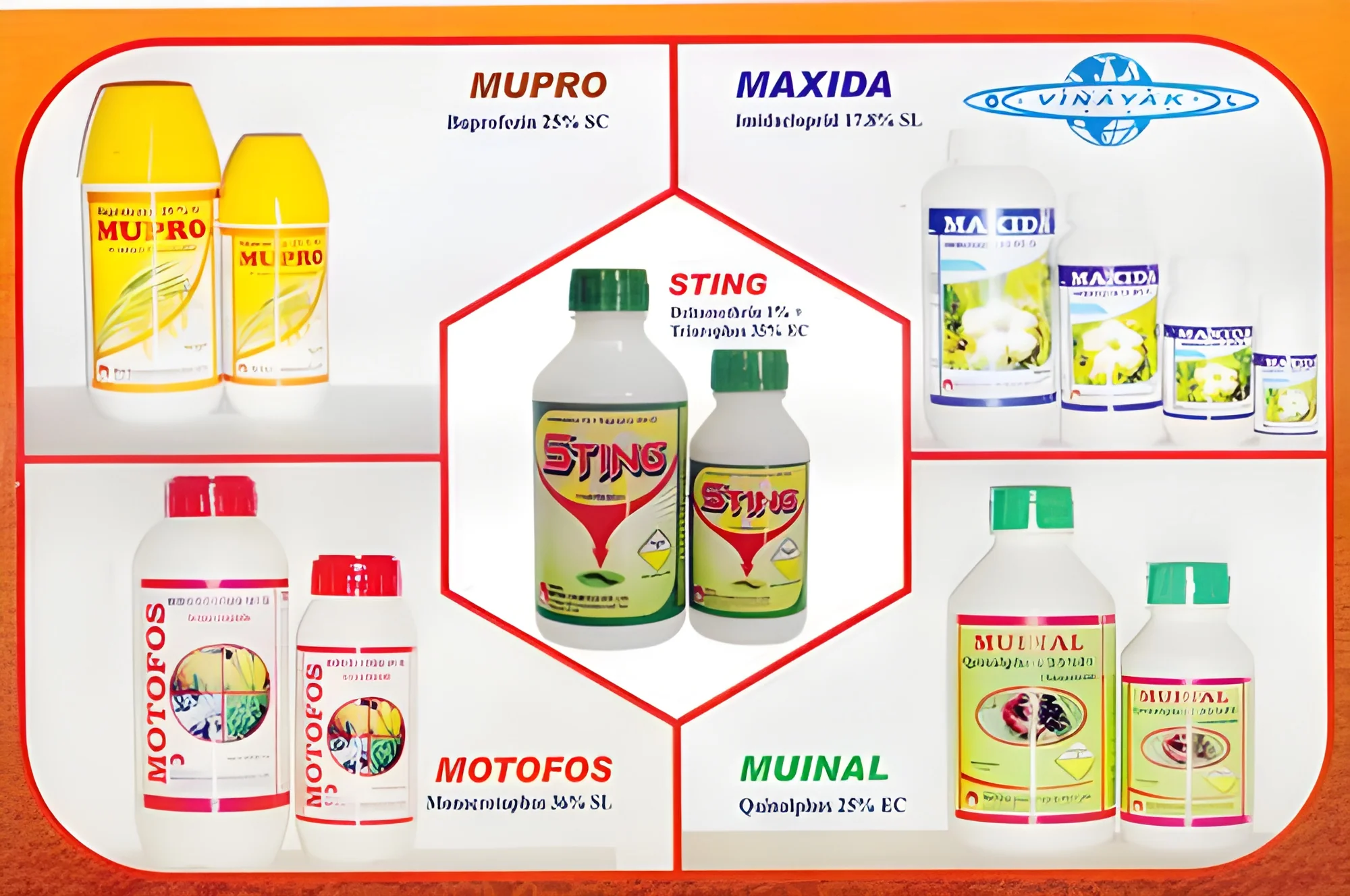
𝗪𝗵𝗮𝘁 𝗮𝗿𝗲 𝗘𝘅𝗽𝗼𝗿𝘁-𝗚𝗿𝗮𝗱𝗲 𝗣𝗲𝘀𝘁𝗶𝗰𝗶𝗱𝗲 𝗠𝗮𝗻𝘂𝗳𝗮𝗰𝘁𝘂𝗿𝗲𝗿𝘀?
Export-grade pesticide manufacturers are specialized companies that produce pesticides meeting rigorous standards for international markets. These manufacturers focus on ensuring that their products are effective for pest control while adhering to strict safety and regulatory protocols. They play a crucial role in the agricultural supply chain by providing high-quality chemicals that help farmers protect crops from pests and diseases.
The primary uses of export-grade pesticides include agricultural applications, where they are essential for increasing crop yields and ensuring food security. These products are utilized across various sectors, including horticulture, viticulture, and grain production. By offering targeted solutions, these manufacturers support businesses in enhancing their productivity and profitability while maintaining compliance with global agricultural standards.
In the current market context, the demand for export-grade pesticides is influenced by factors such as population growth, changing dietary preferences, and climate change. As agriculture becomes increasingly globalized, the importance of sourcing high-quality pesticides from reputable manufacturers has grown, ensuring both efficacy and safety in agricultural practices worldwide.
𝗞𝗲𝘆 𝗙𝗲𝗮𝘁𝘂𝗿𝗲𝘀 𝗮𝗻𝗱 𝗦𝗽𝗲𝗰𝗶𝗳𝗶𝗰𝗮𝘁𝗶𝗼𝗻𝘀
Export-grade pesticide manufacturers provide a range of specifications that ensure their products meet both efficacy and safety standards. Understanding these specifications is essential for B2B buyers looking to source effective pest control solutions.
Key specifications include:
1. Quality Standards
- Compliance with international quality standards such as ISO 9001.
- Assurance of product consistency and reliability.
2. Safety Certifications
- Products must meet safety certifications including CE.
- Detailed safety data sheets (SDS) are provided to inform users of handling and risks.
3. Formulation Types
- Available in various formulations such as liquids, powders, and granules.
- Each formulation is designed for specific application methods.
4. Active Ingredient Concentration
- Defined concentration levels of active ingredients to ensure effectiveness.
- Ranges vary based on the specific pest target and crop type.
5. Shelf Life
- Specifications on shelf life to guarantee product efficacy over time.
- Typically ranges from 2 to 5 years depending on the formulation.
6. Packaging Standards
- Packaging must comply with regulatory standards for safe transport and storage.
- Options include bulk containers and smaller retail-ready packages.
7. Environmental Impact
- Products designed to minimize environmental harm and promote sustainability.
- Biodegradable options may be available.
In summary, understanding the key features and specifications of export-grade pesticides helps buyers make informed decisions regarding their pest control needs.
𝗖𝗼𝗺𝗺𝗼𝗻 𝗔𝗽𝗽𝗹𝗶𝗰𝗮𝘁𝗶𝗼𝗻𝘀 𝗮𝗻𝗱 𝗨𝘀𝗲 𝗖𝗮𝘀𝗲𝘀
Export-grade pesticides find applications across various industries, each requiring tailored solutions for pest management.
1. Agriculture: In crop production, these pesticides are essential for protecting yields from pests and diseases, ensuring healthier harvests.
2. Horticulture: Used in the cultivation of flowers and ornamental plants, these pesticides help maintain plant health and aesthetic quality.
3. Viticulture: Vineyards utilize targeted pesticides to control pests that threaten grape quality, crucial for wine production.
4. Grain Storage: In post-harvest scenarios, pesticides are applied to stored grains to prevent infestations that can lead to significant losses.
5. Forestry: Pesticides are used to manage pest populations that threaten tree health and ensure sustainable forestry practices.
6. Public Health: Export-grade pesticides are also used in vector control to manage insect populations that pose health risks to humans.
7. Greenhouse Production: These pesticides play a vital role in protecting crops grown in controlled environments where pests can proliferate rapidly.
𝗣𝗿𝗼𝗱𝘂𝗰𝘁 𝗩𝗮𝗿𝗶𝗮𝗻𝘁𝘀 𝗮𝗻𝗱 𝗦𝘂𝗯𝗰𝗮𝘁𝗲𝗴𝗼𝗿𝗶𝗲𝘀
The diversity of export-grade pesticides allows for tailored solutions to meet specific agricultural needs.
Liquid Pesticides
These are widely used due to their ease of application and rapid absorption by plants. They often include systemic and contact pesticides, ideal for a variety of crops.
Granular Pesticides
Granular formulations are preferred for soil application, providing prolonged pest control and reducing exposure to non-target organisms.
Powdered Pesticides
These are versatile and can be mixed with water for various application methods. They are commonly used in both agricultural and horticultural settings.
𝗕𝗲𝗻𝗲𝗳𝗶𝘁𝘀 𝗮𝗻𝗱 𝗔𝗱𝘃𝗮𝗻𝘁𝗮𝗴𝗲𝘀
Choosing export-grade pesticides offers several distinct advantages for businesses in agriculture.
1. Enhanced Crop Yields: High-quality pesticides contribute to healthier crops, resulting in increased productivity and profitability.
2. Compliance with Standards: Sourcing from reputable manufacturers ensures alignment with international safety and quality regulations.
3. Targeted Pest Control: These products are formulated to effectively manage specific pest populations, minimizing the risk of resistance.
4. Environmental Safety: Many export-grade pesticides are designed with a focus on reducing environmental impact, supporting sustainable farming practices.
5. Improved Shelf Life: Manufacturers adhere to stringent quality controls, ensuring that products maintain efficacy over time.
6. Extensive Support: Many manufacturers provide technical support and resources to help buyers implement effective pest management strategies.
𝗕𝘂𝘆𝗶𝗻𝗴 𝗚𝘂𝗶𝗱𝗲 𝗳𝗼𝗿 𝗕𝟮𝗕 𝗕𝘂𝘆𝗲𝗿𝘀
When sourcing export-grade pesticide manufacturers, several critical factors should be considered to ensure a successful procurement process.
1. Quality Assessment: Evaluate the manufacturer's adherence to international quality standards and their reputation in the market. Look for certifications and product testing results to verify quality.
2. Supplier Verification: Conduct thorough research on potential suppliers to ensure they are reputable and reliable. This may include checking references and reviews from other businesses.
3. Pricing and MOQ: Understand the pricing structure and minimum order quantities (MOQ) required by the manufacturer. This allows for better budgeting and financial planning.
4. Delivery and Lead Times: Assess the manufacturer's logistics capabilities, including delivery times and shipping options, to ensure timely receipt of products.
5. Compliance Requirements: Ensure that the products comply with relevant regulatory requirements in your region. This may include registration and labeling requirements for pesticides.
𝗖𝗼𝗺𝗽𝗹𝗶𝗮𝗻𝗰𝗲 𝗮𝗻𝗱 𝗖𝗲𝗿𝘁𝗶𝗳𝗶𝗰𝗮𝘁𝗶𝗼𝗻𝘀
Export-grade pesticide manufacturers must adhere to various compliance and certification standards to ensure product safety and effectiveness. Key quality standards include ISO 9001, which outlines requirements for a quality management system, ensuring consistent quality in production processes.
Industry certifications such as CE indicate that products meet European safety and environmental standards. These certifications are crucial for gaining market access in many regions.
Safety and testing requirements are also paramount. Manufacturers must conduct rigorous testing to evaluate the efficacy and safety of their products, which includes toxicity assessments and environmental impact studies.
Additionally, regional compliance considerations must be addressed. Different regions may have specific regulations regarding pesticide ingredients, usage, and labeling. Manufacturers need to ensure their products are compliant with these local regulations to avoid penalties and ensure market acceptance.
𝗪𝗵𝘆 𝗦𝗼𝘂𝗿𝗰𝗲 𝗘𝘅𝗽𝗼𝗿𝘁-𝗚𝗿𝗮𝗱𝗲 𝗣𝗲𝘀𝘁𝗶𝗰𝗶𝗱𝗲 𝗠𝗮𝗻𝘂𝗳𝗮𝗰𝘁𝘂𝗿𝗲𝗿𝘀 𝗳𝗿𝗼𝗺 𝗣𝗲𝗽𝗮𝗴𝗼𝗿𝗮?
Pepagora offers a trusted platform for sourcing export-grade pesticide manufacturers, providing several key advantages to B2B buyers.
Verified Supplier Network: Pepagora features a comprehensive list of verified suppliers, ensuring that buyers can trust the quality and reliability of the products offered. This verification process helps mitigate risks associated with sourcing.
Streamlined RFQ Process: The platform simplifies the request for quotation (RFQ) process, allowing buyers to easily compare offers and select the best options based on their specific needs.
Trade Assurance and Support: Pepagora provides trade assurance measures to protect buyers throughout the procurement process. This includes support for resolving disputes and ensuring product quality.
Regional Coverage: The platform has a strong presence in key markets, including India, the GCC region, and Southeast Asia. This geographic reach enables buyers to access a diverse range of products and suppliers tailored to their local needs.

 IN
IN