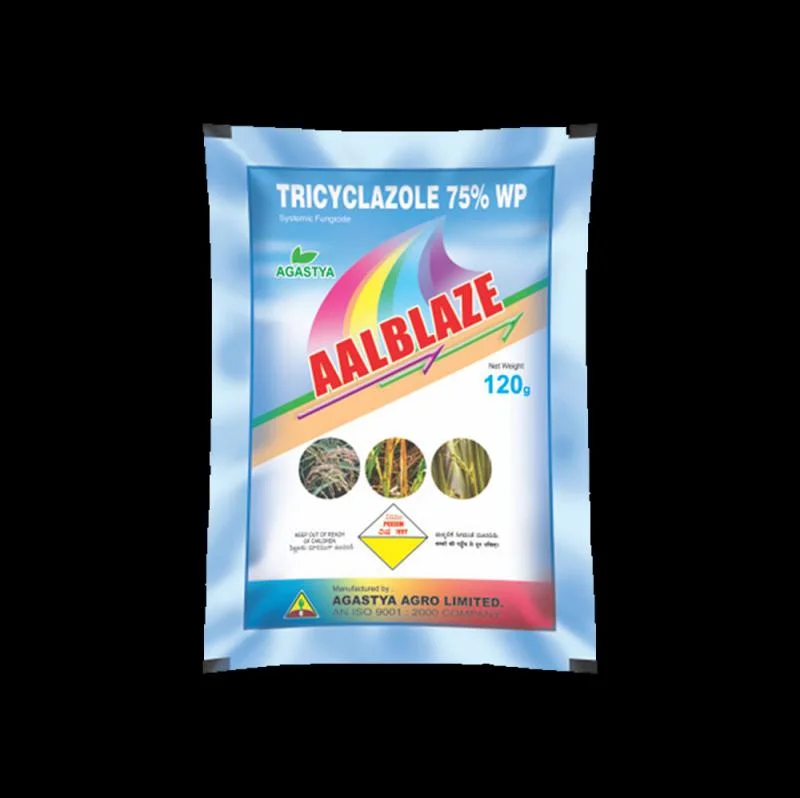
𝗪𝗵𝗮𝘁 𝗮𝗿𝗲 𝗙𝘂𝗻𝗴𝗮𝗹 𝗥𝗲𝘀𝗶𝘀𝘁𝗮𝗻𝗰𝗲 𝗠𝗮𝗻𝗮𝗴𝗲𝗺𝗲𝗻𝘁 𝗦𝗼𝗹𝘂𝘁𝗶𝗼𝗻𝘀?
Fungal Resistance Management Solutions encompass a range of products and strategies designed to prevent and control fungal infections in various industrial settings. These solutions typically include chemical treatments, biological agents, and integrated pest management practices. The primary goal is to inhibit fungal growth and protect materials, products, and environments from damage caused by fungi.
These solutions are widely utilized in industries such as agriculture, food processing, pharmaceuticals, and textiles, where fungal contamination can significantly impact product quality and safety. By implementing effective fungal resistance management, businesses can reduce losses, maintain compliance with safety regulations, and ensure the reliability of their products. As the demand for high-quality standards continues to rise, the market for these solutions remains critical for maintaining operational efficiency and product integrity.
In today's market, the relevance of fungal resistance management has increased due to the growing awareness of health and safety concerns associated with fungal infections. Industries are under pressure to adopt comprehensive solutions, which not only comply with local regulations but also meet international standards. As a result, companies are increasingly investing in advanced fungal resistance strategies to safeguard their operations and reputation.
𝗞𝗲𝘆 𝗙𝗲𝗮𝘁𝘂𝗿𝗲𝘀 𝗮𝗻𝗱 𝗦𝗽𝗲𝗰𝗶𝗳𝗶𝗰𝗮𝘁𝗶𝗼𝗻𝘀
Fungal Resistance Management Solutions are characterized by various features and specifications that ensure their effectiveness and reliability. Understanding these specifications helps businesses choose the right solutions for their needs.
Key specifications include:
1. Chemical Composition
- Formulated to target specific fungal strains
- Varies based on intended application
2. Application Method
- Options for liquid, aerosol, or granular applications
- User-friendly application processes
3. Efficacy Duration
- Long-lasting effects against fungal growth
- Range from weeks to months depending on conditions
4. Environmental Safety
- Biodegradable and non-toxic formulations available
- Compliance with environmental regulations
5. Temperature Resistance
- Effectiveness across various temperature ranges
- Ensures performance in diverse conditions
6. Monitoring Features
- Integrated systems for tracking fungal activity
- Alerts for potential fungal outbreaks
7. Customization Options
- Solutions tailored to specific industry needs
- Flexibility in formulation and application
8. Compliance Certifications
- CE certifications for safety and effectiveness
- Adherence to industry-specific standards
These specifications are crucial for businesses to evaluate when selecting fungal resistance management solutions, ensuring they meet operational requirements and regulatory standards.
𝗖𝗼𝗺𝗺𝗼𝗻 𝗔𝗽𝗽𝗹𝗶𝗰𝗮𝘁𝗶𝗼𝗻𝘀 𝗮𝗻𝗱 𝗨𝘀𝗲 𝗖𝗮𝘀𝗲𝘀
Fungal Resistance Management Solutions find applications across a variety of industries, each with unique requirements and challenges.
1. Agriculture: In agriculture, these solutions are used to protect crops from fungal diseases that can lead to significant yield losses. Farmers implement these products as part of their integrated pest management strategies.
2. Food Processing: The food industry relies on these solutions to prevent fungal contamination during production and storage. Ensuring that products remain safe for consumption is paramount in this sector.
3. Pharmaceuticals: In pharmaceutical manufacturing, maintaining a sterile environment is critical. Fungal resistance solutions help to minimize contamination risks that could compromise product integrity.
4. Textiles: The textile industry utilizes these solutions to protect fabrics from degradation caused by fungal growth, especially in humid environments. This ensures the longevity and quality of textile products.
5. Construction: In construction, fungal resistance products are applied to materials to prevent mold and mildew growth, thus ensuring structural integrity and occupant safety.
6. Healthcare: Hospitals and healthcare facilities implement these solutions to maintain hygienic conditions, reducing the risk of fungal infections in sensitive environments.
7. Packaging: In packaging, fungal resistance solutions ensure that materials remain uncontaminated, preserving the quality of packaged goods.
𝗣𝗿𝗼𝗱𝘂𝗰𝘁 𝗩𝗮𝗿𝗶𝗮𝗻𝘁𝘀 𝗮𝗻𝗱 𝗦𝘂𝗯𝗰𝗮𝘁𝗲𝗴𝗼𝗿𝗶𝗲𝘀
Fungal Resistance Management Solutions offer a variety of product variants to meet diverse industry needs. Each variant is designed with specific features and applications in mind.
Liquid Formulations: These solutions are ideal for large-scale applications, providing easy coverage and rapid absorption. They are commonly used in agriculture and food processing.
Aerosol Treatments: Aerosol solutions are convenient for localized applications, allowing for precise targeting of problem areas. These are often used in healthcare settings.
Granular Products: Granular formulations are suitable for soil treatments in agriculture, providing long-lasting protection against soil-borne fungi.
𝗕𝗲𝗻𝗲𝗳𝗶𝘁𝘀 𝗮𝗻𝗱 𝗔𝗱𝘃𝗮𝗻𝘁𝗮𝗴𝗲𝘀
Fungal Resistance Management Solutions provide numerous advantages for businesses looking to enhance their operational effectiveness.
Key benefits include:
1. Enhanced Product Quality: These solutions help maintain the integrity of products by preventing fungal contamination, ensuring high standards are met.
2. Increased Operational Efficiency: By reducing the risk of fungal outbreaks, companies can minimize downtime and losses associated with contamination.
3. Regulatory Compliance: Implementing fungal resistance solutions aids in meeting industry regulations, thereby avoiding potential penalties and product recalls.
4. Cost Savings: Investing in effective management solutions can lead to significant savings by reducing the need for extensive cleanup and product replacement.
5. Improved Safety: These solutions contribute to a safer working environment by minimizing health risks associated with fungal exposure.
6. Versatility: The diverse range of applications across different industries allows for tailored solutions that meet specific business needs.
𝗕𝘂𝘆𝗶𝗻𝗴 𝗚𝘂𝗶𝗱𝗲 𝗳𝗼𝗿 𝗕𝟮𝗕 𝗕𝘂𝘆𝗲𝗿𝘀
When sourcing Fungal Resistance Management Solutions, it is essential for B2B buyers to consider multiple factors to ensure the right choice for their operations.
1. Quality Assessment: Evaluate product quality by reviewing certifications, technical data sheets, and customer testimonials to ensure reliability and effectiveness.
2. Supplier Verification: Conduct thorough background checks on potential suppliers to confirm their credibility, including reviewing their history, reputation, and compliance with industry standards.
3. Pricing and MOQ: Understand the pricing structure and minimum order quantities (MOQ) required by suppliers, ensuring they align with your budget and purchasing capabilities.
4. Delivery and Lead Times: Consider logistics by discussing delivery options and lead times to ensure timely supply and minimize disruptions to your operations.
5. Compliance Requirements: Familiarize yourself with relevant regulations and standards applicable to your industry, ensuring that selected solutions meet necessary compliance criteria.
𝗖𝗼𝗺𝗽𝗹𝗶𝗮𝗻𝗰𝗲 𝗮𝗻𝗱 𝗖𝗲𝗿𝘁𝗶𝗳𝗶𝗰𝗮𝘁𝗶𝗼𝗻𝘀
Fungal Resistance Management Solutions must adhere to various compliance standards and certifications to ensure their efficacy and safety in industrial applications.
Quality standards like ISO 9001 are essential, as they guarantee a consistent level of quality in products and services. Compliance with Hazard Analysis and Critical Control Points (HACCP) ensures safe food production processes, while Good Distribution Practice (GDP) is crucial for maintaining product integrity throughout the supply chain.
Industry certifications, such as CE, validate that products meet European safety, health, and environmental protection requirements. These certifications are vital for businesses looking to expand their market reach and enhance their credibility.
Safety and testing requirements also play a significant role in compliance. Regular testing for efficacy and safety ensures that products perform as expected while minimizing risks to users.
Regional compliance considerations are equally important. Businesses must be aware of local regulations that may affect the use and distribution of fungal resistance management solutions in specific areas.
𝗪𝗵𝘆 𝗦𝗼𝘂𝗿𝗰𝗲 𝗙𝘂𝗻𝗴𝗮𝗹 𝗥𝗲𝘀𝗶𝘀𝘁𝗮𝗻𝗰𝗲 𝗠𝗮𝗻𝗮𝗴𝗲𝗺𝗲𝗻𝘁 𝗦𝗼𝗹𝘂𝘁𝗶𝗼𝗻𝘀 𝗳𝗿𝗼𝗺 𝗣𝗲𝗽𝗮𝗴𝗼𝗿𝗮?
Pepagora provides a trusted platform for sourcing Fungal Resistance Management Solutions, offering several key advantages that benefit B2B buyers.
Verified Supplier Network: Pepagora connects businesses with a network of verified suppliers, ensuring that all partners meet stringent quality and compliance standards. This network allows buyers to source products with confidence.
Streamlined RFQ Process: The platform features an efficient Request for Quotation (RFQ) process, simplifying the procurement journey. Buyers can easily compare multiple supplier offers, helping them make informed purchasing decisions.
Trade Assurance and Support: Pepagora prioritizes buyer protection through trade assurance programs. This support gives buyers peace of mind, knowing their transactions are secure and backed by reliable customer service.
Regional Coverage: With a focus on India, the GCC, and Southeast Asia, Pepagora offers comprehensive regional coverage. This geographic reach enables businesses to access a diverse range of fungal resistance solutions tailored to their specific market needs.

 IN
IN