What are Contact Insecticides?
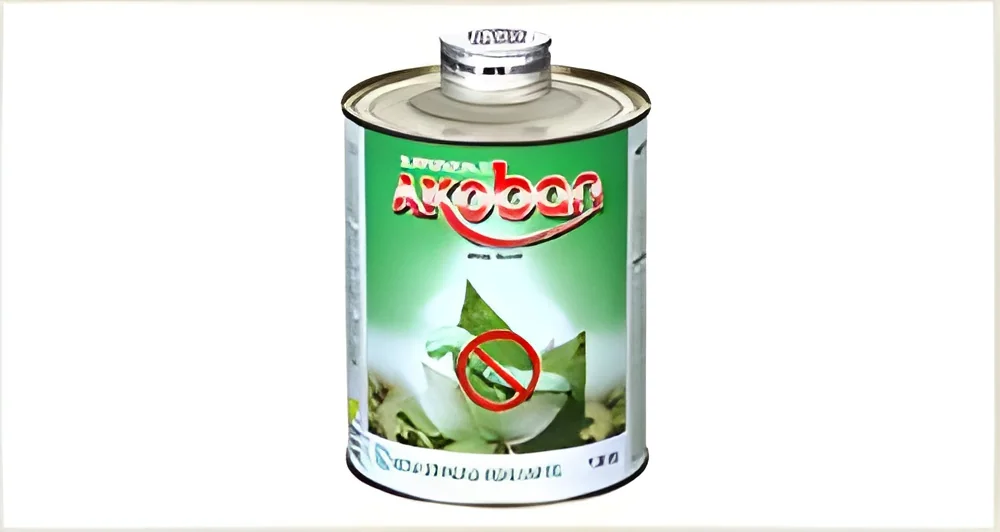
Contact insecticides are chemical agents designed to kill insects upon direct contact. These products work by disrupting the nervous system or physiological processes of the target pests. Unlike systemic insecticides, which are absorbed and circulated through plant tissues, contact insecticides act quickly and are typically used for immediate pest control.
These insecticides are primarily used in agriculture, horticulture, and pest management sectors. They are effective against a wide range of pests, including aphids, beetles, and caterpillars. Businesses in these industries rely on contact insecticides to protect crops and maintain healthy environments. With the increasing demand for effective pest control solutions, contact insecticides play a crucial role in ensuring crop yield and quality.
In the current market landscape, contact insecticides are essential for integrated pest management strategies. Their effectiveness and quick action make them a preferred choice among farmers and pest control professionals. This relevance is underscored by ongoing advancements in formulation and application techniques, addressing the need for sustainable pest management solutions.
Key Features and Specifications
Contact insecticides come with several key features that enhance their effectiveness and usability. Understanding these specifications can help businesses choose the right product for their needs.
Key specifications include:
1. Active Ingredients
- These are the primary substances responsible for insecticidal activity.
- Common active ingredients include pyrethroids, organophosphates, and carbamates.
2. Application Methods
- Contact insecticides can be applied via spraying, fogging, or drenching.
- Each method has specific guidelines for effective usage and coverage.
3. Toxicity Levels
- Products vary in toxicity to non-target organisms.
- Toxicity is often classified according to established safety standards.
4. Residual Activity
- This refers to how long the insecticide remains effective after application.
- Residual activity can range from hours to several days.
5. Environmental Impact
- Many formulations are designed to minimize environmental effects.
- Biodegradable options are increasingly available.
6. Compatibility with Other Products
- Some insecticides can be mixed with fungicides or herbicides.
- Compatibility is crucial for integrated pest management strategies.
7. Packaging Sizes
- Available in various sizes, ranging from small bottles to bulk containers.
- Size selection depends on the scale of application.
8. Shelf Life
- Most contact insecticides have a defined shelf life for optimal effectiveness.
- Proper storage conditions are essential to maintain product integrity.
In summary, understanding these features and specifications helps buyers select the appropriate contact insecticides for their specific applications and ensures effective pest management.
Common Applications and Use Cases
Contact insecticides are utilized across various industries for effective pest control.
1. Agriculture: Farmers commonly use contact insecticides to protect crops from harmful pests. Effective application can lead to improved crop yields and quality.
2. Horticulture: In nurseries and greenhouses, these insecticides help manage pests that threaten plant health. Timely intervention ensures the growth of healthy plants.
3. Public Health: Contact insecticides are employed in urban pest control programs to manage mosquito populations and prevent the spread of diseases.
4. Food Processing: In facilities where food is processed, maintaining pest-free environments is critical. Contact insecticides help ensure compliance with health regulations.
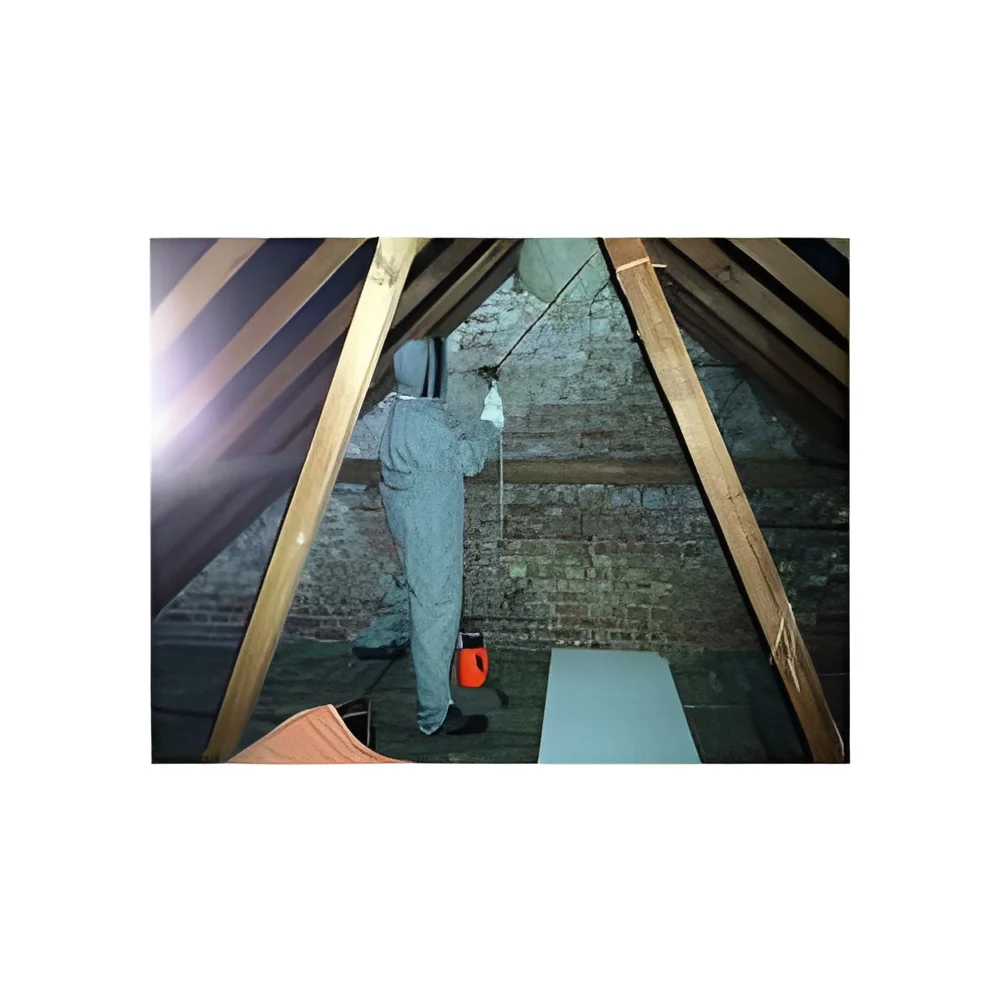
5. Residential Pest Control: Homeowners and pest control companies use contact insecticides for treating infestations in residential settings, ensuring a pest-free living space.
6. Livestock Management: These insecticides are also used to control pests that affect livestock, protecting animal health and productivity.
7. Warehousing: In storage facilities, contact insecticides prevent pest infestations that could compromise product integrity and safety.
Product Variants and Subcategories
Contact insecticides come in various formulations to cater to specific needs and applications.
Liquid Formulations: These are commonly used for spraying applications. They provide excellent coverage and are effective against a wide range of pests.
Granular Formulations: Ideal for soil applications, these formulations target soil-dwelling pests. They can be applied directly to the soil and are often used in agricultural settings.
Aerosol Formulations: Convenient for spot treatments, aerosol insecticides are easy to apply in residential and commercial spaces. They provide quick action against visible pests.
Emulsifiable Concentrates: These formulations can be mixed with water for application. They offer versatility and are effective for both agricultural and non-agricultural uses.
Benefits and Advantages
Choosing contact insecticides offers several advantages for pest management.
1. Quick Action: These products deliver rapid results, effectively eliminating pests upon contact. This immediate action is crucial for timely pest control.
2. Versatile Applications: Contact insecticides can be used in various settings, including agriculture, horticulture, and public health, making them suitable for diverse industries.
3. Targeted Control: Many formulations are designed to target specific pests, minimizing harm to beneficial organisms and promoting ecological balance.
4. Ease of Use: Most contact insecticides are straightforward to apply, requiring minimal training for effective usage.
5. Cost-Effectiveness: The quick action and efficacy of contact insecticides can lead to lower overall pest management costs. Reduced pest damage translates to better crop yields and profitability.
6. Compatibility: Many products can be combined with other pest management solutions, enhancing overall effectiveness in integrated pest management programs.
Buying Guide for B2B Buyers
When sourcing contact insecticides, businesses should consider key factors to make informed purchasing decisions.
1. Quality Assessment: Evaluate products based on formulation quality, effectiveness, and safety. Look for established brands known for reliability.
2. Supplier Verification: Vet potential suppliers by checking their reputation and customer reviews. Ensure they comply with industry standards and regulations.
3. Pricing and MOQ: Understand the pricing structure and minimum order quantities. Compare costs across suppliers to find the best deal while ensuring quality.
4. Delivery and Lead Times: Inquire about logistics and lead times for product delivery. Timely availability is essential for effective pest management.
5. Compliance Requirements: Verify that products meet relevant regulatory standards and certifications, ensuring safety and legality in usage.
Compliance and Certifications
Compliance and certifications are critical aspects of contact insecticides. Manufacturers must adhere to quality standards such as ISO 9001, which ensures consistent quality management processes. Compliance with HACCP (Hazard Analysis Critical Control Point) is also important, particularly in food-related applications, to ensure safety and quality throughout the production process.
Industry certifications like CE indicate that the products meet European safety standards, assuring buyers of their reliability and safety in various applications. Additionally, contact insecticides must undergo rigorous testing to meet safety requirements, ensuring they do not pose undue risks to human health or the environment. It is also vital to consider regional compliance, as different areas may have specific regulations governing the use of insecticides.
Why Source Contact Insecticides from Pepagora?
Pepagora provides a trusted platform for sourcing contact insecticides, offering several key advantages to buyers.
Verified Supplier Network: Pepagora connects businesses with a network of verified suppliers. This ensures that buyers can source high-quality products from reliable manufacturers.
Streamlined RFQ Process: The request for quotation process is designed to be efficient, allowing buyers to request and receive quotes quickly from multiple suppliers, facilitating informed decision-making.
Trade Assurance and Support: Pepagora offers trade assurance and support services to protect buyers throughout the purchasing process. This includes assistance with any issues that may arise post-purchase.
Regional Coverage: With a strong presence in India, the GCC, and Southeast Asia, Pepagora provides extensive geographic coverage, ensuring that businesses across these regions can access quality contact insecticides tailored to their needs.

 IN
IN