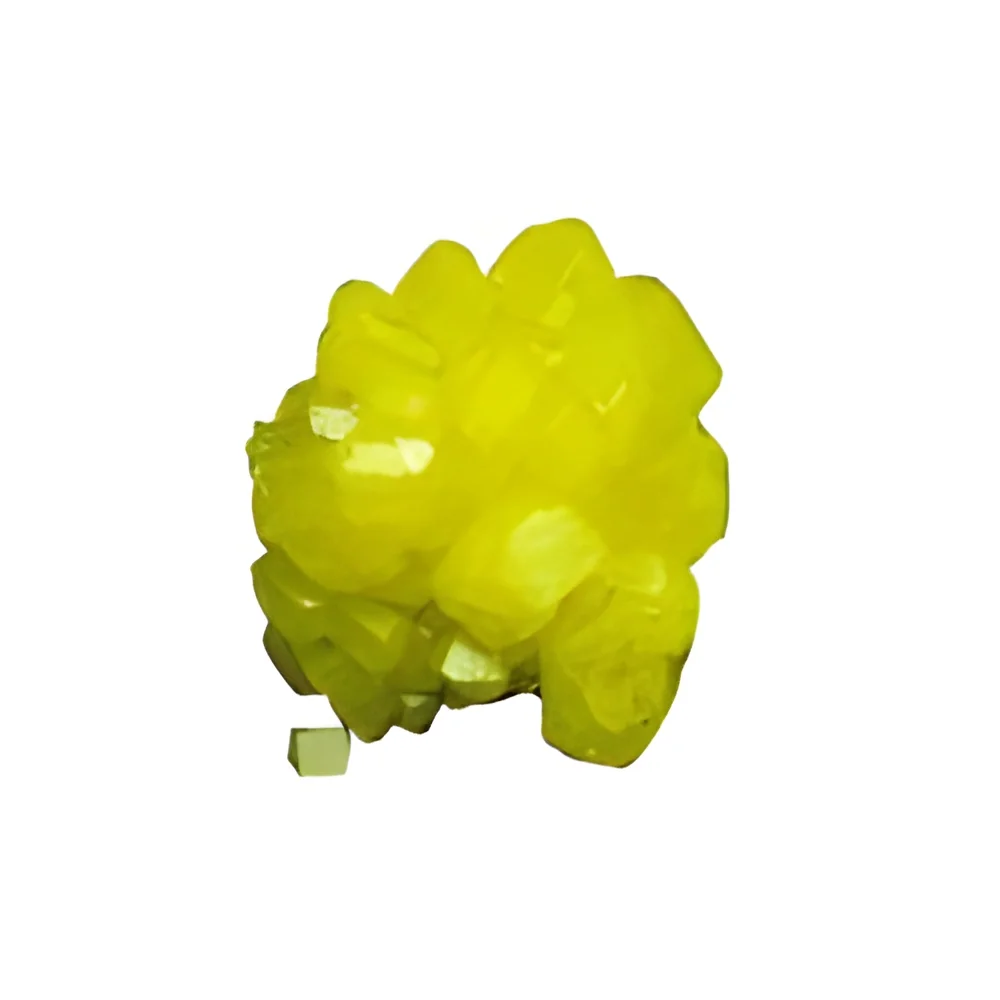
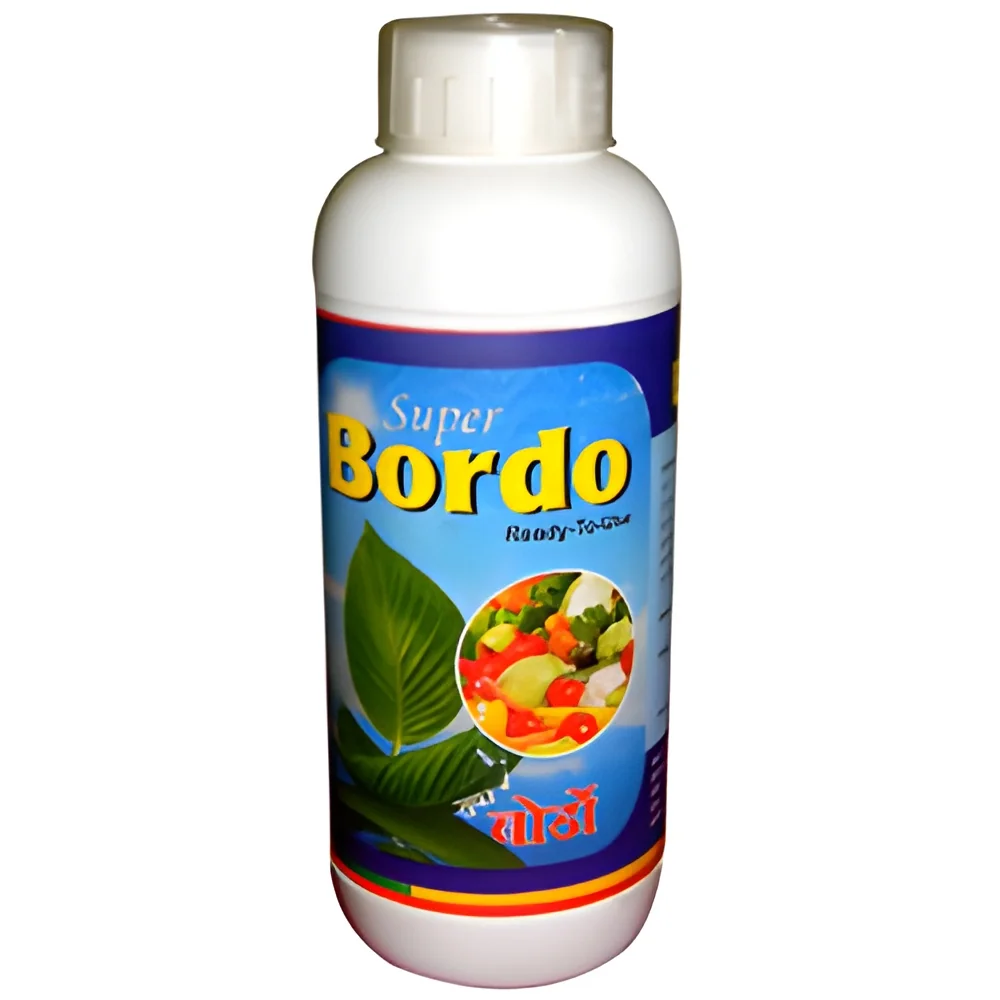
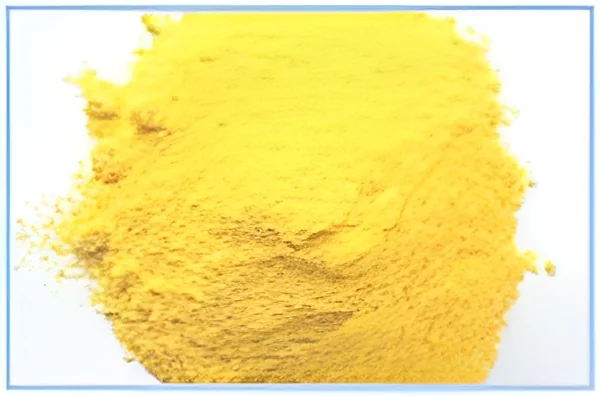
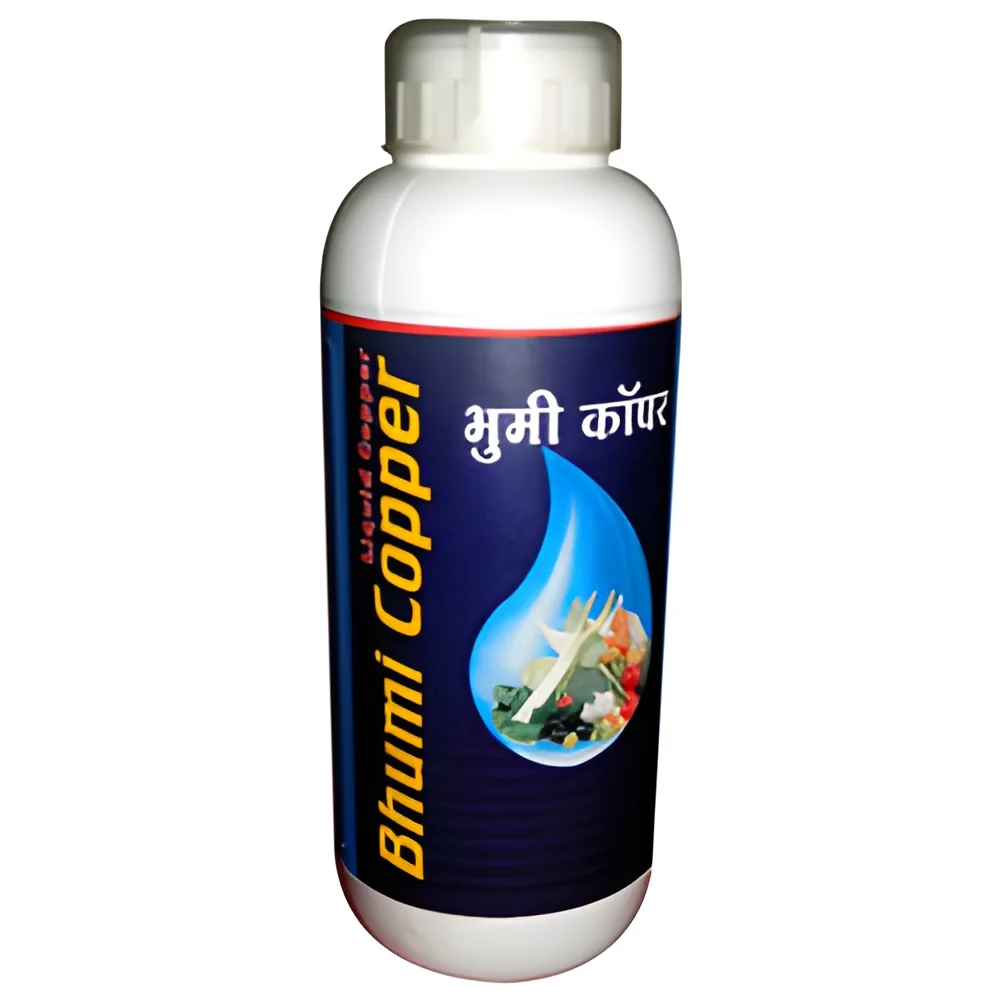
Key Features and Specifications
Contact fungicides made from copper and sulphur come with several key features that cater to the needs of agricultural professionals. These products are specifically formulated to provide effective disease control while being user-friendly and environmentally considerate.
Key specifications include:
1. Active Ingredients
- Copper compounds (e.g., copper hydroxide, copper oxychloride)
- Sulphur formulations (e.g., wettable sulphur)
2. Application Methods
- Foliar sprays for effective coverage
- Soil applications to enhance root protection
3. Efficacy Duration
- Lasts through several rainfall events
- Provides residual protection against fungal pathogens
4. Compatibility
- Can be mixed with other pesticides
- Compatible with various crop types
5. Environmental Impact
- Low toxicity to non-target organisms
- Biodegradable components
6. Formulation Types
- Available in wettable powders, granules, and liquid concentrates
- Easy to apply using standard agricultural equipment
In summary, these specifications ensure that contact fungicides offer robust protection against fungal diseases while being suitable for a wide range of agricultural applications.
Common Applications and Use Cases
Contact fungicides are utilized across various industries, highlighting their versatility and importance in managing plant health.
1. Agriculture: Farmers use copper and sulphur fungicides to protect crops like grapes, apples, and tomatoes from diseases such as downy mildew and powdery mildew.
2. Horticulture: Gardeners apply these fungicides on ornamental plants and flowers to prevent and manage fungal infections, ensuring healthy plant growth and aesthetic appeal.
3. Viticulture: In vineyards, these fungicides are crucial for controlling fungal diseases that threaten grape quality and yield, particularly in humid climates.
4. Greenhouse Production: Producers utilize copper and sulphur fungicides in greenhouses to maintain optimal plant health while minimizing disease outbreaks.
5. Turf Management: Landscape professionals deploy these fungicides on lawns and sports fields to protect against turf diseases, enhancing overall turf quality and longevity.
6. Organic Farming: Copper and sulphur fungicides are favored in organic agriculture for their natural origins and effectiveness in disease control without synthetic chemicals.
Product Variants and Subcategories
The diversity of contact fungicides allows for tailored solutions to specific agricultural needs.
Copper Fungicides
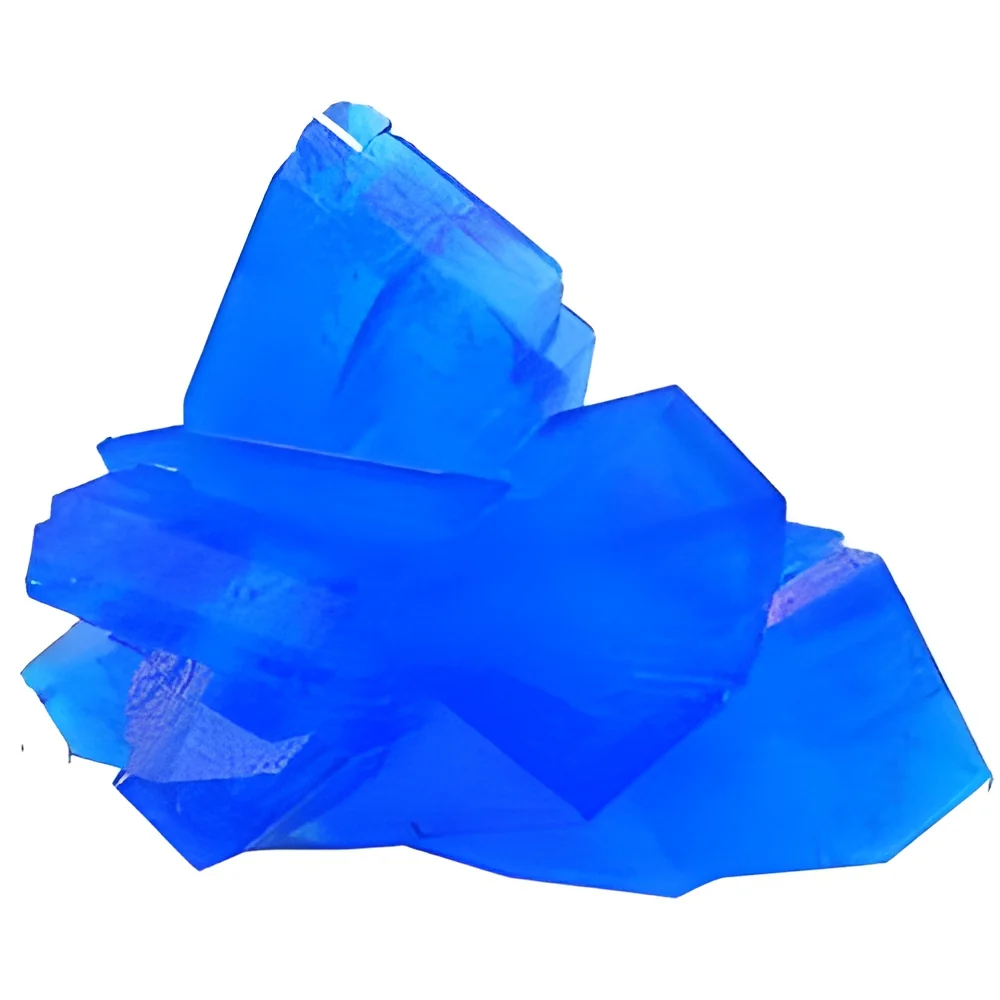
These variants, such as copper hydroxide and copper oxychloride, are effective against numerous fungal pathogens. They are typically used as preventative treatments and are known for their long-lasting effects on plant surfaces.
Sulphur Fungicides
Wettable sulphur is a popular choice among organic farmers. It provides a broad spectrum of disease control and is particularly effective against powdery mildew. Its natural origins make it suitable for use in organic farming systems.
Benefits and Advantages
Contact fungicides offer numerous benefits that make them essential for agricultural practices.
1. Broad-Spectrum Efficacy: These fungicides effectively control various fungal diseases, making them suitable for diverse crop types.
2. Preventative Action: They provide a protective barrier, reducing the likelihood of disease establishment even before symptoms appear.
3. Low Toxicity: Copper and sulphur fungicides have relatively low toxicity levels, making them safer for users and the environment.
4. Compatibility: They can be combined with other pest control products, enhancing the overall effectiveness of integrated pest management strategies.
5. Residual Protection: These fungicides offer lasting protection, ensuring crops remain safeguarded against diseases even after application.
6. Fit for Organic Practices: Their natural components align with the growing demand for organic farming solutions, appealing to eco-conscious growers.
Buying Guide for B2B Buyers
When sourcing contact fungicides, buyers should consider several important factors to ensure they make informed purchasing decisions.
1. Quality Assessment: Evaluate the quality of fungicides based on active ingredient concentration and efficacy claims. Look for products that meet recognized agricultural standards.
2. Supplier Verification: Vet suppliers to ensure they have a history of reliability and compliance with safety regulations. Check for certifications and reviews from other buyers.
3. Pricing and MOQ: Understand the market pricing for contact fungicides and inquire about minimum order quantities (MOQ). This helps in budgeting and planning purchases.
4. Delivery and Lead Times: Assess the logistics involved in shipping and delivery. Ensure that suppliers can meet your timelines for essential applications.
5. Compliance Requirements: Familiarize yourself with regional compliance regulations regarding fungicides. Ensure that the products sourced meet necessary safety and environmental standards.
Compliance and Certifications
Contact fungicides must adhere to various quality standards and certifications to ensure they are safe and effective for agricultural use.
Relevant quality standards, such as ISO 9001, guarantee that manufacturers maintain high production quality and consistent performance in their products. Compliance with safety standards like HACCP ensures that these fungicides are produced with health safety measures in mind.
Additionally, industry certifications such as CE and UL indicate that the products meet specific safety and performance criteria recognized globally.
Safety and testing requirements are crucial for ensuring that the fungicides do not pose risks to users or the environment. Regular testing for efficacy and residual effects is necessary to maintain compliance with agricultural standards.
Regional compliance considerations vary based on local regulations. Buyers should ensure that the fungicides they source meet the specific legal requirements in their areas of operation.
Why Source Contact Fungicides (Copper, Sulphur) from Pepagora?
Pepagora stands out as a trusted platform for sourcing contact fungicides due to its commitment to quality and customer satisfaction.
Verified Supplier Network: Pepagora connects buyers with a network of verified suppliers, ensuring that all products meet rigorous quality standards. This network helps buyers make informed choices and reduces the risk of purchasing subpar products.
Streamlined RFQ Process: The platform offers a simplified request for quotation (RFQ) process, allowing buyers to easily compare prices and product specifications from multiple suppliers. This transparency helps in making cost-effective decisions.
Trade Assurance and Support: Pepagora provides trade assurance and support to buyers, ensuring they have protection throughout the purchasing process. This support builds trust and fosters long-term business relationships.
Regional Coverage: With a presence in key markets such as India, the GCC, and Southeast Asia, Pepagora offers extensive regional coverage. This geographic reach allows buyers to access a diverse range of products tailored to their specific agricultural needs.

 IN
IN