
 IN
Structural Engineering Services
10 products available
What are Structural Engineering Services?
Structural engineering services encompass a range of professional activities aimed at designing, analyzing, and ensuring the integrity of structures. These services involve the application of engineering principles to create safe and efficient building designs that meet specific requirements. Structural engineers assess various factors, including materials, loads, and environmental conditions, to ensure that structures can withstand various stresses and remain safe for use.
These services are essential in diverse sectors, including commercial, residential, and industrial construction. Structural engineers play a crucial role in the planning and development phases of projects, guiding clients on the feasibility, safety, and economic viability of designs. Their expertise not only aids in the creation of new structures but also in the renovation and retrofitting of existing buildings to improve safety and functionality. As global construction demands grow, the relevance of structural engineering services continues to expand, driven by advancements in technology and sustainable practices.
Key Features and Specifications
Structural engineering services are characterized by a wide range of features that ensure the effectiveness and safety of construction projects. Understanding these specifications is crucial for businesses looking to engage in structural engineering.
Key specifications include:
1. Design Analysis
- Involves assessing loads and forces acting on structures.
- Ensures compliance with local building codes and regulations.
2. Material Selection
- Assists in choosing appropriate materials based on structural requirements.
- Considers factors like durability, cost, and environmental impact.
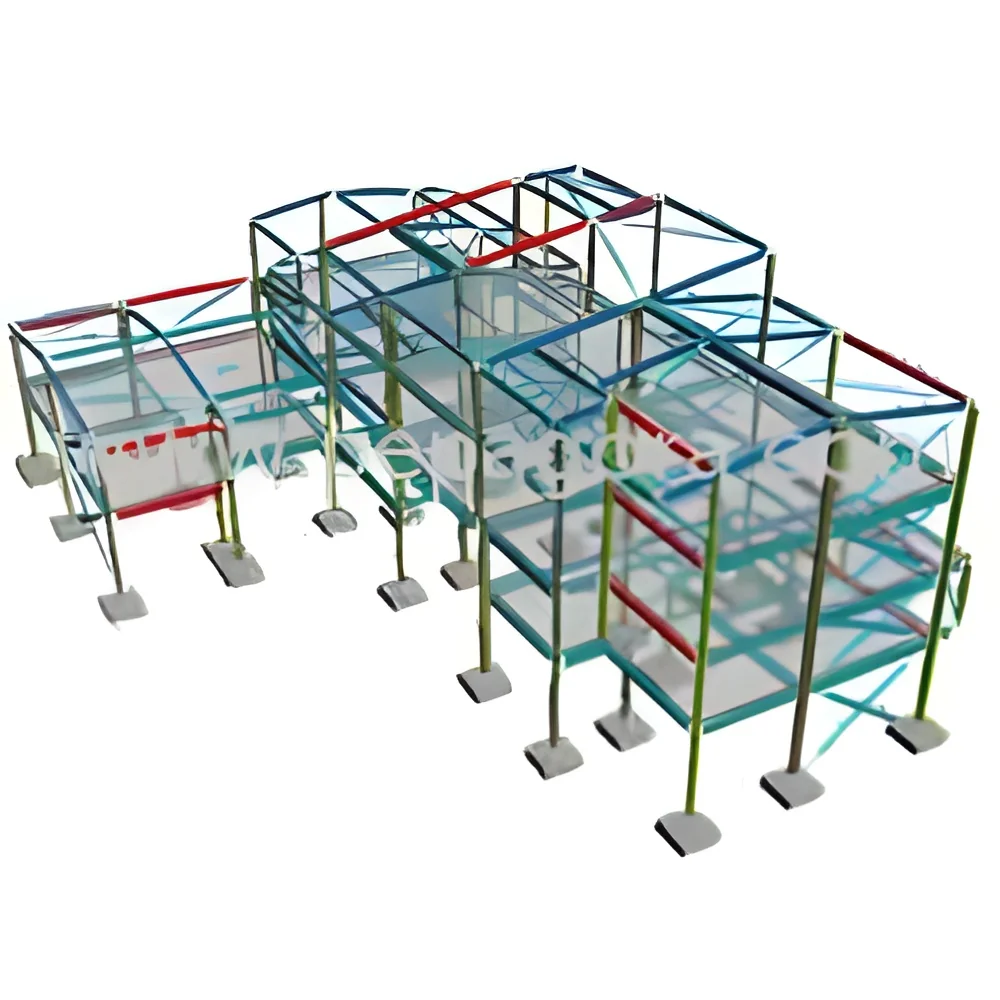
3. Structural Modeling
- Utilizes software tools for accurate simulations and visualizations.
- Helps predict structural behavior under various conditions.
4. Compliance Checks
- Ensures that designs meet safety standards and regulations.
- Involves thorough documentation and reporting.
5. Project Management
- Coordinates with various stakeholders throughout the project lifecycle.
- Ensures timely and budget-compliant delivery of services.
6. Quality Assurance
- Implements rigorous testing and inspection processes.
- Guarantees the integrity and longevity of structures.
7. Environmental Considerations
- Incorporates sustainable practices in design and material selection.
- Evaluates environmental impact and compliance with regulations.
8. Risk Assessment
- Identifies potential risks associated with structural designs.
- Develops mitigation strategies to enhance safety.
In summary, the features and specifications of structural engineering services are crucial in ensuring that buildings and structures are safe, efficient, and compliant with industry standards.
Common Applications and Use Cases
Structural engineering services are utilized across various industries, demonstrating their versatility and importance.
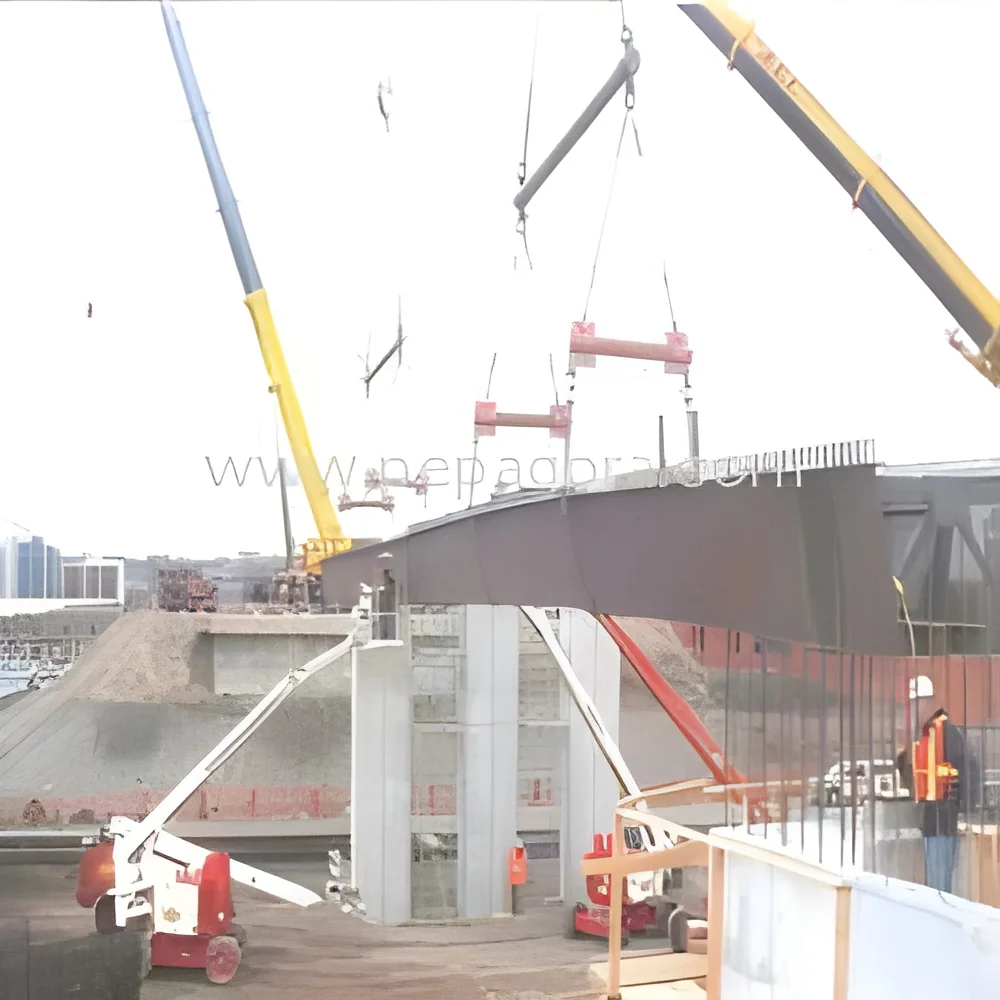
1. Construction Industry: Structural engineers play a vital role in designing buildings, bridges, and other infrastructure, ensuring safety and compliance with regulations.
2. Oil and Gas: In this sector, structural engineering services are essential for designing rigs and refineries, focusing on durability and safety in extreme environments.
3. Transportation: Structural engineers design critical transportation infrastructure such as highways, railways, and airports, ensuring they can withstand heavy loads and environmental stresses.
4. Renewable Energy: Structural engineering services are applied in the design of wind turbines and solar farms, helping to optimize energy production while maintaining structural integrity.
5. Industrial Facilities: Facilities like warehouses and manufacturing plants require structural engineering to ensure safety and efficiency in design and operations.
6. Residential Projects: Custom home designs and multi-family housing projects benefit from structural engineers' expertise in creating safe and functional living spaces.
7. Disaster Recovery: Structural engineers assess and redesign buildings after natural disasters, focusing on enhancing resilience for future events.
Product Variants and Subcategories
While structural engineering services can vary widely, each variant addresses specific client needs and project requirements.
Structural Design Services
These services focus on creating detailed plans and specifications for various structures, ensuring they meet safety and aesthetic requirements. Structural design services often include calculations, modeling, and analysis to support construction.
Structural Analysis Services
This variant emphasizes evaluating existing structures to determine their safety and performance under specific conditions. Structural analysis services are crucial for renovations, retrofits, and ensuring compliance with updated codes.
Benefits and Advantages
Engaging structural engineering services comes with numerous advantages that support project success.
Key benefits include:
1. Enhanced Safety: Structural engineering services ensure that buildings are designed to withstand environmental and operational stresses, significantly reducing the risk of failure.
2. Cost Efficiency: Properly designed structures can minimize material waste and reduce long-term maintenance costs, leading to overall savings.
3. Compliance Assurance: Structural engineers ensure that all designs meet local building codes and regulations, minimizing legal and financial risks.
4. Improved Design Quality: Expert insights lead to innovative designs that enhance functionality and aesthetics.
5. Risk Mitigation: Identifying potential structural issues early in the design process helps prevent costly modifications later on.
6. Sustainable Practices: Structural engineers incorporate eco-friendly materials and designs, promoting sustainability in construction projects.
Buying Guide for B2B Buyers
When considering structural engineering services, various factors should guide your selection process.
1. Quality Assessment: Evaluate the quality of previous projects completed by potential service providers. Look for clients' testimonials and case studies that highlight successful outcomes.
2. Supplier Verification: It's crucial to vet suppliers by checking credentials, certifications, and industry experience. Engage with references to confirm their reliability.
3. Pricing and MOQ: Understand the cost structure of services, including any minimum order quantities. Request detailed quotations to compare offerings.
4. Delivery and Lead Times: Confirm the expected delivery timelines for services. Efficient project management is crucial in ensuring timely completion.
5. Compliance Requirements: Ensure that the service provider is familiar with and adheres to all relevant regulatory standards and compliance issues in your region.
Compliance and Certifications
Structural engineering services must adhere to several quality standards and certifications to guarantee safety and performance.
ISO 9001 is a widely recognized standard that outlines quality management principles. Compliance with this standard demonstrates a commitment to consistent quality and customer satisfaction in service delivery.
CE certification is essential for structural engineering services in Europe, ensuring that products and services meet safety, health, and environmental protection standards.
Safety and testing requirements are critical in structural engineering, as they confirm the integrity and performance of structures under various conditions. Regular inspections and testing ensure compliance with industry standards.
Regional compliance considerations may vary, requiring an understanding of local building codes and regulations to ensure that all designs are compliant and safe.
Why Source Structural Engineering Services from Pepagora?
Pepagora stands out as a reliable platform for sourcing structural engineering services, offering multiple advantages for businesses.
Verified Supplier Network: Pepagora ensures that all listed suppliers are vetted and verified for their expertise and reliability. This provides buyers with confidence in their choices.
Streamlined RFQ Process: The platform simplifies the request for quotation process, making it easy for buyers to obtain multiple quotes from qualified service providers. This efficiency helps in making informed decisions.
Trade Assurance and Support: Pepagora offers trade assurance to protect buyers, ensuring that they receive the services as promised. Customer support is always available to address any concerns.
Regional Coverage: With a strong presence in India, the GCC, and Southeast Asia, Pepagora connects buyers with local suppliers, easing the logistics of sourcing structural engineering services. This regional reach enhances accessibility and responsiveness to client needs.


 India

 India
 India
 India
 India
 India

 India

Frequently Asked Questions
What are Structural Engineering Services?
Structural Engineering Services involve the design, analysis, and implementation of structures, ensuring they are safe, durable, and capable of withstanding various loads. These services are crucial in the construction industry, covering buildings, bridges, and other infrastructure projects.
What are the different types of Structural Engineering Services?
Different types of Structural Engineering Services include design and analysis, structural inspection, structural rehabilitation, and project management. Each type focuses on specific aspects of structural integrity and safety, catering to various project requirements.
How do I choose the right Structural Engineering Services?
To choose the right Structural Engineering Services, consider the firm's experience, expertise in your specific project type, and client reviews. It's also essential to evaluate their understanding of local building codes and regulations.
What are the standard specifications for Structural Engineering Services?
Standard specifications for Structural Engineering Services typically include compliance with local building codes, material strength requirements, and safety regulations. These specifications ensure that structures are designed and built to withstand environmental factors and loads.
What is the price range for Structural Engineering Services?
The price for Structural Engineering Services can vary widely based on the project's complexity, location, and the firm's reputation. Generally, fees can range from a few thousand to several lakhs of rupees, depending on the scope of work involved.
What quality standards apply to Structural Engineering Services?
Quality standards for Structural Engineering Services include adherence to national and international codes such as IS, ASTM, and AISC. These standards ensure that engineering practices meet safety and performance criteria.
Where can I find Structural Engineering Services suppliers in India?
You can find Structural Engineering Services suppliers in India through online B2B marketplaces like Pepagora.com, industry directories, and trade shows. Networking with industry professionals can also help you identify reputable service providers.
Can Structural Engineering Services be customized?
Yes, Structural Engineering Services can be customized based on specific project requirements, including design alterations and material selection. Discussing your needs with service providers will help tailor their offerings to your project.
What is the typical minimum order quantity for Structural Engineering Services?
The typical minimum order quantity for Structural Engineering Services can vary depending on the service provider and project scope. Many firms may not have a strict MOQ, as services are often tailored to individual project needs.
What is the typical lead time for Structural Engineering Services?
The typical lead time for Structural Engineering Services depends on project complexity and size. Generally, it can range from a few weeks to several months, so it's advisable to discuss timelines with your chosen service provider.
Why Businesses Trust Pepagora
Thousands of companies trust Pepagora to source smarter and sell faster
Expand Your Sales Globally

Source Smarter,Grow Faster
