IN
IN₹
Apparel & Fashion
Description
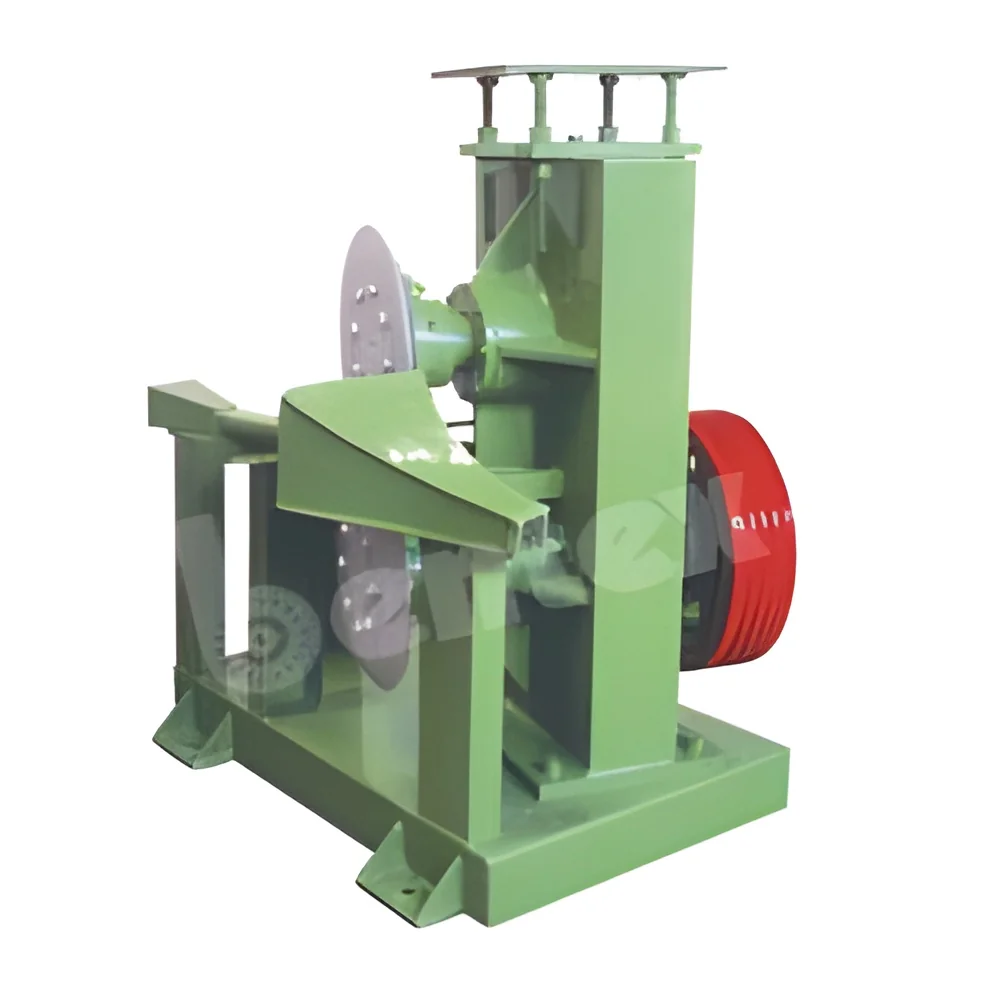
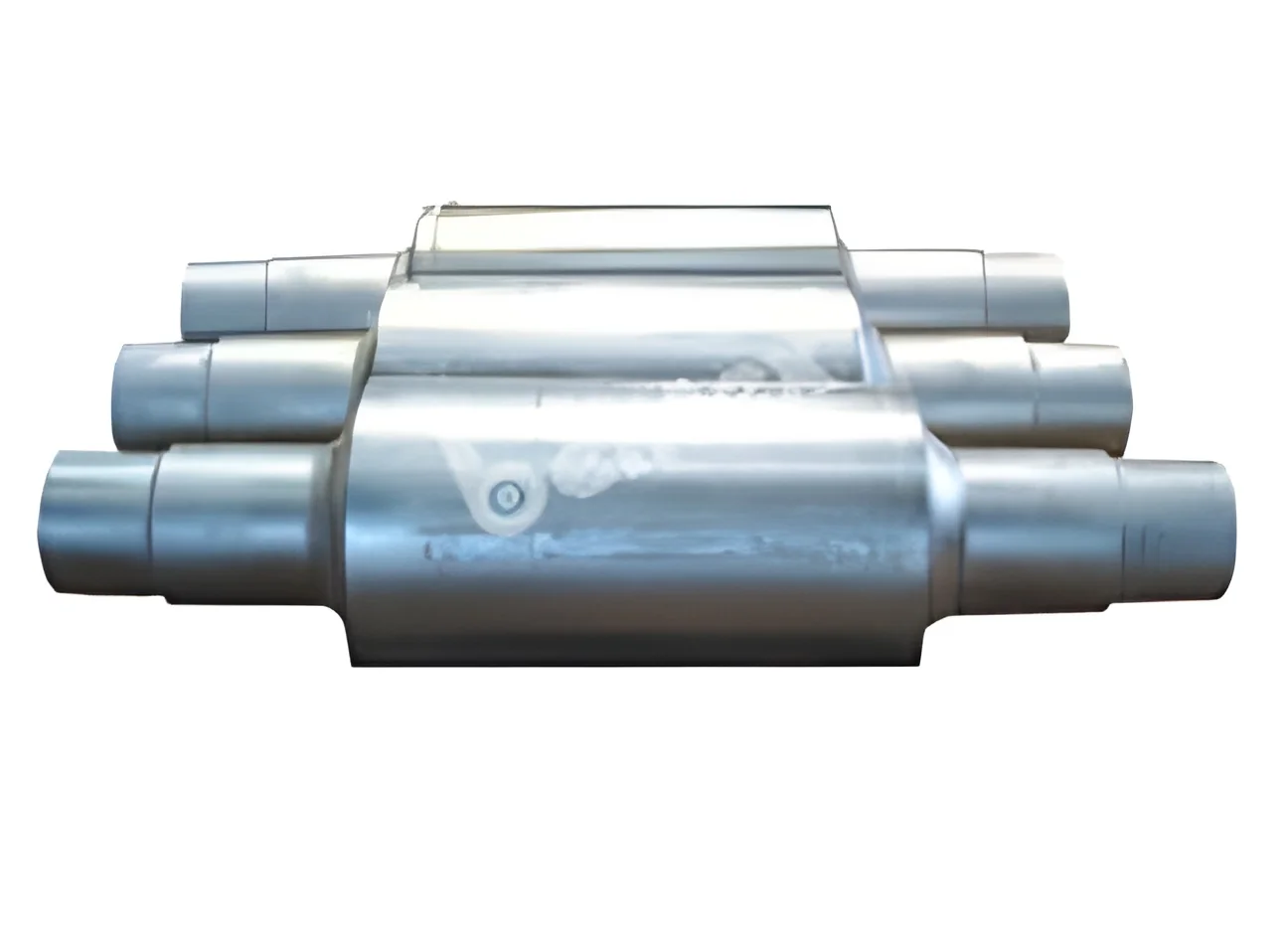
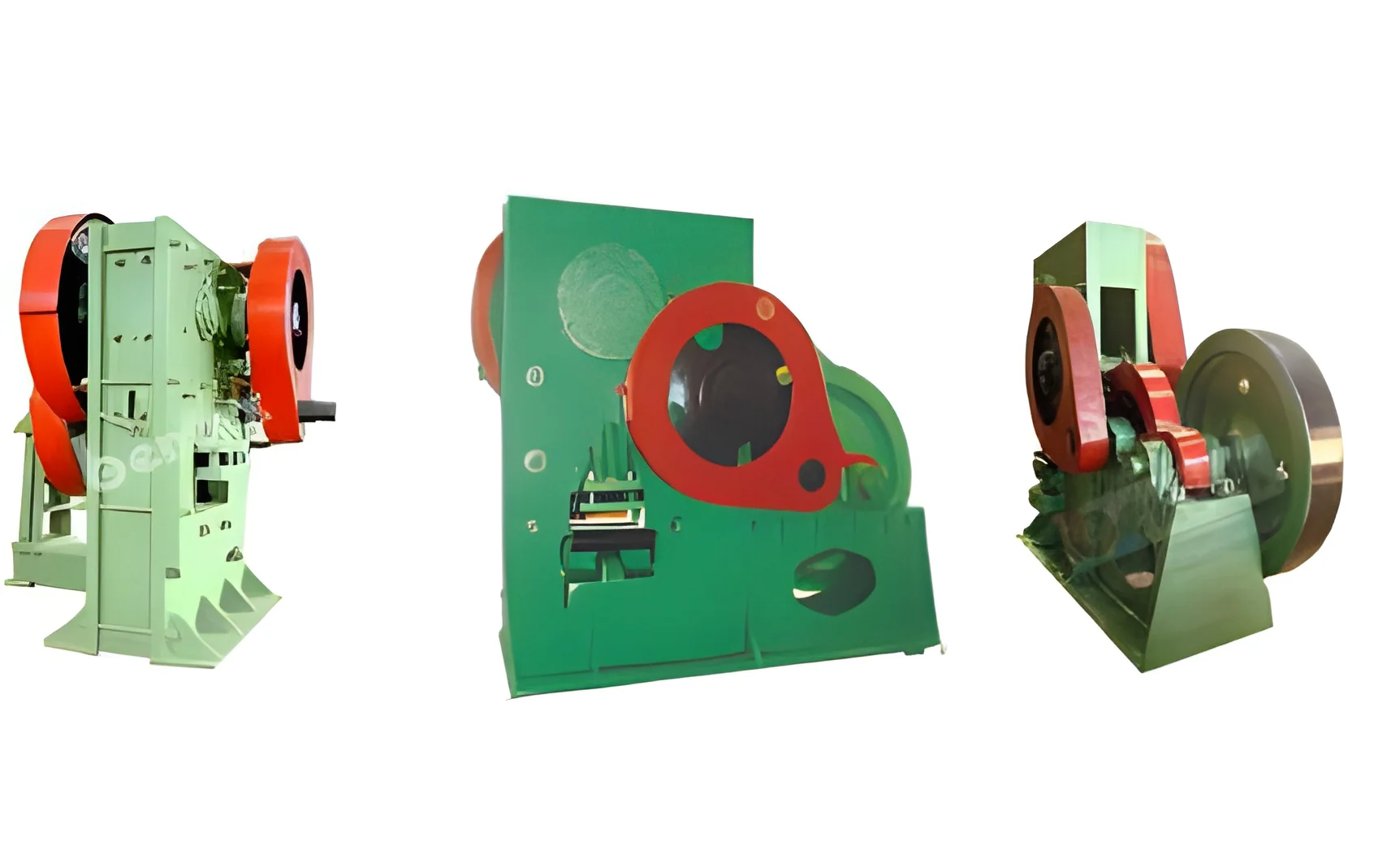
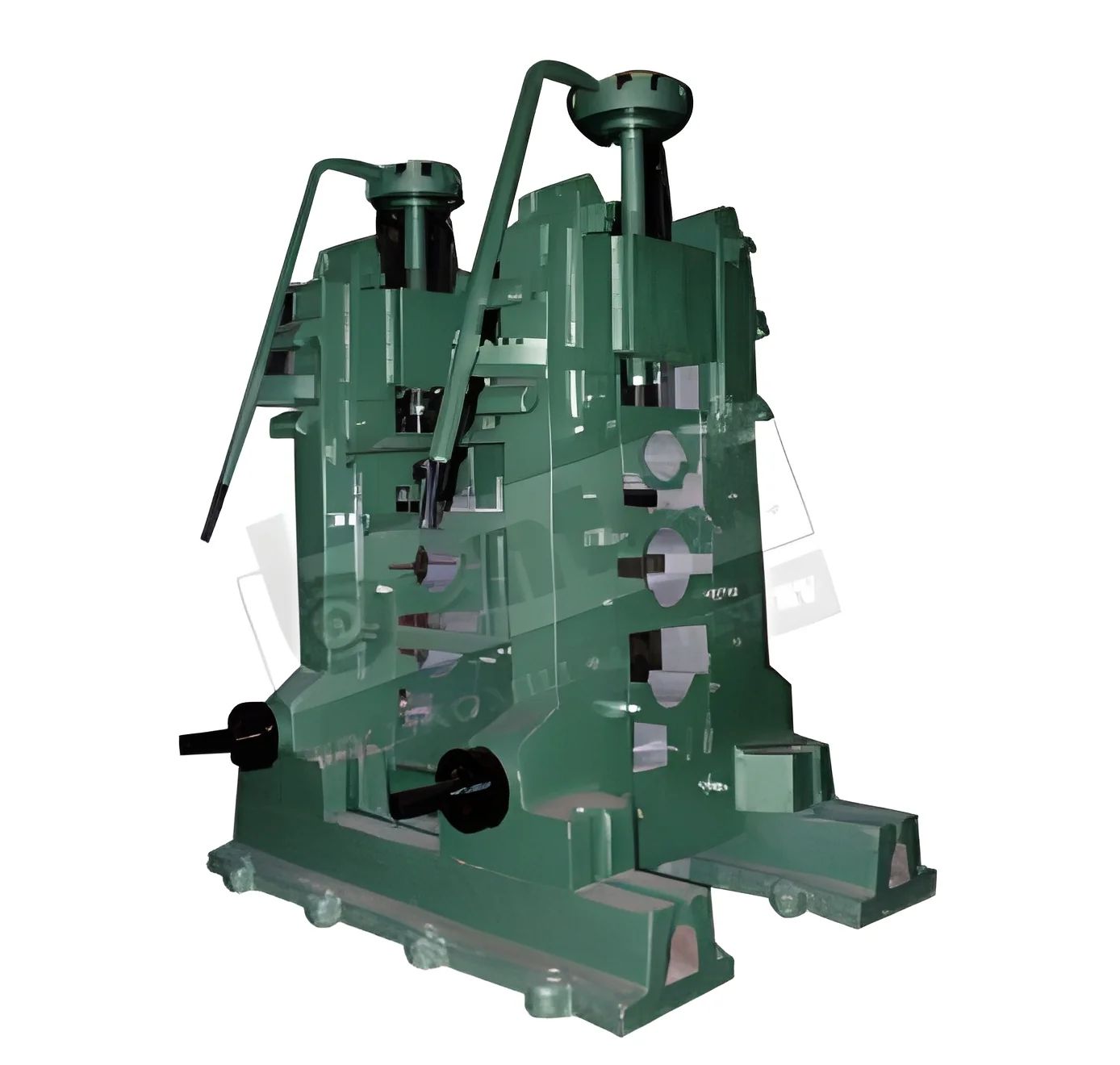
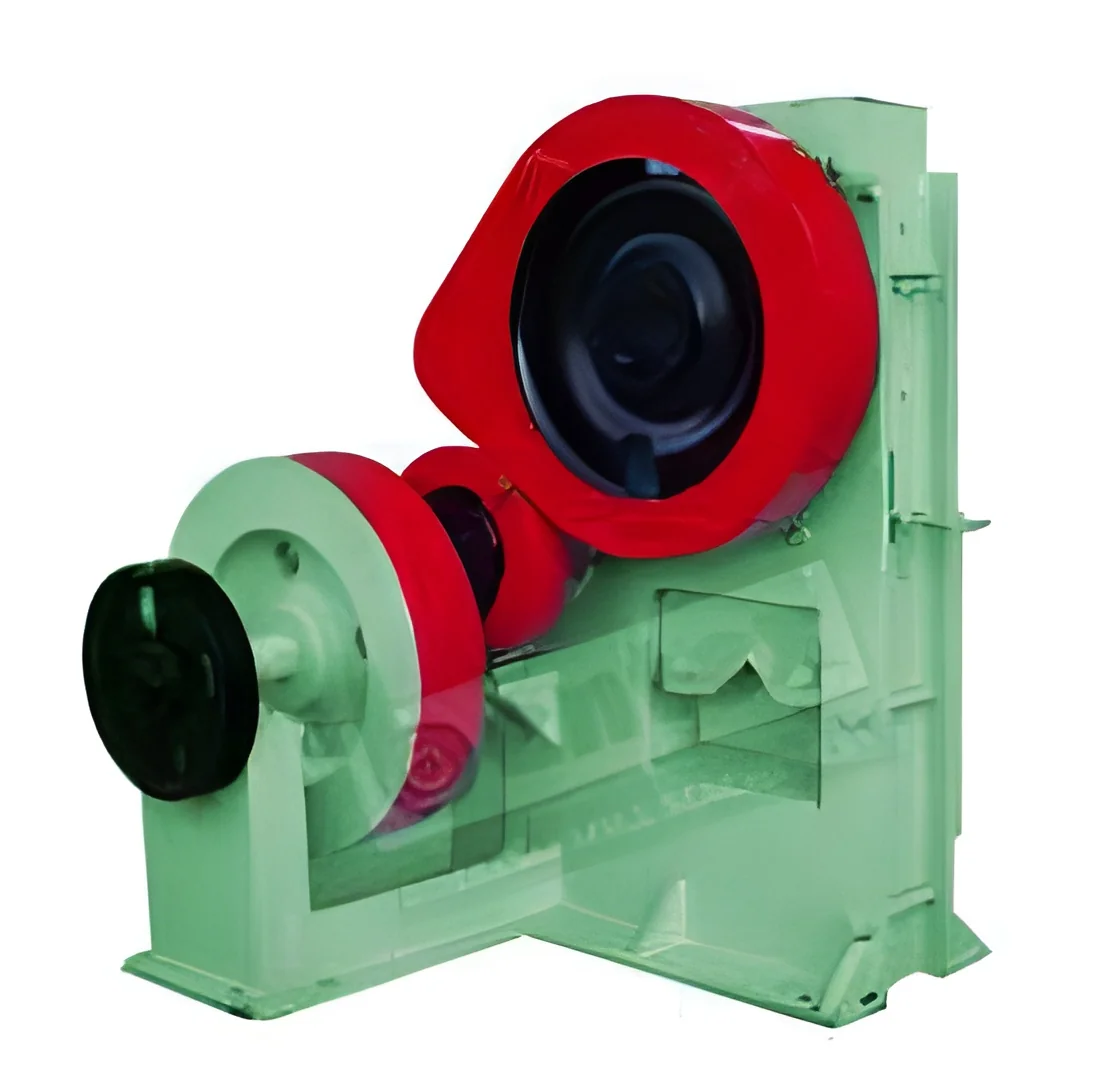
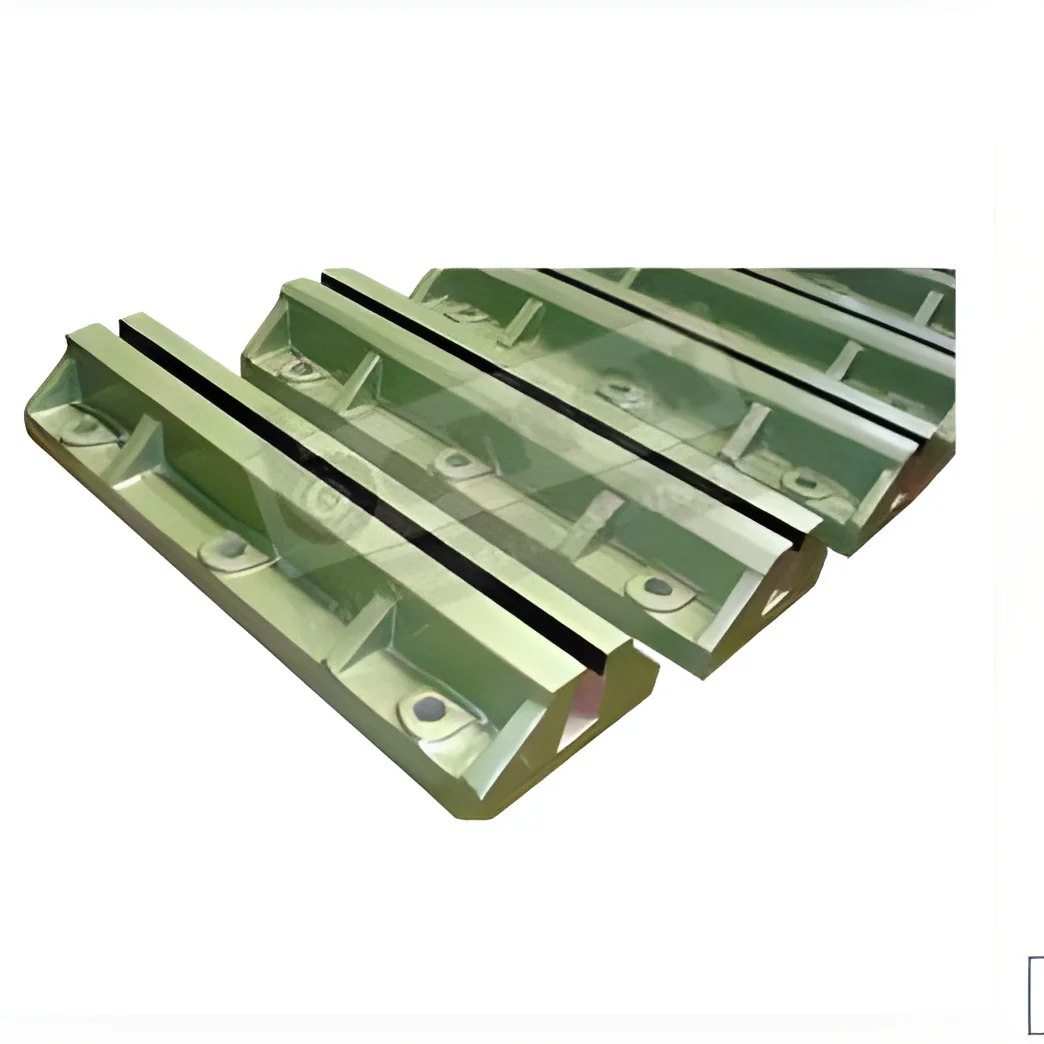
Heavy duty foundation rail mill systems represent engineered solutions for industrial mobility challenges. These systems provide the permanent, load-bearing foundation upon which rail-guided equipment operates safely and efficiently. Unlike temporary tracks or improvised solutions, these mill systems are designed from the ground up to withstand years of heavy use, vibration, and environmental stress. They transform industrial spaces into organized pathways for material movement, creating predictable, reliable routes for equipment that would otherwise struggle with uneven terrain or require constant repositioning. The engineering behind these systems considers not just immediate load requirements but long-term performance, ensuring that the foundation remains stable and true even as surrounding conditions change.

These rail foundation systems serve critical roles across multiple industrial sectors. In mining operations, they provide the stable base for transport systems moving ore, equ...
Heavy duty foundation rail mill systems represent engineered solutions for industrial mobility challenges. These systems provide the permanent, load-bearing foundation upon which rail-guided equipment operates safely and efficiently. Unlike temporary tracks or improvised solutions, these mill systems are designed from the ground up to withstand years of heavy use, vibration, and environmental stress. They transform industrial spaces into organized pathways for material movement, creating predictable, reliable routes for equipment that would otherwise struggle with uneven terrain or require constant repositioning. The engineering behind these systems considers not just immediate load requirements but long-term performance, ensuring that the foundation remains stable and true even as surrounding conditions change.

These rail foundation systems serve critical roles across multiple industrial sectors. In mining operations, they provide the stable base for transport systems moving ore, equipment, and personnel through challenging underground environments. Construction projects utilize them for crane rails that must support massive loads while maintaining precise alignment. Manufacturing facilities depend on them for assembly line tracks that guide vehicles and machinery with millimeter precision. Logistics and port operations install them for container handling equipment that moves thousands of tons daily. Even specialized industries like shipbuilding, aerospace manufacturing, and heavy equipment assembly rely on these systems to create organized, efficient workspaces where large components move along predetermined paths.

The business value of investing in proper foundation rail mill systems extends far beyond initial installation costs. These systems reduce equipment wear by providing smooth, aligned running surfaces, lowering maintenance expenses and extending vehicle lifespan. They enhance safety by eliminating unpredictable movement and creating controlled pathways in busy industrial environments. Operational efficiency improves as equipment moves more predictably and with less energy expenditure. Downtime decreases when rail systems remain stable and require minimal adjustment. The reliability of these foundations means production schedules become more predictable, and project timelines face fewer delays. For businesses managing heavy equipment, the right rail foundation represents not just a purchase but a long-term strategic investment in operational consistency and safety.

Key Features:
- Engineered for extreme load capacity with high-strength materials and reinforced design
- Precision manufacturing ensures consistent rail alignment and smooth equipment operation
- Durable construction withstands vibration, impact, and continuous heavy use
- Corrosion-resistant treatments protect against environmental degradation in harsh conditions
- Standardized components allow for straightforward installation and future maintenance

Benefits:
- Enhanced operational safety through stable, predictable equipment pathways
- Reduced maintenance costs with durable construction that minimizes wear on rolling equipment
- Improved efficiency as equipment moves smoothly along properly aligned tracks
- Long-term reliability with systems designed to perform for years without major refurbishment
- Versatile application across multiple industrial sectors with proven performance records
Specifications
| Additional Information | |
|---|---|
| Country of Origin | India |
Application
Heavy duty foundation rail mill systems create the critical structural base for rail-guided equipment in industrial settings. They are designed to handle extreme loads and continuous operation, ensuring safety and stability for machinery that moves along fixed paths. These systems transform uneven or challenging ground into a reliable track for heavy transport and material handling.
From mining tunnels to manufacturing floors, these rail foundations support essential operations. They enable precise movement of equipment, reduce wear on vehicles, and maintain alignment under stress. Industries choose these systems when project success depends on having an unyielding, permanent guide path for heavy loads and repetitive motion.
- Supporting and guiding overhead crane systems in large manufacturing facilities and warehouses
- Creating stable rail beds for mine carts and transport systems in underground mining operations
- Providing precise alignment for assembly line conveyors and automated vehicles in factories
- Establishing durable tracks for port gantry cranes and container handling equipment
- Forming solid foundations for construction site rail systems that move materials and equipment
Trade Details
| Available Stock | In Stock |
| Sample Availability | No |
Payment Terms
| Payment Terms |
|
Company Profile
Bentex Industrials Pvt Ltd, Punjab
 Punjab, India
Punjab, IndiaIndustrial Equipment & Machinery•Manufacturer•Importer / Exporter
Factory Details
Factory SizeBelow 1000 sqm
Annual Production Capacity0
Main Markets
South Asia
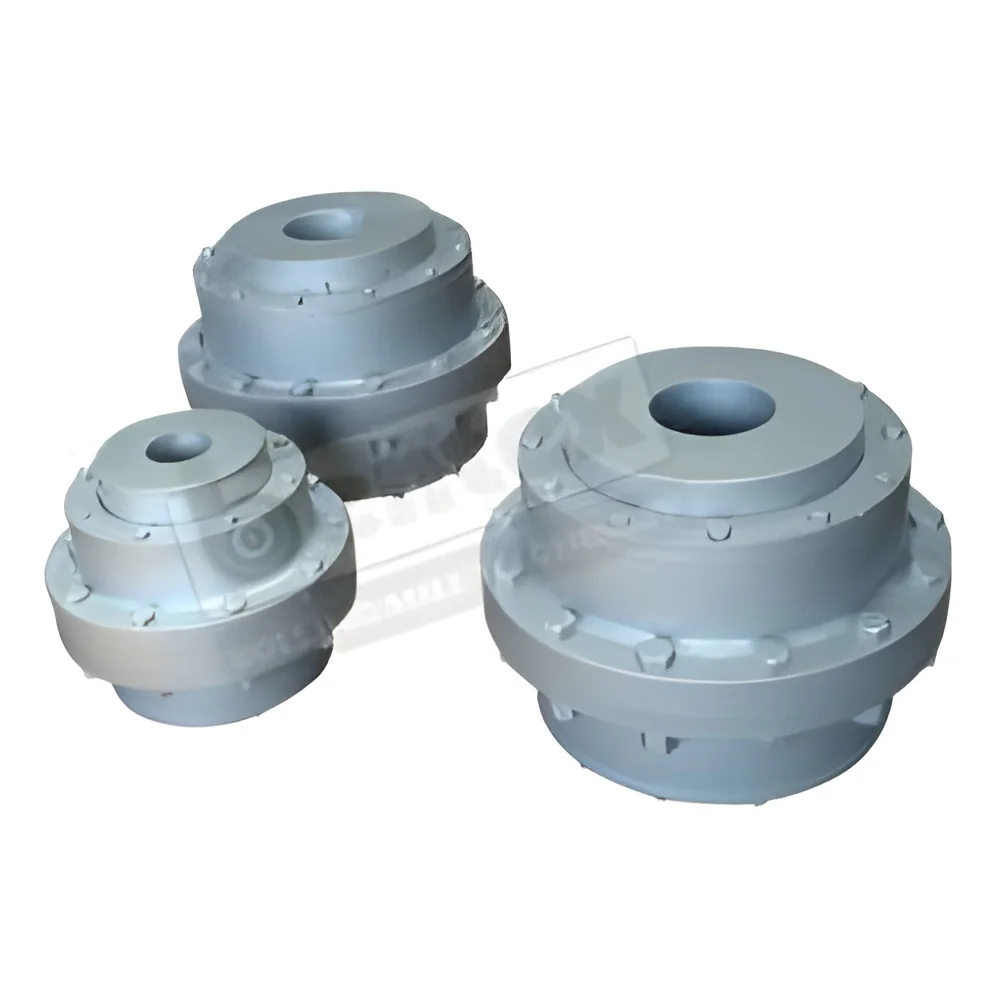
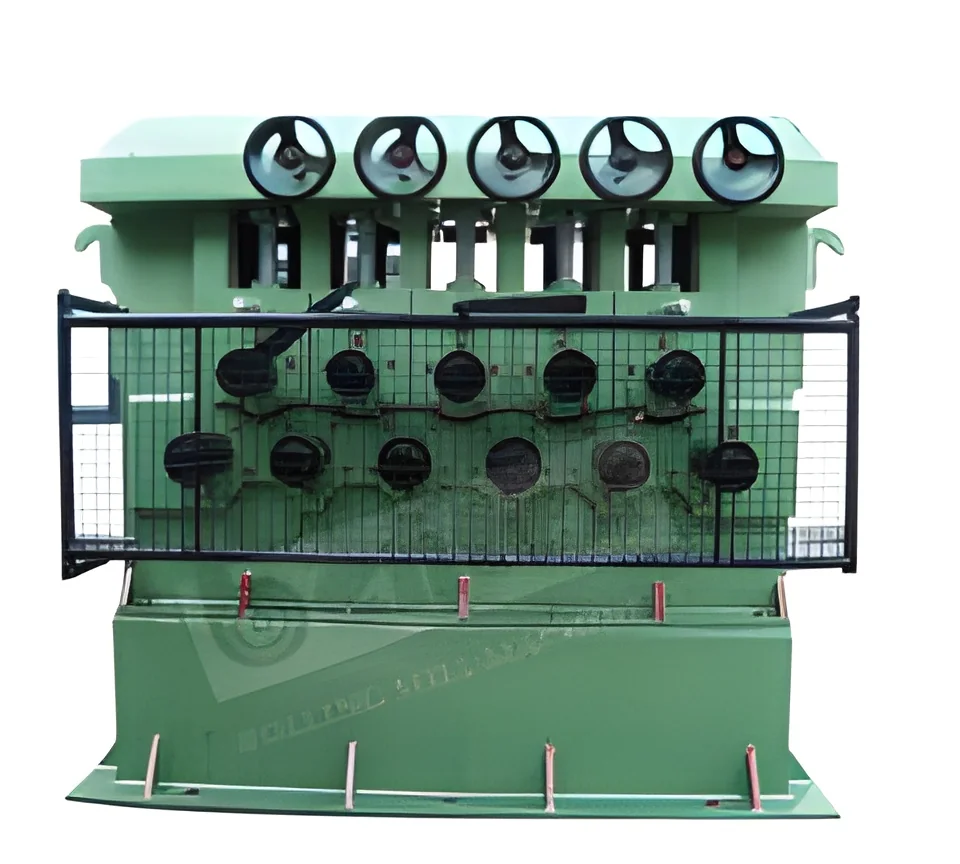
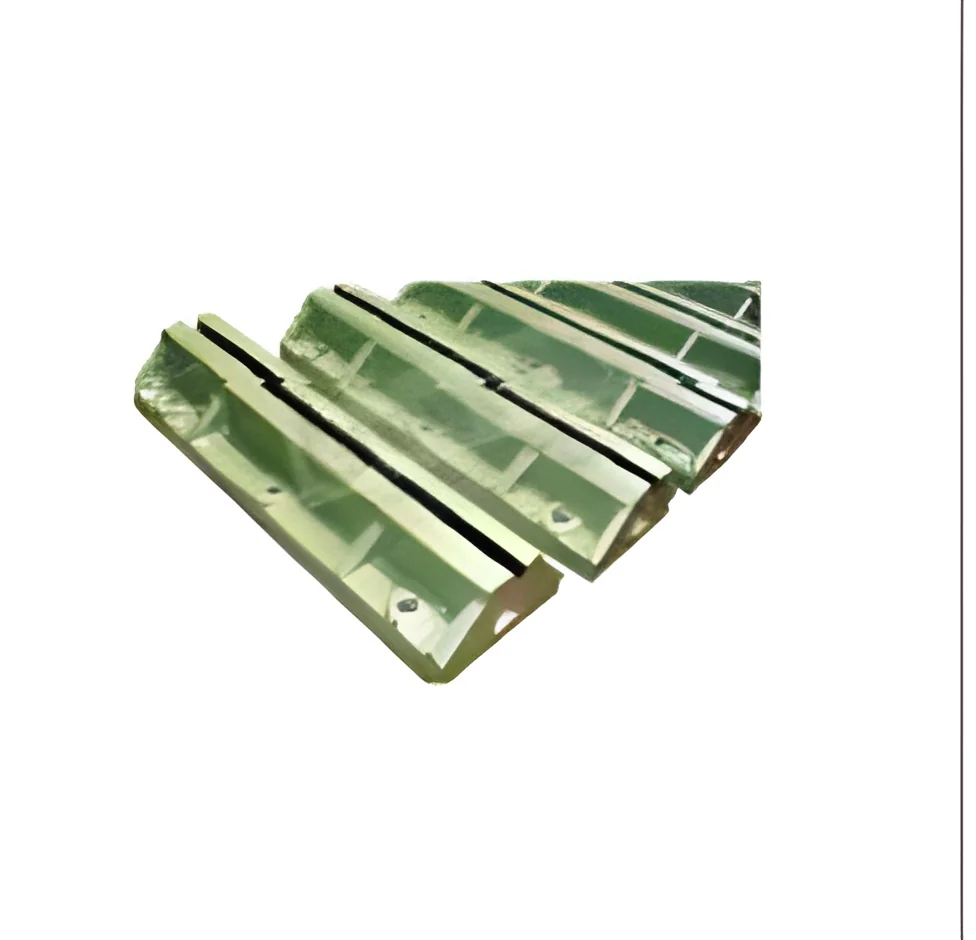
Heavy Duty Foundation Rail Mill Systems For Industrial Applications
Heavy Duty Foundation Rail Mill Systems provide industrial-grade rail support for construction, mining, and infrastructure. Engineered for superior strength, reliability, and long-term performance in demanding environments.
Min. Order Quantity: 1 unit
Shipping
Shipping fee and delivery date to be negotiated. Contact supplier now for more details.
Bentex Industrials Pvt Ltd
 Punjab, India
Punjab, IndiaIndustrial Equipment & MachineryManufacturer