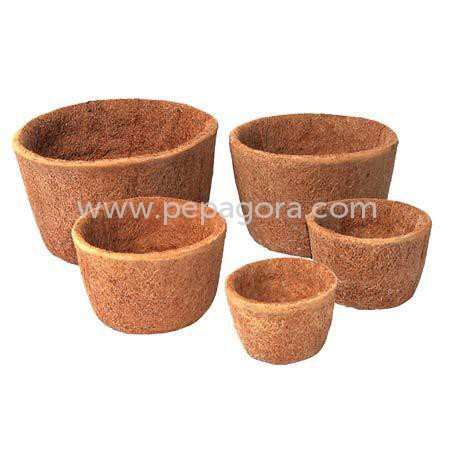
𝗪𝗵𝗮𝘁 𝗮𝗿𝗲 𝗦𝗲𝗲𝗱𝗹𝗶𝗻𝗴 𝗧𝗿𝗮𝘆𝘀 & 𝗚𝗿𝗼𝘄 𝗕𝗮𝗴𝘀?
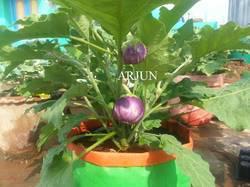
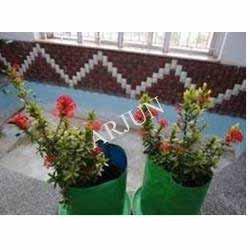
Seedling trays and grow bags are essential tools used in horticulture and agriculture for seed germination and plant growth. Seedling trays are shallow containers with multiple cells, designed to hold soil and seeds. They allow for organized planting and efficient use of space. Grow bags, on the other hand, are flexible containers made from breathable materials that facilitate root development and drainage. Both products provide a controlled environment for young plants, ensuring optimal growth conditions.
These products are widely used in nurseries, greenhouses, and commercial farms. They are crucial for propagating plants before transplanting them into larger fields or permanent locations. Seedling trays are often used for starting vegetables, flowers, and herbs, while grow bags are popular for growing larger plants such as tomatoes and peppers. Their versatility makes them suitable for various planting methods, including hydroponics and traditional soil gardening.
The market for seedling trays and grow bags has seen significant growth due to the increasing interest in gardening, urban farming, and sustainable agriculture. As more businesses recognize the importance of efficient planting methods, the demand for these products continues to rise. Innovations in materials and design have further enhanced their appeal, making them relevant in today's agricultural landscape.
𝗞𝗲𝘆 𝗙𝗲𝗮𝘁𝘂𝗿𝗲𝘀 𝗮𝗻𝗱 𝗦𝗽𝗲𝗰𝗶𝗳𝗶𝗰𝗮𝘁𝗶𝗼𝗻𝘀
Seedling trays and grow bags are characterized by several key features that enhance their functionality in plant cultivation. These specifications help buyers determine the best products for their specific needs.
Key specifications include:
1. Material Composition
- Seedling trays are often made from plastic, which provides durability and resistance to weather conditions.
- Grow bags are typically made from non-woven fabric or similar materials, promoting aeration and drainage.
2. Cell Size and Configuration
- Seedling trays come in various cell sizes, allowing for flexibility based on plant type.
- Common configurations include 72, 128, and 200 cells per tray, accommodating different planting densities.
3. Drainage Features
- Seedling trays have holes at the bottom for excess water drainage, preventing root rot.
- Grow bags usually have multiple drainage holes to ensure proper moisture levels.
4. Reusability
- Many seedling trays are designed for multiple uses, providing cost-effectiveness for growers.
- Grow bags can often be reused for several growing seasons if maintained properly.
5. Size and Volume
- Seedling trays range in dimensions, often around 10x20 inches, to fit standard nursery shelves.
- Grow bags vary in size, typically from 1 to 20 gallons, catering to different plant sizes and growth stages.
6. Environmental Considerations
- Many products are made from recyclable materials, aligning with sustainable gardening practices.
- Some grow bags are designed to be biodegradable, reducing environmental impact.
In summary, understanding these specifications helps buyers select the right seedling trays and grow bags that align with their cultivation goals and environmental practices.
𝗖𝗼𝗺𝗺𝗼𝗻 𝗔𝗽𝗽𝗹𝗶𝗰𝗮𝘁𝗶𝗼𝗻𝘀 𝗮𝗻𝗱 𝗨𝘀𝗲 𝗖𝗮𝘀𝗲𝘀
Seedling trays and grow bags serve a variety of industries, making them versatile tools for plant cultivation.
1. Horticulture: In horticulture, seedling trays are used extensively for propagating flowers and ornamental plants. They provide a systematic approach to starting plants in controlled environments.
2. Agriculture: Farmers utilize seedling trays for starting vegetable crops such as lettuce, peppers, and tomatoes before transplanting them into larger fields. This method enhances yield and reduces transplant shock.
3. Landscaping: Landscape professionals use seedling trays to cultivate a variety of plants for gardens and parks. They appreciate the space-saving design and ease of handling.
4. Urban Gardening: With the rise of urban gardening, grow bags are popular among city dwellers who have limited space. They allow for growing vegetables and herbs on balconies or rooftops without the need for traditional garden beds.
5. Hydroponics: Both seedling trays and grow bags are commonly used in hydroponic systems. The trays support seed germination, while grow bags accommodate larger plants in nutrient-rich solutions.
6. Research and Education: Educational institutions often use seedling trays for teaching students about plant biology and horticulture practices. They provide an accessible hands-on learning experience.
7. Retail and Wholesale Nurseries: Nurseries use both products to propagate and sell plants. The uniformity of seedling trays and the mobility of grow bags make them ideal for commercial operations.
𝗣𝗿𝗼𝗱𝘂𝗰𝘁 𝗩𝗮𝗿𝗶𝗮𝗻𝘁𝘀 𝗮𝗻𝗱 𝗦𝘂𝗯𝗰𝗮𝘁𝗲𝗴𝗼𝗿𝗶𝗲𝘀
Seedling trays and grow bags come in a variety of options to meet diverse gardening needs. Understanding the available variants can help buyers make informed choices.
Seedling Trays
These trays are available in different configurations and sizes, suited for various plant types. They can be designed for specific crops, such as herbs or flowers, and may include features like detachable cells for easy handling.
Grow Bags
Grow bags come in multiple sizes, accommodating different plant growth stages. They may also vary in material, with options like fabric grow bags that enhance aeration or plastic versions that offer more durability. Some bags are designed with handles for easy transport.
𝗕𝗲𝗻𝗲𝗳𝗶𝘁𝘀 𝗮𝗻𝗱 𝗔𝗱𝘃𝗮𝗻𝘁𝗮𝗴𝗲𝘀
Seedling trays and grow bags provide numerous benefits that make them essential for effective plant cultivation.
1. Space Efficiency: Seedling trays maximize space usage, allowing growers to nurture many plants in a compact area.
2. Improved Drainage: Both products promote healthy root systems through effective drainage, reducing the risk of overwatering.
3. Enhanced Growth Rates: The controlled environment of seedling trays allows for faster germination and growth, leading to earlier harvests.
4. Versatility: These products can accommodate a wide range of plant types, making them suitable for various gardening methods.
5. Cost-Effectiveness: Reusable trays and durable grow bags provide long-term savings for commercial growers and hobbyists alike.
6. Eco-Friendliness: Many options are made from recyclable or biodegradable materials, supporting sustainable gardening practices.
𝗕𝘂𝘆𝗶𝗻𝗴 𝗚𝘂𝗶𝗱𝗲 𝗳𝗼𝗿 𝗕𝟮𝗕 𝗕𝘂𝘆𝗲𝗿𝘀
When sourcing seedling trays and grow bags, it is essential for B2B buyers to consider several factors to ensure they make the best purchasing decisions.
1. Quality Assessment: Buyers should evaluate the quality of materials used in seedling trays and grow bags. Look for products that are sturdy, durable, and suited for the intended growing conditions.
2. Supplier Verification: It is crucial to vet suppliers by checking their reputation, customer reviews, and compliance with industry standards. Reliable suppliers should have a proven track record in delivering quality products.
3. Pricing and MOQ: Understand the pricing structure and minimum order quantities (MOQ) from suppliers. Assess whether the costs align with your budget and purchasing needs.
4. Delivery and Lead Times: Check the logistics involved in shipping the products. Knowing the expected delivery times can help in planning and ensuring timely planting schedules.
5. Compliance Requirements: Be aware of any regulatory needs regarding materials and safety standards. Compliance with local and international regulations ensures that the products meet quality expectations.
𝗖𝗼𝗺𝗽𝗹𝗶𝗮𝗻𝗰𝗲 𝗮𝗻𝗱 𝗖𝗲𝗿𝘁𝗶𝗳𝗶𝗰𝗮𝘁𝗶𝗼𝗻𝘀
Seedling trays and grow bags must adhere to specific industry standards and certifications to ensure quality and safety. Relevant quality standards such as ISO 9001 help to establish a framework for consistent quality management systems in manufacturing.
Additionally, industry certifications like CE indicate compliance with European safety standards, which can be critical for international trade. Buyers should also be aware of safety and testing requirements that ensure products are free from harmful substances.
Regional compliance considerations may vary, so it is important for buyers to understand the applicable regulations in their areas. This knowledge helps in sourcing products that meet local agricultural and safety standards, ensuring they are appropriate for use in different environments.
𝗪𝗵𝘆 𝗦𝗼𝘂𝗿𝗰𝗲 𝗦𝗲𝗲𝗱𝗹𝗶𝗻𝗴 𝗧𝗿𝗮𝘆𝘀 & 𝗚𝗿𝗼𝘄 𝗕𝗮𝗴𝘀 𝗳𝗿𝗼𝗺 𝗣𝗲𝗽𝗮𝗴𝗼𝗿𝗮?
Pepagora offers a reliable platform for sourcing seedling trays and grow bags with several key advantages that cater to the needs of B2B buyers.
Verified Supplier Network: Pepagora connects buyers to a network of verified suppliers, ensuring that they can source high-quality products with confidence. This network is built on trust and reliability, providing peace of mind for businesses.
Streamlined RFQ Process: The request for quotation (RFQ) system simplifies the sourcing process. Buyers can easily request quotes from multiple suppliers, allowing for quick comparisons and informed decision-making.
Trade Assurance and Support: Pepagora provides trade assurance, protecting buyers against potential risks during transactions. Their support team is available to assist with any inquiries or issues that may arise during the sourcing process.
Regional Coverage: With a strong presence in regions like India, the GCC, and Southeast Asia, Pepagora offers extensive geographic reach. This coverage ensures that buyers have access to a wide range of suppliers and products suited to their local markets.

 IN
IN
 India
India