
 IN
Seed Germination Kits
6 products available
What are Seed Germination Kits?
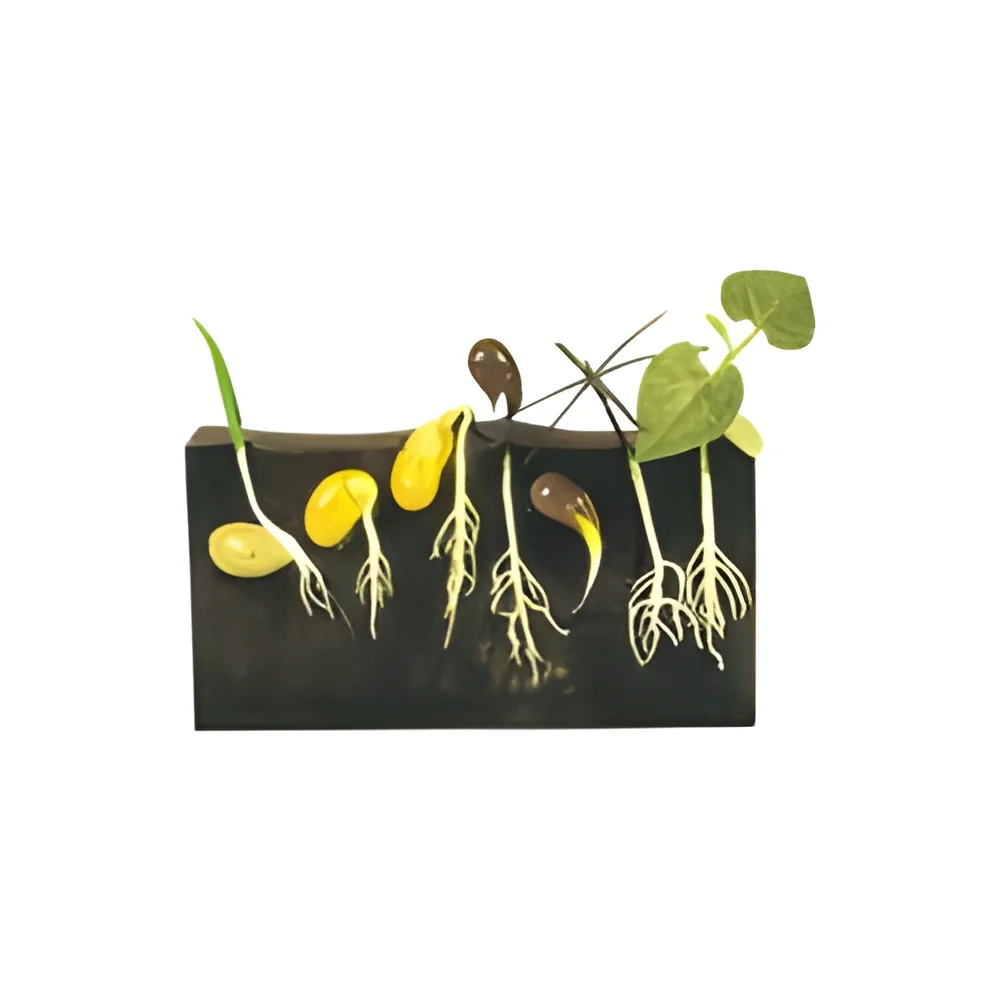
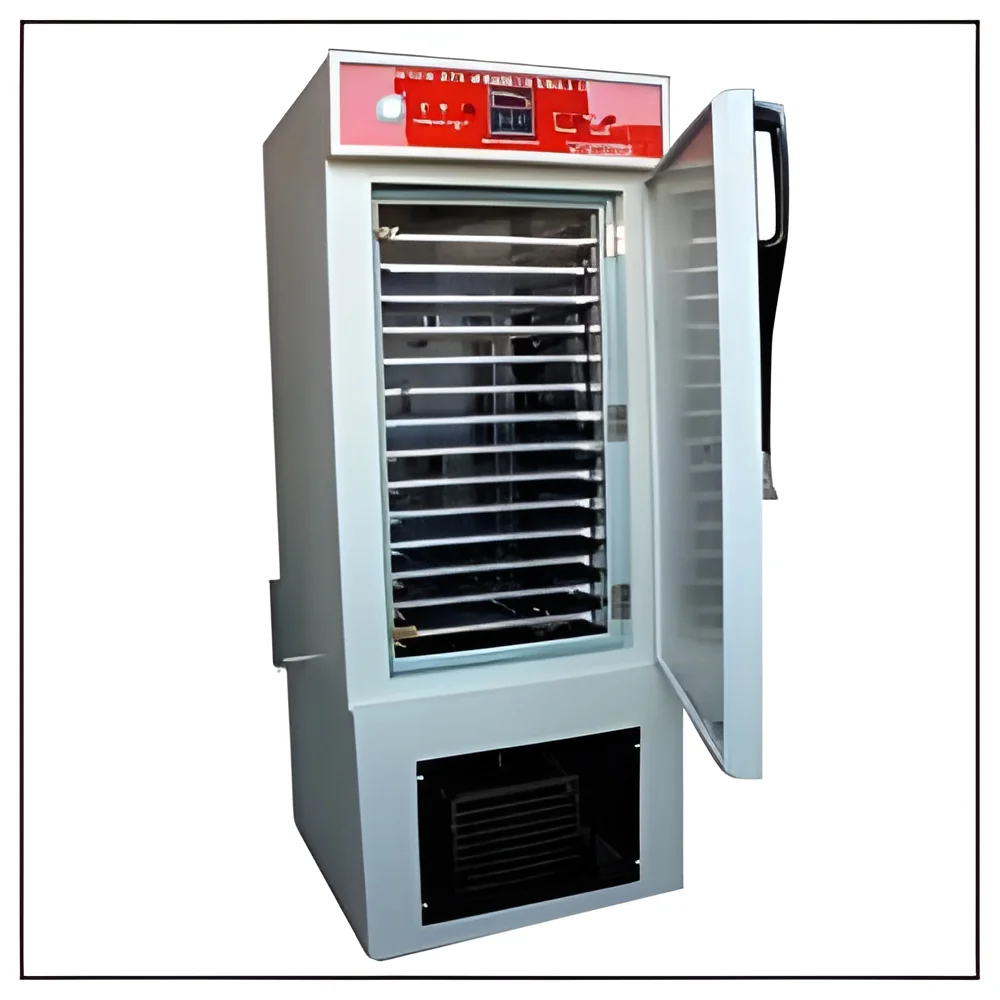
Seed germination kits are specialized tools designed to facilitate the germination process of seeds under controlled conditions. These kits typically include a variety of components such as planting trays, soil or growing mediums, moisture control devices, and sometimes even temperature regulation features. By providing an optimal environment for seed germination, these kits help ensure higher germination rates and healthier seedlings.
Primary uses of seed germination kits are found in agriculture, horticulture, and research settings. Businesses such as nurseries, greenhouses, and educational institutions often utilize these kits to produce strong, viable plants for various applications. The kits are essential for growers looking to start their plants indoors before transferring them outside or for those wanting to manage and experiment with different seed varieties.
The market for seed germination kits has been expanding due to the increasing interest in home gardening, sustainable agriculture, and the need for efficient crop production methods. As more businesses and individuals engage in gardening activities, the demand for reliable germination solutions continues to grow. This trend underscores the importance of seed germination kits in supporting plant health and yield.
Key Features and Specifications
Seed germination kits come with a range of features designed to optimize the growth of seedlings. These features not only enhance the efficiency of the germination process but also cater to various user needs.
Key specifications include:
1. Growing Medium:
- Often includes soil-less options such as peat, coco coir, or rock wool.
- Provides necessary nutrients and moisture retention.
2. Seed Trays:
- Available in various sizes and materials, typically made of plastic or biodegradable materials.
- Designed with drainage holes to prevent waterlogging.
3. Humidity Domes:
- Helps maintain humidity levels for optimal seed germination.
- Adjustable ventilation to control airflow and moisture levels.
4. Temperature Control:
- Some kits may include heating mats or thermostats.
- Ensures seeds are germinated at optimal temperatures.
5. Watering Systems:
- Can include built-in reservoirs or self-watering features.
- Promotes consistent moisture without overwatering.
6. Monitoring Features:
- Some kits come with pH and moisture meters.
- Allows users to track the germination environment closely.
7. Educational Materials:
- Often includes guides or instructions for best practices.
- Aids users in understanding the germination process.
8. Size and Capacity:
- Kits vary in the number of seed cells, accommodating different scales of planting.
- Options for small home use to larger commercial applications.
In summary, seed germination kits are designed to provide essential tools and features that promote efficient and effective seed germination, catering to a variety of user needs.
Common Applications and Use Cases
Seed germination kits are versatile and find applications across multiple industries.
1. Agriculture: Farmers and agricultural businesses utilize these kits to start seedlings for crops, ensuring strong plants before transplanting to fields.
2. Horticulture: Nurseries and garden centers use germination kits to propagate flowers and ornamental plants, allowing for better inventory management.
3. Education: Schools and universities incorporate germination kits into science curricula, helping students learn about plant biology and growth processes.
4. Home Gardening: Gardening enthusiasts employ these kits for starting vegetable and herb gardens, optimizing space and resources.
5. Research: Botanical research institutions use germination kits for experiments involving seed viability and plant growth conditions.
6. Landscaping: Landscape designers may start plants in controlled environments using germination kits to ensure healthy growth for projects.
7. Urban Farming: Urban gardeners utilize these kits to grow food in limited spaces, promoting sustainability and self-sufficiency.
Product Variants and Subcategories
Seed germination kits come in various forms to meet diverse needs.
Hydroponic Germination Kit: This variant allows for soil-less growing, where seeds are germinated in a nutrient-rich water solution. It is ideal for users interested in hydroponics.
Classic Seed Starter Kit: A traditional option that includes seed trays and soil, this kit is perfect for beginners wanting to start their gardening journey.
Organic Seed Germination Kit: Focused on sustainability, this kit uses organic materials and methods, appealing to environmentally-conscious gardeners.
Advanced Propagation Kit: Designed for serious growers, this kit includes advanced features like temperature control and monitoring systems for optimal germination.
Mini Germination Kit: A compact option for urban gardeners or those with limited space, this kit is perfect for small-scale planting.
Benefits and Advantages
Using seed germination kits offers several key benefits that enhance the growing experience.
1. Increased Germination Rates: These kits provide ideal conditions for seeds, resulting in higher germination success.
2. Time Efficiency: By controlling the environment, users can accelerate the germination process, leading to faster growth.
3. Space Optimization: Many kits are designed to maximize space, allowing for efficient use in small areas.
4. Educational Opportunities: Germination kits serve as great educational tools for schools, helping students learn about plant biology.
5. Customizable Options: Various kits allow users to choose based on their specific needs, whether for home gardening or commercial use.
6. Cost-Effectiveness: Investing in a germination kit can save money in the long run by increasing plant yield and reducing waste.
Buying Guide for B2B Buyers
When sourcing seed germination kits, B2B buyers should consider several important factors.
1. Quality Assessment: Evaluate the materials and construction of the kits. High-quality components lead to better performance and durability.
2. Supplier Verification: It is crucial to vet suppliers for reliability and reputation. Look for reviews, certifications, and industry experience.
3. Pricing and MOQ: Understand the pricing structure and minimum order quantities (MOQ). Aim for competitive pricing while ensuring quality.
4. Delivery and Lead Times: Consider logistics and delivery schedules. Timely delivery is essential for maintaining planting schedules.
5. Compliance Requirements: Be aware of any regional or industry-specific compliance needs that may impact the use of germination kits.
Compliance and Certifications
Seed germination kits must adhere to various compliance standards to ensure safety and effectiveness.
Relevant quality standards such as ISO 9001 focus on quality management systems that enhance product consistency and reliability.
Industry certifications like CE signify that products meet European safety and health requirements, ensuring that users can trust the quality of their kits.
Safety and testing requirements are also crucial for these products, as they must be free from harmful substances and safe for use in agricultural applications.
Additionally, regional compliance considerations may vary, so buyers should be aware of local regulations that govern agricultural products.
Why Source Seed Germination Kits from Pepagora?
Pepagora provides a trusted platform for sourcing seed germination kits, offering numerous advantages for businesses.
Verified Supplier Network: Pepagora ensures that all suppliers are thoroughly vetted, guaranteeing credibility and quality of products offered through the platform.
Streamlined RFQ Process: The request for quotation (RFQ) system simplifies the procurement process, enabling buyers to receive competitive pricing and quotes efficiently.
Trade Assurance and Support: Buyers benefit from protection measures that enhance purchasing confidence, ensuring that transactions are secure and reliable.
Regional Coverage: With a broad geographic reach spanning India, the GCC, and Southeast Asia, Pepagora connects buyers with suppliers across diverse markets, making sourcing more accessible and effective.

 India
 India
 India
 India
 India
 India
Frequently Asked Questions
What are Seed Germination Kits?
Seed germination kits are specially designed packages that contain all the necessary tools and materials for starting seeds indoors or outdoors. They typically include seed trays, soil, fertilizers, and instructions, making it easier for gardeners and growers to initiate the germination process.
What are the different types of Seed Germination Kits?
There are several types of seed germination kits available, including basic kits that contain soil and trays, hydroponic kits that use water-based growing systems, and specialized kits for specific plants like herbs or vegetables. Each type caters to different growing techniques and plant requirements.
How do I choose the right Seed Germination Kits?
When selecting a seed germination kit, consider the type of plants you wish to grow, your available space, and your growing method. Look for kits that provide compatible soil, appropriate containers, and any necessary tools that align with your gardening goals.
What are the standard specifications for Seed Germination Kits?
Standard specifications for seed germination kits may include the size of the trays, the type of soil used, and the materials of the containers. Additionally, kits may vary in the number of cells or compartments for planting seeds, which can affect the overall germination process.
What is the price range for Seed Germination Kits?
The price of seed germination kits can vary widely depending on the components included and the brand. Typically, prices range from INR 300 to INR 2000, with basic kits being more affordable and specialized or larger kits costing more.
What quality standards apply to Seed Germination Kits?
Quality standards for seed germination kits often focus on the materials used, such as non-toxic plastics for trays and organic soil. Kits should also meet agricultural safety regulations to ensure they are safe for use in growing edible plants.
Where can I find Seed Germination Kits suppliers in India?
You can find seed germination kits suppliers in India through various online B2B marketplaces, gardening supply stores, and agricultural trade shows. Platforms like Pepagora.com provide a comprehensive listing of manufacturers and suppliers that cater to your needs.
Can Seed Germination Kits be customized?
Yes, many manufacturers offer customization options for seed germination kits. You can request specific components, branding, or packaging tailored to your preferences, depending on the supplier's capabilities.
What is the typical minimum order quantity for Seed Germination Kits?
The typical minimum order quantity (MOQ) for seed germination kits can vary by supplier, but it often ranges from 50 to 100 kits. It's advisable to check with individual manufacturers for their specific MOQ requirements.
What is the typical lead time for Seed Germination Kits?
The lead time for seed germination kits usually ranges from 7 to 21 days, depending on the supplier's stock availability and customization requests. It's important to confirm the lead time with the supplier at the time of order.
Why Businesses Trust Pepagora
Thousands of companies trust Pepagora to source smarter and sell faster
Expand Your Sales Globally

Source Smarter,Grow Faster
