
 IN
Sandwich Panels for Roofing
5 products available
What are Sandwich Panels for Roofing?
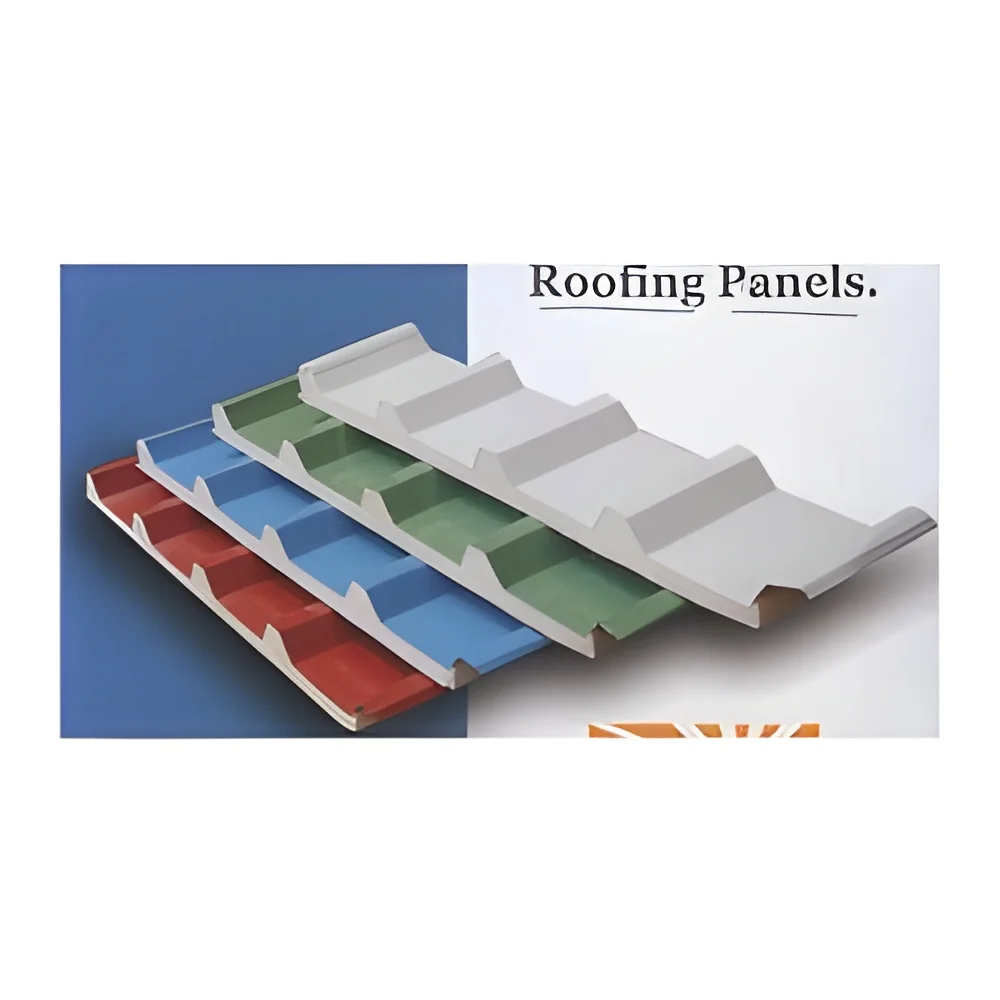
Sandwich panels for roofing are composite building materials that consist of two outer layers and a core material in between. The outer layers are typically made from metal or other sturdy materials, while the core is often composed of insulating materials such as polyurethane, polystyrene, or mineral wool. This construction provides excellent thermal insulation, structural stability, and soundproofing, making sandwich panels an ideal choice for various roofing applications.
These panels are primarily used in commercial, industrial, and agricultural buildings. They are commonly employed in warehouses, factories, cold storage facilities, and agricultural structures due to their energy efficiency and quick installation. Their lightweight nature and ease of handling reduce labor costs and construction time, making them a popular choice among builders and contractors. The growing demand for energy-efficient building materials further enhances the relevance of sandwich panels in the construction industry.
As the construction industry evolves, sandwich panels are becoming increasingly significant in sustainable building practices. With rising energy costs and a focus on reducing carbon footprints, the demand for high-performance insulation materials like sandwich panels is expected to grow. Their versatility in design and application positions them well within the market, catering to a wide range of customer needs.
Key Features and Specifications
Sandwich panels for roofing come with a variety of features and specifications that enhance their performance and suitability for different applications. These features ensure that the panels meet the diverse needs of modern construction projects.
Key specifications include:
1. Insulation Type
- Core materials such as polyurethane, polystyrene, or mineral wool
- High thermal resistance values for energy efficiency
2. Panel Thickness
- Common thicknesses range from 40mm to 200mm
- Thickness affects insulation properties and structural integrity
3. Sheet Metal Thickness
- Typically ranges from 0.4mm to 1.0mm
- Affects durability and load-bearing capacity
4. Fire Resistance Rating
- Varies based on core material and construction
- Important for compliance with safety regulations
5. Acoustic Performance
- Sound attenuation properties depend on core material
- Essential for applications in noise-sensitive environments
6. Weather Resistance
- Coating options available for enhanced durability
- Provides protection against corrosion and UV exposure
7. Installation Method
- Systems available for both direct and indirect fastening
- Installation efficiency contributes to reduced labor costs
8. Customization Options
- Panels can be tailored in size, color, and finish
- Flexibility in design to meet specific project requirements
These features ensure that sandwich panels are a reliable choice for various roofing applications, supporting energy efficiency and structural integrity.
Common Applications and Use Cases
Sandwich panels for roofing serve a wide range of industries, each benefiting from their unique properties and advantages.
1. Industrial Facilities: These panels are extensively used in factories and warehouses, providing quick installation and excellent insulation for temperature-sensitive processes.
2. Agricultural Buildings: In farms and agricultural storage, sandwich panels offer protection against weather elements while maintaining optimal conditions for stored goods.
3. Commercial Buildings: Retail spaces and office complexes utilize these panels for energy efficiency, enhancing comfort for occupants while reducing utility costs.
4. Cold Storage Warehouses: The superior insulation properties make sandwich panels ideal for cold storage applications, helping maintain temperature control for perishable goods.
5. Educational Institutions: Schools and universities benefit from the soundproofing capabilities of sandwich panels, creating conducive learning environments.
6. Transportation Hubs: Airports and bus terminals use these panels for roofing due to their lightweight nature and quick assembly, facilitating easier construction.
Product Variants and Subcategories
Sandwich panels for roofing are available in various types, each designed to meet specific needs and applications.
Polyurethane Sandwich Panels: These panels feature a polyurethane core that provides excellent thermal insulation. They are suitable for climate-controlled environments, making them ideal for cold storage and refrigerated warehouses.
Polystyrene Sandwich Panels: With a polystyrene core, these panels offer good insulation at a lower cost. They are often used in commercial buildings where budget constraints are a priority.
Mineral Wool Sandwich Panels: These panels are designed for fire resistance and sound insulation. They are commonly used in industrial applications where safety and noise reduction are critical.
Benefits and Advantages
Choosing sandwich panels for roofing comes with several advantages that enhance building performance and efficiency.
1. Energy Efficiency: The insulation properties of sandwich panels significantly reduce heating and cooling costs, contributing to lower energy bills.
2. Quick Installation: Lightweight design and modular construction allow for faster assembly, reducing overall project timelines.
3. Versatility: Available in various materials and finishes, sandwich panels can be customized to fit diverse architectural styles and functional requirements.
4. Durability: Resistant to weather elements, corrosion, and pest damage, these panels offer long-lasting performance with minimal maintenance.
5. Fire Safety: Many sandwich panels are designed with fire-resistant cores, providing added protection in case of emergencies.
6. Cost-Effectiveness: The combination of energy savings and reduced labor costs makes sandwich panels a financially viable option for many projects.
Buying Guide for B2B Buyers
When sourcing sandwich panels for roofing, there are several key factors that B2B buyers should consider to ensure they make informed purchasing decisions.
1. Quality Assessment: Evaluate the quality of materials and manufacturing processes. Look for certifications that indicate compliance with industry standards, ensuring that the panels will perform as expected.
2. Supplier Verification: Vet suppliers for reliability and reputation. Check references and reviews, and assess their production capabilities to ensure they can meet your project demands.
3. Pricing and MOQ: Understand the pricing structure and minimum order quantities. Negotiate terms to achieve the best value while ensuring your needs are met.
4. Delivery and Lead Times: Discuss logistics with suppliers to establish realistic delivery schedules. Timely delivery is crucial for keeping projects on track.
5. Compliance Requirements: Be aware of local regulations and compliance needs. Ensure that the panels meet necessary safety and performance standards for your specific applications.
Compliance and Certifications
Sandwich panels for roofing must adhere to various quality standards and certifications to ensure safety and performance. These standards include ISO 9001, which guarantees quality management systems, and CE marking, indicating compliance with European health, safety, and environmental protection standards.
Additionally, safety and testing requirements should be met to ensure that the panels can withstand environmental stresses. This includes fire resistance tests and thermal performance assessments. Regional compliance considerations may vary, so it is essential to understand local regulations that apply to the use of sandwich panels in construction projects.
Why Source Sandwich Panels for Roofing from Pepagora?
Pepagora offers a reliable platform for sourcing sandwich panels for roofing, providing B2B buyers with several key advantages.
Verified Supplier Network: Pepagora connects buyers with a network of verified suppliers, ensuring that all listed vendors meet stringent quality and reliability standards.
Streamlined RFQ Process: The platform features an efficient request for quotation (RFQ) system that simplifies the procurement process, allowing buyers to receive competitive quotes quickly.
Trade Assurance and Support: Pepagora prioritizes buyer protection through trade assurance programs, providing peace of mind during transactions and ensuring that quality standards are met.
Regional Coverage: With a strong presence in India, the GCC, and Southeast Asia, Pepagora facilitates access to a wide range of suppliers and products, catering to diverse market needs and preferences.


 India

 India
 India

Frequently Asked Questions
What are Sandwich Panels for Roofing?
Sandwich panels for roofing are composite building materials consisting of two outer layers of metal or other materials and an insulating core, typically made of polyurethane, polystyrene, or mineral wool. They are designed to provide thermal insulation, structural strength, and soundproofing for roofing applications.
What are the different types of Sandwich Panels for Roofing?
The different types of sandwich panels for roofing include insulated metal panels, which are commonly used in industrial buildings, and structural insulated panels, which offer high thermal resistance. Additionally, there are fire-rated panels designed to meet specific safety standards and eco-friendly panels made from sustainable materials.
How do I choose the right Sandwich Panels for Roofing?
To choose the right sandwich panels for roofing, consider factors such as insulation value, fire resistance, and the specific load-bearing requirements of your structure. It is also important to evaluate the environmental conditions, such as climate and local regulations, to ensure compliance and optimal performance.
What are the standard specifications for Sandwich Panels for Roofing?
Standard specifications for sandwich panels for roofing typically include thickness, panel width, insulation type, and fire rating. Common thickness ranges from 40mm to 150mm, with insulation values varying based on the core material used, and panels are often available in widths from 1 meter to 1.5 meters.
What is the price range for Sandwich Panels for Roofing?
The price range for sandwich panels for roofing can vary widely based on materials, thickness, and supplier. Generally, prices can range from INR 800 to INR 2,500 per square meter, depending on the specifications and customization options chosen.
What quality standards apply to Sandwich Panels for Roofing?
Quality standards for sandwich panels for roofing often include compliance with IS (Indian Standards) regulations, ASTM standards, and ISO certifications. These standards ensure that the panels meet safety, performance, and durability requirements for various applications.
Where can I find Sandwich Panels for Roofing suppliers in India?
You can find sandwich panels for roofing suppliers in India through online marketplaces like Pepagora.com, industry trade shows, and manufacturer directories. It's advisable to check for reviews and verify the credentials of suppliers to ensure reliability and quality.
Can Sandwich Panels for Roofing be customized?
Yes, sandwich panels for roofing can often be customized to meet specific project requirements. Customizations may include panel size, insulation thickness, and surface finishes, allowing you to tailor the product to your design and performance needs.
What is the typical minimum order quantity for Sandwich Panels for Roofing?
The typical minimum order quantity (MOQ) for sandwich panels for roofing can vary by supplier but often ranges from 100 to 500 square meters. It's best to consult with specific manufacturers or suppliers to understand their policies regarding order quantities.
What is the typical lead time for Sandwich Panels for Roofing?
The typical lead time for sandwich panels for roofing can range from 2 to 6 weeks, depending on the supplier, order size, and any customization required. It's recommended to confirm the lead time with your supplier to plan your project accordingly.
Why Businesses Trust Pepagora
Thousands of companies trust Pepagora to source smarter and sell faster
Expand Your Sales Globally

Source Smarter,Grow Faster
