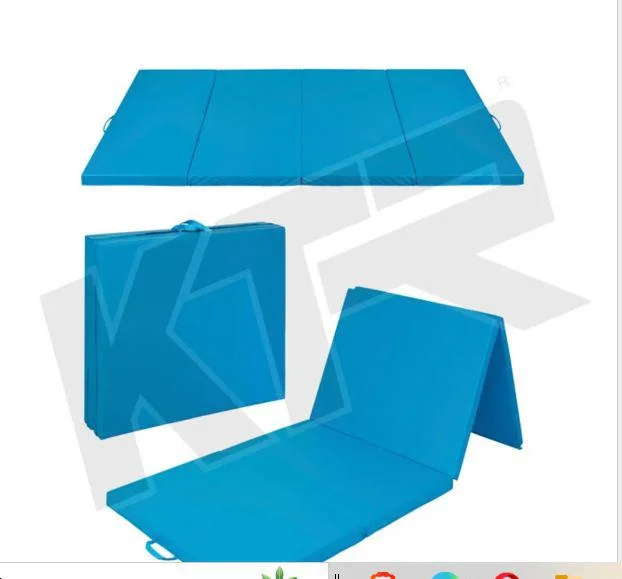
What are Rubber Flooring & Gym Mats?
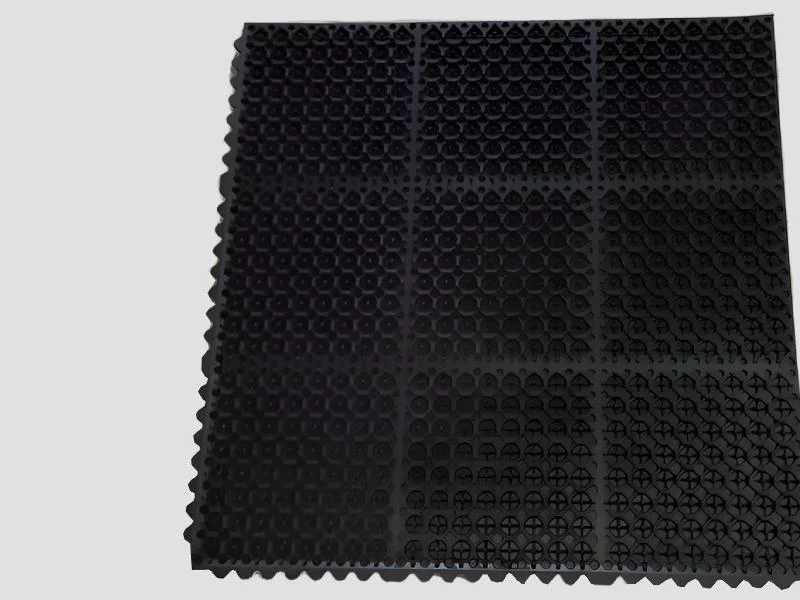
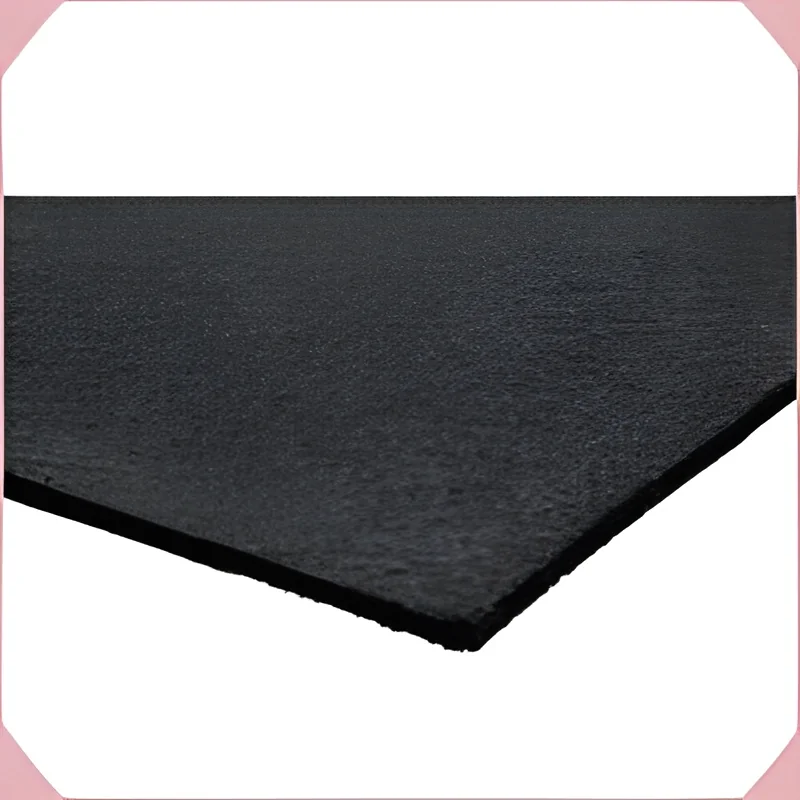
Rubber flooring and gym mats are essential products designed for durability, safety, and comfort in various settings. These products are typically made from natural or synthetic rubber, providing a resilient surface that can withstand heavy use. They are known for their slip-resistant properties and ability to absorb shock, making them ideal for high-traffic environments. Rubber flooring is often utilized in commercial spaces, while gym mats are tailored for fitness facilities, schools, and home gyms.
These products serve a broad range of business applications, from commercial gyms and fitness studios to schools and industrial environments. In gyms, rubber mats provide cushioning for workouts, reducing the risk of injury during exercises. In industrial settings, rubber flooring is used to protect underlying surfaces and provide a safe walking area for employees. The relevance of rubber flooring and gym mats is growing, driven by increased awareness of safety, comfort, and aesthetic appeal across various industries.
Key Features and Specifications
Rubber flooring and gym mats are characterized by several key features and specifications that enhance their functionality and suitability for different environments. Understanding these specifications helps businesses make informed purchasing decisions.
Key specifications include:
1. Material Composition
- Made from natural or synthetic rubber
- Offers varying levels of durability and shock absorption
2. Thickness Options
- Available in various thicknesses, typically ranging from 3mm to 25mm
- Thicker mats provide more cushioning for high-impact activities
3. Surface Texture
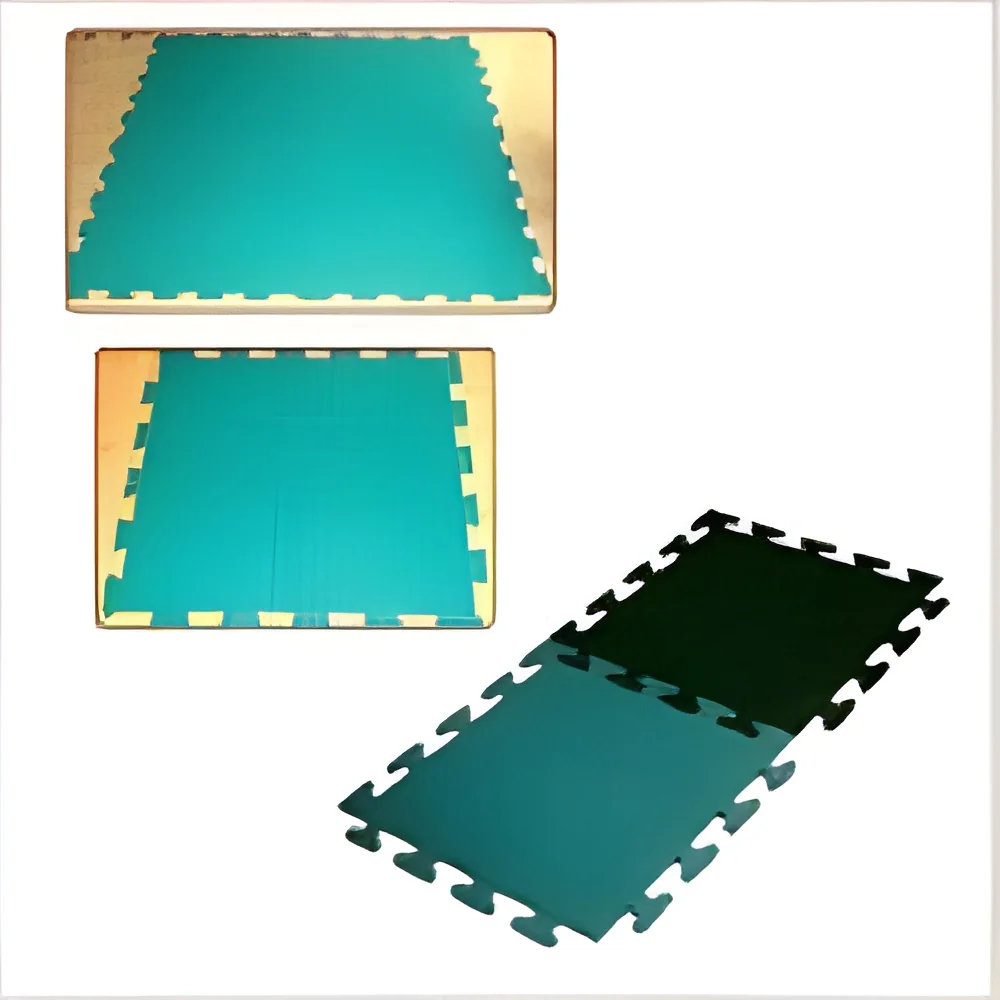
- Options include smooth, textured, or interlocking designs
- Textured surfaces enhance grip and reduce slip hazards
4. Size Variations
- Offered in standard rolls or tiles, with customizable sizes available
- Allows for easy installation and tailored fit for specific areas
5. Color Choices
- Available in multiple colors and patterns for aesthetic flexibility
- Custom colors may be available to match branding or decor
6. Fire Resistance
- Many products meet fire safety standards
- Ensures compliance in commercial and industrial spaces
7. Environmental Impact
- Some products are made from recycled materials
- Eco-friendly options available for sustainability-conscious buyers
8. Maintenance Requirements
- Easy to clean and maintain with regular sweeping and mopping
- Resistant to staining and wear over time
In summary, choosing the right rubber flooring and gym mats involves understanding these specifications, as they directly impact performance, safety, and longevity.
Common Applications and Use Cases
Rubber flooring and gym mats are versatile products that cater to various industries, highlighting their broad applicability.
1. Fitness Centers: These mats provide cushioning and safety for weightlifting, aerobics, and group fitness classes, enhancing user comfort and reducing injury risk.
2. Schools: Rubber flooring is commonly used in gymnasiums and playgrounds, offering a safe surface for children during physical activities and sports.
3. Industrial Facilities: Rubber flooring protects floors from heavy equipment and spills while providing a slip-resistant surface for workers in manufacturing plants.
4. Healthcare Facilities: Hospitals and clinics use rubber flooring for its ease of cleaning and ability to reduce noise levels, creating a calm environment for patients.
5. Retail Spaces: Stores often use rubber flooring in aisles and checkout areas to enhance safety for customers and staff, especially in high-traffic zones.
6. Home Gyms: Individuals setting up personal workout spaces benefit from rubber gym mats that provide stability and cushioning for various exercises.
7. Pet Facilities: Dog daycare centers and grooming salons utilize rubber flooring for its durability and ease of maintenance, creating a safe environment for pets.
Product Variants and Subcategories
Rubber flooring and gym mats come in a variety of forms to meet diverse needs across different environments.
Interlocking Tiles
These tiles are easy to install and can be arranged in various configurations. They provide flexibility in design and are ideal for temporary setups or changing layouts.
Rolled Rubber Flooring
This variant offers a seamless appearance and is suitable for large areas. Rolled flooring is often used in commercial gyms and industrial spaces for comprehensive coverage.
Mats for Specific Activities
Specialized mats are designed for particular sports or workouts, such as yoga mats or wrestling mats, providing tailored support and performance for those activities.
Benefits and Advantages
Rubber flooring and gym mats present numerous advantages that make them a preferred choice for many businesses.
1. Durability: Rubber materials are highly resistant to wear and tear, ensuring long-lasting performance even in high-traffic areas.
2. Safety: The slip-resistant surface minimizes the risk of accidents, providing a secure environment for users during workouts or in commercial spaces.
3. Shock Absorption: These products effectively absorb impact, reducing stress on joints and offering comfort during physical activities.
4. Easy Maintenance: Rubber flooring and mats are simple to clean, requiring minimal upkeep to maintain their appearance and functionality.
5. Versatility: Suitable for a wide range of applications, they can be used in various settings from gyms to industrial facilities.
6. Aesthetic Options: With a variety of colors and designs available, businesses can choose products that align with their branding or interior design.
Buying Guide for B2B Buyers
When sourcing rubber flooring and gym mats, several key factors should be considered to ensure the best purchase decision.
1. Quality Assessment: Evaluate the material quality and durability. Look for products that meet industry standards to ensure long-lasting performance.
2. Supplier Verification: Research potential suppliers to confirm their reputation and reliability. Check for customer reviews and industry certifications.
3. Pricing and MOQ: Understand the price ranges and minimum order quantities. Compare quotes from different suppliers to ensure competitive pricing.
4. Delivery and Lead Times: Inquire about delivery options and lead times to ensure timely availability for your projects.
5. Compliance Requirements: Ensure that the products meet relevant safety and regulatory standards specific to your industry, such as CE certification.
Compliance and Certifications
Rubber flooring and gym mats must adhere to various compliance and certification standards to guarantee safety and quality.
Many products comply with ISO 9001, which outlines quality management systems and ensures consistent quality in manufacturing processes. Additionally, certifications like CE indicate that the products meet European health and safety standards.
Safety testing is crucial, particularly in environments where slips and falls are a concern. Regular assessment for slip resistance and durability is necessary to maintain compliance with industry regulations.
Furthermore, regional compliance considerations may vary, necessitating thorough research to ensure that the products meet local standards.
Why Source Rubber Flooring & Gym Mats from Pepagora?
Pepagora offers a trusted platform for sourcing rubber flooring and gym mats, presenting numerous advantages for B2B buyers.
The verified supplier network ensures that buyers have access to reputable manufacturers who meet high-quality standards. This verification process minimizes risks associated with sourcing.
The streamlined RFQ process allows businesses to quickly receive quotations from multiple suppliers, facilitating informed decision-making and competitive pricing.
Trade assurance and support provide an extra layer of protection for buyers, ensuring that their purchases are secure throughout the transaction process.
Finally, Pepagora's regional coverage spans India, the GCC, and Southeast Asia, making it easier for businesses to find the right products and suppliers in their geographic areas.

 IN
IN



 India
India