
 IN
Seated Row Machines
4 products available
What are Seated Row Machines?
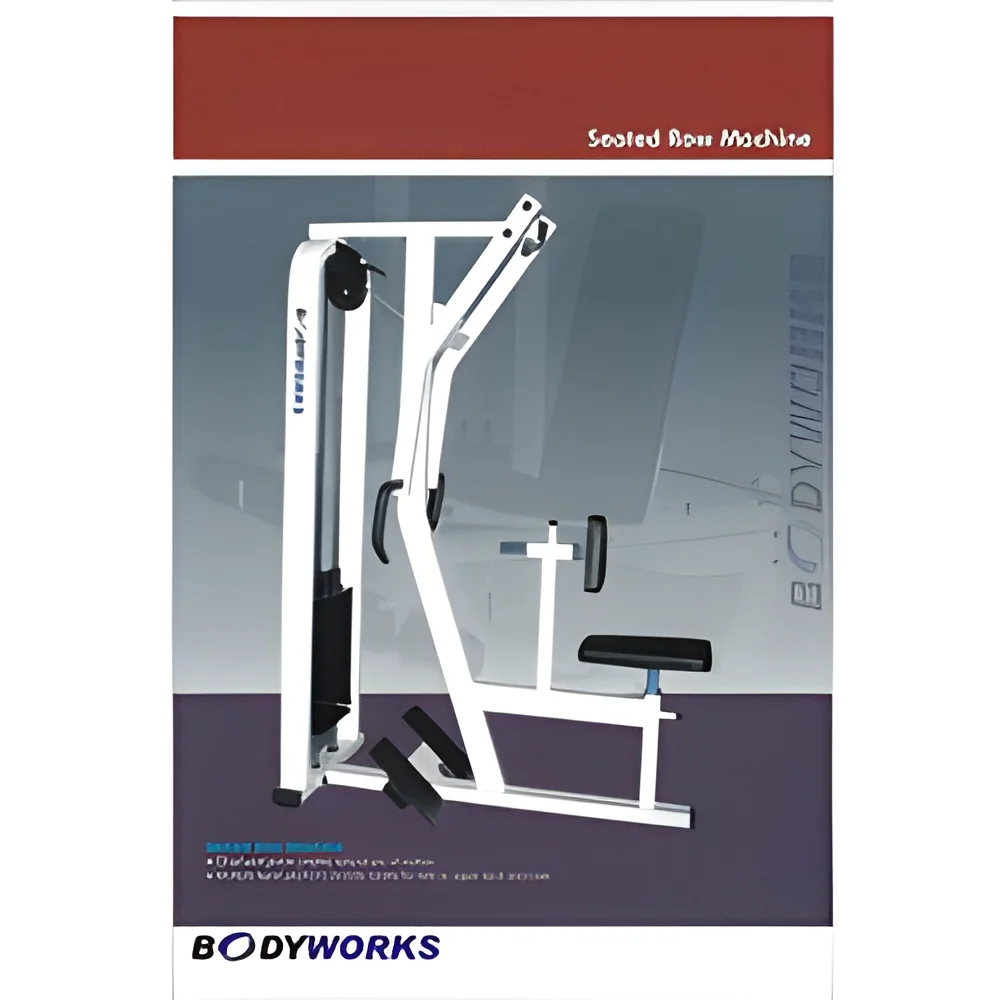
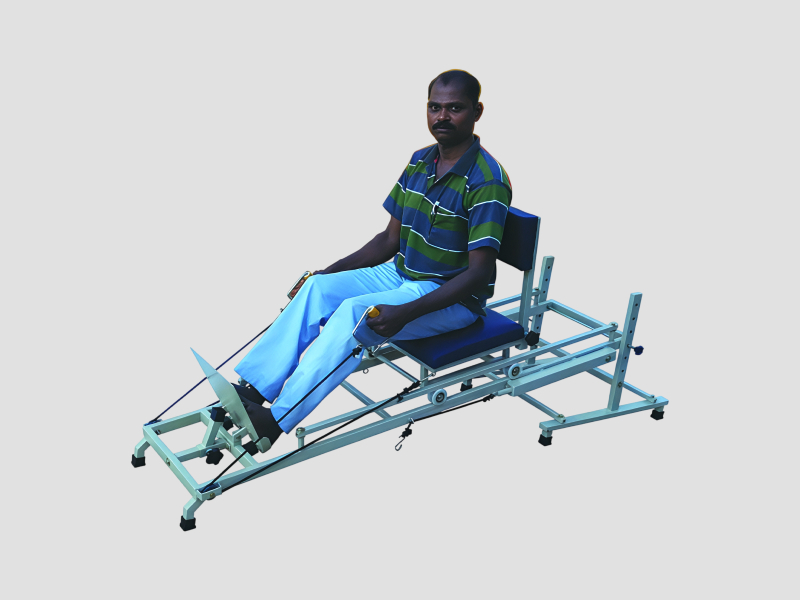
Seated row machines are fitness equipment designed specifically for strength training, targeting the muscles in the back, shoulders, and arms. These machines allow users to perform rowing movements while seated, which helps to isolate upper body muscles effectively. Typically, they consist of a seat, a footrest, and a pulley system connected to a weight stack or resistance mechanism. This setup provides a controlled environment for users to enhance their muscle strength and endurance.
In a business context, seated row machines are commonly found in gyms, fitness centers, rehabilitation facilities, and corporate wellness programs. They are essential for building upper body strength and improving posture among users. With an increasing focus on fitness and health, many organizations are investing in high-quality fitness equipment to meet customer demand and enhance member experience.
The market for seated row machines continues to grow, driven by trends in health and fitness. As more people recognize the importance of physical activity, the demand for commercial-grade fitness equipment is on the rise. Manufacturers are continually innovating to create machines that are more effective, user-friendly, and durable, ensuring they remain relevant in a competitive industry.
Key Features and Specifications
Seated row machines come equipped with several features that enhance their usability and effectiveness. When evaluating these machines, it is essential to consider their specifications to ensure they meet the needs of users and fitness facilities.
Key specifications include:
1. Frame Construction
- Typically made from heavy-duty steel
- Ensures durability and stability during use
2. Weight Stack
- Ranges from 100 to 300 pounds
- Allows users to adjust resistance according to their fitness levels
3. Adjustable Seat Height
- Provides customization for users of different heights
- Enhances comfort and effectiveness during workouts
4. Footplate Design
- Non-slip surface for safety
- Allows users to brace their feet securely during rowing
5. Cable System
- High-quality cables for smooth operation
- Reduces wear and tear over time
6. Resistance Mechanism
- Can be pneumatic or weight stack-based
- Offers a consistent resistance experience
7. User-Friendly Controls
- Easy-to-reach adjustments for weight and seat height
- Simplifies the setup process for users
8. Compact Design
- Space-efficient for gyms with limited room
- Allows for easy placement alongside other equipment
In summary, selecting a seated row machine with the right features and specifications is crucial for maximizing user experience and workout effectiveness.
Common Applications and Use Cases
Seated row machines are versatile and serve various industries, each with specific applications.
1. Fitness Centers: These machines are central to strength training programs, helping members build upper body strength and improve muscle endurance.
2. Rehabilitation Clinics: Physical therapists use seated row machines in recovery programs to help patients regain strength and mobility in their upper body after injuries.
3. Corporate Wellness Programs: Organizations incorporate these machines in on-site gyms to promote employee health and fitness, encouraging regular exercise.
4. Sports Training Facilities: Athletes use seated row machines to enhance back strength and improve overall performance in various sports.
5. Home Gyms: Individuals invest in seated row machines for personal fitness, allowing them to perform effective workouts in the comfort of their homes.
Product Variants and Subcategories
Seated row machines come in various designs to cater to different user needs and preferences.
Commercial Seated Row Machine
This variant is designed for heavy usage in gyms and fitness centers. It features a robust frame, extensive weight stack options, and enhanced durability to withstand frequent use.
Compact Seated Row Machine
Ideal for home gyms or smaller fitness spaces, this variant offers a space-saving design while maintaining essential features. It provides adjustable resistance suitable for various fitness levels.
Multi-Function Rowing Machine
This variant combines seated rowing with other exercises, allowing users to perform a full-body workout. It typically includes attachments for additional exercises, enhancing versatility.
Benefits and Advantages
Investing in seated row machines offers numerous benefits that enhance both user experience and business operations.
1. Improved Muscle Strength: Regular use of seated row machines effectively strengthens the back, shoulders, and arms, contributing to overall fitness.
2. Enhanced Posture: By targeting upper body muscles, seated row machines help improve posture and reduce the risk of back pain.
3. Versatility: These machines can accommodate users of various fitness levels, making them suitable for both beginners and advanced users.
4. Space Efficiency: Many seated row machines are designed to fit compact spaces, allowing gyms to maximize their workout areas.
5. Easy to Use: The straightforward design and user-friendly controls make it accessible for all users, encouraging regular workouts.
6. Injury Rehabilitation: Seated row machines are often used in rehabilitation settings, helping patients regain strength with controlled movements.
Buying Guide for B2B Buyers
When sourcing seated row machines for your business, several factors should be considered to ensure a successful purchase.
1. Quality Assessment: Evaluate the quality of materials and construction. Look for machines made from heavy-duty materials that can withstand frequent use.
2. Supplier Verification: Vet suppliers for reliability and reputation. Check references and reviews to ensure you are working with a trustworthy partner.
3. Pricing and MOQ: Understand the pricing structure and minimum order quantities. Compare different suppliers to find the best value for your budget.
4. Delivery and Lead Times: Discuss delivery options and lead times with suppliers to ensure timely arrival of equipment to meet your operational needs.
5. Compliance Requirements: Familiarize yourself with any regulatory standards relevant to your region, ensuring that machines meet necessary compliance for safety and performance.
Compliance and Certifications
Seated row machines must adhere to various compliance standards and certifications to ensure safety and reliability in their use.
Quality standards, such as ISO 9001, help verify that manufacturers maintain consistent quality and efficiency in their production processes. Compliance with these standards assures buyers of the product's reliability.
Industry certifications like CE indicate that products meet European safety, health, and environmental protection standards. This certification provides additional assurance to users regarding the safety of the equipment.
Safety and testing requirements are critical for any fitness equipment. Manufacturers typically conduct rigorous testing to ensure their machines can withstand intense use without compromising user safety.
Regional compliance considerations can vary. It is essential for buyers to be aware of local regulations regarding fitness equipment to ensure their purchases are compliant with safety standards.
Why Source Seated Row Machines from Pepagora?
Pepagora provides a trusted platform for sourcing seated row machines, offering several key advantages for B2B buyers.
Verified Supplier Network: Pepagora connects businesses with a network of verified suppliers. This ensures that buyers can source quality machines from reputable manufacturers, reducing the risk of subpar purchases.
Streamlined RFQ Process: The request for quotation (RFQ) system simplifies the procurement process. Buyers can easily compare quotes from multiple suppliers, helping them make informed decisions efficiently.
Trade Assurance and Support: Pepagora offers buyer protection through trade assurance, ensuring that transactions are secure and that buyers receive the products as described.
Regional Coverage: With a strong presence in India, the GCC, and Southeast Asia, Pepagora provides extensive regional coverage, facilitating access to local suppliers and manufacturers. This geographic reach enables businesses to find the best solutions tailored to their market needs.


Frequently Asked Questions
What are Seated Row Machines?
Seated Row Machines are a type of strength training equipment designed to target the muscles in the back, specifically the latissimus dorsi, trapezius, and rhomboids. They allow users to perform rowing movements while seated, providing stability and support during the exercise.
What are the different types of Seated Row Machines?
There are several types of Seated Row Machines, including cable row machines, plate-loaded row machines, and hydraulic row machines. Each type offers different resistance mechanisms and features, catering to various fitness levels and training preferences.
How do I choose the right Seated Row Machines?
Choosing the right Seated Row Machine involves considering factors such as your fitness goals, available space, and budget. Additionally, evaluating the machine's resistance type, adjustable settings, and overall build quality can help ensure it meets your specific training needs.
What are the standard specifications for Seated Row Machines?
Standard specifications for Seated Row Machines typically include weight capacity, adjustable seat height, and resistance levels. Many machines also feature ergonomic designs for comfort and safety, with dimensions that accommodate various user sizes.
What is the price range for Seated Row Machines?
The price range for Seated Row Machines can vary widely based on brand, type, and features, typically ranging from INR 20,000 to INR 1,50,000. Higher-end models with advanced features may cost more, while basic versions are generally more affordable.
What quality standards apply to Seated Row Machines?
Quality standards for Seated Row Machines include durability, safety certifications, and adherence to manufacturing guidelines. Reputable manufacturers ensure their products meet industry standards, providing users with reliable and effective equipment.
Where can I find Seated Row Machines suppliers in India?
You can find Seated Row Machines suppliers in India through online B2B marketplaces like Pepagora, local fitness equipment retailers, and trade shows. It's advisable to compare multiple suppliers to find the best quality and price.
Can Seated Row Machines be customized?
Yes, some manufacturers offer customization options for Seated Row Machines, allowing buyers to request specific features, colors, or branding. Customization can enhance the user experience and align the equipment with a gym's overall aesthetic.
What is the typical minimum order quantity for Seated Row Machines?
The typical minimum order quantity (MOQ) for Seated Row Machines often ranges from 1 to 5 units, depending on the supplier. Larger orders may be required for wholesale pricing or customization requests.
What is the typical lead time for Seated Row Machines?
The typical lead time for Seated Row Machines can vary based on the supplier and order size, generally ranging from 2 to 8 weeks. Custom orders may take longer due to additional manufacturing processes.
Why Businesses Trust Pepagora
Thousands of companies trust Pepagora to source smarter and sell faster
Expand Your Sales Globally

Source Smarter,Grow Faster
