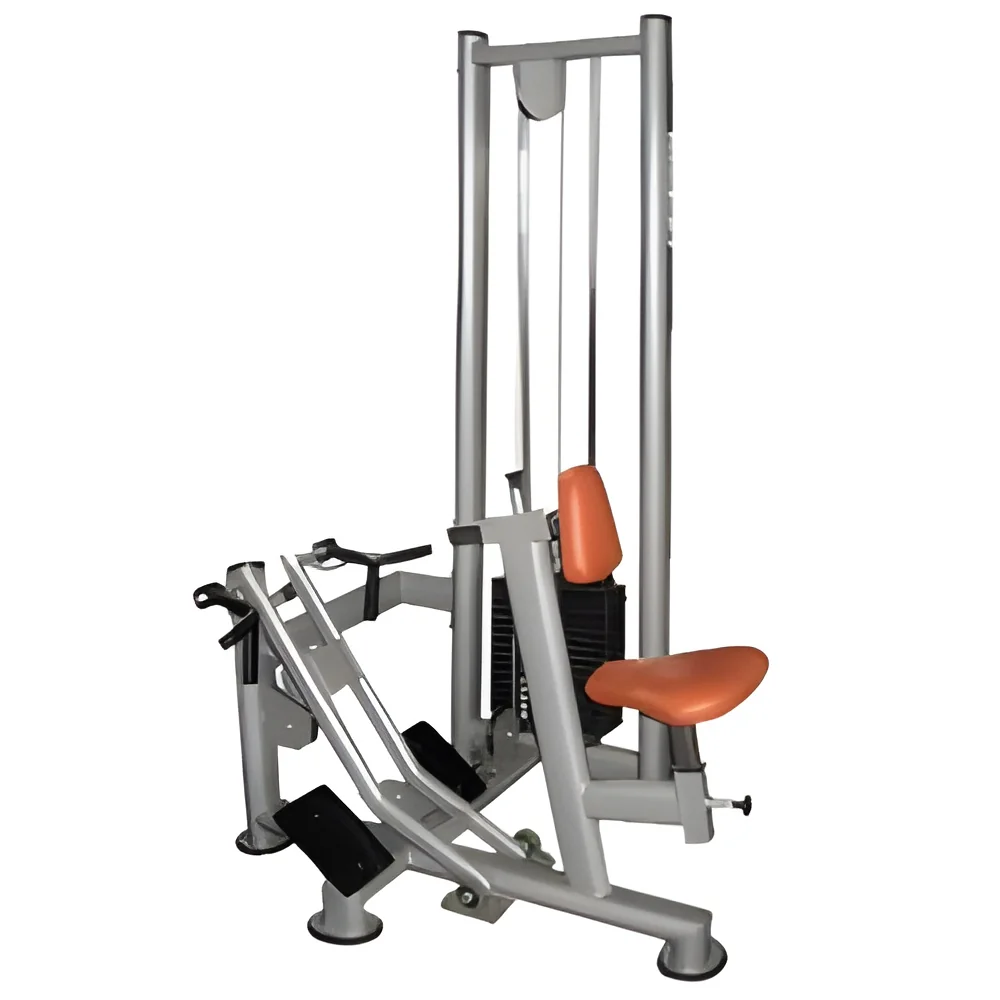
What are Rowing Machines?
Rowing machines, also known as ergometers, are fitness devices that simulate the action of rowing a boat. They provide a full-body workout by engaging multiple muscle groups, including the arms, legs, back, and core. The primary mechanism involves pulling a handle connected to a resistance system while seated on a sliding seat. This design allows users to perform a low-impact cardiovascular workout, making it suitable for various fitness levels.
Rowing machines are commonly used in gyms, fitness studios, and rehabilitation centers. They are popular in both commercial and residential settings due to their versatility and effectiveness. Businesses often incorporate rowing machines into their offerings for group classes or personal training sessions. The growing trend of fitness awareness has led to an increased demand for rowing machines across various sectors, including health clubs, corporate wellness programs, and home fitness markets.
As the fitness industry continues to evolve, rowing machines remain relevant due to their efficiency in providing a comprehensive workout. The market for rowing machines has expanded, driven by advancements in technology and the rising popularity of indoor rowing competitions. Additionally, the emphasis on health and wellness in various industries has further solidified the position of rowing machines in the fitness landscape.
Key Features and Specifications
Rowing machines come equipped with several key features that enhance their functionality and user experience. Understanding these specifications can aid in selecting the right equipment for specific business needs.
Key specifications include:
1. Resistance Type
- Rowing machines may offer air, magnetic, hydraulic, or water resistance.
- Each type provides a distinct feel and level of challenge.
2. Display Console
- Most rowing machines include a display that tracks metrics such as time, distance, strokes per minute, and calories burned.
- Advanced models may offer Bluetooth connectivity and workout programs.
3. Frame Construction
- Durable materials such as steel or aluminum are commonly used for stability and longevity.
- A foldable design may be available for space-saving in smaller facilities.
4. Maximum User Weight Capacity
- Typically ranges from 250 to 500 pounds depending on the model.
- Important for ensuring safety and accommodating a wide range of users.
5. Seat Design
- Ergonomically designed seats improve comfort during prolonged use.
- Some models feature padded seats or adjustable height.
6. Dimensions
- Length, width, and height specifications vary among models.
- Consider space availability in the facility when selecting a rowing machine.
7. Warranty and Support
- Manufacturers often provide warranties ranging from one to several years.
- Customer support options should also be evaluated for maintenance and repairs.
8. Price Range
- Prices can vary significantly based on features and brand reputation.
- Businesses should consider budget constraints while evaluating options.
In summary, when selecting rowing machines, it is crucial to assess various specifications to ensure they meet the intended use and provide a satisfactory user experience.
Common Applications and Use Cases
Rowing machines serve a wide range of industries and applications, making them a versatile choice for fitness enthusiasts and businesses alike.
1. Health Clubs: These establishments often include rowing machines in their cardio sections, offering members an effective way to improve cardiovascular fitness and endurance.
2. Rehabilitation Centers: Rowing machines are used in physical therapy programs to assist patients in recovering strength and mobility, particularly after lower body injuries.
3. Corporate Wellness Programs: Many companies incorporate rowing machines in their fitness initiatives to promote employee health and well-being, fostering a culture of wellness.
4. Schools and Universities: Educational institutions use rowing machines in physical education programs to teach students about fitness and teamwork through rowing activities.
5. Home Gyms: As more individuals invest in home fitness, rowing machines have become popular choices for those seeking a compact and efficient workout solution.
6. Competitive Rowing Teams: Some teams use indoor rowing machines for training to enhance technique and build strength during off-season periods.
7. Personal Training: Trainers often integrate rowing machines into client workouts to provide diverse training options and challenge various fitness levels.
Product Variants and Subcategories
Rowing machines come in various designs and configurations to cater to different user preferences and business needs.
Air Rowing Machines
These models utilize air resistance, providing a smooth and natural rowing experience. The resistance level increases with the user's effort, making them ideal for high-intensity workouts.
Water Rowing Machines
These machines use water-filled tanks to create resistance, mimicking the feel of rowing on water. They are known for their aesthetic appeal and soothing sound during use.
Magnetic Rowing Machines
With adjustable magnetic resistance, these models offer a quiet workout experience. They are often equipped with advanced monitoring features and can be easily stored.
Hydraulic Rowing Machines
These are compact machines that use hydraulic cylinders for resistance. They are typically more affordable and suitable for smaller spaces, making them a good option for home gyms.
Benefits and Advantages
Rowing machines provide numerous benefits that contribute to their popularity in both commercial and residential fitness settings.
1. Full-Body Workout: Rowing machines engage multiple muscle groups, promoting overall strength and conditioning.
2. Low-Impact Exercise: The sliding seat design minimizes stress on joints, making it suitable for users of all ages and fitness levels.
3. Cardiovascular Health: Regular use can improve aerobic capacity and heart health, supporting long-term fitness goals.
4. Versatility: Rowing machines can be used for various workout styles, including steady-state rowing, interval training, and circuit workouts.
5. Space Efficiency: Many rowing machines are designed to be compact and foldable, making them ideal for facilities with limited space.
6. Easy to Use: Rowing machines are straightforward to operate, making them accessible for beginners while still challenging for advanced users.
Buying Guide for B2B Buyers
When sourcing rowing machines, businesses should consider several essential factors to ensure they make informed purchasing decisions.
1. Quality Assessment: Evaluate the build quality and durability of rowing machines. Look for reputable brands known for their reliability and performance.
2. Supplier Verification: Conduct due diligence on potential suppliers. Check for customer reviews, industry reputation, and product certifications to ensure credibility.
3. Pricing and MOQ: Understand the pricing structure, including any minimum order quantities. Compare prices across different suppliers to find the best value.
4. Delivery and Lead Times: Discuss logistics with suppliers to confirm delivery timelines. Ensure that lead times align with your business needs, especially for seasonal demand.
5. Compliance Requirements: Familiarize yourself with any regulatory compliance standards relevant to your industry. Ensure that the rowing machines meet necessary safety and quality standards.
Compliance and Certifications
Rowing machines must adhere to various compliance and certification standards to ensure safety and quality.
ISO 9001: This standard ensures that manufacturers maintain quality management systems, providing confidence in the product's reliability and efficiency.
CE Certification: Many rowing machines come with CE certification, indicating that they meet European safety, health, and environmental protection standards. This certification is essential for market acceptance in European regions.
Safety and Testing Requirements: Rowing machines may undergo rigorous testing to meet safety standards. This includes assessments for stability, resistance mechanisms, and user safety features.
Regional Compliance Considerations: Depending on the target market, businesses should also be aware of local regulations that may affect the sale and use of rowing machines. This includes understanding any specific safety or performance standards required in different regions.
Why Source Rowing Machines from Pepagora?
Pepagora offers a reliable platform for sourcing rowing machines, providing significant advantages for B2B buyers.
Verified Supplier Network: Pepagora connects buyers with a network of verified suppliers. This ensures that businesses can source quality products from reputable manufacturers.
Streamlined RFQ Process: The platform simplifies the request for quotation process, allowing buyers to easily compare prices and specifications from multiple suppliers.
Trade Assurance and Support: Pepagora offers trade assurance, protecting buyers from potential issues. Additionally, the platform provides support for resolving any disputes that may arise.
Regional Coverage: With a strong presence in India, the GCC, and Southeast Asia, Pepagora caters to a wide range of geographic markets. This allows businesses to access rowing machines that meet their specific regional needs.

 IN
IN