What are Portable Home Workout Machines?
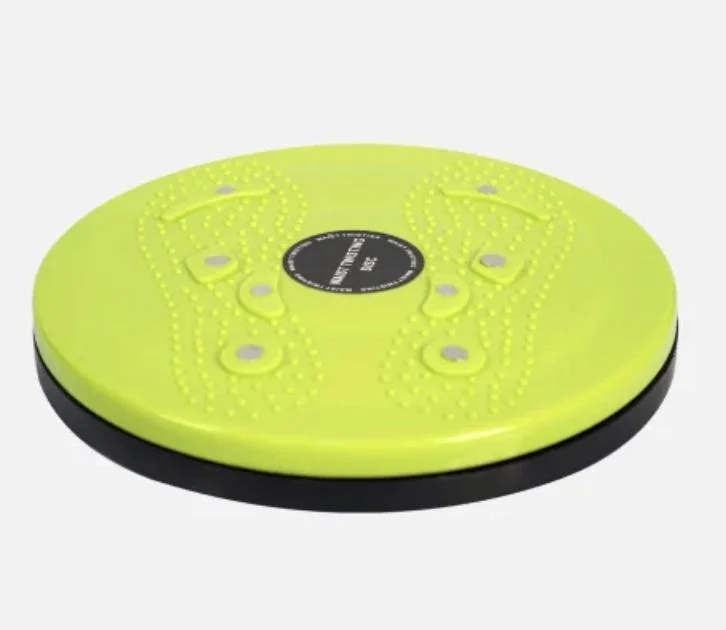
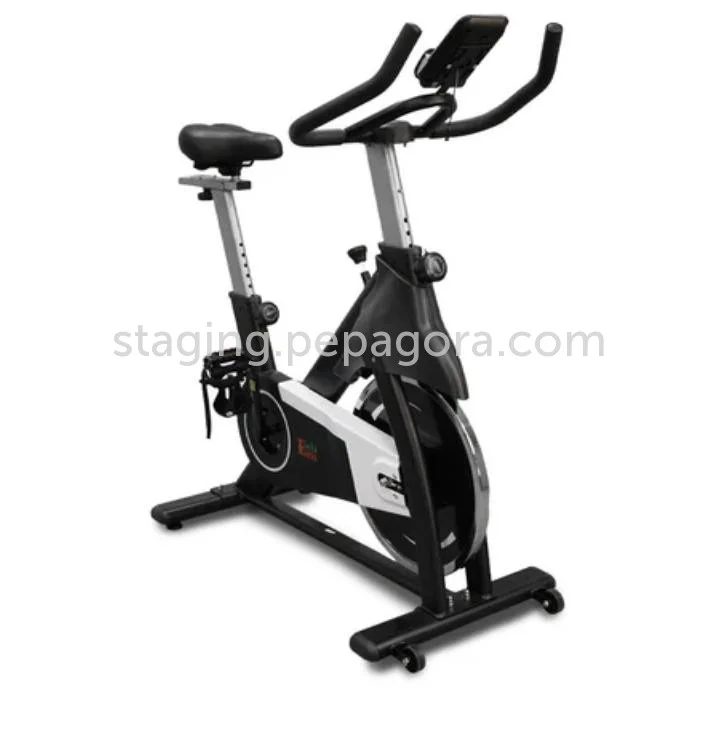
Portable home workout machines are compact fitness devices designed for individual use in various environments, particularly at home. They are engineered to provide effective workout routines without requiring a large space or extensive equipment. These machines can include items such as resistance bands, compact treadmills, and multifunctional weights, catering to a broad range of fitness levels and exercise preferences.
These machines are primarily used by fitness enthusiasts looking to maintain their workout routines without the need for a gym membership. They are also popular among busy professionals and parents who find it challenging to allocate time for gym visits. The appeal of portable workout machines lies in their versatility, enabling users to perform different types of exercises, from cardio to strength training, all within the comfort of their homes. This trend aligns with the growing demand for home fitness solutions, especially in the wake of changing lifestyle dynamics and increased health awareness among consumers.
As the demand for home fitness solutions continues to rise, the portable workout machine market has become increasingly relevant in the fitness industry. Companies are innovating to provide more effective and user-friendly products, catering to both individual consumers and businesses, such as fitness studios or corporate wellness programs. The increasing emphasis on health and fitness, combined with technological advancements, has positioned portable home workout machines as essential tools for a healthier lifestyle.
Key Features and Specifications
Portable home workout machines come with various features and specifications that enhance their usability and effectiveness. Buyers should be aware of these specifications to make informed purchasing decisions.
Key specifications include:
1. Compact Design
- Space-saving dimensions for easy storage
- Lightweight materials for portability
2. Versatility
- Multiple exercise options in a single machine
- Adjustable resistance levels for customized workouts
3. User-Friendly Interface
- Simple controls for easy operation
- Digital displays for tracking workout metrics
4. Material Durability
- High-quality construction for long-lasting use
- Non-slip surfaces for safety during workouts
5. Power Source
- Battery-operated options for cord-free use
- Plug-in models for extended workouts
6. Safety Features
- Built-in safety mechanisms to prevent accidents
- Ergonomic designs to minimize strain
7. Customization Options
- Availability of various colors and styles
- Ability to add attachments for enhanced functionality
8. Warranty and Support
- Manufacturer warranty for quality assurance
- Customer service availability for troubleshooting
In summary, understanding the features and specifications of portable home workout machines allows buyers to select the right product that meets their specific needs and preferences.
Common Applications and Use Cases
Portable home workout machines serve various industries and applications, making them versatile tools for fitness.
1. Residential Fitness: Many individuals use portable machines to create home gyms that cater to their personal fitness goals and routines, providing convenience and flexibility.
2. Corporate Wellness Programs: Companies often invest in portable workout machines for employee wellness initiatives, encouraging physical activity during breaks and improving overall employee health.
3. Physical Therapy: Rehabilitation centers utilize portable workout machines for patient exercises, allowing patients to perform therapeutic workouts in a controlled environment.
4. Fitness Studios: Small studios can offer portable machines as part of their classes, enabling a diverse range of workouts without requiring extensive space.
5. Travel Fitness: Business travelers and vacationers often rely on portable machines to maintain their fitness routines while on the go, ensuring they have access to workout options wherever they are.
6. Educational Institutions: Schools and universities may incorporate portable workout machines into their physical education programs, promoting fitness and healthy habits among students.
7. Senior Fitness: Many senior living communities provide portable workout machines to encourage physical activity among residents, supporting mobility and overall health.
Product Variants and Subcategories
Portable home workout machines come in a variety of types to meet different needs and preferences.
Resistance Bands
Resistance bands are lightweight and versatile tools that can be used for strength training, stretching, and rehabilitation exercises. They come in various resistance levels to accommodate users of all fitness levels.
Compact Treadmills
These treadmills are designed to fold easily and fit into small spaces. They are ideal for users who wish to engage in cardio workouts at home without dedicating an entire room to gym equipment.
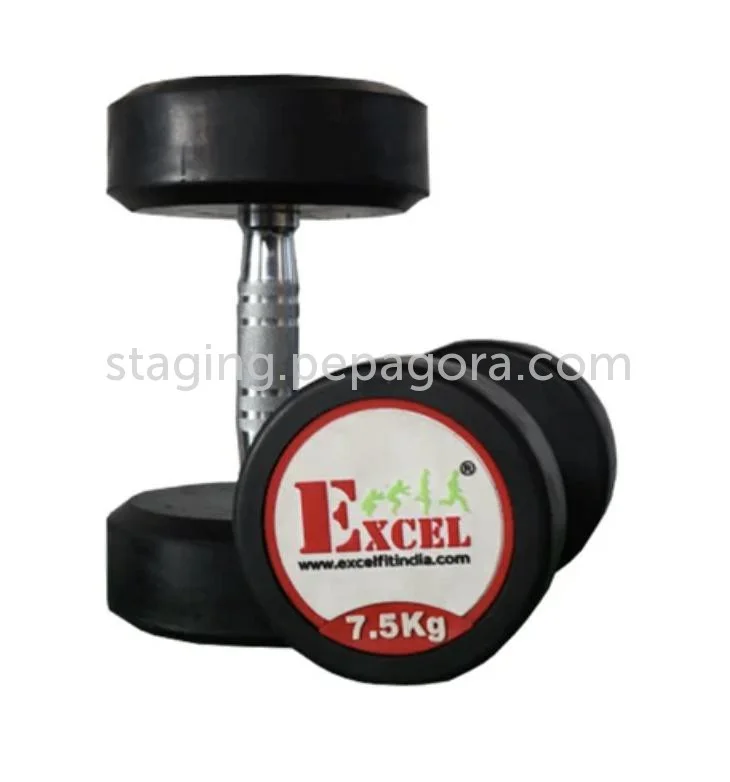
Multifunctional Weights
These devices typically combine several types of weights into one compact unit, allowing for a range of strength training exercises. They are often adjustable, making them suitable for users at different fitness levels.
Benefits and Advantages
Portable home workout machines offer several advantages that appeal to a wide range of users.
1. Flexibility: Users can exercise at their convenience, eliminating the need for gym schedules.
2. Cost-Effectiveness: Investing in portable machines can save money on gym memberships over time.
3. Space Efficiency: Their compact designs allow users to maintain workout routines in small living spaces.
4. Variety of Workouts: Many machines provide options for different types of exercises, ensuring users can target various muscle groups.
5. Accessibility: Portable machines can be used by individuals of all fitness levels, from beginners to advanced users.
6. Improved Health: Regular use promotes physical fitness, contributing to better overall health and well-being.
Buying Guide for B2B Buyers
When sourcing portable home workout machines, B2B buyers should consider several critical factors to ensure a successful purchase.
1. Quality Assessment: Evaluate the materials and construction quality of the machines. Look for products that meet recognized quality standards to ensure durability and safety.
2. Supplier Verification: Vet suppliers thoroughly to ensure they have a good reputation and provide reliable products. Check for customer reviews and industry certifications.
3. Pricing and MOQ: Understand the pricing structure and minimum order quantities (MOQ) required by suppliers. This will help in budgeting and inventory planning.
4. Delivery and Lead Times: Inquire about delivery schedules and lead times to ensure timely availability of products. Efficient logistics are crucial for maintaining stock levels.
5. Compliance Requirements: Be aware of any regulatory standards or certifications required for the machines, such as safety standards, to ensure compliance with local laws.
Compliance and Certifications
Compliance and certifications play a significant role in the quality and safety of portable home workout machines.
Relevant quality standards include ISO 9001, which establishes criteria for a quality management system, ensuring products meet customer and regulatory requirements. Additionally, adherence to HACCP and GDP standards can be essential for manufacturers focusing on health-related products.
Industry certifications, such as CE, indicate that products meet European safety standards, providing assurance to buyers regarding the safety and performance of the machines.
Safety and testing requirements are critical in ensuring that the machines are safe for use, minimizing risks of injury during workouts. Manufacturers should conduct thorough testing to validate performance and durability.
Regional compliance considerations may vary, so it is essential for manufacturers and suppliers to be aware of specific regulations in different markets to avoid legal issues and ensure product acceptance.
Why Source Portable Home Workout Machines from Pepagora?
Pepagora provides a trusted platform for sourcing portable home workout machines with several key advantages.
Verified Supplier Network: Pepagora maintains a network of verified suppliers, ensuring that buyers can access high-quality products from reputable manufacturers. This verification process helps mitigate risks associated with sourcing.
Streamlined RFQ Process: The Request for Quotation (RFQ) process on Pepagora is designed to be efficient, allowing buyers to receive timely and competitive quotes from multiple suppliers, simplifying the decision-making process.
Trade Assurance and Support: Buyers benefit from trade assurance policies that protect their purchases and provide support throughout the sourcing process. This feature enhances confidence in transactions.
Regional Coverage: Pepagora has a wide geographic reach, covering markets in India, the Gulf Cooperation Council (GCC) countries, and Southeast Asia. This extensive coverage facilitates access to diverse suppliers and products, catering to various business needs.

 IN
IN