
 IN
INFitness Equipment (Home & Commercial)
356 products available
𝗞𝗲𝘆 𝗙𝗲𝗮𝘁𝘂𝗿𝗲𝘀 𝗮𝗻𝗱 𝗦𝗽𝗲𝗰𝗶𝗳𝗶𝗰𝗮𝘁𝗶𝗼𝗻𝘀
𝗖𝗼𝗺𝗺𝗼𝗻 𝗔𝗽𝗽𝗹𝗶𝗰𝗮𝘁𝗶𝗼𝗻𝘀 𝗮𝗻𝗱 𝗨𝘀𝗲 𝗖𝗮𝘀𝗲𝘀
𝗣𝗿𝗼𝗱𝘂𝗰𝘁 𝗩𝗮𝗿𝗶𝗮𝗻𝘁𝘀 𝗮𝗻𝗱 𝗦𝘂𝗯𝗰𝗮𝘁𝗲𝗴𝗼𝗿𝗶𝗲𝘀
𝗕𝗲𝗻𝗲𝗳𝗶𝘁𝘀 𝗮𝗻𝗱 𝗔𝗱𝘃𝗮𝗻𝘁𝗮𝗴𝗲𝘀
𝗕𝘂𝘆𝗶𝗻𝗴 𝗚𝘂𝗶𝗱𝗲 𝗳𝗼𝗿 𝗕𝟮𝗕 𝗕𝘂𝘆𝗲𝗿𝘀
𝗖𝗼𝗺𝗽𝗹𝗶𝗮𝗻𝗰𝗲 𝗮𝗻𝗱 𝗖𝗲𝗿𝘁𝗶𝗳𝗶𝗰𝗮𝘁𝗶𝗼𝗻𝘀





Frequently Asked Questions
What are Fitness Equipment (Home & Commercial)?
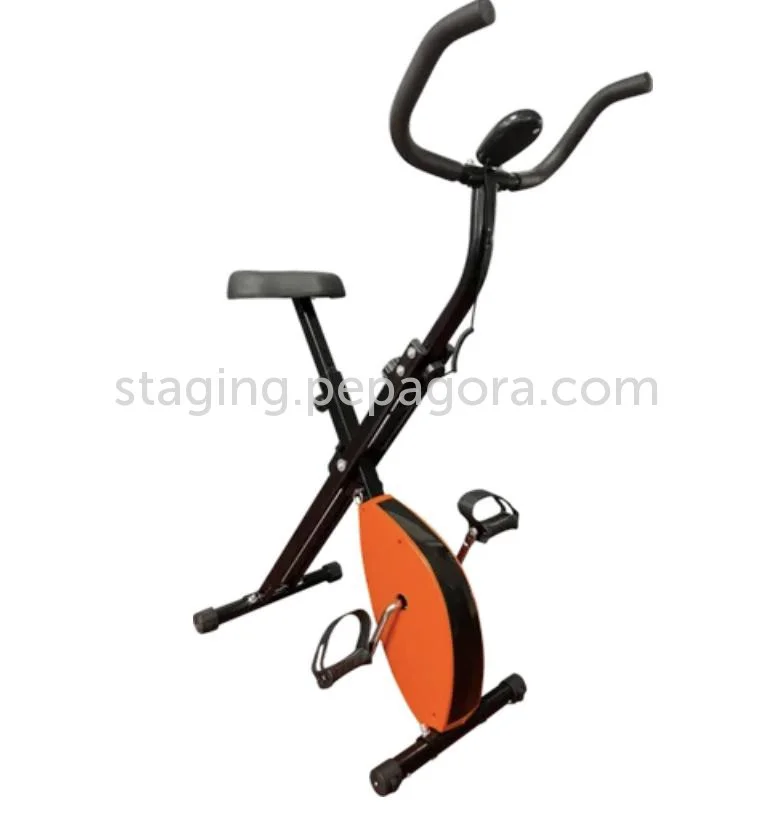
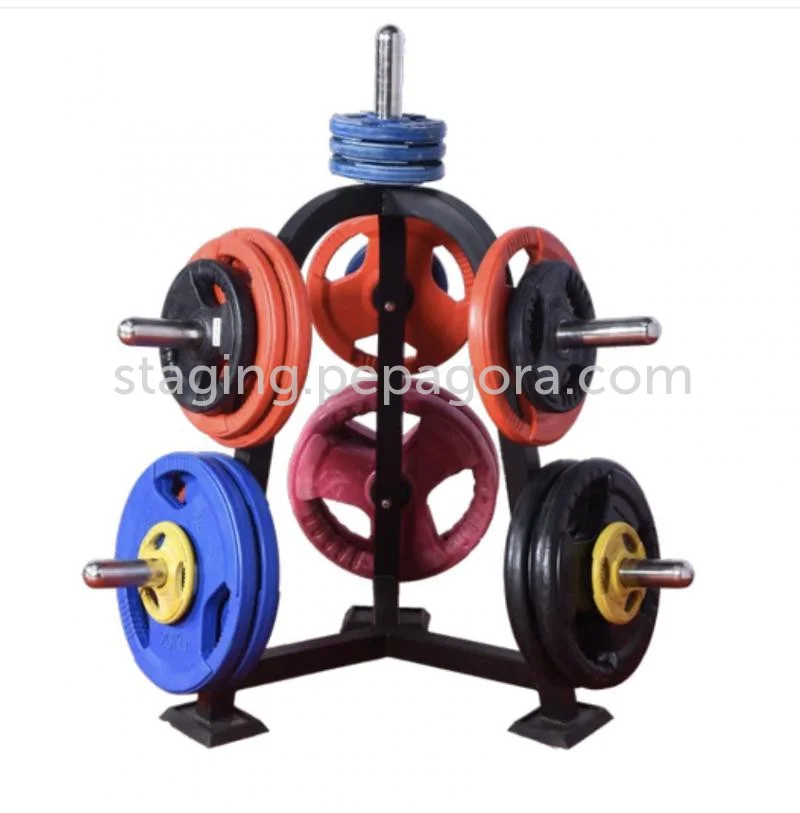
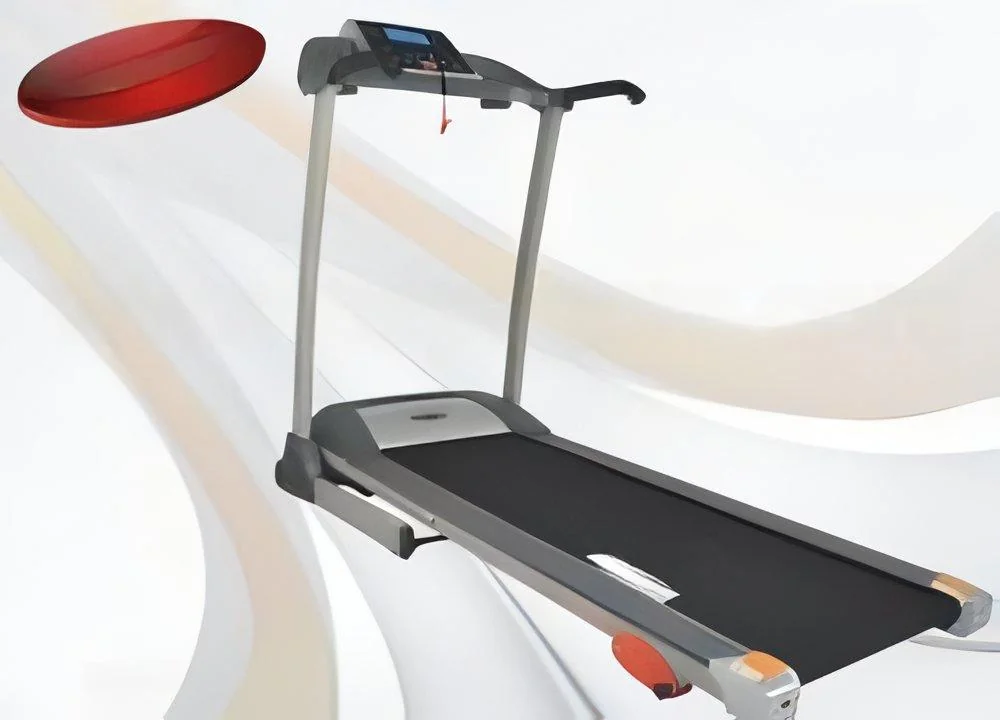
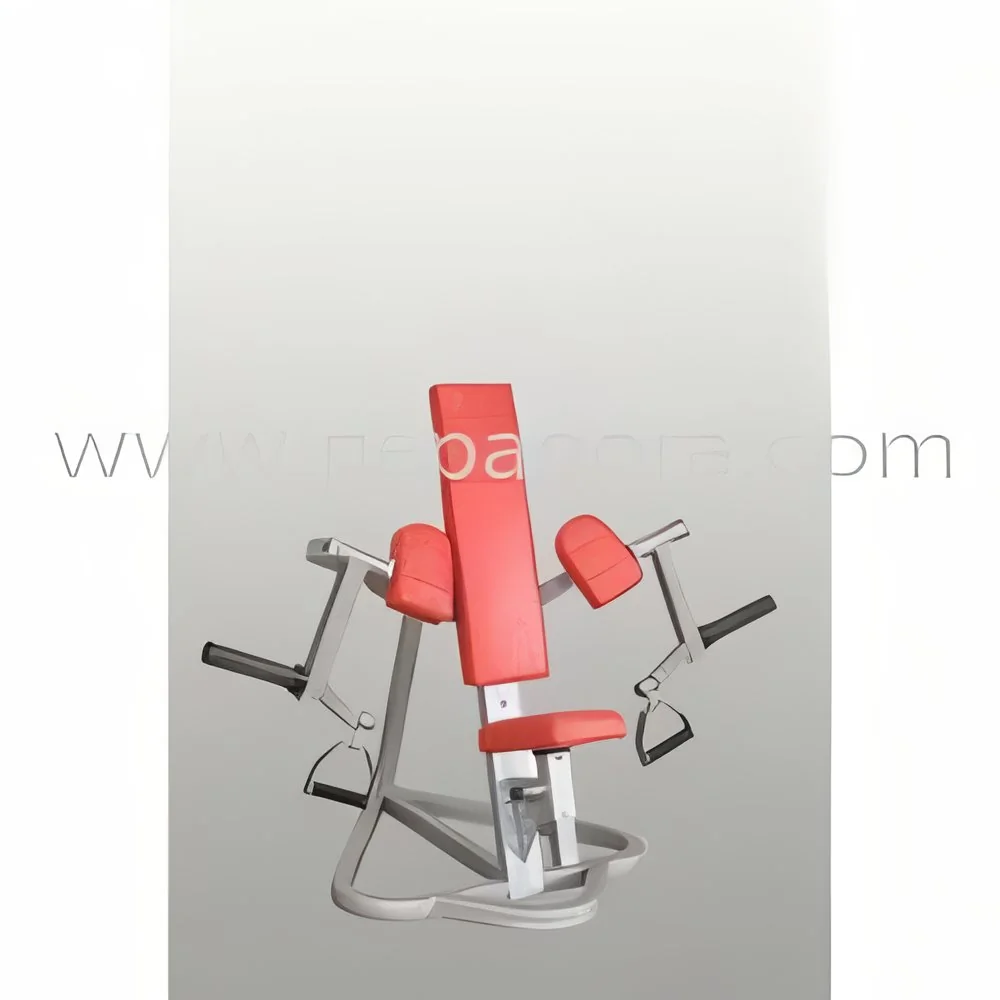
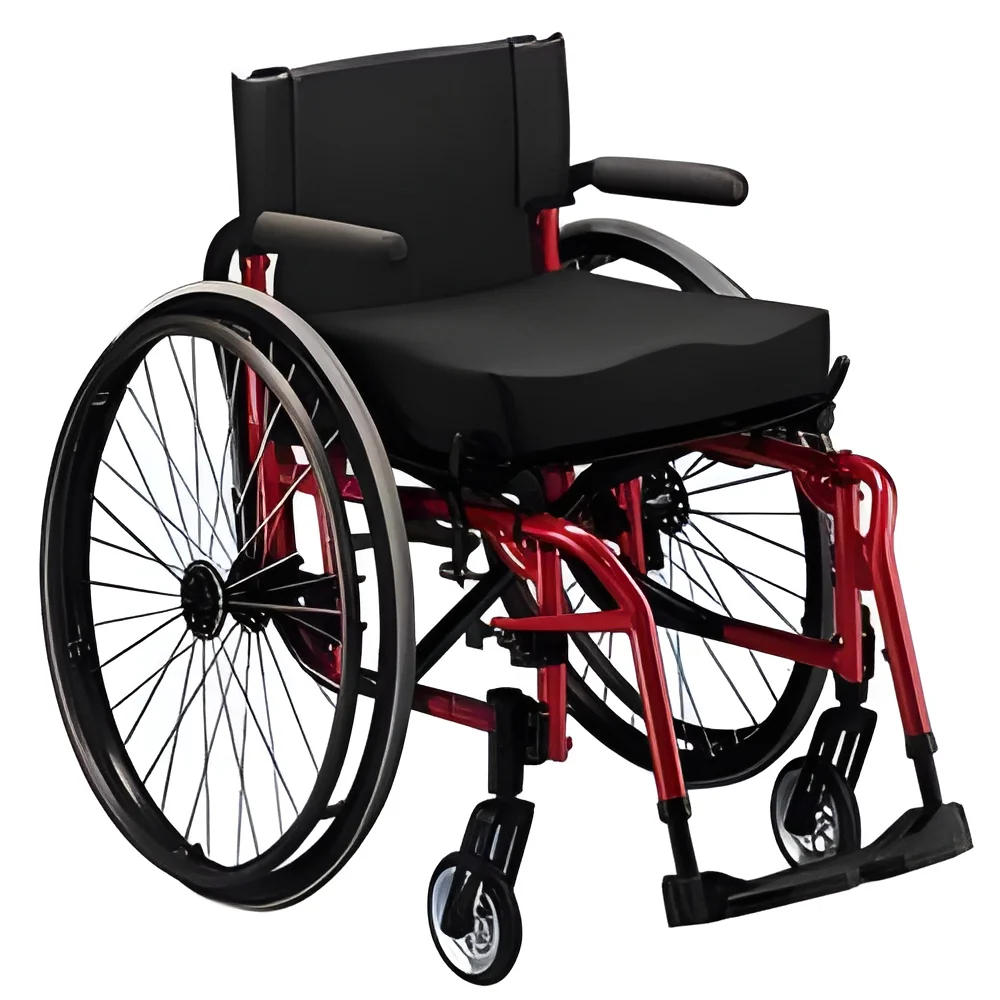
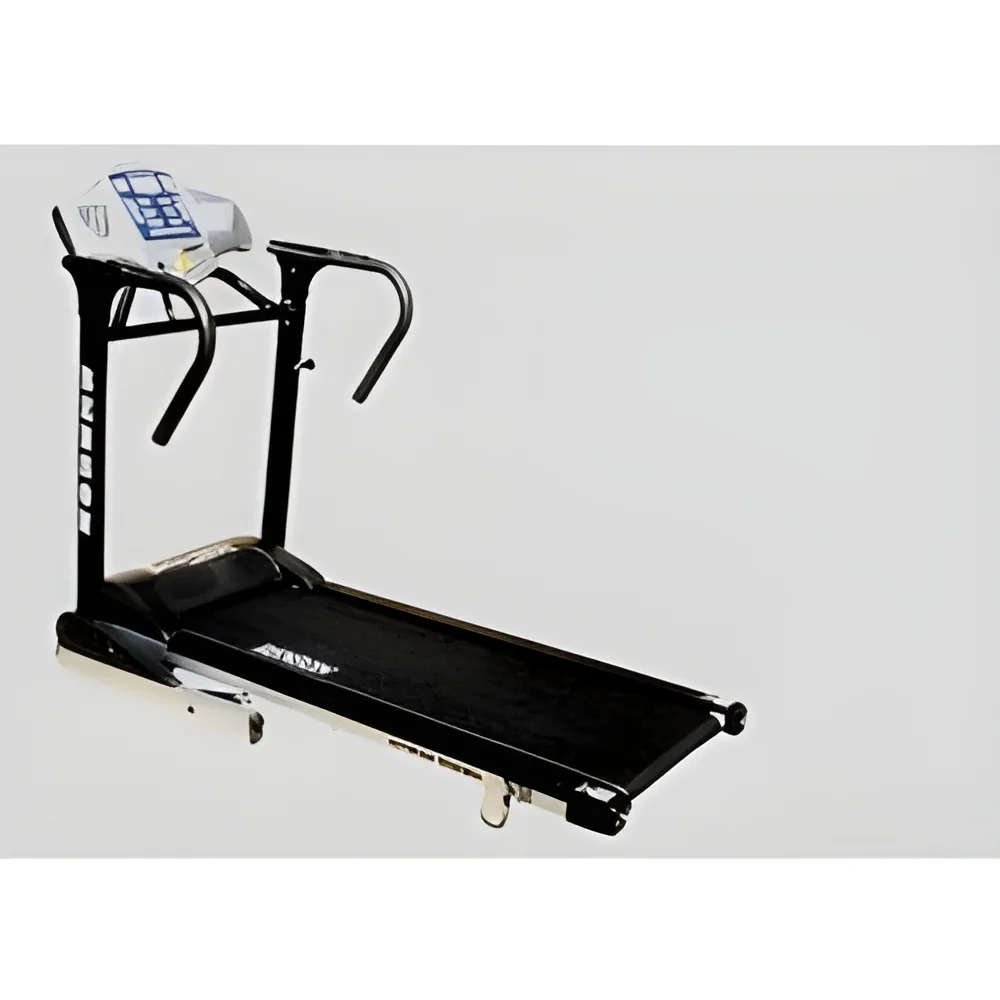
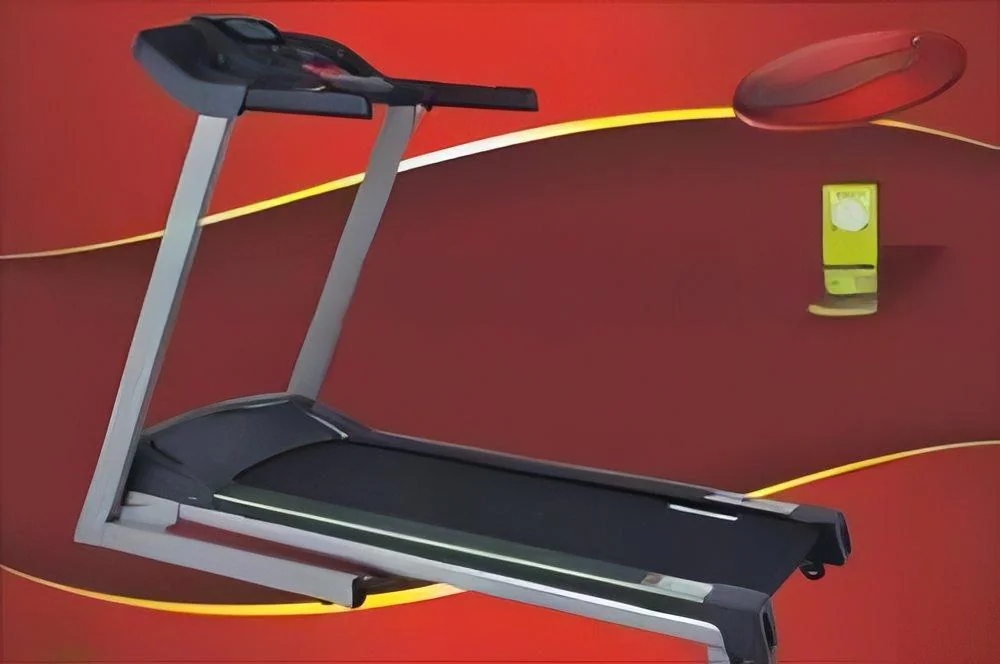
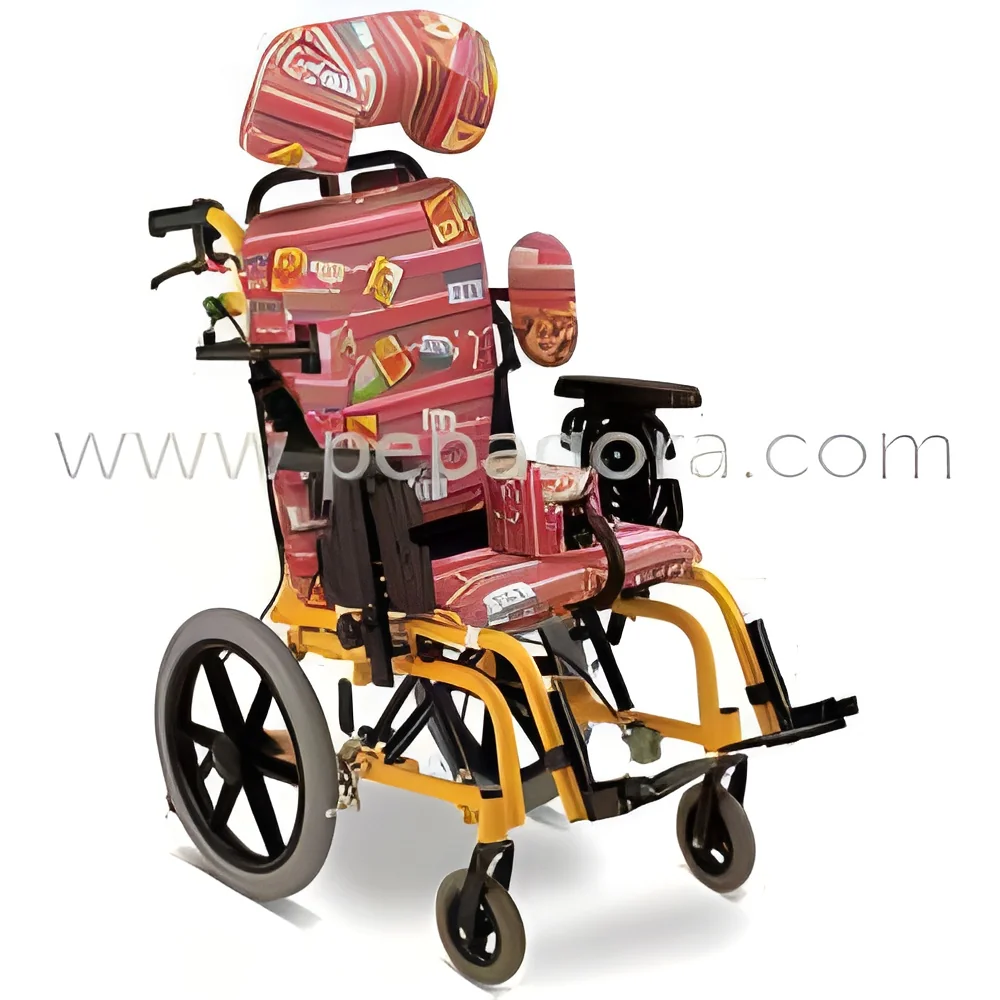
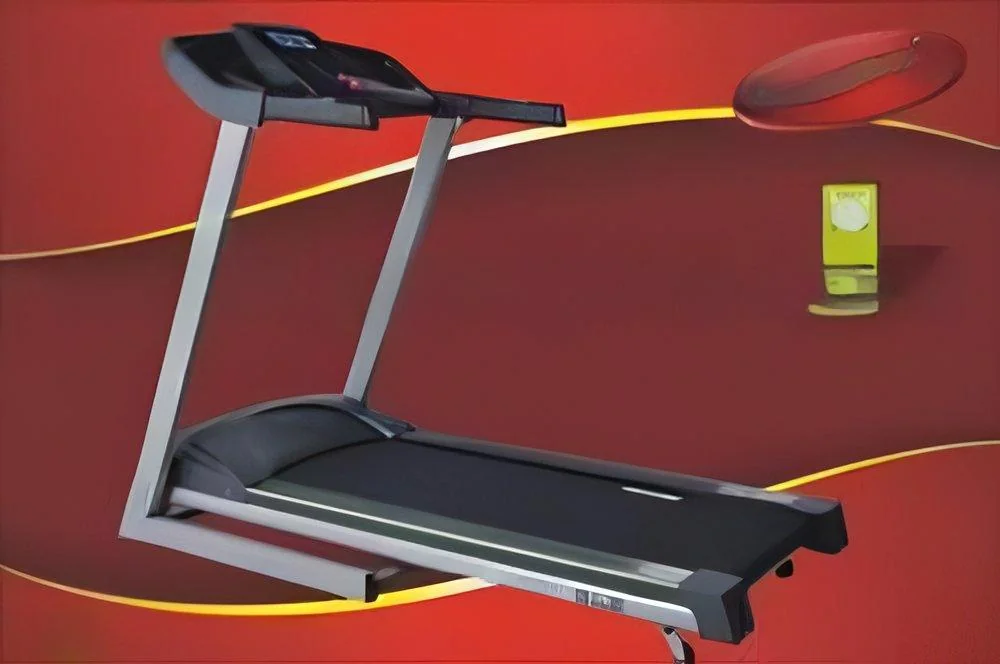
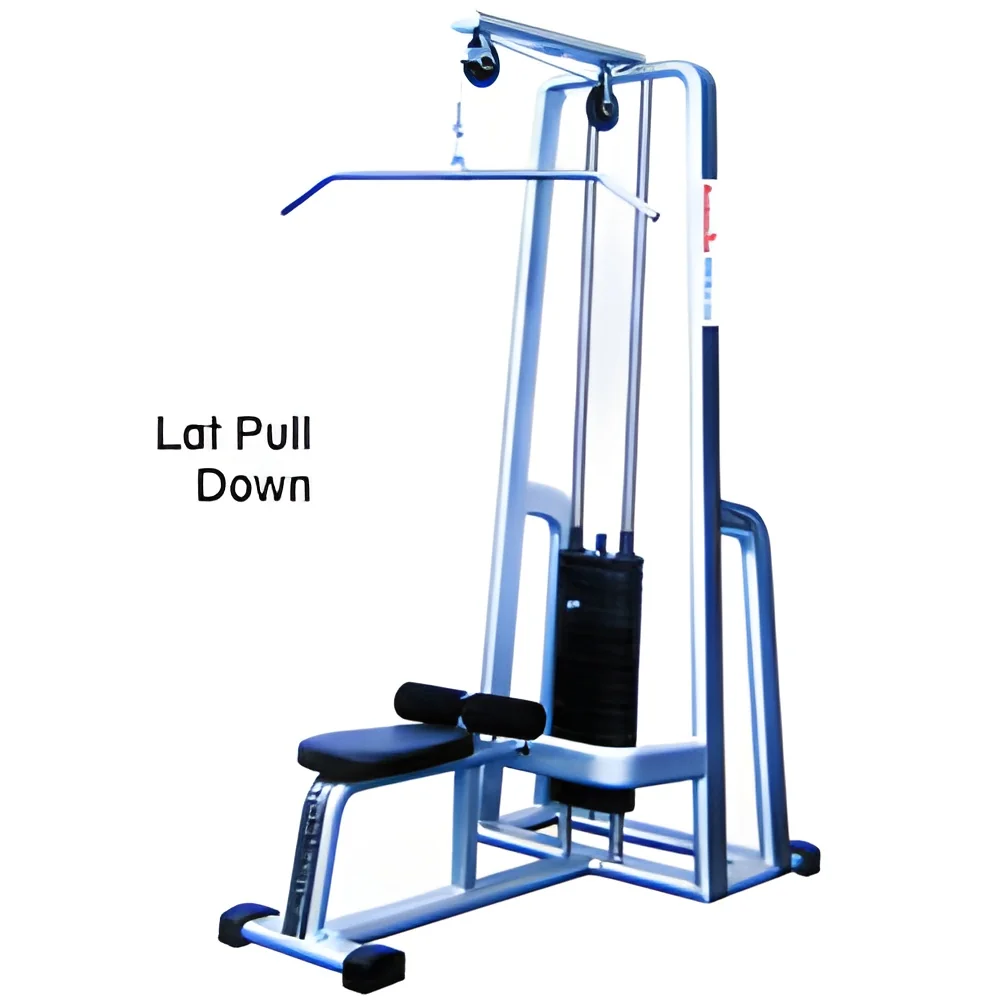
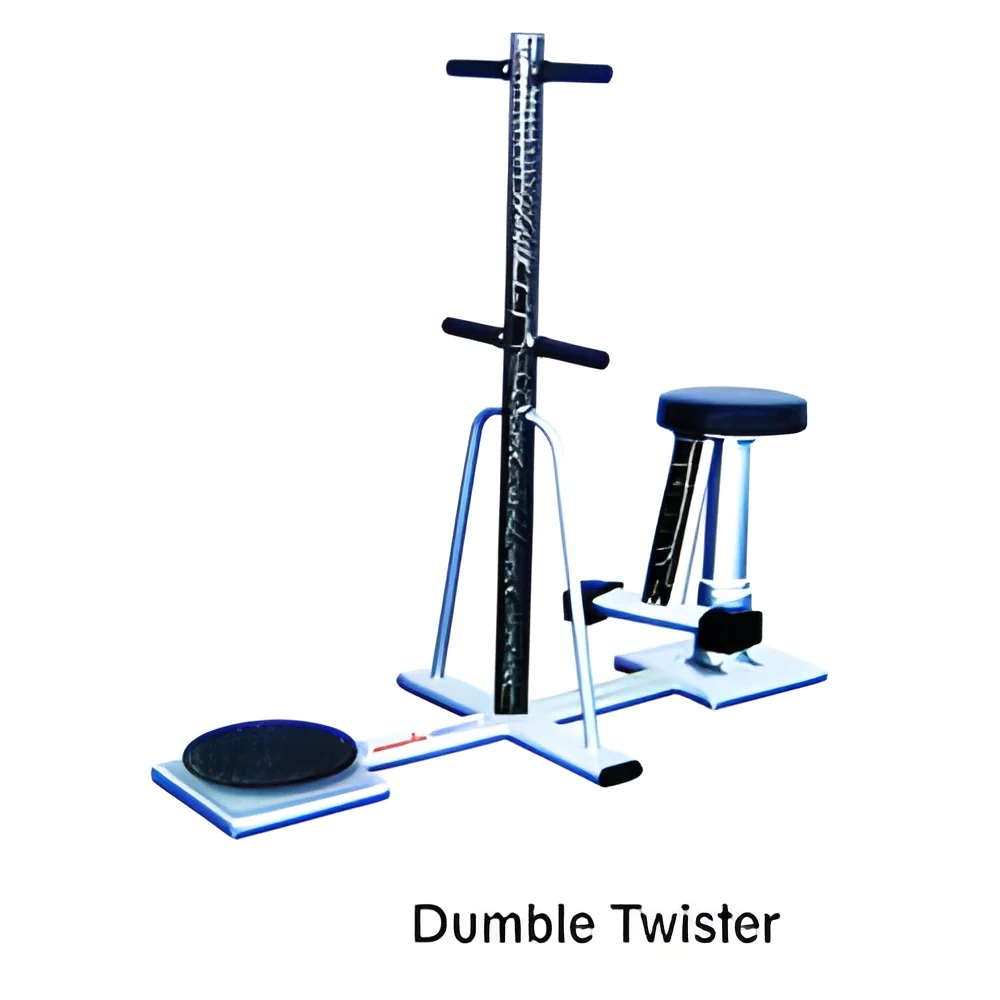
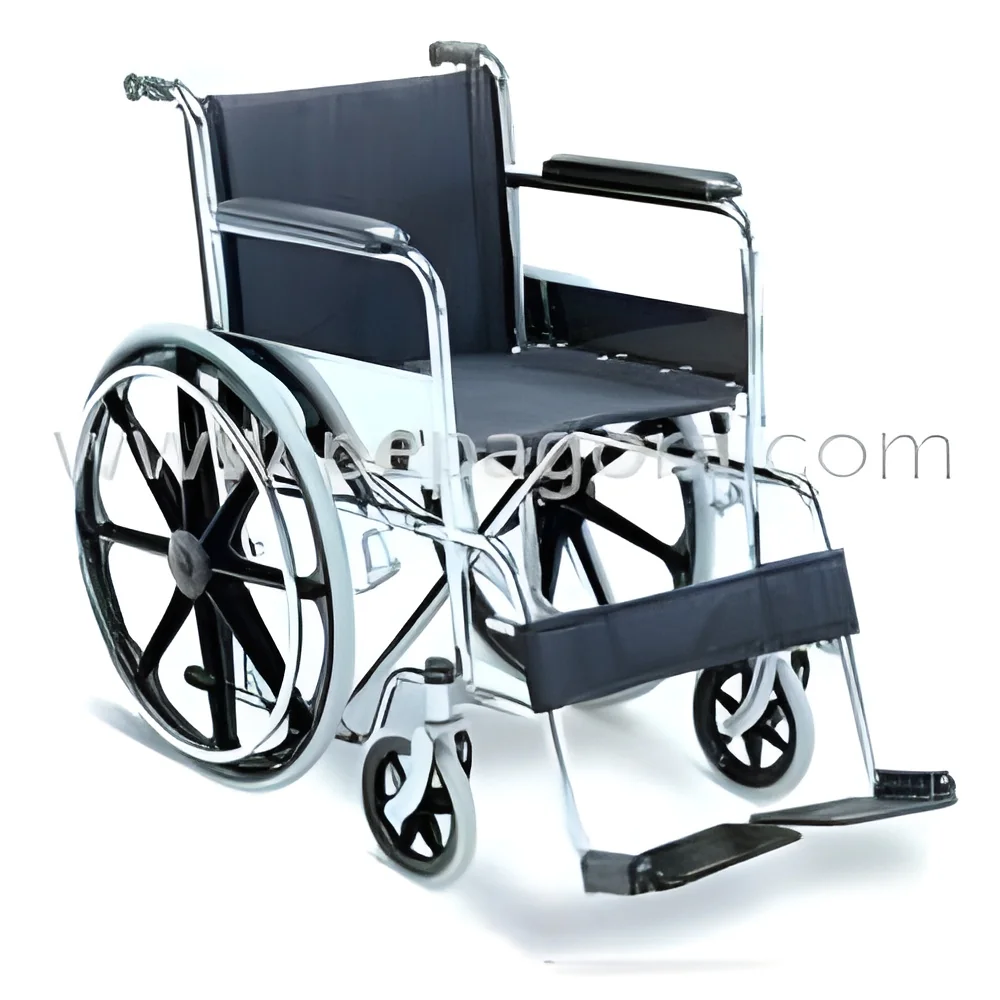
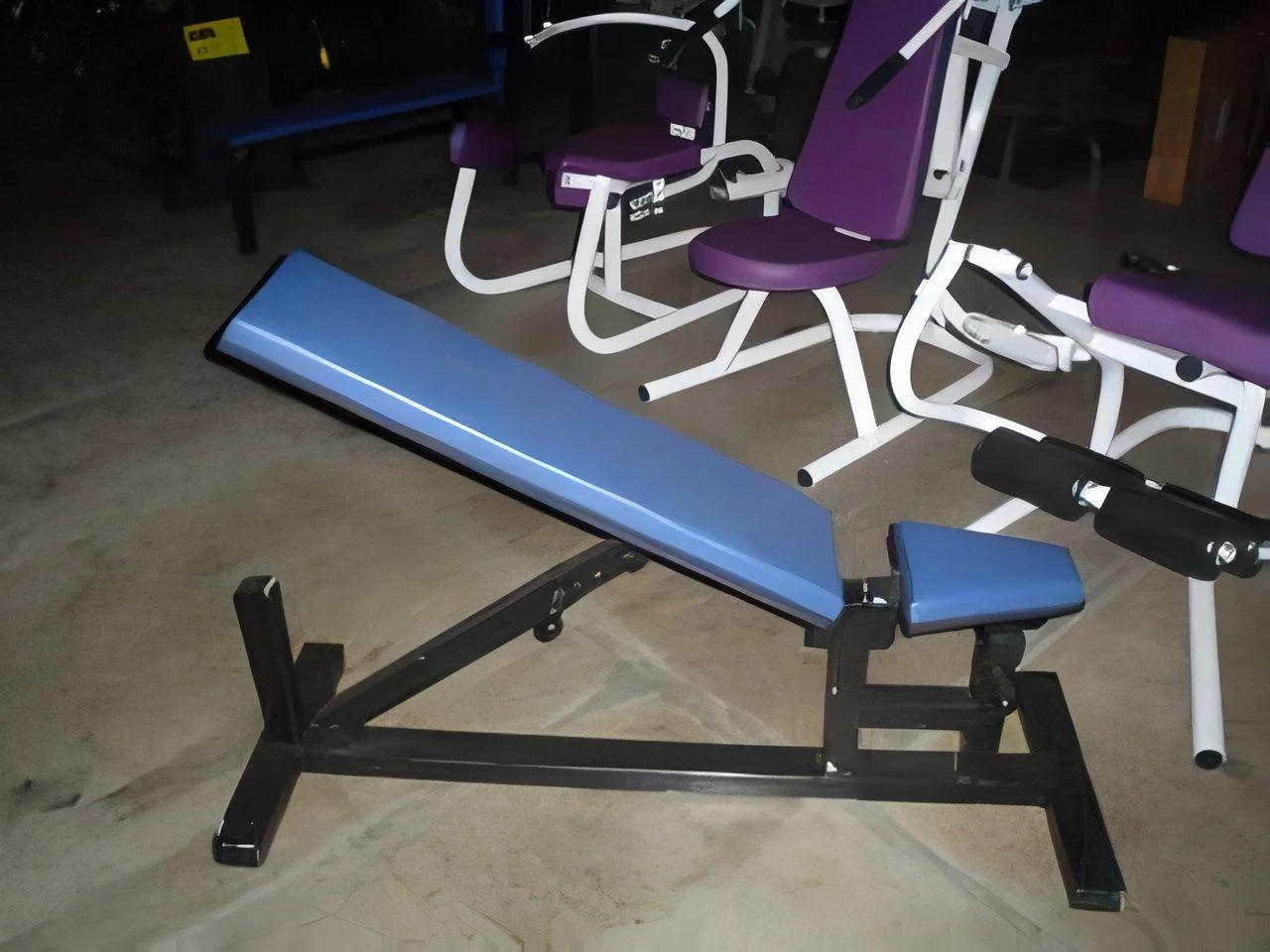
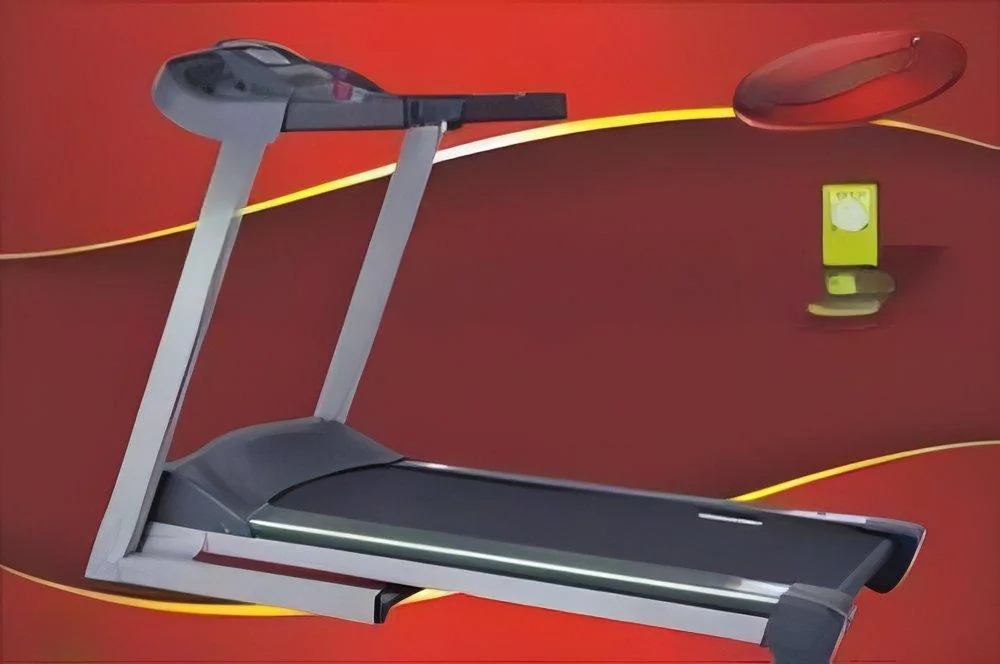
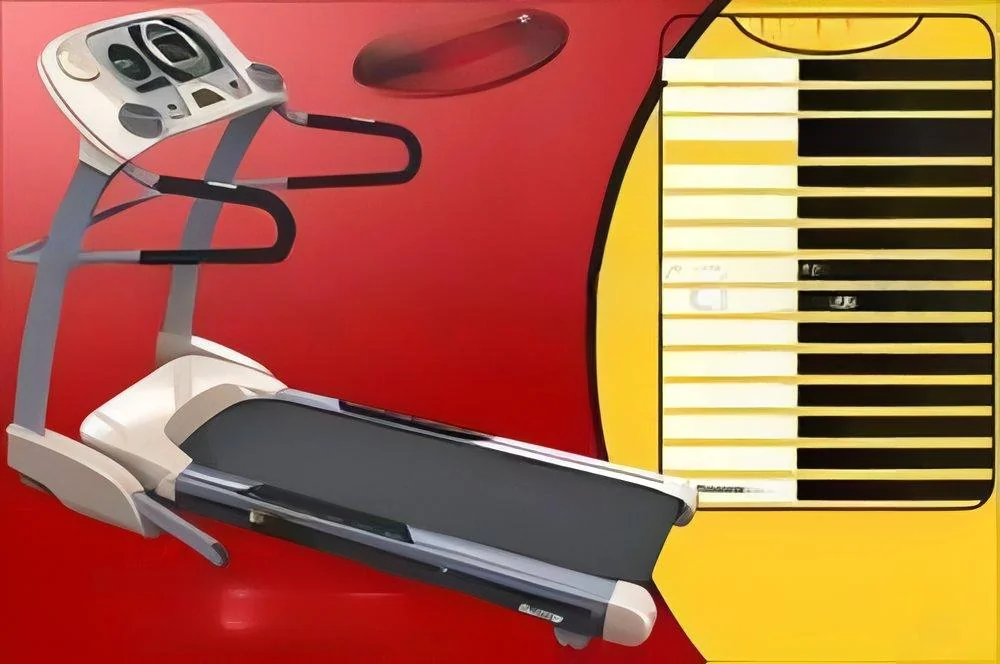
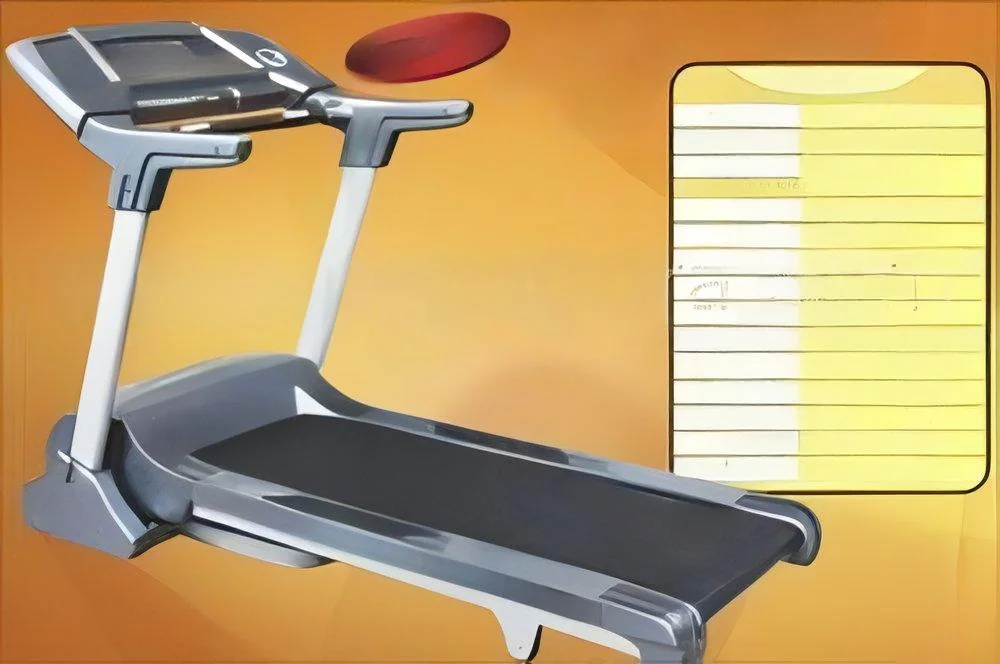
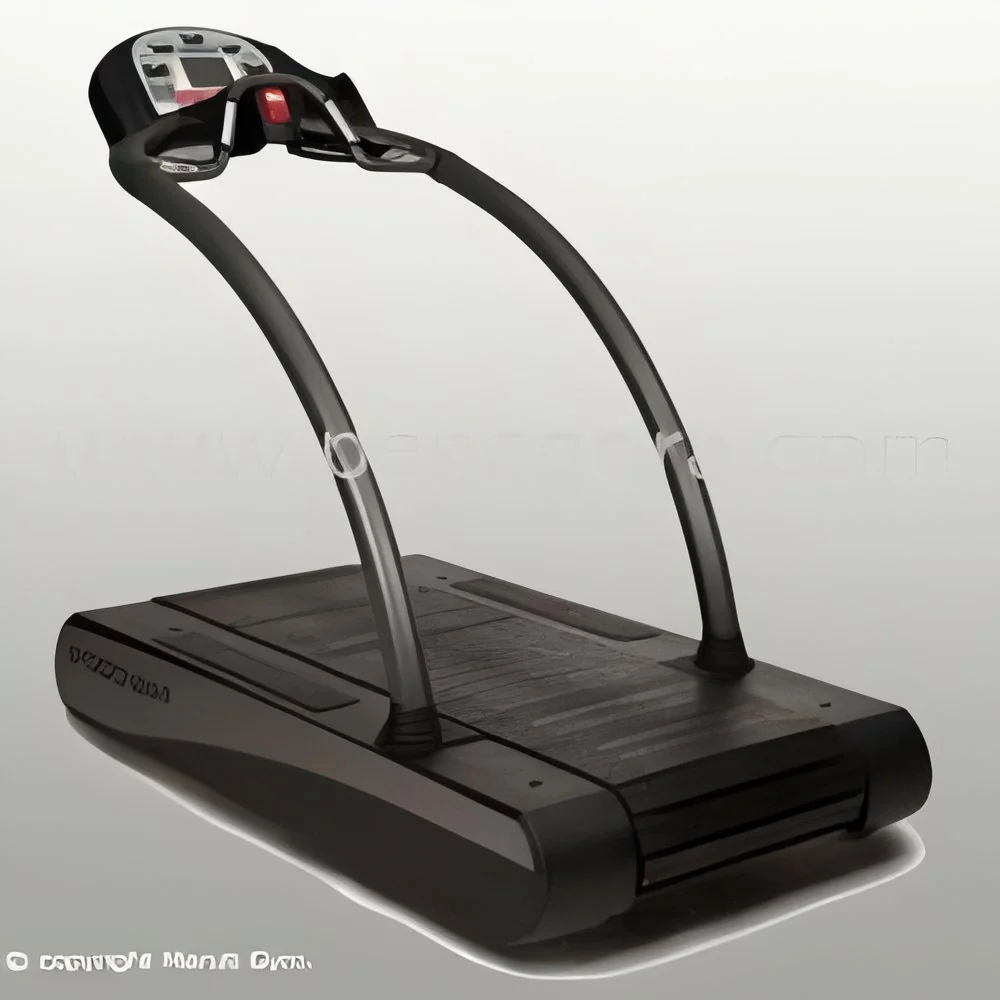
Fitness Equipment (Home & Commercial) refers to various machines and tools designed to enhance physical fitness and exercise routines in both residential and commercial settings. This category includes items such as treadmills, weights, stationary bikes, and resistance machines, catering to different fitness levels and goals.
What are the different types of Fitness Equipment (Home & Commercial)?
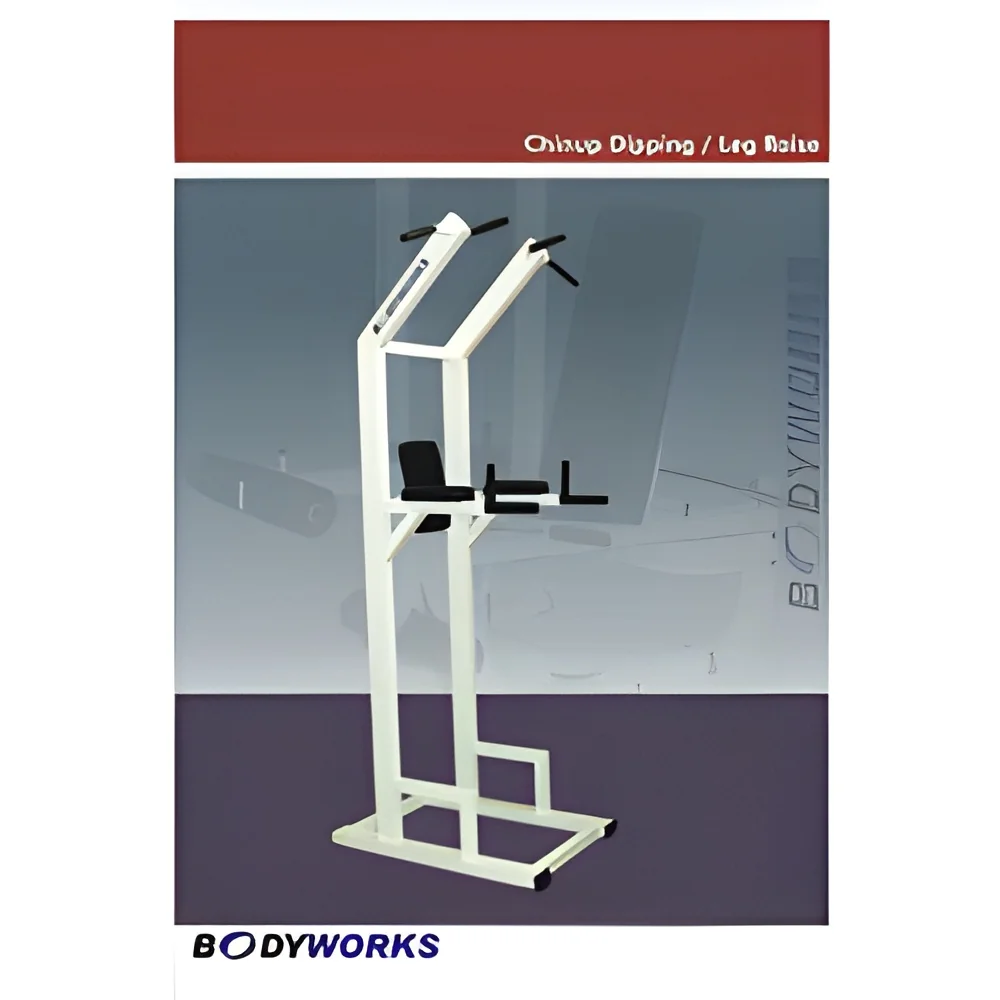
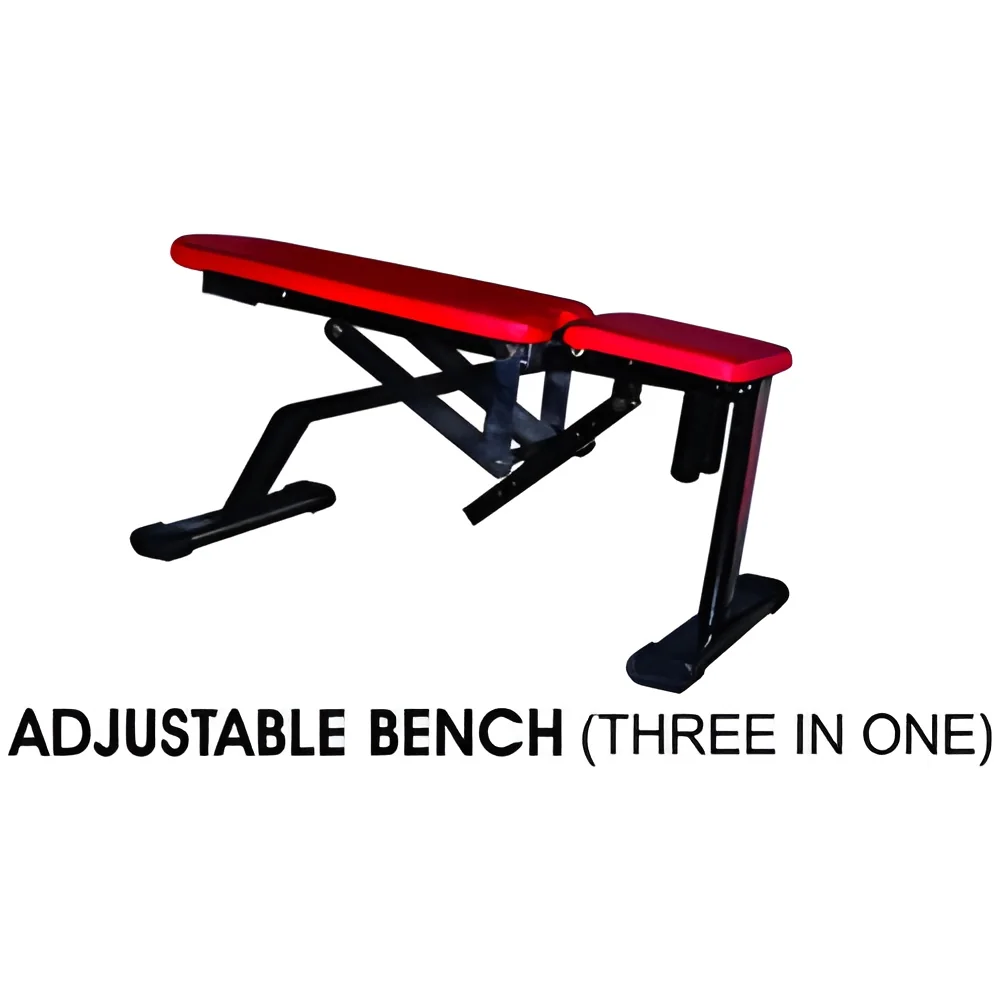
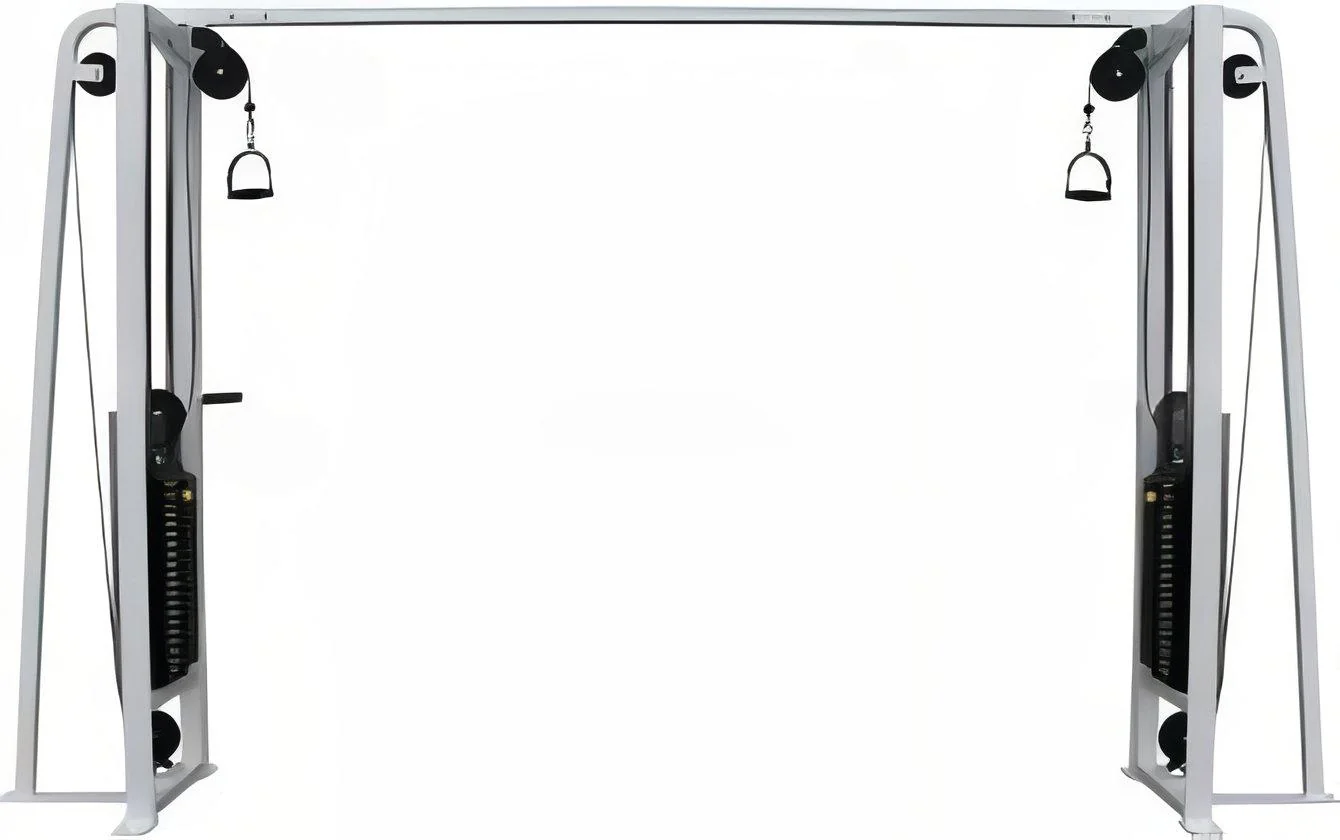
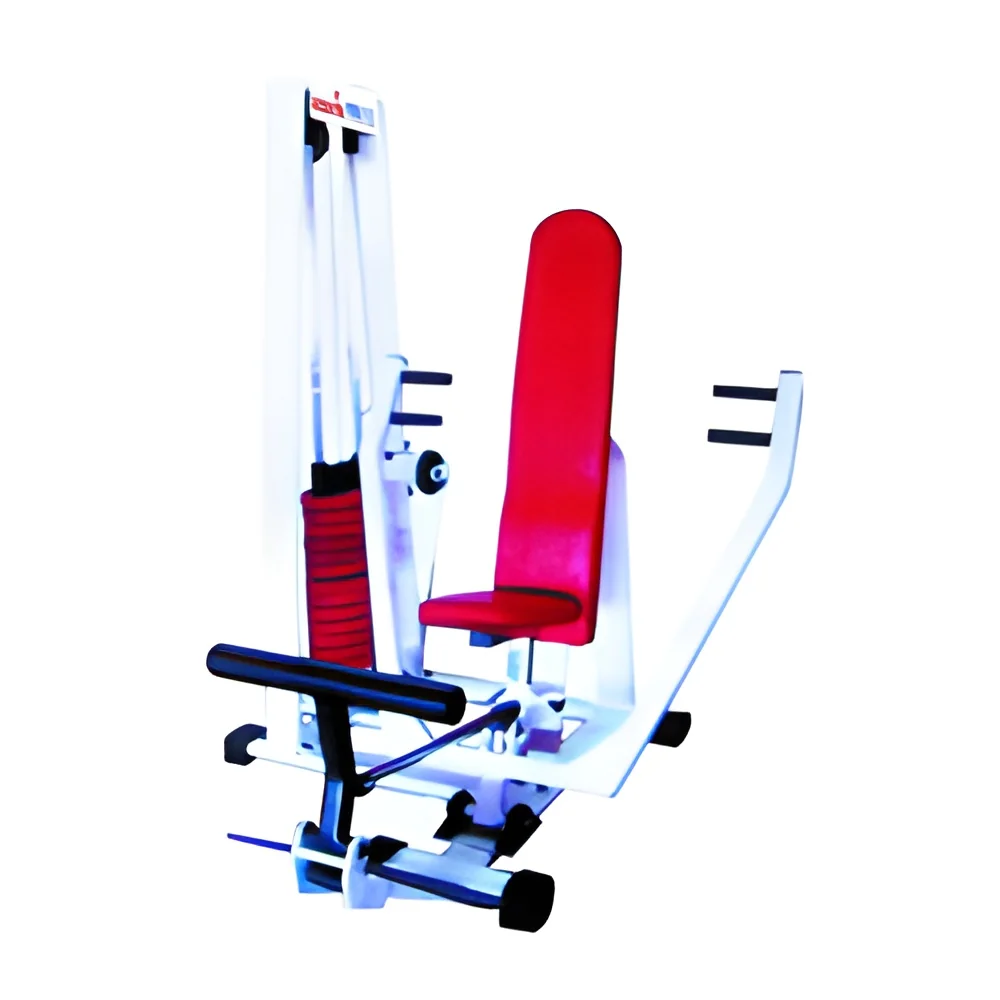
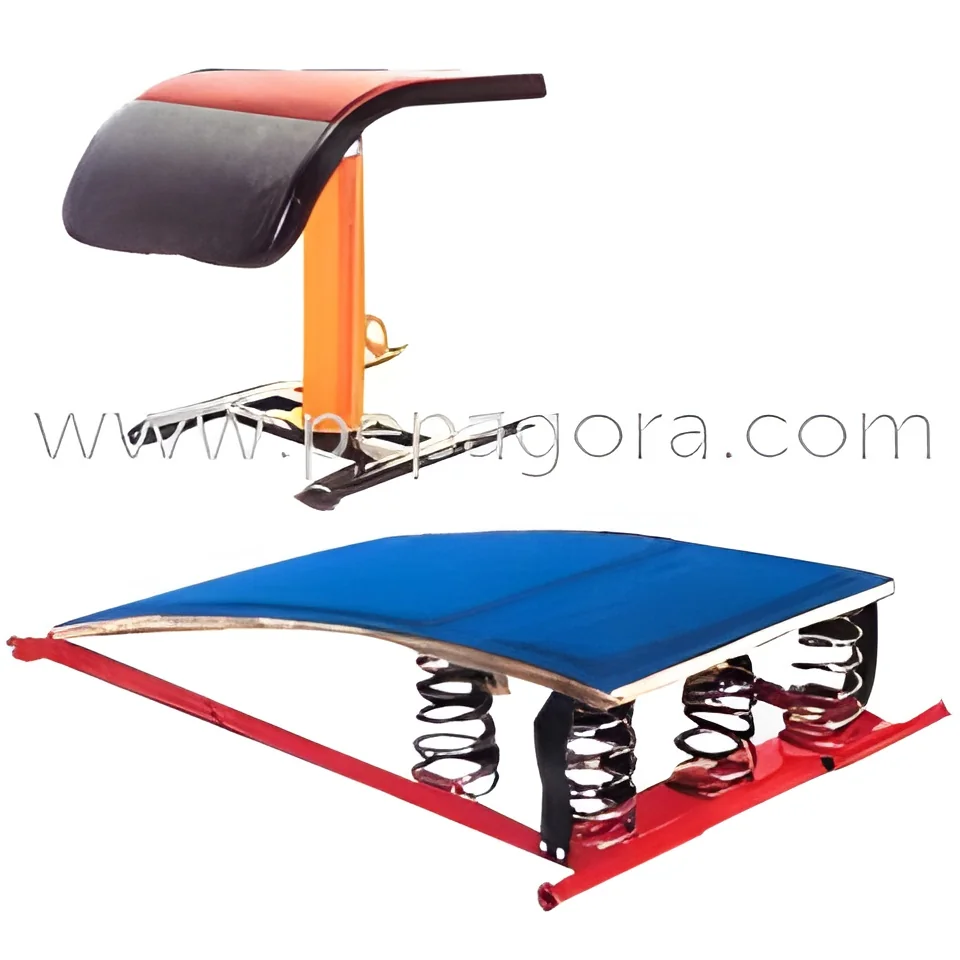
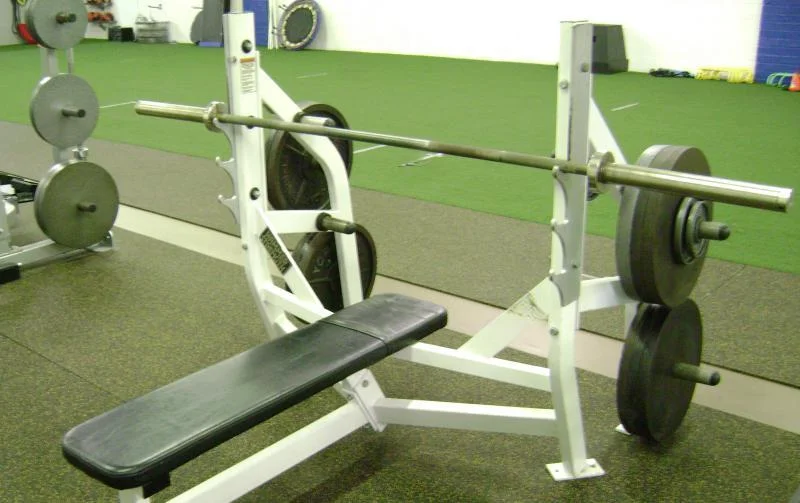
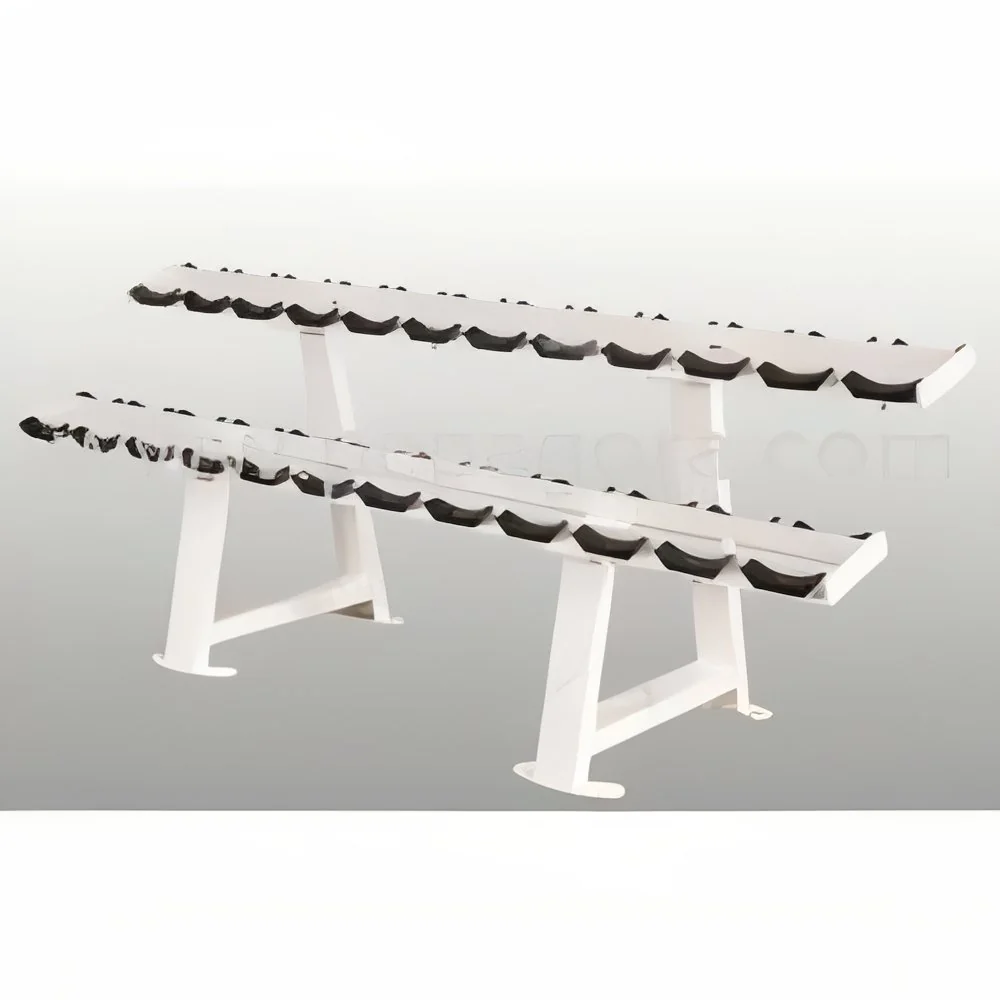
The different types of Fitness Equipment (Home & Commercial) include cardiovascular machines like treadmills and ellipticals, strength training equipment such as dumbbells and weight machines, flexibility tools like resistance bands, and functional training devices. Each type serves a distinct purpose, targeting various aspects of fitness.
How do I choose the right Fitness Equipment (Home & Commercial)?
Choosing the right Fitness Equipment (Home & Commercial) depends on several factors, including your fitness goals, available space, and budget. It's essential to assess the types of exercises you plan to perform and select equipment that aligns with your needs while considering quality and durability.
What are the standard specifications for Fitness Equipment (Home & Commercial)?
Standard specifications for Fitness Equipment (Home & Commercial) may include weight capacity, dimensions, power requirements for electronic machines, and warranty terms. Additionally, features like adjustable settings, durability materials, and safety certifications are crucial for ensuring optimal performance and user safety.
What is the price range for Fitness Equipment (Home & Commercial)?
The price range for Fitness Equipment (Home & Commercial) varies significantly based on the type, brand, and features. Generally, equipment can range from a few thousand rupees for basic items to several lakhs for advanced machines, with an average margin of 25-40% for suppliers.
What quality standards apply to Fitness Equipment (Home & Commercial)?
Quality standards for Fitness Equipment (Home & Commercial) typically include certifications such as ISO, CE, and ASTM, which ensure safety, reliability, and performance. Manufacturers often adhere to international standards to guarantee that their products meet rigorous quality checks.
Where can I find Fitness Equipment (Home & Commercial) suppliers in India?
You can find Fitness Equipment (Home & Commercial) suppliers in India through various online B2B marketplaces, industry trade shows, and local fitness equipment retailers. Websites like Pepagora offer a comprehensive directory of manufacturers and suppliers, making it easier to connect with reputable sources.
Can Fitness Equipment (Home & Commercial) be customized?
Yes, many manufacturers offer customization options for Fitness Equipment (Home & Commercial) to meet specific requirements. Customization may include modifications in design, branding, and features, allowing businesses to tailor equipment to their clientele's preferences.
What is the typical minimum order quantity for Fitness Equipment (Home & Commercial)?
The typical minimum order quantity (MOQ) for Fitness Equipment (Home & Commercial) can vary depending on the supplier and type of equipment. Generally, MOQs can range from 1 to 10 units, with larger orders often resulting in better pricing and terms.
What is the typical lead time for Fitness Equipment (Home & Commercial)?
The typical lead time for Fitness Equipment (Home & Commercial) can range from a few days to several weeks, depending on the product availability, customization requests, and shipping logistics. It's advisable to discuss lead times with suppliers before placing an order to ensure timely delivery.
Why Businesses Trust Pepagora
Thousands of companies trust Pepagora to source smarter and sell faster
Expand Your Sales Globally

Source Smarter,Grow Faster
