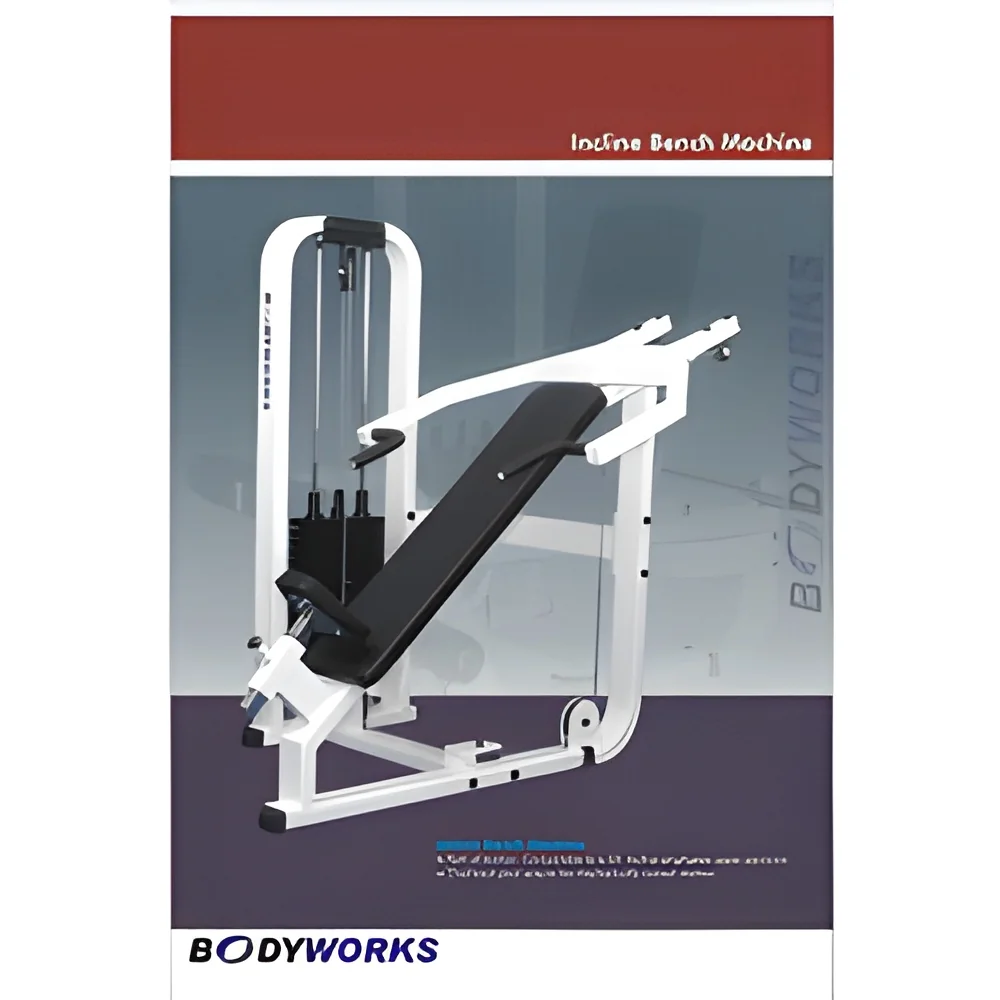
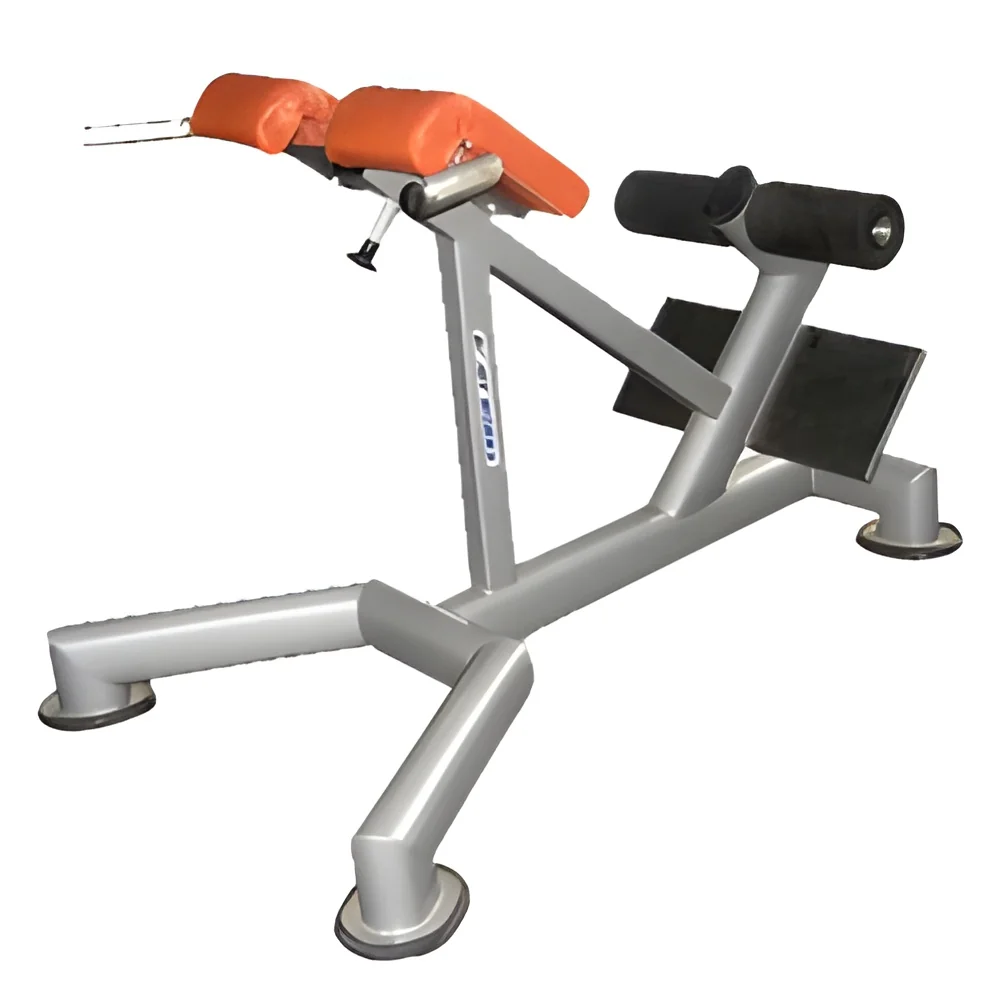
What are Incline & Decline Benches?
Incline and decline benches are specialized equipment designed for strength training and bodybuilding. These benches can be adjusted to various angles, allowing users to target specific muscle groups more effectively. Incline benches are typically set at an angle above horizontal, while decline benches are positioned below horizontal. This versatility makes them essential tools in both commercial gyms and home fitness setups.
These benches are widely used in fitness centers, rehabilitation facilities, and personal training studios. They are ideal for exercises such as bench presses, dumbbell rows, and various forms of abdominal workouts. By enabling users to perform exercises at different angles, incline and decline benches enhance workout efficiency and effectiveness.
In the current market, incline and decline benches have gained significant traction among fitness enthusiasts and professionals. As the demand for tailored workout experiences continues to rise, these benches serve as vital components in diverse training regimens. Their relevance extends to various sectors, including health clubs, sports training facilities, and home fitness equipment suppliers.
Key Features and Specifications
Incline and decline benches come with various features that enhance their functionality and user experience. Understanding these specifications helps businesses make informed purchasing decisions.
Key specifications include:
1. Adjustability
- Benches typically offer multiple incline and decline angles.
- Common ranges include 15 to 90 degrees for incline and 15 to 30 degrees for decline.
2. Weight Capacity
- Standard benches can support weights ranging from 300 to 600 pounds.
- Some models are designed to accommodate heavier loads for advanced training.
3. Frame Construction
- Benches are often built with heavy-duty steel frames for durability.
- Powder-coated finishes provide resistance to scratches and corrosion.
4. Padding
- High-density foam padding ensures user comfort during workouts.
- Upholstery is usually made with tear-resistant materials.
5. Footprint
- Most benches have compact designs to fit various workout spaces.
- Dimensions typically range from 45 to 60 inches in length.
6. Stability Features
- Non-slip rubber feet enhance bench stability during use.
- Some models include transport wheels for easy mobility.
7. Safety Features
- Bench designs may incorporate safety locks for secure adjustments.
- Cross-bracing is often included for additional support.
8. Warranty
- Manufacturers typically offer warranties ranging from 1 to 5 years.
- Warranties cover frame integrity and mechanical components.
In summary, incline and decline benches are equipped with essential features that cater to a wide range of training needs. Investing in high-quality benches ensures durability and enhances user satisfaction.
Common Applications and Use Cases
Incline and decline benches serve various industries and applications. Their versatility makes them valuable for multiple sectors.
1. Fitness Centers: These benches are standard equipment in gyms, allowing members to perform a variety of exercises that target different muscle groups.
2. Rehabilitation Clinics: Incline and decline benches are used in physical therapy settings to aid in the recovery of patients through controlled strength training.
3. Sports Training Facilities: Athletes utilize these benches for targeted training to enhance strength and performance, often incorporating them into specialized workout routines.
4. Personal Training Studios: Trainers use incline and decline benches to customize workouts for clients, ensuring they achieve optimal results.
5. Home Gyms: With the rise of home fitness, many individuals invest in these benches for their versatility, enabling effective workouts in limited spaces.
6. Educational Institutions: Schools and universities use incline and decline benches in physical education programs, promoting fitness among students.
7. Commercial Fitness Equipment Retailers: Retailers stock these benches to meet the demands of both individual and institutional buyers seeking quality workout solutions.
Product Variants and Subcategories
Incline and decline benches come in various models, offering unique features to cater to different preferences and needs.
Standard Incline Bench: This variant is designed primarily for incline exercises and offers multiple angle adjustments. It is built for stability and comfort, making it ideal for bench pressing and shoulder workouts.
Standard Decline Bench: This model focuses on decline exercises and typically features a lower height for easier access. It is excellent for targeting the lower chest and abdominal muscles.
Adjustable Multi-Position Bench: This versatile bench combines both incline and decline features, allowing users to switch between angles easily. It is popular in home gyms for its functionality.
Compact Folding Bench: Designed for space-saving, this bench can be folded for easy storage. It is perfect for users with limited space who still want to perform incline and decline exercises.
Benefits and Advantages
Incline and decline benches offer numerous benefits for fitness enthusiasts and facilities alike.
1. Enhanced Muscle Targeting: By adjusting the angle, users can isolate specific muscles, leading to better strength development.
2. Versatile Workouts: These benches accommodate various exercises, making them suitable for diverse training routines.
3. Increased Comfort: High-quality padding and ergonomic designs provide comfort during intense workouts, improving user experience.
4. Space Efficiency: Many benches are designed to fit into compact spaces, making them ideal for home or small gyms.
5. Durability: Constructed with robust materials, these benches are built to withstand heavy use in commercial settings.
6. Improved Stability: Features like anti-slip feet enhance safety during workouts, allowing users to focus on their training without worry.
Buying Guide for B2B Buyers
When sourcing incline and decline benches, several factors should be taken into account to ensure a successful purchase.
1. Quality Assessment: Evaluate the materials and construction of the benches. Look for heavy-duty frames and quality padding that will withstand regular use.
2. Supplier Verification: Vet suppliers to ensure they have a good reputation and provide reliable products. Check for reviews and testimonials from other buyers.
3. Pricing and MOQ: Understand the price range for different models and inquire about minimum order quantities. This helps in budgeting and planning your purchases.
4. Delivery and Lead Times: Discuss logistics with suppliers to determine how long delivery will take. Ensure this aligns with your operational needs.
5. Compliance Requirements: Check for any regulatory standards or certifications required in your region. This is essential for maintaining safety and quality in your facility.
Compliance and Certifications
Incline and decline benches must meet certain quality and safety standards to be considered reliable for use. Relevant certifications include CE certification, which indicates compliance with European health, safety, and environmental protection standards.
Industry standards such as ISO 9001 may also apply, ensuring that manufacturers comply with international quality management principles. Compliance with these standards helps guarantee that products are consistently made to high-quality specifications.
Safety and testing requirements are crucial for the manufacturing process. Benches should undergo rigorous testing to handle specified weight capacities and ensure stability during use.
Additionally, regional compliance considerations may vary, so it's important for buyers to be aware of local regulations that may affect equipment use in fitness centers and other facilities.
Why Source Incline & Decline Benches from Pepagora?
Pepagora provides a trusted platform for sourcing incline and decline benches, offering several key advantages to B2B buyers.
Verified Supplier Network: Pepagora ensures that all suppliers in its network are thoroughly vetted. This gives buyers confidence in the quality and reliability of the products being offered.
Streamlined RFQ Process: The request for quotation (RFQ) system simplifies the purchasing process. Buyers can quickly receive quotes from multiple suppliers, enabling them to make informed decisions based on price and features.
Trade Assurance and Support: Pepagora offers buyer protection through trade assurance. This includes support in case of disputes, ensuring a safer transaction experience for all parties involved.
Regional Coverage: With a strong presence in India, the GCC, and Southeast Asia, Pepagora connects buyers with local and regional suppliers. This geographic reach facilitates easier access to products and services tailored to specific market needs.

 IN
IN