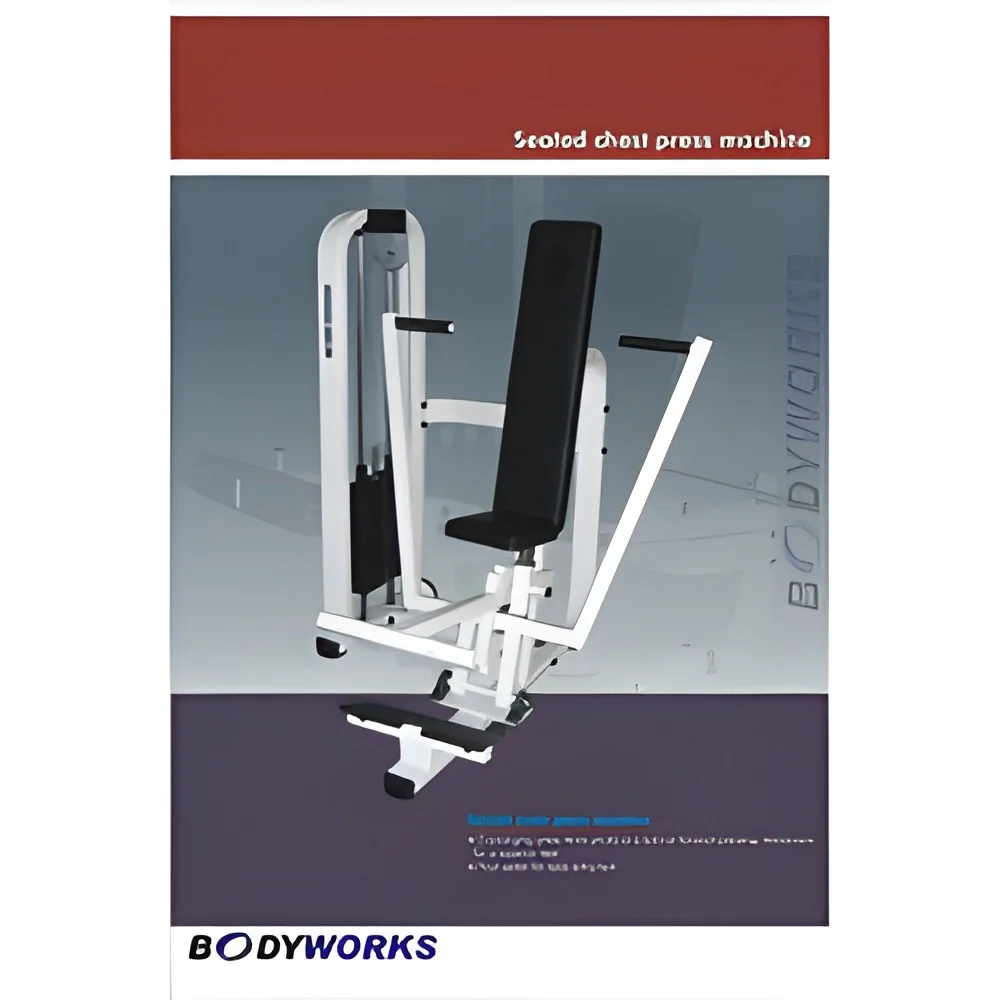
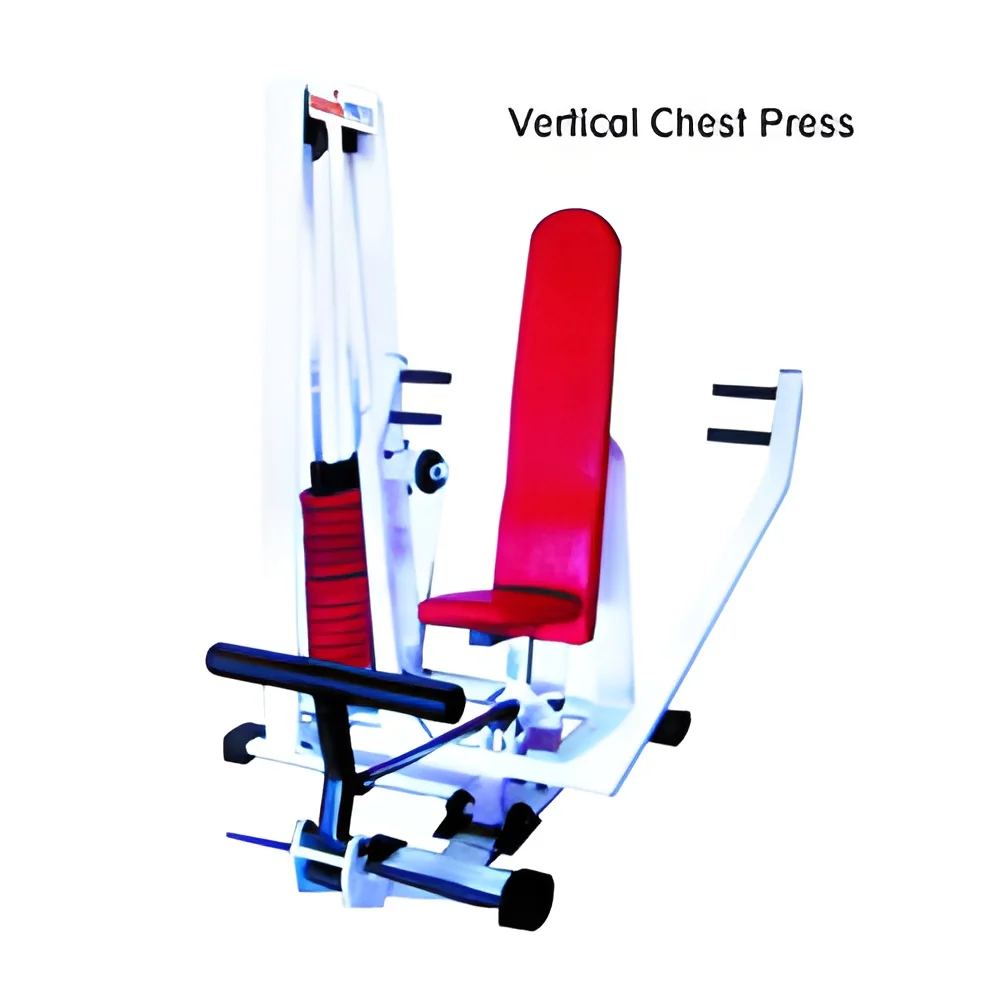
What are Chest Press Machines?
Chest press machines are specialized fitness equipment designed to strengthen the chest muscles, including the pectoralis major and minor. These machines typically feature a seat, backrest, and adjustable weight stacks or resistance systems that allow users to perform pressing movements in a controlled environment. The design ensures proper alignment and support, making it ideal for both novice and seasoned fitness enthusiasts.
In a business context, chest press machines are commonly used in commercial gyms, fitness centers, rehabilitation facilities, and corporate wellness programs. They serve a dual purpose of enhancing fitness and aiding in muscle recovery for individuals recovering from injuries. The versatility of these machines makes them a valuable asset in any facility focused on physical health and well-being.
The market for chest press machines is steadily growing as the demand for fitness solutions increases globally. With a rising focus on health and fitness, businesses are investing in high-quality gym equipment to attract and retain clients. This trend is particularly relevant in regions with a growing emphasis on health, wellness, and active lifestyles.
Key Features and Specifications
Chest press machines offer a variety of features that enhance usability and effectiveness. When evaluating these machines, it's essential to consider their specifications to ensure they meet the needs of the facility and its users.
Key specifications include:
1. Weight Capacity
- Typically ranges from 200 to 1000 pounds
- Ensures the machine can accommodate users of various sizes
2. Adjustable Seat Height
- Allows for customization to fit individual user preferences
- Ensures proper alignment during exercises
3. Resistance Type
- Can be weight stack, pneumatic, or hydraulic
- Offers varying levels of resistance for different fitness levels
4. Frame Material
- Commonly made from steel or heavy-duty aluminum
- Provides durability and stability during use
5. Footprint Dimensions
- Varies by model, generally ranging from 4 to 6 feet in length
- Important for space planning in gyms or facilities
6. Warranty Period
- Usually offered for 1 to 5 years
- Indicates manufacturer confidence in product durability
7. Safety Features
- Includes locking mechanisms and padded grips
- Enhances user safety during workouts
8. User Interface
- May include digital displays or simple mechanical gauges
- Helps users track performance metrics during workouts
In summary, understanding these specifications is crucial for selecting the right chest press machine that aligns with business and user requirements.
Common Applications and Use Cases
Chest press machines find utility across various sectors, primarily in fitness and rehabilitation settings.
1. Gyms and Fitness Centers: These machines are essential for strength training programs, allowing users to build upper body strength effectively.
2. Rehabilitation Clinics: Chest press machines aid in the recovery process for patients recovering from injuries, helping rebuild muscle strength safely.
3. Corporate Wellness Programs: Organizations use these machines to promote health among employees, encouraging regular exercise and fitness.
4. Personal Training Studios: Trainers utilize chest press machines in customized workout plans for clients, ensuring tailored fitness solutions.
5. Sports Performance Facilities: Athletes use chest press machines for strength training to improve performance and prevent injuries.
6. Community Health Initiatives: Local organizations may incorporate chest press machines in public fitness areas to promote community health and wellness.
Product Variants and Subcategories
Chest press machines come in various forms to cater to different fitness needs and preferences.
Standard Chest Press Machine: This is the most common variant and features a traditional pressing mechanism. It is suitable for general fitness use and commercial gym settings.
Incline Chest Press Machine: This variant is designed with an inclined seat, targeting the upper pectoral muscles. It is often used for more advanced strength training.
Seated Chest Press Machine: This design allows users to sit upright while pressing, providing additional back support. It is particularly beneficial for beginners or those with limited strength.
Benefits and Advantages
Investing in chest press machines offers numerous advantages for businesses and users alike.
1. Enhanced Muscle Strength: Regular use of chest press machines significantly improves upper body strength and muscle tone.
2. User-Friendly Design: The machines are designed for ease of use, making them accessible for individuals of all fitness levels.
3. Injury Prevention: Proper training with chest press machines can help prevent injuries by strengthening muscles and improving stability.
4. Versatile Workouts: These machines allow for a variety of exercises, enabling users to target different muscle groups.
5. Space Efficiency: Chest press machines are often compact, making them suitable for facilities with limited space.
6. Increased Member Retention: Offering high-quality equipment like chest press machines can enhance member satisfaction and retention in fitness centers.
Buying Guide for B2B Buyers
When sourcing chest press machines, buyers should consider several critical factors to ensure they make informed decisions.
1. Quality Assessment: Evaluate the overall build quality and materials used in the machines. Look for reputable brands known for durability and performance.
2. Supplier Verification: Vet suppliers thoroughly to ensure they are reliable and can provide consistent support and service.
3. Pricing and MOQ: Consider the total cost, including shipping and installation. Also, inquire about the minimum order quantity to align with budget constraints.
4. Delivery and Lead Times: Understand the logistics involved in delivery and installation to plan accordingly for equipment availability.
5. Compliance Requirements: Ensure that the machines meet relevant safety and quality standards applicable in your region.
Compliance and Certifications
Chest press machines are subject to various quality and safety standards to ensure they are safe for commercial use.
ISO 9001 certification is often sought after by manufacturers, indicating that they adhere to quality management systems in their production processes.
The CE mark is significant in the European market, ensuring that the machines meet health, safety, and environmental protection standards.
Safety testing is crucial, and compliance with regional standards is necessary to guarantee user safety during operation.
Buyers should also consider regional compliance requirements, as these may vary significantly based on location.
Why Source Chest Press Machines from Pepagora?
Pepagora offers a reliable platform for sourcing chest press machines, providing several advantages to B2B buyers.
Verified Supplier Network: Pepagora connects buyers with a network of verified suppliers, ensuring that customers receive high-quality products from trusted sources.
Streamlined RFQ Process: The request for quotation system simplifies the procurement process, allowing buyers to quickly obtain competitive pricing and detailed information from multiple suppliers.
Trade Assurance and Support: Pepagora offers trade assurance, providing protection for buyers throughout the purchasing process, ensuring peace of mind.
Regional Coverage: With a strong presence in India, the GCC, and Southeast Asia, Pepagora facilitates access to a wide range of suppliers and products across these regions, making it easier for businesses to find the right chest press machines for their needs.

 IN
IN