What are Strength Training Machines?
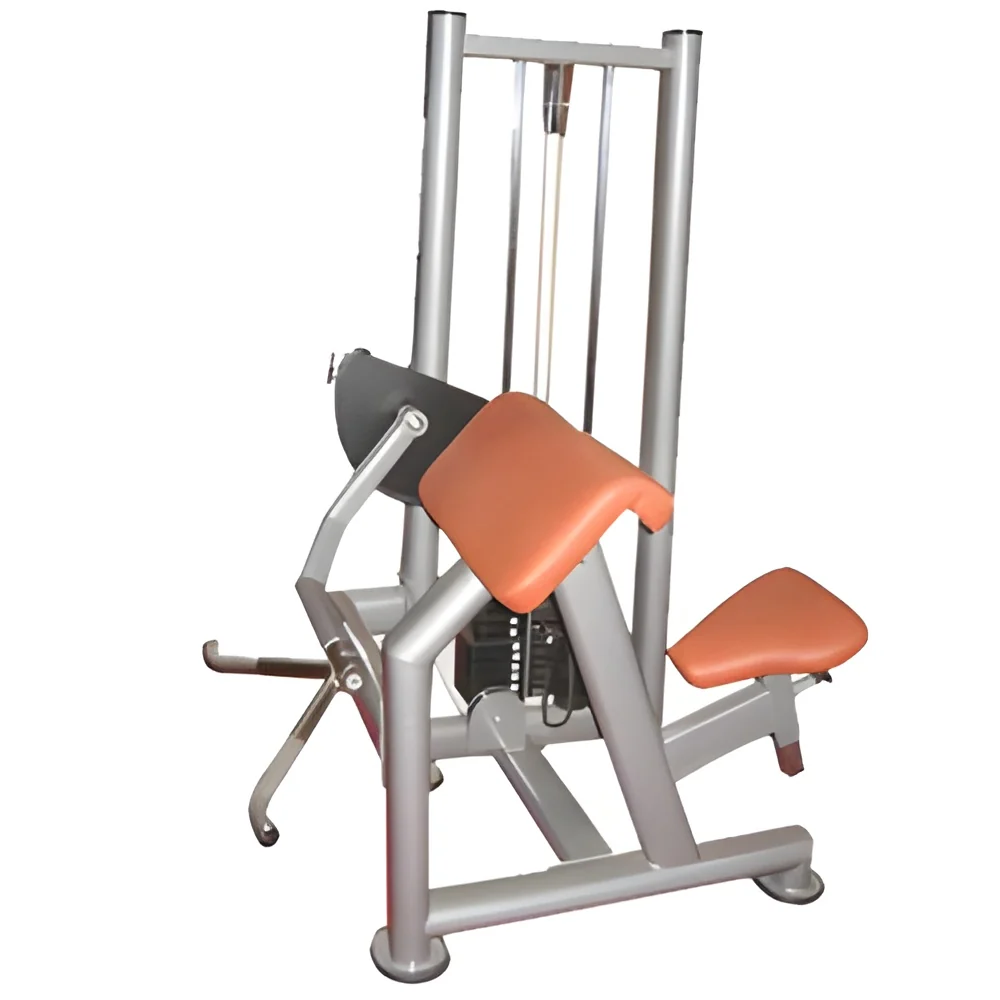
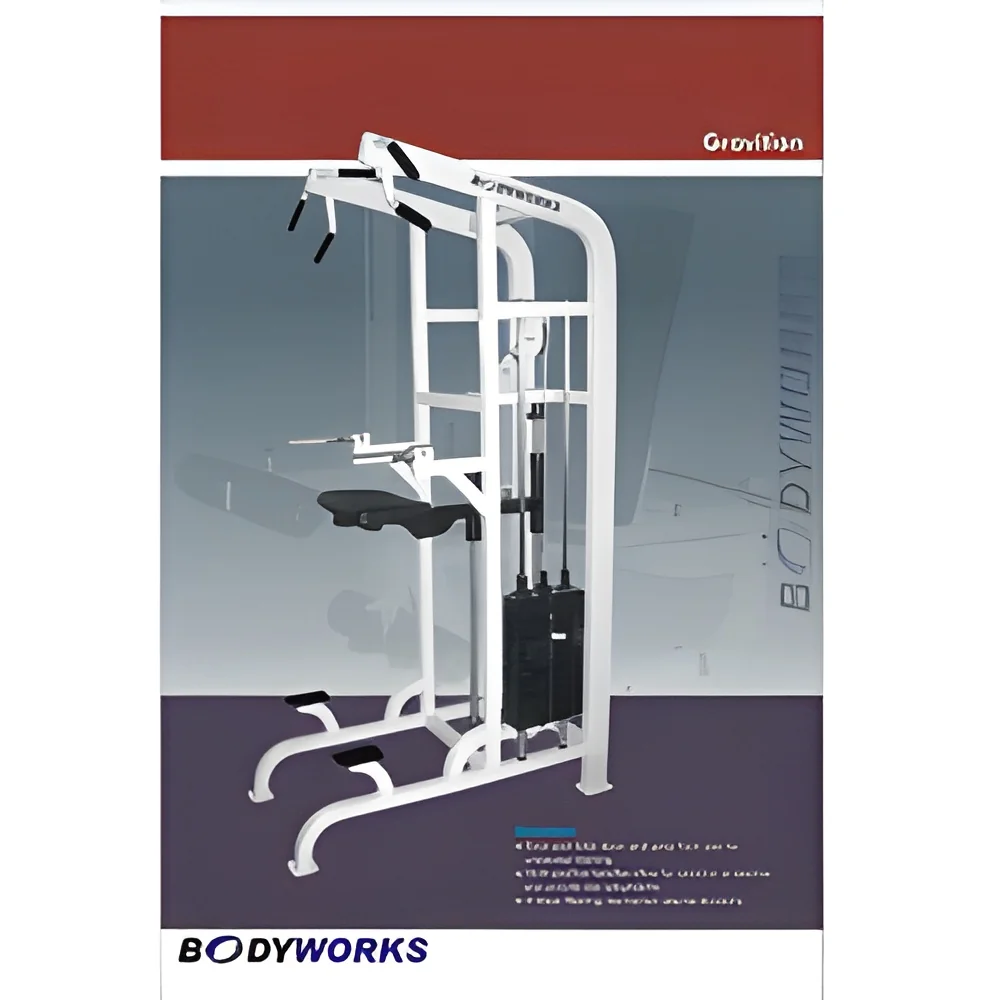
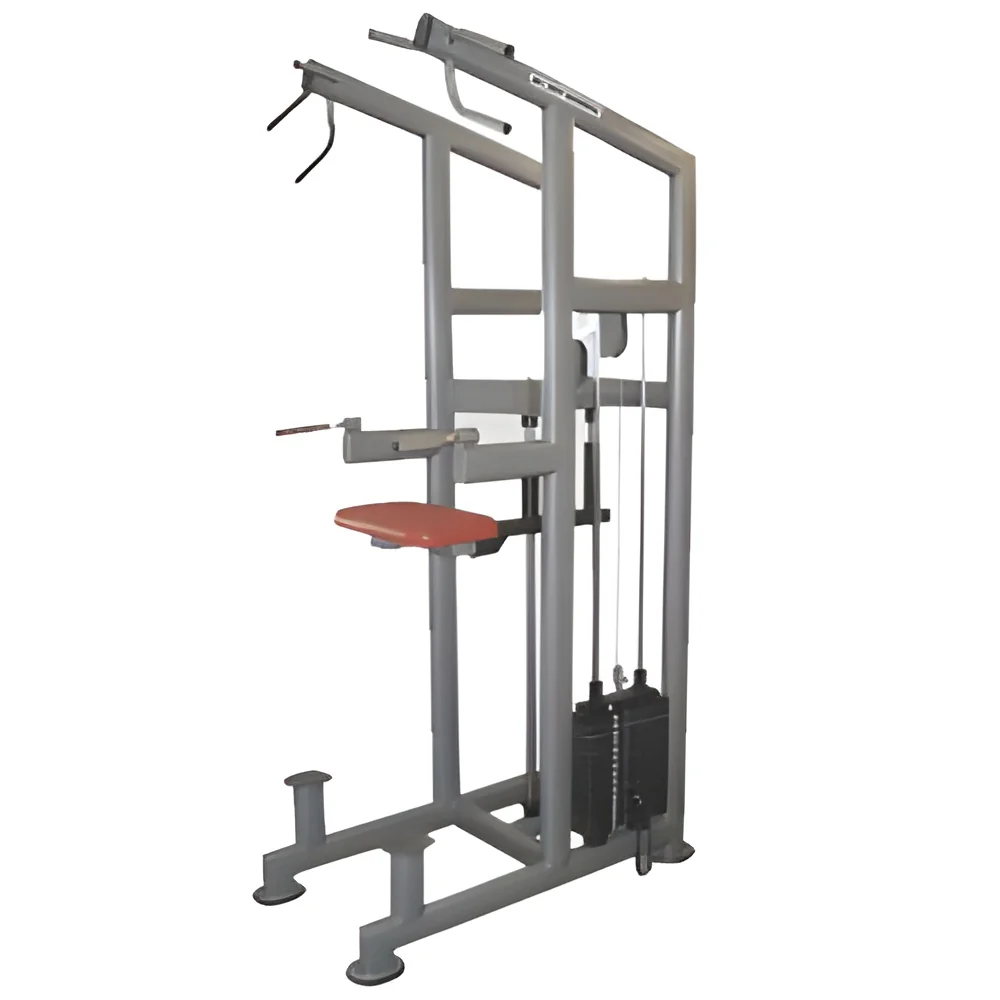
Strength training machines are specialized equipment designed to enhance physical fitness through resistance training. These machines provide controlled movements that target specific muscle groups, allowing users to perform exercises safely and effectively. They come in various designs, catering to different fitness levels and user preferences, from beginners to advanced athletes. The machines typically use weights, pulleys, or hydraulic resistance to create the necessary tension for muscle building.
The primary uses of strength training machines include rehabilitation, muscle development, and general fitness enhancement. Businesses such as gyms, rehabilitation centers, and sports facilities often invest in these machines to provide their clients with a safe and effective means of strength training. The ability to isolate specific muscles makes these machines particularly valuable in both fitness and therapeutic settings. In recent years, the fitness industry has seen a growing demand for strength training machines as more individuals and organizations recognize the importance of strength training in overall health and wellness.
The relevance of strength training machines in the fitness market is significant, as they play a crucial role in personal training and group fitness programs. With the increasing focus on preventive health and fitness, the market for these machines continues to expand. As more businesses aim to offer comprehensive fitness solutions, the demand for innovative and accessible strength training equipment rises.
Key Features and Specifications
Strength training machines offer various features and specifications that cater to different user needs and preferences. When selecting machines, it is essential to consider aspects such as stability, ease of use, and versatility. Below are key specifications to look for when evaluating strength training machines.
Key specifications include:
1. Resistance Type
- Machines can offer weight stacks, plate-loaded systems, or pneumatic resistance.
- Each type provides different training experiences and levels of customization.
2. Adjustable Settings
- Look for machines with adjustable seat heights, backrests, and arm positions.
- This feature allows for tailored workouts that accommodate various body types.
3. Weight Capacity
- Specifications often indicate the maximum weight each machine can handle.
- Typically ranges from 150 to 600 pounds, depending on the machine type.
4. Dimensions
- Consider the footprint of the machine, which affects space utilization in facilities.
- Machines come in compact designs or larger, multi-station setups.
5. Build Quality
- Look for robust materials such as steel frames and high-quality upholstery.
- Ensures durability and extended product life in commercial environments.
6. Safety Features
- Machines should include safety measures like locking pins and emergency stop functions.
- Enhances user safety during workouts, especially for heavy lifting.
7. User Interface
- Machines with digital displays or integrated apps enhance the user experience.
- Provides workout tracking, resistance adjustments, and exercise guidance.
8. Maintenance Requirements
- Understanding the upkeep needs can help in long-term planning.
- Some machines require regular lubrication or check-ups to maintain performance.
In summary, selecting strength training machines involves careful consideration of their features and specifications to ensure they meet the needs of users while providing a safe and effective workout experience.
Common Applications and Use Cases
Strength training machines find applications across various industries, catering to different user requirements and environments.
1. Fitness Centers: Gyms and fitness studios utilize strength training machines to offer clients a structured and effective workout experience. These machines help users achieve specific fitness goals, whether for weight loss, muscle gain, or rehabilitation.
2. Rehabilitation Facilities: Physical therapy centers employ strength training machines to aid in recovery from injuries. The controlled movements help patients regain strength and mobility safely under professional guidance.
3. Corporate Wellness Programs: Many businesses incorporate strength training machines into their employee wellness initiatives. This promotes physical health, reduces stress, and increases productivity among employees.
4. Educational Institutions: Schools and universities often include strength training machines in their sports facilities. These machines provide students with access to fitness resources, promoting healthy habits and athletic performance.
5. Military and Law Enforcement: Training facilities for military personnel and law enforcement agencies utilize strength training machines to enhance physical readiness. They help build strength and endurance essential for demanding physical tasks.
6. Home Gyms: With the rise of home fitness trends, many individuals invest in strength training machines for personal use. Compact models cater to homeowners with limited space, allowing for convenient workouts.
7. Sports Performance Centers: Specialized training facilities use strength training machines to enhance athletic performance. They focus on building strength and power specific to different sports disciplines.
Product Variants and Subcategories
Strength training machines are diverse, offering various options to meet the unique needs of users.
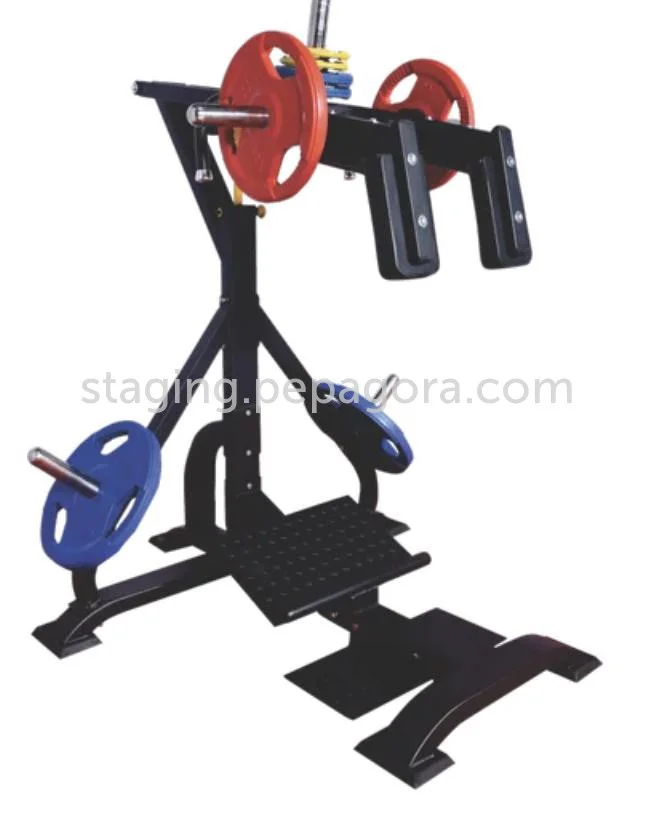
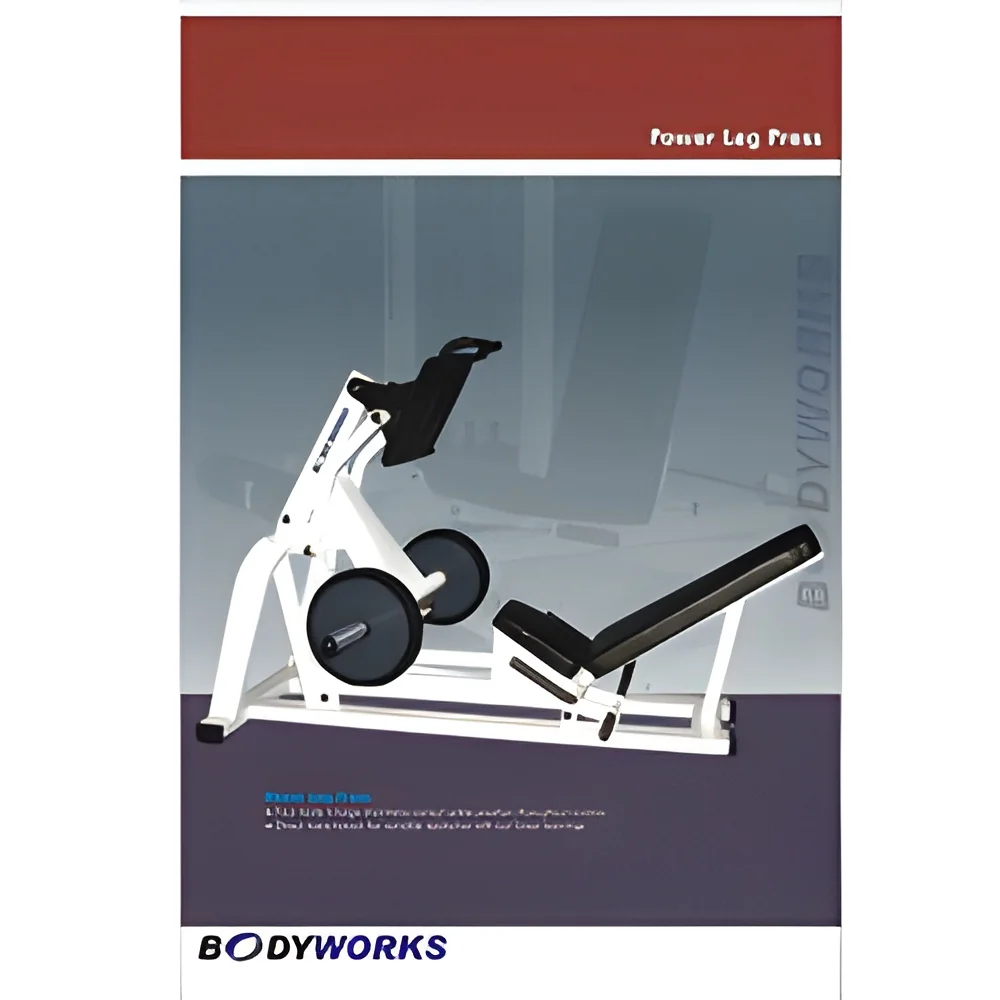
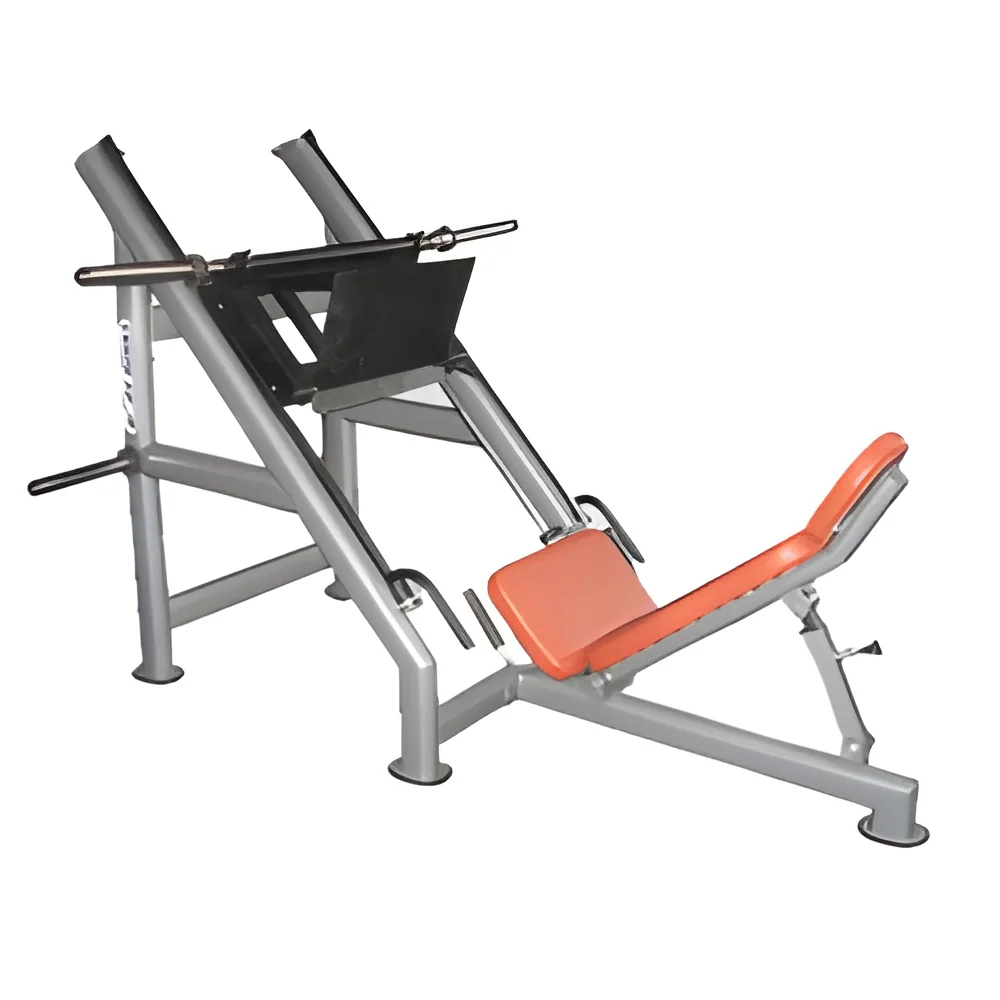
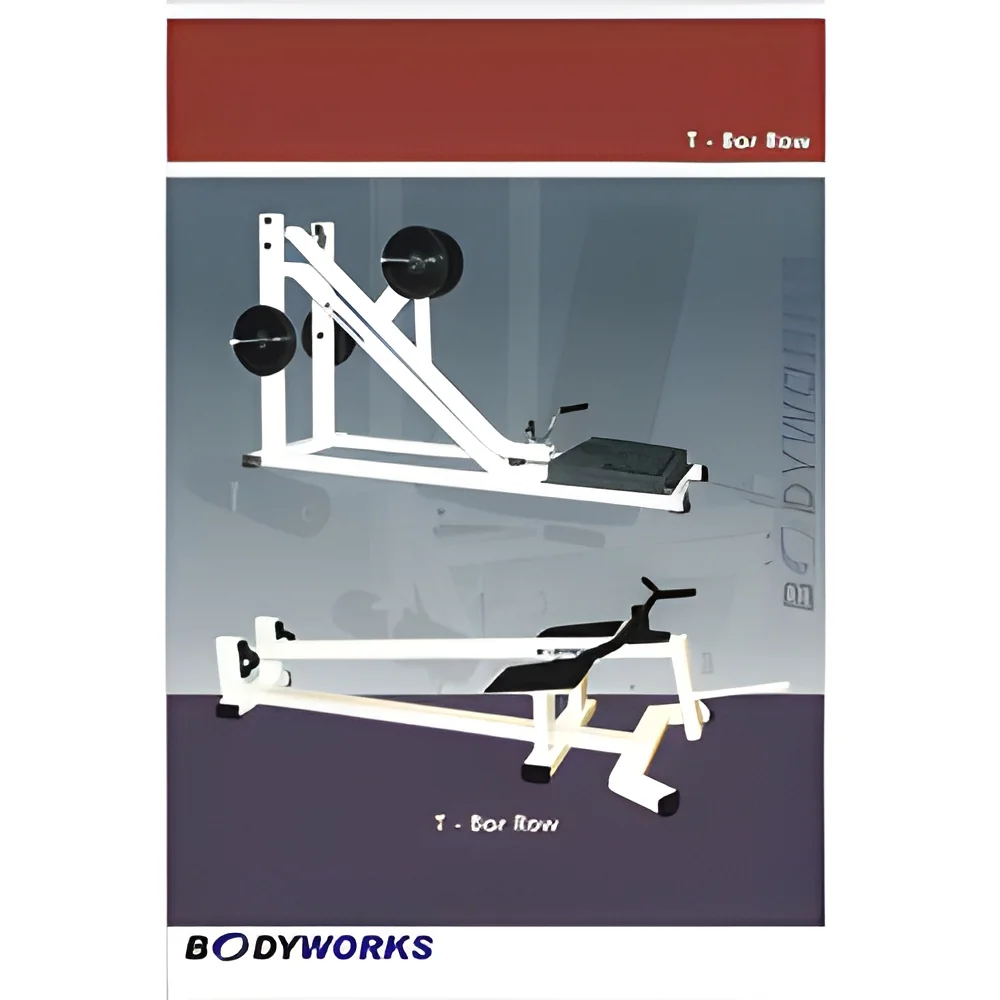
Plate-Loaded Machines: These machines use weight plates for resistance, allowing users to customize their workout intensity. They are favored for their versatility and ability to mimic free weight exercises, providing a more natural movement pattern.
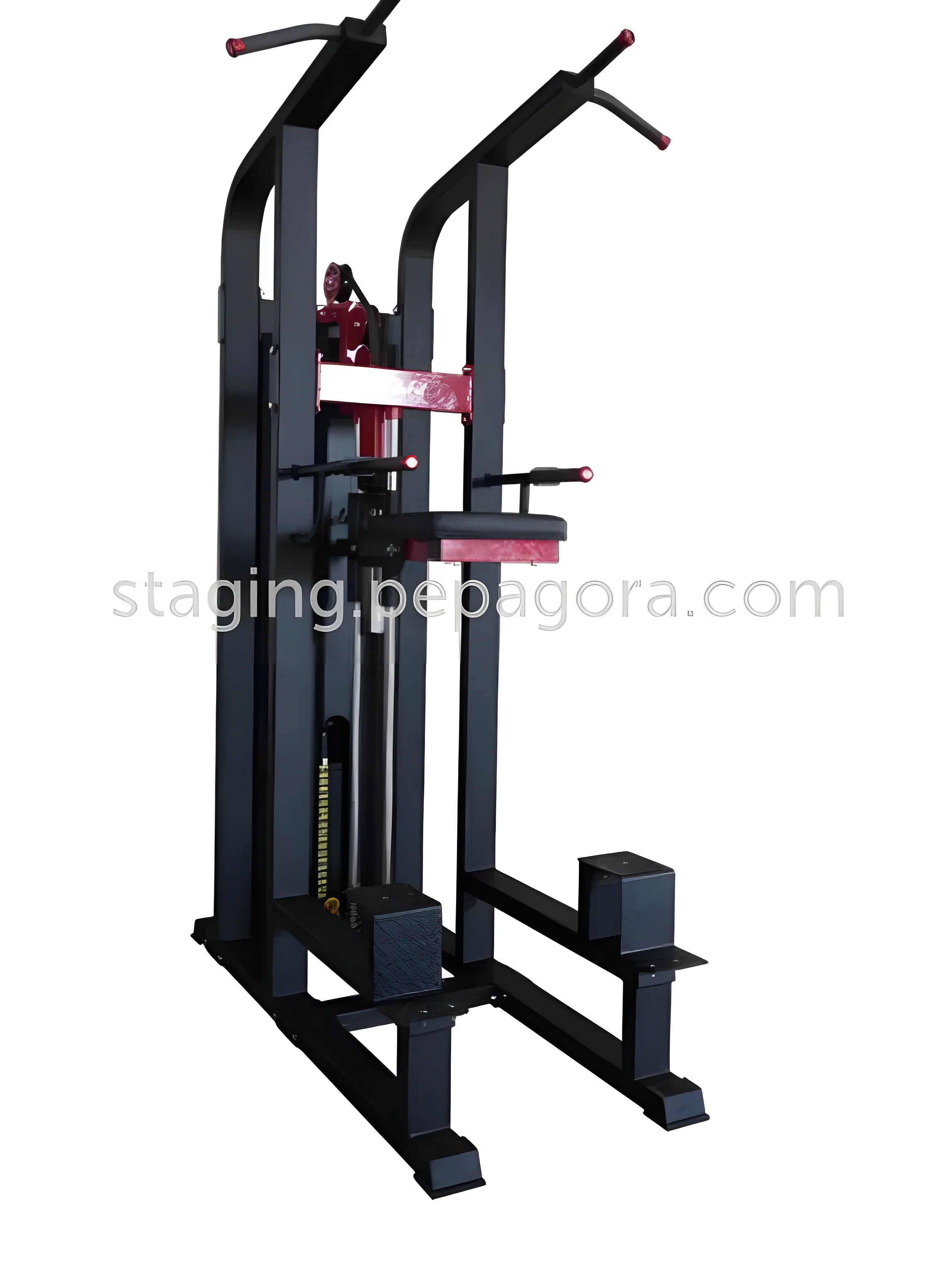
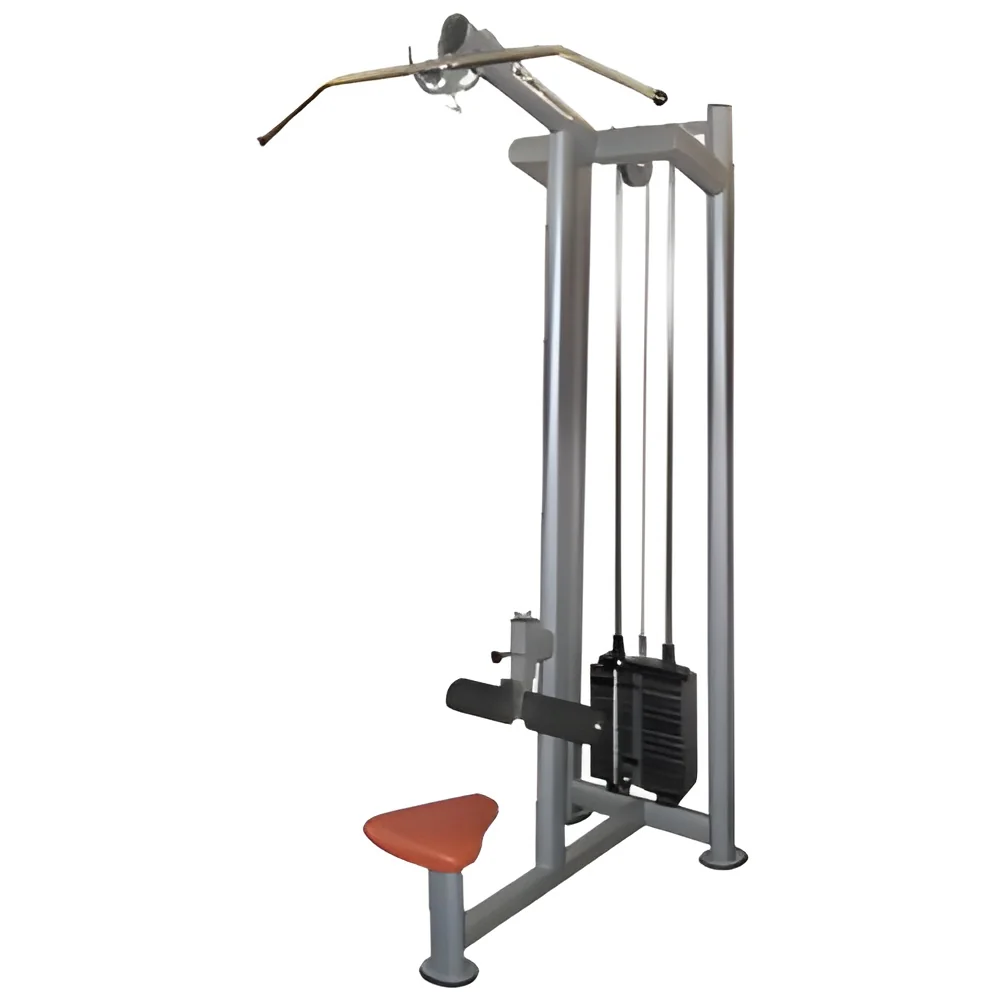
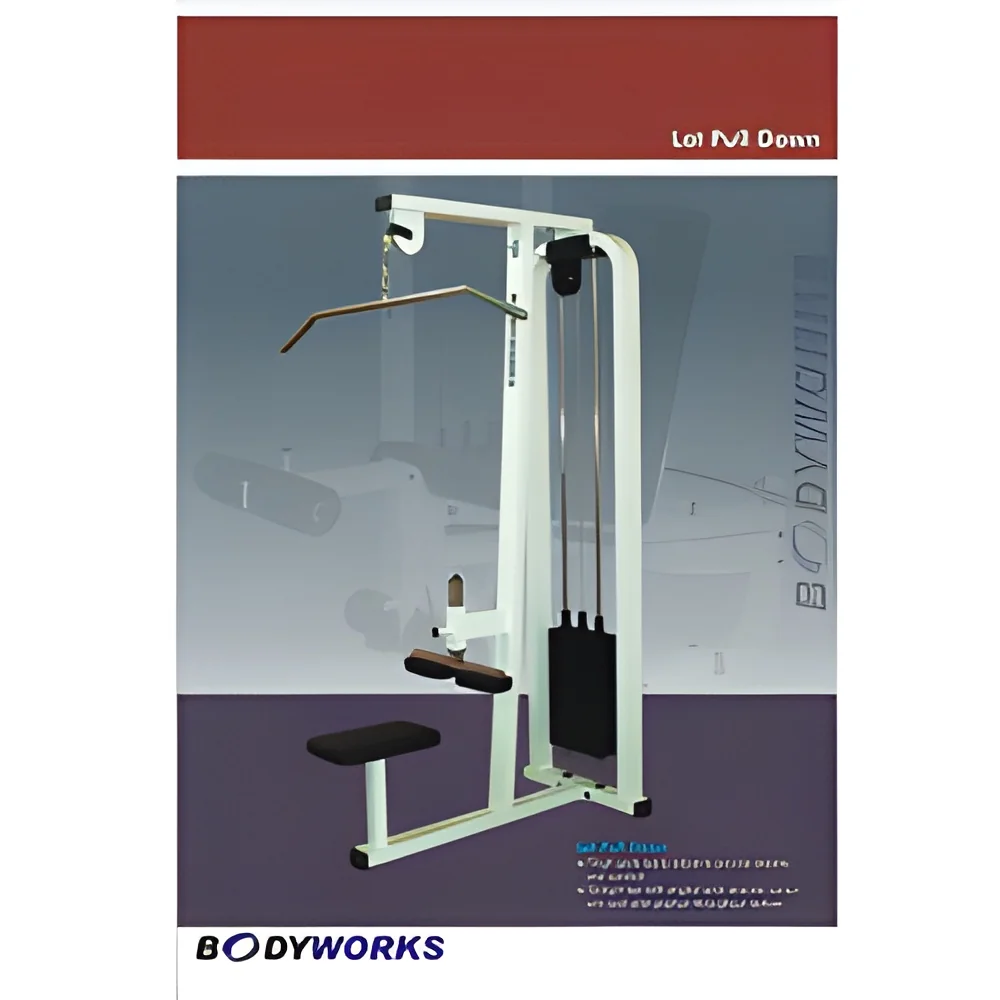
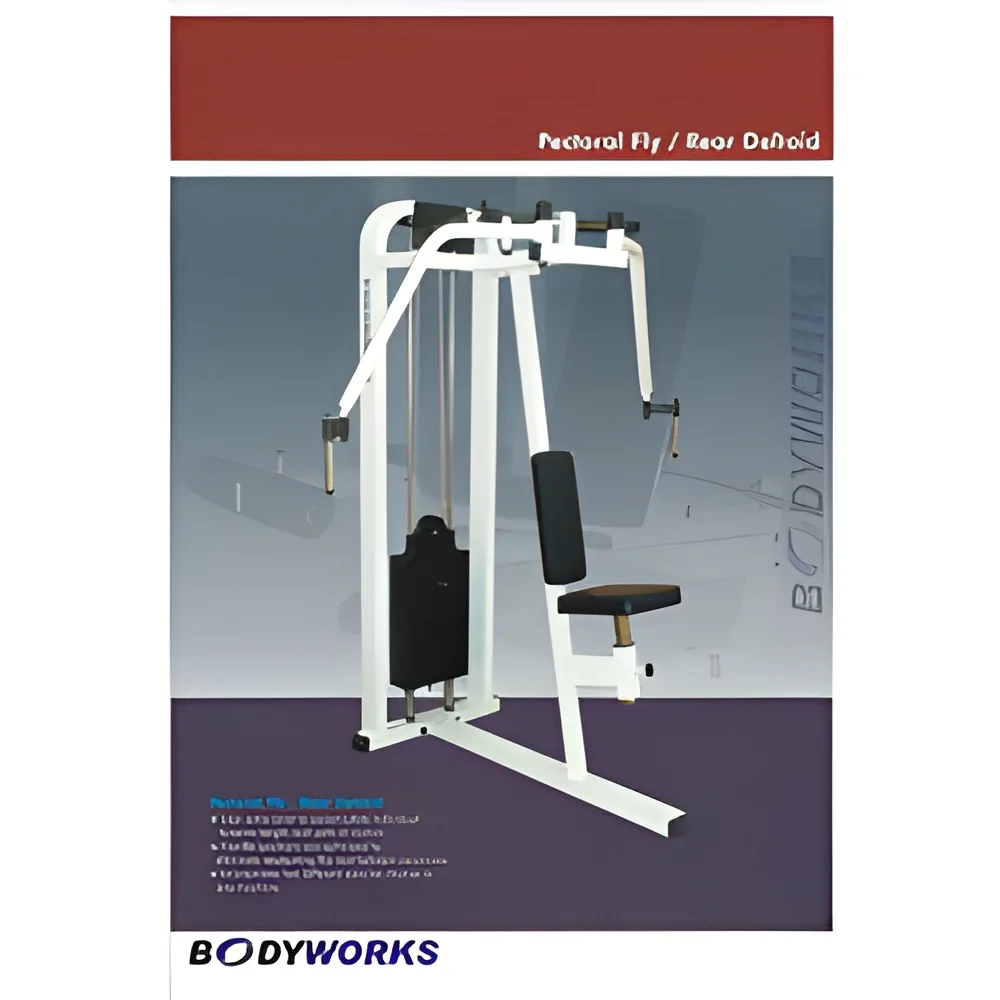
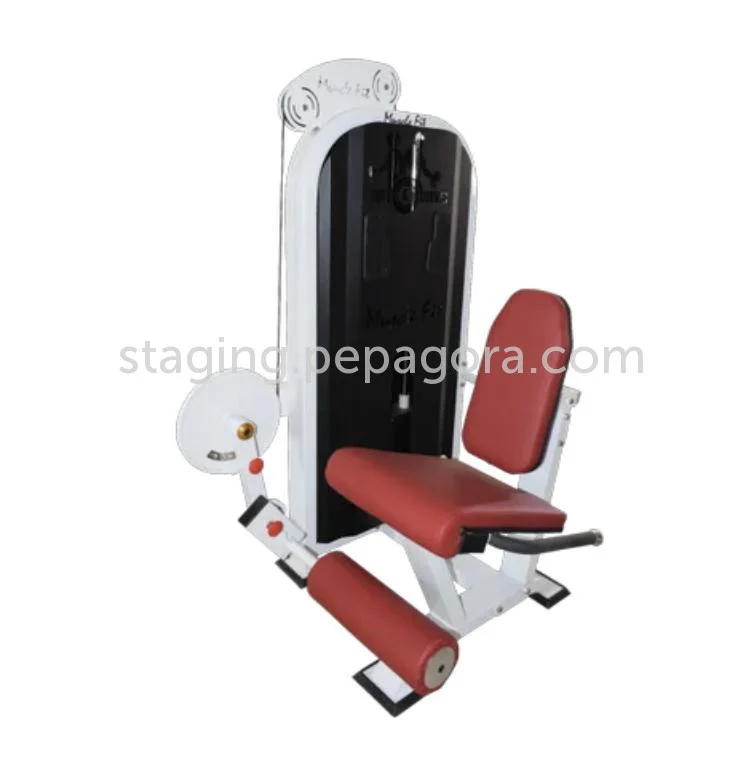
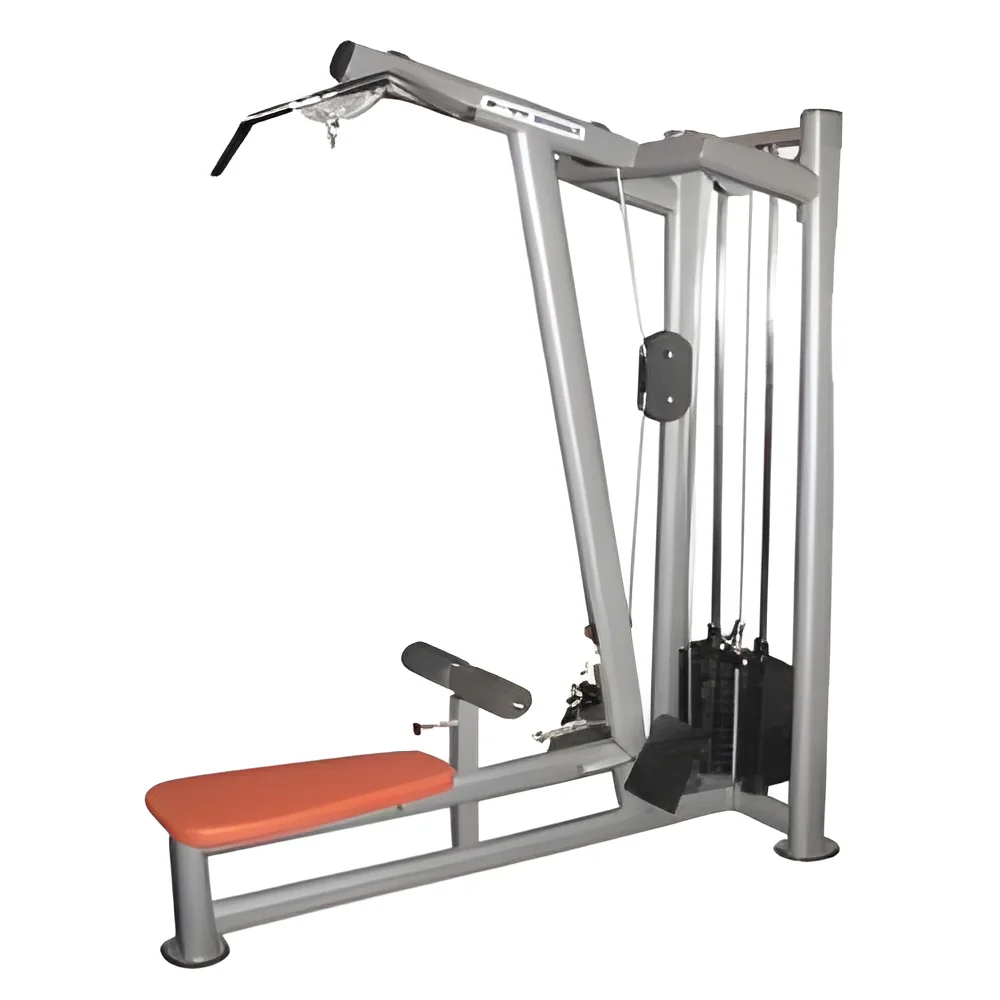
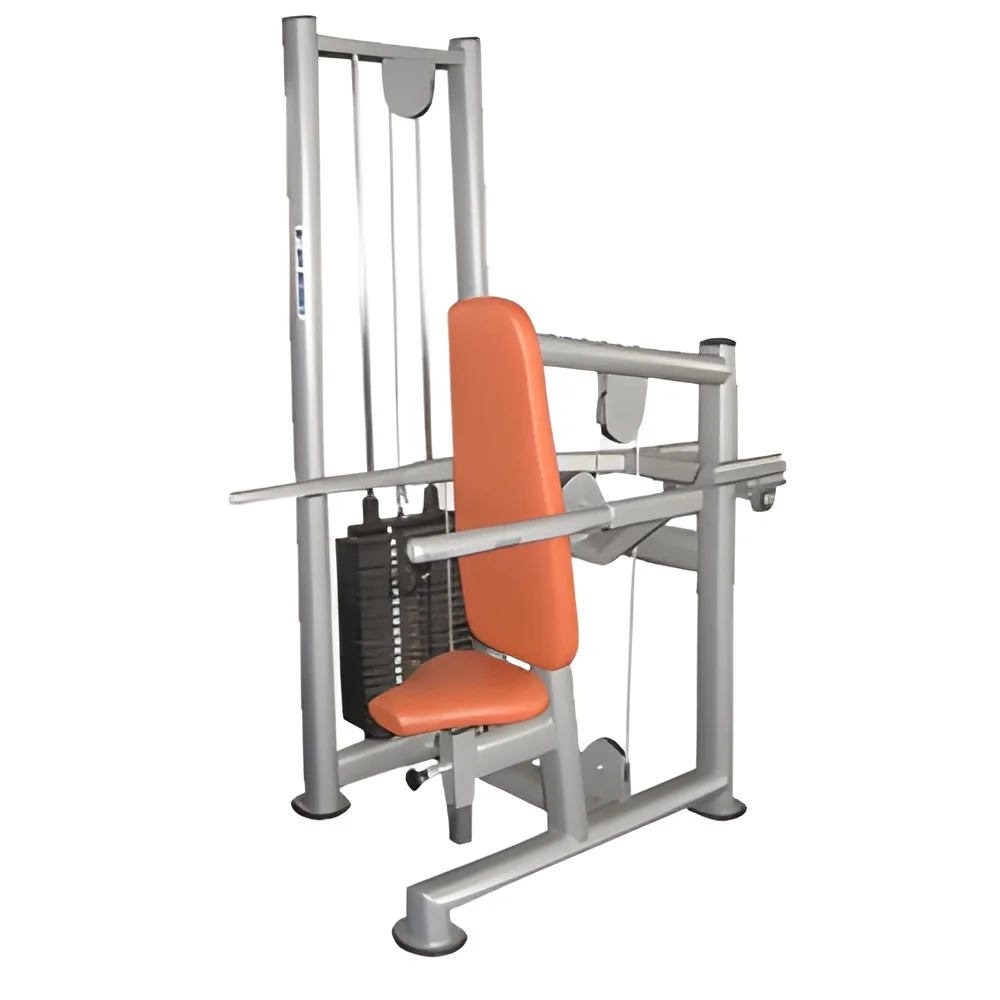
Selectorized Machines: Featuring weight stacks that users can easily adjust, selectorized machines offer convenience and safety for users at all fitness levels. They are common in commercial gyms for their ease of use and effectiveness in targeting specific muscle groups.
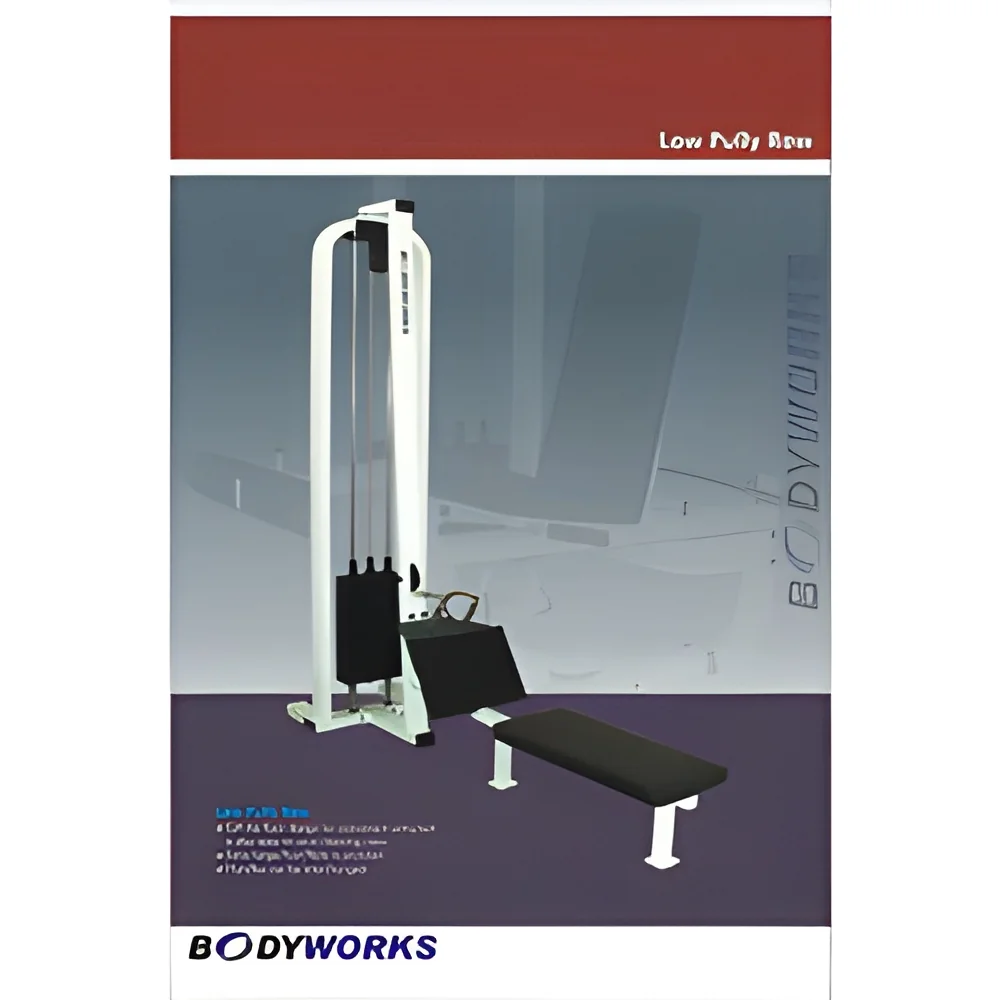
Cable Machines: These machines utilize a system of cables and pulleys to create resistance. They provide a full range of motion and are ideal for functional training, enhancing overall strength and stability.
Benefits and Advantages
Investing in strength training machines offers several key benefits for users and facilities alike.
1. Enhanced Safety: Machines provide guided movements that reduce the risk of injury, making them ideal for beginners and those recovering from injuries.
2. Targeted Muscle Development: Strength training machines allow users to isolate specific muscle groups, leading to more effective workouts focused on individual fitness goals.
3. Ease of Use: Many machines are designed for straightforward operation, enabling users to transition between exercises quickly without needing extensive training.
4. Space Efficiency: Strength training machines often have a smaller footprint than free weights, making them suitable for facilities with limited space.
5. Customizable Workouts: With adjustable settings and resistance options, users can tailor their workouts to match their fitness levels and goals.
6. Consistent Progress Tracking: Many machines include digital interfaces that help users monitor their performance and track progress over time.
Buying Guide for B2B Buyers
When sourcing strength training machines for commercial use, several factors are crucial for making informed purchasing decisions.
1. Quality Assessment: Evaluate the build quality and materials used in the machines. Look for durable components that can withstand frequent use in a commercial environment.
2. Supplier Verification: It is essential to vet suppliers thoroughly. Check for their reputation, customer reviews, and the quality of their product offerings to ensure reliability.
3. Pricing and MOQ: Understand the pricing structure and minimum order quantities (MOQ) required by suppliers. This information helps in budgeting and planning purchases effectively.
4. Delivery and Lead Times: Be aware of the expected delivery times and logistics involved in receiving the machines. Factor in these timelines when planning for facility upgrades or openings.
5. Compliance Requirements: Ensure that the machines meet relevant safety and industry standards. Verify compliance with certifications like CE to ensure quality and safety.
Compliance and Certifications
Strength training machines must adhere to various compliance and certification standards to ensure safety and quality.
Relevant quality standards such as ISO 9001 focus on maintaining consistent quality management systems across manufacturers. This standard ensures that products meet customer and regulatory requirements.
Industry certifications like CE indicate that the machines conform to European safety, health, and environmental protection standards. This certification is vital for machines sold in Europe, assuring buyers of their quality and safety.
Safety and testing requirements typically include rigorous assessments to verify the structural integrity and operational safety of the machines. Manufacturers must conduct these tests to ensure the machines can withstand heavy use and provide safe operation.
Regional compliance considerations may vary depending on the market. Buyers should be aware of local regulations and standards that apply to fitness equipment to ensure compliance in their regions.
Why Source Strength Training Machines from Pepagora?
Pepagora presents a reliable platform for sourcing strength training machines, offering numerous advantages that facilitate the procurement process.
Verified Supplier Network: Pepagora has a comprehensive network of verified suppliers. Each supplier undergoes rigorous vetting, ensuring that buyers can trust the quality and reliability of the products offered.
Streamlined RFQ Process: The request for quotation (RFQ) process on Pepagora is designed to be user-friendly. Buyers can easily submit their requirements and receive competitive quotes from multiple suppliers, simplifying decision-making.
Trade Assurance and Support: Pepagora provides trade assurance, offering buyers protection and support throughout the purchasing process. This includes assistance with negotiations and resolving any disputes that may arise.
Regional Coverage: With a strong presence in markets like India, GCC, and Southeast Asia, Pepagora offers extensive geographic reach. This allows buyers to connect with local suppliers and access machines that best suit their needs.

 IN
IN