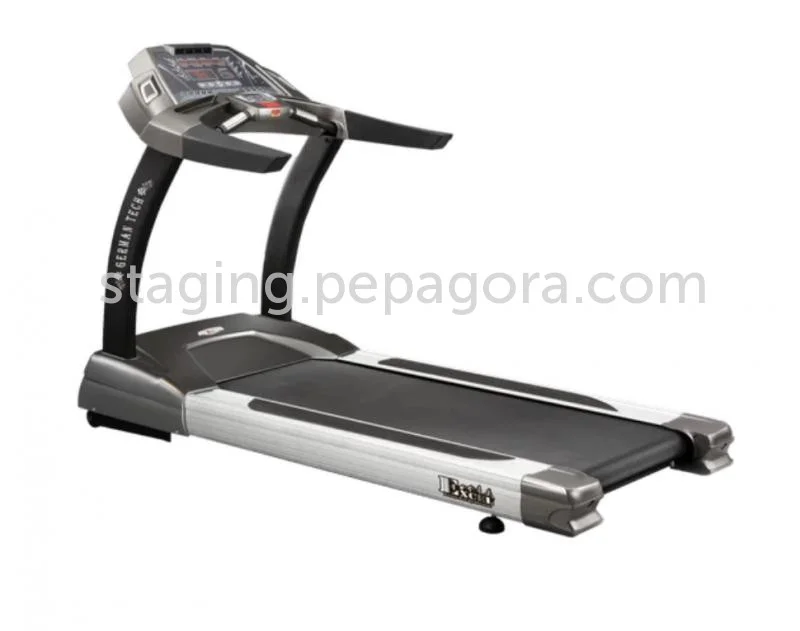
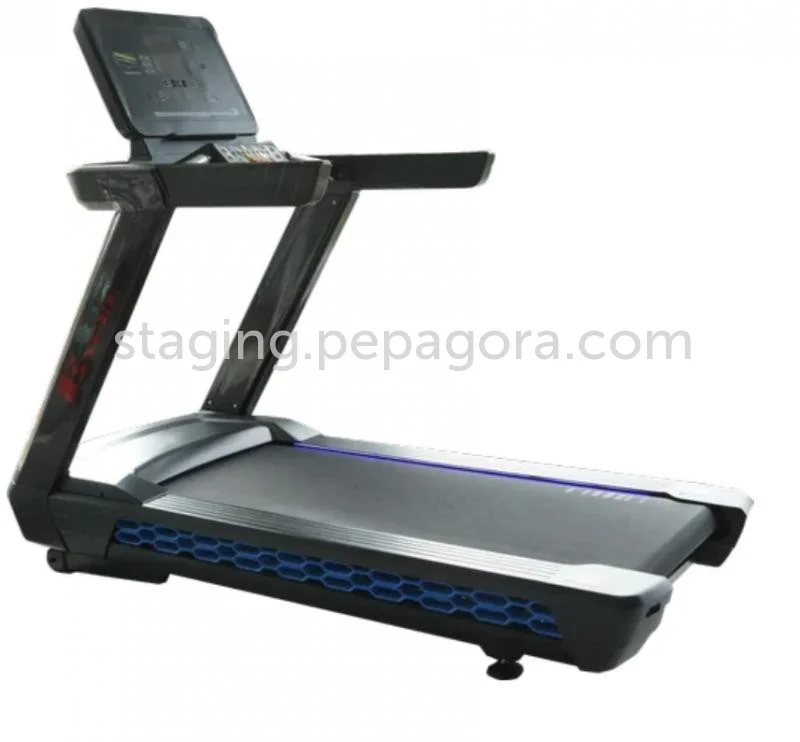
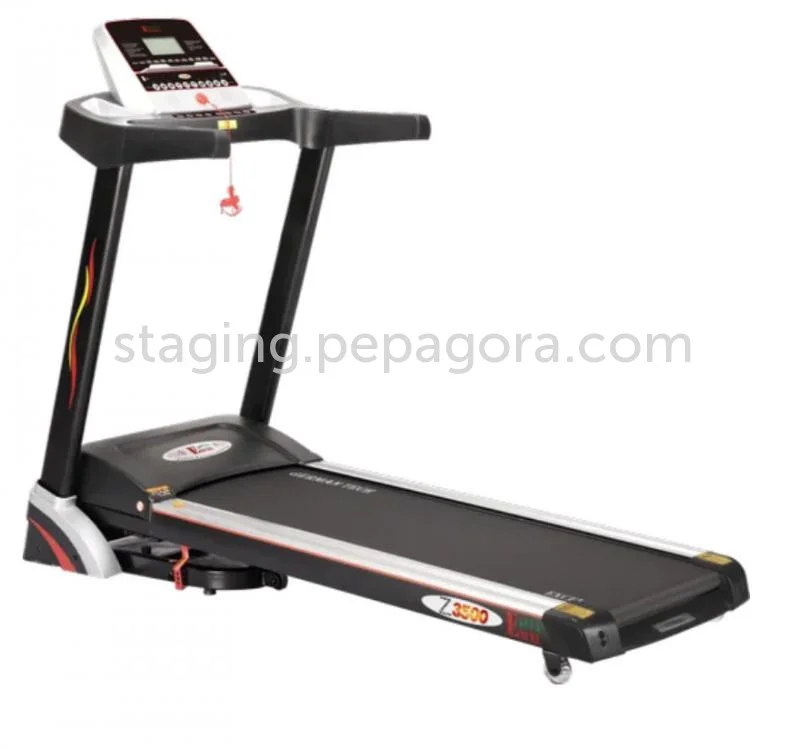
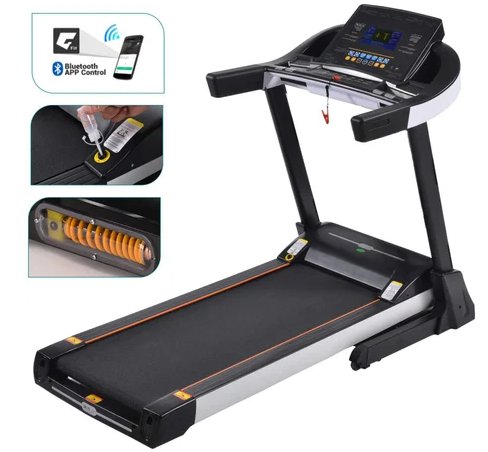
Key Features and Specifications
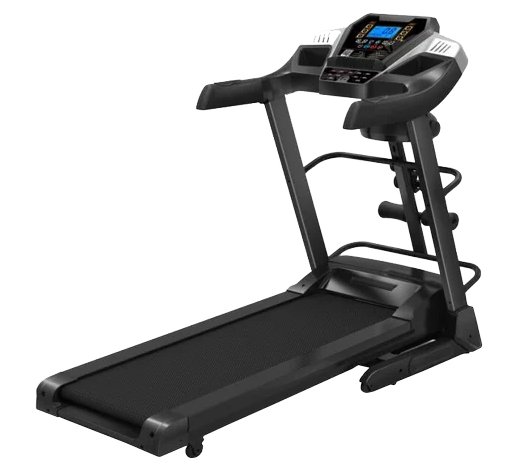
Treadmills come equipped with various features designed to enhance user experience and performance tracking. Understanding these specifications is crucial for selecting the right model for specific applications.
Key specifications include:
1. Motor Power
- Measured in horsepower (HP)
- Typically ranges from 1.5 to 4.0 HP for motorized treadmills
2. Running Surface Size
- Dimensions of the treadmill belt
- Common sizes range from 18 to 22 inches in width and 48 to 60 inches in length
3. Maximum Speed
- Speed range for motorized treadmills
- Generally varies from 8 to 12 miles per hour
4. Incline Range
- Adjustable incline settings
- Typically ranges from 0 to 15% for enhanced workout intensity
5. Weight Capacity
- Maximum user weight supported
- Usually ranges from 250 to 400 pounds depending on the model
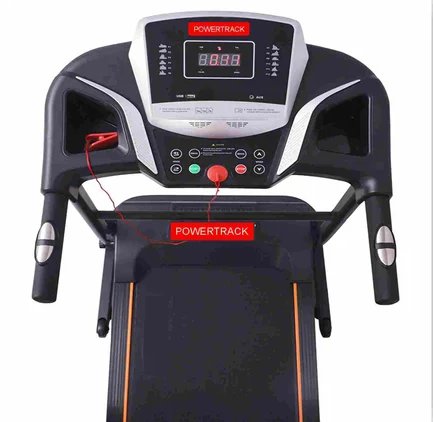
6. Console Features
- Display options for speed, distance, time, and calories burned
- Some models include heart rate monitors and built-in workout programs
7. Folding Mechanism
- Ability to fold the treadmill for easy storage
- Available in many motorized and manual options
8. Warranty
- Coverage details for parts and labor
- Common warranties range from 1 to 10 years, depending on the manufacturer
In summary, selecting the right treadmill involves considering its motor power, running surface, speed capabilities, incline settings, weight capacity, and additional features tailored to user needs.
Common Applications and Use Cases
Treadmills are utilized across various industries, making them versatile tools for fitness and rehabilitation.
1. Fitness Centers: Treadmills are essential equipment in gyms where members can engage in cardiovascular workouts. They often come with advanced features for tracking performance and tailoring workouts.
2. Rehabilitation Clinics: Physical therapists use treadmills to assist patients in regaining strength and mobility. Manual treadmills may be preferred for patients who need to focus on controlled movements.
3. Corporate Wellness Programs: Businesses incorporate treadmills into their wellness initiatives, providing employees with opportunities to exercise during breaks, thereby promoting a healthier work environment.
4. Hotels and Resorts: Treadmills are commonly found in hotel fitness centers, allowing guests to maintain their exercise routines while traveling.
5. Schools and Universities: Educational institutions often invest in treadmills for physical education programs, promoting health awareness among students.
6. Home Fitness: Many individuals purchase treadmills for personal use at home to maintain fitness routines conveniently.
7. Military and Training Facilities: Treadmills are used in training programs to enhance endurance and fitness levels among personnel.
Product Variants and Subcategories
Treadmills come in various models and configurations to cater to different user needs and environments.
Manual Treadmills: These are simple, non-motorized machines that require users to power the belt through their movements. They are often more affordable and require less maintenance, making them suitable for home use and light commercial settings.
Motorized Treadmills: These treadmills come equipped with a motor that drives the belt, allowing for controlled speed and incline adjustments. They are ideal for commercial gyms and serious fitness enthusiasts who seek advanced features and programs.
Commercial Treadmills: Designed for high usage in fitness centers, these treadmills are built with robust materials and higher weight capacities. They often include advanced technology for performance tracking and user engagement.
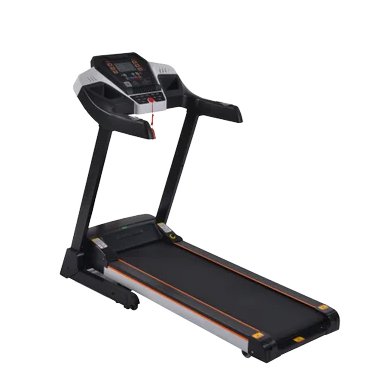
Folding Treadmills: These models feature a folding mechanism, making them easy to store in limited spaces. They are popular for home use where space is a concern.
Benefits and Advantages
Investing in treadmills offers numerous benefits for both businesses and individuals.
1. Improved Health: Regular use of treadmills supports cardiovascular health, aids weight management, and enhances overall fitness levels.
2. Versatile Workouts: Users can perform various exercises, from walking to high-intensity running, accommodating different fitness levels and goals.
3. Convenience: Treadmills provide the convenience of exercising indoors, allowing users to maintain their routines regardless of weather conditions.
4. Performance Tracking: Many models come with built-in features to monitor heart rate, calories burned, and workout duration, helping users track progress effectively.
5. Space Efficiency: Folding treadmills or compact designs are suitable for environments with limited space, making them accessible to more users.
6. User Engagement: Advanced models offer interactive features, such as virtual coaching and competitive challenges, enhancing motivation and adherence to fitness routines.
Buying Guide for B2B Buyers
When sourcing treadmills, businesses should consider several critical factors to ensure they select the right equipment.
1. Quality Assessment: Evaluate the build quality and durability of treadmills. Look for models with robust frames and reliable components that can withstand frequent use.
2. Supplier Verification: Vet potential suppliers for their credibility and reputation. Check for customer reviews and industry certifications to ensure reliability.
3. Pricing and MOQ: Understand the pricing structure and minimum order quantities (MOQ) from suppliers. Compare costs across different models to make informed purchasing decisions.
4. Delivery and Lead Times: Discuss logistics with suppliers to understand delivery schedules and lead times, ensuring timely availability for your business needs.
5. Compliance Requirements: Ensure that the treadmills meet relevant safety and quality standards, such as CE certifications, and comply with local regulations.
Compliance and Certifications
Treadmills must adhere to various quality standards and certifications to ensure they meet industry requirements.
ISO 9001 is a key quality management standard that outlines requirements for consistent product quality. Compliance with this standard indicates that the manufacturer has robust processes in place for quality assurance.
CE certification is crucial for products sold in European markets, signifying that the treadmill meets health, safety, and environmental protection standards. This certification helps ensure that equipment is safe for user operation.
Safety and testing requirements are essential for ensuring that treadmills function properly and safely over time. Manufacturers should conduct rigorous testing to establish durability and performance benchmarks.
Regional compliance considerations may vary depending on the target market. Buyers should be aware of specific regulations that apply to their region when sourcing treadmills.
Why Source Treadmills (Manual & Motorized) from Pepagora?
Pepagora serves as a trusted platform for sourcing treadmills, offering several key advantages to buyers.
Verified Supplier Network: Pepagora connects buyers with a network of verified suppliers, ensuring access to high-quality products from reputable manufacturers. This verification process helps mitigate risks associated with sourcing.
Streamlined RFQ Process: The platform simplifies the request for quotation (RFQ) process, enabling buyers to efficiently compare prices and features from multiple suppliers. This helps businesses make informed decisions.
Trade Assurance and Support: Pepagora provides trade assurance, offering buyer protection that ensures transactions are secure. Support services are available to assist buyers throughout the purchasing process.
Regional Coverage: With a strong presence in India, the GCC, and Southeast Asia, Pepagora offers geographic reach that caters to diverse markets. This allows businesses to source treadmills tailored to their specific regional needs.

 IN
IN