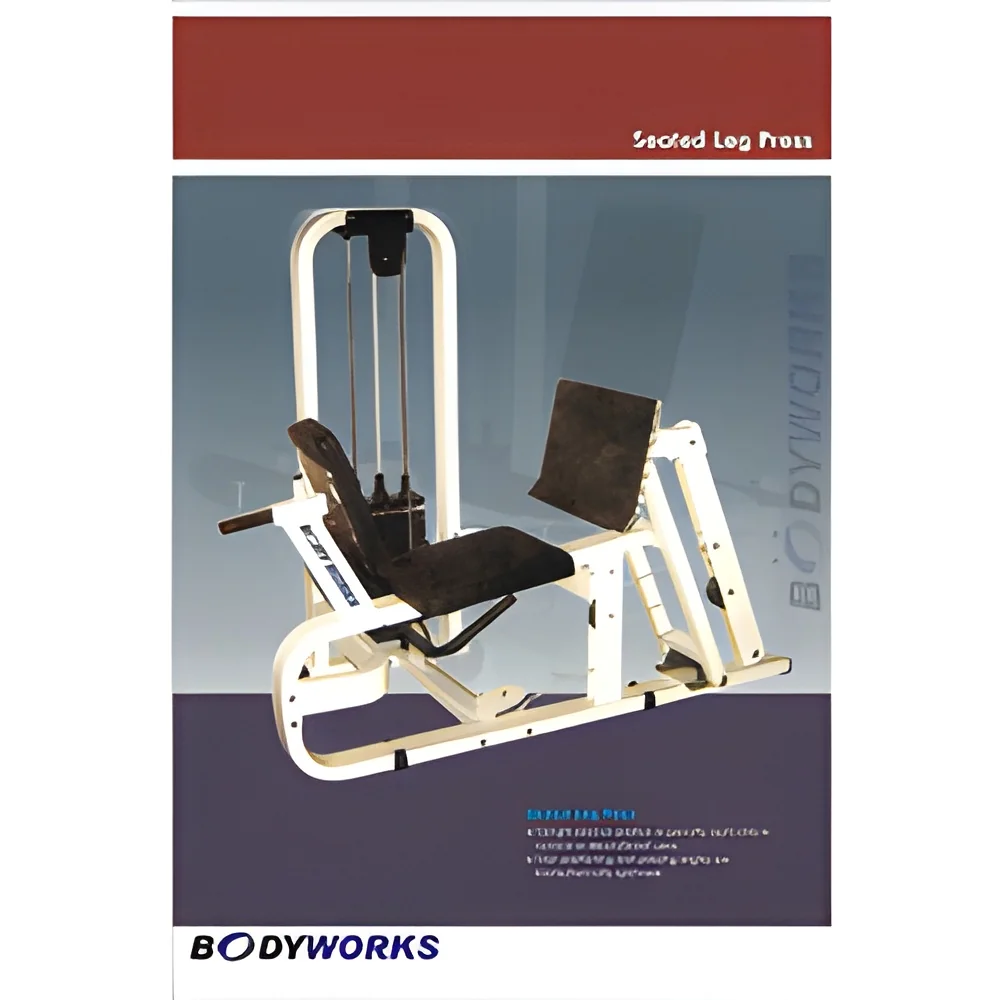
What are Leg Press Machines?
Leg press machines are specialized fitness equipment designed to strengthen and tone the lower body, particularly the quadriceps, hamstrings, glutes, and calves. These machines allow users to push a weighted platform with their legs while seated or lying back, providing a controlled environment for exercising leg muscles. Unlike free weights, leg press machines offer stability and support, making them suitable for both beginners and experienced athletes.
Primarily used in gyms, rehabilitation centers, and athletic training facilities, leg press machines have become a staple in strength training routines. They are particularly beneficial for individuals looking to enhance their leg strength without placing excessive strain on the back. In the B2B context, these machines are essential for fitness equipment suppliers, gym owners, and physical therapy practices aiming to meet the diverse needs of their clientele.
In today's fitness market, leg press machines hold significant relevance due to the growing emphasis on strength training and overall fitness. As more businesses recognize the importance of providing comprehensive fitness solutions, the demand for leg press machines continues to rise. This trend is driven by an increasing number of consumers seeking effective workout strategies to improve their health and fitness levels.
Key Features and Specifications
Leg press machines come equipped with several features designed to enhance user experience and performance. Understanding these specifications is crucial for businesses looking to invest in this equipment.
Key specifications include:
1. Weight Capacity
- Varies by model, typically ranging from 300 lbs to over 1,000 lbs.
- Higher weight capacities cater to a broader range of users.
2. Adjustable Footplate
- Allows users to customize their foot positioning for comfort and effectiveness.
- Supports various foot sizes and exercise preferences.
3. Frame Construction
- Made from heavy-duty steel for durability and stability.
- Powder-coated finishes help resist scratches and corrosion.
4. Safety Features
- Includes safety locks and emergency stop mechanisms.
- Ensures user safety during operation.
5. Size and Footprint
- Dimensions vary, typically around 60 inches in length and 30 inches in width.
- Compact designs are available for space-constrained environments.
6. Upholstery
- High-density foam padding for comfort during workouts.
- Vinyl covers for easy cleaning and maintenance.
7. Adjustable Resistance
- Some models offer variable resistance settings for progressive training.
- Hydraulic or weight stack options available.
8. User-Friendly Interface
- Simple controls for ease of use.
- Some models may include integrated digital displays for tracking progress.
In summary, leg press machines feature a variety of specifications designed to enhance their functionality and safety. Businesses should carefully evaluate these features when selecting machines to meet their operational needs.
Common Applications and Use Cases
Leg press machines serve various industries, making them versatile fitness equipment.
1. Fitness Centers: Gyms utilize leg press machines to offer members a comprehensive strength training experience. They are ideal for leg workouts and muscle development.
2. Rehabilitation Facilities: Physical therapy clinics use leg press machines to help patients recover from injuries. Controlled movements aid in rebuilding strength and mobility.
3. Sports Training Facilities: Athletic training centers incorporate leg press machines into their programs to enhance the performance of athletes. These machines help in developing explosive leg power.
4. Corporate Wellness Programs: Companies offering fitness facilities for employees often include leg press machines. They support healthy lifestyles and promote physical fitness in the workplace.
5. Home Gyms: As more individuals create personal workout spaces, leg press machines are popular choices due to their effectiveness in leg workouts.
6. Educational Institutions: Schools and universities with fitness programs use leg press machines to promote physical education and wellness among students.
7. Military Training Facilities: Armed forces incorporate leg press machines into their training regimens to maintain the physical readiness of personnel.
Product Variants and Subcategories
Leg press machines are available in various designs, catering to different user needs and preferences.
Horizontal Leg Press: This variant features a horizontal platform where users push weights with their legs at a flat angle. It provides a stable workout environment and is suitable for beginners.
45-Degree Leg Press: This model has a platform angled at 45 degrees. It is designed for users who want to maximize their lower body strength and allows for a deeper range of motion.
Seated Leg Press: This variant allows users to sit upright while pressing weights. It is ideal for those who prefer a more traditional leg press experience.
Dual Function Leg Press: This machine combines the leg press function with a calf raise feature, enabling users to target multiple muscle groups effectively.
Benefits and Advantages
Investing in leg press machines offers several benefits for businesses and users alike.
1. Enhanced Leg Strength: Leg press machines effectively target major leg muscles, leading to improved strength and muscle tone.
2. Reduced Risk of Injury: The controlled movement of leg press machines minimizes the risk of injury compared to free weights, making them suitable for all users.
3. Versatility: These machines can be used for various exercises, including leg presses, calf raises, and more, providing a comprehensive workout solution.
4. Space Efficiency: Many leg press machines are designed to occupy minimal space, making them suitable for gyms with limited floor areas.
5. User-Friendly: Most leg press machines feature intuitive controls and adjustable settings, making them accessible to users of all fitness levels.
6. Customizable Workouts: Adjustable weight settings allow users to tailor their workouts to match their individual fitness goals.
Buying Guide for B2B Buyers
When sourcing leg press machines, businesses should consider several key factors to ensure they make informed purchasing decisions.
1. Quality Assessment: Evaluate the build quality and materials used in the machines. Look for durable construction and reliable performance to ensure longevity.
2. Supplier Verification: Vet potential suppliers by checking their credentials and customer reviews. A verified supplier network can enhance trust and security in the purchasing process.
3. Pricing and MOQ: Consider the price range and minimum order quantity (MOQ) of the machines. Establish a budget while ensuring you receive quality equipment.
4. Delivery and Lead Times: Discuss logistics and delivery schedules with suppliers. Timely delivery is crucial for maintaining inventory levels and meeting customer demand.
5. Compliance Requirements: Ensure that the machines meet relevant safety and quality standards. Understanding regulatory needs can prevent compliance issues in the future.
Compliance and Certifications
Leg press machines must adhere to specific compliance and certification standards to ensure safety and quality.
Relevant quality standards include ISO 9001, which focuses on quality management systems, ensuring that manufacturers produce consistent and high-quality products.
Additionally, CE certification indicates that the machines meet European safety, health, and environmental protection standards. This certification is crucial for businesses importing or exporting equipment within the European market.
Safety and testing requirements are also important, as manufacturers must conduct thorough testing to ensure that their machines are safe for use. Regular inspections and adherence to regional compliance considerations further enhance the reliability of leg press machines.
Why Source Leg Press Machines from Pepagora?
Pepagora provides a trusted platform for sourcing leg press machines with several key advantages that benefit buyers.
Verified Supplier Network: Pepagora ensures that all suppliers are thoroughly vetted, providing businesses with access to reliable manufacturers and distributors. This verification process enhances buyer confidence in sourcing equipment.
Streamlined RFQ Process: The request for quotation (RFQ) system simplifies the procurement process, allowing buyers to easily compare prices and specifications from multiple suppliers. This efficiency helps businesses make informed decisions quickly.
Trade Assurance and Support: Pepagora offers trade assurance that protects buyers throughout the purchasing process. This support includes assistance with logistics, payment security, and dispute resolution.
Regional Coverage: With a strong presence in India, the GCC, and Southeast Asia, Pepagora connects buyers with suppliers across these regions. This geographic reach allows businesses to access a diverse range of leg press machines tailored to local market needs.

 IN
IN