
 IN
Reverse Engineering Services
6 products available
What are Reverse Engineering Services?
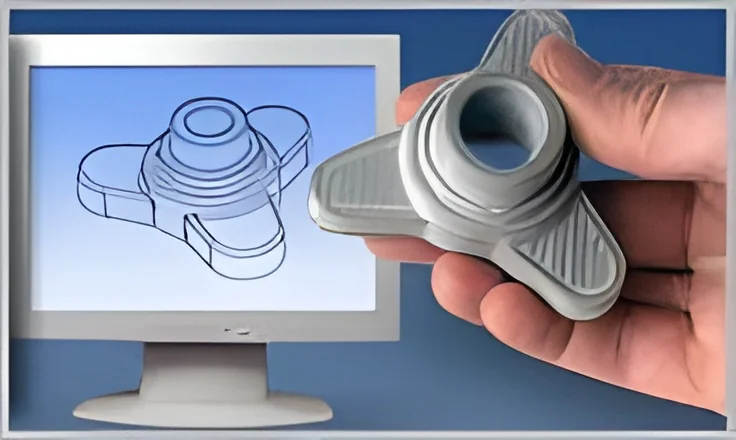
Reverse engineering services involve the process of analyzing a product to understand its design, components, and functionality. This service is primarily utilized to replicate or improve existing products, derive detailed technical specifications, or create new designs based on proven concepts. The process typically includes disassembling an object, measuring its physical and functional characteristics, and using this information to create a digital model or technical documentation.
The primary applications of reverse engineering services span diverse industries such as manufacturing, automotive, aerospace, and consumer electronics. Companies use these services for various purposes, including product development, quality assurance, and competitive analysis. By leveraging reverse engineering, businesses can gain insights into competitor products, enhance their own offerings, or troubleshoot existing designs. In an ever-evolving market, reverse engineering plays a crucial role in innovation and efficiency.
As industries increasingly prioritize rapid development and reduced time-to-market, the relevance of reverse engineering services continues to grow. Companies are recognizing the value of using these services not just for replication but also for creating innovative solutions that meet modern demands. This trend is expected to fuel the market, driving growth as businesses seek to stay ahead in competitive environments.
Key Features and Specifications
Reverse engineering services offer several key features and specifications designed to meet the diverse needs of businesses. These services are characterized by their precision, efficiency, and adaptability to various industries.
Key specifications include:
1. Data Acquisition Techniques
- Utilization of advanced scanning technologies
- Capable of generating accurate 3D models
2. Material Analysis
- Identification of materials used in the original product
- Assessment of material properties for performance evaluation
3. CAD Modeling
- Creation of detailed computer-aided design models
- Support for various formats for compatibility with design software
4. Prototyping Services
- Ability to create functional prototypes based on reverse-engineered models
- Use of additive manufacturing technologies for rapid prototyping
5. Tolerance Analysis
- Evaluation of tolerances in the original design
- Recommendations for manufacturing processes to ensure quality
6. Documentation and Reporting
- Comprehensive technical documentation provided
- Detailed reports including findings and recommendations
7. Quality Control Standards
- Adherence to industry standards for quality and accuracy
- Use of calibrated equipment for measurement and analysis
In summary, reverse engineering services combine advanced technology and expertise to deliver solutions that support product development and enhancement across various sectors.
Common Applications and Use Cases
Reverse engineering services are versatile and find applications across numerous industries.
1. Manufacturing: In manufacturing, these services help companies improve existing production processes, reduce costs, and enhance product designs by analyzing competitors’ products.
2. Automotive: In the automotive sector, reverse engineering is utilized to develop replacement parts and improve vehicle performance by studying existing components.
3. Aerospace: Aerospace companies employ these services to analyze aircraft components, ensuring safety and compliance while optimizing designs for efficiency.
4. Consumer Electronics: In consumer electronics, companies leverage reverse engineering to innovate new products and enhance features by studying market-leading devices.
5. Medical Devices: In the medical device industry, reverse engineering aids in compliance with regulations by providing detailed analysis of existing products.
6. Defense: Defense contractors use these services to assess the capabilities of foreign technologies and develop superior alternatives.
7. Construction: In construction, reverse engineering can be used to create accurate building models from existing structures for renovation or expansion projects.
Product Variants and Subcategories
Reverse engineering services offer a range of options tailored to different business needs.
3D Scanning Services
These services utilize advanced laser scanning technology to create precise 3D models of existing products. Ideal for companies needing high accuracy in capturing complex geometries.
Custom CAD Services
This variant focuses on creating tailored CAD models from scanned data, allowing businesses to modify and enhance designs according to specific requirements.
Prototyping Services
This option provides rapid prototyping based on reverse-engineered designs, enabling businesses to test and iterate their concepts quickly.
Benefits and Advantages
Reverse engineering services present numerous benefits for businesses seeking to innovate and improve their products.
1. Enhanced Product Development: These services streamline the product development process, allowing companies to bring new ideas to market faster.
2. Cost Reduction: By analyzing existing products, companies can identify cost-saving opportunities in materials and manufacturing processes.
3. Competitive Advantage: Businesses gain valuable insights into competitor products, helping them to refine their offerings and stay ahead in the market.
4. Quality Improvement: Reverse engineering aids in identifying design flaws, leading to higher quality products through informed modifications.
5. Risk Mitigation: Understanding existing designs allows companies to mitigate risks associated with new product development by learning from established solutions.
6. Compliance Assurance: These services help ensure that products meet regulatory standards by providing detailed analysis and documentation.
Buying Guide for B2B Buyers
When sourcing reverse engineering services, it is essential to consider several key factors to ensure you select the right partner.
1. Quality Assessment: Evaluate the quality of services offered by reviewing case studies and customer testimonials. Look for certifications that demonstrate adherence to industry standards.
2. Supplier Verification: Conduct thorough due diligence on potential suppliers. Verify their experience, technical capabilities, and reputation in the industry to ensure reliability.
3. Pricing and MOQ: Understand the pricing structure and minimum order quantities. Compare costs across different suppliers to find the best value while ensuring quality.
4. Delivery and Lead Times: Inquire about the lead times for services. Timely delivery is crucial for maintaining your project schedules and meeting market demands.
5. Compliance Requirements: Ensure that the service provider understands and complies with relevant regulations and standards specific to your industry.
Compliance and Certifications
Compliance and certifications play a significant role in the reliability and quality of reverse engineering services.
Relevant quality standards include ISO 9001, which sets the criteria for a quality management system. This standard ensures that the services provided consistently meet customer and regulatory requirements, promoting continual improvement.
Industry certifications, such as CE marking, indicate that products meet European safety, health, and environmental protection standards. This certification is crucial for companies operating in markets that prioritize compliance.
Safety and testing requirements are essential to ensure that reverse-engineered products do not pose risks to users. This includes rigorous testing and validation processes to confirm that products perform as intended.
Regional compliance considerations may vary, making it imperative for service providers to be aware of local regulations and standards. This knowledge ensures that the reverse engineering services provided align with specific industry and market requirements.
Why Source Reverse Engineering Services from Pepagora?
Pepagora offers a trusted platform for sourcing reverse engineering services, providing several key advantages for businesses looking to enhance their product development processes.
Verified Supplier Network: Pepagora has established a network of verified suppliers who meet stringent quality and reliability standards. This network ensures that businesses can find reputable partners quickly and efficiently.
Streamlined RFQ Process: The platform features a streamlined request for quotation (RFQ) process, enabling buyers to receive and compare quotes from multiple suppliers. This efficiency simplifies decision-making for B2B buyers.
Trade Assurance and Support: Pepagora provides trade assurance, ensuring that buyers are protected throughout the sourcing process. Additionally, dedicated support is available to assist with any inquiries or issues that may arise.
Regional Coverage: With a geographic reach that includes India, the GCC, and Southeast Asia, Pepagora connects businesses with suppliers across these regions, facilitating access to a diverse range of reverse engineering services tailored to local market needs.

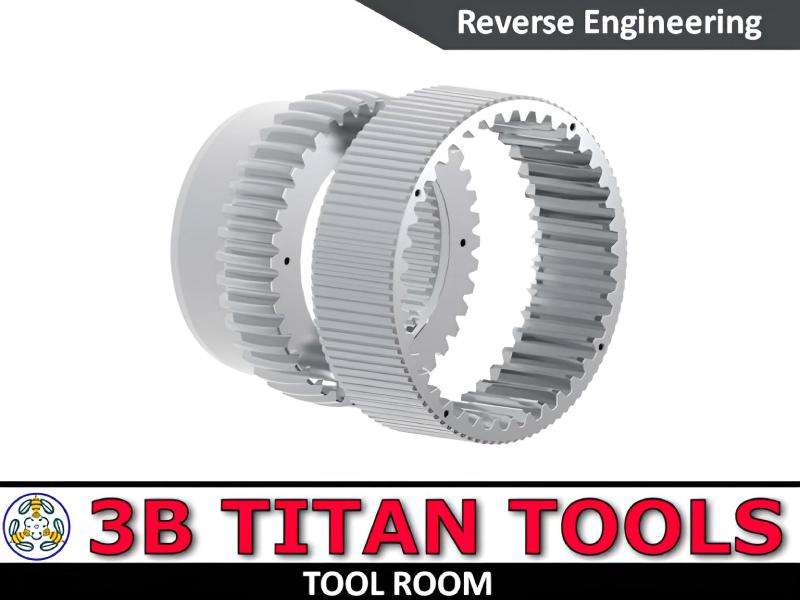

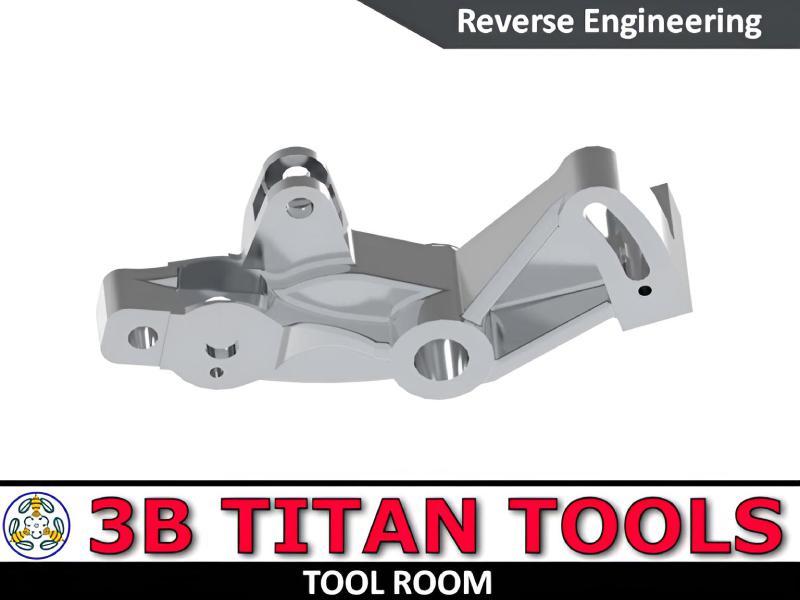

 India
Frequently Asked Questions
What are Reverse Engineering Services?
Reverse Engineering Services involve the process of analyzing a product to understand its design, functionality, and operation. This technique is often used to recreate or improve existing products, allowing businesses to enhance their offerings or troubleshoot issues.
What are the different types of Reverse Engineering Services?
There are several types of Reverse Engineering Services, including 3D scanning, CAD modeling, prototyping, and software reverse engineering. Each type serves different purposes, such as creating digital models from physical objects or analyzing software code for improvements.
How do I choose the right Reverse Engineering Services?
To select the right Reverse Engineering Services, consider factors such as the provider's expertise, technology used, and past project experience. Additionally, reviewing client testimonials and requesting samples of previous work can help assess their capabilities.
What are the standard specifications for Reverse Engineering Services?
Standard specifications for Reverse Engineering Services typically include accuracy requirements, data formats, and turnaround times. It is essential to communicate specific needs and expectations to ensure that the services align with your project's goals.
What is the price range for Reverse Engineering Services?
The price range for Reverse Engineering Services can vary widely based on the complexity of the project, the technology used, and the service provider's expertise. Generally, costs can start from a few thousand rupees to several lakhs, depending on the specifications.
What quality standards apply to Reverse Engineering Services?
Quality standards for Reverse Engineering Services often include ISO certifications, adherence to specific industry regulations, and the use of precise measurement tools. Ensuring that the service provider follows these standards is crucial for maintaining the integrity of the project.
Where can I find Reverse Engineering Services suppliers in India?
You can find Reverse Engineering Services suppliers in India through online B2B marketplaces, industry directories, and networking events. Platforms like Pepagora.com can help connect you with reputable manufacturers and service providers in this field.
Can Reverse Engineering Services be customized?
Yes, Reverse Engineering Services can often be customized to meet specific project requirements. Service providers typically offer tailored solutions based on the client's needs, ensuring that the final deliverables align with the intended application.
What is the typical minimum order quantity for Reverse Engineering Services?
The typical minimum order quantity (MOQ) for Reverse Engineering Services can vary by provider and project scope. Some suppliers may accept small projects, while others might have a higher MOQ based on their operational capabilities.
What is the typical lead time for Reverse Engineering Services?
The typical lead time for Reverse Engineering Services depends on the complexity of the project and the service provider's workload. Generally, lead times can range from a few days to several weeks, so it is advisable to discuss timelines upfront with the supplier.
Why Businesses Trust Pepagora
Thousands of companies trust Pepagora to source smarter and sell faster
Expand Your Sales Globally

Source Smarter,Grow Faster
