What are Retail Kiosk Fit-Outs?
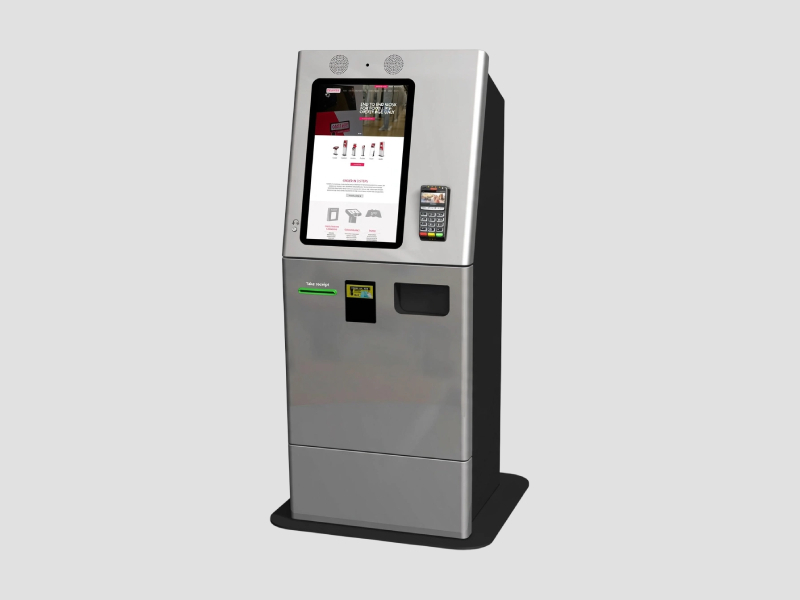
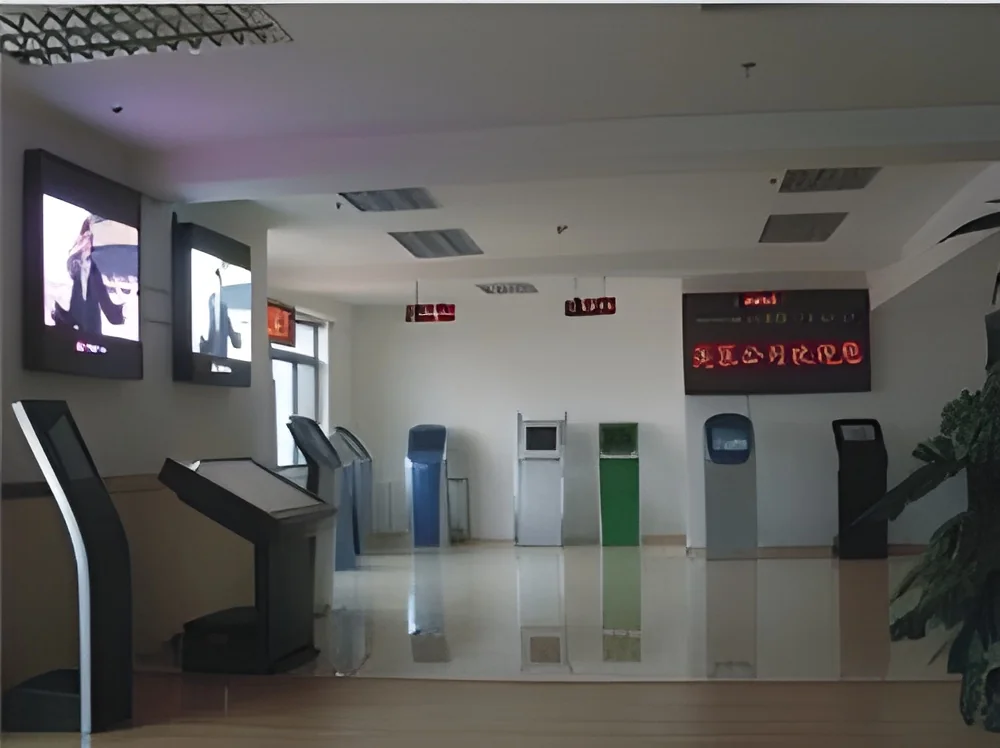
Retail kiosk fit-outs are specialized installations that provide a dedicated space for businesses to showcase products or services in high-traffic areas. These kiosks are designed to be functional and visually appealing, allowing retailers to engage customers effectively. They can be customized to meet specific brand requirements and to fit within various retail environments, from shopping malls to airports.
The primary uses of retail kiosk fit-outs include product displays, information points, and sales transactions. Businesses in sectors such as food and beverage, electronics, fashion, and services often utilize these kiosks to enhance customer interaction and drive sales. By strategically placing kiosks in convenient locations, companies can increase visibility and accessibility while creating a unique shopping experience.
In the current market context, retail kiosk fit-outs are increasingly relevant as businesses seek innovative ways to adapt to changing consumer behaviors. With the rise of e-commerce, brick-and-mortar retailers are turning to kiosks to provide quick access to products and services. This trend highlights the importance of having versatile and well-designed retail kiosks that can cater to evolving consumer needs.
Key Features and Specifications
Retail kiosk fit-outs come with a variety of essential features and specifications that enhance their usability and effectiveness. These specifications ensure that the kiosks meet the operational demands of different businesses.
Key specifications include:
1. Size and Dimensions
- Kiosks can be customized in size to fit specific locations.
- Typical dimensions range from compact units to larger setups suitable for extensive displays.
2. Materials and Build Quality
- Kiosks are usually made from durable materials such as metal, wood, or acrylic.
- High-quality finishes ensure longevity and aesthetic appeal.
3. Power and Connectivity
- Options for electrical outlets and network connections are commonly included.
- Some kiosks may offer wireless charging and internet connectivity.
4. Display and Branding Options
- Kiosks can feature digital screens or printed graphics for branding.
- Customizable designs allow for unique branding opportunities.
5. Security Features
- Lockable compartments for secure storage of products and cash.
- Options for surveillance cameras and alarm systems.
6. Mobility and Setup
- Many kiosks are designed to be portable for easy relocation.
- Quick assembly and disassembly features facilitate setup and storage.
7. Compliance with Health and Safety Standards
- Kiosks may include features that comply with health regulations, especially in food service settings.
- Safety certifications ensure they meet industry standards.
8. Payment Processing Capabilities
- Integration with various payment systems including contactless payments.
- Options for cash handling and transaction processing.
These specifications collectively contribute to the functionality and effectiveness of retail kiosk fit-outs, making them essential for modern retail environments.
Common Applications and Use Cases
Retail kiosk fit-outs have versatile applications across various industries, providing businesses with an effective platform for customer engagement.
1. Food and Beverage: Kiosks in this sector often serve as quick-service points for snacks, beverages, and meals, enhancing customer convenience and speeding up service.
2. Electronics: Technology retailers utilize kiosks for showcasing gadgets and accessories, allowing customers to interact with products before making purchases.
3. Fashion and Apparel: Clothing brands employ kiosks for displaying new collections or promotional items, creating an engaging shopping experience for customers on the go.
4. Travel and Tourism: Kiosks in airports and train stations provide travelers with information, ticketing services, and travel-related products.
5. Healthcare: Medical facilities use kiosks for patient check-in, information dissemination, and providing health-related products.
6. Event Management: Kiosks at events can serve multiple functions, such as ticket sales, information points, and merchandise sales.
7. Retail Services: Service-oriented businesses use kiosks for booking appointments, providing information, and processing transactions.
Product Variants and Subcategories
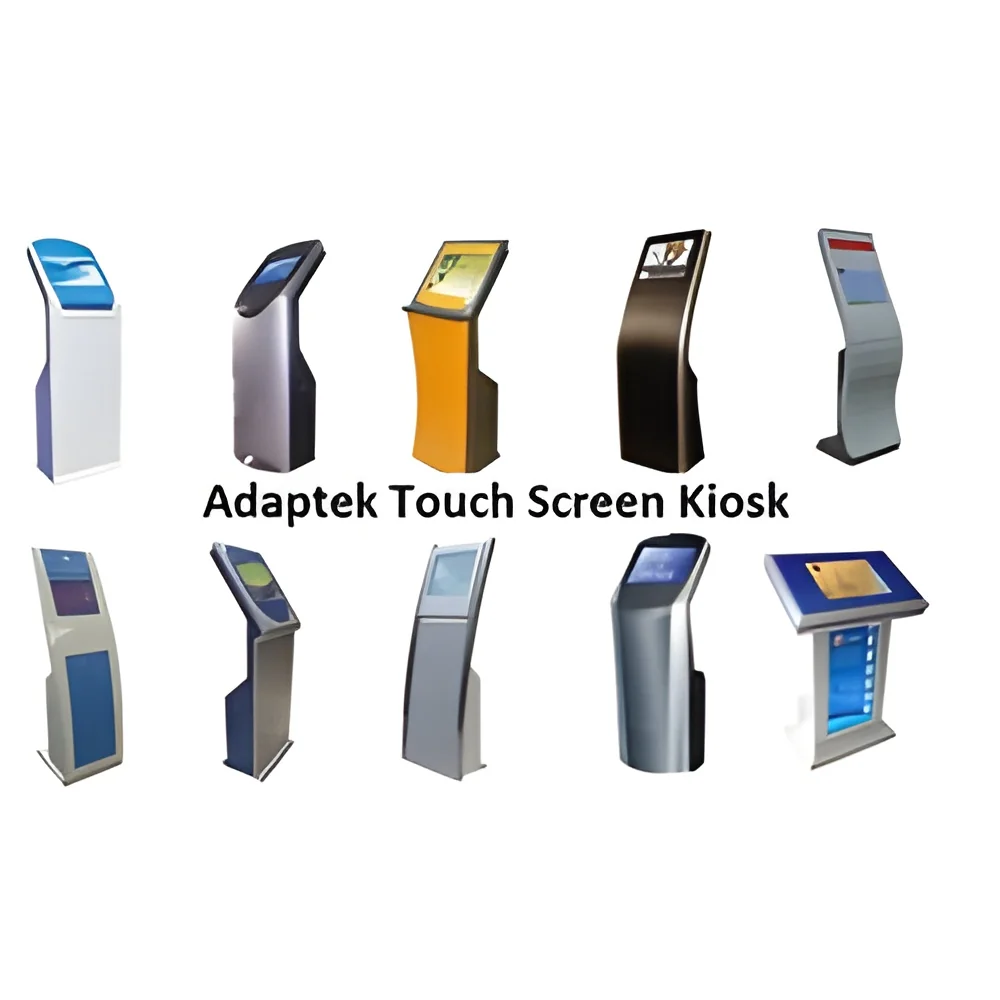
Retail kiosk fit-outs are available in various forms, catering to different business needs and environments.
Interactive Kiosks
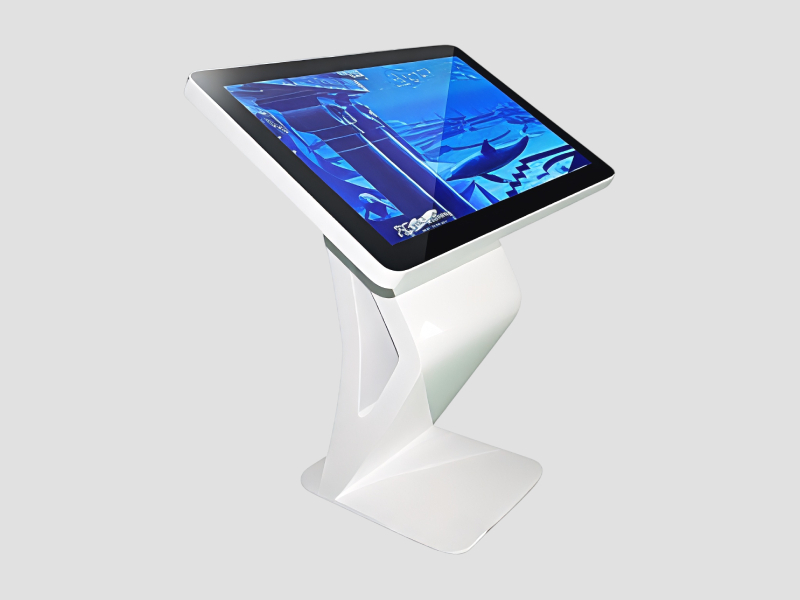
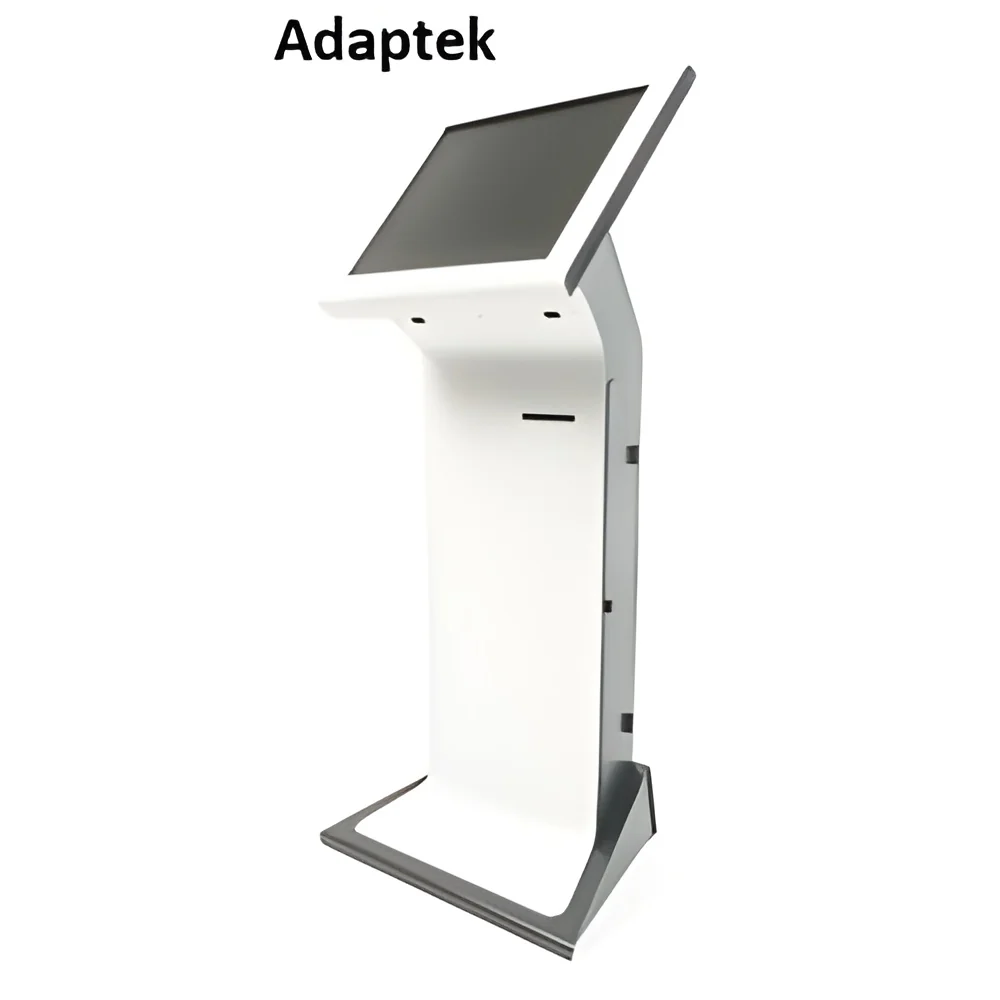
These kiosks often feature touch screens and interactive elements, allowing users to browse products or services, complete transactions, and access information at their convenience.
Point of Sale Kiosks
Designed primarily for transactions, these kiosks include payment processing systems and can be integrated with inventory management solutions, streamlining the sales process for retailers.
Promotional Kiosks
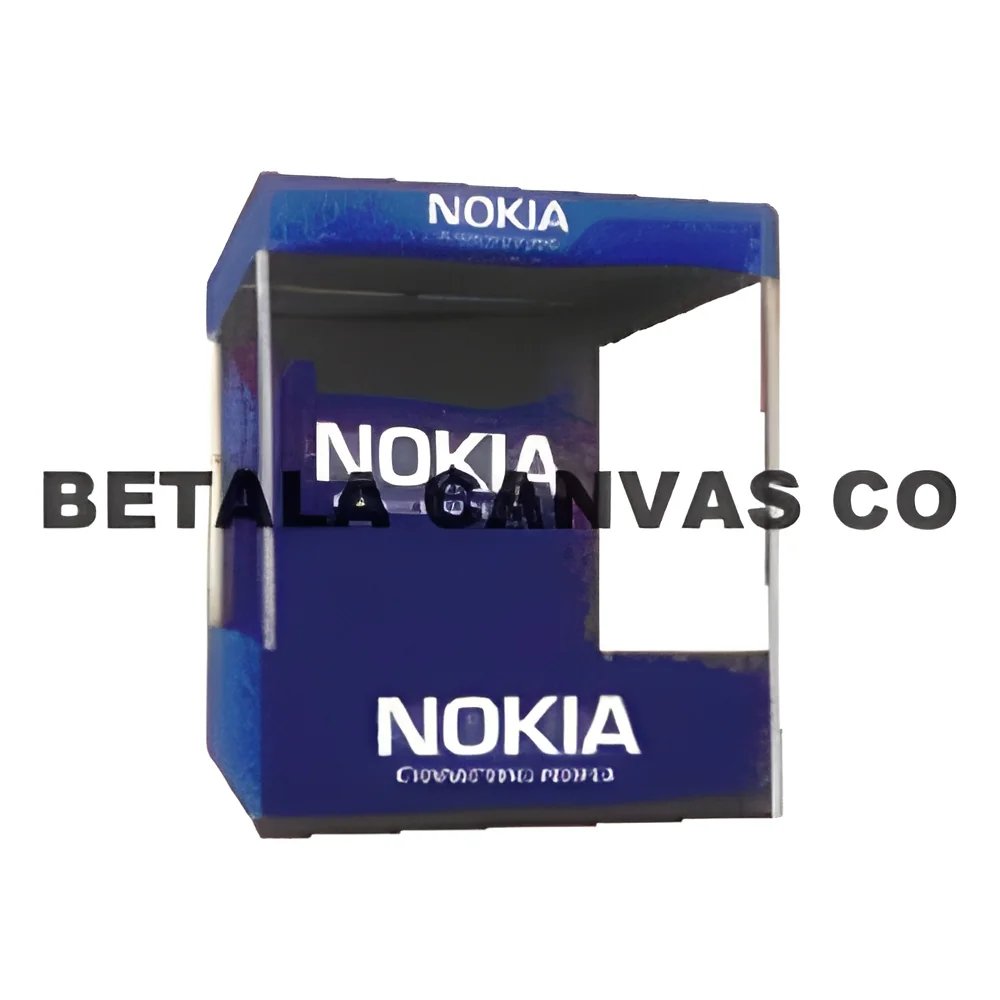
These are tailored for marketing campaigns, showcasing special offers or new products with eye-catching designs and promotional materials to attract customer attention.
Self-Service Kiosks
Common in sectors like food and retail, these kiosks allow customers to place orders or make purchases independently, improving efficiency and reducing wait times.
Digital Signage Kiosks
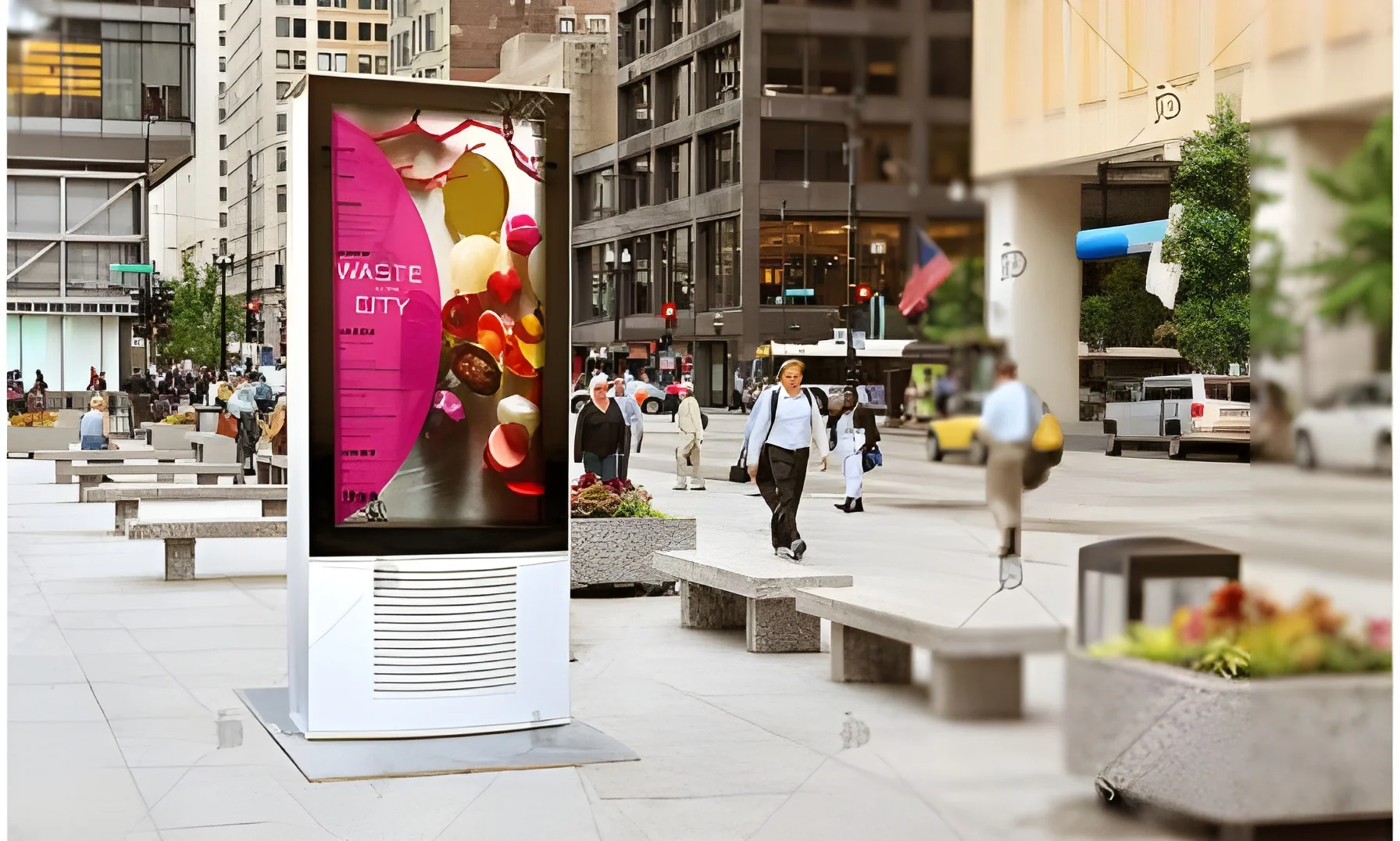
These kiosks are equipped with screens for displaying advertisements, information, or entertainment, effectively capturing customer attention in busy environments.
Benefits and Advantages
Retail kiosk fit-outs offer numerous advantages to businesses looking to improve customer interaction and sales efficiency.
Key benefits include:
1. Enhanced Customer Engagement: Kiosks provide an interactive experience, allowing customers to browse and learn about products at their own pace.
2. Increased Sales Opportunities: By placing kiosks in high-traffic areas, businesses can maximize visibility and potentially increase sales volumes.
3. Cost-Effective Solutions: Kiosks require less overhead compared to traditional retail setups, reducing the overall cost of operation.
4. Flexibility and Adaptability: Retail kiosks can be easily relocated or customized to fit different promotional needs or seasonal changes.
5. Streamlined Operations: With self-service options, kiosks can reduce the need for staff, allowing businesses to allocate resources more effectively.
6. Data Collection and Insight: Many kiosks can track customer interactions, providing valuable data for businesses to understand consumer preferences and improve offerings.
Buying Guide for B2B Buyers
When sourcing retail kiosk fit-outs, several factors should be considered to ensure the right choice for your business needs.
1. Quality Assessment: Evaluate the materials and construction quality of the kiosks. Look for durability and design that aligns with your brand.
2. Supplier Verification: Research suppliers to ensure they have a good reputation and provide reliable products. Check for reviews and past projects.
3. Pricing and MOQ: Understand the pricing structure and confirm minimum order quantities (MOQ) to ensure that it aligns with your budget and needs.
4. Delivery and Lead Times: Discuss logistics with suppliers to establish expected delivery timelines. Ensure they can meet your schedule.
5. Compliance Requirements: Verify that the kiosks meet any regulatory standards relevant to your industry, such as health and safety regulations.
Compliance and Certifications
Retail kiosk fit-outs must adhere to various compliance and certification standards to ensure safety and quality.
Relevant quality standards, such as ISO 9001, establish criteria for quality management systems, ensuring that manufacturers maintain high standards in their production processes.
Industry certifications like CE indicate compliance with European safety standards, ensuring that kiosks are safe for consumer use.
Safety and testing requirements may include checks for electrical safety and structural integrity, ensuring kiosks are safe for operation in public spaces.
Regional compliance considerations can vary by location, necessitating businesses to remain informed about local regulations that may apply to kiosk installations.
Why Source Retail Kiosk Fit-Outs from Pepagora?
Pepagora provides a trusted platform for sourcing retail kiosk fit-outs, ensuring that businesses can find quality products and reliable suppliers.
Verified Supplier Network: Pepagora offers a network of verified suppliers, which helps businesses connect with manufacturers who meet industry standards and provide quality products.
Streamlined RFQ Process: The platform features a user-friendly request for quotation (RFQ) process, simplifying the procurement process for businesses and enabling them to receive competitive pricing.
Trade Assurance and Support: Pepagora offers trade assurance services that protect buyers during transactions, providing peace of mind and support throughout the purchasing process.
Regional Coverage: With a strong presence in India, the GCC, and Southeast Asia, Pepagora ensures that businesses can access retail kiosk fit-outs tailored to their specific regional needs and preferences.

 IN
IN

 India
India