
 IN
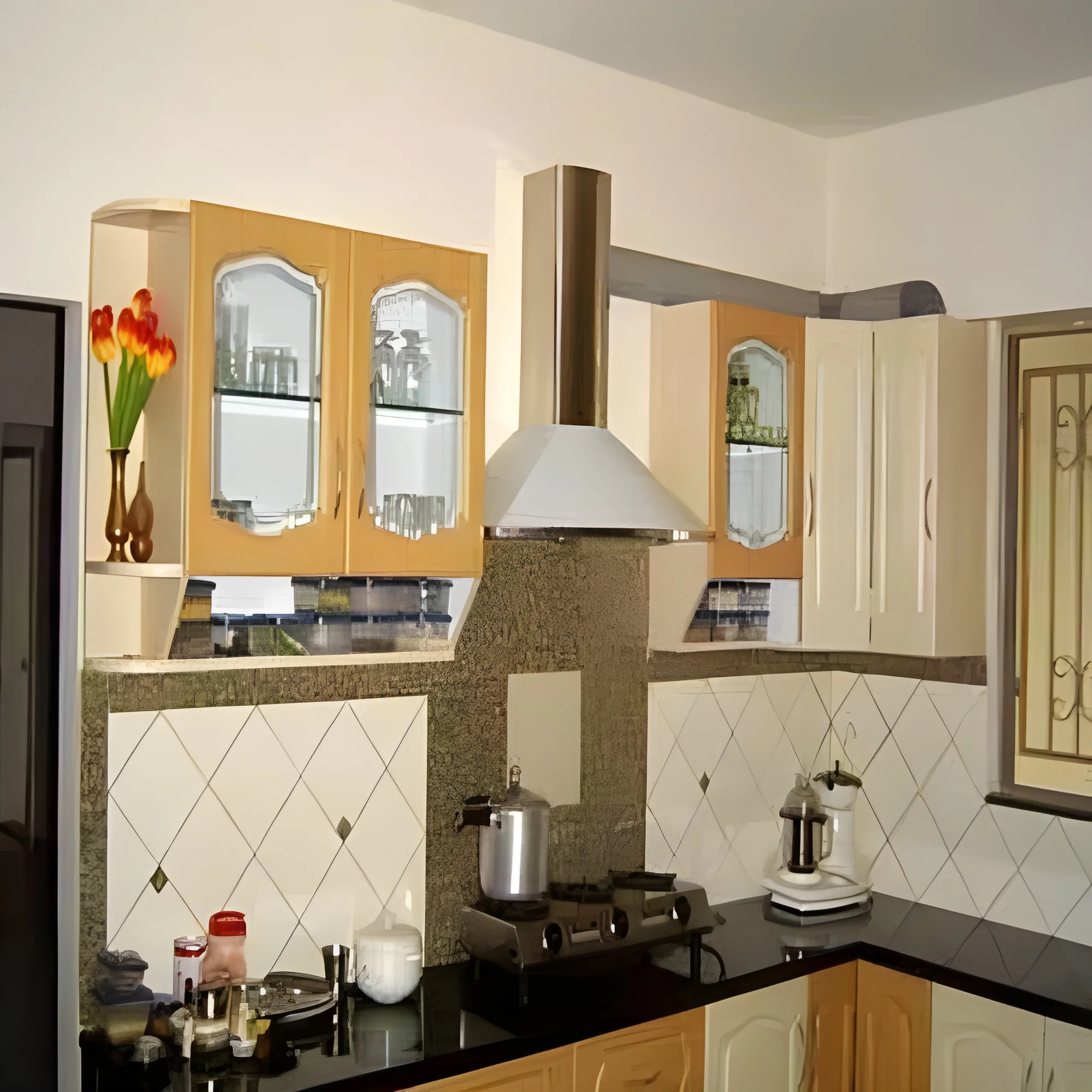
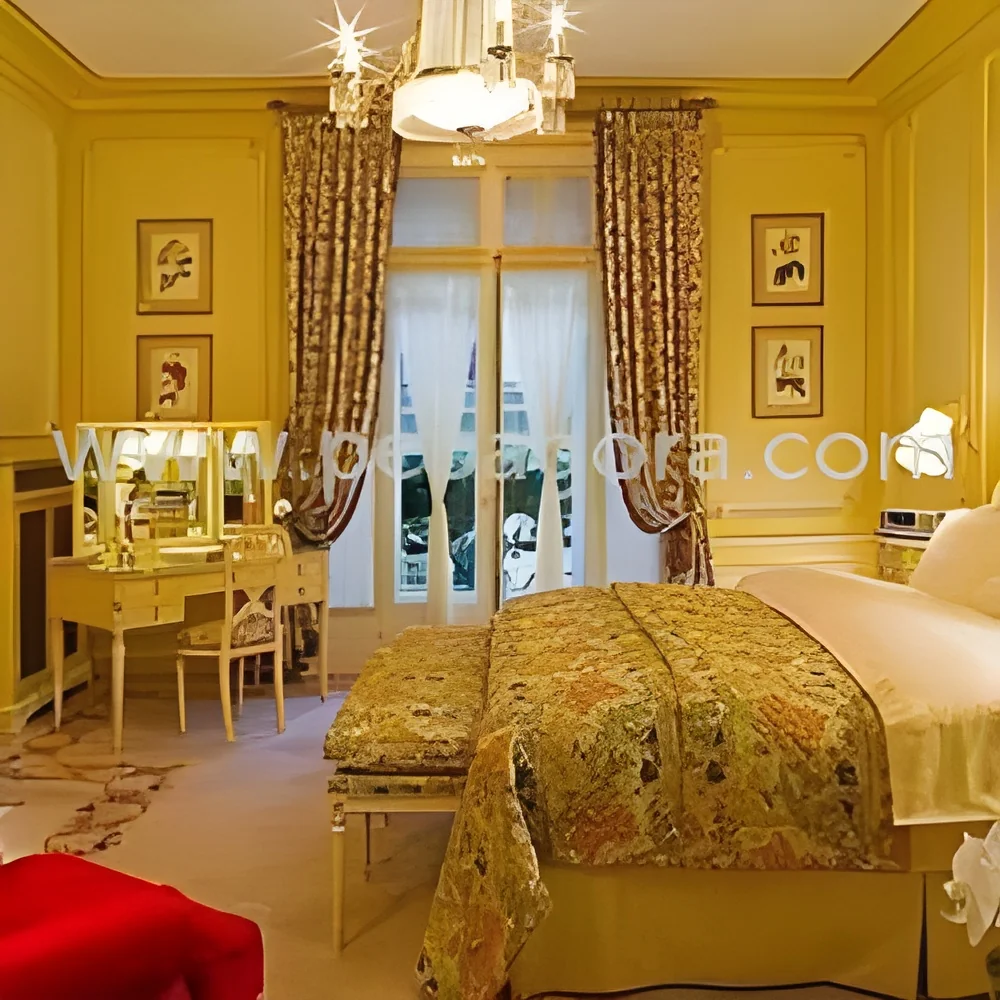
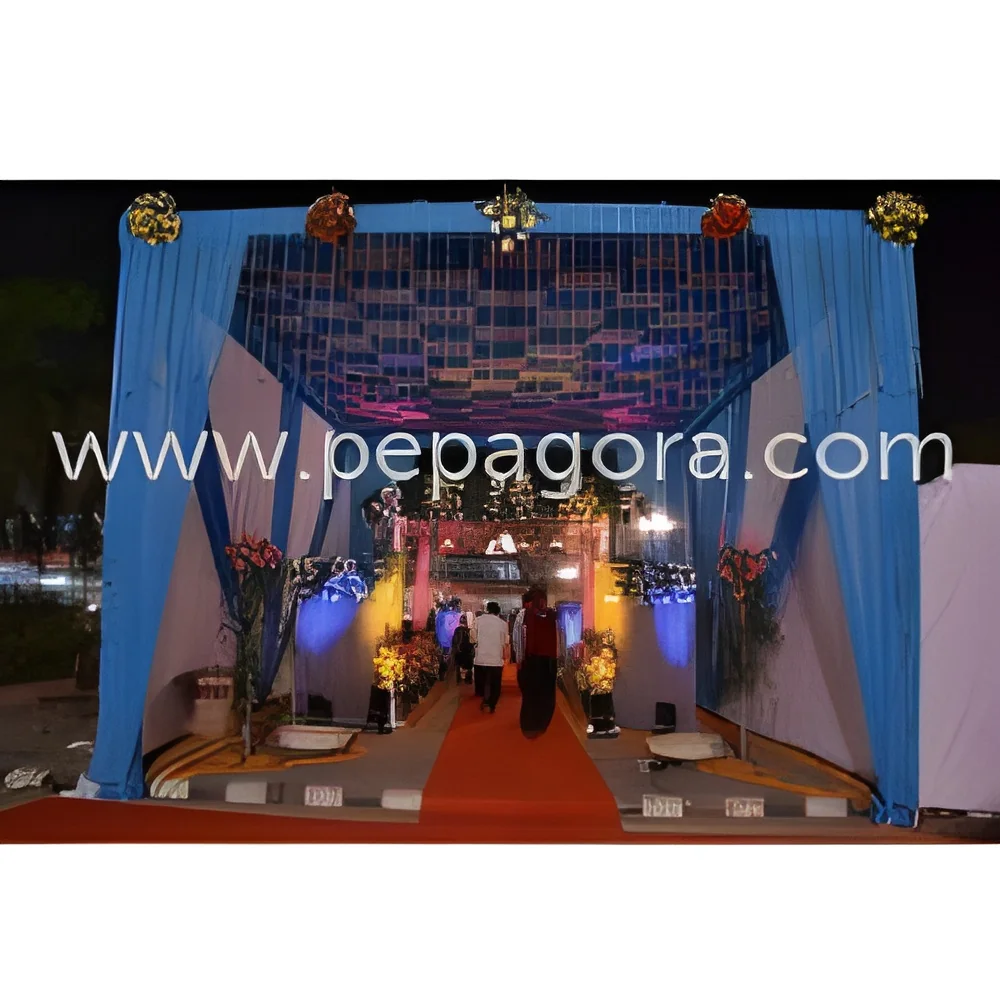
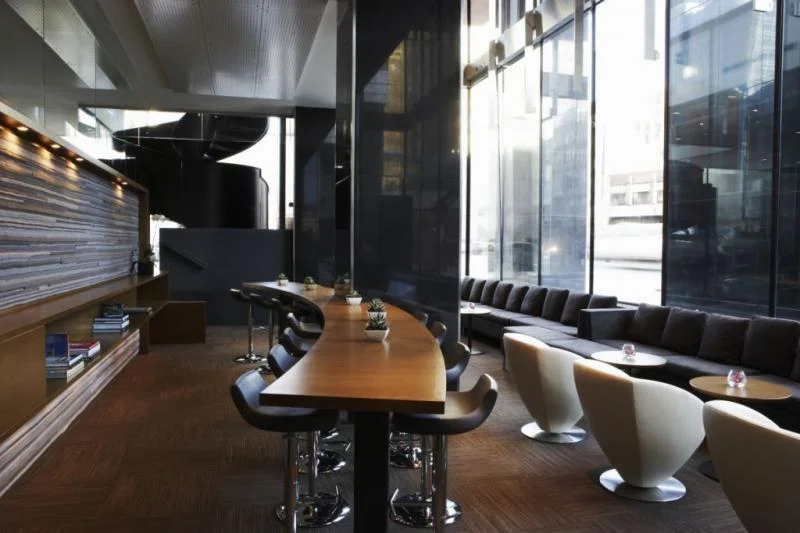
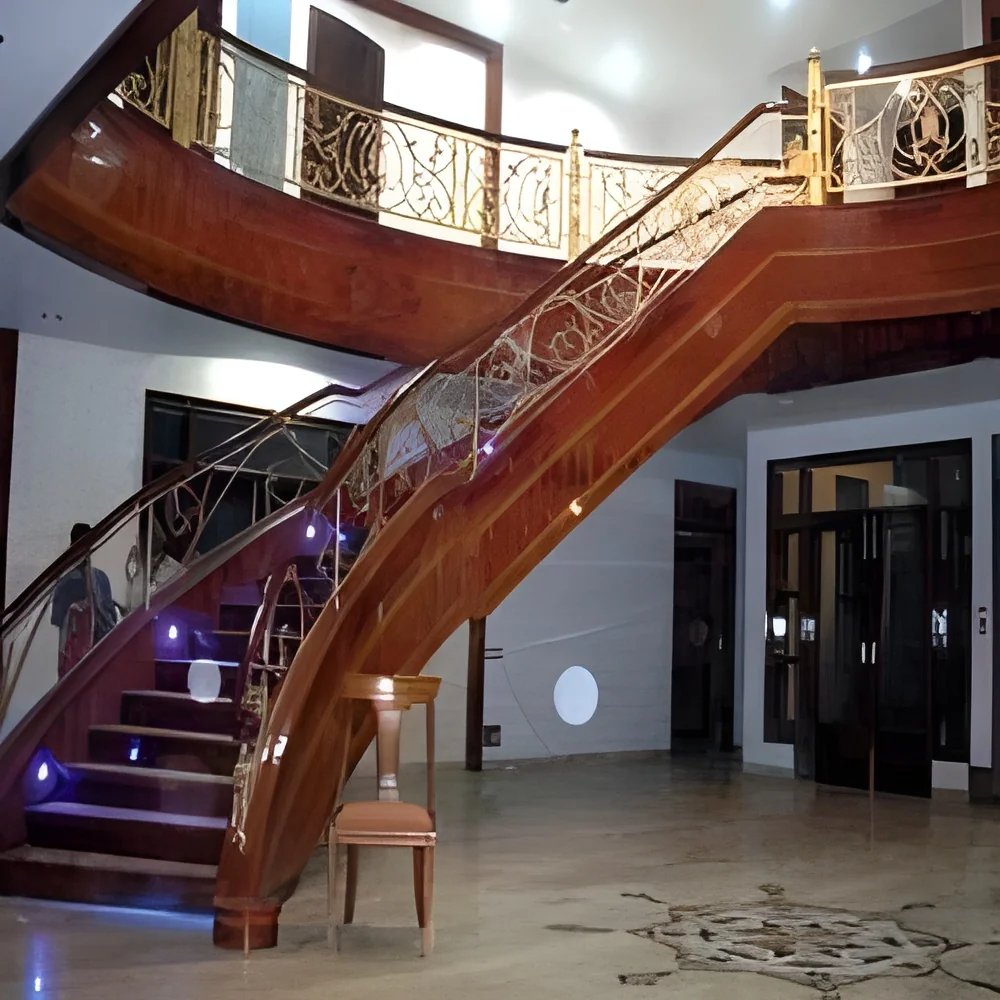
Hospitality Interior Design (Hotels, Restaurants)
61 products available
Key Features and Specifications
The key features and specifications of hospitality interior design play a crucial role in delivering quality and functionality. Designers focus on several essential areas to ensure that the final product meets industry standards and user expectations.
Key specifications include:
1. Space Planning
- Proper allocation of areas for different functions
- Consideration of guest flow and accessibility
2. Material Selection
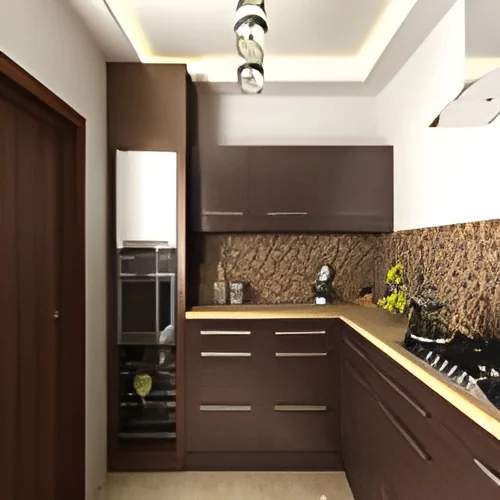
- Use of durable and aesthetically pleasing materials
- Consideration of maintenance requirements and sustainability
3. Lighting Design
- Incorporation of natural and artificial lighting
- Creation of ambiance and enhancing visual appeal
4. Color Palette
- Selection of colors that align with the brand and theme
- Impact on mood and perception of space
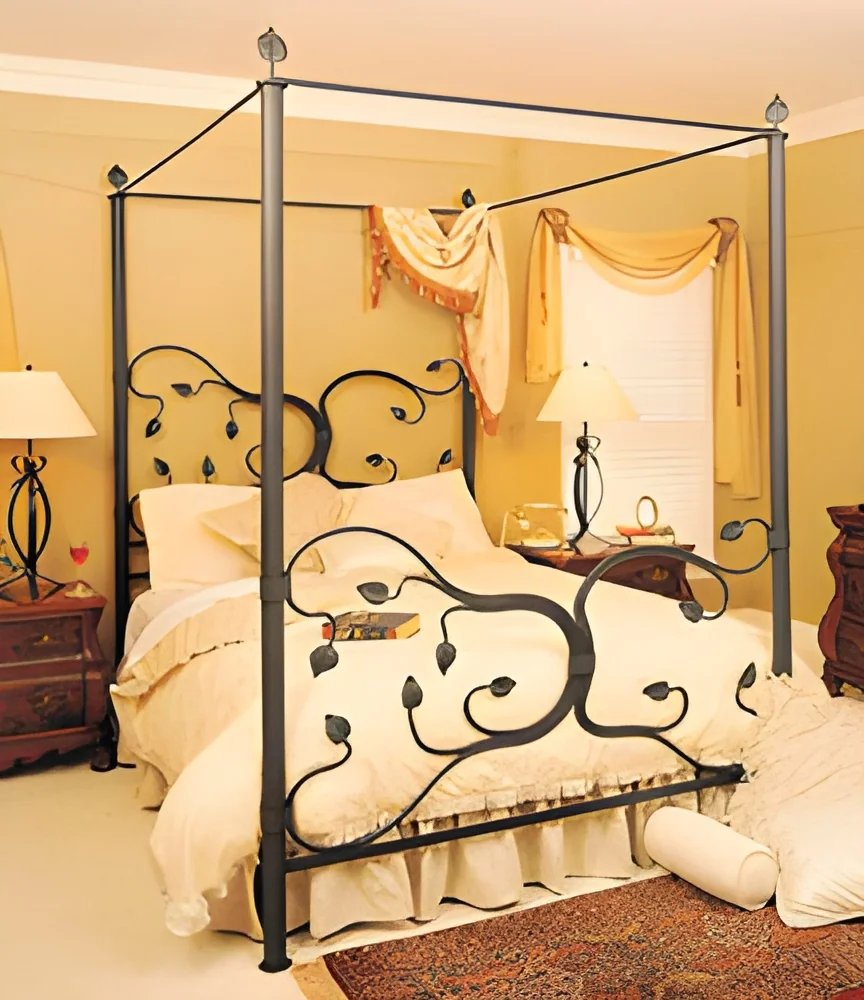
5. Furniture and Fixtures
- Ergonomic and stylish options tailored to the target audience
- Adaptability to various themes and styles
6. Acoustics
- Attention to sound control and comfort
- Use of materials to minimize noise pollution
7. Compliance with Regulations
- Adherence to local building codes and safety standards
- Ensuring accessibility for all guests
8. Customization Options
- Ability to tailor designs to specific client needs
- Flexibility in adapting to changing trends and preferences
In summary, the combination of these features ensures that hospitality interior design is functional, safe, and visually appealing, contributing to the overall guest experience.
Common Applications and Use Cases
Hospitality interior design serves various industries, creating tailored environments that meet unique needs.
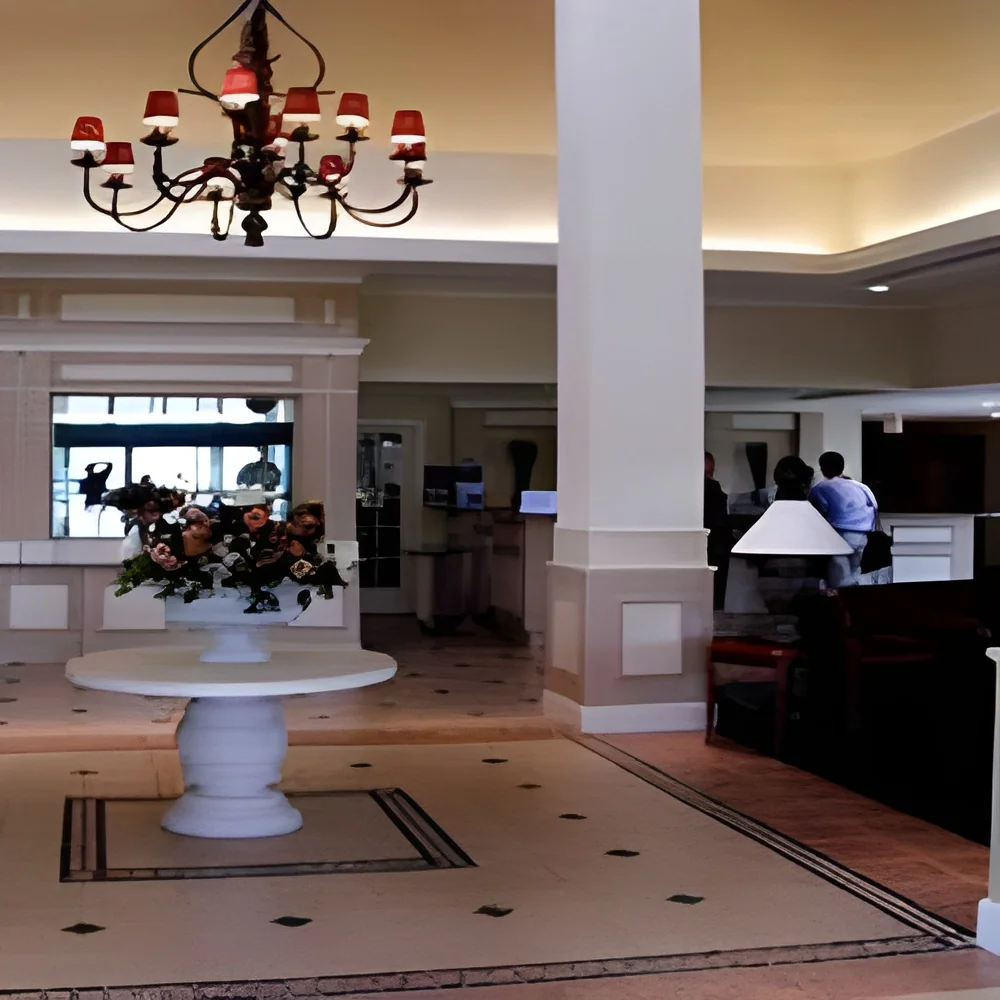
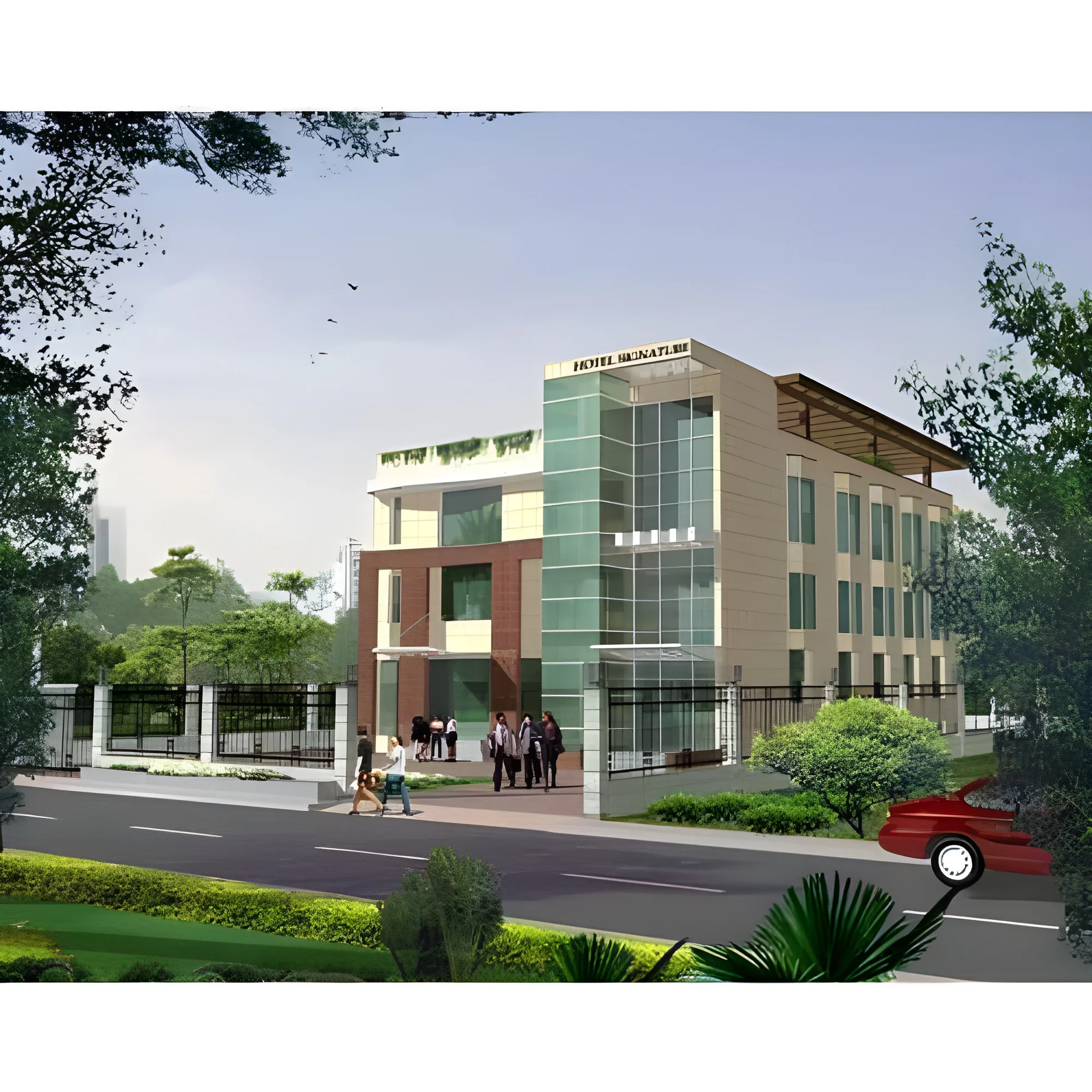
1. Hotels: Designing guest rooms, lobbies, and recreational areas to ensure comfort and enhance guest experiences.
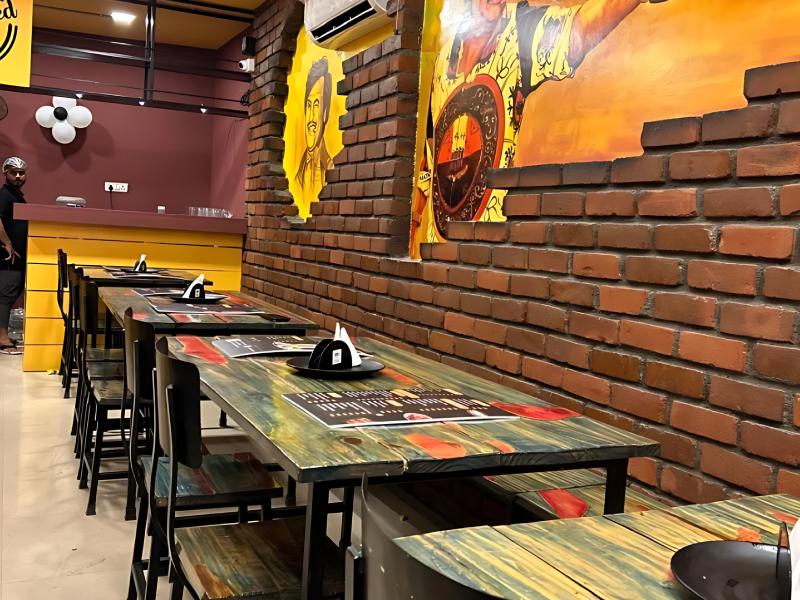
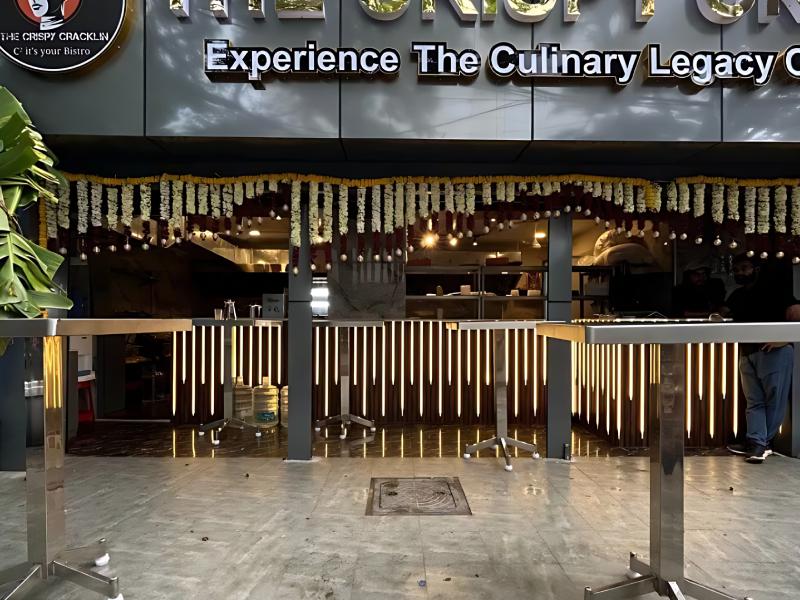
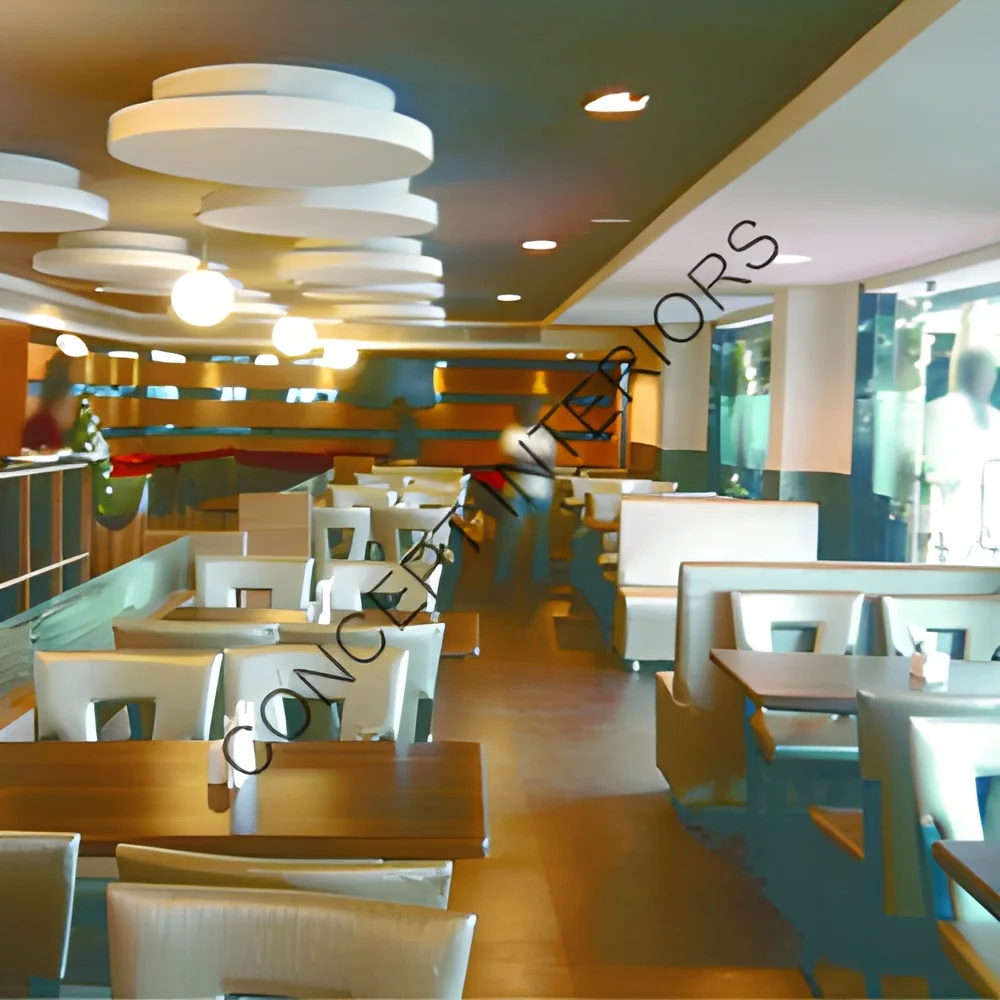
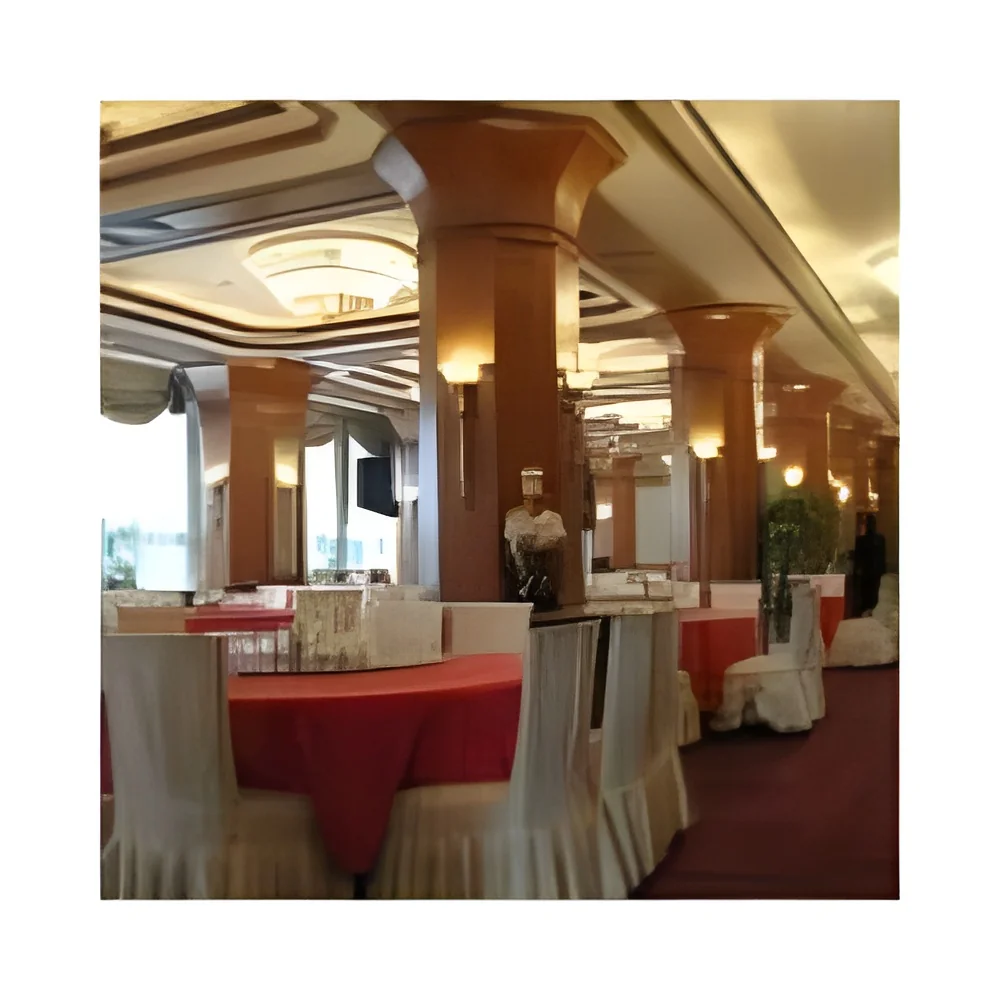
2. Restaurants: Creating inviting dining spaces that reflect the restaurant's theme and encourage customer engagement.
3. Cafes: Developing cozy atmospheres that promote relaxation and social interaction among patrons.
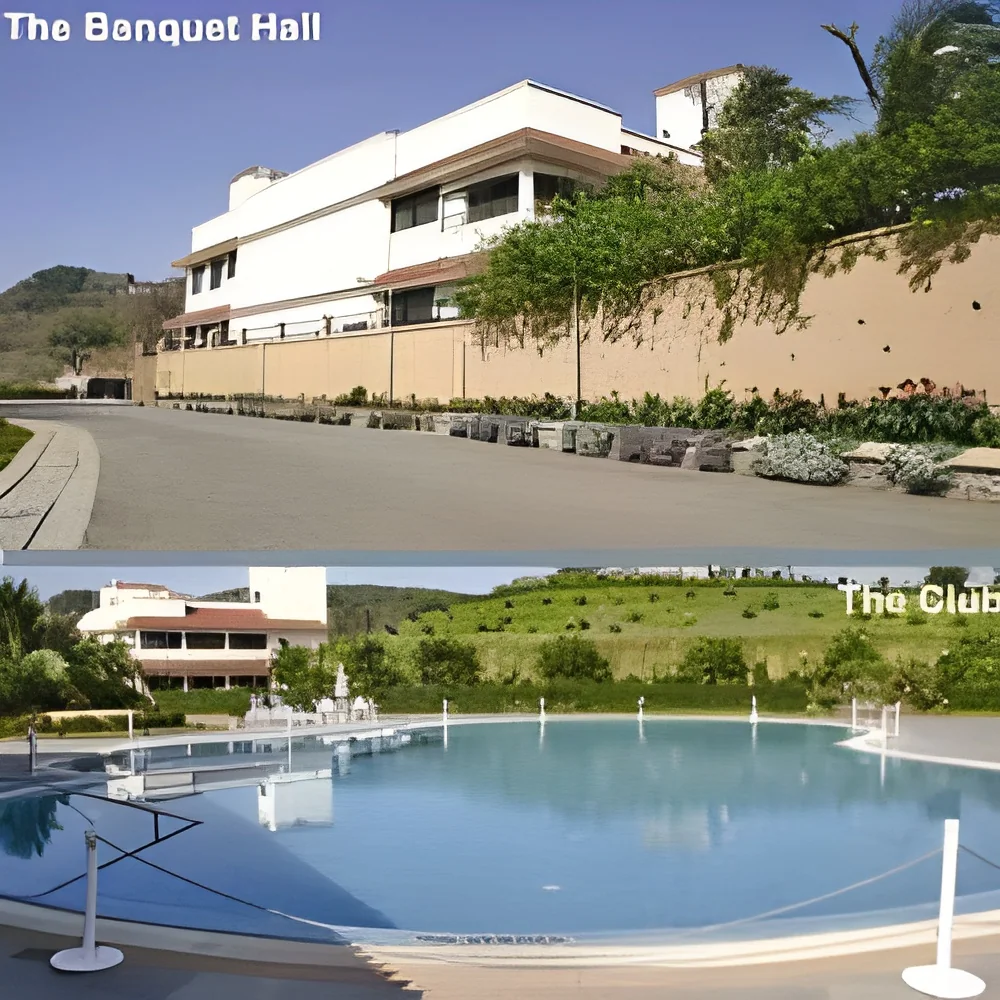
4. Resorts: Designing luxurious and functional spaces for leisure and relaxation, enhancing the overall guest experience.
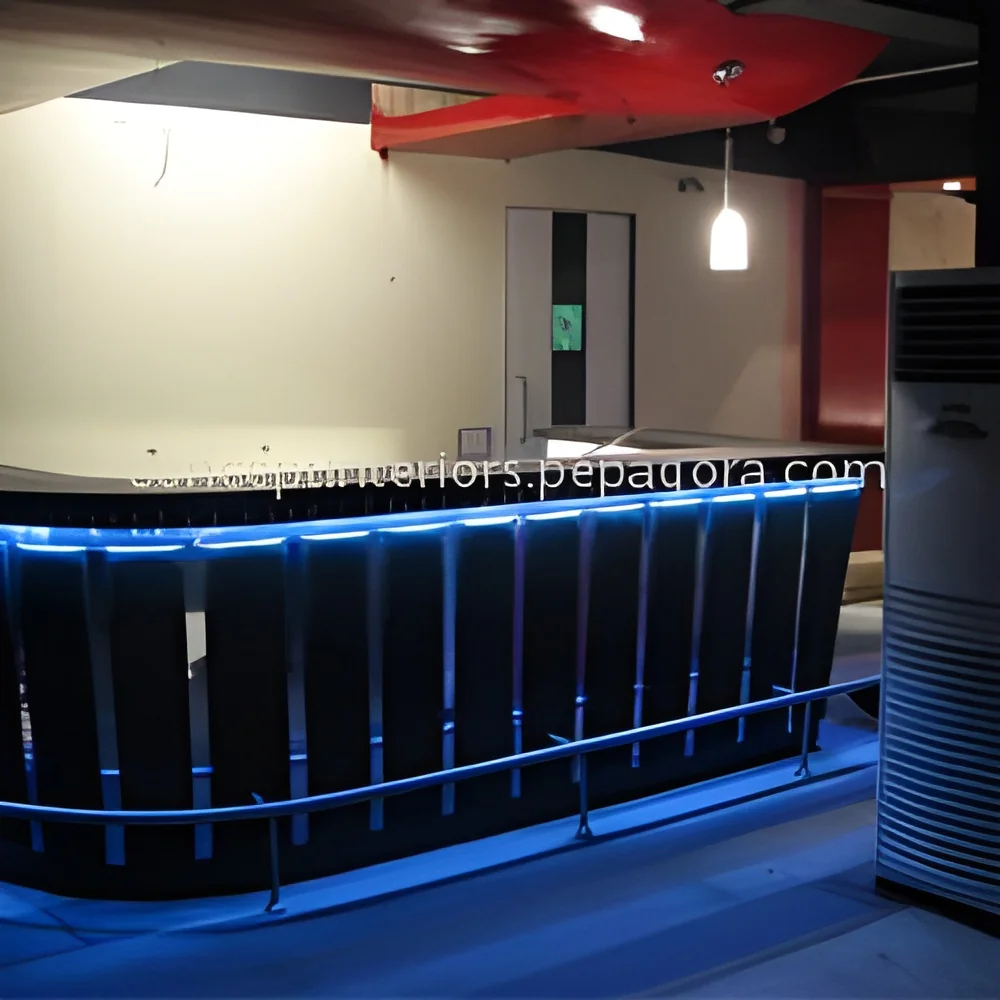
5. Bars and Nightclubs: Creating vibrant and stimulating environments that cater to nightlife and entertainment.
6. Spas: Designing tranquil and soothing spaces that promote wellness and relaxation.
7. Conference Centers: Developing flexible spaces that accommodate various events while maintaining aesthetic appeal.
Product Variants and Subcategories
The diversity of hospitality interior design allows for various product variants that cater to different client needs and business applications.
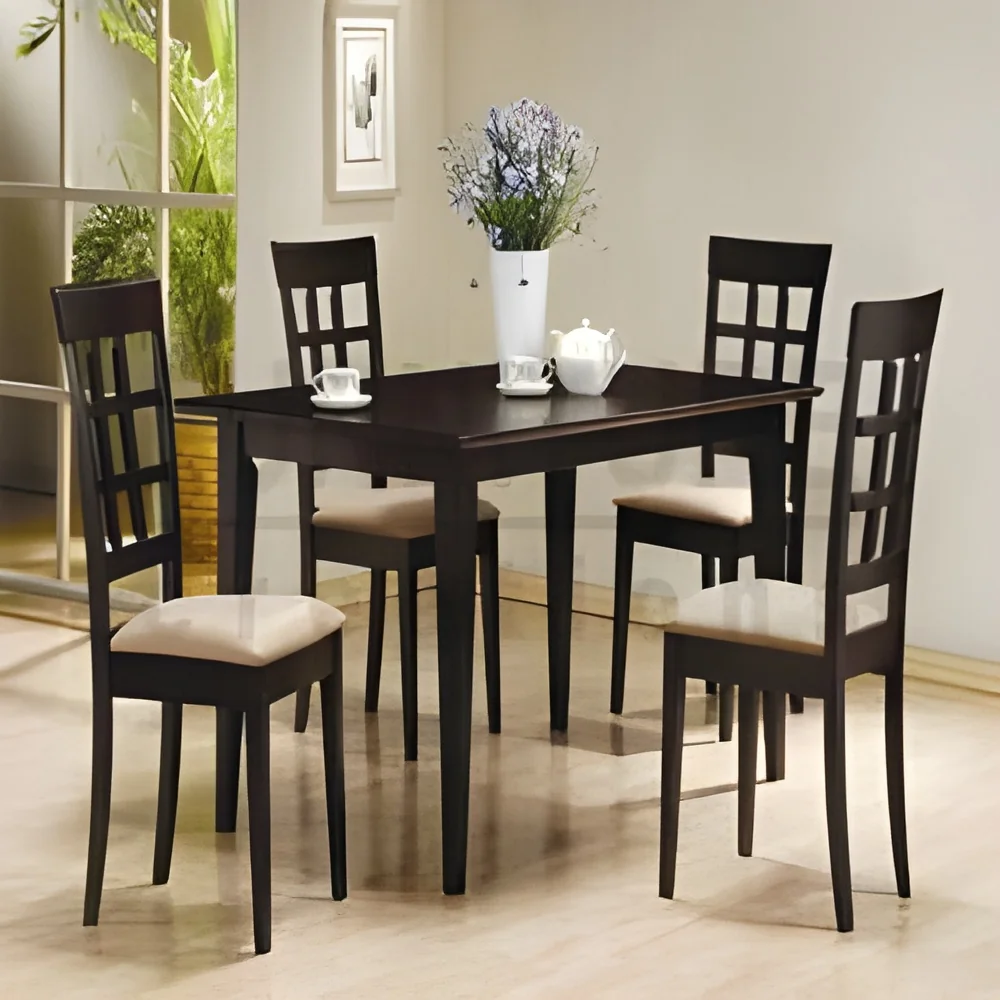
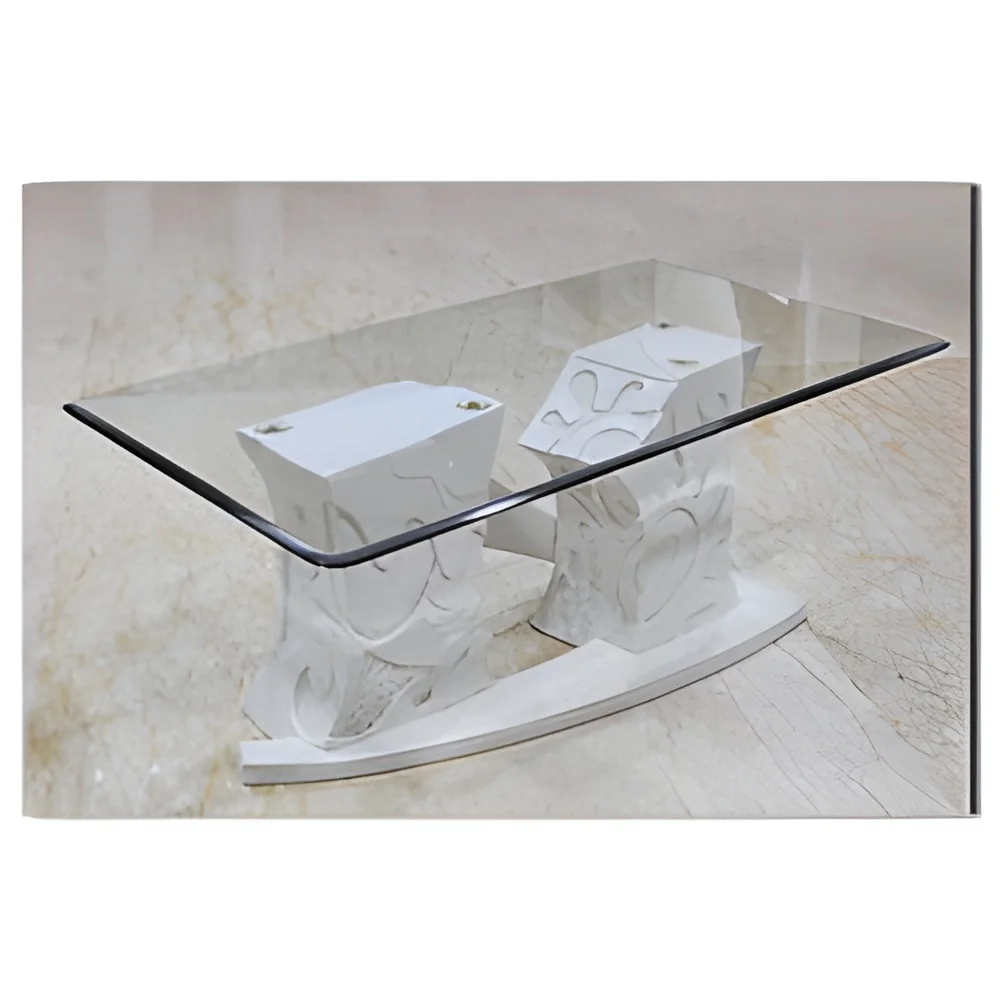
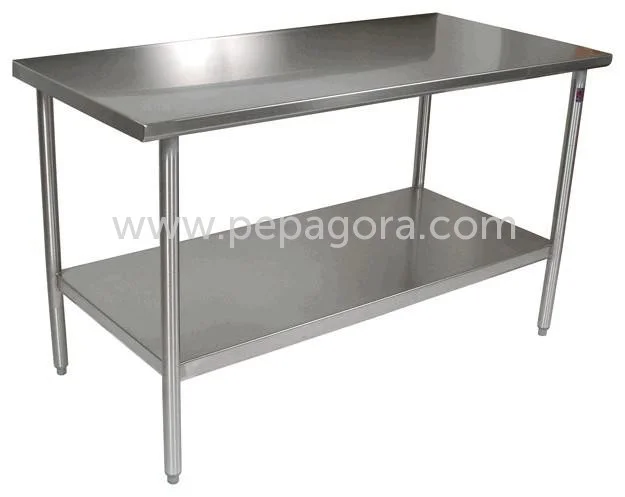
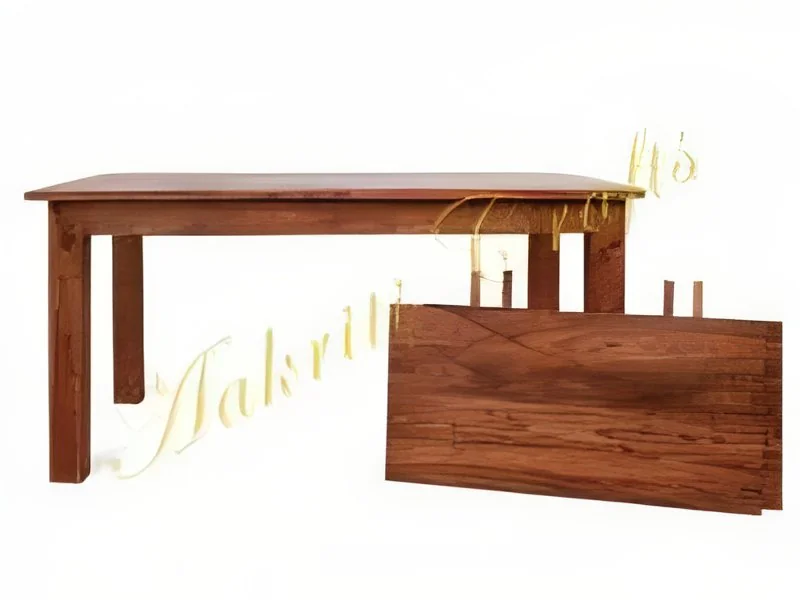
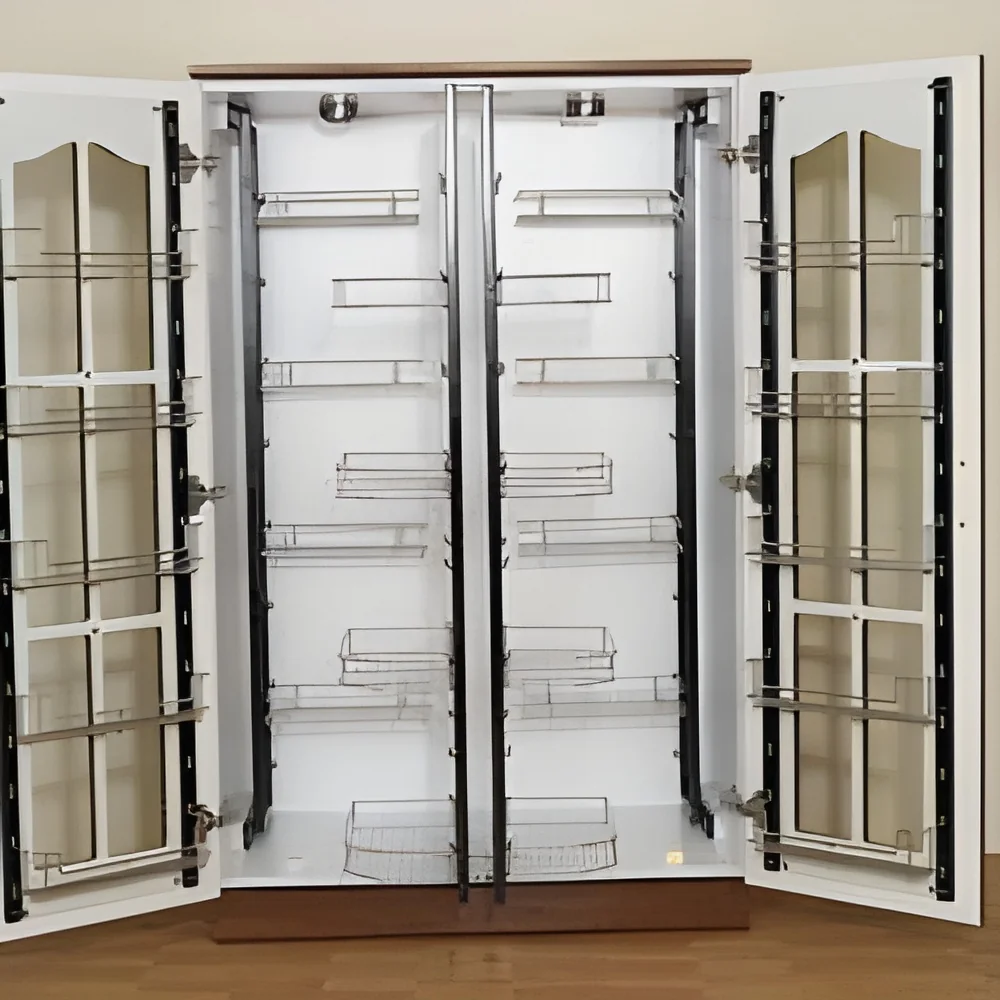
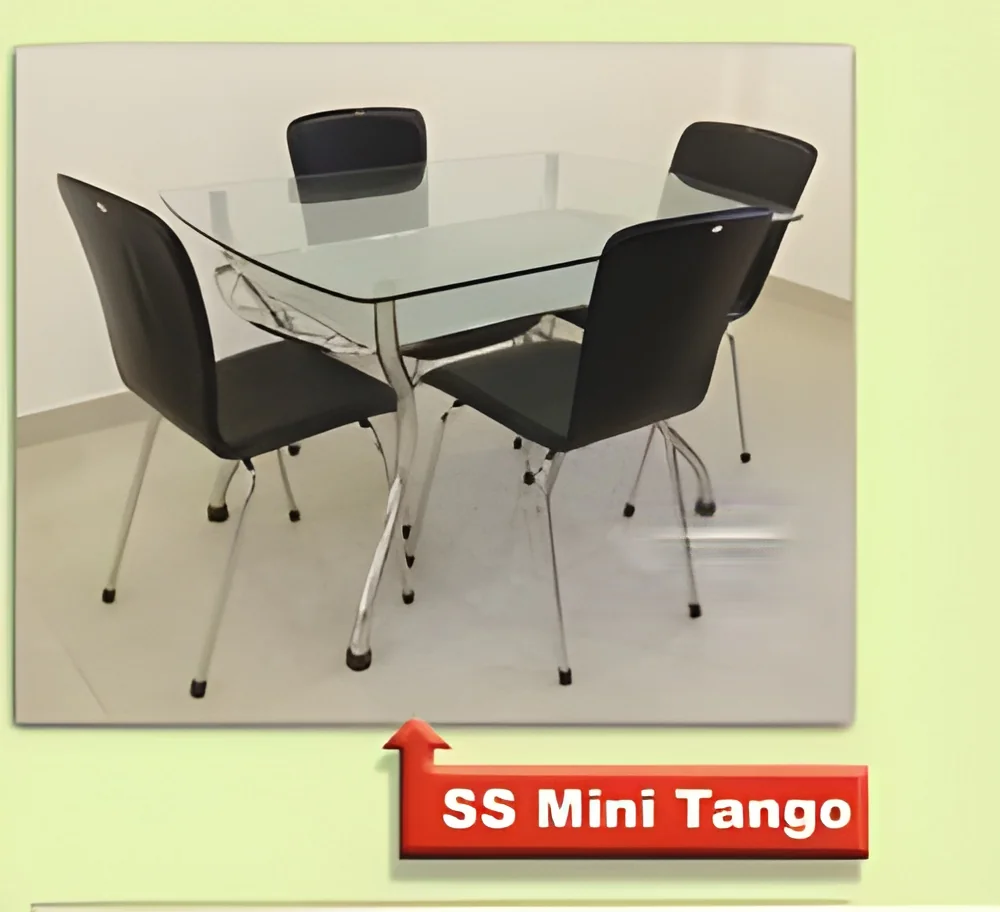
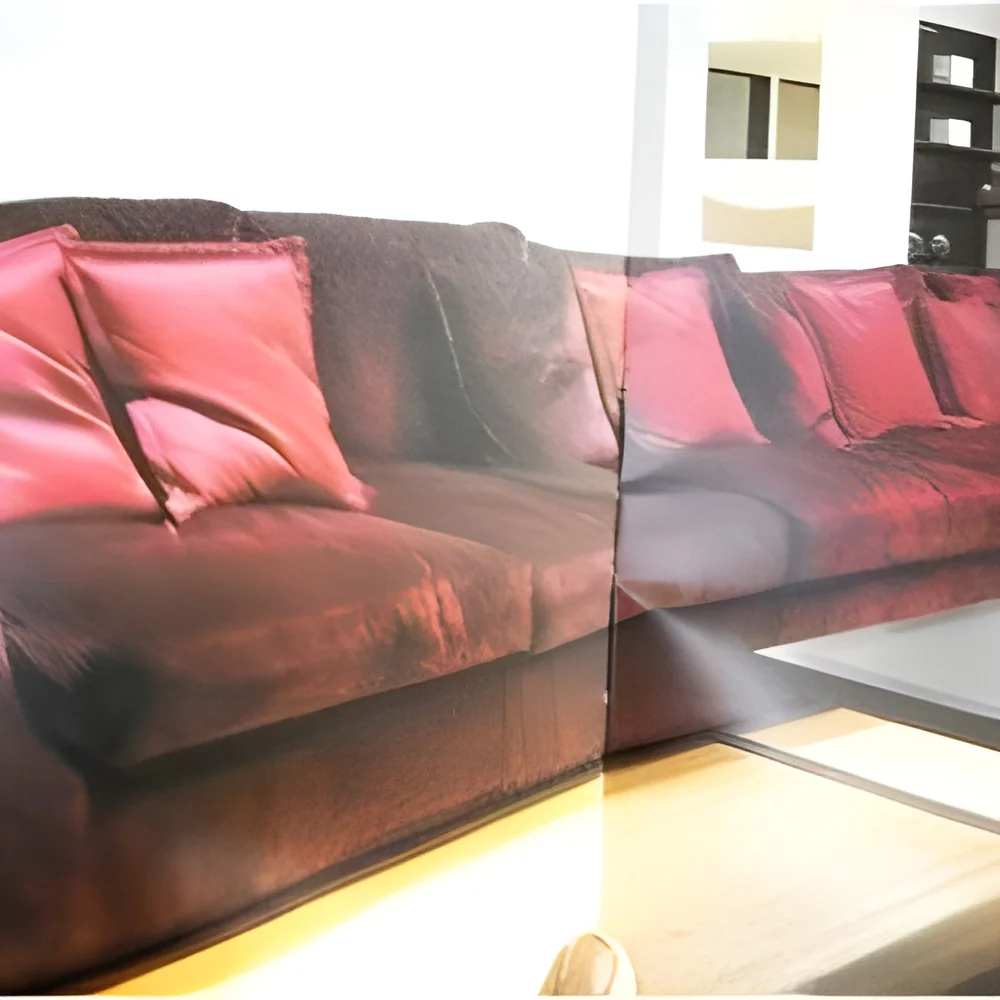
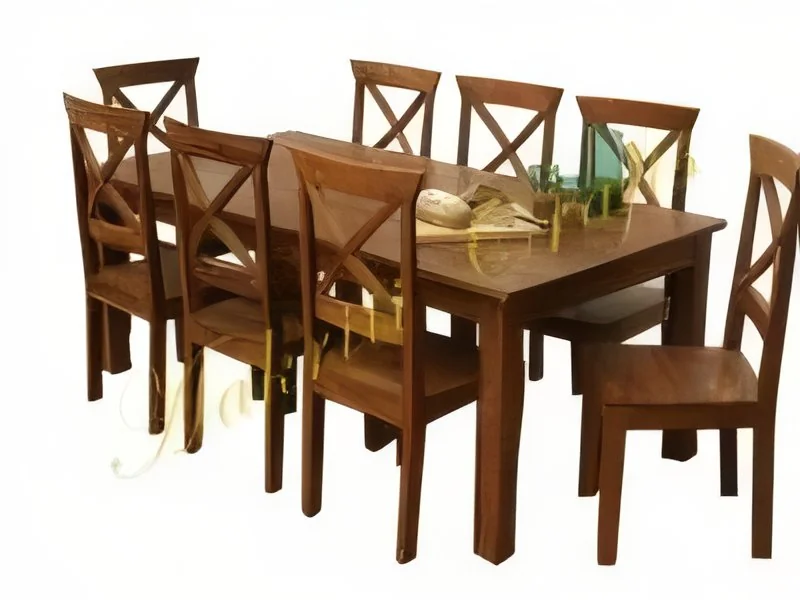
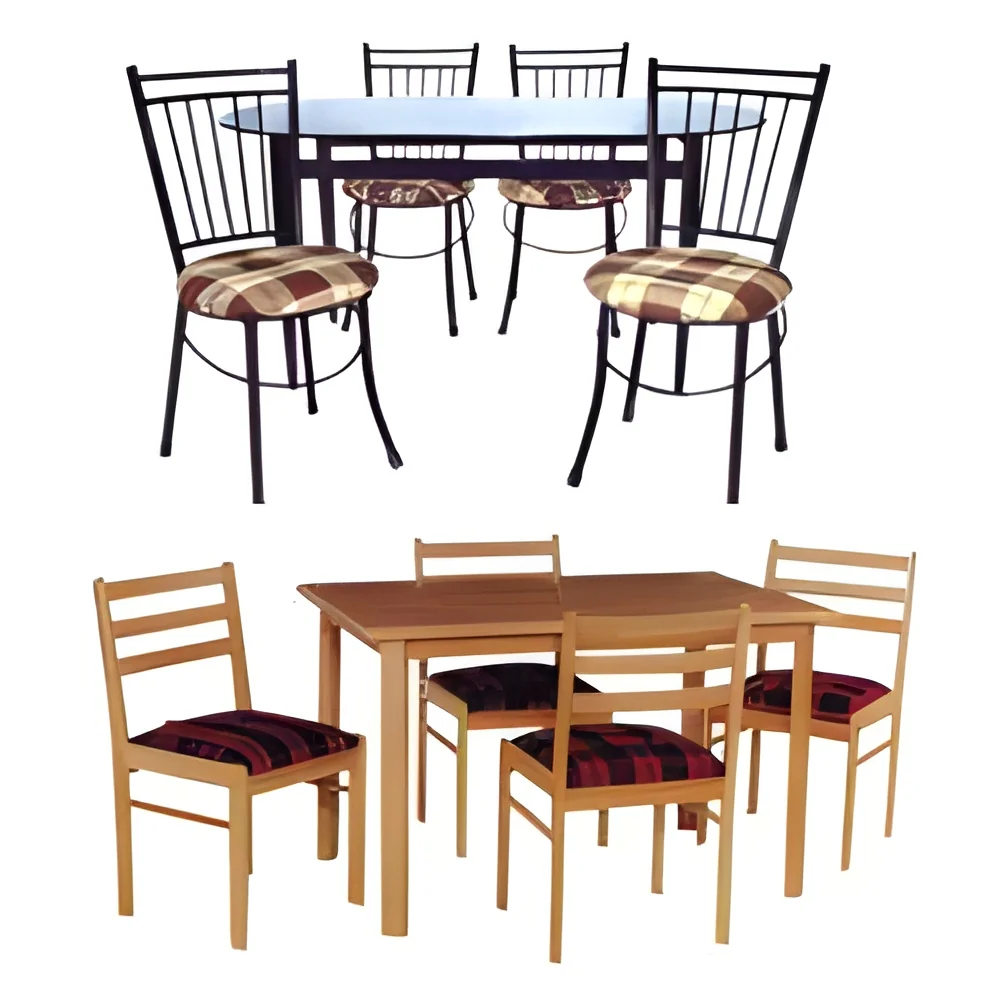
Commercial Furniture
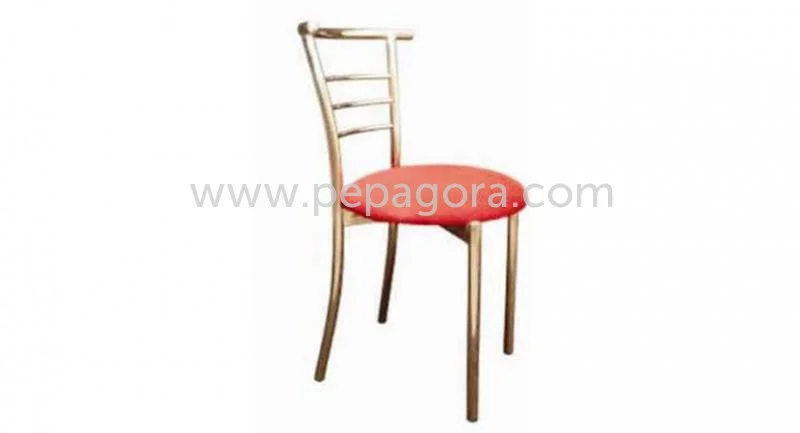
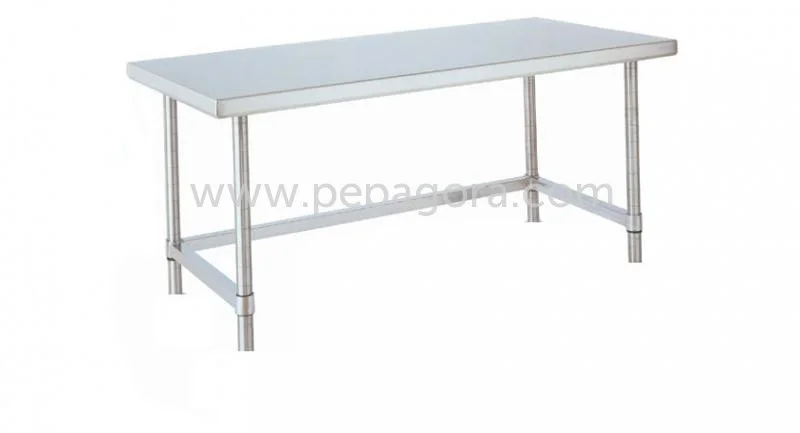
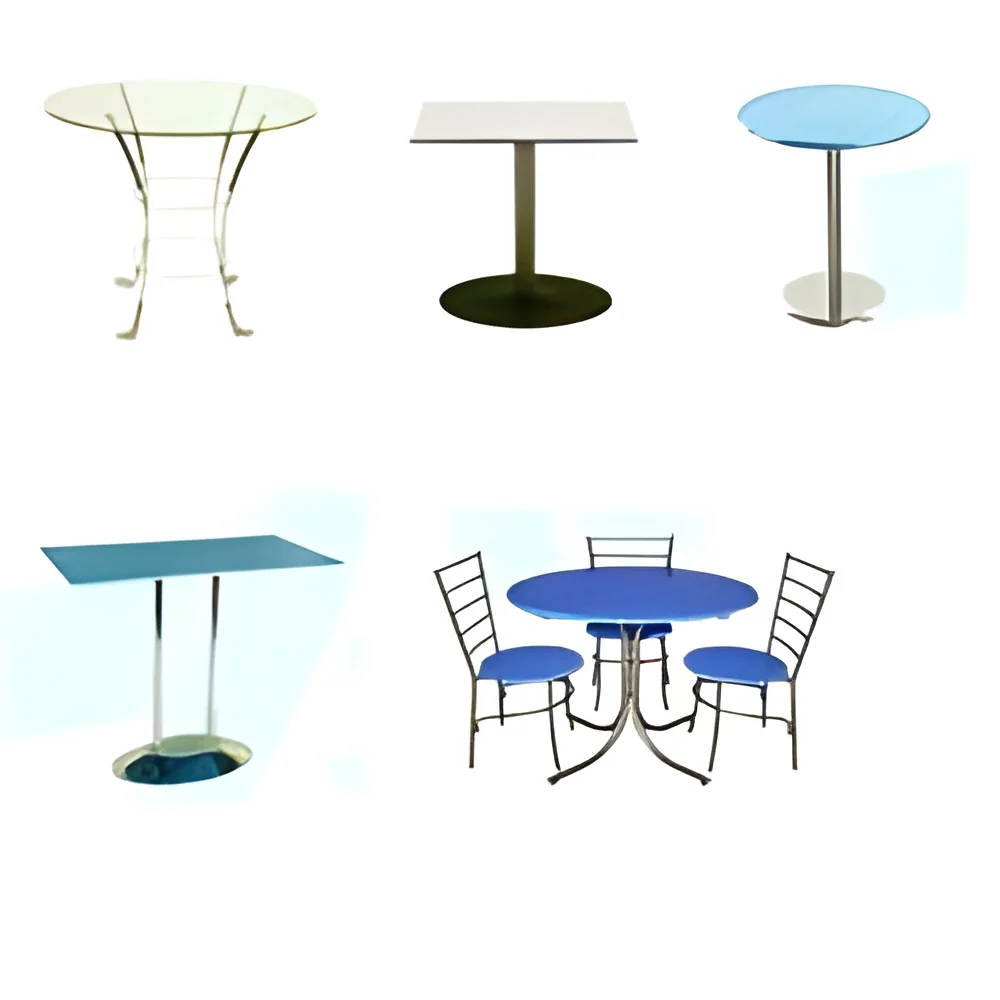
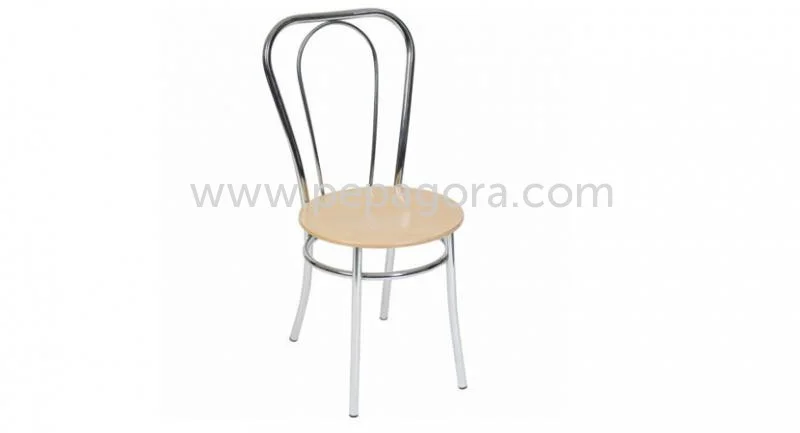
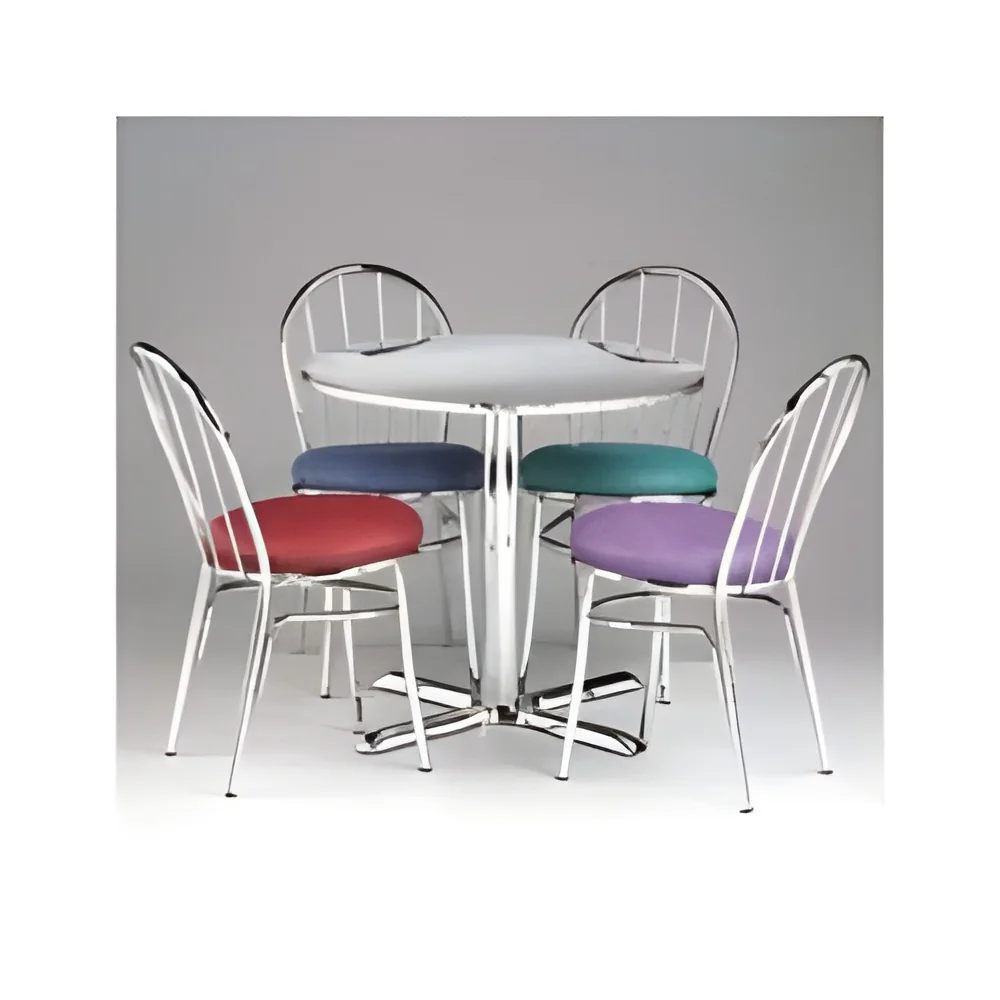
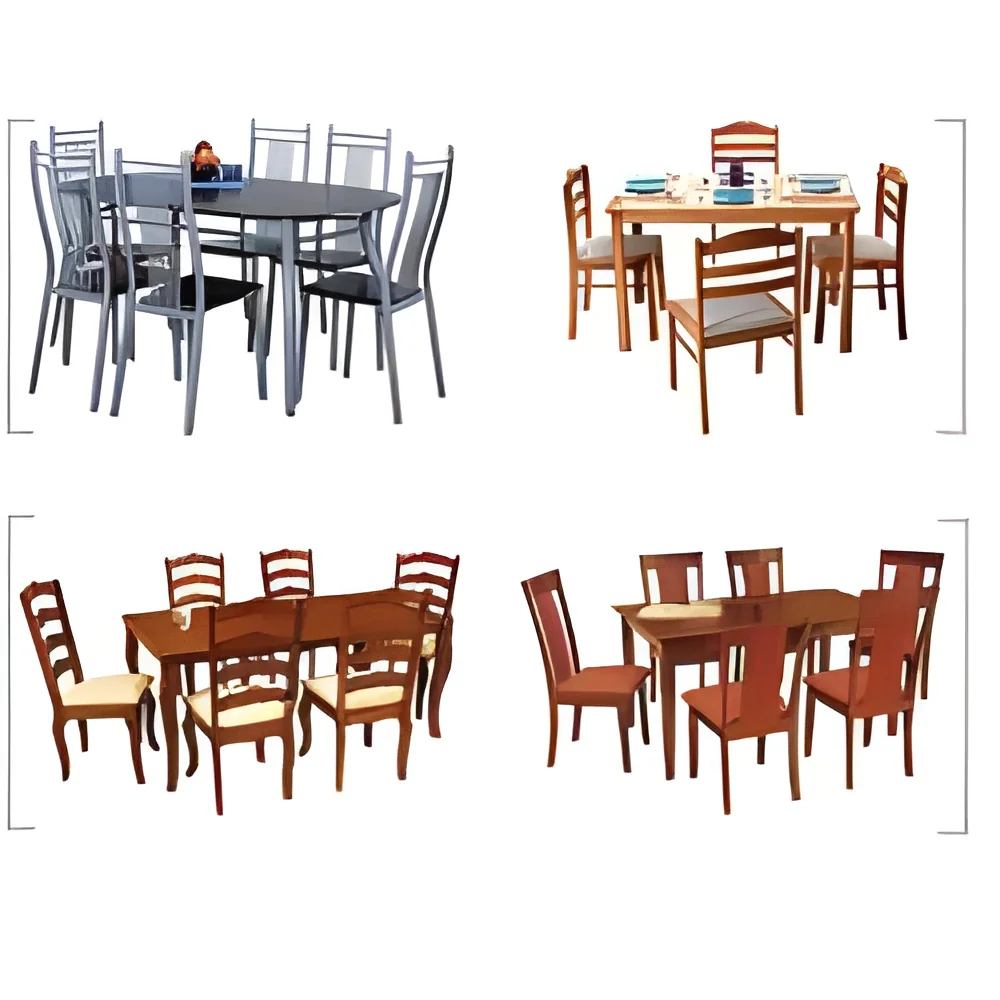
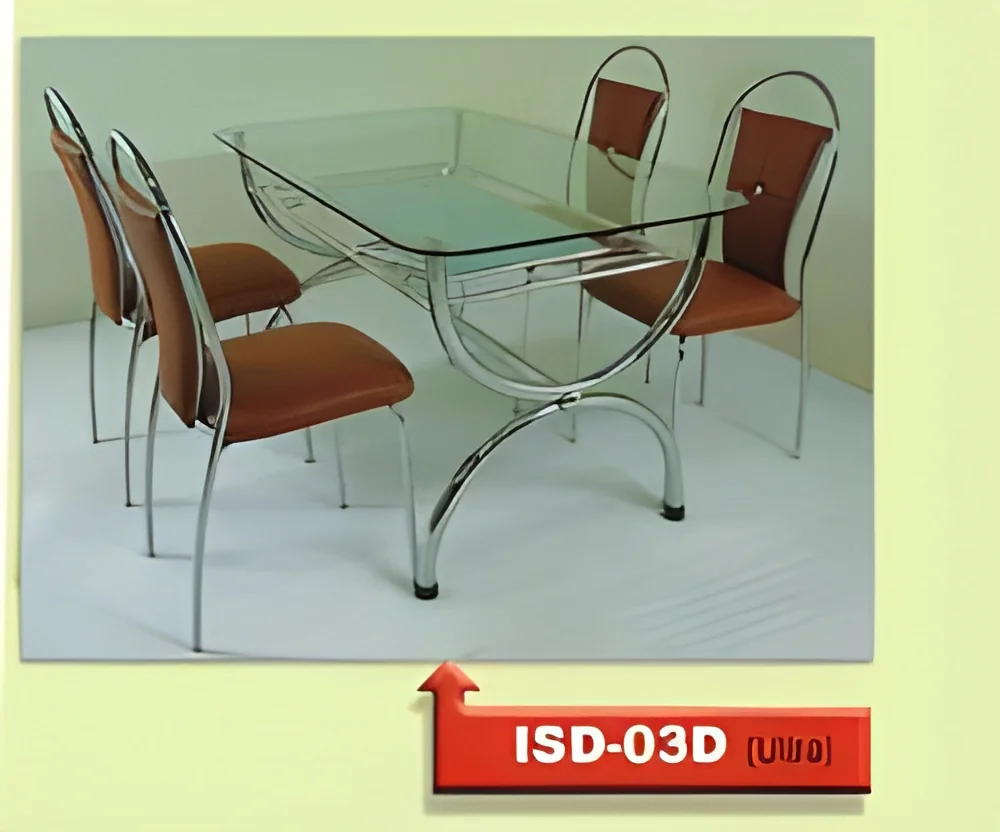
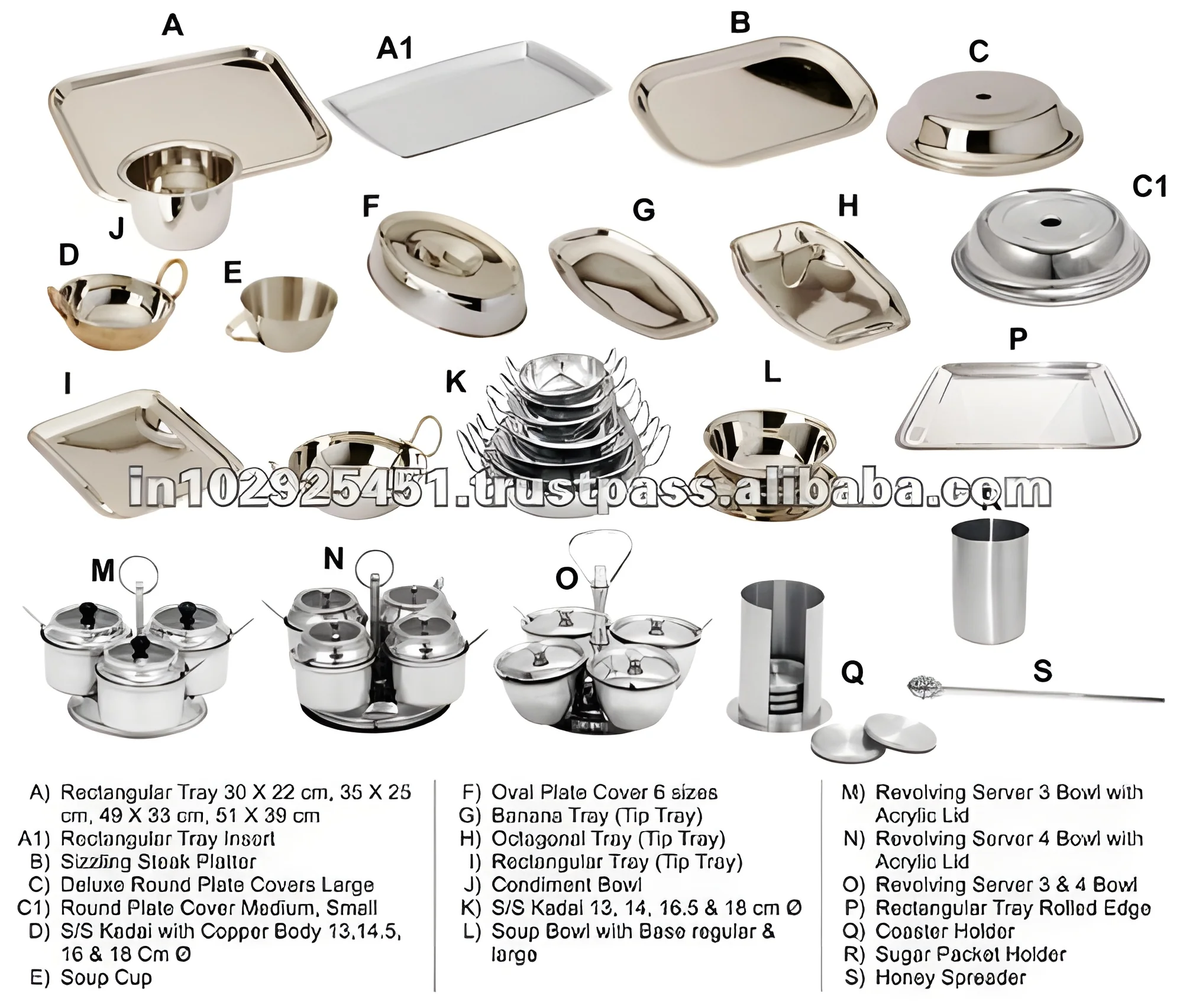
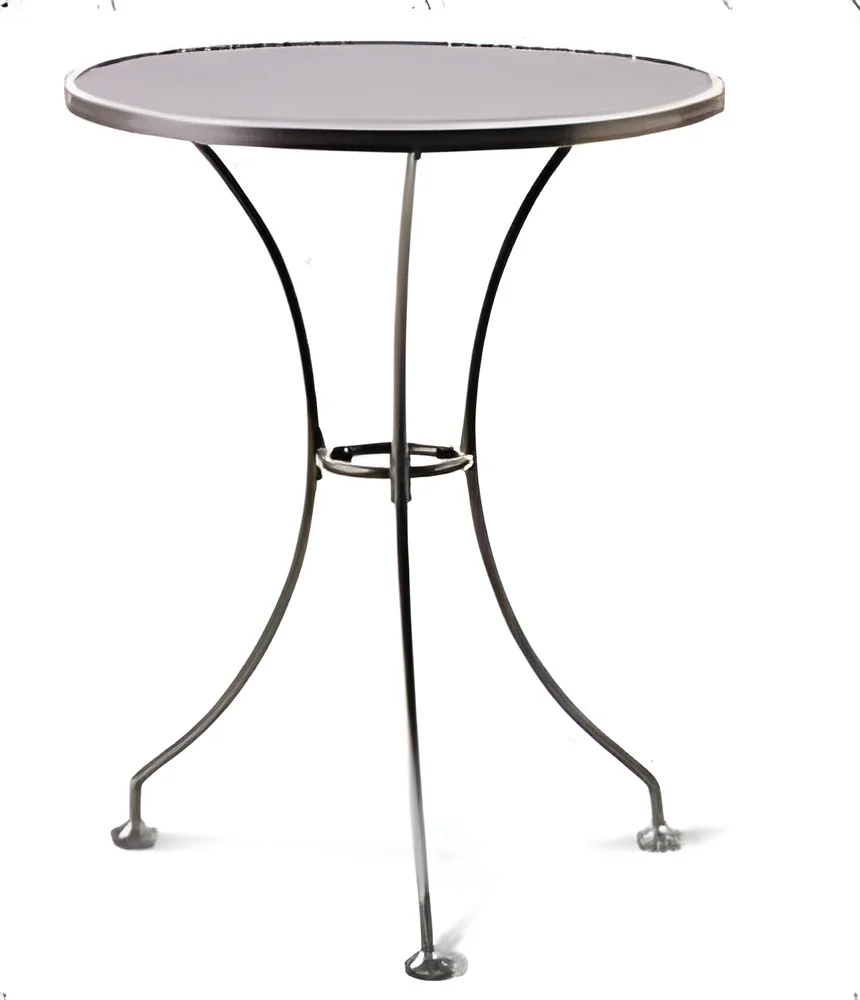
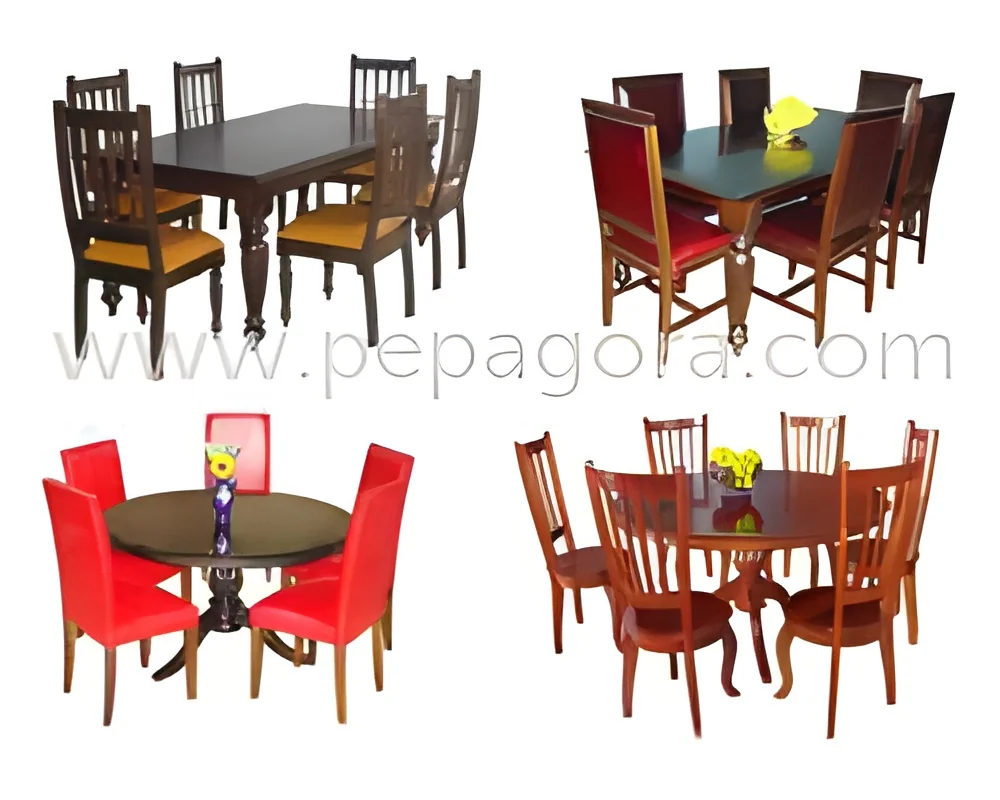
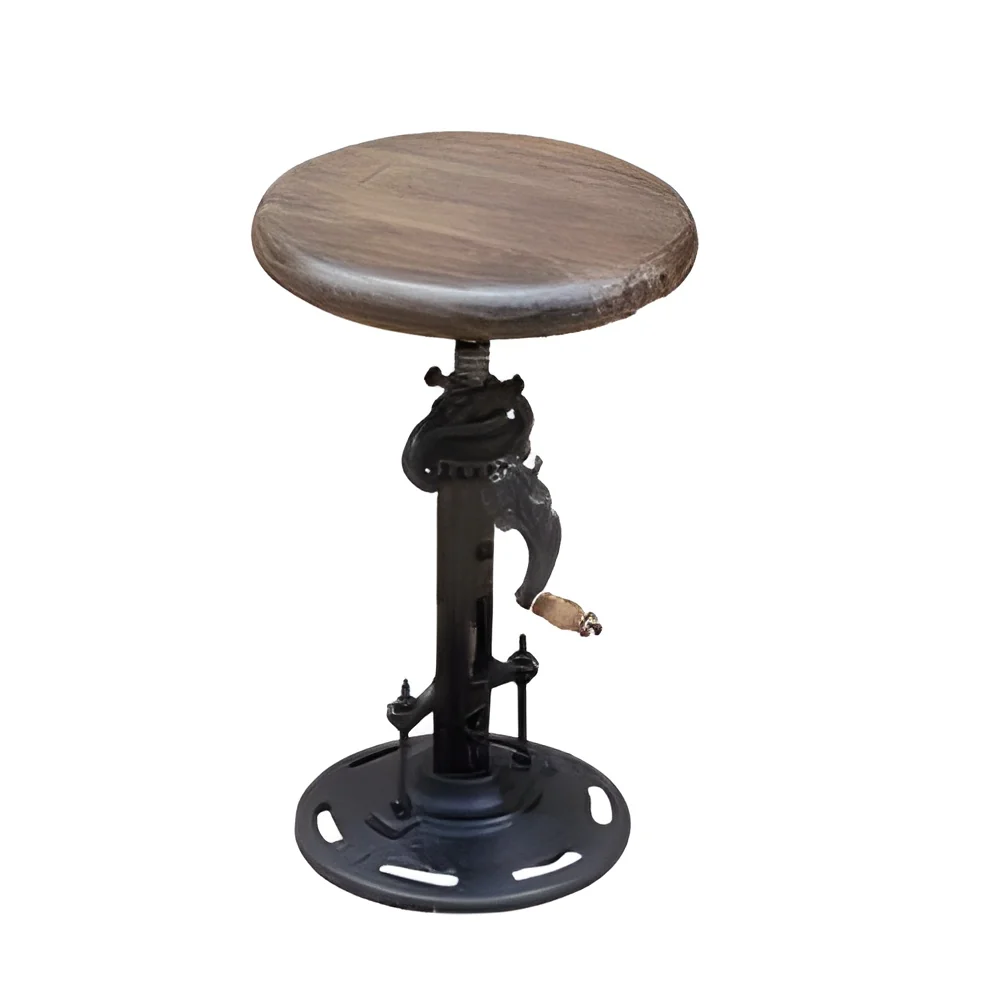
This variant includes seating, tables, and storage solutions specifically designed for high-traffic environments. Features include durability, style, and ease of maintenance.
Lighting Solutions
A range of lighting options tailored for hospitality settings, including ambient, task, and accent lighting to create the desired atmosphere.
Decorative Elements
These include artwork, plants, and other design accents that enhance the aesthetic appeal of a space while reflecting the brand's identity.
Textiles and Upholstery
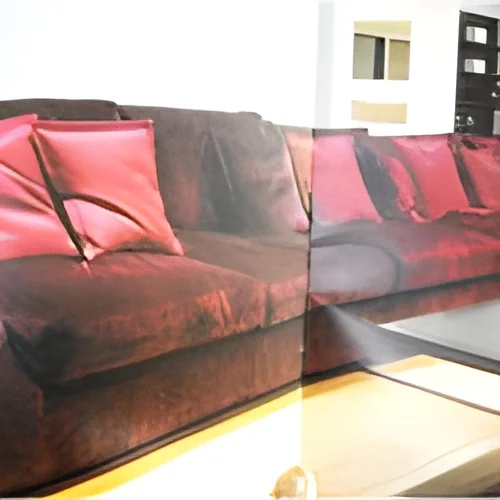
Selection of fabrics that are both attractive and durable, used for furniture and decorative elements, ensuring comfort and style.
Benefits and Advantages
Investing in hospitality interior design offers numerous advantages for businesses in this sector.
Key benefits include:
1. Enhanced Customer Experience: Thoughtfully designed spaces improve guest satisfaction and loyalty, leading to repeat business.
2. Brand Differentiation: Unique interior designs set businesses apart from competitors, creating a memorable identity.
3. Increased Revenue: Attractive environments can lead to higher occupancy rates and increased sales in dining and bar areas.
4. Improved Functionality: Effective space planning enhances operational efficiency and guest flow.
5. Compliance Assurance: Adhering to safety and accessibility standards reduces the risk of legal issues and improves guest comfort.
6. Long-term Value: Quality design and materials contribute to the longevity and durability of the space, reducing future renovation costs.
Buying Guide for B2B Buyers
When sourcing hospitality interior design, several factors should be considered to ensure successful outcomes.
1. Quality Assessment: Evaluate materials and craftsmanship to ensure durability and aesthetic appeal. Look for samples and previous project references.
2. Supplier Verification: Vet suppliers for credibility and experience in the hospitality industry. Check reviews, testimonials, and past projects.
3. Pricing and MOQ: Understand the pricing structure and minimum order quantities to ensure alignment with budget and project scope.
4. Delivery and Lead Times: Confirm logistics and timelines to ensure that the project stays on schedule and meets operational needs.
5. Compliance Requirements: Ensure suppliers meet all relevant local and industry regulations, including safety standards and accessibility codes.
Compliance and Certifications
Compliance and certifications are vital in the hospitality interior design sector. Adhering to relevant quality standards ensures that designs meet safety and functionality requirements.
ISO 9001 is a quality management standard that outlines the criteria for effective quality management systems. It is essential for suppliers to demonstrate adherence to this standard to ensure consistent quality in their offerings.
HACCP (Hazard Analysis Critical Control Point) is particularly relevant for restaurant designs where food safety is critical. Compliance with HACCP guidelines ensures that food preparation and service areas are designed to minimize risks.
CE certification indicates that products meet European safety, health, and environmental protection standards. This is crucial for ensuring that materials and products used in hospitality design are safe and reliable.
Additionally, regional compliance considerations may vary, necessitating a thorough understanding of local regulations and codes. Ensuring compliance with these standards is not only about legal obligations but also about enhancing guest safety and satisfaction.
Why Source Hospitality Interior Design (Hotels, Restaurants) from Pepagora?
Pepagora provides a trusted platform for sourcing hospitality interior design, offering various advantages to businesses in the sector.
Verified Supplier Network: Pepagora connects buyers with a network of verified suppliers, ensuring quality and reliability. This reduces the risk associated with sourcing materials and services.
Streamlined RFQ Process: The platform simplifies the request for quotation (RFQ) process, allowing buyers to efficiently obtain competitive quotes from multiple suppliers. This saves time and improves decision-making.
Trade Assurance and Support: Pepagora offers trade assurance, protecting buyers from potential risks during transactions. Additionally, dedicated support teams are available to assist with inquiries and resolve issues.
Regional Coverage: With a strong presence in India, the GCC, and Southeast Asia, Pepagora provides extensive regional coverage, making it easier for businesses to find local suppliers that understand market needs and trends.
By leveraging these advantages, businesses can confidently source hospitality interior design solutions that enhance their offerings and improve overall guest experiences.





Frequently Asked Questions
What are Hospitality Interior Design (Hotels, Restaurants)?
Hospitality Interior Design (Hotels, Restaurants) refers to the specialized design and decoration of spaces within the hospitality industry, including hotels, restaurants, and other related establishments. This type of design focuses on creating functional, aesthetically pleasing environments that enhance guest experiences and meet operational needs.
What are the different types of Hospitality Interior Design (Hotels, Restaurants)?
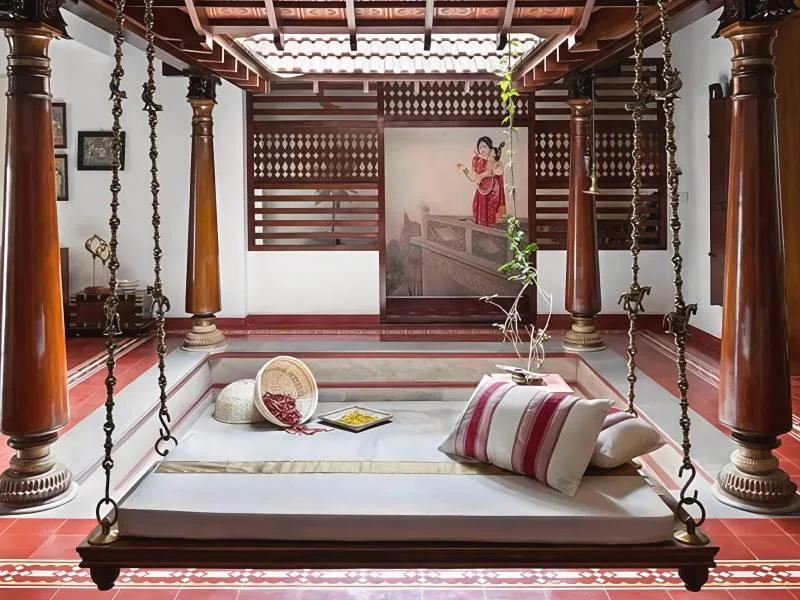
Different types of Hospitality Interior Design include thematic design, contemporary design, traditional design, and sustainable design. Each type caters to specific client needs and target audiences, ensuring that the atmosphere aligns with the brand identity and customer expectations.
How do I choose the right Hospitality Interior Design (Hotels, Restaurants)?
Choosing the right Hospitality Interior Design involves assessing your brand identity, target audience, and specific functional requirements. It's also beneficial to consult with experienced designers who can provide insights into trends and effective design solutions tailored to your establishment.
What are the standard specifications for Hospitality Interior Design (Hotels, Restaurants)?
Standard specifications for Hospitality Interior Design typically include considerations for space planning, furniture selection, lighting design, and materials used. These specifications ensure that the design meets safety regulations and is functional for both guests and staff.
What is the price range for Hospitality Interior Design (Hotels, Restaurants)?
The price range for Hospitality Interior Design varies widely depending on the scope of the project, materials used, and the complexity of the design. Generally, costs can range from a few lakhs to several crores, depending on the specific requirements and scale of the establishment.
What quality standards apply to Hospitality Interior Design (Hotels, Restaurants)?
Quality standards for Hospitality Interior Design include adherence to safety regulations, durability of materials, and overall design integrity. Designers often follow industry best practices to ensure that the spaces are not only attractive but also functional and safe for guests and staff.
Where can I find Hospitality Interior Design (Hotels, Restaurants) suppliers in India?
You can find Hospitality Interior Design suppliers in India through B2B marketplaces like Pepagora, industry trade shows, and online directories. It's advisable to research and compare different suppliers to find those that align with your specific design needs and budget.
Can Hospitality Interior Design (Hotels, Restaurants) be customized?
Yes, Hospitality Interior Design can be customized to meet the unique needs and preferences of each establishment. Designers work closely with clients to incorporate specific themes, color schemes, and functional elements that reflect the brand and enhance customer experience.
What is the typical minimum order quantity for Hospitality Interior Design (Hotels, Restaurants)?
The typical minimum order quantity (MOQ) for Hospitality Interior Design products can vary based on the supplier and the specific items being ordered. Generally, MOQs can range from a few pieces to larger quantities, depending on the scale of the project and supplier policies.
What is the typical lead time for Hospitality Interior Design (Hotels, Restaurants)?
The typical lead time for Hospitality Interior Design projects can vary significantly based on the complexity of the design and the availability of materials. Generally, lead times can range from a few weeks to several months, and it's advisable to discuss timelines with your supplier or designer during the planning phase.
Why Businesses Trust Pepagora
Thousands of companies trust Pepagora to source smarter and sell faster
Expand Your Sales Globally

Source Smarter,Grow Faster
