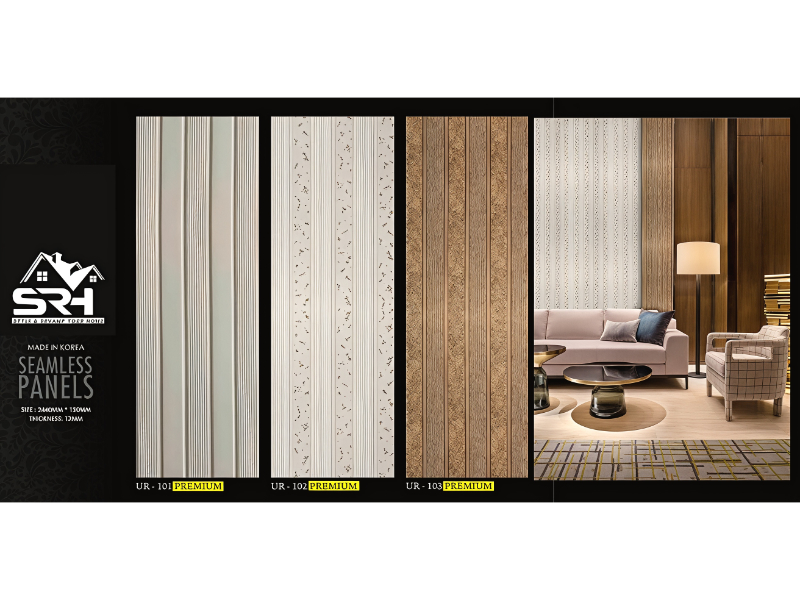
What are Flooring Installation (Tile, Vinyl, Wood)?
Flooring installation refers to the process of laying down various types of floor coverings, including tile, vinyl, and wood. Each of these materials offers unique attributes and benefits that cater to different preferences and requirements. Tile flooring is known for its durability and aesthetic appeal, while vinyl flooring is favored for its affordability and versatility. Wood flooring provides a classic, warm look that enhances the ambiance of any space. The installation process can vary significantly depending on the material chosen, influencing aspects such as preparation, tools required, and time commitment.
These flooring solutions are commonly used in both residential and commercial settings. Businesses often opt for tile or vinyl due to their ease of maintenance and long-lasting nature, making them suitable for high-traffic areas. Wood flooring, while usually more expensive, is frequently chosen for its timeless elegance, often found in upscale environments. As the demand for high-quality and aesthetically pleasing flooring options continues to rise, flooring installation remains a critical component of construction and renovation projects across various sectors.
In today’s market, the flooring installation industry is evolving rapidly, driven by advancements in technology and changing consumer preferences. Eco-friendly materials and sustainable practices are becoming increasingly important, as businesses look to enhance their environmental credentials. Additionally, the rise of online platforms has made sourcing flooring materials more accessible, allowing buyers to connect with suppliers globally.
𝗞𝗲𝘆 𝗙𝗲𝗮𝘁𝘂𝗿𝗲𝘀 𝗮𝗻𝗱 𝗦𝗽𝗲𝗰𝗶𝗳𝗶𝗰𝗮𝘁𝗶𝗼𝗻𝘀
Flooring installation materials are designed with specific features and specifications that enhance their performance and suitability for various environments. Understanding these specifications is essential for making informed purchasing decisions.
Key specifications include:
1. Material Type
- Options include ceramic tile, luxury vinyl, and hardwood.
- Each material has distinct characteristics in terms of durability, maintenance, and aesthetics.
2. Thickness
- Varies by material, typically ranging from 2mm to 20mm for vinyl and ¾ inch for hardwood.
- Thickness impacts durability and sound insulation.
3. Water Resistance
- Tile and certain vinyl options offer excellent water resistance.
- Wood requires treatment for moisture protection, though engineered wood has improved resistance.
4. Installation Method
- Tile can be installed using thin-set mortar, vinyl can be glued or floated, and wood is typically nailed or stapled.
- Understanding the installation method is crucial for proper application.
5. Design Options
- Available in various colors, patterns, and textures.
- Customization options can enhance the aesthetic appeal of spaces.
6. Warranty
- Varies by manufacturer, generally ranging from 10 years to a lifetime for wood.
- Warranty coverage details are important for long-term investment protection.
7. Environmental Considerations
- Look for materials with certifications such as CE for safety and environmental standards.
- Sustainable sourcing and eco-friendly materials are increasingly prioritized.
8. Maintenance Requirements
- Tile and vinyl require minimal maintenance, while wood may need periodic refinishing.
- Understanding maintenance needs is important for budgeting and planning.
In summary, selecting the right flooring installation material involves considering various features and specifications that align with the intended use and environment. Buyers should prioritize materials that not only meet their aesthetic preferences but also fulfill practical requirements.
𝗖𝗼𝗺𝗺𝗼𝗻 𝗔𝗽𝗽𝗹𝗶𝗰𝗮𝘁𝗶𝗼𝗻𝘀 𝗮𝗻𝗱 𝗨𝘀𝗲 𝗖𝗮𝘀𝗲𝘀
Flooring installation serves a wide array of industries, each with specific applications that highlight the versatility of tile, vinyl, and wood flooring.
1. Retail: Retail spaces often utilize vinyl flooring due to its durability and ease of maintenance, allowing for high foot traffic without significant wear.
2. Hospitality: Hotels and restaurants frequently opt for tile flooring in dining areas for its water resistance and aesthetic appeal, while wood is popular in guest rooms for a warm ambiance.
3. Healthcare: Hospitals and clinics prefer vinyl flooring due to its hygienic properties and ease of cleaning, making it ideal for sterile environments.
4. Education: Schools choose resilient flooring options such as vinyl or tile for classrooms and hallways, providing durability and safety for students.
5. Residential: Homeowners often select wood flooring for living areas and bedrooms, appreciating its aesthetic beauty and long-term value.
6. Office Spaces: Many offices utilize carpet tiles or luxury vinyl for a professional look that promotes comfort and productivity.
7. Manufacturing: Industrial facilities may use tile or vinyl for their durability and resistance to spills and chemicals, ensuring safety and functionality.
𝗣𝗿𝗼𝗱𝘂𝗰𝘁 𝗩𝗮𝗿𝗶𝗮𝗻𝘁𝘀 𝗮𝗻𝗱 𝗦𝘂𝗯𝗰𝗮𝘁𝗲𝗴𝗼𝗿𝗶𝗲𝘀
The flooring installation market offers diverse product variants to suit various needs and preferences, ensuring buyers can find the perfect fit for their projects.
Vinyl Flooring
Vinyl flooring is available in various styles, including luxury vinyl tiles and sheets. It is known for being highly versatile, cost-effective, and easy to install, making it suitable for both residential and commercial applications.
Wood Flooring
Wood flooring comes in solid and engineered varieties. Solid wood provides a traditional look and can be sanded and refinished, while engineered wood offers better moisture resistance and stability, making it ideal for diverse climates.
Tile Flooring
Tile flooring includes ceramic, porcelain, and natural stone options. Each type has unique benefits, such as ceramic's affordability and porcelain's durability, catering to both aesthetic and functional requirements in various settings.
𝗕𝗲𝗻𝗲𝗳𝗶𝘁𝘀 𝗮𝗻𝗱 𝗔𝗱𝘃𝗮𝗻𝘁𝗮𝗴𝗲𝘀
Choosing the right flooring installation offers several advantages that can significantly impact the overall quality and functionality of a space.
1. Durability: Flooring materials like tile and vinyl are highly resistant to wear and tear, making them suitable for high-traffic areas.
2. Aesthetic Appeal: Available in a wide range of designs and finishes, flooring options can enhance the visual appeal of any room.
3. Easy Maintenance: Many flooring types, particularly vinyl and tile, require minimal upkeep, allowing for cost and time savings over time.
4. Versatility: Flooring installation can be tailored to suit various environments, from residential homes to commercial spaces.
5. Improved Indoor Air Quality: Many modern flooring options are designed to be low in VOCs, contributing to healthier indoor air quality.
6. Increased Property Value: High-quality flooring can elevate a property's market value, making it an important investment for homeowners and businesses alike.
𝗕𝘂𝘆𝗶𝗻𝗴 𝗚𝘂𝗶𝗱𝗲 𝗳𝗼𝗿 𝗕𝟮𝗕 𝗕𝘂𝘆𝗲𝗿𝘀
When sourcing flooring installation options, B2B buyers should consider several key factors to ensure they make informed decisions.
1. Quality Assessment: Evaluate the quality of materials by checking for certifications and conducting physical inspections. Look for consistent finishes and reliable performance data.
2. Supplier Verification: It is crucial to vet suppliers for reliability and reputation. Research past customer experiences and request references to gauge supplier trustworthiness.
3. Pricing and MOQ: Understand pricing structures and minimum order quantities (MOQ) to align purchases with budgetary constraints. Compare quotes from multiple suppliers for the best value.
4. Delivery and Lead Times: Discuss logistics with suppliers to understand delivery schedules and lead times. Ensure that these align with project timelines to avoid delays.
5. Compliance Requirements: Familiarize yourself with local regulations and compliance standards related to flooring installation. Ensure that chosen materials meet these requirements for safety and performance.
𝗖𝗼𝗺𝗽𝗹𝗶𝗮𝗻𝗰𝗲 𝗮𝗻𝗱 𝗖𝗲𝗿𝘁𝗶𝗳𝗶𝗰𝗮𝘁𝗶𝗼𝗻𝘀
Compliance with industry standards and certifications is critical for flooring installation products to ensure safety and reliability. Relevant quality standards such as ISO 9001 apply to manufacturing processes, guaranteeing consistent quality. Certifications like CE indicate that products meet European safety and environmental standards.
Additionally, flooring materials often undergo rigorous testing to ensure they meet safety and performance criteria. This includes assessments for slip resistance, fire safety, and chemical emissions. Buyers should be aware of regional compliance considerations, as different markets may have unique regulations that impact product selection.
Why Source Flooring Installation (Tile, Vinyl, Wood) from Pepagora?
Pepagora provides a trusted platform for sourcing flooring installation options, offering several key advantages to B2B buyers.
Verified Supplier Network: Pepagora connects buyers with a comprehensive network of verified suppliers, ensuring that they can source high-quality flooring materials with confidence. This verification process helps reduce risks associated with procurement.
Streamlined RFQ Process: The platform features a user-friendly request for quotation (RFQ) system, simplifying the process of obtaining quotes from multiple suppliers. This efficiency allows buyers to compare options and make informed decisions quickly.
Trade Assurance and Support: Pepagora offers trade assurance and dedicated support to buyers, providing protection throughout the sourcing process. This support ensures that any issues are addressed promptly, enhancing buyer confidence.
Regional Coverage: With a strong presence in India, the GCC, and Southeast Asia, Pepagora facilitates access to a diverse range of flooring installation options. This regional coverage allows buyers to connect with local suppliers, enhancing logistics and reducing shipping costs.

 IN
IN