IN
IN₹
Apparel & Fashion
Loading subcategories...
View More
Description
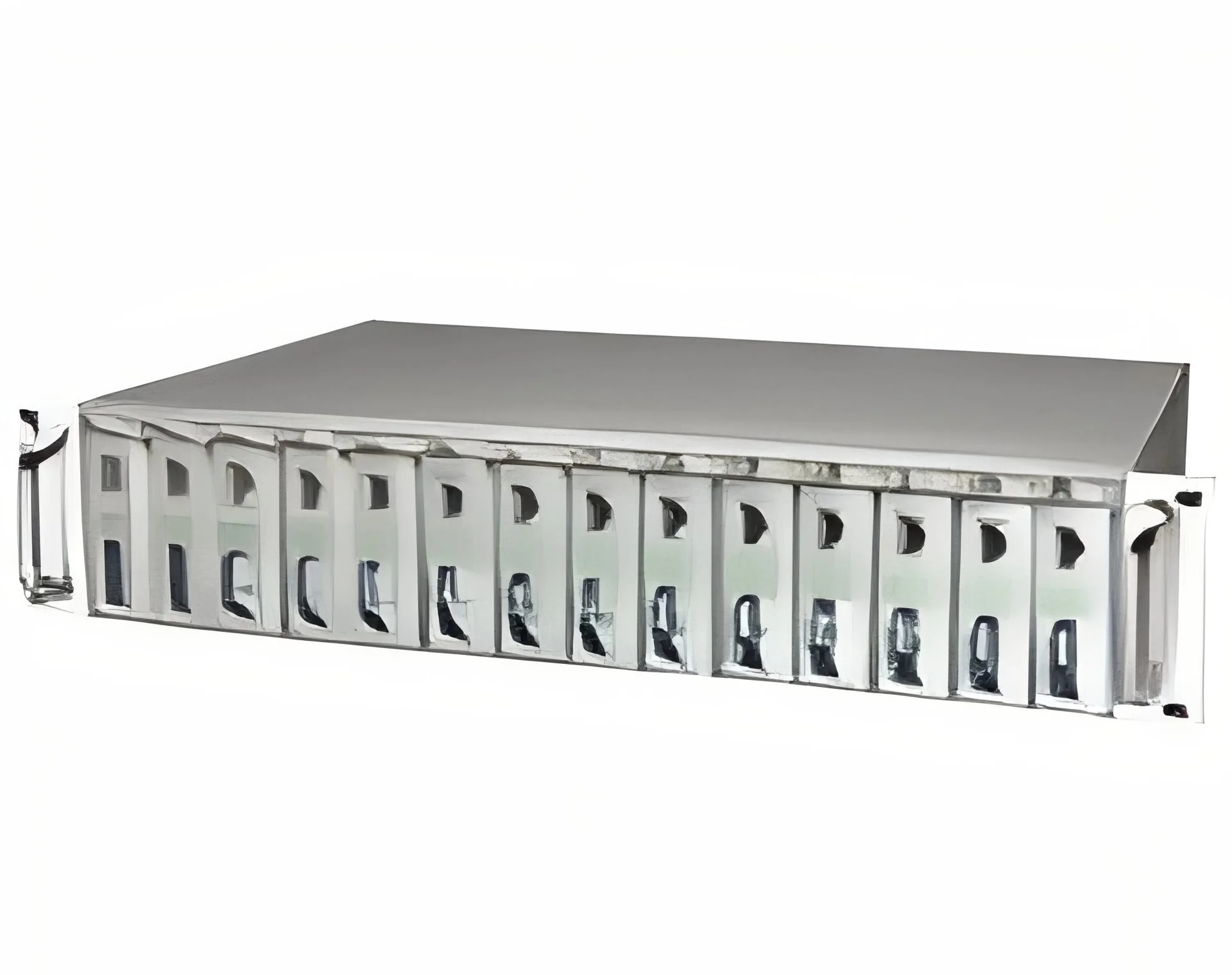
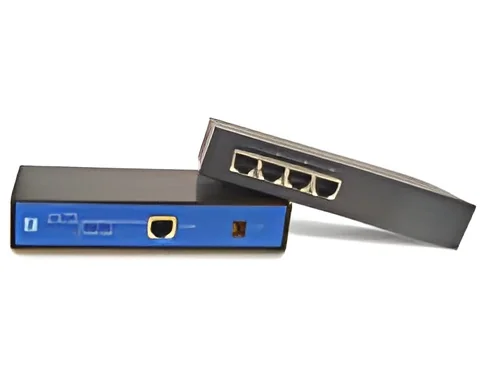
The Industrial Automation 8 Port RS232/485/422 to Ethernet Server represents advanced connectivity technology designed to bridge legacy serial equipment with modern Ethernet networks. Featuring a high-performance 32-bit ARM processor with 125 DMIPS management capability, this server supports data rates from 300bps to 460.8Kbps across all eight ports simultaneously. It provides comprehensive protocol support including TCP, UDP, ARP, ICMP, HTTP, TELNET, and DHCP, ensuring seamless integration with existing network infrastructure. The device offers flexible configuration through Windows applications, TELNET, or WEB interfaces, and supports both DIN-rail and wall mounting options for versatile installation in various industrial environments where space optimization and secure mounting are essential.

This Ethernet serial server finds extensive application across multiple industries requiring reliable serial-to-Ethernet conversion. In manufacturing and industrial automation environments, it...
The Industrial Automation 8 Port RS232/485/422 to Ethernet Server represents advanced connectivity technology designed to bridge legacy serial equipment with modern Ethernet networks. Featuring a high-performance 32-bit ARM processor with 125 DMIPS management capability, this server supports data rates from 300bps to 460.8Kbps across all eight ports simultaneously. It provides comprehensive protocol support including TCP, UDP, ARP, ICMP, HTTP, TELNET, and DHCP, ensuring seamless integration with existing network infrastructure. The device offers flexible configuration through Windows applications, TELNET, or WEB interfaces, and supports both DIN-rail and wall mounting options for versatile installation in various industrial environments where space optimization and secure mounting are essential.

This Ethernet serial server finds extensive application across multiple industries requiring reliable serial-to-Ethernet conversion. In manufacturing and industrial automation environments, it efficiently connects PLCs, HMIs, sensors, and motor drives to central monitoring and control systems. Telecommunications providers utilize it for remote device management and network monitoring applications, while energy sector implementations include substation automation, smart grid monitoring, and power distribution systems. Data centers employ these servers for infrastructure management of serial-based equipment, and building automation systems integrate them for access control, HVAC monitoring, and environmental system management. The device's support for multiple serial interfaces makes it suitable for diverse industrial equipment with different communication standards and protocols.

The business value of this serial server lies in its proven reliability, robust construction, and ability to extend the operational lifespan of legacy equipment while enabling modern network integration. Its industrial-grade design ensures continuous operation in demanding environments, significantly reducing downtime and maintenance costs while improving system uptime. The device supports across-gateway and router communication, enabling distributed networks without compromising data integrity or transmission performance. Virtual serial driver access and automatic reconnection after network disruptions ensure uninterrupted data flow, critical for industrial processes where data integrity and real-time communication are paramount. These features make it an ideal solution for organizations modernizing their infrastructure while protecting existing investments in serial-based equipment and ensuring long-term operational efficiency.

Key Features:
- Eight serial ports supporting RS-232, RS-485, and RS-422 interfaces simultaneously
- High-performance 32-bit ARM processor with 125 DMIPS management capability
- Comprehensive 10/100M Ethernet support with multiple network protocols
- Wide data transmission range from 300bps to 460.8Kbps per port
- Flexible DIN-rail or wall mounting installation options

Benefits:
- Extends lifespan of legacy serial equipment through modern network integration
- Reduces system downtime with robust construction and automatic reconnection
- Simplifies network expansion with support for multiple protocols and interfaces
- Lowers maintenance costs through reliable performance in demanding environments
- Enhances operational efficiency with centralized monitoring and control capabilities
Specifications
| Additional Information | |
|---|---|
| Country of Origin | India |
| Customisable | No |
Application
This robust 8-port serial to Ethernet server bridges legacy industrial equipment with modern IP networks, enabling seamless integration of PLCs, sensors, and control systems into centralized monitoring platforms. Its support for RS-232, RS-485, and RS-422 interfaces ensures compatibility with diverse industrial devices while maintaining reliable data transmission critical for operational continuity and real-time process control across demanding environments.
The device delivers exceptional performance in manufacturing, energy, and telecommunications sectors with comprehensive protocol support including TCP, UDP, HTTP, and TELNET. Flexible configuration through Windows, TELNET, or WEB interfaces simplifies deployment and management, while DIN-rail mounting ensures secure installation in industrial control panels and network cabinets for continuous operation.
- Industrial automation systems connecting PLCs and HMIs to central control rooms
- Data center infrastructure monitoring and management of serial-based equipment
- Building automation networks integrating access control and environmental monitoring
- Telecommunications networks for remote management of serial communication devices
- Energy sector applications including smart grid monitoring and substation automation
Trade Details
| Available Stock | In Stock |
| Sample Availability | No |
Payment Terms
| Payment Terms |
|
Company Profile

Adaptek Automation Technology, Tamil Nadu
 Tamil Nadu, India
Tamil Nadu, India26 yrs
Trading Company•Distributor•Wholesaler•Retailer•Manufacturer•Importer•Exporter•Service Provider
Factory Details
Factory SizeBelow 1000 sqm
Annual Production Capacity0
Main Markets
Domestic
Industrial Automation 8 Port RS232/485/422 to Ethernet Server
Industrial Automation 8 Port RS232/485/422 to Ethernet Server connects legacy serial devices to modern networks with 32-bit ARM processor, 10/100M Ethernet support, and DIN-rail mounting for reliable industrial automation and data center integration.
Min. Order Quantity: 1 unit
Shipping
Shipping fee and delivery date to be negotiated. Contact supplier now for more details.
Adaptek Automation Technology Tamil Nadu, India
Tamil Nadu, IndiaTrading Company