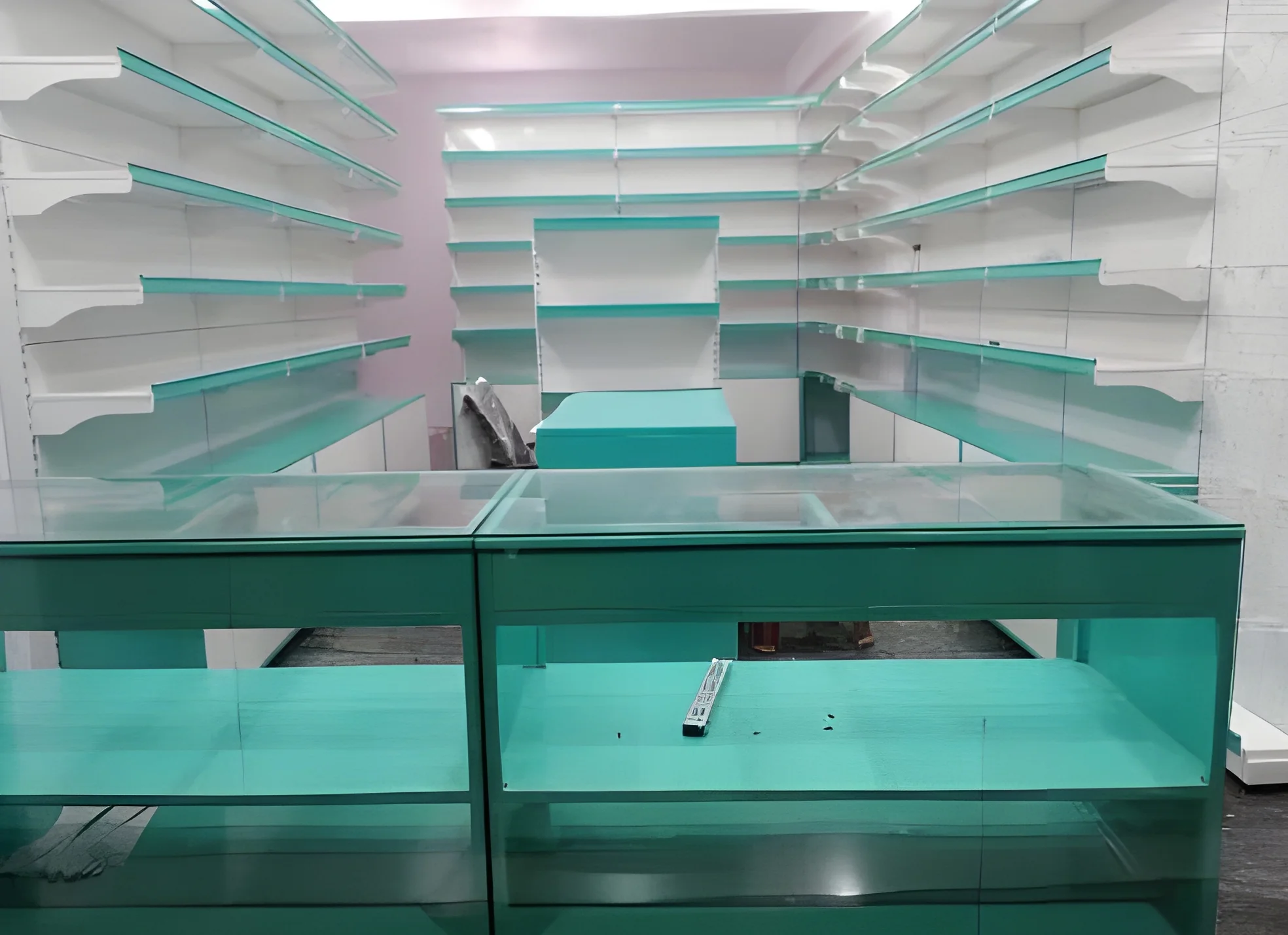
What are Healthcare Facility Interiors?
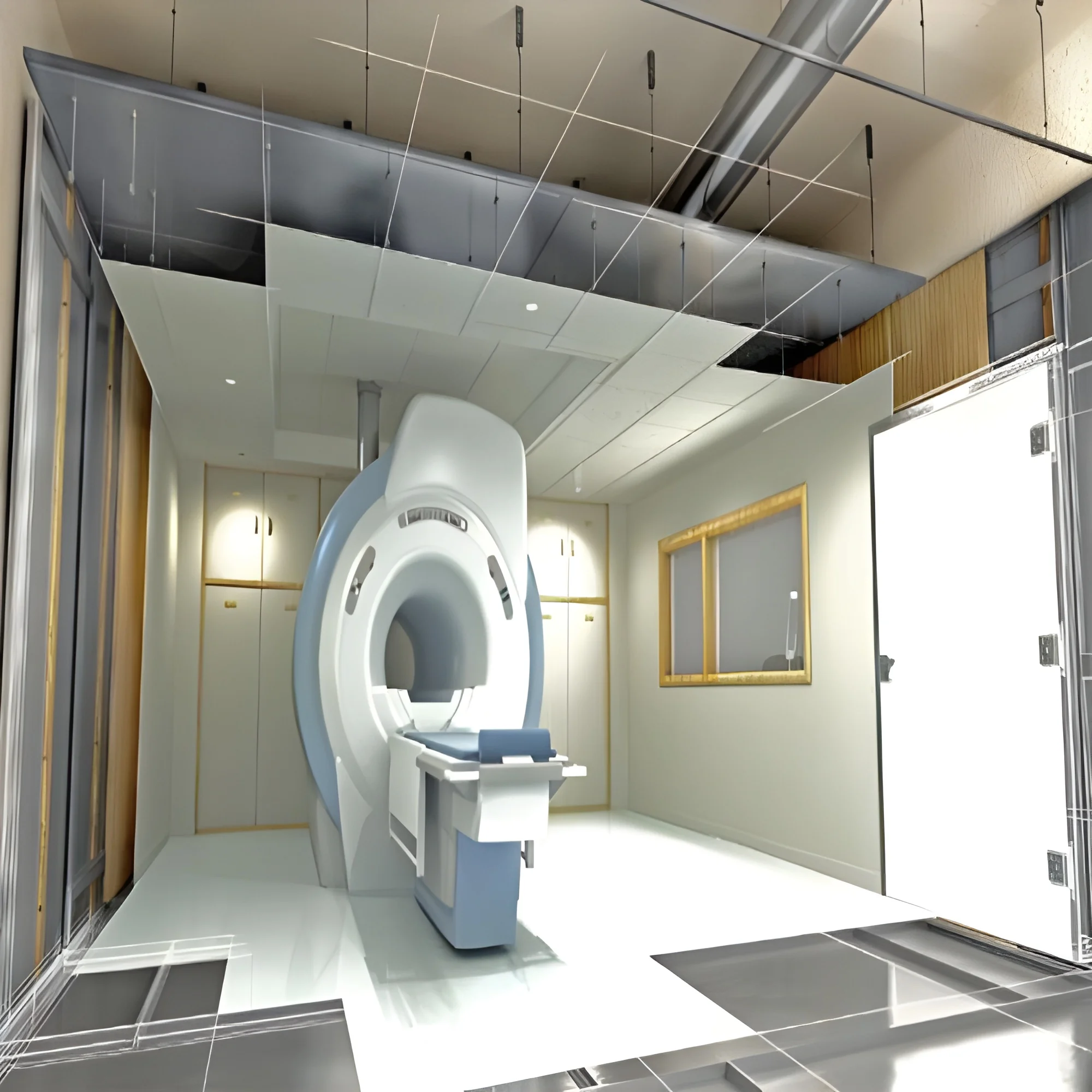
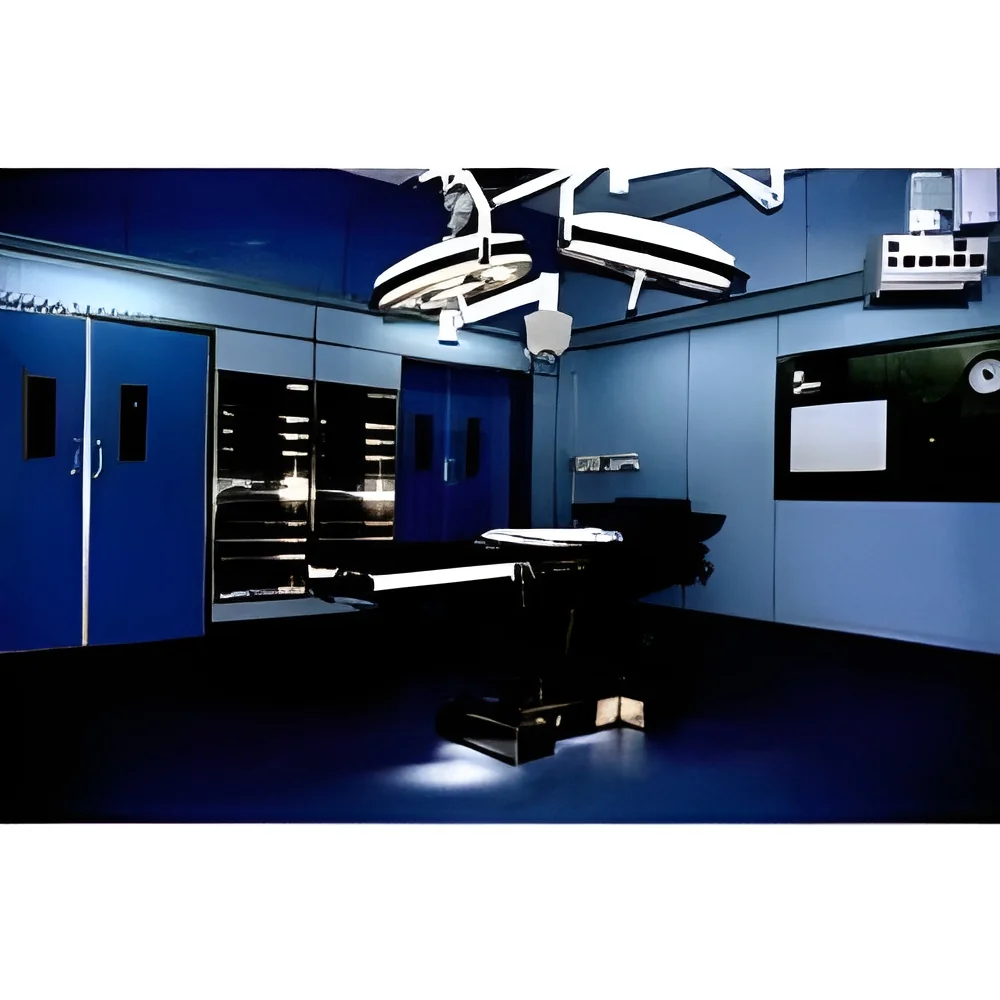
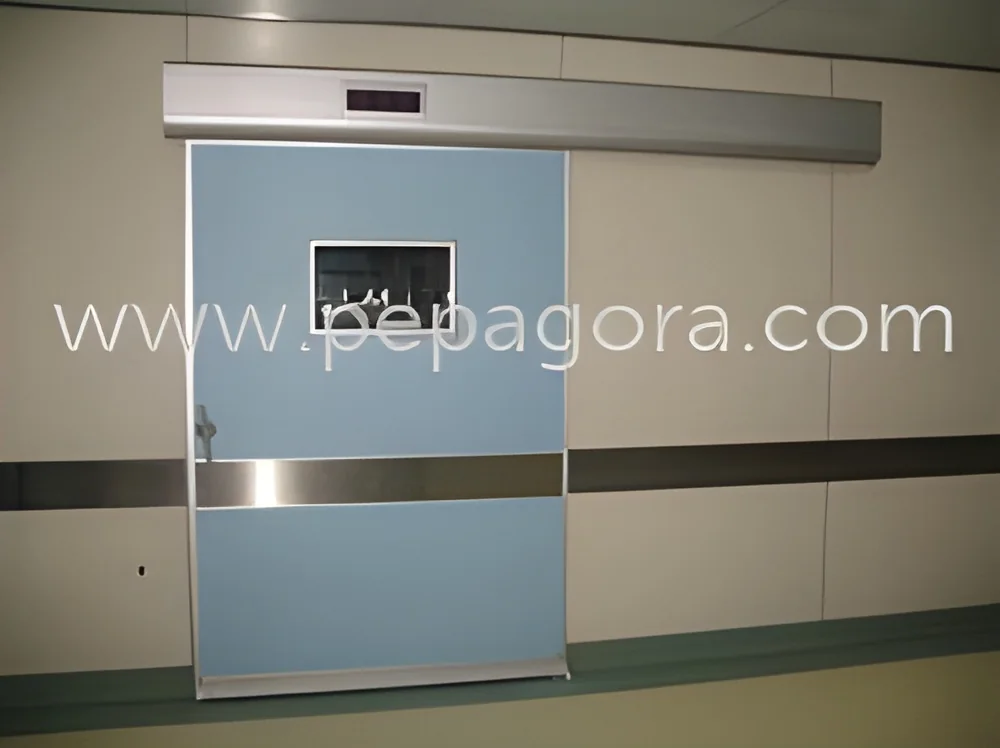
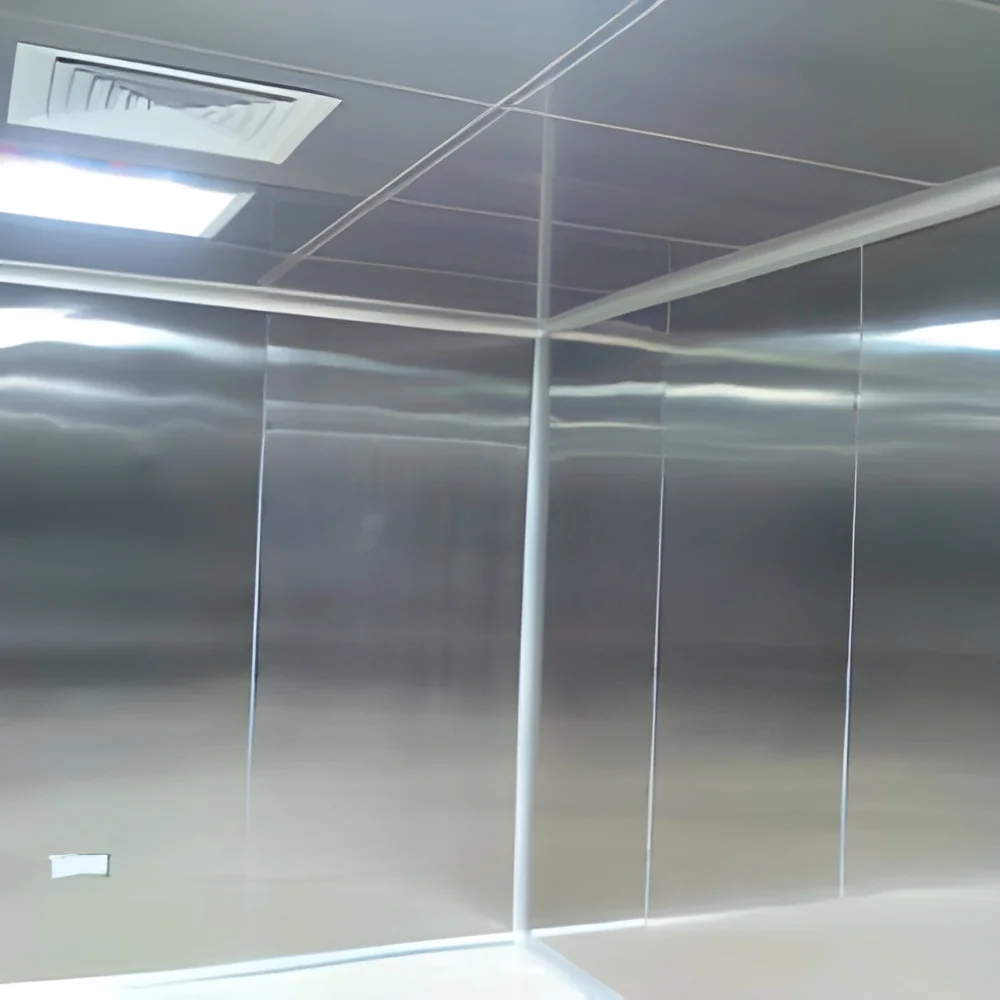
Healthcare Facility Interiors refer to the specialized design and furnishing solutions tailored for medical establishments such as hospitals, clinics, and long-term care facilities. These interiors encompass a broad range of elements, including patient rooms, waiting areas, surgical suites, and administrative spaces. The goal is to create environments that promote healing, efficiency, and comfort for both patients and healthcare staff.
These interiors are designed with functionality in mind, ensuring that the layout and materials used facilitate the unique needs of healthcare delivery. They often incorporate advanced technology, ergonomic furniture, and soothing aesthetics to enhance the patient experience and support healthcare providers in their work. The relevance of healthcare facility interiors has grown significantly due to the increasing emphasis on patient-centered care and the need for efficient workflows in a rapidly evolving healthcare landscape.
The market for healthcare facility interiors is influenced by factors such as regulatory standards, advancements in healthcare technology, and changing patient expectations. As the healthcare sector continues to evolve, there is a growing demand for innovative and adaptable interior solutions that can meet the challenges of modern medical practice.
Key Features and Specifications
Healthcare Facility Interiors are characterized by several key features that enhance their functionality and appeal. These specifications ensure that the interiors meet the rigorous demands of healthcare environments, providing safety, comfort, and efficiency.
Key specifications include:
1. Material Durability
- High-performance materials that withstand cleaning and disinfection processes.
- Resistance to stains, scratches, and wear over time.
2. Ergonomic Design
- Furniture and layouts that reduce strain on healthcare professionals.
- Adjustable features to accommodate various user needs.
3. Acoustic Control
- Elements that minimize noise levels to create a peaceful environment.
- Sound-absorbing materials for patient privacy and comfort.
4. Safety Compliance
- Adherence to safety regulations and codes relevant to healthcare settings.
- Use of non-toxic materials to ensure patient safety.
5. Aesthetic Appeal
- Designs that create a calming atmosphere through color and layout.
- Incorporation of natural light and greenery to enhance healing.
6. Flexibility and Modularity
- Adaptable spaces that can be reconfigured as needs change.
- Modular furniture that supports various functions.
7. Technology Integration
- Built-in technology solutions for communication and patient monitoring.
- Smart features that enhance operational efficiency.
8. Sustainability
- Environmentally friendly materials and practices.
- Energy-efficient designs to reduce operational costs.
These specifications collectively contribute to creating effective healthcare environments that support patient care and operational efficiency.
Common Applications and Use Cases
Healthcare Facility Interiors are essential in various sectors within the healthcare industry, each with specific applications that cater to unique needs.
1. Hospitals: These interiors are designed to facilitate patient recovery and operational efficiency, incorporating elements like patient rooms, emergency departments, and surgical suites.
2. Clinics: Ambulatory care facilities require efficient waiting areas and examination rooms that enhance patient flow and comfort.
3. Long-Term Care Facilities: Interiors promote a homelike atmosphere while ensuring safety and accessibility for residents with varying needs.
4. Rehabilitation Centers: Spaces are designed to support physical therapy and recovery, incorporating equipment and layouts that facilitate movement and healing.
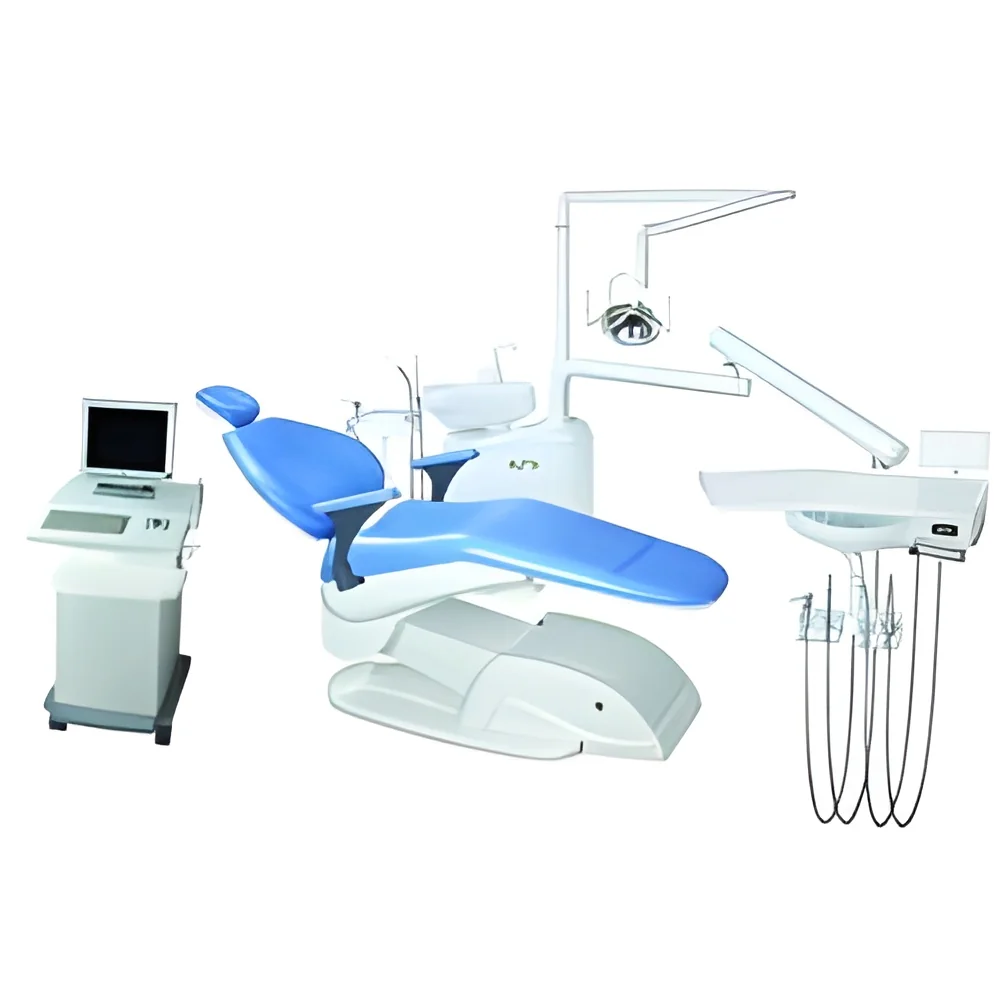
5. Dental Offices: Interiors focus on patient comfort and operational efficiency, with tailored designs for treatment rooms and waiting areas.
6. Urgent Care Centers: These facilities require flexible layouts that can adapt to varying patient volumes and types of care provided.
7. Outpatient Facilities: These spaces need to optimize patient flow and comfort, often prioritizing quick access to services.
Product Variants and Subcategories
Healthcare Facility Interiors encompass a diverse range of products tailored to meet the specific needs of different healthcare environments.
Patient Room Interiors
These variants focus on creating a comfortable and healing environment, featuring adjustable beds, soothing colors, and ergonomic furnishings that support recovery.
Waiting Area Solutions
Designed to enhance patient experience, these solutions include comfortable seating, informative displays, and calming aesthetics to reduce anxiety.
Administrative Office Spaces
These interiors are tailored for efficiency, providing functional workspaces with collaborative areas and technology integration to support healthcare operations.
Treatment Room Designs
Specialized designs for treatment rooms ensure that medical staff have access to necessary equipment and that patient privacy is maintained.
Benefits and Advantages
Investing in Healthcare Facility Interiors offers numerous benefits that contribute to improved patient care and operational efficiency.
1. Enhanced Patient Experience: Thoughtfully designed interiors create a comforting atmosphere that promotes healing and reduces stress.
2. Improved Operational Efficiency: Efficient layouts and furniture designs streamline workflows, enabling healthcare professionals to provide better care.
3. Increased Staff Satisfaction: Ergonomic designs and comfortable workspaces lead to higher job satisfaction among healthcare workers.
4. Compliance with Regulations: Interiors that meet safety and regulatory standards ensure a secure environment for both patients and staff.
5. Flexibility for Future Needs: Adaptable designs allow for easy reconfiguration as healthcare practices evolve or expand.
6. Cost-Effective Solutions: Durable materials and energy-efficient designs reduce maintenance and operational costs over time.
Buying Guide for B2B Buyers
When sourcing Healthcare Facility Interiors, it is essential to consider various factors to ensure the best outcomes for your investment.
1. Quality Assessment: Evaluate the quality of materials and construction to ensure durability and compliance with healthcare standards. Look for products that withstand the rigors of a healthcare environment.
2. Supplier Verification: Vet potential suppliers by reviewing their track record, certifications, and customer feedback. A reliable supplier will have a history of delivering high-quality products and services.
3. Pricing and MOQ: Understand the pricing structure and minimum order quantities to ensure that your budget aligns with the product offerings. Compare quotes from multiple suppliers to find the best value.
4. Delivery and Lead Times: Inquire about delivery schedules and lead times to ensure that your project timelines are met. Timely delivery is critical in healthcare settings.
5. Compliance Requirements: Ensure that the interiors meet relevant regulatory requirements and industry standards. This includes safety certifications and adherence to healthcare regulations.
Compliance and Certifications
Healthcare Facility Interiors must adhere to various compliance and certification standards to ensure safety and quality.
ISO 9001 is a widely recognized quality management standard that outlines requirements for maintaining a consistent quality of products and services. Compliance with this standard helps ensure that healthcare facility interiors are produced under strict quality controls.
HACCP (Hazard Analysis Critical Control Point) is another critical standard, especially relevant in healthcare settings where hygiene and food safety are paramount. Healthcare interiors that comply with HACCP guidelines help mitigate risks associated with contamination.
CE certification indicates that the products meet European safety, health, and environmental protection standards. This certification is essential for products used in healthcare environments, ensuring they are safe for use.
Additionally, healthcare facility interiors must undergo rigorous safety testing to comply with local and regional regulations. This includes considerations for fire safety, material toxicity, and accessibility requirements.
It is important for buyers to stay informed about regional compliance considerations that may affect their purchasing decisions. This ensures that the interiors are not only functional but also meet the legal requirements of the healthcare industry.
Why Source Healthcare Facility Interiors from Pepagora?
Pepagora provides a trusted platform for sourcing Healthcare Facility Interiors, offering several key advantages that make it an ideal choice for B2B buyers.
Verified Supplier Network: Pepagora connects buyers with a network of verified suppliers, ensuring that you can source high-quality products from reliable manufacturers. This network simplifies the procurement process, allowing for better decision-making.
Streamlined RFQ Process: The Request for Quotation (RFQ) system on Pepagora allows buyers to easily request quotes from multiple suppliers. This process enhances transparency and enables buyers to compare offerings effectively.
Trade Assurance and Support: Pepagora offers trade assurance, providing buyers with protection during transactions. This support ensures that you can confidently source products without worrying about quality or delivery issues.
Regional Coverage: With a strong presence in India, the GCC, and Southeast Asia, Pepagora provides extensive geographic coverage. This ensures that buyers can access a wide range of healthcare facility interiors tailored to their regional needs.
By choosing Pepagora, businesses can benefit from a comprehensive sourcing experience that prioritizes quality, efficiency, and reliability in healthcare facility interiors.

 IN
IN