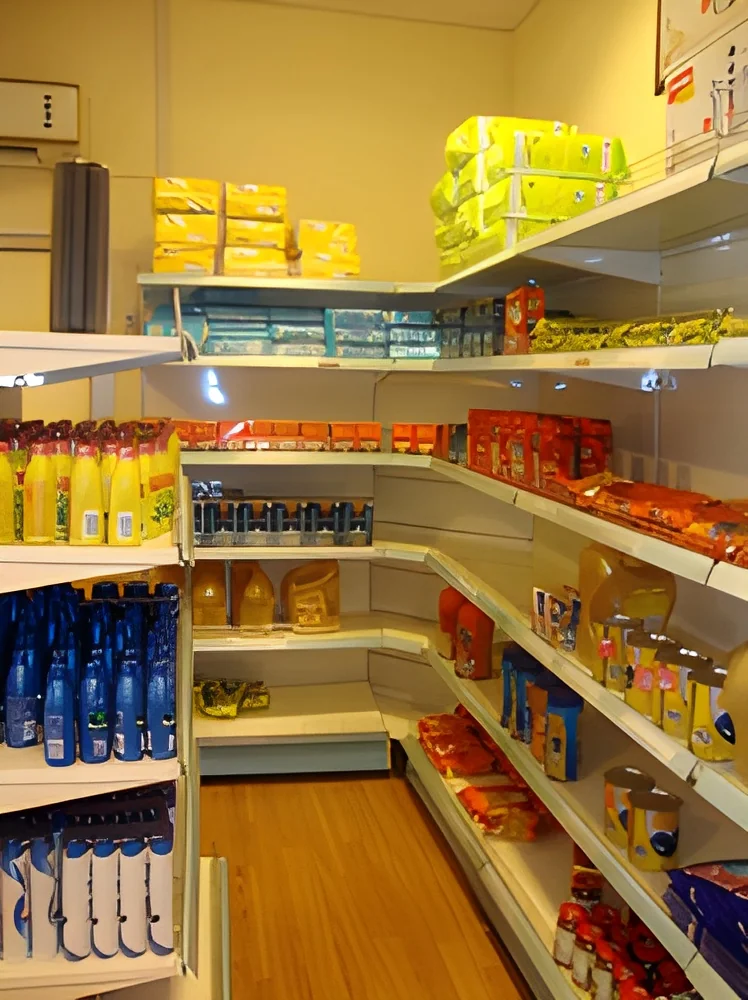
What are Retail & Showroom Interior Design?
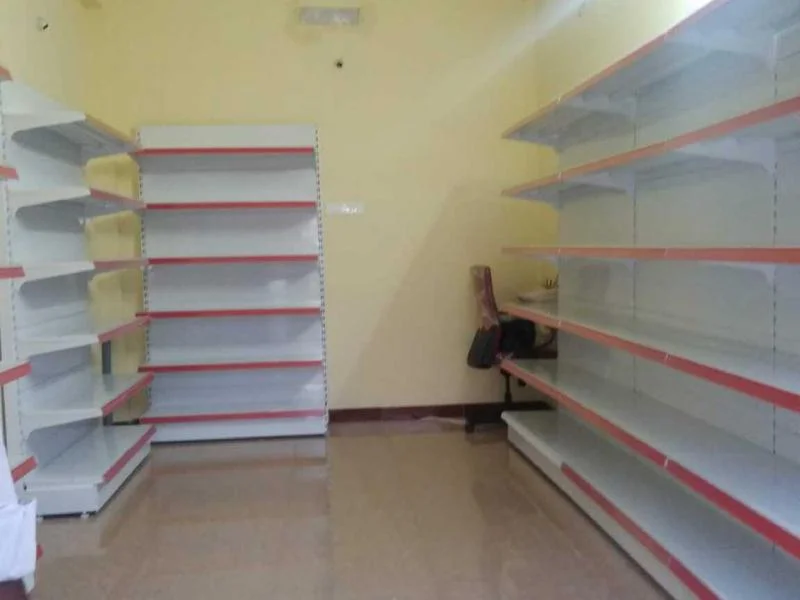
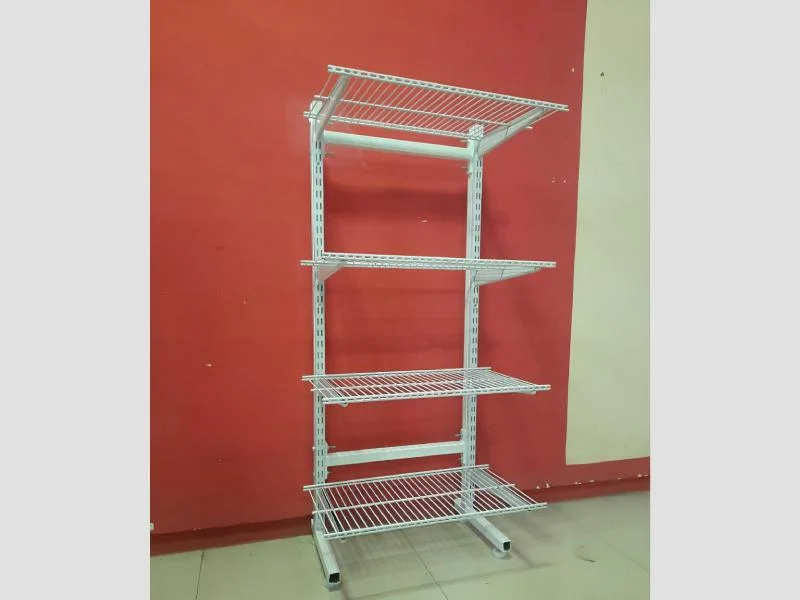
Retail and showroom interior design encompasses the planning and execution of interior spaces aimed at enhancing customer experience and promoting products effectively. This design discipline focuses on creating environments that are visually appealing, functional, and aligned with a brand's identity. It involves the strategic arrangement of merchandise, fixtures, lighting, and visual elements to engage customers and encourage purchases.
These designs are primarily used in retail spaces, showrooms, and exhibition environments. They serve to optimize customer flow, highlight key products, and create an inviting atmosphere that encourages exploration and interaction. Businesses in various sectors, including fashion, electronics, and home goods, leverage effective interior design to differentiate themselves in competitive markets. In the current landscape, where consumer behavior is increasingly influenced by aesthetics and experience, the importance of thoughtful interior design cannot be overstated.
The retail and showroom design industry is continually evolving, driven by trends in consumer preferences and technological advancements. As brands strive to create memorable experiences, the demand for innovative and tailored design solutions grows. Understanding these dynamics helps businesses leverage interior design as a strategic tool for brand positioning and sales enhancement.
Key Features and Specifications
Retail and showroom interior design incorporates several key features that contribute to the overall effectiveness of the space. These features are crucial for creating an environment that attracts and retains customers.
Key specifications include:
1. Space Planning
- Involves the layout of furniture, fixtures, and merchandise
- Focuses on maximizing space efficiency and customer flow
2. Lighting Design
- Utilizes various lighting techniques to enhance displays
- Balances natural and artificial light sources to create ambiance
3. Material Selection
- Involves choosing appropriate materials for durability and aesthetics
- Considers factors like texture, color, and brand alignment
4. Branding Elements
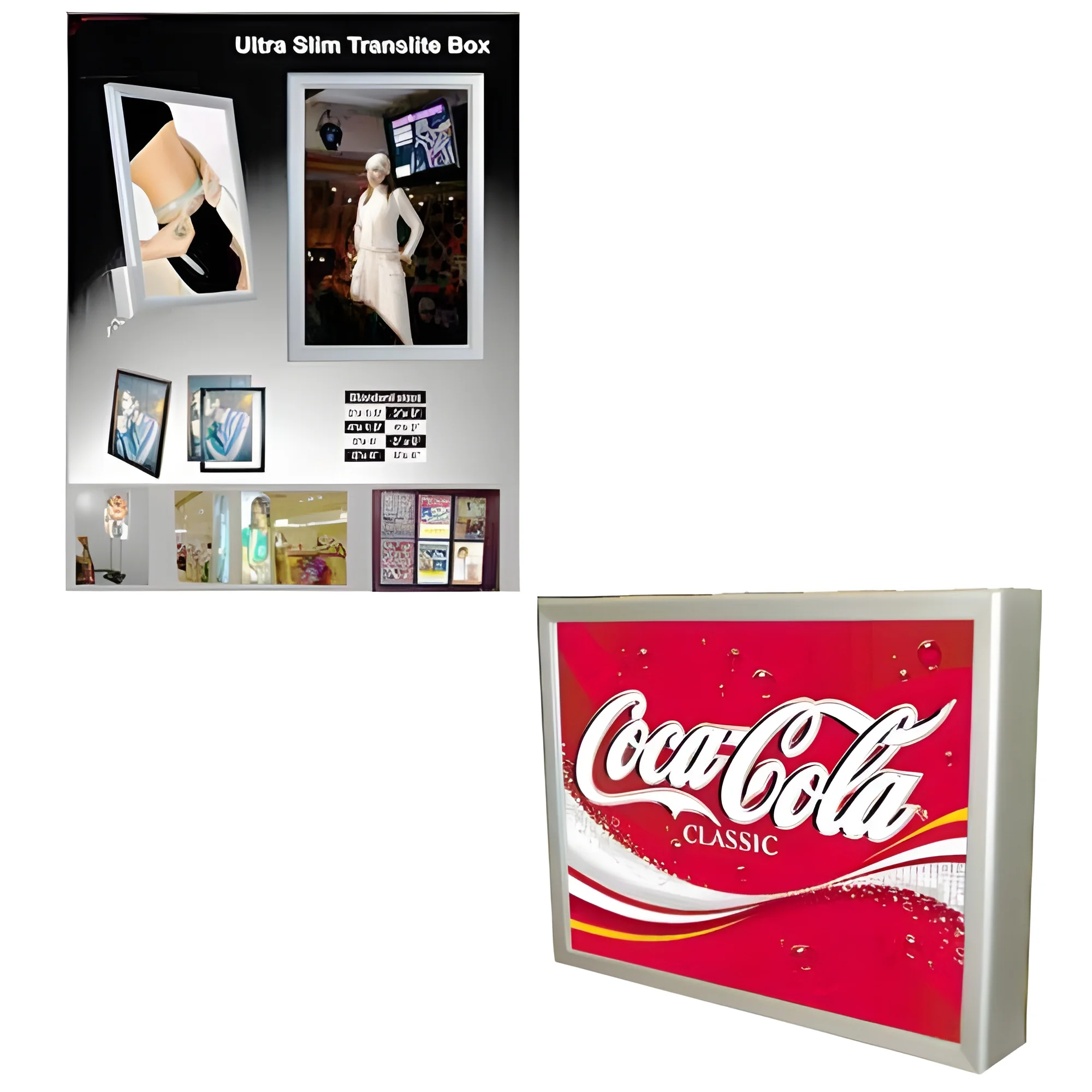
- Integrates brand colors, logos, and signage into the design
- Ensures consistent brand representation throughout the space
5. Customer Experience Optimization
- Focuses on creating a comfortable and engaging shopping environment
- Incorporates elements that encourage product interaction
6. Flexibility and Adaptability
- Designs that can be easily modified or reconfigured
- Supports changes in product displays or seasonal promotions
7. Acoustic Treatment
- Addresses sound management within the space
- Enhances the overall shopping experience by reducing noise distractions
8. Accessibility Features
- Ensures the space is accessible to all customers
- Complies with relevant accessibility standards and regulations
This combination of features and specifications creates a comprehensive design strategy that meets the needs of both the business and its customers.
Common Applications and Use Cases
Retail and showroom interior design has a wide range of applications across various industries. Each sector utilizes specific design elements to cater to their unique customer base.
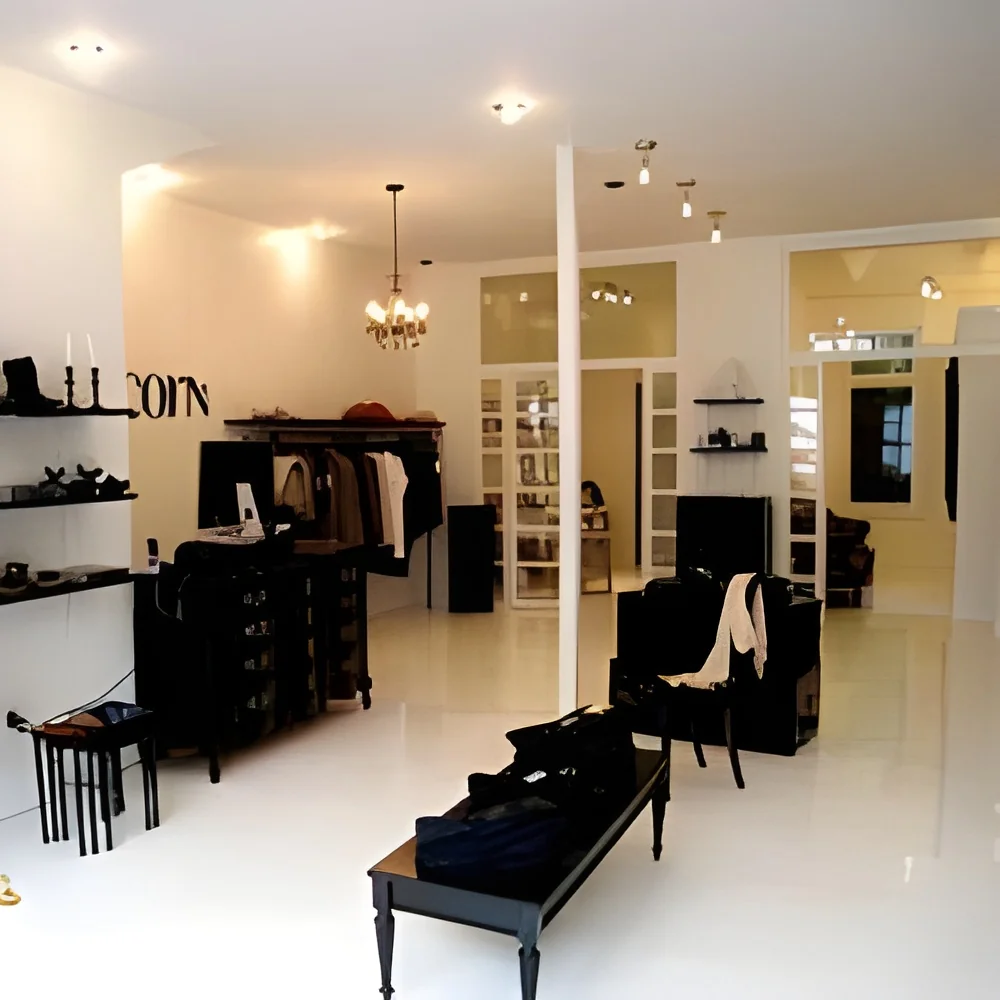
1. Fashion Retail: Fashion stores employ striking displays, innovative layouts, and sophisticated lighting to showcase clothing and accessories. A well-designed space encourages customers to browse and try on items, enhancing the shopping experience.
2. Electronics Showrooms: These spaces focus on interactive displays and product demonstrations. Effective interior design allows customers to engage with technology, fostering an understanding of product features and benefits.
3. Home Goods Stores: Design in this sector typically emphasizes a cozy and inviting atmosphere. Layouts are often arranged to simulate living spaces, helping customers visualize products within their own homes.
4. Automotive Showrooms: Automotive design prioritizes large display areas and interactive elements. The goal is to provide customers with an immersive experience that highlights vehicle features and performance.
5. Beauty and Wellness: These spaces often utilize calming colors and textures to create a relaxing environment. The design encourages customers to explore products and services, enhancing their overall experience.
6. Grocery Stores: Retail design in this sector focuses on product accessibility and flow. Effective layouts guide customers through aisles, encouraging impulse purchases while ensuring a pleasant shopping experience.
7. Specialty Stores: Unique products require custom design solutions. Specialty stores often showcase items in themed environments that enhance the customer’s connection to the brand.
Product Variants and Subcategories
Retail and showroom interior design includes a variety of approaches to suit different business needs. While specific subcategories are not available, here are some prominent variants often seen in the market.
Commercial Retail Design
This variant focuses on high-traffic retail environments. It emphasizes maximizing sales through strategic layout and engaging displays.
Boutique Style Design
Designed for smaller, niche markets, boutique style design employs personalized elements and unique aesthetics to create a distinctive shopping atmosphere that resonates with the target audience.
Experiential Design
This approach prioritizes customer engagement and interaction, often incorporating technology and immersive elements to create memorable experiences.
Thematic Design
Themed designs create a specific atmosphere that aligns with a brand's identity. This variant often includes custom displays and fixtures tailored to the chosen theme.
Benefits and Advantages
Investing in retail and showroom interior design offers numerous benefits that can positively impact a business's bottom line.
Key benefits include:
1. Enhanced Customer Experience: Thoughtful design creates an inviting atmosphere that encourages customers to engage with products and services.
2. Increased Sales: Effective layouts and displays can lead to higher conversion rates as customers are drawn to well-presented merchandise.
3. Brand Differentiation: Unique interior design sets a business apart from competitors, reinforcing brand identity and enhancing recognition.
4. Improved Customer Flow: Strategic space planning optimizes the movement of customers, reducing congestion and creating a more enjoyable shopping experience.
5. Flexibility for Change: A well-designed space can easily adapt to seasonal changes, new product lines, or promotional events, ensuring ongoing relevance.
6. Positive Brand Perception: High-quality design reflects professionalism and attention to detail, fostering trust and loyalty among customers.
Buying Guide for B2B Buyers
When sourcing retail and showroom interior design, B2B buyers should consider several key factors to ensure a successful investment.
1. Quality Assessment: Evaluate the materials and craftsmanship involved in the design. Look for durability and aesthetic appeal that aligns with your brand.
2. Supplier Verification: Research potential suppliers to ensure they have a proven track record in delivering high-quality design solutions. Check references and past projects.
3. Pricing and MOQ: Understand the cost structure and minimum order quantities involved. Evaluate how these factors fit into your budget and operational needs.
4. Delivery and Lead Times: Discuss logistics with suppliers to ensure timely delivery of design elements. Consider lead times when planning renovations or new installations.
5. Compliance Requirements: Ensure that the design meets all relevant regulatory standards and accessibility requirements to avoid potential legal issues.
Compliance and Certifications
Retail and showroom interior design must adhere to various quality standards and regulations to ensure safety and reliability.
Relevant quality standards include ISO 9001, which outlines requirements for a quality management system to enhance customer satisfaction. Compliance with HACCP principles may also be necessary for businesses in the food sector, ensuring food safety throughout the design process.
Industry certifications such as CE mark indicate conformity with health, safety, and environmental protection standards. It is essential for buyers to verify that designs meet these certifications to ensure compliance with regional laws.
Safety and testing requirements vary by industry and location. Buyers should conduct thorough checks to ensure that all design elements used are safe and tested for their intended purpose.
Regional compliance considerations are also vital, especially when operating in multiple geographic areas. Understanding local regulations will help businesses avoid compliance issues and ensure a smooth operational process.
Why Source Retail & Showroom Interior Design from Pepagora?
Pepagora offers a comprehensive platform for sourcing retail and showroom interior design, providing numerous advantages to B2B buyers.
Verified Supplier Network: Pepagora connects buyers with a network of verified suppliers. Each supplier undergoes a vetting process to ensure they meet quality and reliability standards, giving buyers peace of mind.
Streamlined RFQ Process: The request for quotation process is designed to be straightforward and efficient. Buyers can easily submit their requirements and receive competitive quotes from multiple suppliers, saving time and effort.
Trade Assurance and Support: Pepagora provides trade assurance to protect buyers. This includes support throughout the purchasing process and assistance in resolving any potential issues that may arise.
Regional Coverage: With coverage across India, the GCC, and Southeast Asia, Pepagora enables businesses to connect with suppliers in various regions. This broad reach allows buyers to find the best solutions tailored to their specific needs.

 IN
IN