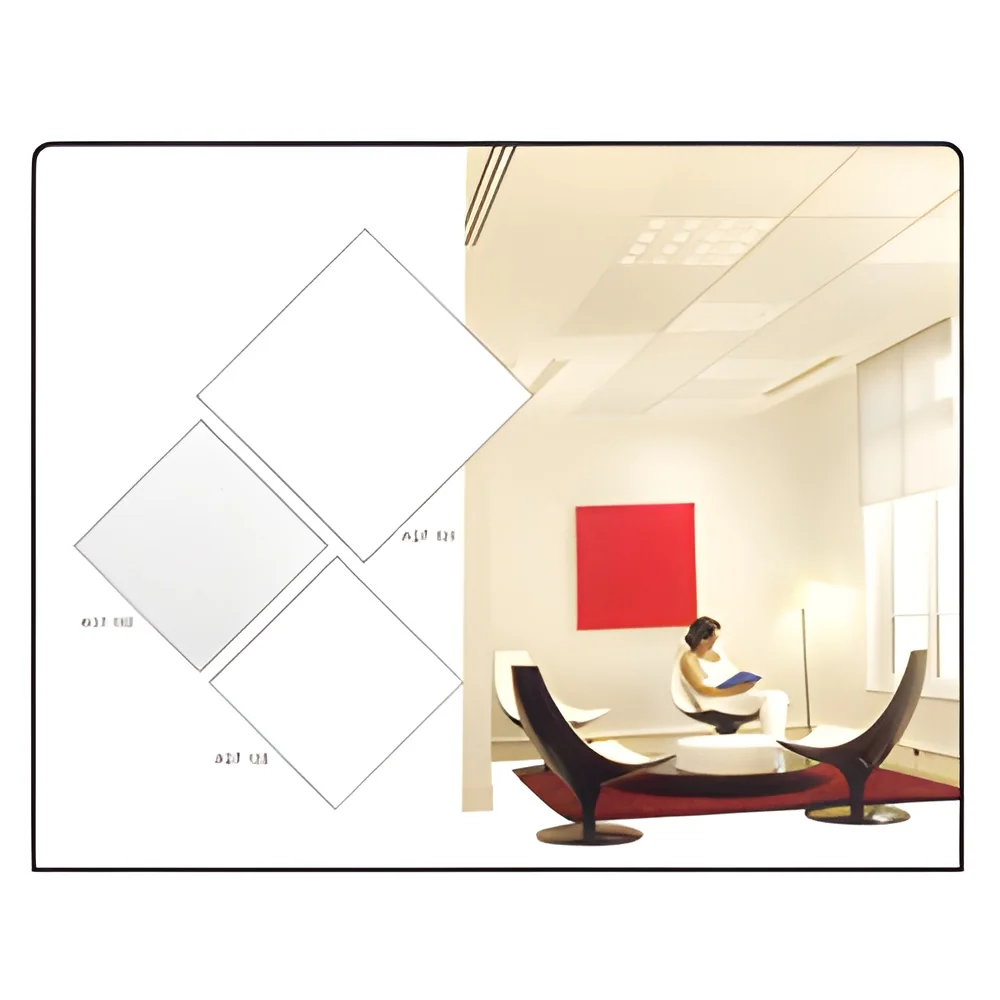
𝗪𝗵𝗮𝘁 𝗮𝗿𝗲 𝗖𝗶𝘃𝗶𝗹 & 𝗚𝘆𝗽𝘀𝘂𝗺 𝗪𝗼𝗿𝗸𝘀?
Civil and gypsum works refer to a range of construction activities involving the use of gypsum-based products and techniques. Civil works encompass the planning, designing, and building of infrastructure such as roads, bridges, and buildings. Gypsum works specifically focus on the installation of gypsum-based materials for interior finishing, including plastering, drywall, and ceiling systems. These works are essential in creating functional and aesthetically pleasing spaces in both residential and commercial structures.
The primary uses of civil and gypsum works include construction and renovation projects that require durable and versatile materials. Gypsum products are favored for their fire-resistant properties, sound insulation, and ease of installation. These works are widely applied in sectors such as residential construction, commercial buildings, and industrial facilities, making them integral to the construction industry. As urbanization continues to rise, the demand for civil and gypsum works remains strong, with businesses seeking efficient solutions to meet building standards and regulations.
In the current market context, civil and gypsum works are increasingly relevant as sustainability and efficiency become top priorities. The construction industry is evolving to incorporate eco-friendly materials and practices, where gypsum plays a pivotal role due to its low environmental impact. This trend is supported by advancements in technology that enhance the performance and application of gypsum products.
𝗞𝗲𝘆 𝗙𝗲𝗮𝘁𝘂𝗿𝗲𝘀 𝗮𝗻𝗱 𝗦𝗽𝗲𝗰𝗶𝗳𝗶𝗰𝗮𝘁𝗶𝗼𝗻𝘀
Civil and gypsum works offer several key features that make them suitable for various construction needs. These specifications ensure that the products meet industry standards and customer expectations.
Key specifications include:
1. Material Composition
- Gypsum board and plaster are made from natural gypsum, providing sustainability.
- These materials are lightweight yet strong, allowing for easy handling.
2. Fire Resistance
- Gypsum products are known for their fire-resistant properties, making them safe for use in buildings.
- They can withstand high temperatures, reducing the risk of fire spread.
3. Acoustic Performance
- Gypsum works provide excellent sound insulation, making them ideal for residential and commercial applications.
- They help reduce noise transmission between rooms and floors.
4. Moisture Resistance
- Certain gypsum boards are designed to resist moisture, suitable for areas prone to humidity.
- This feature helps prevent mold growth and deterioration.
5. Ease of Installation
- Gypsum products are easy to cut and shape, facilitating quick installation.
- They can be mounted on various surfaces, including metal and wooden frames.
6. Aesthetic Versatility
- Gypsum can be finished with various textures and paints, allowing for design flexibility.
- It is suitable for both modern and traditional architectural styles.
7. Sustainability
- Gypsum is a natural material, contributing to sustainable building practices.
- Its production has a lower carbon footprint compared to other construction materials.
8. Cost-Effectiveness
- Gypsum products are often more affordable than traditional materials.
- Their durability reduces long-term maintenance costs.
In summary, civil and gypsum works are characterized by their material properties, performance features, and ease of installation, making them an essential choice for modern construction projects.
𝗖𝗼𝗺𝗺𝗼𝗻 𝗔𝗽𝗽𝗹𝗶𝗰𝗮𝘁𝗶𝗼𝗻𝘀 𝗮𝗻𝗱 𝗨𝘀𝗲 𝗖𝗮𝘀𝗲𝘀
Civil and gypsum works find applications across various industries, showcasing their versatility and effectiveness.
1. Residential Construction: Gypsum works are commonly used in homes for drywall installation, ceilings, and interior partitions. They provide a smooth finish and contribute to energy efficiency.
2. Commercial Buildings: In offices and retail spaces, gypsum products are used for suspended ceilings and acoustic panels, enhancing sound control and aesthetics.
3. Hospitality: Hotels and restaurants utilize gypsum for decorative ceilings and walls, creating an inviting atmosphere while ensuring compliance with fire safety regulations.
4. Industrial Facilities: Gypsum is employed in factories for partitions and fire-rated walls, ensuring safety and functionality in workspaces.
5. Educational Institutions: Schools and universities use gypsum products for classrooms and auditoriums, promoting sound insulation and a conducive learning environment.
6. Healthcare: Hospitals and clinics incorporate gypsum works for walls and ceilings, ensuring hygiene and fire safety in sensitive environments.
7. Infrastructure Projects: Gypsum is used in civil works for road barriers and sound walls, contributing to urban development and noise reduction.
𝗣𝗿𝗼𝗱𝘂𝗰𝘁 𝗩𝗮𝗿𝗶𝗮𝗻𝘁𝘀 𝗮𝗻𝗱 𝗦𝘂𝗯𝗰𝗮𝘁𝗲𝗴𝗼𝗿𝗶𝗲𝘀
Civil and gypsum works include a variety of products that cater to different construction needs. The diversity in product offerings allows builders to choose the best options for their projects.
Gypsum Board
Gypsum board is a widely used product for walls and ceilings. It is lightweight, easy to install, and can be finished with various textures and paints.
Gypsum Plaster
Gypsum plaster is applied directly to walls and ceilings, providing a smooth and durable surface. It is known for its quick setting time and excellent adherence.
Acoustic Gypsum Panels
These panels are designed to enhance sound insulation in commercial and residential spaces. They are ideal for use in offices, schools, and theaters.
Moisture-Resistant Gypsum Board
This variant is specially designed for areas with high humidity, such as bathrooms and kitchens. It prevents mold growth and deterioration over time.
𝗕𝗲𝗻𝗲𝗳𝗶𝘁𝘀 𝗮𝗻𝗱 𝗔𝗱𝘃𝗮𝗻𝘁𝗮𝗴𝗲𝘀
Choosing civil and gypsum works offers numerous benefits that contribute to effective construction practices.
Key benefits include:
1. Durability: Gypsum products are resistant to wear and damage, ensuring longevity in construction.
2. Fire Safety: Their inherent fire-resistant properties enhance the safety of buildings, meeting regulatory standards.
3. Cost Efficiency: The affordability of gypsum materials and their ease of installation reduce overall project costs.
4. Environmental Impact: Gypsum is a natural material that can contribute to sustainable building practices with a lower carbon footprint.
5. Versatility: The range of applications and finishes available allows for customization in both residential and commercial projects.
6. Rapid Installation: Gypsum products can be quickly installed, minimizing project timelines and labor costs.
𝗕𝘂𝘆𝗶𝗻𝗴 𝗚𝘂𝗶𝗱𝗲 𝗳𝗼𝗿 𝗕𝟮𝗕 𝗕𝘂𝘆𝗲𝗿𝘀
When sourcing civil and gypsum works, B2B buyers should consider several critical factors to ensure a successful purchase.
1. Quality Assessment: It is essential to evaluate the quality of gypsum products against industry standards. Look for products that have certifications, ensuring they meet performance and safety requirements.
2. Supplier Verification: Vetting suppliers is crucial for ensuring reliable delivery and product quality. Check for customer reviews, industry experience, and certification.
3. Pricing and MOQ: Understand the pricing structure and minimum order quantities (MOQ) before making a purchase. Compare quotes from multiple suppliers to ensure competitive pricing.
4. Delivery and Lead Times: Consider the logistics involved in the delivery of gypsum products. Assess lead times to ensure they align with project schedules.
5. Compliance Requirements: Familiarize yourself with any regulatory requirements related to gypsum products in your region. This ensures that the materials sourced are compliant with safety and quality standards.
𝗖𝗼𝗺𝗽𝗹𝗶𝗮𝗻𝗰𝗲 𝗮𝗻𝗱 𝗖𝗲𝗿𝘁𝗶𝗳𝗶𝗰𝗮𝘁𝗶𝗼𝗻𝘀
Civil and gypsum works must adhere to various compliance standards and certifications to ensure safety and quality in construction. Key quality standards include ISO 9001, which focuses on quality management systems, ensuring products are consistently manufactured to meet customer requirements.
Certifications like CE mark indicate that the products comply with European health, safety, and environmental protection standards. This certification is crucial for gaining market access in Europe.
Safety and testing requirements are also critical. Gypsum products must undergo rigorous testing to ensure they meet fire safety standards and performance criteria. This includes assessments for acoustic performance, moisture resistance, and overall durability.
Regional compliance considerations are important as building codes and regulations can vary significantly based on location. It is vital for buyers to understand local regulations governing the use of gypsum materials in construction.
𝗪𝗵𝘆 𝗦𝗼𝘂𝗿𝗰𝗲 𝗖𝗶𝘃𝗶𝗹 & 𝗚𝘆𝗽𝘀𝘂𝗺 𝗪𝗼𝗿𝗸𝘀 𝗳𝗿𝗼𝗺 𝗣𝗲𝗽𝗮𝗴𝗼𝗿𝗮?
Pepagora offers a reliable platform for sourcing civil and gypsum works, providing several key advantages for B2B buyers.
Verified Supplier Network: Pepagora features a network of verified suppliers who have undergone thorough vetting processes. This ensures that buyers can trust the quality and reliability of the products they source.
Streamlined RFQ Process: The request for quotation (RFQ) system at Pepagora simplifies the procurement process. Buyers can easily compare quotes from multiple suppliers, helping them make informed purchasing decisions.
Trade Assurance and Support: Pepagora provides trade assurance, protecting buyers from potential risks. Additionally, dedicated support is available to assist buyers throughout the procurement process.
Regional Coverage: With a broad geographic reach across India, the GCC, and Southeast Asia, Pepagora connects buyers with suppliers in key markets, facilitating access to quality civil and gypsum works. This coverage ensures that businesses can find the right products to meet their local project needs.

 IN
IN