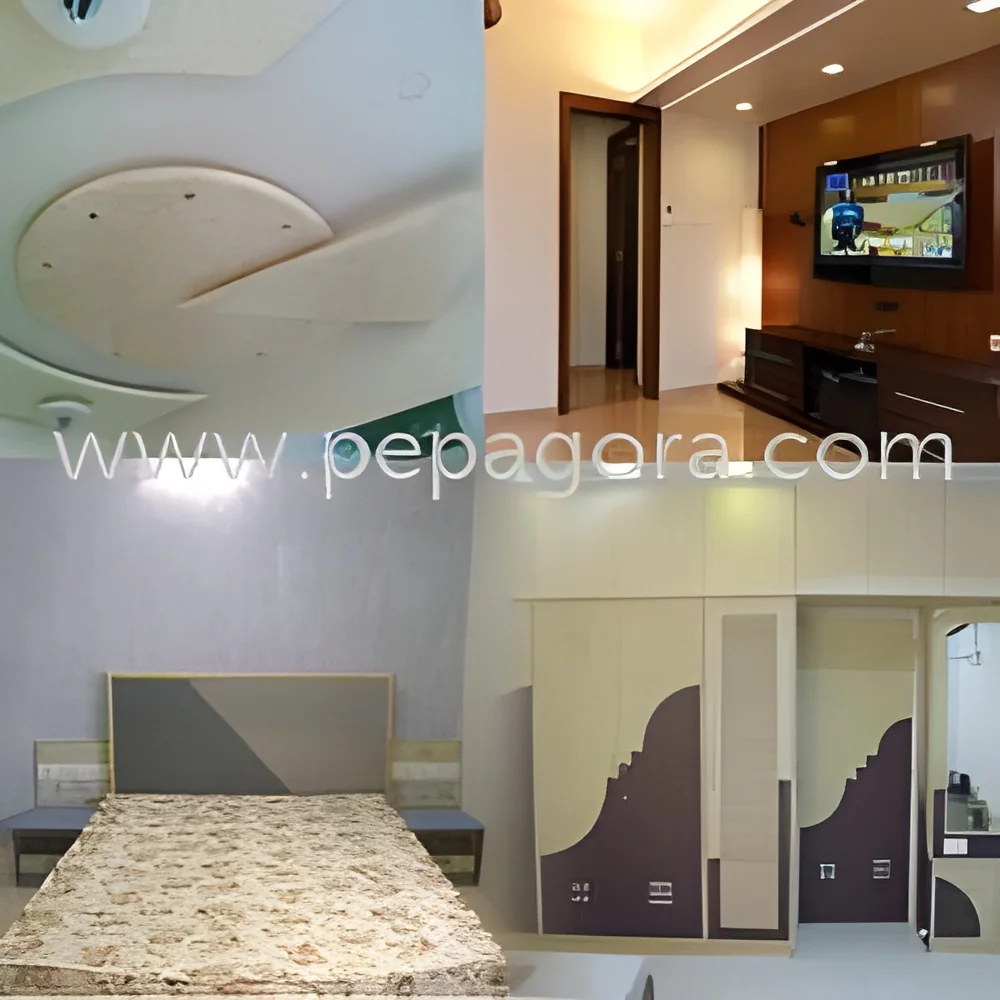
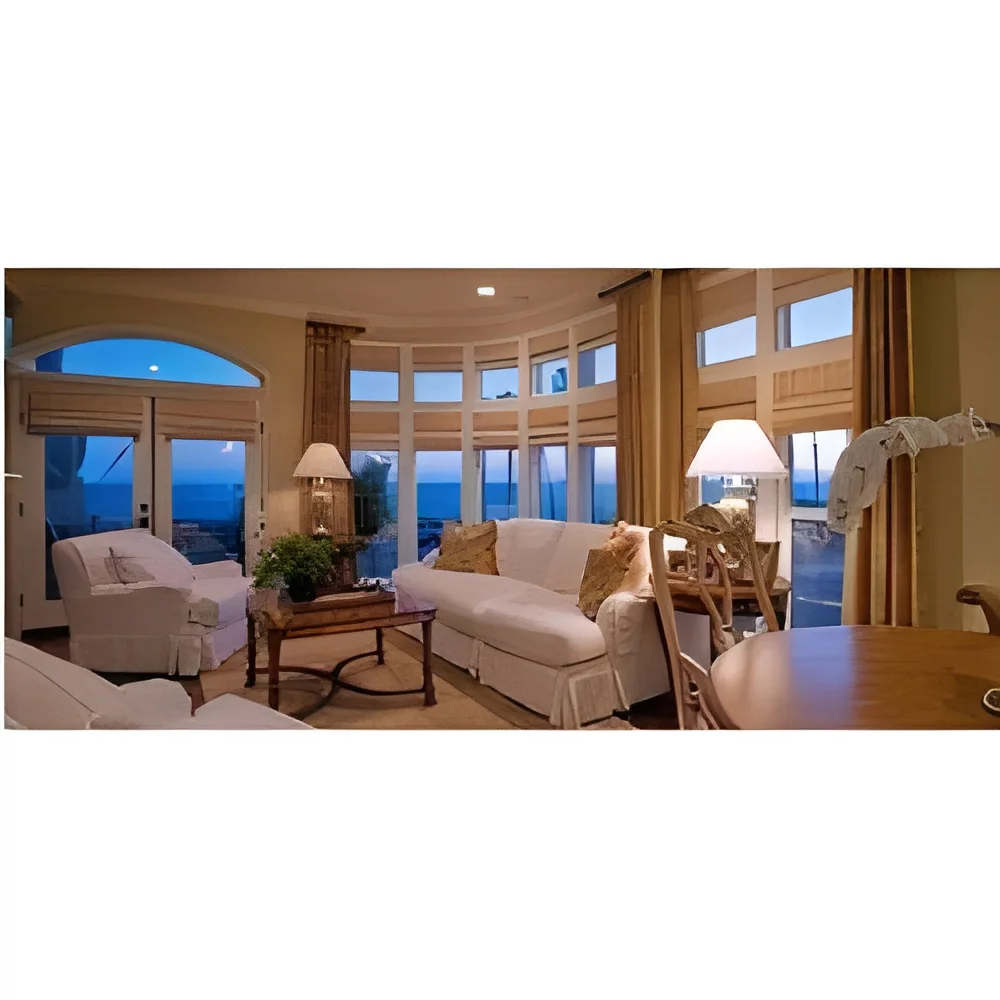
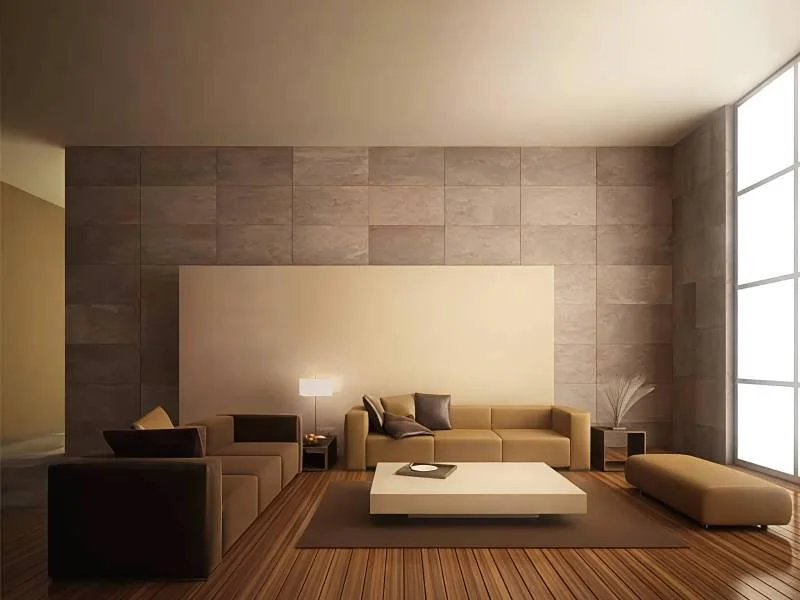
What are Residential Interior Design Services?
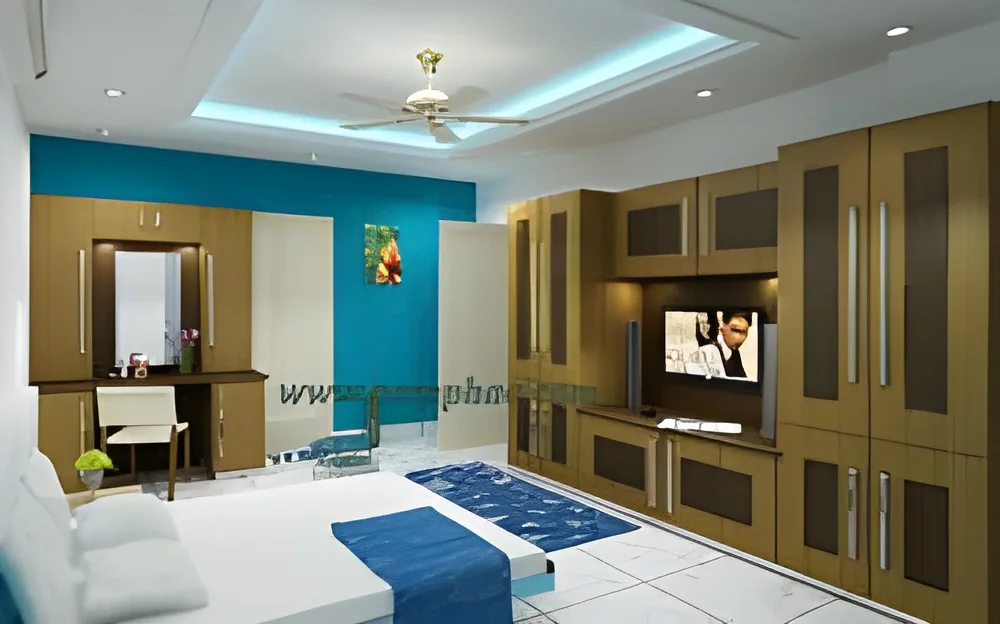
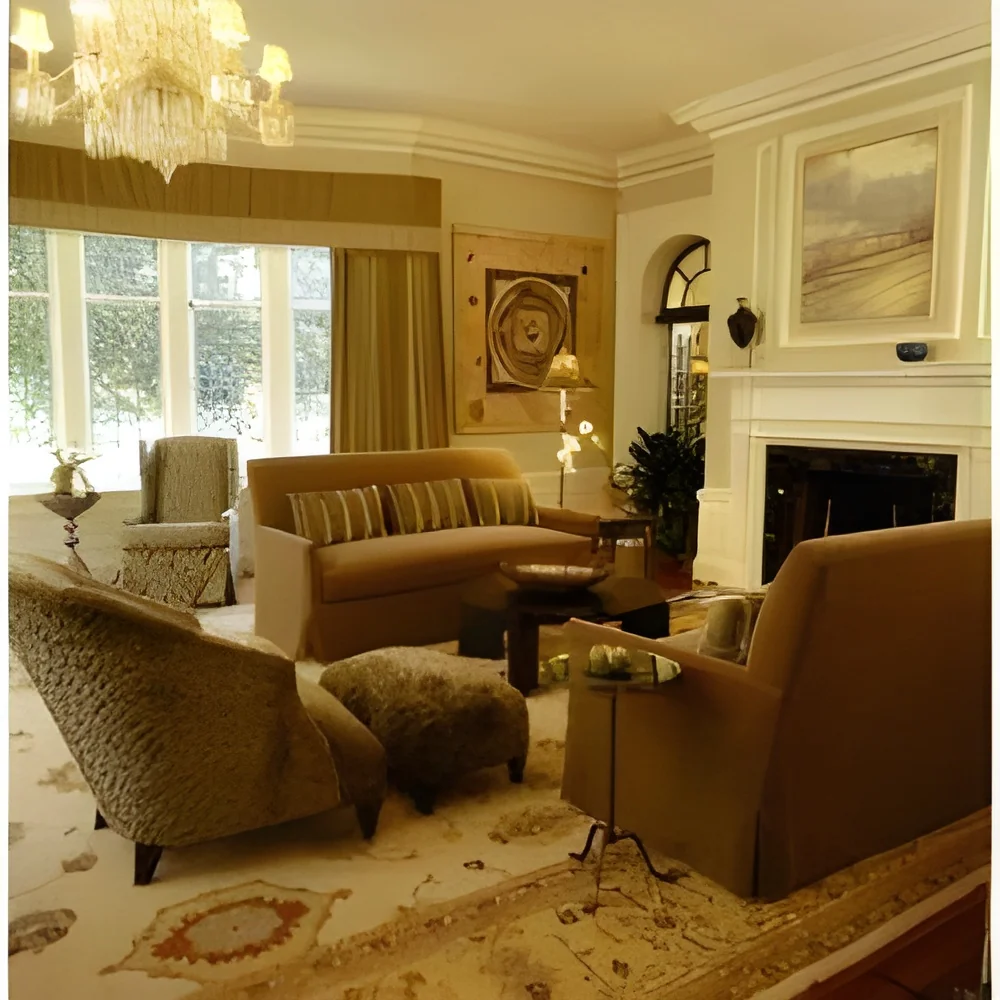
Residential interior design services encompass a range of professional services aimed at enhancing the aesthetics and functionality of residential spaces. These services involve the creation and implementation of design concepts that include space planning, color selection, furnishings, and overall interior decor. Interior designers work collaboratively with clients to understand their needs, preferences, and lifestyle in order to create personalized environments that reflect their tastes.
The primary applications of residential interior design services are found in the renovation and new construction of homes. This can range from single-room makeovers to complete home redesigns. Designers often engage with homeowners, builders, and real estate professionals to ensure that the design meets the intended purpose while adhering to the latest trends and standards. The relevance of this industry has grown in recent years as homeowners increasingly seek to invest in their living spaces for both personal enjoyment and increased property value.
As the market continues to evolve, residential interior design services are becoming more integrated with sustainable practices and smart home technology. This shift reflects a broader trend toward creating environments that are not only visually appealing but also energy-efficient and equipped with modern conveniences.
Key Features and Specifications
Residential interior design services offer a variety of key features that enhance the overall design experience. These features ensure that the final outcome meets client expectations and industry standards.
Key specifications include:
1. Design Consultation
- Personalized assessment of client needs and preferences
- Involves discussions on style, budget, and functionality
2. Space Planning
- Effective layout designs that maximize room functionality
- Technical considerations for traffic flow and spatial harmony
3. Material Selection
- Expertise in choosing appropriate materials for durability and aesthetics
- Includes finishes, textiles, and furnishings tailored to client desires
4. Lighting Design
- Comprehensive planning for natural and artificial lighting solutions
- Focus on enhancing ambiance while meeting functional requirements
5. Color Theory Application
- Use of color psychology to influence mood and perception
- Strategic color palettes that align with client vision
6. Project Management
- Coordination of contractors, vendors, and timelines
- Ensures seamless execution from design conception to project completion
7. Compliance with Building Codes
- Adherence to local building regulations and safety standards
- Ensures designs are not only beautiful but also safe
8. Sustainability Practices
- Incorporation of eco-friendly materials and methods
- Focus on energy efficiency and reduced environmental impact
In summary, residential interior design services combine creativity and technical expertise to create tailored living spaces. These services are designed to meet diverse client needs while adhering to industry standards.
Common Applications and Use Cases
Residential interior design services are applicable across various sectors, enhancing both functionality and aesthetics in living environments.
1. Family Homes: Interior designers create spaces that accommodate family dynamics, ensuring that areas are functional for both children and adults.
2. Luxury Apartments: Designers focus on high-end finishes and stylish layouts that appeal to affluent clients, enhancing the overall living experience.
3. Vacation Homes: Services include designing relaxing and inviting environments that reflect the local culture and enhance the holiday experience.
4. Renovation Projects: Designers assist homeowners in modernizing outdated spaces, improving both aesthetics and functionality.
5. Small Spaces: Expertise in maximizing limited square footage while maintaining style and comfort is crucial for urban dwellings.
6. Aging-in-Place Designs: Services tailored to accommodate the needs of elderly residents, ensuring safety and accessibility without sacrificing style.
7. Eco-Friendly Homes: Designers incorporate sustainable practices to create environments that are both beautiful and environmentally responsible.
Product Variants and Subcategories
Residential interior design services offer a variety of approaches and styles to cater to diverse client needs.
Traditional Interior Design
This variant focuses on classic styles, featuring rich textures and ornate details. It often includes antique furnishings and timeless color palettes, appealing to clients who appreciate historical aesthetics.
Modern Interior Design
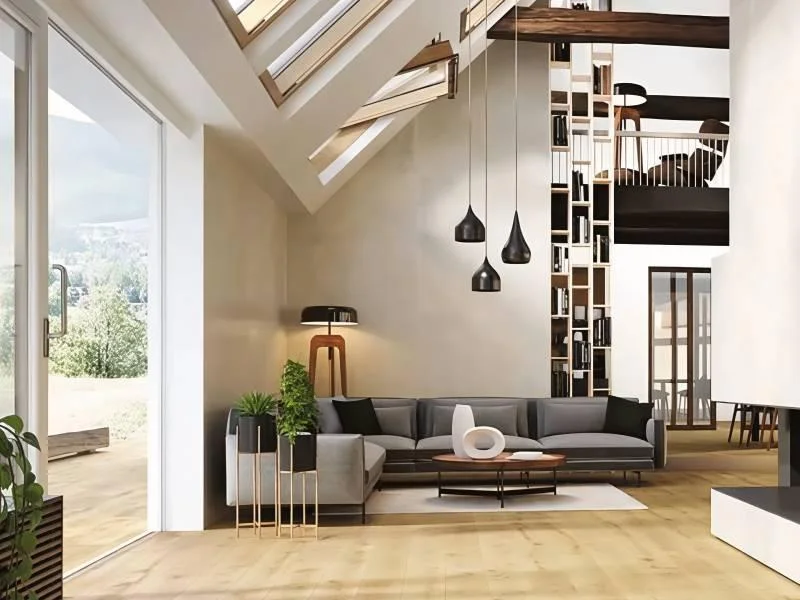
Characterized by minimalism and clean lines, modern interior design emphasizes functionality. This approach often incorporates open spaces with a focus on simplicity, using contemporary materials and furnishings.
Industrial Interior Design
This style highlights raw materials and exposed structures. It appeals to clients looking for a trendy, urban aesthetic, often featuring concrete, metal, and reclaimed wood elements.
Contemporary Interior Design
Contemporary design reflects current trends while allowing for flexibility. It combines various styles and is often characterized by bold colors and innovative furnishings.
Benefits and Advantages
Engaging residential interior design services offers numerous advantages to homeowners and businesses alike.
Key benefits include:
1. Personalized Design Solutions: Clients receive tailored designs that reflect their individual style and preferences, enhancing satisfaction.
2. Expert Guidance: Professional designers bring extensive knowledge and experience, helping clients navigate complex design choices and avoid common pitfalls.
3. Increased Property Value: Well-designed spaces can significantly enhance the market value of a property, making it a smart investment for homeowners.
4. Time Efficiency: Hiring a professional saves clients time by streamlining the design and implementation process, allowing them to focus on other priorities.
5. Access to Resources: Designers have connections to suppliers and contractors, providing clients with access to high-quality materials and skilled labor.
6. Enhanced Functionality: A well-planned interior maximizes space and improves the usability of each area, creating a more enjoyable living environment.
Buying Guide for B2B Buyers
When sourcing residential interior design services, B2B buyers should consider a range of important factors.
1. Quality Assessment: Evaluate the portfolio and past projects of potential designers to ensure their work aligns with your expectations and standards.
2. Supplier Verification: Conduct thorough background checks on interior designers or firms to confirm their credentials and reliability.
3. Pricing and MOQ: Understand the cost structure of services offered and any minimum order quantities to align with budget constraints.
4. Delivery and Lead Times: Discuss project timelines and ensure that the designer can meet your schedule without compromising on quality.
5. Compliance Requirements: Verify that the designer adheres to local building codes and regulations, ensuring that all work is compliant with safety standards.
Compliance and Certifications
Residential interior design services must adhere to various compliance and certification standards to ensure quality and safety.
Relevant quality standards include ISO 9001, which focuses on maintaining quality management systems, and CE certification, which indicates compliance with European safety standards. Though specific regional compliance requirements may vary, designers typically must follow local building codes and regulations.
Safety and testing requirements are also crucial in ensuring that the materials and design implementations do not pose risks to occupants. Designers should be knowledgeable about these requirements to guarantee that their projects meet all necessary safety protocols.
Why Source Residential Interior Design Services from Pepagora?
Pepagora provides a trusted platform for sourcing residential interior design services, offering several key advantages to B2B buyers.
Verified Supplier Network: Pepagora ensures that all listed suppliers undergo a rigorous verification process. This guarantees that buyers are connected with reputable and qualified interior design professionals.
Streamlined RFQ Process: The platform features an efficient request for quotation (RFQ) system, allowing buyers to easily compare services and pricing from multiple designers, simplifying the decision-making process.
Trade Assurance and Support: Pepagora offers robust buyer protection, ensuring that clients receive quality service and support throughout their engagement with suppliers.
Regional Coverage: With extensive reach across India, the GCC, and Southeast Asia, Pepagora connects buyers with local designers who understand regional aesthetics and client needs, making it easier to find the right match for any project.

 IN
IN