
 IN
Rescue Stretchers
1 products available
What are Rescue Stretchers?
Rescue stretchers are specialized medical devices designed for transporting individuals who are injured or incapacitated. These stretchers are built to accommodate various emergency situations, providing a safe and effective means of moving patients from one location to another. They are typically lightweight, durable, and easy to handle, making them essential tools for first responders, emergency medical services, and rescue teams.
The primary use of rescue stretchers is in emergency and rescue operations. They are commonly employed in scenarios such as accidents, natural disasters, and medical emergencies where immediate patient transport is critical. Businesses involved in healthcare, firefighting, and search and rescue operations are among the primary users of these stretchers. They ensure that patients receive timely medical attention while being moved, minimizing the risk of further injury.
In the current market context, the demand for rescue stretchers is growing due to increasing awareness of emergency preparedness and the necessity for swift medical response. As industries continue to prioritize safety and effective emergency protocols, the relevance of rescue stretchers in various sectors remains significant.
Key Features and Specifications
Rescue stretchers come equipped with a variety of features that enhance their functionality and safety. These specifications are crucial for ensuring the effectiveness of the stretcher in real-world applications.
Key specifications include:
1. Weight Capacity
- Typically supports up to 250 kg (550 lbs)
- Ensures safety for most adult patients
2. Material
- Constructed from high-strength aluminum or reinforced plastic
- Provides durability and resistance to harsh environments
3. Dimensions
- Standard size is approximately 200 cm long and 60 cm wide
- Compact design for easy transportation
4. Foldability
- Many models are foldable for convenient storage
- Reduces space requirements when not in use
5. Safety Straps
- Equipped with adjustable safety straps to secure patients
- Prevents movement during transport
6. Carrying Handles
- Multiple handles for easy lifting by rescue personnel
- Ergonomic design for better grip and maneuverability
7. Color
- Often available in bright colors for high visibility
- Enhances recognition in emergency situations
8. Weight
- Generally weighs between 5 to 10 kg (11 to 22 lbs)
- Lightweight for ease of transport without compromising strength
In summary, understanding the key features and specifications of rescue stretchers is essential for selecting the right equipment for emergency situations.
Common Applications and Use Cases
Rescue stretchers find use across multiple industries due to their critical role in patient transport during emergencies.
1. Healthcare: In hospitals and clinics, rescue stretchers are used to move patients from emergency rooms to operating theaters or other departments.
2. Fire and Rescue: Firefighters utilize stretchers during rescue missions to safely evacuate individuals from hazardous environments.
3. Search and Rescue: In outdoor environments, rescue teams employ stretchers to transport injured hikers or individuals caught in natural disasters.
4. Military: Military personnel use stretchers for evacuating injured soldiers from the field to medical facilities.
5. Sports: In sporting events, medical teams rely on rescue stretchers for immediate transport of injured athletes.
6. Industrial: In factories or construction sites, stretchers are essential for transporting injured workers to safety or medical assistance.
7. Disaster Relief: During humanitarian efforts, rescue stretchers are crucial for moving victims of disasters to safety and medical help.
Product Variants and Subcategories
Rescue stretchers come in different variants, each designed to cater to specific needs and environments.
Manual Rescue Stretcher
This type features a basic design allowing for straightforward manual transport. It is often lightweight and easy to deploy, making it ideal for emergency situations where quick access is essential.
Foldable Rescue Stretcher
This variant can be collapsed for convenient storage and transport. It is especially useful for rescue teams operating in confined spaces or where storage space is limited.
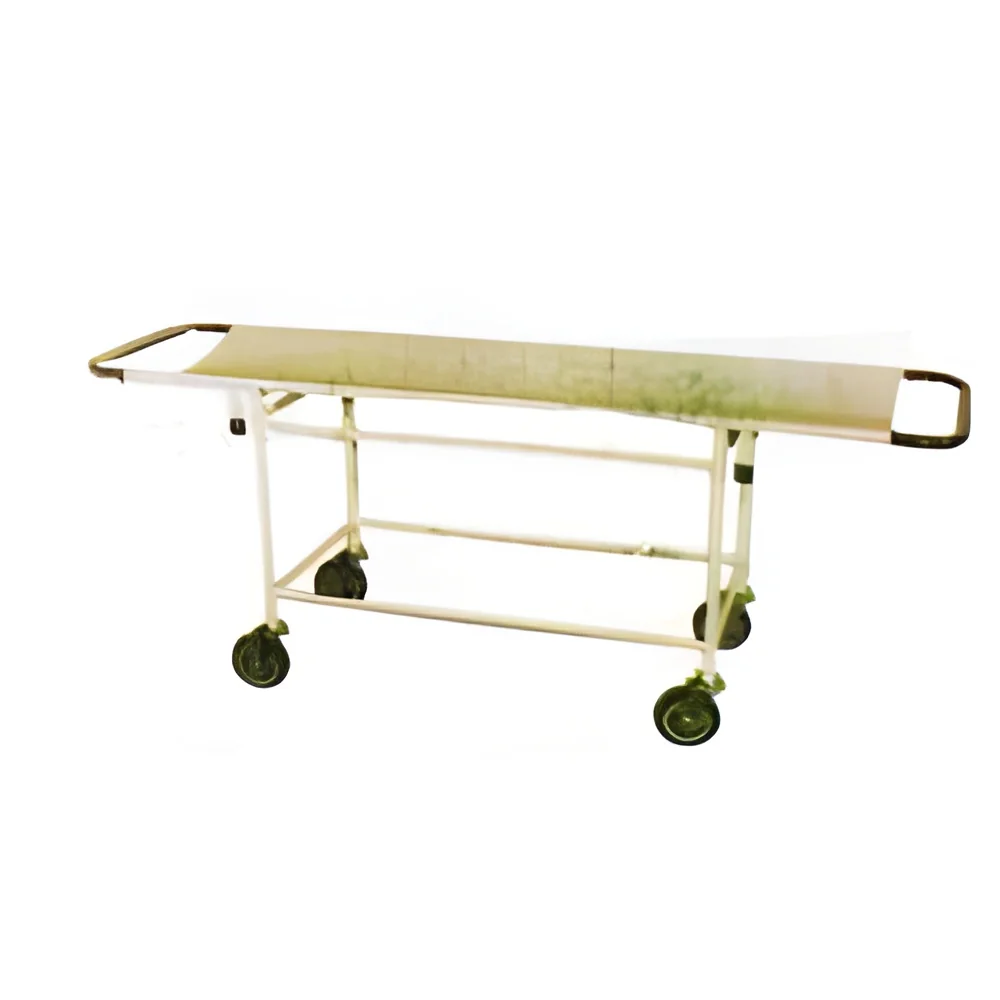
Stretcher with Wheels
Equipped with wheels, this stretcher variant allows for easier transport over longer distances. It is beneficial in hospital settings or large outdoor events where manual lifting may be impractical.
Water Rescue Stretcher
Designed for use in aquatic environments, this stretcher variant is buoyant and waterproof. It is ideal for rescue operations involving drowning or water-related accidents.
Benefits and Advantages
Investing in rescue stretchers provides numerous advantages that enhance emergency response capabilities.
1. Enhanced Safety: Rescue stretchers ensure that patients are securely restrained during transport, minimizing the risk of further injury.
2. Versatility: These stretchers can be used in a wide range of emergency scenarios, making them a valuable addition to any first responder's toolkit.
3. Ease of Use: Designed for quick deployment, rescue stretchers can be easily handled by personnel, facilitating rapid response times.
4. Durability: High-quality materials ensure that rescue stretchers can withstand harsh conditions and repeated use without compromising safety.
5. Compact Design: Many models are foldable or lightweight, allowing for easy storage and transport without taking up excessive space.
6. Cost-Effectiveness: Investing in durable rescue stretchers can reduce long-term costs associated with medical transport and emergency response.
Buying Guide for B2B Buyers
When sourcing rescue stretchers, businesses should consider several important factors to ensure they select the right product for their needs.
1. Quality Assessment: Evaluate the materials and construction of the stretcher. Look for models that meet industry standards for safety and durability.
2. Supplier Verification: Vet suppliers for reliability and reputation. Check for certifications and customer reviews to ensure they provide quality products.
3. Pricing and MOQ: Understand the pricing structure and minimum order quantities. Compare different suppliers to find the best value for your budget.
4. Delivery and Lead Times: Inquire about delivery schedules and lead times. Timely delivery is crucial for emergency preparedness.
5. Compliance Requirements: Ensure that the stretchers meet relevant regulatory and compliance standards specific to your industry or region.
Compliance and Certifications
Rescue stretchers must adhere to specific quality standards and certifications to ensure their safety and effectiveness in emergency situations.
ISO 9001 is a key quality management standard that many manufacturers strive to meet, ensuring consistent product quality.
The CE certification indicates that the stretcher complies with European health, safety, and environmental protection standards, providing assurance to buyers regarding its quality.
Safety and testing requirements are critical for rescue stretchers. Manufacturers often conduct rigorous testing to ensure that the stretchers can withstand various conditions during use.
Regional compliance considerations may vary, so it is essential for buyers to verify that products meet local regulations and standards applicable to their industry.
Why Source Rescue Stretchers from Pepagora?
Pepagora offers a trusted platform for sourcing rescue stretchers, providing several key advantages to businesses.
Verified Supplier Network: Pepagora features a network of verified suppliers, ensuring that buyers can find reliable sources for high-quality rescue stretchers.
Streamlined RFQ Process: The platform simplifies the request for quotation process, allowing buyers to easily compare prices and specifications from multiple suppliers.
Trade Assurance and Support: Pepagora provides trade assurance, offering buyers protection and support throughout the purchasing process to foster confidence in their transactions.
Regional Coverage: With a presence in India, the GCC, and Southeast Asia, Pepagora ensures broad geographic reach, allowing businesses to source rescue stretchers conveniently across various regions.


 India
Frequently Asked Questions
What are Rescue Stretchers?
Rescue stretchers are specialized medical equipment designed for the safe transportation of injured or incapacitated individuals. They are commonly used in emergency situations, rescue operations, and by medical personnel to ensure the secure and comfortable transport of patients.
What are the different types of Rescue Stretchers?
There are several types of rescue stretchers, including folding stretchers, scoop stretchers, basket stretchers, and inflatable stretchers. Each type is designed for specific scenarios, such as terrain adaptability, ease of storage, or enhanced patient stability.
How do I choose the right Rescue Stretchers?
Choosing the right rescue stretcher depends on factors such as the environment in which it will be used, the type of injuries being treated, and the required weight capacity. Assessing the specific needs of your operation and consulting with manufacturers can help in making an informed decision.
What are the standard specifications for Rescue Stretchers?
Standard specifications for rescue stretchers typically include weight capacity, dimensions, material composition, and safety features. Most stretchers are designed to meet industry standards for durability and patient safety during transport.
What is the price range for Rescue Stretchers?
The price range for rescue stretchers can vary significantly based on the type and features, generally ranging from INR 2,500 to INR 25,000 or more. Factors influencing the price include materials, design complexity, and additional features.
What quality standards apply to Rescue Stretchers?
Rescue stretchers must adhere to various quality standards, including those set by national and international safety organizations. Compliance with these standards ensures that the stretchers are effective, reliable, and safe for patient transport.
Where can I find Rescue Stretchers suppliers in India?
You can find rescue stretchers suppliers in India through B2B marketplaces like Pepagora, industry trade shows, and medical supply distributors. Online platforms often provide listings of reputable manufacturers and suppliers.
Can Rescue Stretchers be customized?
Yes, many manufacturers offer customization options for rescue stretchers to meet specific requirements such as sizing, colors, and additional features. Customization can enhance functionality based on the intended use.
What is the typical minimum order quantity for Rescue Stretchers?
The typical minimum order quantity (MOQ) for rescue stretchers can vary by supplier but often ranges from 5 to 10 units. It's advisable to check with individual suppliers for their specific MOQ policies.
What is the typical lead time for Rescue Stretchers?
The typical lead time for rescue stretchers can range from 2 to 6 weeks, depending on the supplier, order size, and whether customization is required. It's important to confirm lead times with your chosen supplier.
Why Businesses Trust Pepagora
Thousands of companies trust Pepagora to source smarter and sell faster
Expand Your Sales Globally

Source Smarter,Grow Faster
