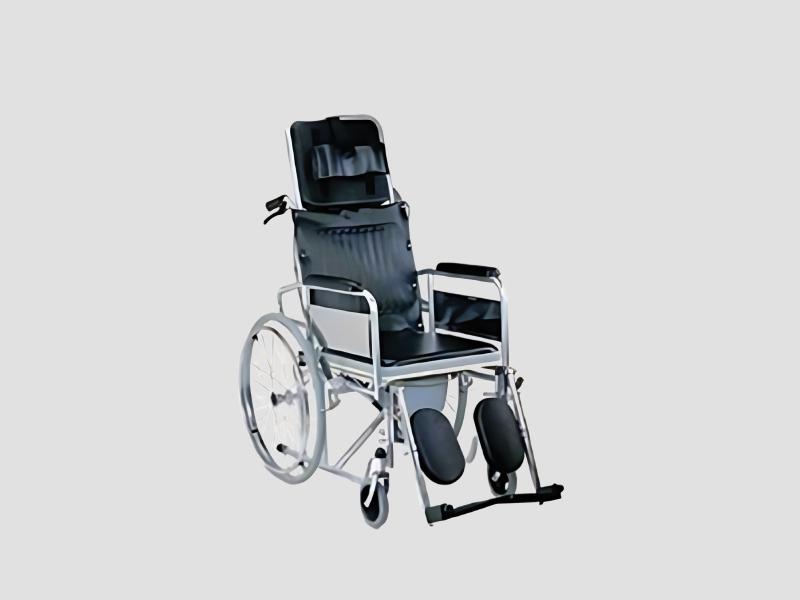
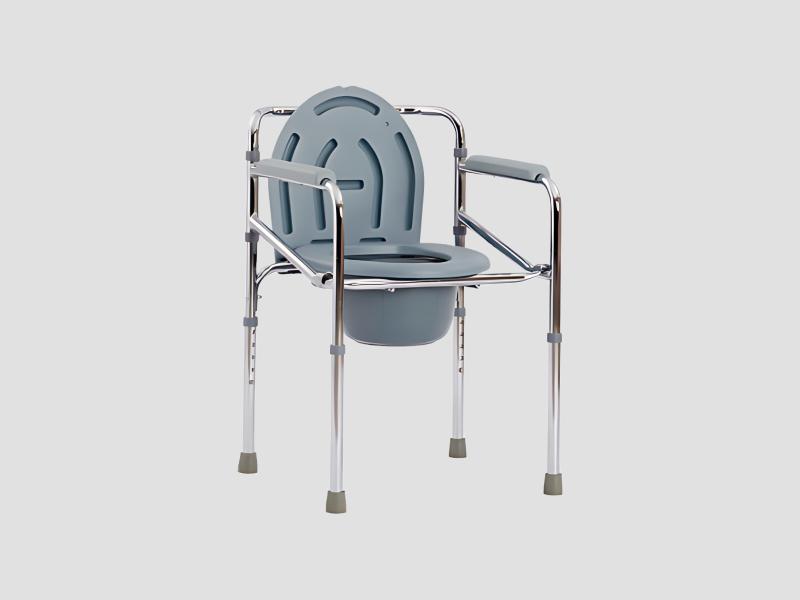
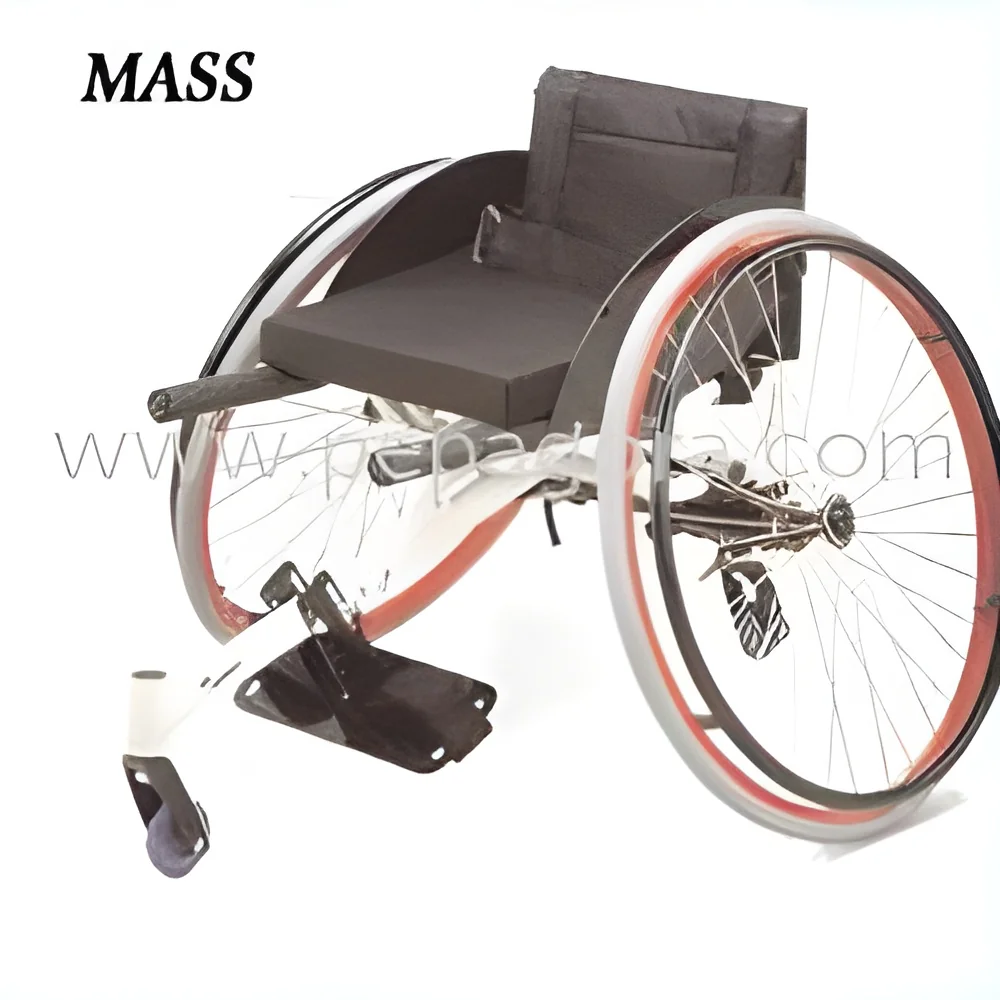
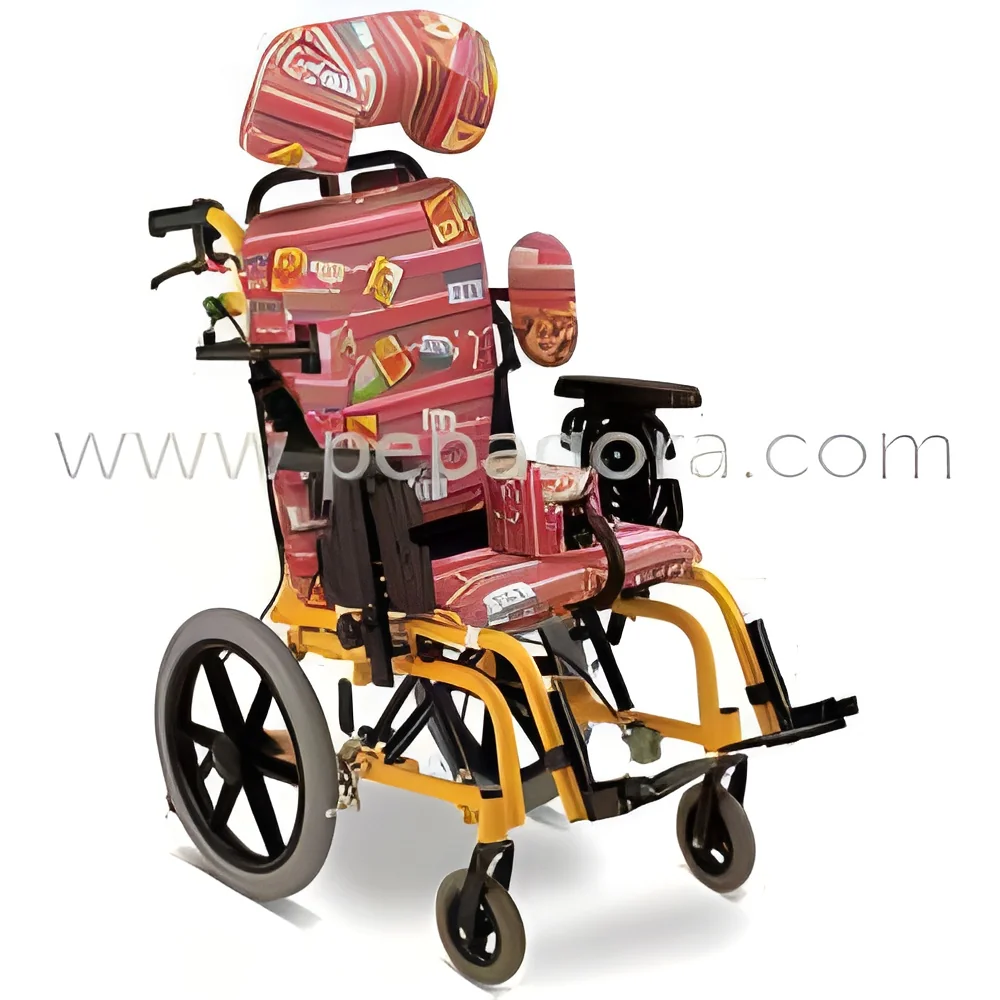
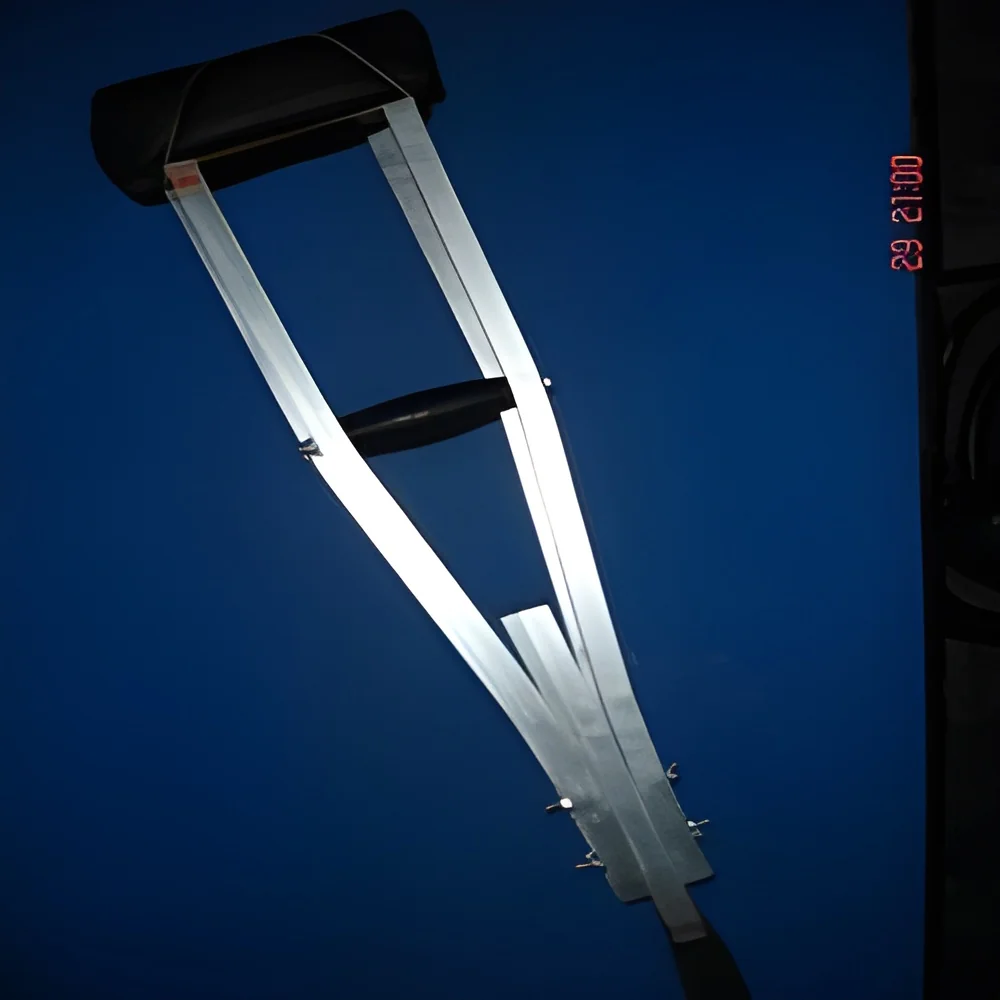
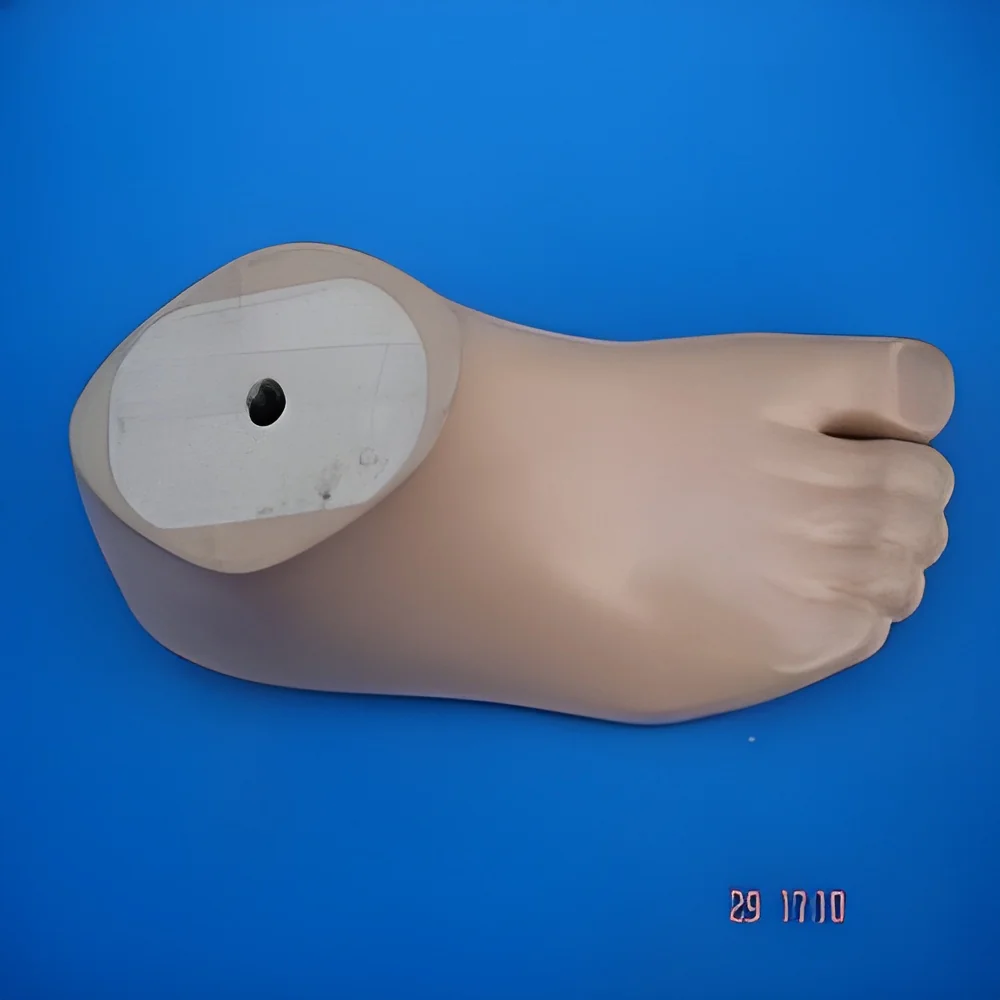
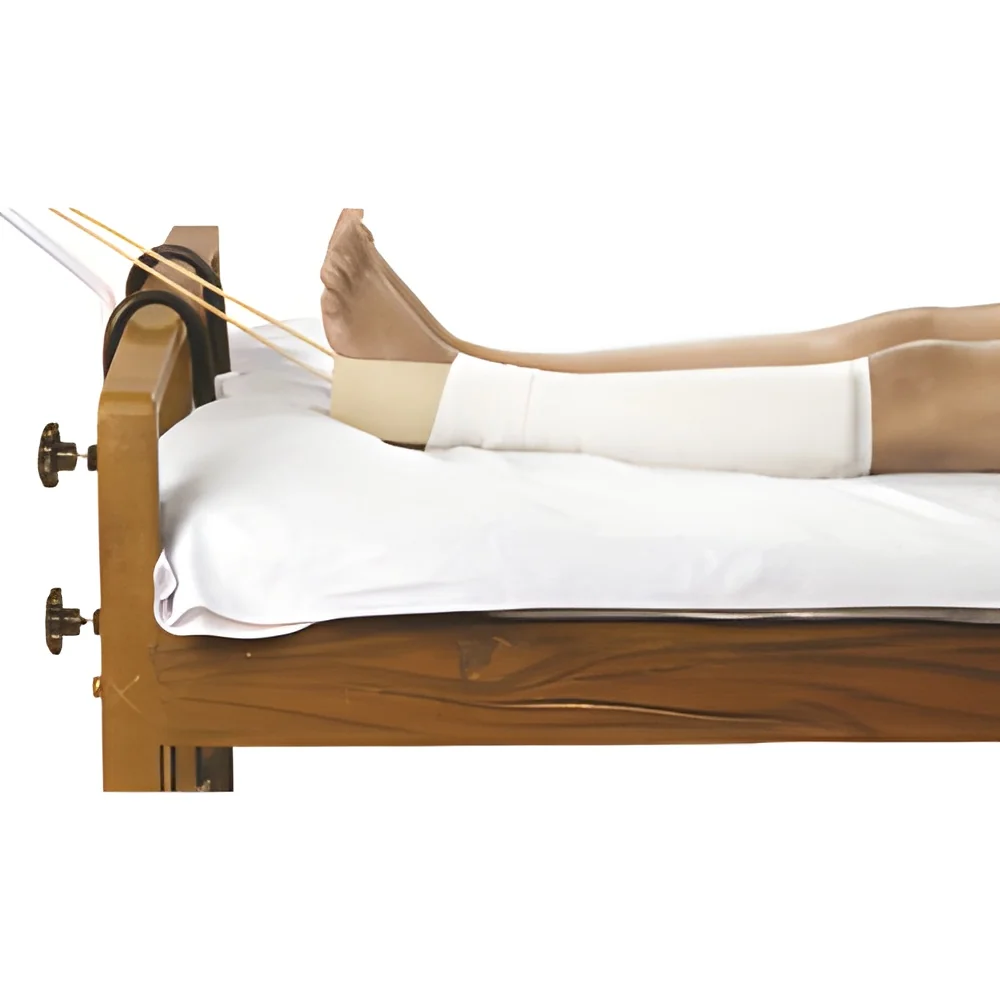
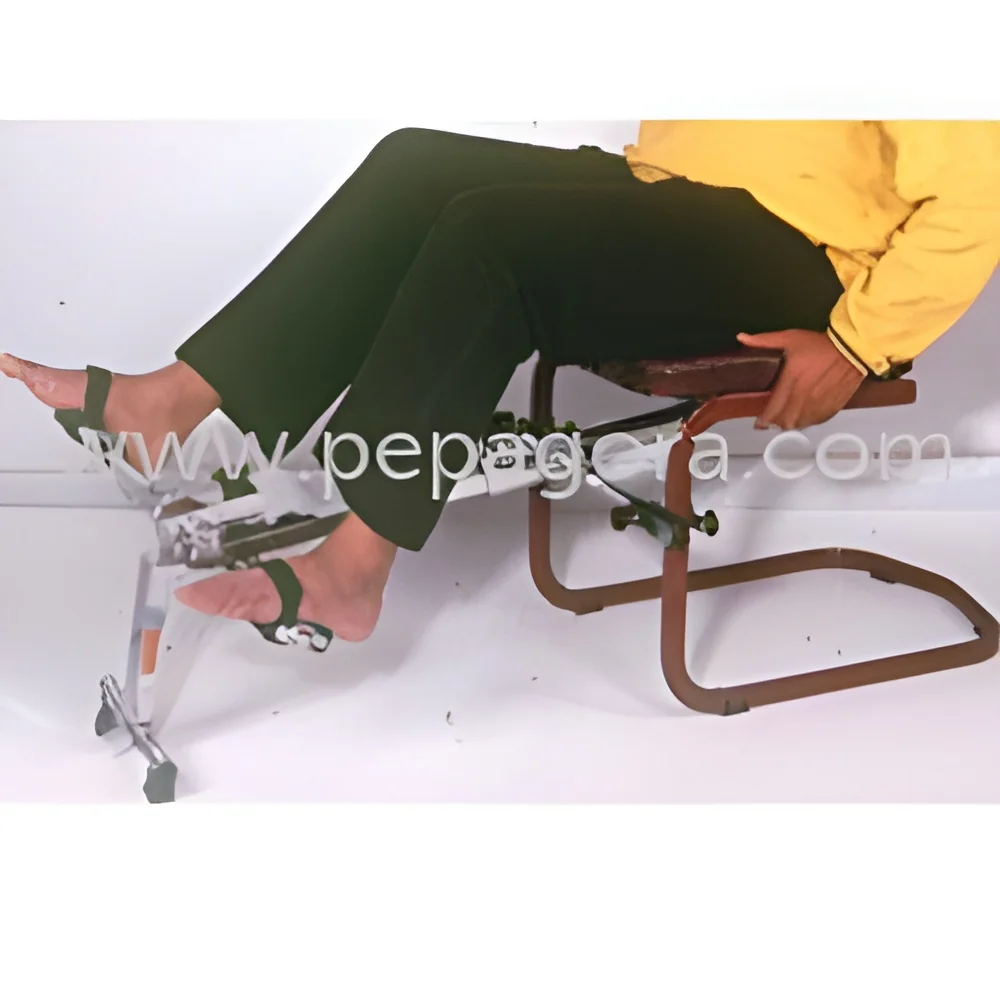
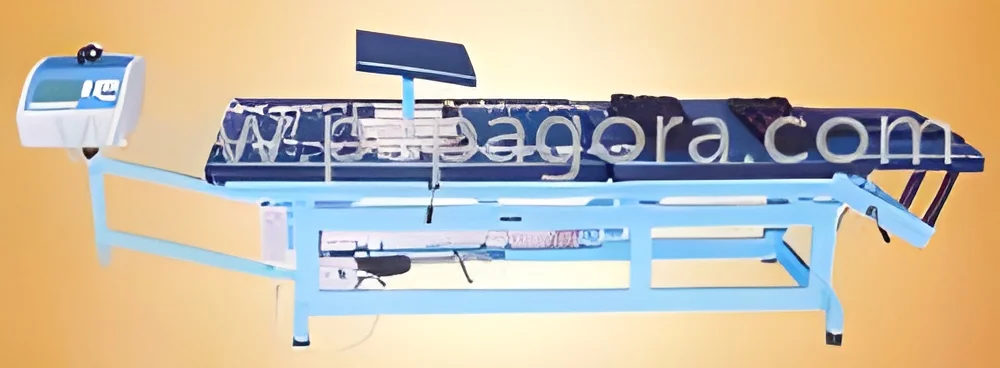
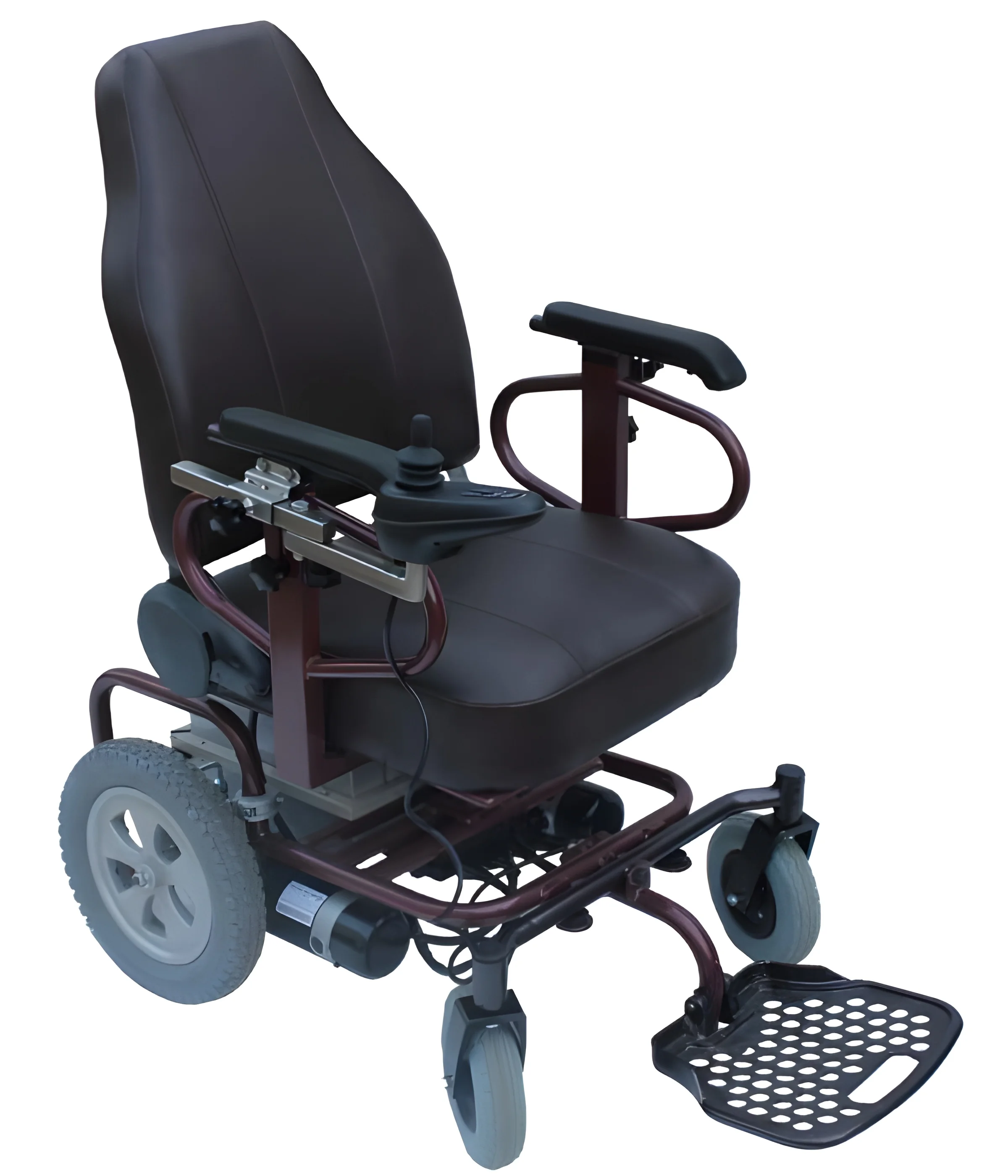
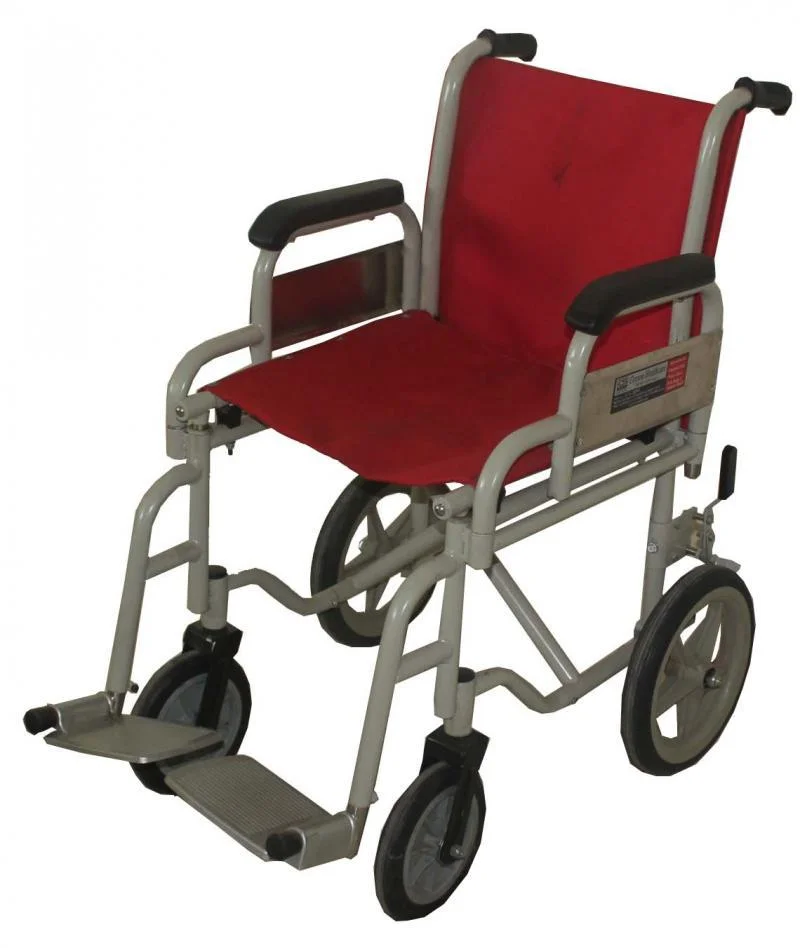
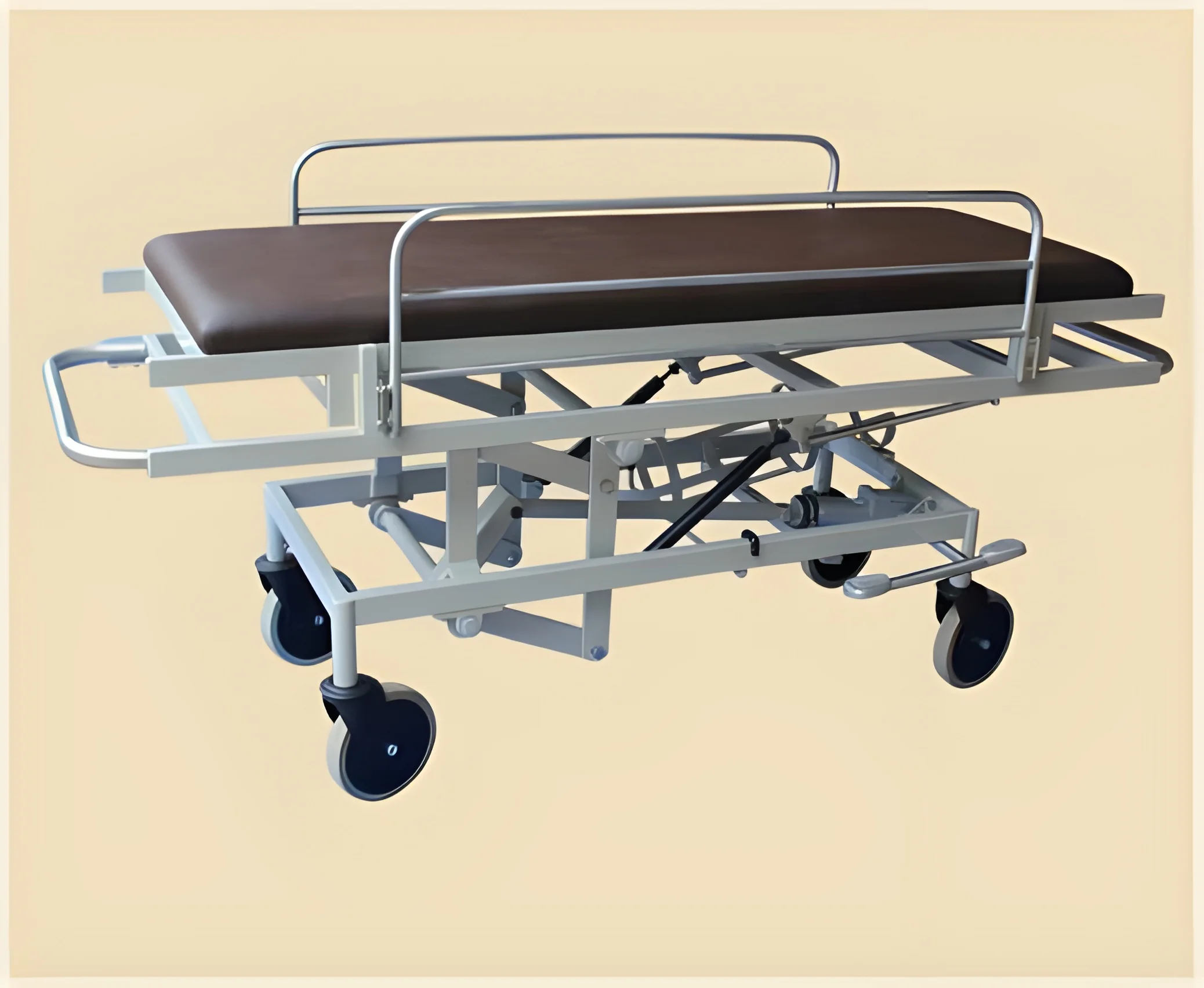
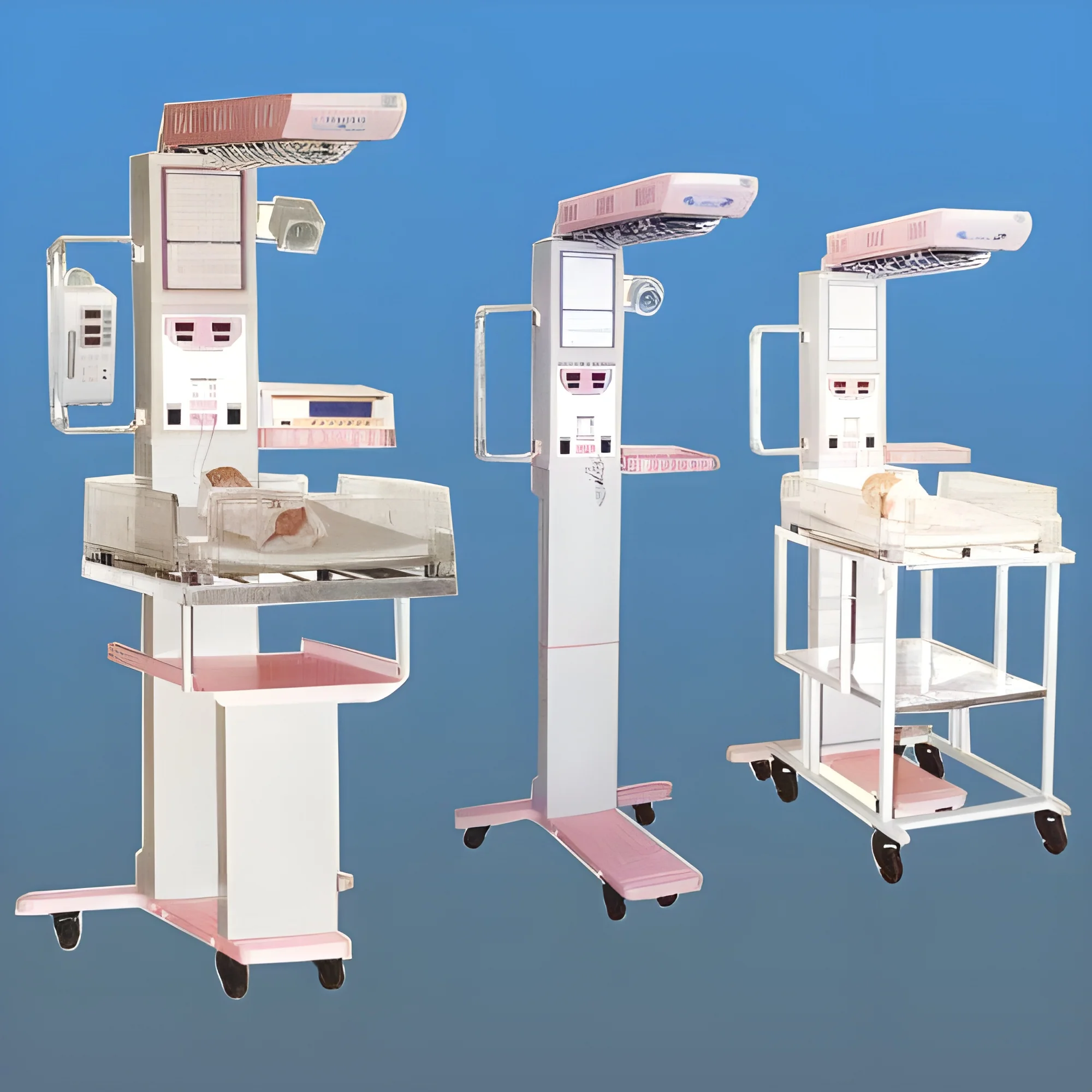
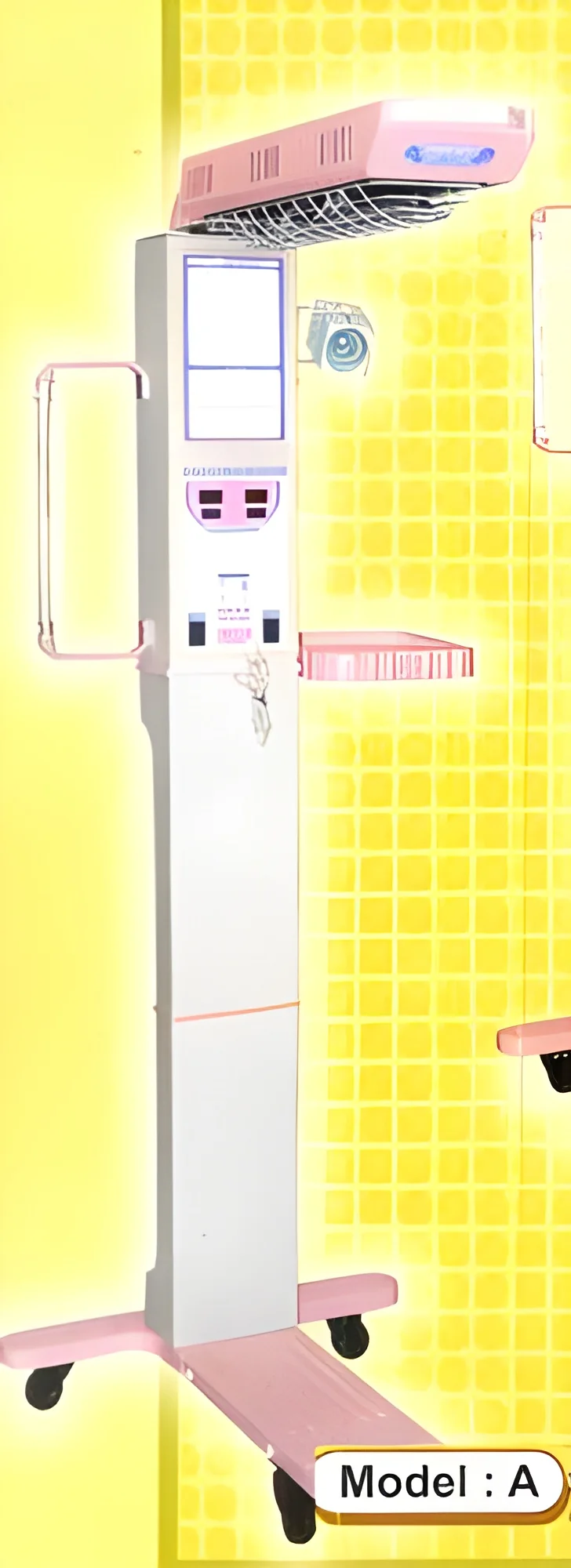
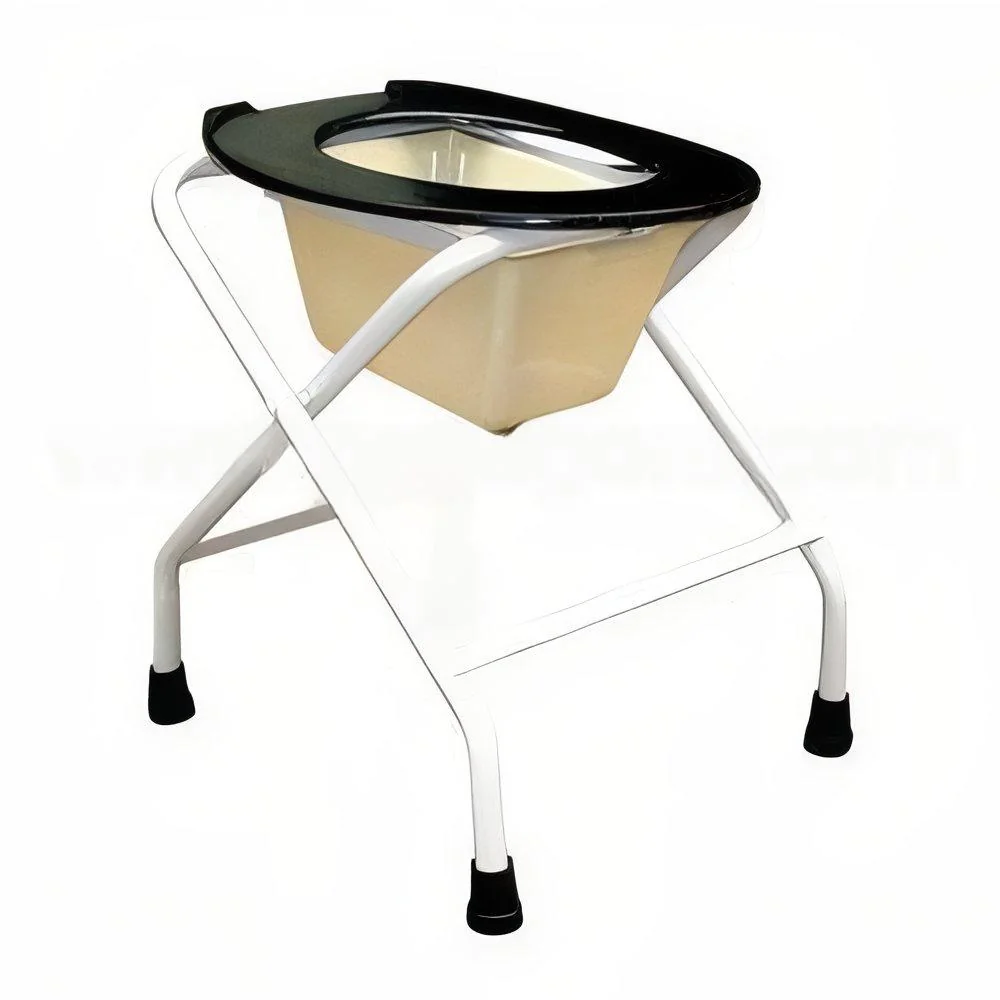
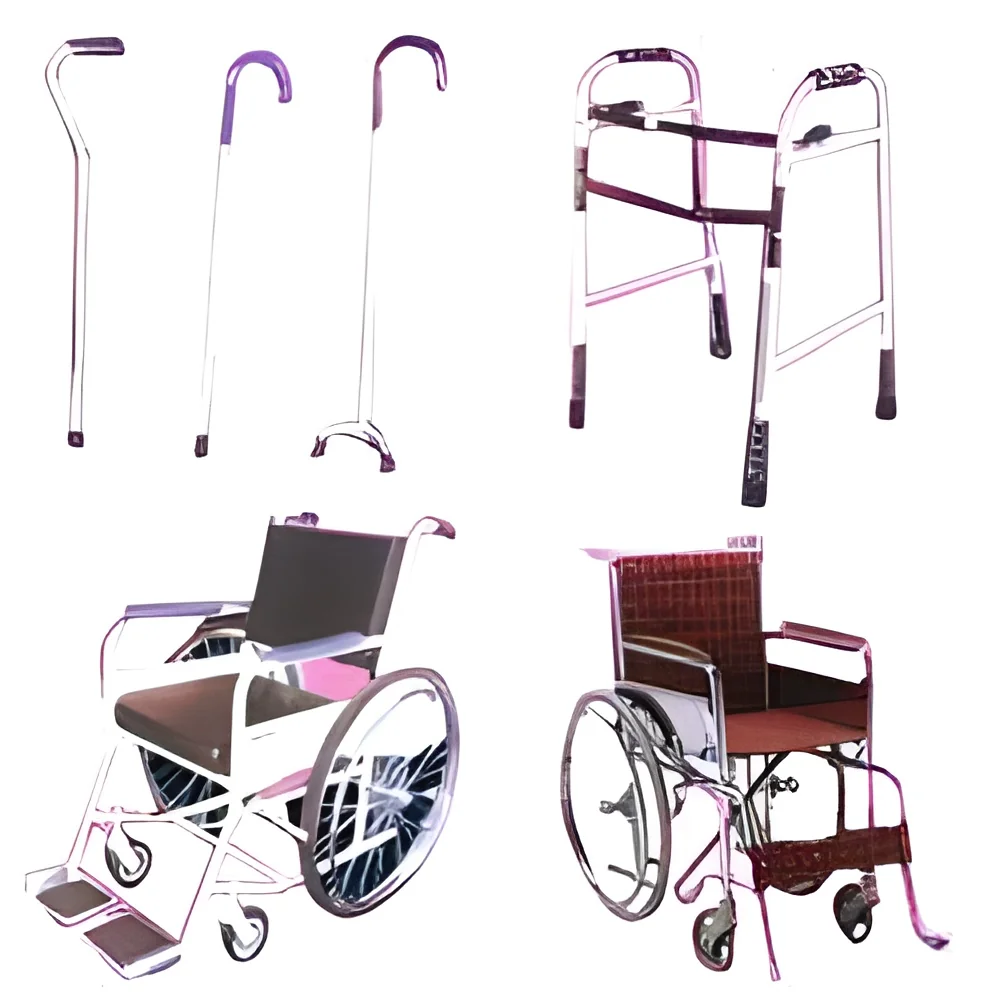
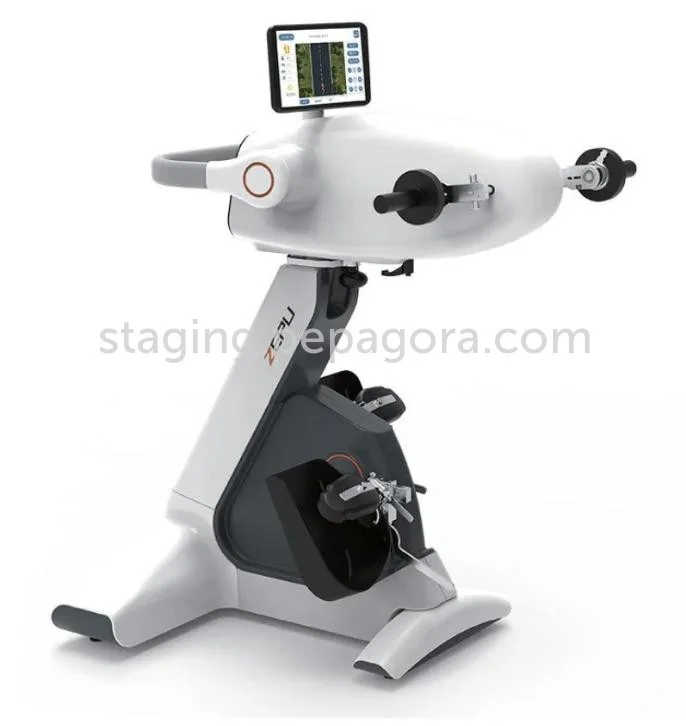
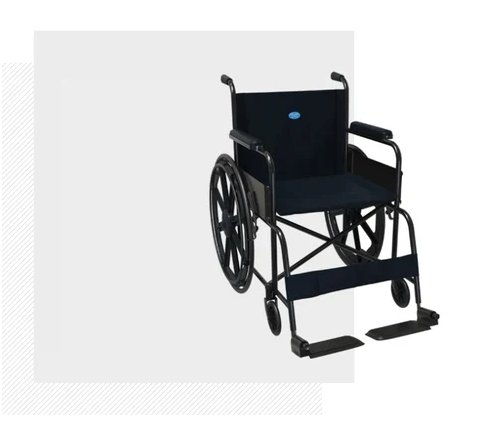
What are Rehabilitation & Physiotherapy Machines?
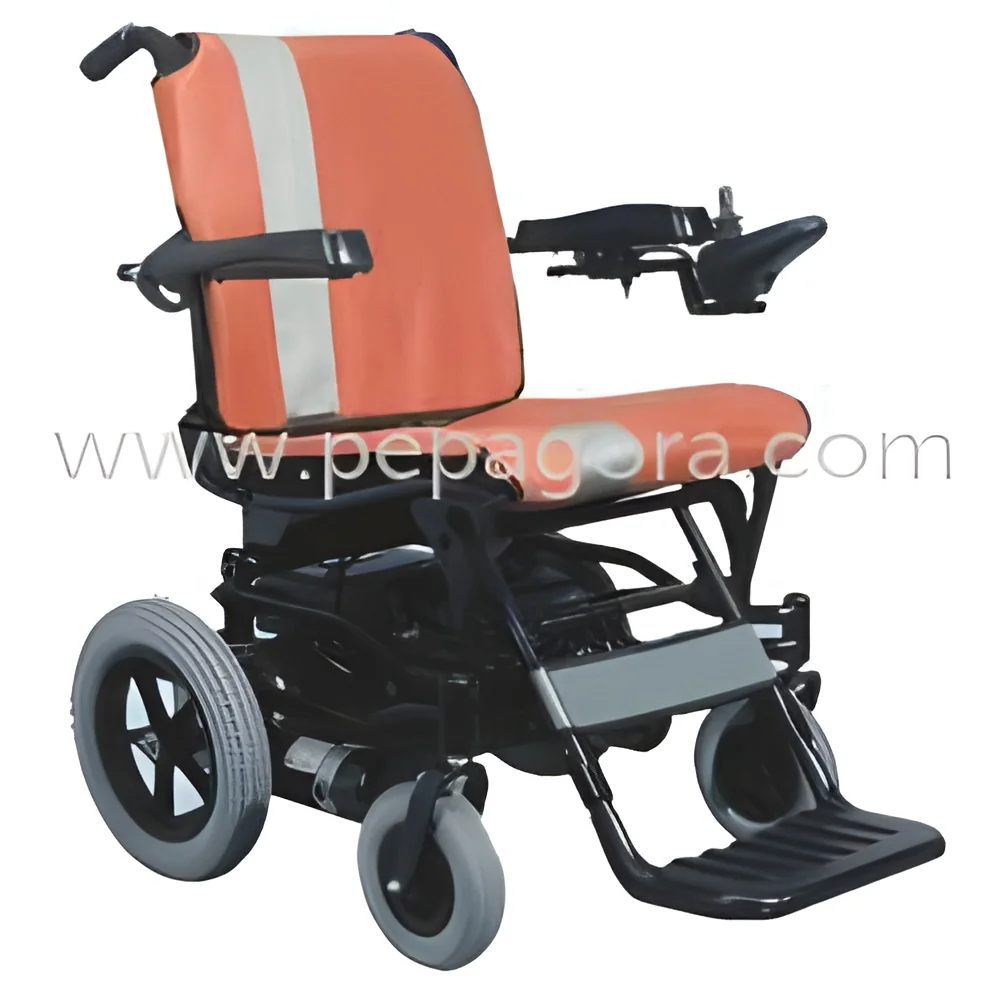
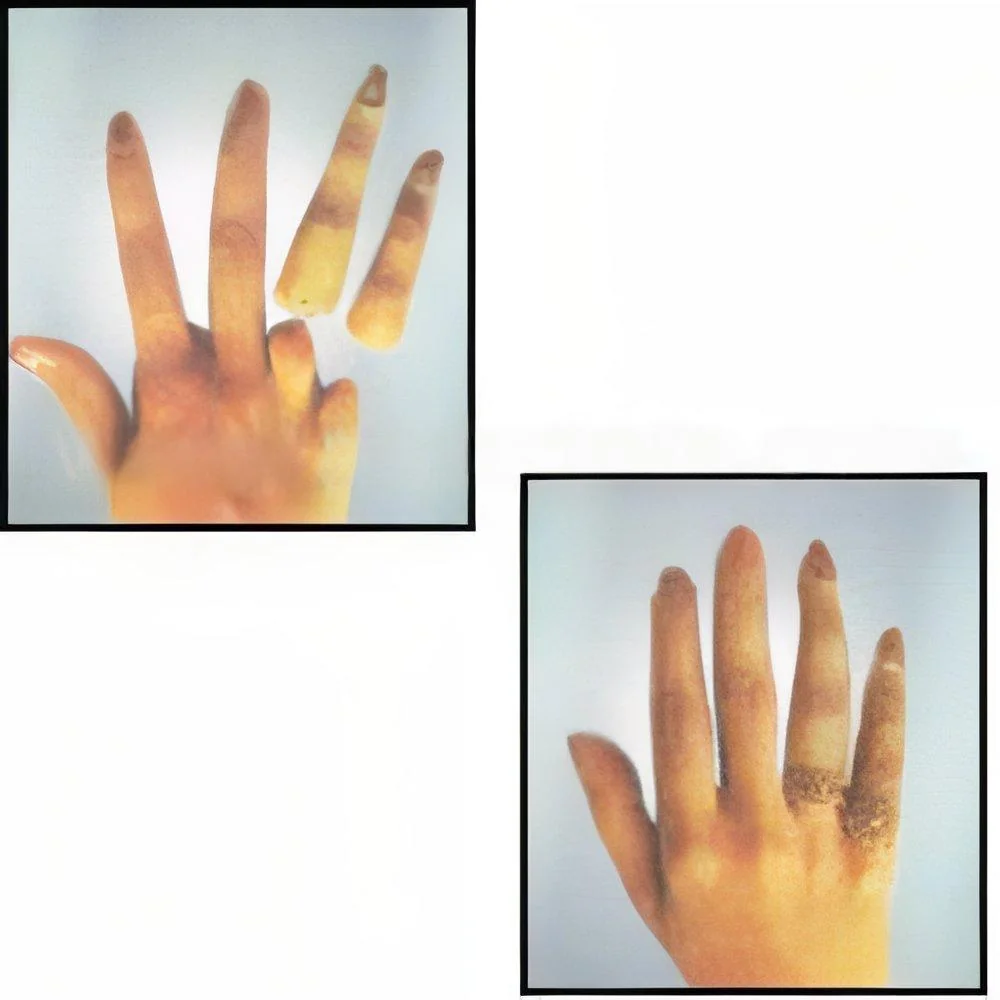
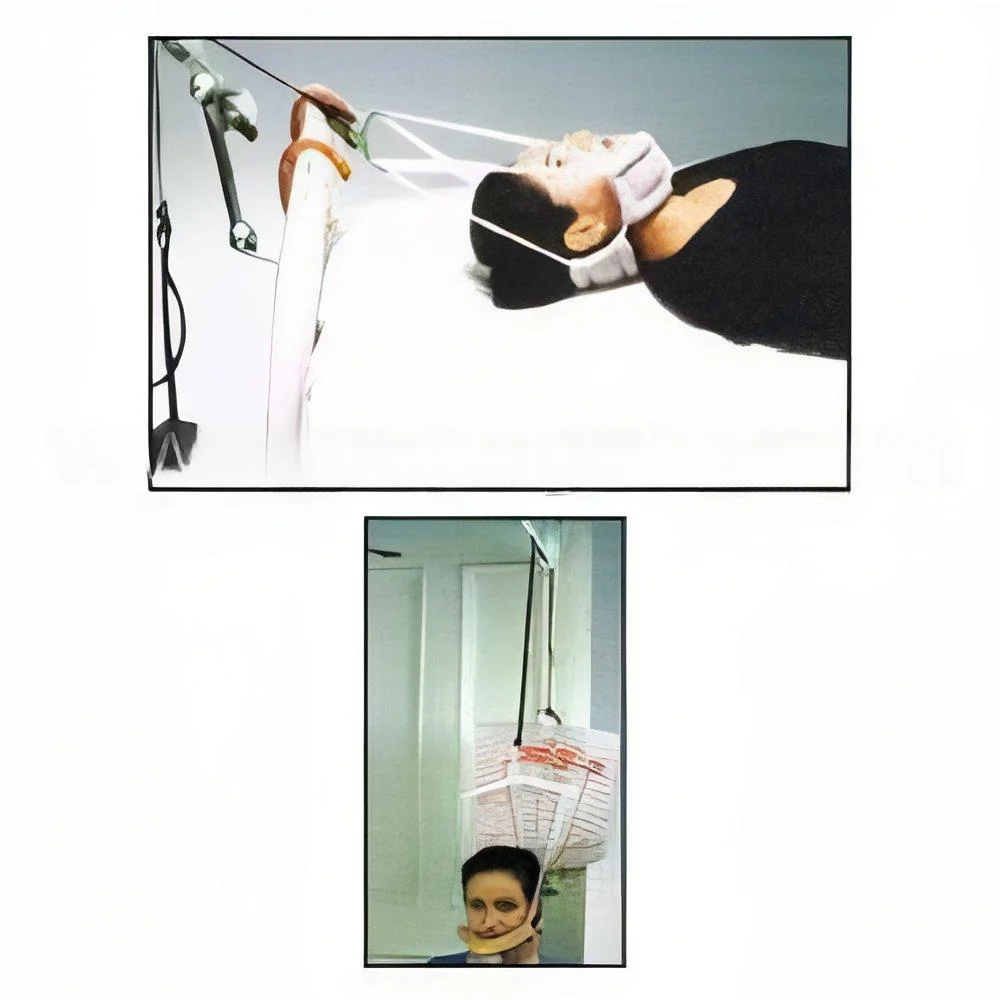
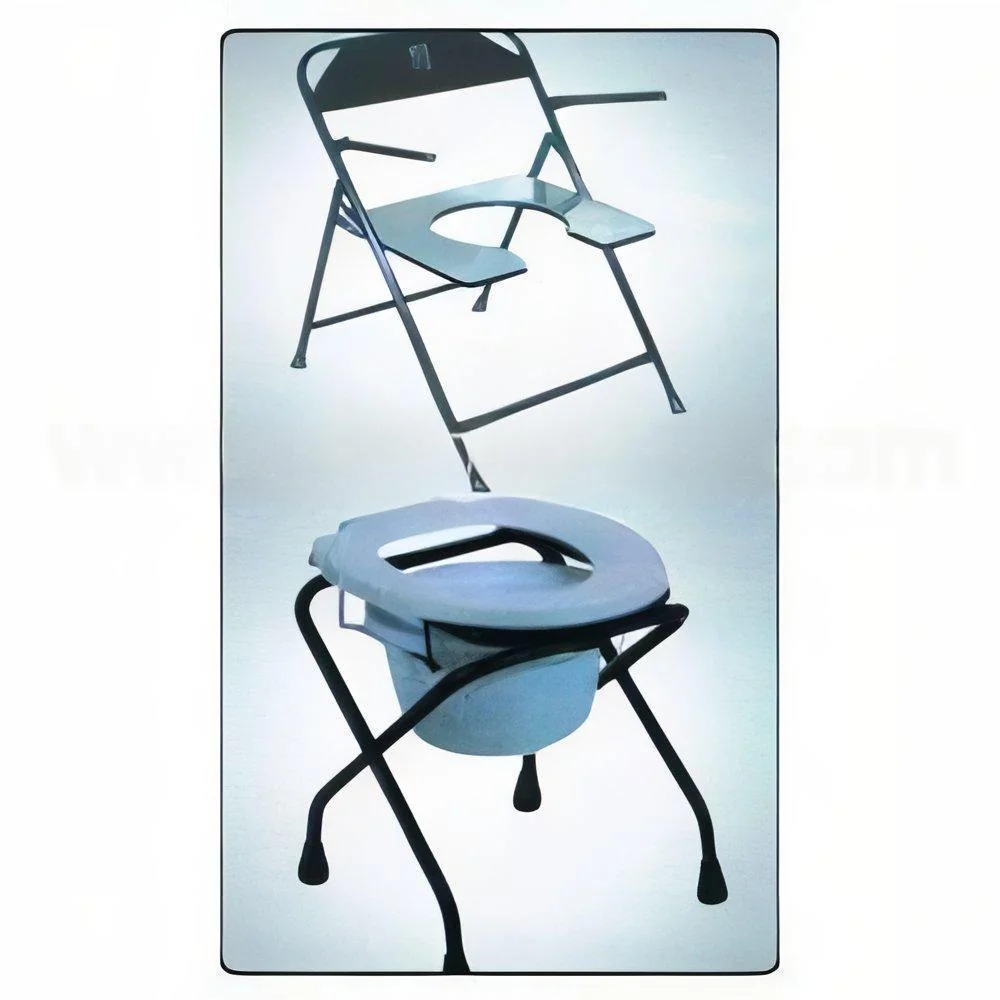
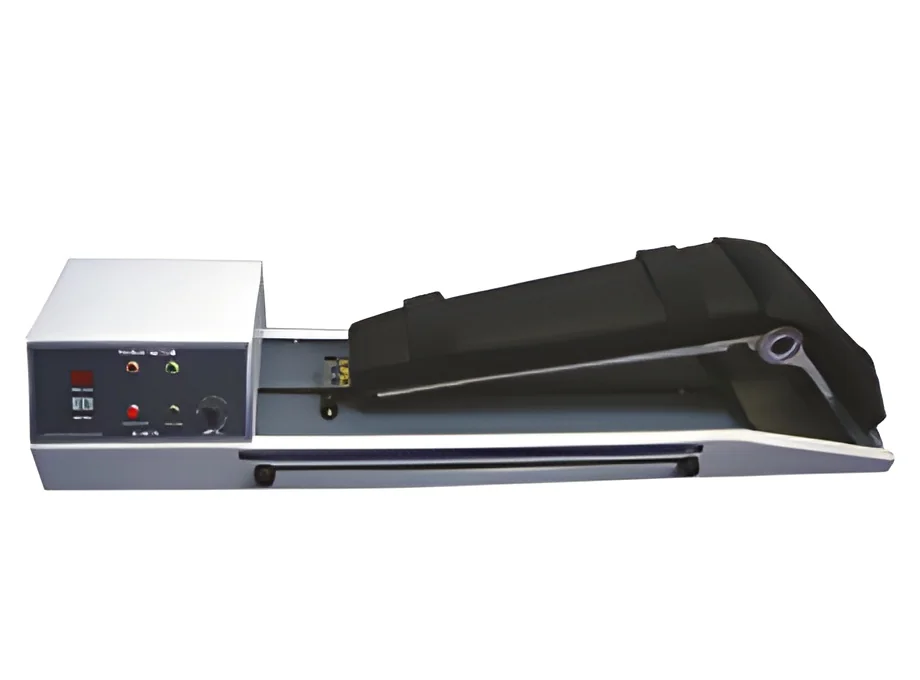
Rehabilitation and physiotherapy machines are specialized equipment designed to facilitate the recovery and rehabilitation of patients with physical impairments or injuries. These machines aid in restoring mobility, strength, and function through targeted exercises and therapies. They are essential tools in both clinical settings and home care environments, providing therapists and practitioners with the means to deliver effective treatment plans tailored to individual patient needs.
The primary uses of these machines include physical therapy, occupational therapy, and rehabilitation following surgeries or injuries. They are commonly employed in hospitals, outpatient clinics, and rehabilitation centers. Businesses in the healthcare sector utilize these machines to enhance patient care, improve recovery outcomes, and streamline therapy processes. The growing emphasis on rehabilitation services, particularly among aging populations and individuals with chronic conditions, underscores the increasing relevance of these machines in the healthcare market.
As the global healthcare landscape evolves, the demand for rehabilitation and physiotherapy machines continues to rise. Market trends indicate a shift towards technologically advanced systems that incorporate monitoring features and personalized treatment protocols. This trend highlights the importance of investing in high-quality machines to meet the needs of both practitioners and patients.
Key Features and Specifications
Rehabilitation and physiotherapy machines are equipped with a variety of features that enhance their functionality and usability. These specifications are crucial for ensuring that the machines meet the diverse needs of rehabilitation professionals and their patients.
Key specifications include:
1. Adjustable Resistance Levels
- Allows customization of difficulty for different patient capabilities
- Typical range: 1 to 10 resistance levels
2. User-Friendly Interface
- Simplifies operation for both therapists and patients
- Often includes touch screens and programmable settings
3. Compact Design
- Facilitates easy placement in various clinical environments
- Dimension ranges vary by machine type
4. Portability Features
- Some machines are designed for easy transport
- Includes wheels or lightweight materials
5. Safety Mechanisms
- Ensures patient safety during use
- May include emergency stop buttons and stability supports
6. Data Tracking and Reporting
- Allows therapists to monitor patient progress
- Includes features for recording session data
7. Compliance with Industry Standards
- Ensures machines meet required healthcare regulations
- Certification such as CE is common
In summary, the features and specifications of rehabilitation and physiotherapy machines play a crucial role in enhancing patient care and therapy effectiveness. Providers should consider these aspects when selecting machines for their facilities.
Common Applications and Use Cases
Rehabilitation and physiotherapy machines serve a wide range of industries, each with specific applications that cater to various patient needs.
1. Healthcare Facilities: These machines are used extensively in hospitals and rehabilitation centers to assist patients in recovering from surgeries, injuries, or chronic conditions. They provide structured exercise regimes that enhance mobility and strength.
2. Sports Medicine: Athletes utilize rehabilitation machines for injury recovery and performance enhancement. These machines help in regaining strength and flexibility after sports-related injuries.
3. Geriatric Care: In senior living facilities, physiotherapy machines are used to improve mobility and reduce fall risks among elderly patients. They support rehabilitation efforts aimed at maintaining independence.
4. Home Care: Some machines are designed for home use, allowing patients to continue their rehabilitation in a comfortable setting. This flexibility promotes adherence to therapy programs.
5. Occupational Therapy: These machines assist individuals in regaining skills needed for daily living after physical impairments. They are tailored for specific rehabilitation goals in occupational therapy settings.
6. Industrial Rehabilitation: In workplaces, these machines are used for rehabilitation of workers recovering from job-related injuries. They focus on restoring function and preventing future injuries.
Product Variants and Subcategories
Rehabilitation and physiotherapy machines come in various forms to cater to specific therapeutic needs. This diversity ensures that healthcare providers can find the right equipment for their patient populations.
Electrical Stimulation Devices
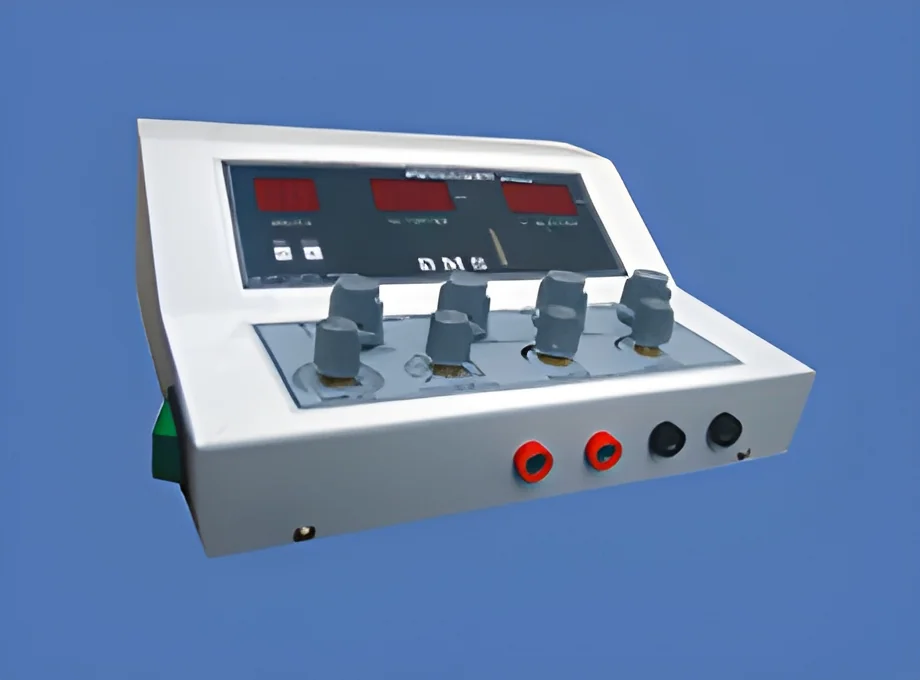
These machines use electrical impulses to stimulate muscle contractions, assisting in muscle rehabilitation and pain management. They are often utilized in both clinical and home settings.
Therapeutic Ultrasound Machines
These devices apply sound waves to promote tissue healing and reduce inflammation. They are commonly used in physical therapy to treat musculoskeletal conditions.
Therapy Exercise Equipment
This category includes devices like resistance bands, treadmills, and stationary bikes designed for rehabilitation exercises. They enable patients to engage in physical activity tailored to their recovery objectives.
Hydrotherapy Equipment
These machines leverage water-based therapy to enhance rehabilitation. They are effective for pain relief and mobility improvement, particularly in patients with joint issues.
Benefits and Advantages
Investing in rehabilitation and physiotherapy machines offers numerous advantages for healthcare providers and their patients.
Key benefits include:
1. Enhanced Recovery Outcomes: Patients benefit from targeted therapies that accelerate healing and restore function more effectively.
2. Increased Efficiency: Machines streamline therapy sessions, allowing therapists to engage more patients without compromising care quality.
3. Customization of Treatment: Adjustable settings enable personalized therapy plans that cater to individual patient needs and progress.
4. Improved Patient Engagement: Interactive machines encourage patients to participate actively in their rehabilitation, fostering better adherence to treatment plans.
5. Data-Driven Insights: Machines equipped with monitoring features provide valuable data that helps therapists track progress and adjust treatment protocols accordingly.
6. Safety and Support: Advanced safety features minimize risks during therapy, ensuring a secure environment for patients.
Buying Guide for B2B Buyers
When sourcing rehabilitation and physiotherapy machines, B2B buyers should consider several important factors to ensure they make informed decisions.
1. Quality Assessment: Evaluate the build quality and durability of machines. Look for reputable manufacturers that adhere to industry standards to ensure reliability.
2. Supplier Verification: Vet suppliers to confirm their credibility and track record. Consider those with positive reviews and certifications to ensure a trustworthy partnership.
3. Pricing and MOQ: Analyze pricing structures and minimum order quantities. It’s important to balance cost with quality, so be wary of unusually low prices that may indicate compromised standards.
4. Delivery and Lead Times: Discuss logistics with suppliers, including estimated delivery times and shipping options. Timely delivery is crucial for maintaining therapy schedules.
5. Compliance Requirements: Ensure that machines meet necessary regulatory and compliance standards. Familiarize yourself with local and international requirements to avoid issues down the line.
Compliance and Certifications
Compliance and certifications are critical aspects of rehabilitation and physiotherapy machines. Adherence to quality standards such as ISO 9001 ensures that manufacturers maintain high production quality and operational efficiency. These standards focus on consistent quality management practices.
Industry certifications like CE indicate that products meet essential safety and performance requirements for the European market. This certification is vital for establishing trust with healthcare providers and patients alike.
Safety and testing requirements are also paramount. Machines must undergo thorough testing to ensure they are safe for patient use and effective in delivering therapeutic benefits. Additionally, regional compliance considerations may vary, so it’s essential to stay informed about local regulations that may impact machine use and distribution in different markets.
Why Source Rehabilitation & Physiotherapy Machines from Pepagora?
Pepagora offers a reliable platform for sourcing rehabilitation and physiotherapy machines, providing several advantages that benefit B2B buyers.
Verified Supplier Network: Pepagora connects buyers with verified suppliers who have undergone a rigorous vetting process. This ensures that buyers can trust the quality and reliability of the products being offered.
Streamlined RFQ Process: The Request for Quotation (RFQ) system simplifies the procurement process. Buyers can easily request quotes from multiple suppliers, enabling them to compare prices and features efficiently.
Trade Assurance and Support: Pepagora provides trade assurance, protecting buyers throughout the purchasing process. This feature adds a layer of security, ensuring that buyers receive their orders as expected.
Regional Coverage: With a focus on markets in India, the GCC, and Southeast Asia, Pepagora caters to a broad geographical area. This extensive reach allows buyers to access a diverse range of products and suppliers to meet their specific needs.

 IN
IN

 India
India