
 IN
Push Buttons & Display Panels
7 products available
What are Push Buttons & Display Panels?
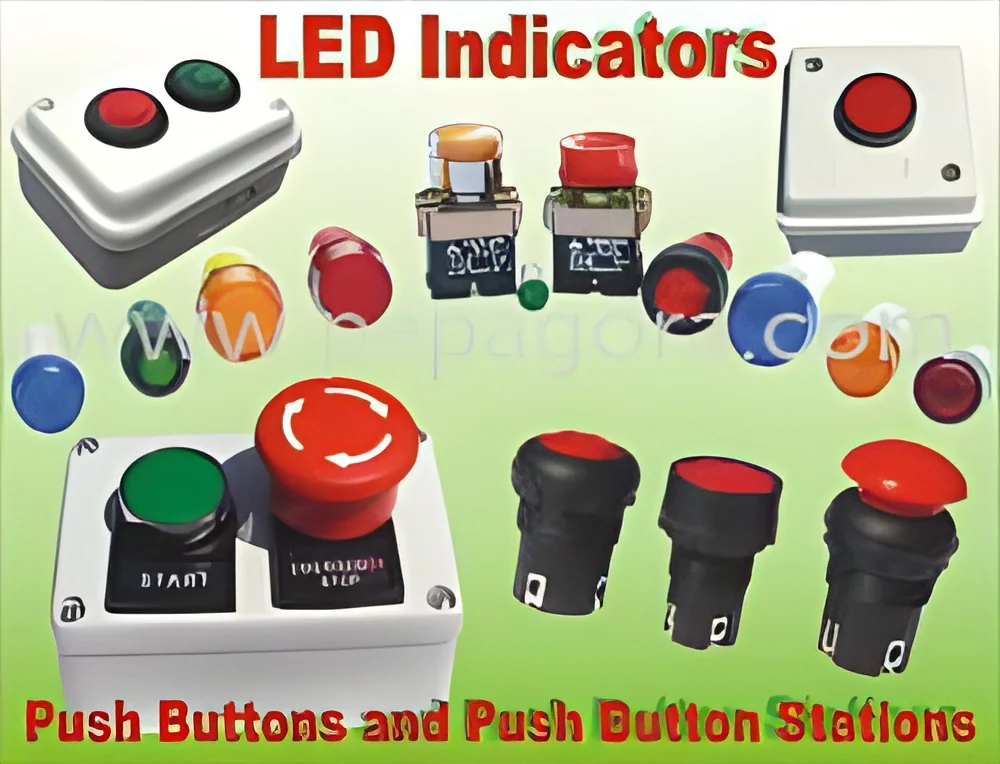
Push buttons and display panels are essential components in various industrial applications. Push buttons are mechanical switches that, when pressed, complete an electrical circuit and activate a device or function. Display panels, on the other hand, are interfaces that provide visual feedback and information to users about the status of machines or systems. These components are crucial for user interaction in control systems, allowing operators to initiate commands and monitor processes efficiently.
The primary uses of push buttons and display panels can be found in manufacturing, automation, and control systems. They are utilized in machinery, control panels, and various electronic devices to enhance operational capabilities. Industries rely on them for tasks such as machine control, monitoring of process variables, and user notifications. The relevance of these components in the marketplace is significant, as they contribute to improved safety, efficiency, and user experience in industrial environments.
Various industries, including automotive, food processing, and pharmaceuticals, leverage push buttons and display panels for their operational needs. The demand for reliable and efficient control systems continues to grow, making these components vital for modern industrial applications.
Key Features and Specifications
Push buttons and display panels come with a variety of features and specifications tailored to meet different industrial needs. Understanding these specifications is crucial for selecting the right components for specific applications.
Key specifications include:
1. Material Composition
- Typically made from durable plastics or metals
- Ensures longevity and resistance to environmental factors
2. Actuation Type
- Momentary or maintained action depending on the application
- Provides flexibility in functionality
3. Electrical Ratings
- Voltage and current specifications that suit various applications
- Common ratings include 12V, 24V, and 120V
4. Size and Form Factor
- Various sizes to fit different mounting options
- Compact designs available for space-constrained applications
5. IP Rating
- Ingress Protection rating indicating the level of protection against dust and water
- Common ratings include IP65 and IP67
6. Illumination Options
- Available with LED backlighting for visibility in low-light settings
- Enhances user interaction and monitoring
7. Customization Options
- Many manufacturers offer customization for labeling and color coding
- Allows for tailored solutions to meet specific user requirements
8. Compliance Standards
- Adherence to relevant industry standards and certifications
- Ensures reliability and safety in operation
In summary, understanding these features and specifications is essential for selecting the appropriate push buttons and display panels for your operational needs.
Common Applications and Use Cases
Push buttons and display panels are integral to many industries, serving diverse functions across various applications.
1. Manufacturing: Used in production lines to control machinery and monitor operation status, ensuring efficiency and safety.
2. Automotive: Employed in vehicle control systems for functions such as ignition, lighting, and dashboard displays.
3. Food Processing: Utilized in control panels to monitor and manage equipment in food production, ensuring compliance with safety standards.
4. Pharmaceuticals: Integral in laboratory equipment for precise control and monitoring of processes, helping maintain regulatory compliance.
5. HVAC Systems: Used in climate control systems to regulate temperature and airflow, providing user-friendly interfaces for operation.
6. Energy Management: Essential in power distribution systems for controlling circuits and monitoring energy consumption.
7. Telecommunications: Found in communication devices for user interaction and system status updates.
Product Variants and Subcategories
Push buttons and display panels come in various types and designs, accommodating a broad range of applications.
Standard Push Buttons
These are the most common type, designed for basic operational functions. They typically feature momentary or maintained action and can be used in various control applications.
Illuminated Push Buttons
These variants come with built-in LED lights to provide visual feedback. They are ideal for environments with low visibility and contribute to safe operation.
Touchscreen Display Panels
These advanced interfaces offer interactive controls for complex systems. They can display various data types and allow users to engage with the system easily.
Panel-Mount Display Units
These are designed to be integrated into control panels, providing essential information in a compact format. They often feature customizable displays for tailored user interaction.
Benefits and Advantages
Utilizing push buttons and display panels offers numerous advantages for industrial operations.
1. Enhanced User Interaction: These components provide intuitive interfaces, making it easier for operators to control systems and monitor processes.
2. Improved Efficiency: Streamlined operation through quick access to functions reduces downtime and increases productivity.
3. Reliability: High-quality materials and construction ensure durability and consistent performance in demanding environments.
4. Safety Features: Many push buttons and display panels include indicators for operational status, enhancing workplace safety.
5. Customization Options: Tailored designs and features can meet specific operational requirements, improving user satisfaction.
6. Regulatory Compliance: Sourcing certified components ensures adherence to industry standards, minimizing risks related to safety and quality.
Buying Guide for B2B Buyers
When sourcing push buttons and display panels, several factors should be considered to ensure the best fit for your operational needs.
1. Quality Assessment: Evaluate the materials and construction quality to ensure longevity and performance. Look for products that meet or exceed industry standards.
2. Supplier Verification: Vet suppliers thoroughly to ensure they have a proven track record of reliability and customer support. Check for certifications and customer reviews.
3. Pricing and MOQ: Understand the price range for different options and inquire about minimum order quantities. Balance cost with quality to find the best deals.
4. Delivery and Lead Times: Assess the supplier's logistics capabilities, including delivery times and shipping options. Reliable timelines are critical for maintaining production schedules.
5. Compliance Requirements: Ensure that the products meet necessary regulatory standards and certifications relevant to your industry to avoid compliance issues.
Compliance and Certifications
Ensuring compliance with industry standards is vital for the reliability and safety of push buttons and display panels. Relevant quality standards, such as ISO 9001, indicate a commitment to quality management and operational excellence.
Additionally, industry certifications like CE demonstrate that the products meet European safety, health, and environmental protection standards. These certifications are crucial for gaining customer trust and ensuring compliance with regulations.
Safety and testing requirements may vary by application, but many components must undergo rigorous testing to ascertain their performance under various conditions. Regional compliance considerations, such as local regulations and industry-specific standards, should also be factored into procurement decisions to ensure that the components are suitable for the intended market.
Why Source Push Buttons & Display Panels from Pepagora?
Pepagora offers a reliable platform for sourcing push buttons and display panels, providing distinct advantages for B2B buyers.
Verified Supplier Network: Pepagora has a thorough verification process for suppliers, ensuring that buyers connect with reputable manufacturers. This reduces the risk of subpar products and enhances buyer confidence.
Streamlined RFQ Process: The request for quotation (RFQ) system simplifies the procurement process. Buyers can easily compare quotes from multiple suppliers, enabling informed decision-making.
Trade Assurance and Support: Pepagora provides trade assurance, offering protection for buyers against potential disputes. Additionally, dedicated support teams assist throughout the purchasing process to address any concerns.
Regional Coverage: Pepagora's platform serves a wide geographic area, including India, the GCC, and Southeast Asia. This extensive reach allows buyers to access diverse suppliers and products tailored to their specific regional needs.

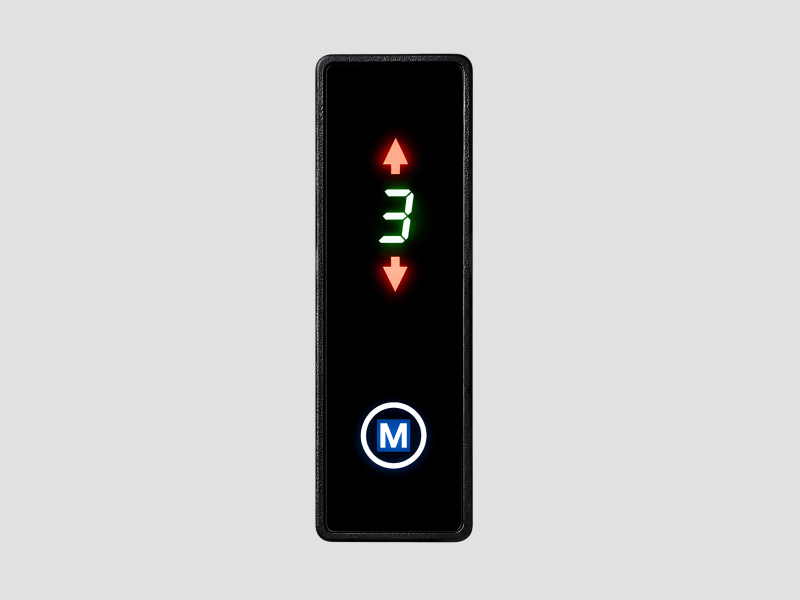
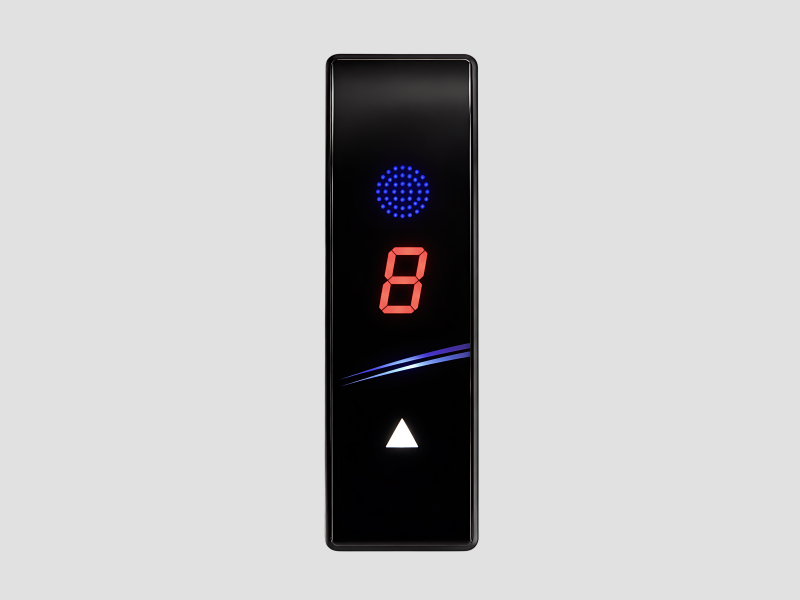


 India
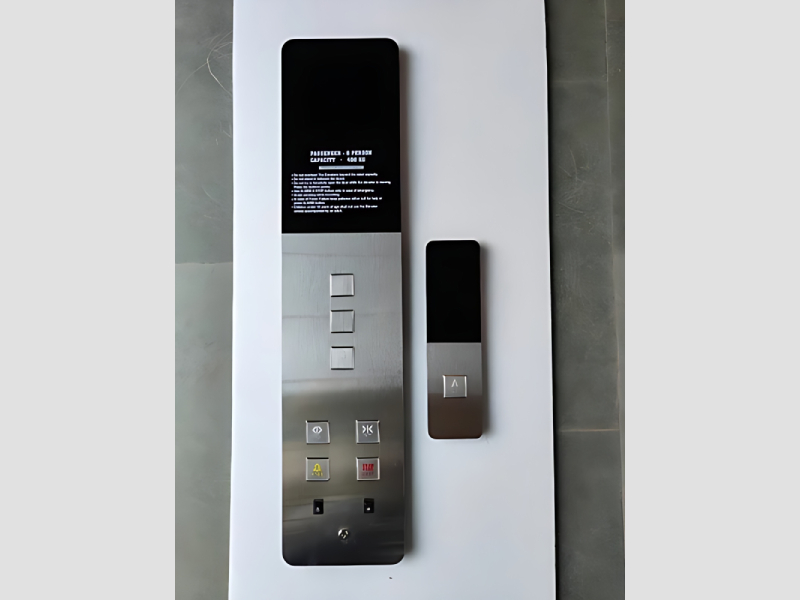
 India
 India

Frequently Asked Questions
What are Push Buttons & Display Panels?
Push Buttons & Display Panels are essential components used in various electronic and industrial applications. Push buttons are mechanical switches that activate a circuit when pressed, while display panels provide visual feedback and control interfaces for users.
What are the different types of Push Buttons & Display Panels?
There are several types of Push Buttons, including momentary push buttons, toggle switches, and illuminated push buttons. Display Panels also come in various forms, such as LED displays, LCD panels, and touchscreen interfaces, each serving different functional requirements.
How do I choose the right Push Buttons & Display Panels?
Choosing the right Push Buttons & Display Panels involves considering factors such as the application requirements, environmental conditions, and compatibility with existing systems. Additionally, evaluating the size, type of actuation, and electrical specifications is crucial.
What are the standard specifications for Push Buttons & Display Panels?
Standard specifications for Push Buttons & Display Panels typically include voltage ratings, current ratings, operational life, and environmental resistance. It's essential to refer to manufacturer datasheets for detailed specifications tailored to specific products.
What is the price range for Push Buttons & Display Panels?
The price range for Push Buttons & Display Panels can vary widely based on type, material, and features. Generally, prices can start from a few rupees for basic models to several thousand rupees for advanced display panels with additional functionalities.
What quality standards apply to Push Buttons & Display Panels?
Quality standards for Push Buttons & Display Panels often include certifications such as ISO, IEC, and RoHS compliance. These standards ensure that the products meet safety, reliability, and environmental impact criteria.
Where can I find Push Buttons & Display Panels suppliers in India?
You can find Push Buttons & Display Panels suppliers in India through various online B2B marketplaces, trade shows, and industry directories. Websites like Pepagora.com offer a platform to connect with reputable manufacturers and suppliers.
Can Push Buttons & Display Panels be customized?
Yes, Push Buttons & Display Panels can often be customized to meet specific user requirements. Customization options may include size, shape, color, labeling, and additional features tailored to particular applications.
What is the typical minimum order quantity for Push Buttons & Display Panels?
The typical minimum order quantity (MOQ) for Push Buttons & Display Panels varies by supplier and product type. Generally, MOQs can range from a few pieces for standard items to larger quantities for customized or specialized products.
What is the typical lead time for Push Buttons & Display Panels?
The typical lead time for Push Buttons & Display Panels can range from a few days to several weeks, depending on the supplier and whether the products are standard or custom-made. It's advisable to confirm lead times during the ordering process.
Why Businesses Trust Pepagora
Thousands of companies trust Pepagora to source smarter and sell faster
Expand Your Sales Globally

Source Smarter,Grow Faster
