
 IN
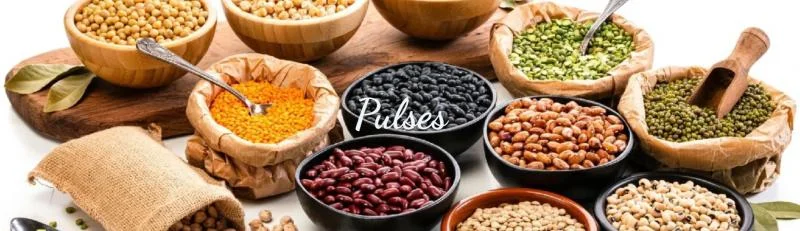
Pulses (Tur, Urad, Moong, Chana)
9 products available
Key Features and Specifications
Pulses (Tur, Urad, Moong, Chana) have several features that make them suitable for various industrial applications. Their specifications define the quality and performance parameters essential for buyers.
Key specifications include:
1. Protein Content
- High protein content ranging from 20% to 30%
- Essential for nutrition-focused food products
2. Moisture Level
- Moisture content typically between 10% and 14%
- Necessary for maintaining shelf life and preventing spoilage
3. Color and Appearance
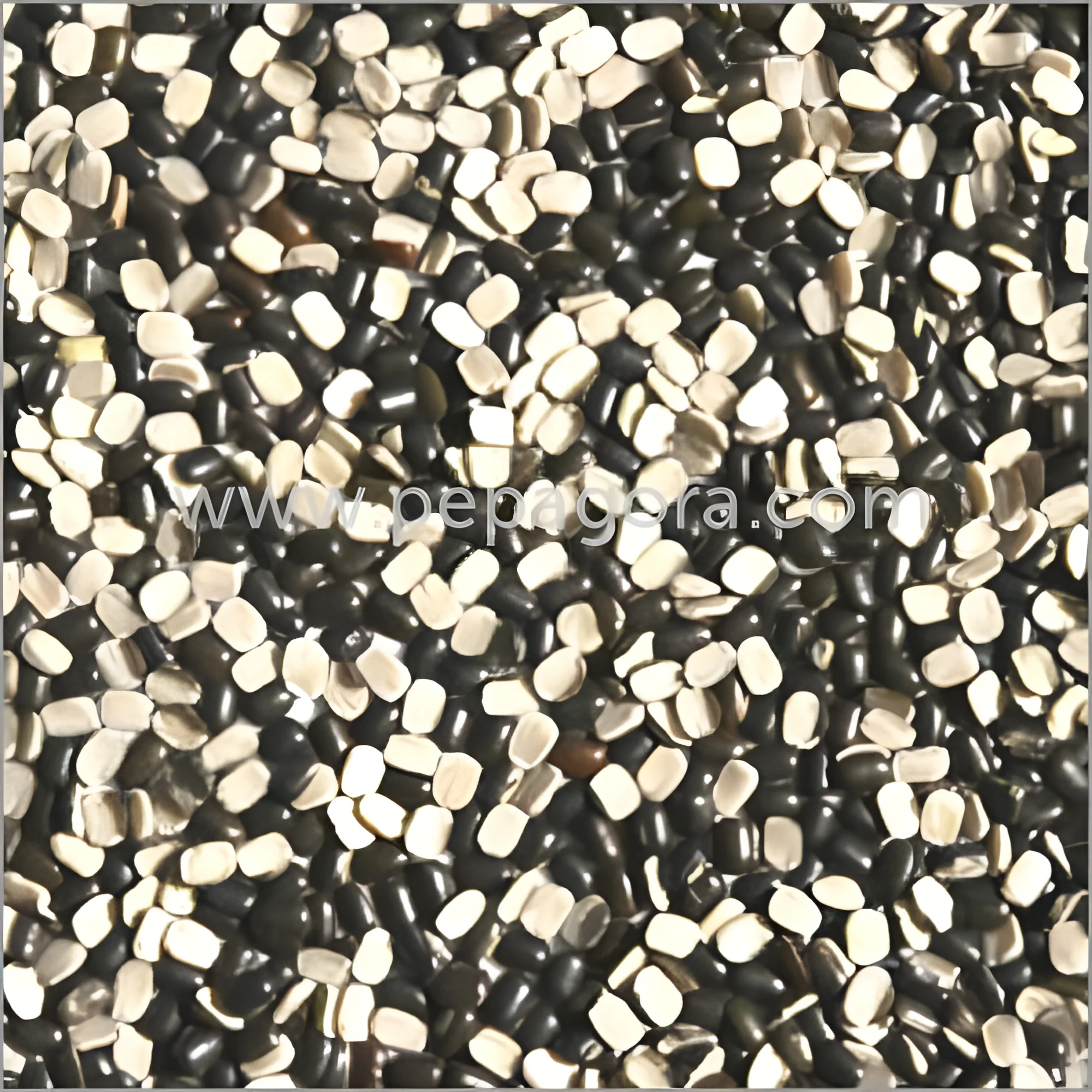
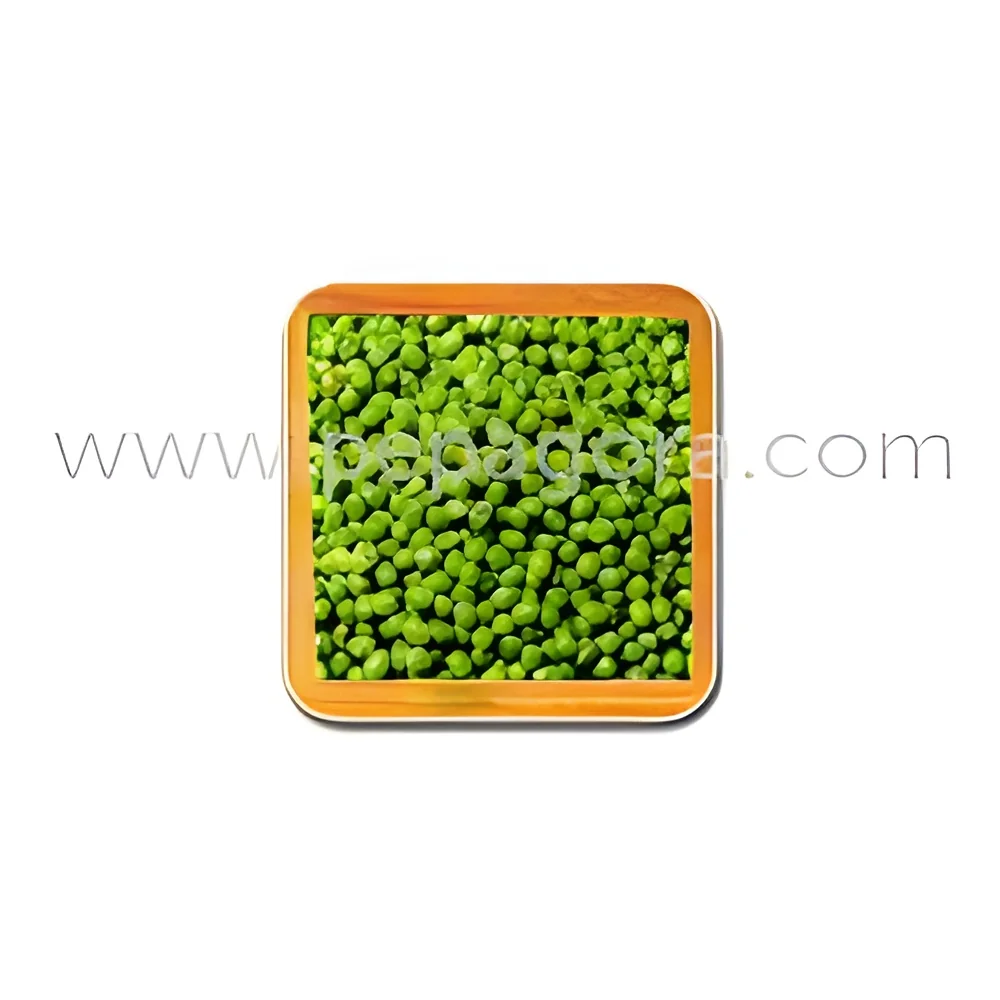
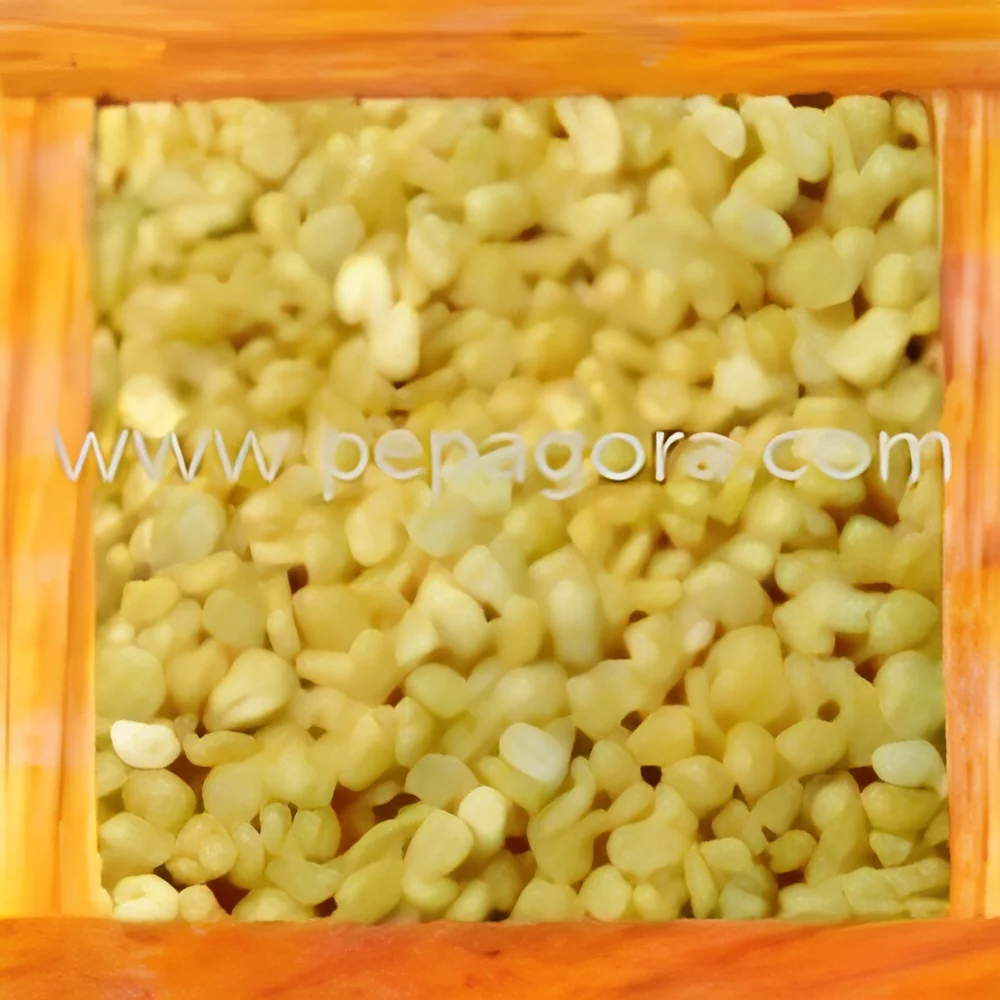
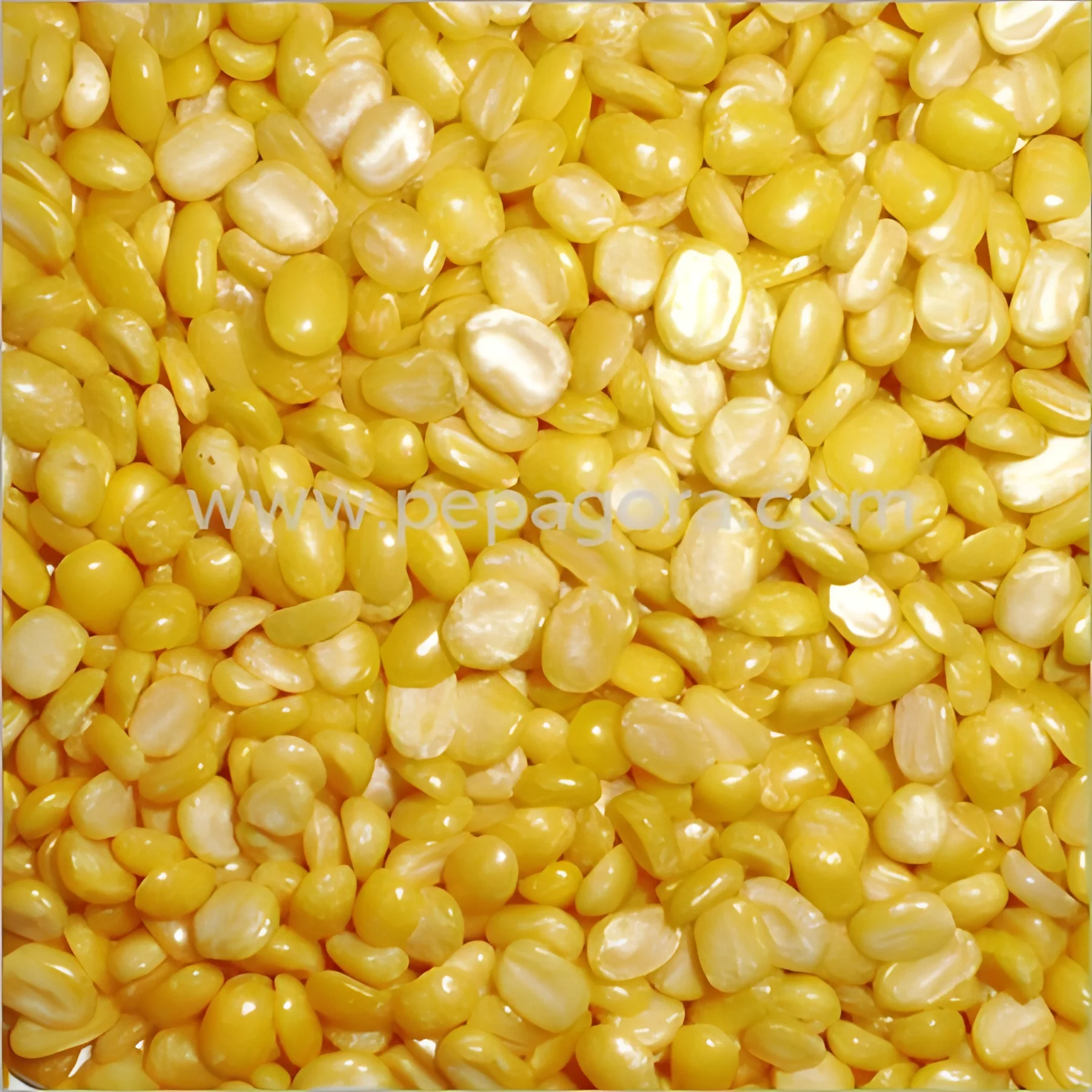
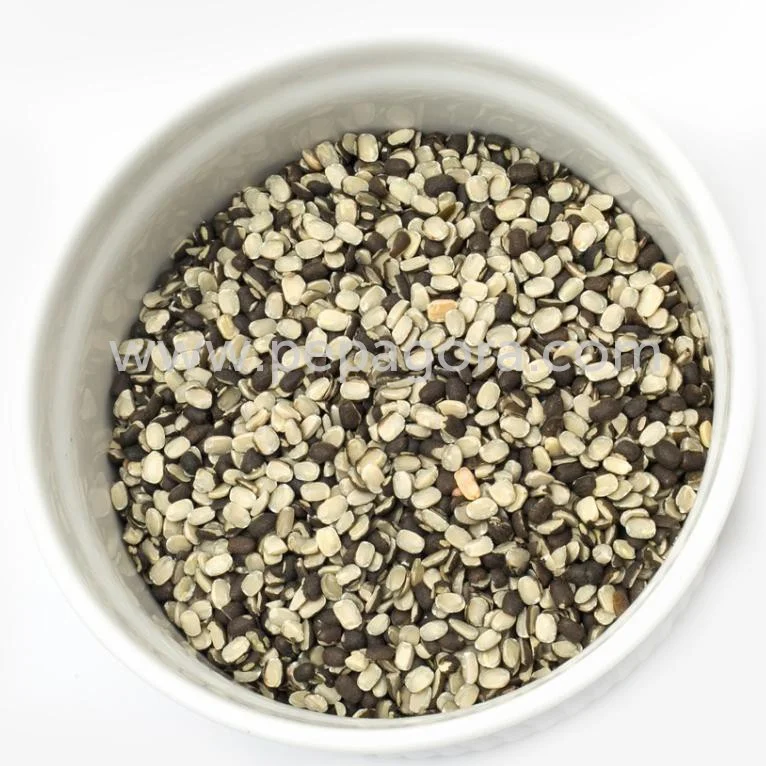
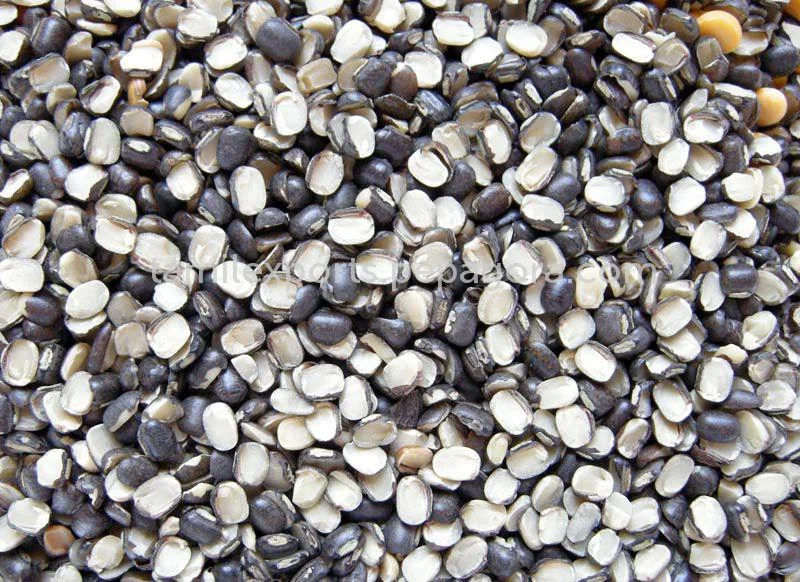
- Varieties with distinct colors: yellow (Tur), black (Urad), green (Moong), and beige (Chana)
- Visual appeal important for marketing and consumer preference
4. Size and Shape
- Standard sizes and shapes vary among different pulses
- Consistency is key for processing and packaging
5. Cooking Time
- Varies by type: Tur and Chana generally take longer to cook than Urad and Moong
- Important for food manufacturers and restaurants
6. Shelf Life
- Dry pulses can last for several months to years when stored properly
- Vital for inventory management in food industries
7. Nutritional Profile
- Rich in dietary fiber, vitamins, and minerals
- Promotes health benefits that are increasingly marketed to consumers
8. Origin and Quality
- Sourced from various regions, affecting quality and taste
- Quality assurance measures are essential for consistent supply
In summary, the key features and specifications of pulses are crucial for businesses looking to incorporate these nutritious legumes into their products.
Common Applications and Use Cases
Pulses serve various industries due to their versatility and nutritional benefits.
1. Food Processing: Pulses are processed into flours and snacks, catering to health-conscious consumers and vegetarian diets.
2. Catering Services: Restaurants and catering services utilize pulses in various dishes, including curries, salads, and soups, enhancing their menu offerings.
3. Nutraceuticals: The health benefits of pulses make them ideal for use in dietary supplements and health foods.
4. Animal Feed: Pulses are used as a protein source in animal feed, contributing to livestock nutrition.
5. Organic Farming: Pulses are often integrated into crop rotation systems to improve soil health and fertility.
6. Export Markets: Pulses have significant demand in international markets, particularly in regions focused on plant-based diets.
7. Vegan and Vegetarian Products: With the rise of veganism, pulses are increasingly incorporated into meat alternatives, appealing to a broader audience.
Product Variants and Subcategories
Pulses (Tur, Urad, Moong, Chana) come in various forms, providing options for different culinary and industrial needs.
Tur (Pigeon Pea)
Tur is a staple in many Asian cuisines and is often used to make dal. It is known for its rich flavor and high protein content, making it a favored choice in both home cooking and food processing.
Urad (Black Gram)
Urad is popular for its distinctive flavor and is often used in South Asian dishes such as dosa and idli. Its high nutritional value makes it a sought-after ingredient in health-focused products.
Moong (Green Gram)
Moong is celebrated for its easy digestibility and is used in salads, soups, and as a sprouted snack. Its versatility allows it to be integrated into a range of culinary applications.
Chana (Chickpea)
Chana is widely recognized for its nutty flavor and is a key ingredient in many dishes, including hummus and chana masala. Its high fiber content makes it popular among health-conscious consumers.
Benefits and Advantages
Pulses (Tur, Urad, Moong, Chana) offer a range of benefits that make them a valuable addition to any food product line.
1. Nutritional Value: Rich in protein and fiber, pulses contribute to a balanced diet and help in maintaining health.
2. Versatility: Pulses can be used in various culinary applications, from soups to snacks, catering to diverse consumer tastes.
3. Cost-Effectiveness: Pulses are often more affordable than animal protein sources, making them accessible to a broader audience.
4. Sustainable: Pulses require less water and fertilizer than many other crops, promoting environmental sustainability.
5. Long Shelf Life: When stored correctly, pulses have a long shelf life, reducing waste and improving supply chain efficiency.
6. Gluten-Free: Pulses are naturally gluten-free, making them suitable for individuals with gluten sensitivities or celiac disease.
Buying Guide for B2B Buyers
When sourcing Pulses (Tur, Urad, Moong, Chana), several factors should be considered to ensure quality and reliability.
1. Quality Assessment: Evaluate the nutritional content, appearance, and moisture levels to ensure the pulses meet your specifications.
2. Supplier Verification: Check the credentials of suppliers, including their certifications and reputation in the market, to ensure reliability.
3. Pricing and MOQ: Understand the pricing structure and minimum order quantities to align with budget and inventory needs.
4. Delivery and Lead Times: Confirm delivery schedules and lead times to ensure timely availability for production.
5. Compliance Requirements: Ensure that the pulses meet relevant food safety and quality standards to avoid potential regulatory issues.
Compliance and Certifications
Pulses (Tur, Urad, Moong, Chana) are subject to various quality standards and certifications to ensure safety and reliability in the market.
Relevant quality standards such as ISO 9001 and HACCP are crucial in maintaining consistent quality in production and processing. These standards help ensure that products are safe for consumption and meet the necessary regulatory requirements.
Industry certifications like CE and UL serve as indicators of compliance with safety and quality regulations. Such certifications provide assurance to buyers regarding the reliability of the product.
Safety and testing requirements are vital, particularly in the food industry, where contamination can have serious consequences. Regular testing for pesticides, mycotoxins, and other contaminants is necessary to ensure product integrity.
Regional compliance considerations may vary, with specific regulations in different countries affecting how pulses are sourced and sold. Understanding these regulations is important for businesses operating in international markets.
Why Source Pulses (Tur, Urad, Moong, Chana) from Pepagora?
Pepagora provides a trusted platform for sourcing Pulses (Tur, Urad, Moong, Chana) with several key advantages that enhance the purchasing experience.
Verified Supplier Network: Pepagora ensures that all suppliers are vetted and verified, providing buyers with confidence in the sourcing process and reducing the risk of fraud.
Streamlined RFQ Process: The request for quotation process on Pepagora is user-friendly and efficient, enabling buyers to receive competitive quotes and make informed purchasing decisions quickly.
Trade Assurance and Support: Pepagora offers trade assurance to protect buyers, ensuring that products meet quality standards and helping resolve any issues that may arise during the transaction.
Regional Coverage: With a broad geographic reach across India, the GCC, and Southeast Asia, Pepagora connects buyers with suppliers in key markets, facilitating access to high-quality pulses.
By choosing Pepagora, businesses can streamline their sourcing processes while ensuring they receive quality products that meet their needs.



 India

 India

Frequently Asked Questions
What are Pulses (Tur, Urad, Moong, Chana)?
Pulses are the seeds of leguminous plants and are an important source of protein, fiber, and essential nutrients. The category includes various types such as Tur (Toor), Urad, Moong, and Chana. These legumes are widely used in Indian cuisine and have significant nutritional and culinary value.
What are the different types of Pulses (Tur, Urad, Moong, Chana)?
The main types of Pulses include Tur (Toor), which is often used in dals; Urad, known for its black color and used in various dishes; Moong, a green gram that is rich in protein; and Chana, which includes both chickpeas and split chickpeas. Each type has unique properties and culinary applications.
How do I choose the right Pulses (Tur, Urad, Moong, Chana)?
When choosing Pulses, consider factors such as the intended use, nutritional content, and quality. Look for uniform size, color, and minimal defects in the packaging. Additionally, check for freshness and the absence of pests or moisture.
What are the standard specifications for Pulses (Tur, Urad, Moong, Chana)?
Standard specifications for Pulses generally include moisture content, foreign matter percentage, and the presence of defects. For instance, Tur pulses should have a moisture content of less than 14%, while Urad and Moong should meet similar moisture specifications to ensure quality.
What is the price range for Pulses (Tur, Urad, Moong, Chana)?
The price range for Pulses can vary significantly based on quality, type, and market demand. Generally, prices may range from INR 40 to INR 200 per kilogram, depending on the variety and sourcing conditions.
What quality standards apply to Pulses (Tur, Urad, Moong, Chana)?
Quality standards for Pulses include compliance with the Food Safety and Standards Authority of India (FSSAI) regulations. This encompasses parameters such as purity, moisture content, and the absence of contaminants or spoilage indicators.
Where can I find Pulses (Tur, Urad, Moong, Chana) suppliers in India?
You can find Pulses suppliers in India through various platforms, including online B2B marketplaces like Pepagora. Additionally, local agricultural markets and wholesale distributors are valuable sources for procuring Pulses.
Can Pulses (Tur, Urad, Moong, Chana) be customized?
Customization of Pulses may be available based on supplier capabilities, including packaging sizes and blends of different varieties. It is advisable to discuss specific requirements with suppliers to determine their customization options.
What is the typical minimum order quantity for Pulses (Tur, Urad, Moong, Chana)?
The typical minimum order quantity (MOQ) for Pulses varies by supplier and can range from 25 kg to 1 ton. It is important to check with individual suppliers for their specific MOQ policies.
What is the typical lead time for Pulses (Tur, Urad, Moong, Chana)?
The typical lead time for Pulses can range from 1 to 4 weeks, depending on factors such as supplier location, order size, and availability. It is advisable to confirm lead times with the supplier at the time of order placement.
Why Businesses Trust Pepagora
Thousands of companies trust Pepagora to source smarter and sell faster
Expand Your Sales Globally

Source Smarter,Grow Faster
