
 IN
Precision Gauges
26 products available
What are Precision Gauges?
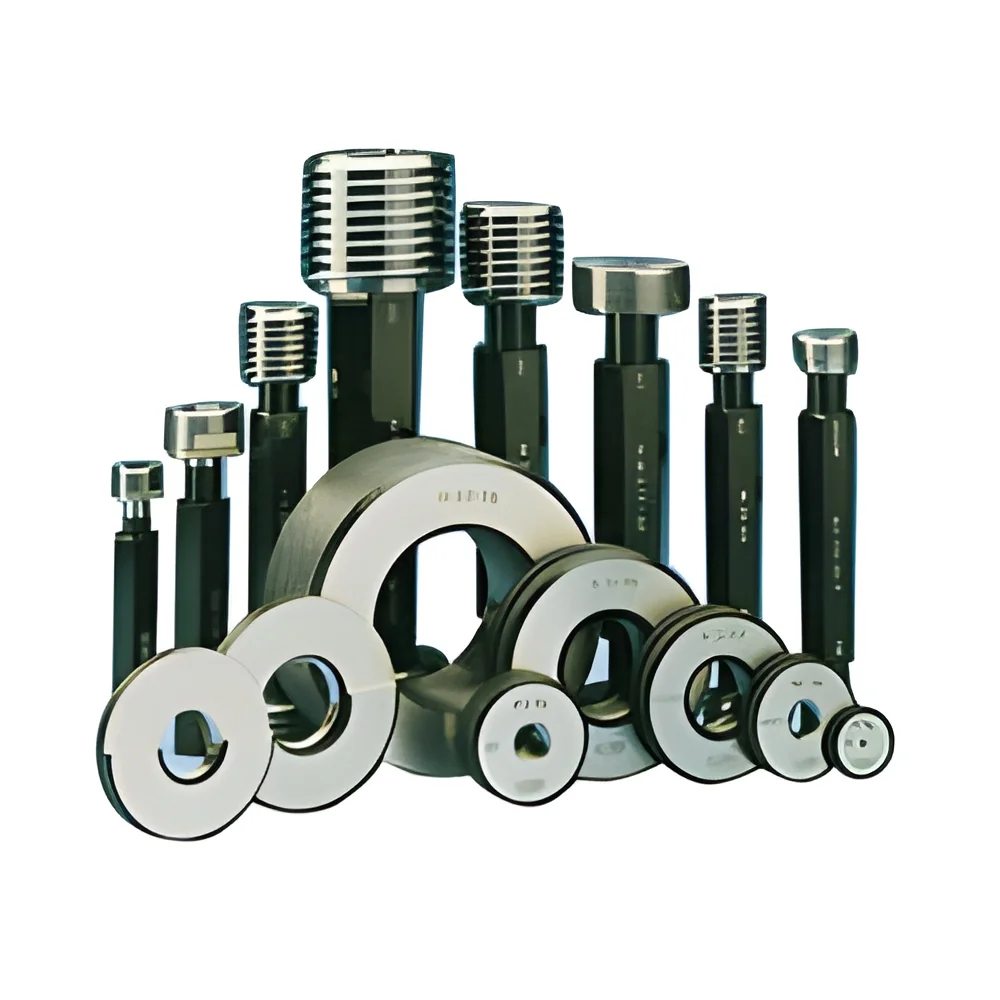
Precision gauges are specialized measurement instruments designed to provide accurate and reliable readings for various industrial applications. These tools are critical in ensuring that components and materials meet specific tolerances and specifications. Precision gauges come in various forms, including calipers, micrometers, and dial indicators, each engineered for specific measurement tasks. Their primary purpose is to support quality control processes in manufacturing and production environments.
In business applications, precision gauges are essential for verifying dimensions, tolerances, and other critical parameters of parts and assemblies. Industries such as automotive, aerospace, and electronics rely heavily on these tools to maintain quality standards. By providing accurate data, precision gauges help minimize errors in production, reduce waste, and improve overall operational efficiency. The growing emphasis on quality and precision in manufacturing has increased the demand for these tools, making them a vital component in modern industrial practices.
Key Features and Specifications
Precision gauges offer several key features that enhance their utility and effectiveness in various applications. Understanding these features and specifications is crucial for selecting the right tool for specific needs.
Key specifications include:
1. Measurement Range
- This indicates the minimum and maximum dimensions the gauge can measure.
- Common ranges vary from millimeters to inches, depending on the type of gauge.
2. Accuracy
- Refers to how close the measured value is to the true value.
- Typical accuracy levels can be ±0.01 mm or better, depending on the gauge type.
3. Resolution
- The smallest increment that can be measured by the gauge.
- Generally offered in decimal points or fractions, e.g., 0.001 mm.
4. Material Construction
- Precision gauges are often made from stainless steel, aluminum, or plastic.
- Material choice impacts durability and resistance to wear.
5. Display Type
- Gauges may feature analog dials, digital readouts, or mechanical displays.
- Digital displays often provide easier reading and data capture.
6. Calibration Standards
- Many precision gauges are calibrated according to recognized standards.
- Regular calibration ensures ongoing accuracy and reliability.
7. Ease of Use
- Designs that facilitate quick measurements and adjustments are preferred.
- Ergonomic features enhance user comfort during operation.
8. Portability
- Many precision gauges are designed to be compact and lightweight.
- Portability enables easy transport within manufacturing or field environments.
Precision gauges are integral to ensuring that manufacturing processes adhere to strict quality standards.
Common Applications and Use Cases
Precision gauges find utility across a range of industries, each with unique measurement requirements.
1. Automotive: In the automotive industry, precision gauges are used to ensure that parts such as engine components and chassis dimensions meet exact specifications. This is critical for performance and safety.
2. Aerospace: The aerospace sector employs precision gauges for measuring the dimensions of aircraft components, where even minor deviations can have significant safety implications.
3. Electronics: In electronics manufacturing, precision gauges help verify the dimensions of circuit boards and components, ensuring compatibility and functionality in assemblies.
4. Medical Devices: Precision gauges are essential in the production of medical devices, where accuracy in dimensions can affect the performance and safety of the products.
5. Metal Fabrication: In metalworking and fabrication, these gauges ensure that cut and shaped materials conform to design specifications, which is vital for quality control.
6. Construction: Precision gauges are used in construction projects to measure materials and ensure that structural components fit together as intended.
7. Tool and Die Making: In toolmaking, precision gauges help verify the dimensions of tools and dies, ensuring they meet the required tolerances for manufacturing processes.
Product Variants and Subcategories
Precision gauges come in various types, each designed for specific measurement tasks.
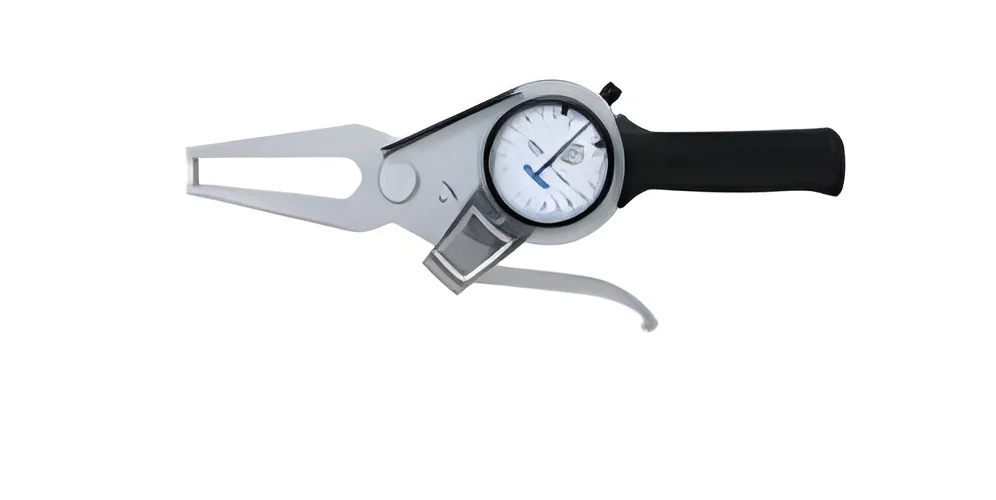
Calipers: These are versatile tools used for measuring internal and external dimensions as well as depths. They can be either manual or digital, offering both ease of use and high accuracy.
Micrometers: Known for their precision, micrometers are commonly used for measuring small dimensions, such as thicknesses of materials. They provide high-resolution readings and are crucial in quality control.
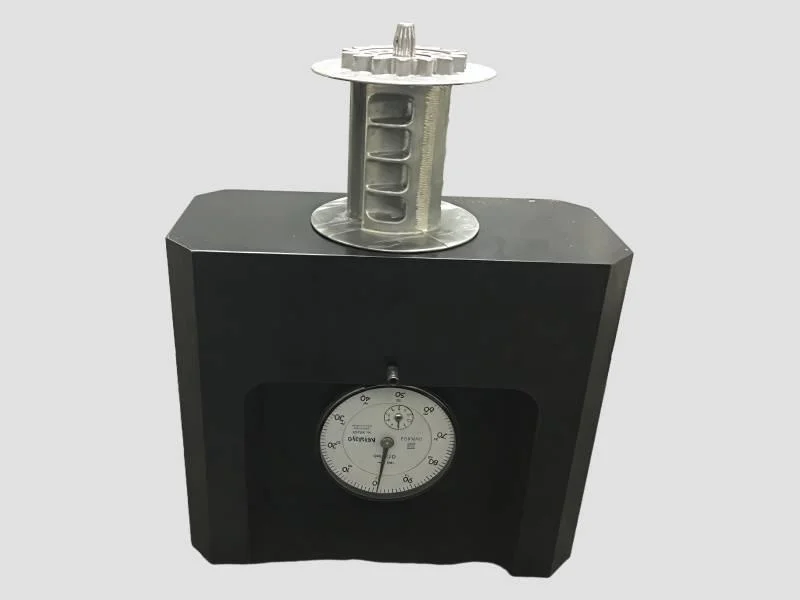
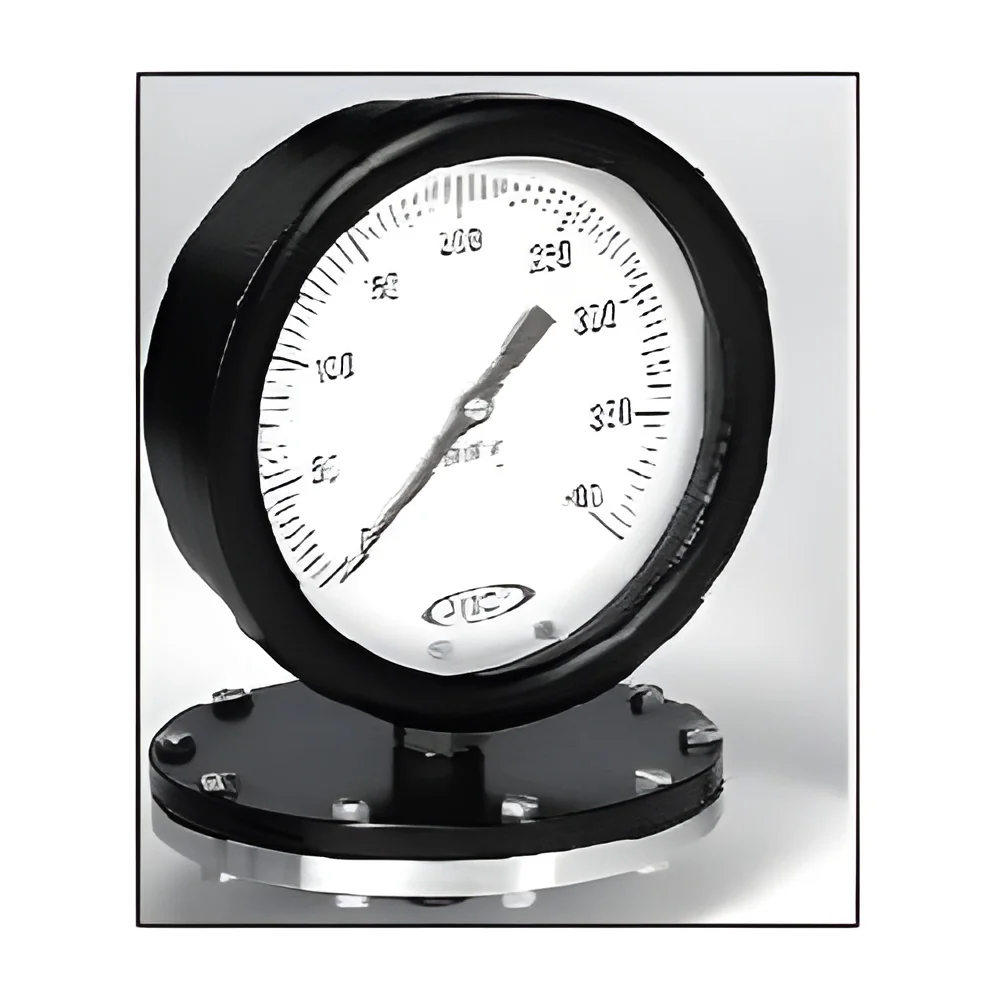
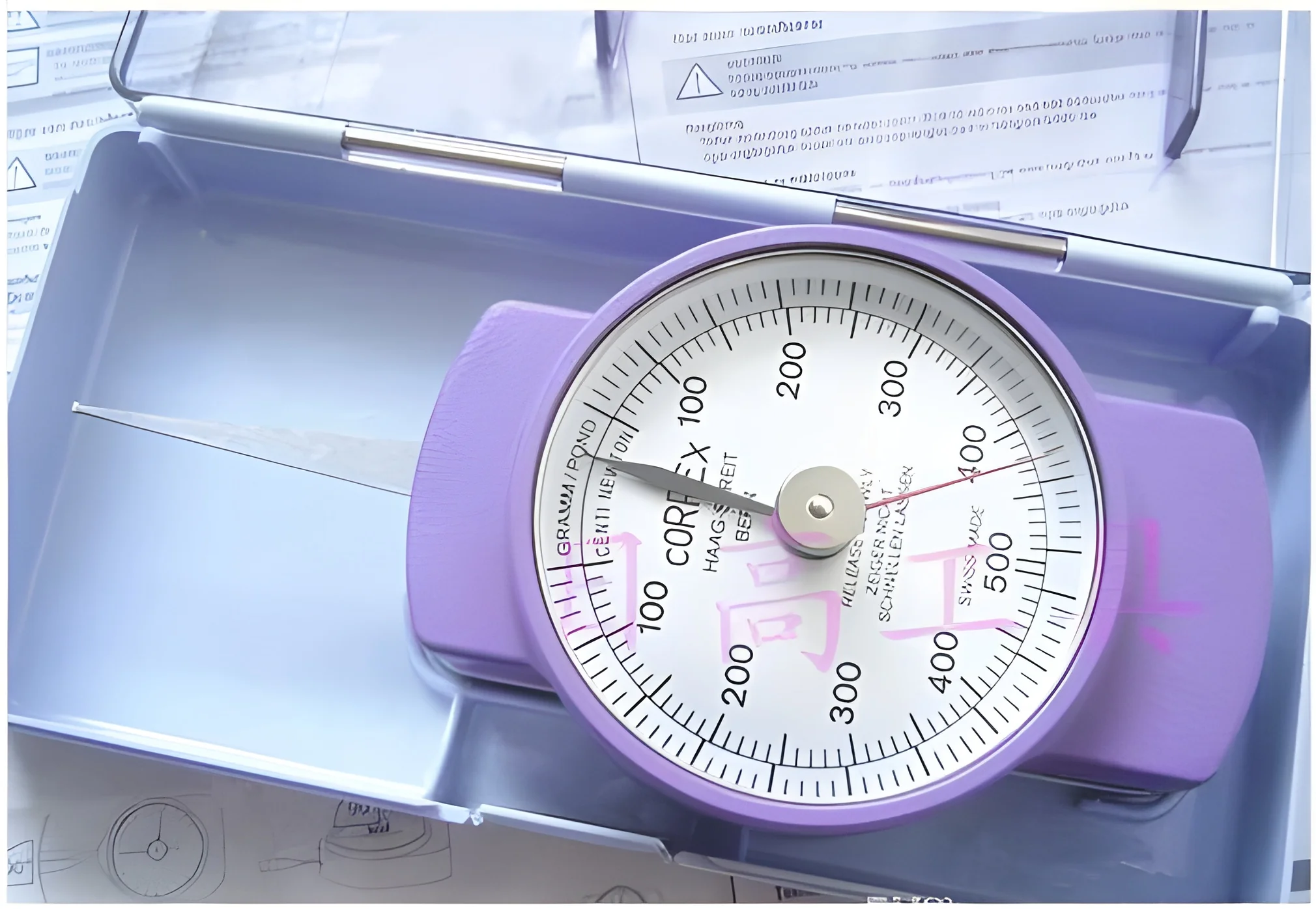
Dial Indicators: These gauges measure small distances or angles with high accuracy. They are often used for checking flatness or alignment in machinery setups.
Depth Gauges: Designed to measure the depth of holes or recesses, depth gauges are essential for ensuring that components fit properly during assembly.
Benefits and Advantages
Precision gauges provide numerous benefits that enhance quality control and operational efficiency in industrial settings.
1. Improved Accuracy: Precision gauges deliver high levels of accuracy, which is critical for maintaining product quality and compliance with specifications.
2. Cost Efficiency: By reducing errors and improving quality control, precision gauges help lower production costs and minimize waste.
3. Enhanced Productivity: Quick and reliable measurements streamline manufacturing processes, leading to increased productivity.
4. Versatility: With various types available, precision gauges can be used across multiple applications and industries, making them a valuable investment.
5. User-Friendly: Many modern precision gauges feature intuitive designs and digital displays that make them easy to use, even for operators with minimal training.
6. Long-Term Reliability: High-quality materials and construction ensure that precision gauges remain reliable over time, reducing the need for frequent replacements.
Buying Guide for B2B Buyers
When sourcing precision gauges, it is essential for B2B buyers to consider several key factors to ensure they make informed decisions.
1. Quality Assessment: Evaluate the quality of precision gauges based on manufacturer reputation, customer reviews, and adherence to industry standards. High-quality gauges will provide better accuracy and durability.
2. Supplier Verification: Conduct thorough research on suppliers to ensure they are reputable and reliable. Look for certifications and customer testimonials that attest to their ability to deliver quality products.
3. Pricing and MOQ: Understand the pricing structure and minimum order quantity (MOQ) requirements. This helps buyers budget effectively and ensures they can meet their operational needs without overcommitting.
4. Delivery and Lead Times: Consider the logistics involved in sourcing precision gauges. Reliable suppliers should provide clear estimates on delivery times and shipping options to minimize disruptions.
5. Compliance Requirements: Ensure that the precision gauges meet relevant compliance and regulatory standards. This is particularly important in industries like aerospace and medical, where adherence to safety standards is crucial.
Compliance and Certifications
Precision gauges must adhere to various quality standards and certifications to ensure they meet industry requirements and safety regulations.
ISO 9001 is a widely recognized standard that specifies requirements for a quality management system. Manufacturers of precision gauges often seek this certification to demonstrate their commitment to quality assurance and continuous improvement.
CE certification is crucial for products sold in the European market. It indicates that the product meets EU safety, health, and environmental requirements, ensuring that precision gauges are safe for use in various applications.
Manufacturers must also comply with safety and testing requirements specific to their industry. This may include rigorous testing to verify accuracy, reliability, and durability under different conditions.
Regional compliance considerations can vary by market. B2B buyers should be aware of local regulations that may affect the sourcing and use of precision gauges in their respective regions.
Why Source Precision Gauges from Pepagora?
Pepagora offers a trusted platform for sourcing precision gauges, providing several key advantages that benefit B2B buyers.
Verified Supplier Network: Pepagora conducts thorough vetting of suppliers to ensure they meet high standards of quality and reliability. This gives buyers peace of mind knowing they are sourcing from reputable manufacturers.
Streamlined RFQ Process: The request for quotation (RFQ) process is straightforward and efficient, enabling buyers to quickly obtain quotes from multiple suppliers. This saves time and simplifies the procurement process.
Trade Assurance and Support: Pepagora provides trade assurance, protecting buyers from potential risks associated with sourcing. Their support team is available to assist with any issues, ensuring a smooth purchasing experience.
Regional Coverage: With a strong presence in India, the GCC, and Southeast Asia, Pepagora connects buyers with suppliers across these regions, facilitating access to a diverse range of precision gauges tailored to various industrial needs.


Frequently Asked Questions
What are Precision Gauges?
Precision Gauges are measuring instruments designed to provide highly accurate measurements in various applications. They are used in industries such as manufacturing, engineering, and quality control to ensure that products meet specified tolerances.
What are the different types of Precision Gauges?
There are several types of Precision Gauges, including micrometers, calipers, dial indicators, and gauge blocks. Each type serves a specific purpose, such as measuring thickness, diameter, or alignment, and is chosen based on the measurement requirements.
How do I choose the right Precision Gauges?
To choose the right Precision Gauges, consider the specific measurement needs, the range and accuracy required, and the environment in which the gauges will be used. Additionally, evaluate the gauge's compatibility with your existing tools and processes.
What are the standard specifications for Precision Gauges?
Standard specifications for Precision Gauges often include measurement range, resolution, accuracy, and material composition. These specifications may vary by type and manufacturer, so it's essential to refer to product datasheets for precise details.
What is the price range for Precision Gauges?
The price range for Precision Gauges can vary widely depending on the type, brand, and specifications. Generally, you can expect prices to range from a few hundred to several thousand Indian Rupees, with more advanced gauges typically costing more.
What quality standards apply to Precision Gauges?
Precision Gauges must comply with various quality standards, including ISO 9001 for quality management systems and specific industry standards like ASTM or DIN. Manufacturers may also adhere to additional certifications to ensure the accuracy and reliability of their products.
Where can I find Precision Gauges suppliers in India?
You can find Precision Gauges suppliers in India through online B2B marketplaces like Pepagora, industry trade shows, and local manufacturing directories. It's advisable to compare multiple suppliers to find the best options that meet your needs.
Can Precision Gauges be customized?
Yes, many manufacturers offer customization options for Precision Gauges based on specific measurement requirements or industry applications. Customization might include modifications to size, scale, or materials used in the gauges.
What is the typical minimum order quantity for Precision Gauges?
The typical minimum order quantity (MOQ) for Precision Gauges can vary by supplier and product type. Generally, MOQs can range from 1 to 100 pieces, depending on the gauge and the manufacturer's policies.
What is the typical lead time for Precision Gauges?
The typical lead time for Precision Gauges varies based on factors such as the type of gauge, customization requirements, and supplier location. Generally, you can expect lead times to range from a few days to several weeks.
Why Businesses Trust Pepagora
Thousands of companies trust Pepagora to source smarter and sell faster
Expand Your Sales Globally

Source Smarter,Grow Faster
