
 IN
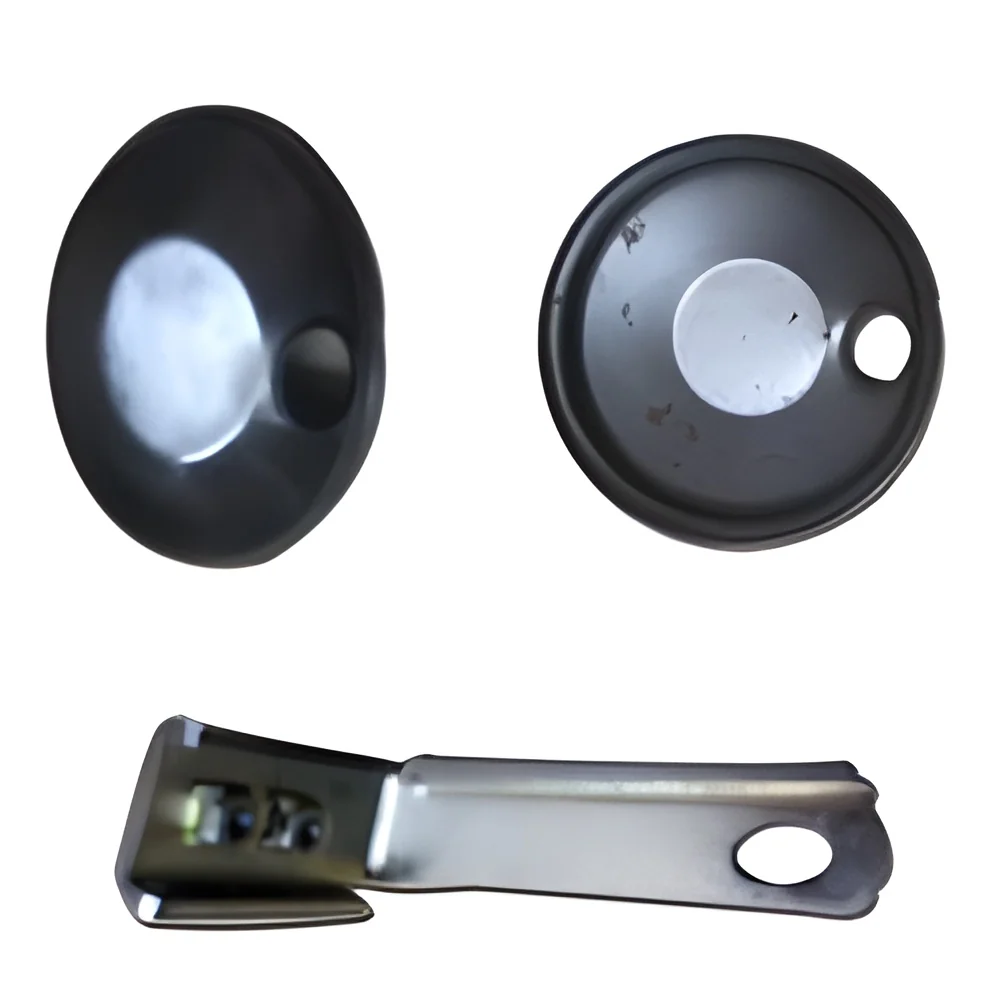
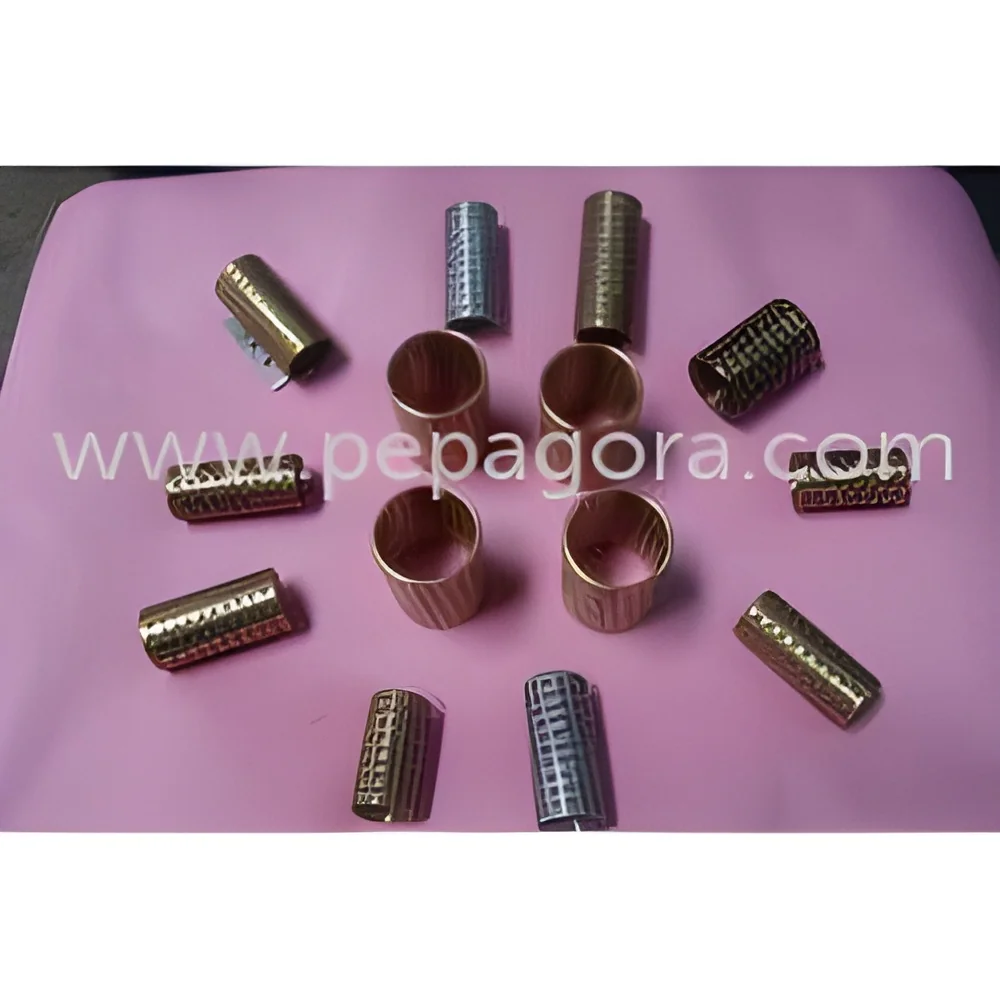
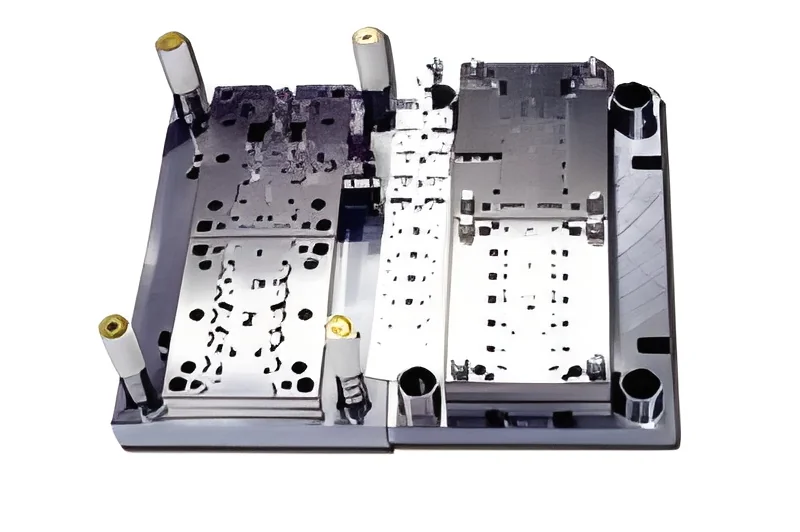
Sheet Metal Forming Tools
51 products available
What are Sheet Metal Forming Tools?
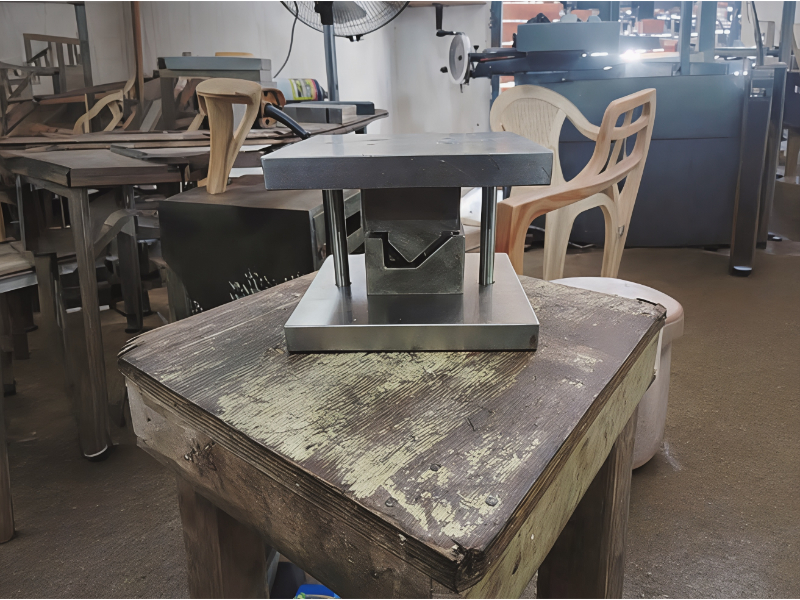
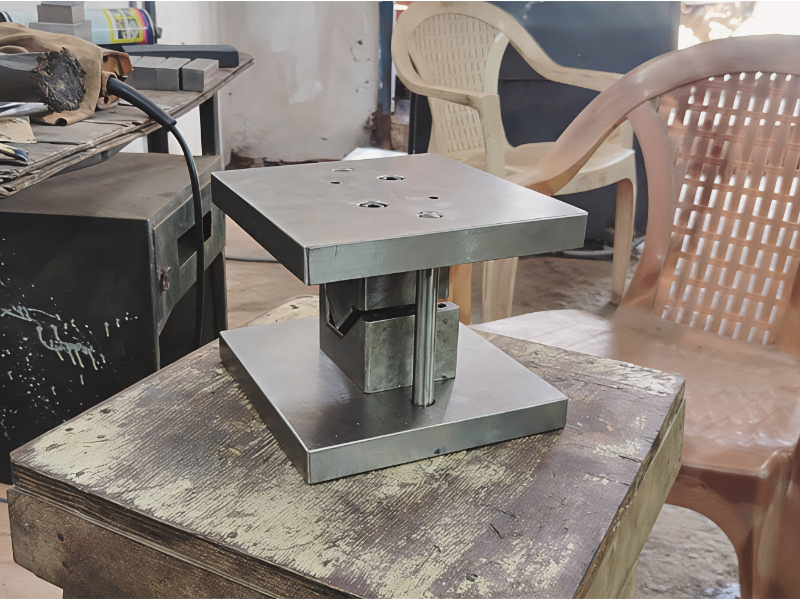
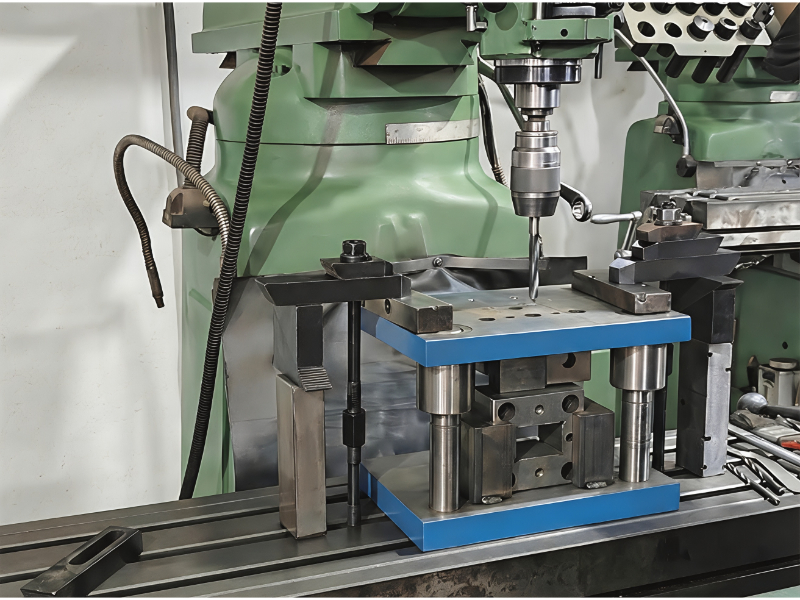
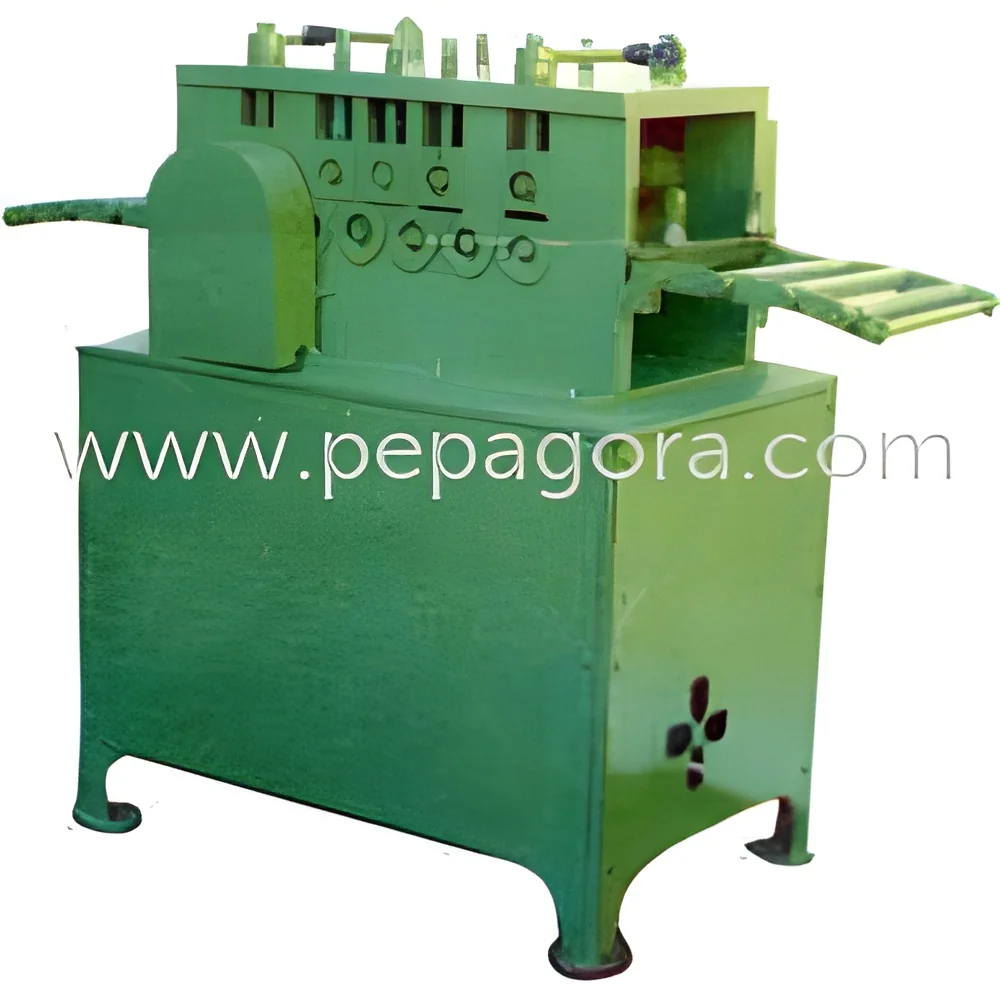
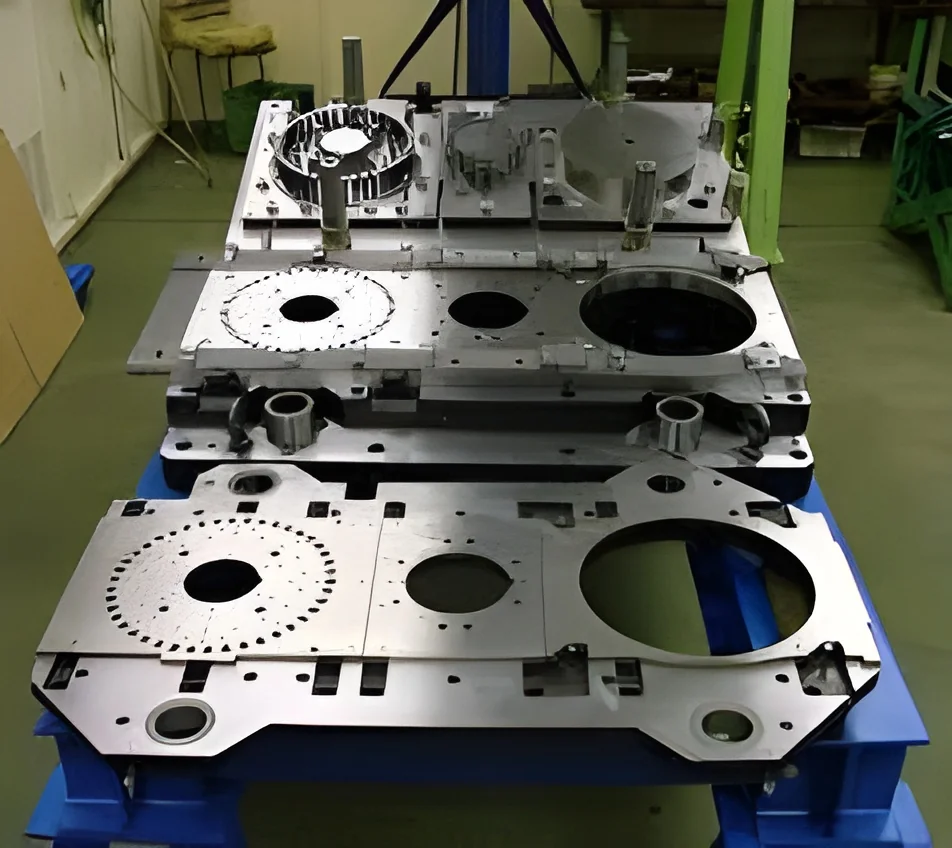
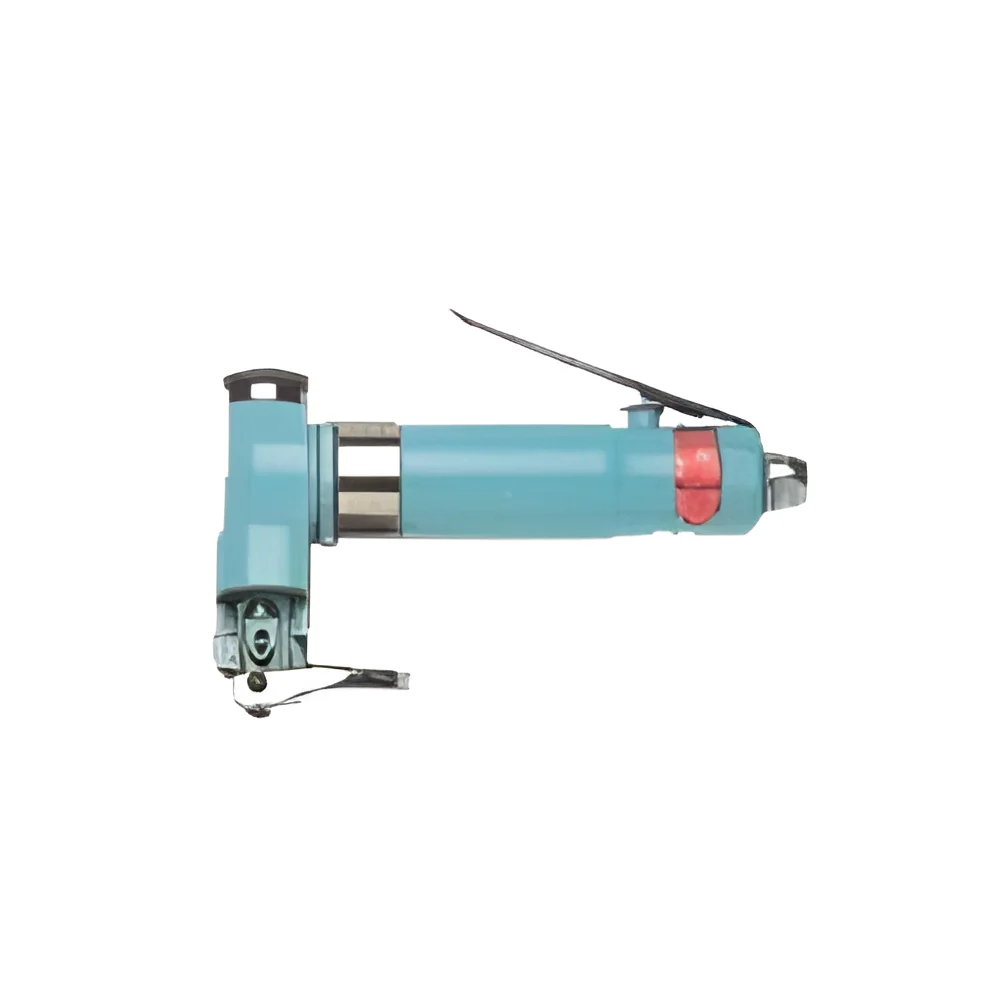
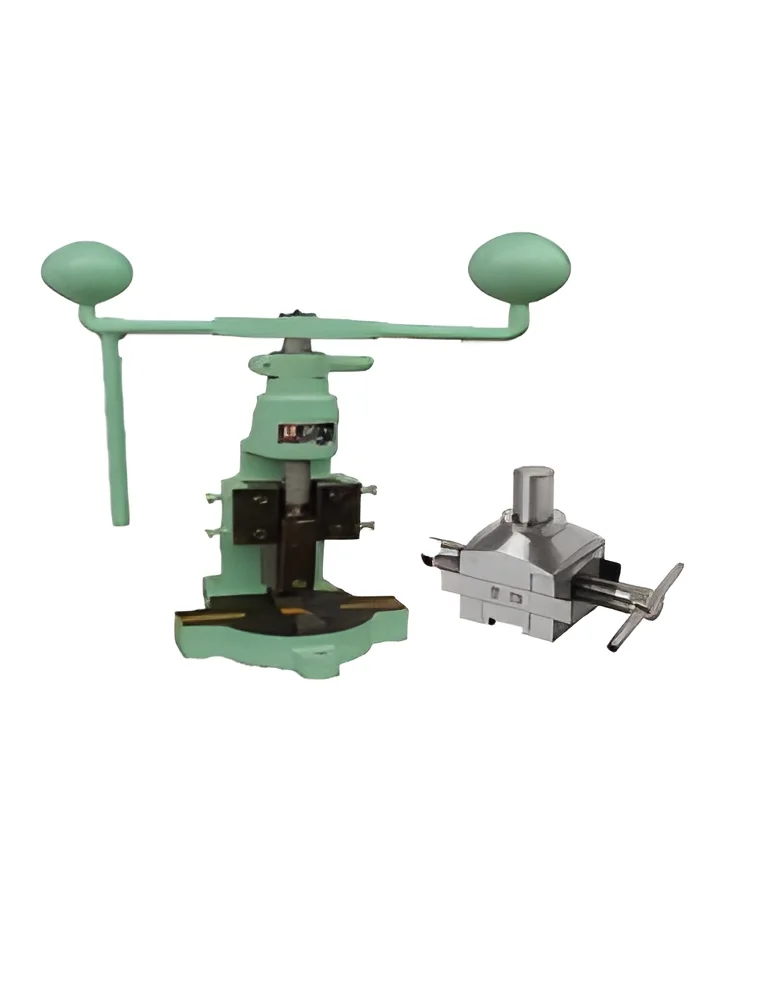
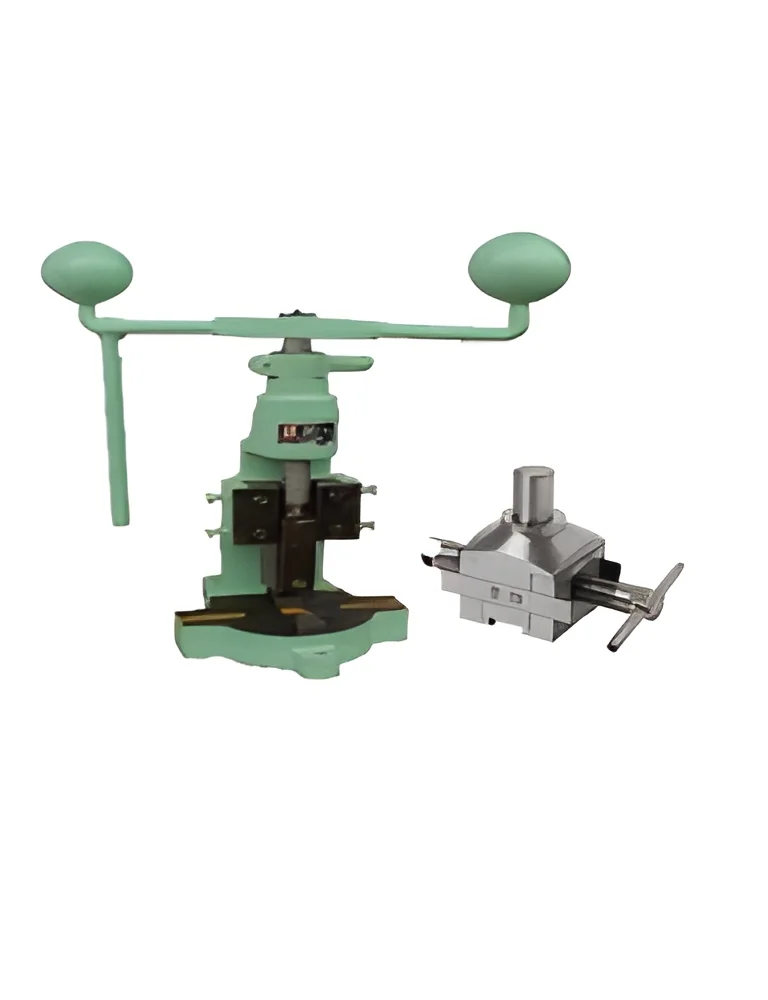
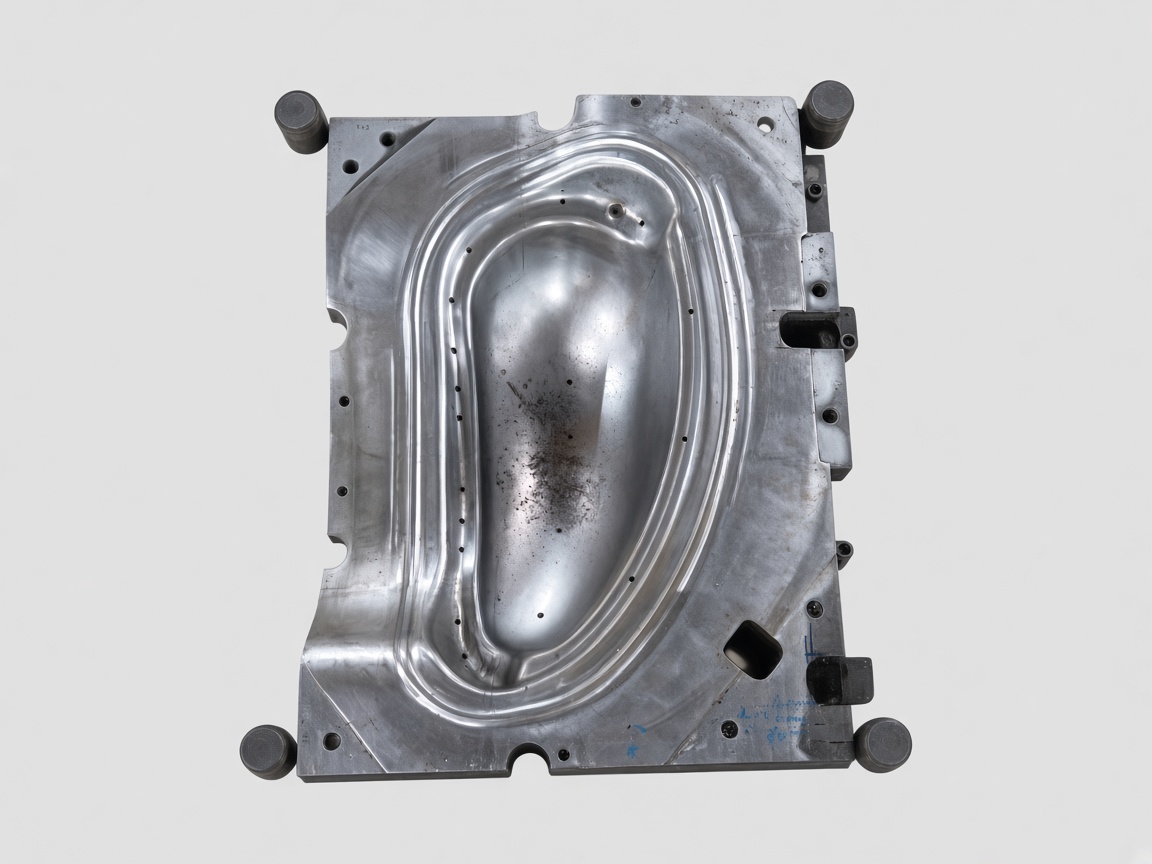
Sheet metal forming tools are specialized devices used to shape and manipulate sheets of metal into desired forms. These tools operate through various processes such as bending, cutting, and folding. They are essential in the manufacturing sector, providing the means to create parts and components for a wide range of applications. The versatility of these tools allows them to be used for both simple operations and complex fabrications.
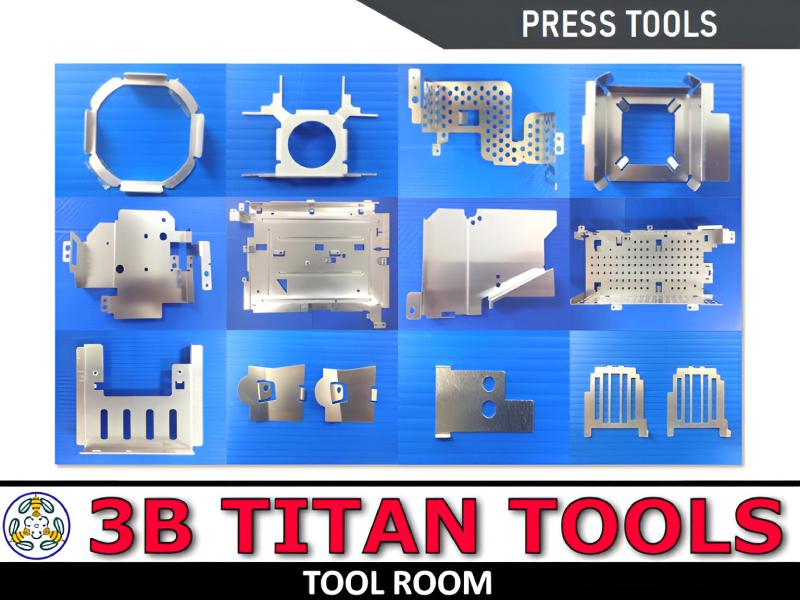
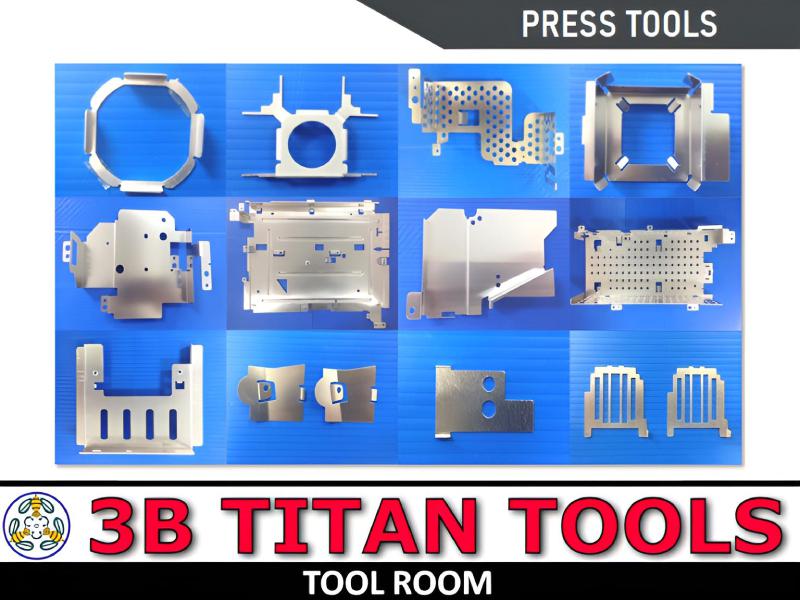
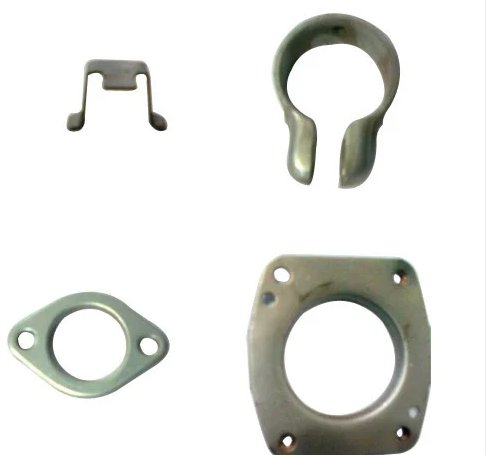
The primary uses of sheet metal forming tools include the production of components for automotive, aerospace, electronics, and construction industries. These tools facilitate the creation of products like brackets, chassis, enclosures, and other custom parts. The demand for precision and efficiency in manufacturing processes makes these tools vital for companies focusing on quality and productivity. As industries continue to evolve, the relevance of sheet metal forming tools remains crucial in meeting modern production needs.
Key Features and Specifications
Sheet metal forming tools come with a variety of features that enhance their functionality and efficiency. The key specifications are important for buyers to consider when selecting the right tools for their operations.
Key specifications include:
1. Material Compatibility
- Suitable for various metals like aluminum, steel, and copper.
- Ensures versatility in production.
2. Tooling Types
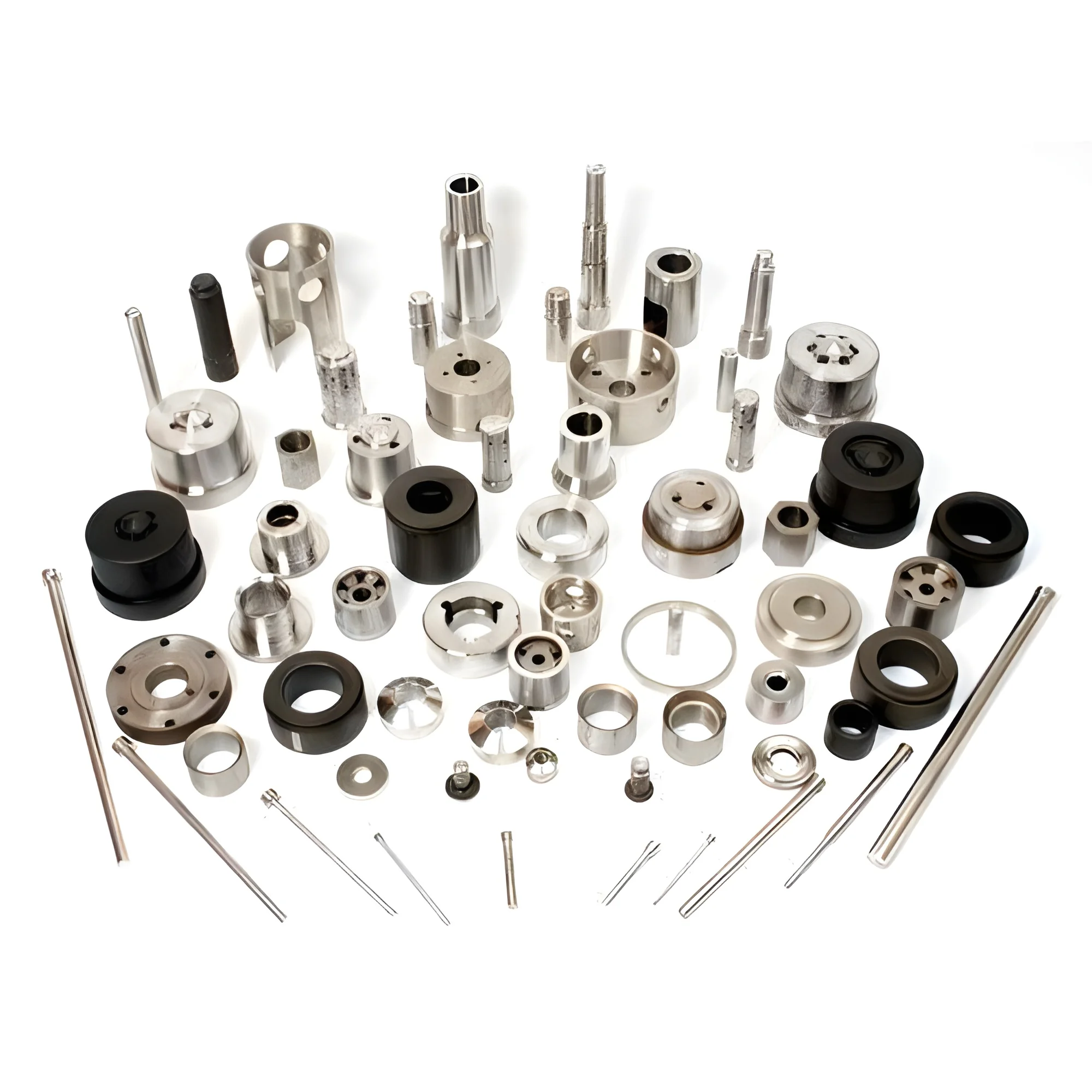
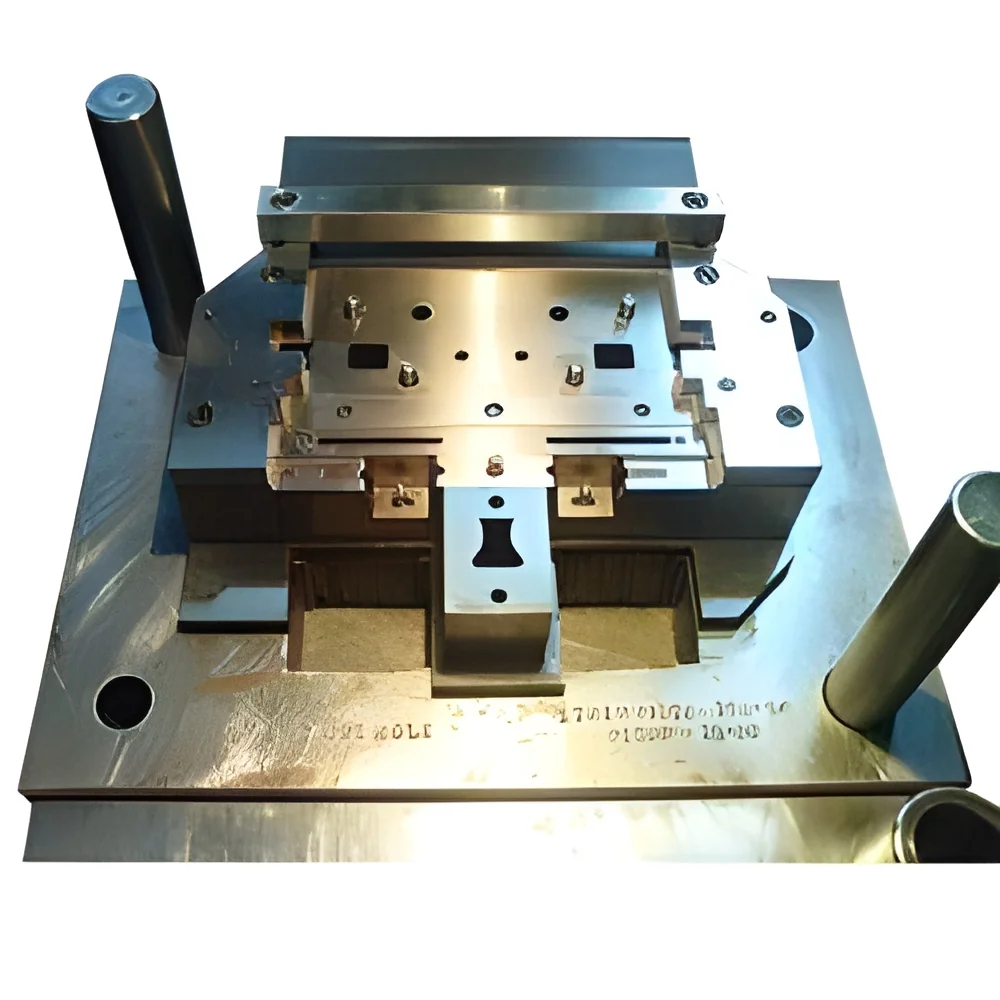
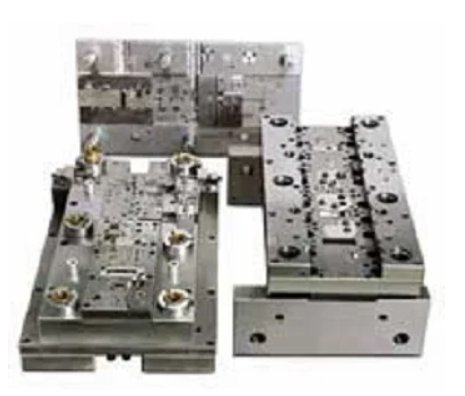
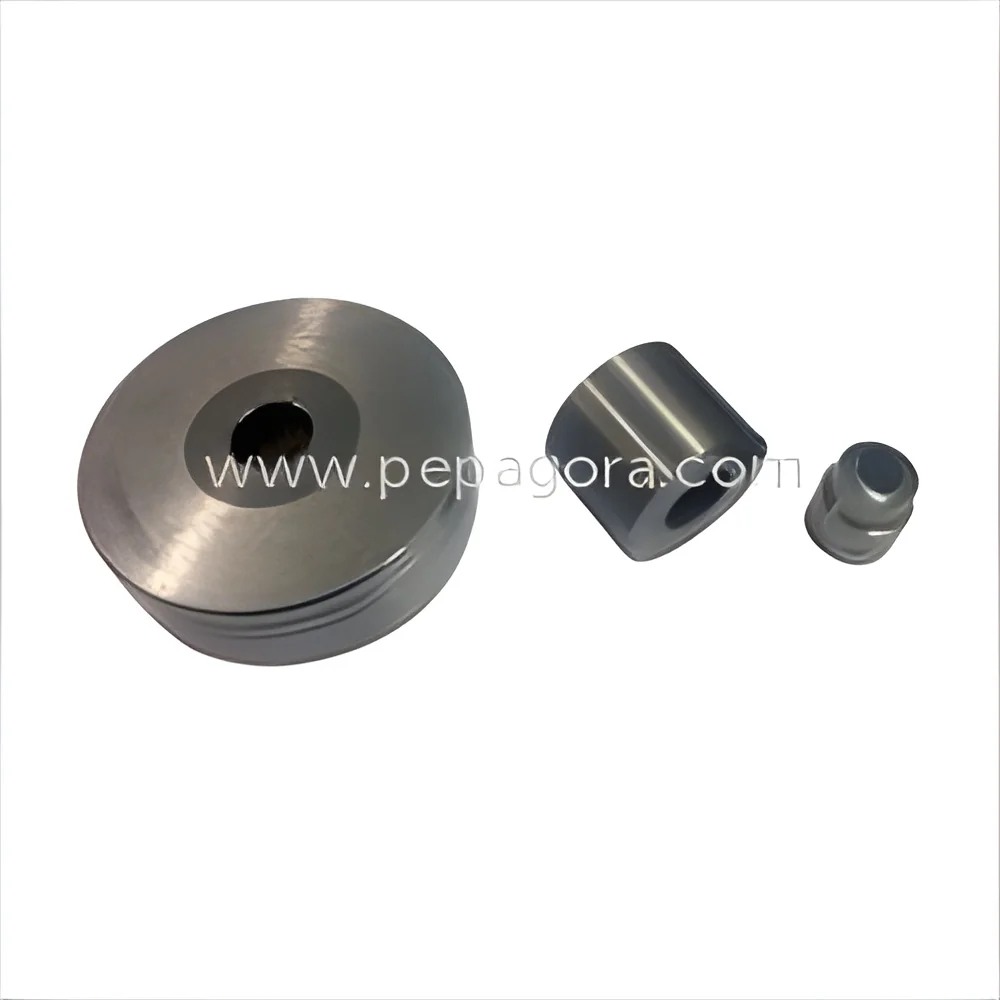
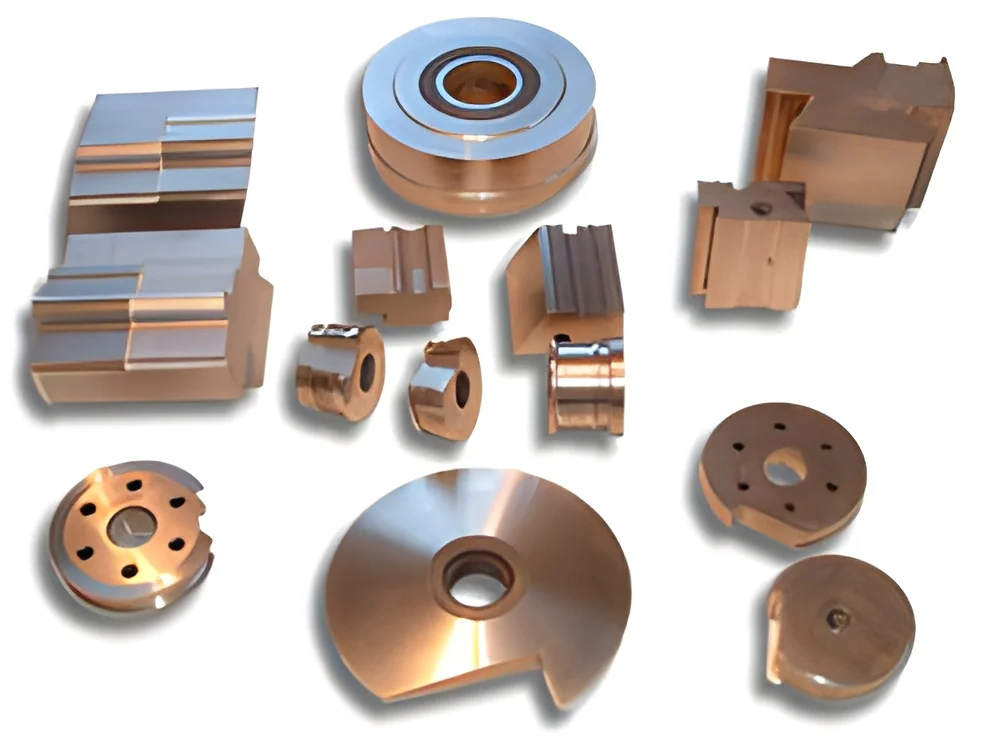
- Includes dies, punches, and rollers.
- Each type serves a specific forming process.
3. Precision Tolerance
- Offers accuracy typically within ±0.01 mm.
- Critical for high-quality production standards.
4. Forming Capacity
- Capable of handling thicknesses ranging from 0.5 mm to 5 mm.
- Determines the types of metal sheets that can be processed.
5. Machine Type
- Available in manual, semi-automatic, and fully automatic options.
- Affects operational efficiency and labor costs.
6. Speed of Operation
- Varies based on the machine design, typically ranges from 5 to 30 strokes per minute.
- Influences production rates and turnaround times.
7. Safety Features
- Includes emergency stop buttons and safety guards.
- Essential for worker protection.
8. Compliance Standards
- Adheres to industry standards such as CE certification.
- Ensures quality and safety in operations.
Understanding these specifications can assist buyers in making informed decisions when selecting sheet metal forming tools.
Common Applications and Use Cases
Sheet metal forming tools serve a wide range of industries with various applications.
1. Automotive: In the automotive industry, these tools are used to fabricate parts like body panels, brackets, and frames, ensuring precision and structural integrity.
2. Aerospace: Aerospace manufacturers utilize these tools to create lightweight, durable components that meet stringent safety and performance standards.
3. Electronics: In electronics, sheet metal forming tools are essential for producing enclosures and heat sinks, contributing to the efficiency and reliability of electronic devices.
4. Construction: The construction industry uses these tools to produce roofing sheets, HVAC ducts, and structural components, facilitating faster and more efficient building processes.
5. HVAC: In HVAC systems, forming tools are used to create ductwork and fittings, ensuring optimal airflow and energy efficiency.
6. Furniture: The furniture industry employs these tools to make metal frames and components, enhancing the aesthetic and functional aspects of products.
7. Agriculture: In agriculture, these tools are used to manufacture equipment parts, ensuring durability and performance in demanding environments.
Product Variants and Subcategories
Sheet metal forming tools come in various configurations to cater to different manufacturing needs. Each variant is designed for specific applications and functionalities.
Hydraulic Presses
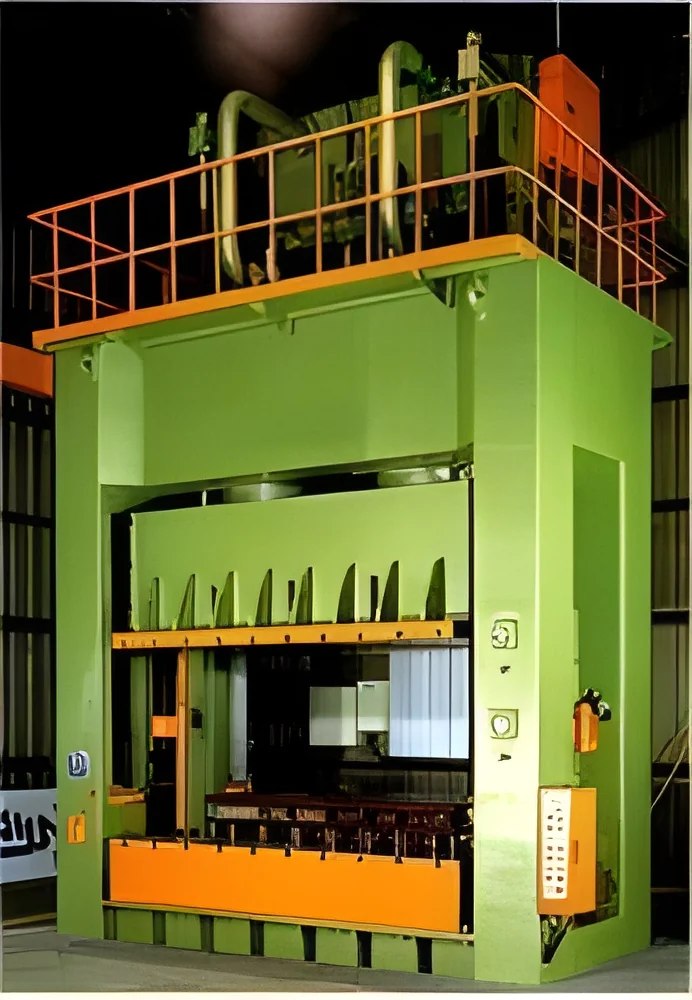
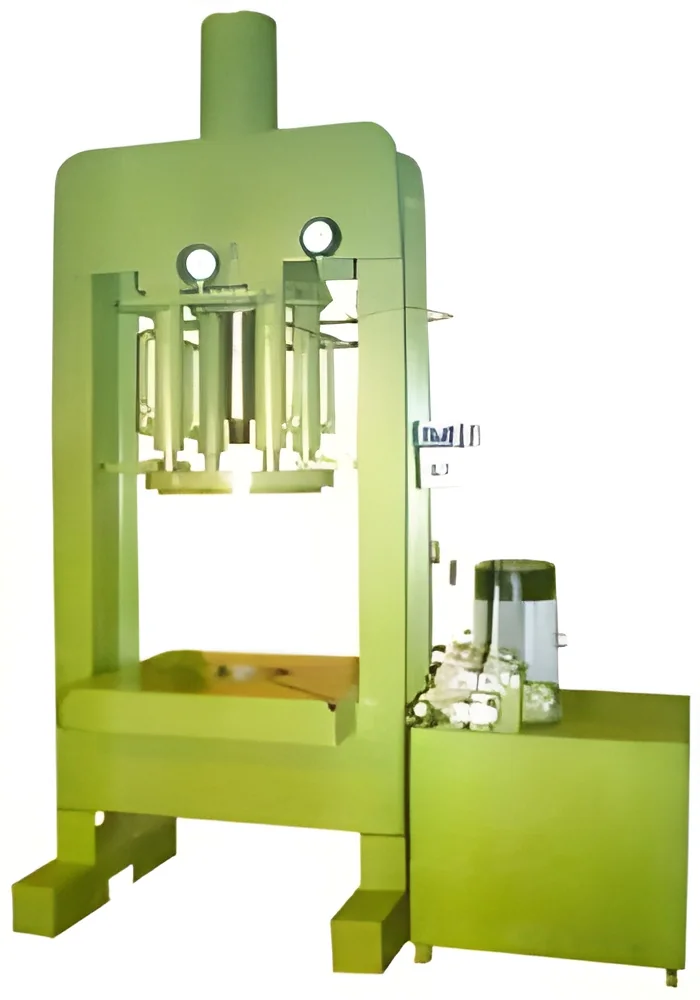
Hydraulic presses are powerful machines used for bending and shaping sheet metal. They offer high force and precision, making them suitable for heavy-duty applications.
Punching Machines
Punching machines are used to create holes or cut shapes in sheet metal. Their speed and efficiency make them ideal for mass production of components.
Brake Presses
Brake presses are designed for bending sheet metal at precise angles. They are essential in creating various shapes and are widely used in metal fabrication shops.
Roll Forming Machines
Roll forming machines utilize a series of rolls to shape metal into desired profiles. They are commonly used in the production of continuous lengths of metal parts.
Benefits and Advantages
Investing in sheet metal forming tools offers numerous benefits for manufacturers.
1. Enhanced Precision: These tools provide high levels of accuracy, ensuring that each part meets strict specifications.
2. Increased Efficiency: Automated options can significantly reduce production times, allowing for quicker turnaround on projects.
3. Cost-Effectiveness: High-quality tools can lead to lower operational costs by minimizing waste and maximizing material usage.
4. Versatility: Capable of working with various metal types and thicknesses, these tools adapt to diverse production needs.
5. Improved Safety: Modern tools come equipped with safety features that protect operators and reduce workplace hazards.
6. Quality Assurance: Compliance with industry standards ensures that the products manufactured are reliable and meet market expectations.
Buying Guide for B2B Buyers
When sourcing sheet metal forming tools, several factors should be considered to ensure the best selection for business needs.
1. Quality Assessment: Evaluate tools based on durability, manufacturer reputation, and user reviews to ensure they meet quality expectations.
2. Supplier Verification: Vet suppliers by checking certifications, industry experience, and customer testimonials to ensure reliability and service quality.
3. Pricing and MOQ: Understand the pricing structure and minimum order quantities to align with budgetary constraints and production requirements.
4. Delivery and Lead Times: Consider logistics, including shipping times and availability of products, to ensure timely delivery for production schedules.
5. Compliance Requirements: Ensure that the tools meet necessary regulatory and safety standards, such as CE certifications, to maintain operational integrity.
Compliance and Certifications
Compliance with industry standards and certifications is vital for sheet metal forming tools. Many manufacturers adhere to ISO 9001, which sets out criteria for quality management systems, ensuring consistent quality in production processes.
CE certification is also significant, indicating that products meet European health, safety, and environmental protection standards. This certification is crucial for companies looking to compete in international markets.
In addition to these certifications, it is essential to consider safety and testing requirements. Tools must pass rigorous safety tests to ensure they can operate reliably without posing risks to operators.
Regional compliance considerations may vary by location, making it essential for manufacturers to stay informed about local regulations and standards.
Why Source Sheet Metal Forming Tools from Pepagora?
Pepagora provides a trusted platform for sourcing sheet metal forming tools, offering several key advantages to businesses.
Verified Supplier Network: Pepagora connects buyers with a network of verified suppliers, ensuring that all listed vendors have undergone thorough vetting. This guarantees reliability and quality in sourcing.
Streamlined RFQ Process: The platform simplifies the request for quotation (RFQ) process, allowing buyers to easily compare offers from multiple suppliers. This efficiency helps businesses make informed purchasing decisions.
Trade Assurance and Support: Pepagora offers trade assurance, providing buyers with protection against potential issues during transactions. This support fosters a secure purchasing environment.
Regional Coverage: With a strong presence in India, the GCC, and Southeast Asia, Pepagora is well-positioned to serve businesses across diverse markets, facilitating easy access to quality sheet metal forming tools.







Frequently Asked Questions
What are Sheet Metal Forming Tools?
Sheet Metal Forming Tools are specialized equipment used to shape and manipulate sheet metal into desired forms and structures. These tools can perform various tasks, including bending, cutting, and stamping metal sheets to create components for a wide range of applications.
What are the different types of Sheet Metal Forming Tools?
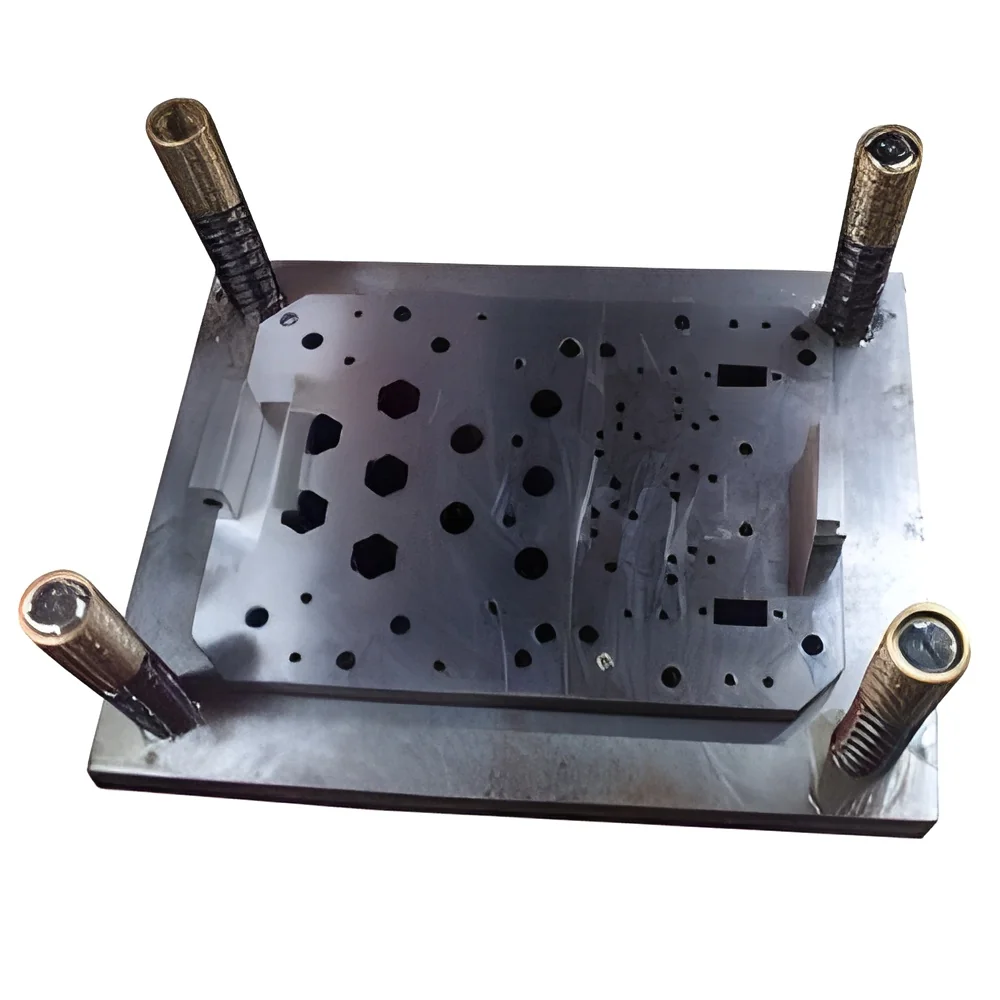
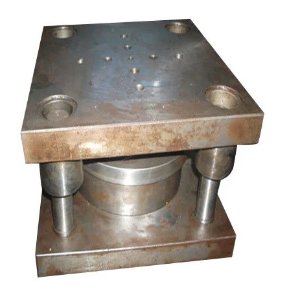
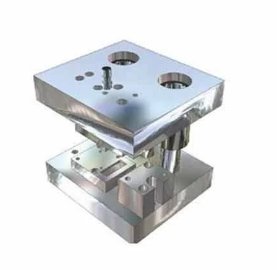
The different types of Sheet Metal Forming Tools include bending machines, punching machines, shears, die sets, and press brakes. Each tool serves a specific purpose in the metal forming process, such as cutting, bending, or shaping the metal sheets.
How do I choose the right Sheet Metal Forming Tools?
When choosing Sheet Metal Forming Tools, consider factors such as the type of metal being used, the thickness of the sheet, and the desired final shape. Additionally, evaluate the tool's capacity, precision, and ease of use to ensure it meets your specific production needs.
What are the standard specifications for Sheet Metal Forming Tools?
Standard specifications for Sheet Metal Forming Tools may include tonnage capacity, working length, tool material, and operational speed. It is essential to review these specifications to ensure they align with your manufacturing requirements.
What is the price range for Sheet Metal Forming Tools?
The price range for Sheet Metal Forming Tools can vary widely depending on the type, brand, and specifications. Typically, prices can start from a few thousand rupees for basic tools and can go up to several lakhs for advanced machinery.
What quality standards apply to Sheet Metal Forming Tools?
Quality standards for Sheet Metal Forming Tools often include ISO certifications, which ensure that the tools meet specific safety and performance criteria. Additionally, tools should be made from durable materials to enhance their longevity and effectiveness.
Where can I find Sheet Metal Forming Tools suppliers in India?
You can find Sheet Metal Forming Tools suppliers in India through various channels, including online B2B marketplaces like Pepagora, industry trade shows, and local manufacturing directories. These platforms can help you connect with reputable suppliers and manufacturers.
Can Sheet Metal Forming Tools be customized?
Yes, many manufacturers offer customization options for Sheet Metal Forming Tools to meet specific production needs. Customizations can include adjustments in size, shape, and functionality based on the requirements of the buyer.
What is the typical minimum order quantity for Sheet Metal Forming Tools?
The typical minimum order quantity (MOQ) for Sheet Metal Forming Tools can vary by supplier and product type. Generally, MOQs can range from a single unit for custom tools to larger quantities for standard tools, depending on the manufacturer.
What is the typical lead time for Sheet Metal Forming Tools?
The typical lead time for Sheet Metal Forming Tools can vary based on the supplier and the complexity of the order. Generally, standard tools may have a lead time of 2-4 weeks, while customized tools may take longer, depending on the specifications.
Why Businesses Trust Pepagora
Thousands of companies trust Pepagora to source smarter and sell faster
Expand Your Sales Globally

Source Smarter,Grow Faster
