What are Tool Prototyping Services?
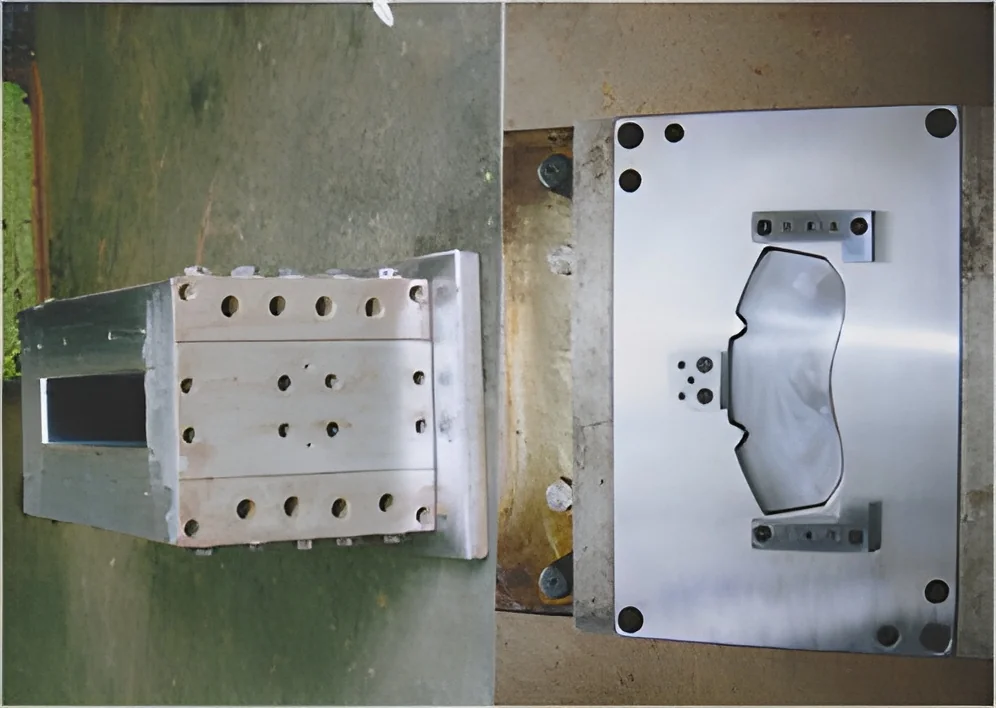
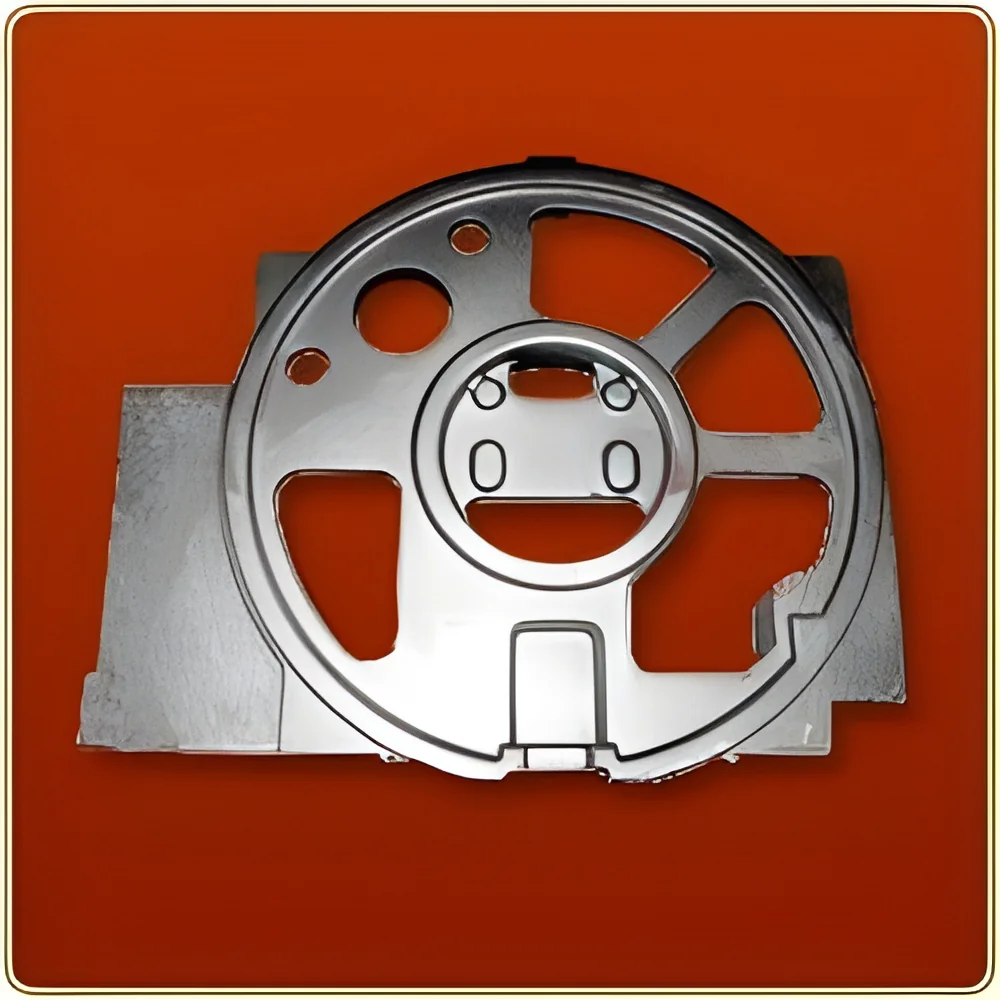
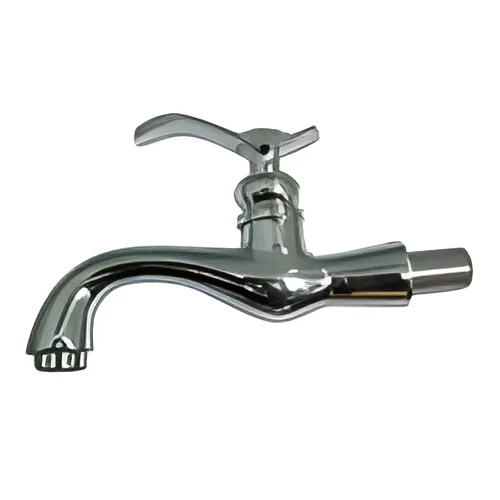
Tool prototyping services encompass the creation of initial models or prototypes for tools used in various manufacturing and industrial processes. These services allow businesses to test and validate their designs before full-scale production. Tool prototyping can involve a range of techniques and materials, ensuring that the prototypes accurately represent the final product. This process not only saves time and costs but also helps identify potential design flaws early in the development stage.
These services are primarily utilized by companies in manufacturing, automotive, aerospace, and consumer goods sectors. By leveraging tool prototyping, businesses can enhance product functionality, optimize manufacturability, and improve overall design quality. The ability to rapidly iterate designs through prototyping also supports innovation, allowing companies to respond more effectively to market demands and technological advancements.
In a competitive market, tool prototyping services are increasingly relevant. Industries are under constant pressure to innovate and streamline production processes. The use of prototyping services can be a decisive factor for businesses seeking to maintain a competitive edge and improve their product offerings.
Key Features and Specifications
Tool prototyping services come with a variety of features and specifications tailored to meet industry needs. These services emphasize precision, speed, and flexibility to cater to different design requirements. Understanding these specifications helps businesses choose the right service for their projects.
Key specifications include:
1. Material Selection
- Various materials can be used, including plastics, metals, and composites.
- Each material has specific properties suited for different applications.
2. Design Capabilities
- Advanced CAD software is often utilized to create detailed prototypes.
- This allows for complex geometries and intricate designs.
3. Production Techniques
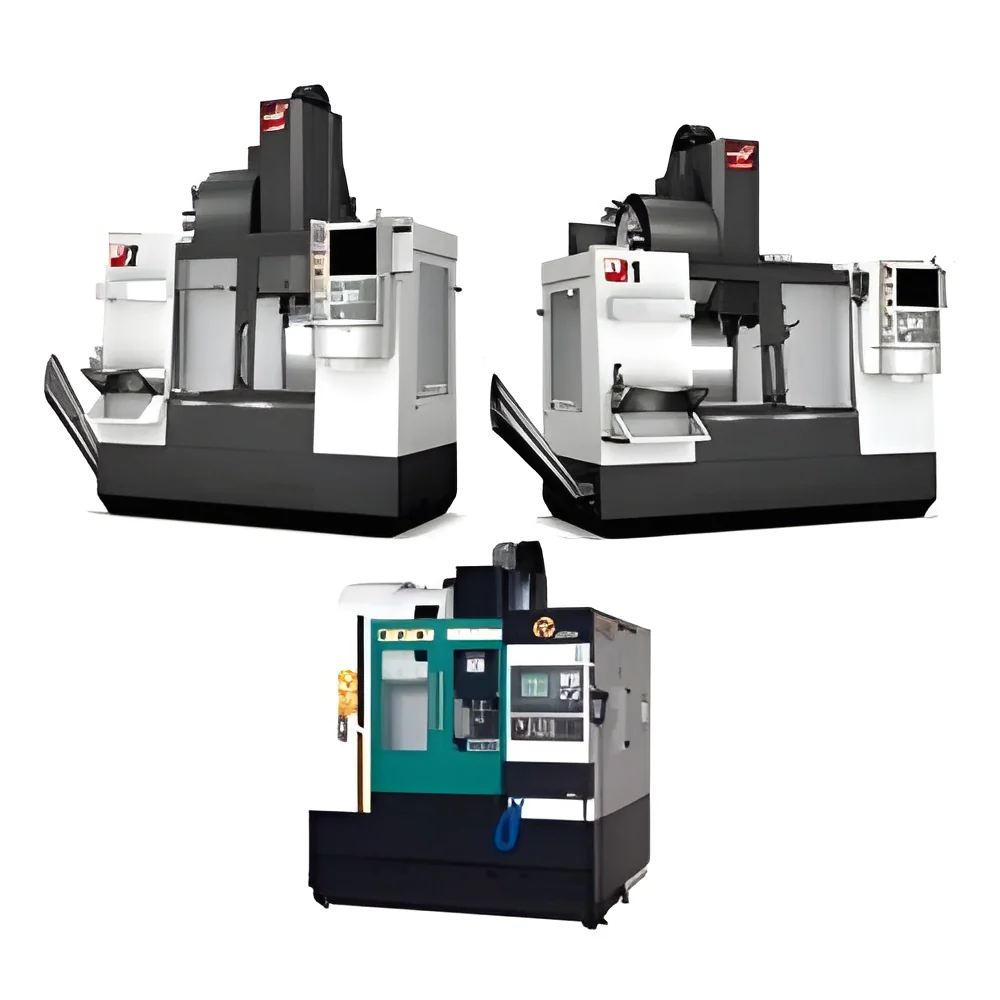
- Services may employ methods such as CNC machining, 3D printing, and injection molding.
- Each technique offers unique advantages in terms of speed and accuracy.
4. Tolerance Levels
- High precision tolerances can be maintained to ensure functional prototypes.
- Typical tolerance levels range from ±0.1 mm to ±0.5 mm, depending on the process.
5. Finishing Options
- Prototypes can be finished to meet aesthetic and functional requirements.
- Options may include painting, polishing, or surface treatments.
6. Lead Times
- Quick turnaround times are a hallmark of effective prototyping services.
- Standard lead times can range from a few days to several weeks based on complexity.
7. Testing and Validation
- Prototyping services often include testing phases to validate performance.
- This ensures that the design meets necessary functional and safety standards.
In summary, tool prototyping services provide a comprehensive suite of features designed to support various industrial applications and design requirements.
Common Applications and Use Cases
Tool prototyping services find applications across multiple industries, highlighting their versatility and importance.
1. Automotive: In the automotive sector, prototypes are essential for designing components like dashboards, engine parts, and safety features. Rapid prototyping allows for quick testing of innovations and refinements.
2. Aerospace: Aerospace companies utilize prototyping to create parts that meet stringent safety and performance standards. Prototypes help in validating complex designs before they are manufactured at scale.
3. Consumer Electronics: In the consumer electronics industry, prototyping aids in the development of devices such as smartphones and wearables. Companies can experiment with new features and user interfaces through prototypes.
4. Medical Devices: Prototyping plays a critical role in the development of medical devices. It allows for thorough testing and compliance with regulatory requirements before production.
5. Industrial Equipment: Manufacturers of industrial machinery use prototyping to design and test components for efficiency and durability. This is crucial for meeting operational demands.
6. Home Appliances: Prototyping services help appliance manufacturers in testing designs for functionality and user experience, leading to better consumer products.
7. Robotics: In robotics, prototypes allow for the exploration of movement, control systems, and component integration, which is vital for developing advanced robotic systems.
Product Variants and Subcategories
Tool prototyping services offer a range of options to accommodate different project needs. While specific subcategories may not be available, various service features can be tailored for unique applications.
Rapid Prototyping Services
These services focus on quick turnaround times, allowing businesses to move from design to prototype in a matter of days. Ideal for projects with tight deadlines, rapid prototyping utilizes advanced techniques like 3D printing.
Precision Prototyping Services
These services emphasize high accuracy and detail in prototype creation. They are suitable for industries requiring strict adherence to tolerances, such as aerospace and medical device manufacturing.
Functional Prototyping Services
Functional prototypes are designed to closely mimic the final product's performance. These prototypes are tested for usability and functionality, making them crucial for product validation.
Low-Volume Production Prototyping
This service allows for small runs of prototypes, enabling businesses to test market responses without committing to large-scale production. It is particularly useful for startups and new product launches.
Benefits and Advantages
Investing in tool prototyping services offers numerous benefits that can significantly enhance product development.
1. Cost Efficiency: Prototyping helps identify design flaws early, reducing the costs associated with late-stage changes in production.
2. Time Savings: Rapid prototyping accelerates the development process, allowing businesses to bring products to market faster.
3. Improved Design Quality: Prototypes provide a tangible representation of designs, aiding in better decision-making and design refinement.
4. Enhanced Collaboration: Prototyping fosters collaboration among design teams, engineers, and stakeholders through visual and functional models.
5. Risk Mitigation: By testing prototypes, businesses can mitigate risks related to product performance and compliance before full-scale production.
6. Innovation Support: Prototyping encourages experimentation with new ideas and technologies, supporting continuous innovation.
Buying Guide for B2B Buyers
When sourcing tool prototyping services, it is essential to consider several factors to ensure successful outcomes.
1. Quality Assessment: Evaluate the service provider's quality control processes and ensure they adhere to industry standards. Look for evidence of successful past projects and client testimonials.
2. Supplier Verification: Conduct thorough research to vet potential suppliers. Check their reputation, certifications, and experience in your specific industry.
3. Pricing and MOQ: Understand the pricing structure and minimum order quantities (MOQ) to avoid unexpected costs. Compare quotes from multiple suppliers to find competitive rates.
4. Delivery and Lead Times: Inquire about the expected lead times for prototype delivery. Ensure the timeline aligns with your project schedule to avoid delays.
5. Compliance Requirements: Confirm that the service provider meets relevant regulatory and industry standards. This is particularly important for industries like medical devices and aerospace.
Compliance and Certifications
Tool prototyping services must adhere to various compliance and certification standards to ensure quality and safety.
ISO 9001: This quality management standard ensures that organizations consistently meet customer and regulatory requirements. Adherence to ISO 9001 signifies a commitment to quality in the prototyping process.
CE Certification: The CE marking indicates that products meet European safety, health, and environmental protection standards. This certification is crucial for products entering the European market.
Safety and Testing Requirements: Prototyping services should comply with industry-specific safety standards, which may include rigorous testing to validate performance and reliability.
Regional Compliance Considerations: Depending on the geographic area, different regulations may apply. It is essential to understand local compliance requirements to avoid legal issues and ensure market readiness.
Why Source Tool Prototyping Services from Pepagora?
Pepagora serves as a reliable platform for sourcing tool prototyping services, offering several key advantages to businesses.
Verified Supplier Network: Pepagora connects buyers with a network of verified suppliers. This ensures that businesses can find trusted partners with proven expertise in tool prototyping.
Streamlined RFQ Process: The Request for Quotation (RFQ) process on Pepagora is designed to be efficient and user-friendly. Buyers can quickly gather multiple quotes, enabling informed decision-making.
Trade Assurance and Support: Pepagora provides trade assurance to protect buyers throughout the sourcing process. This includes support for any issues that may arise, ensuring a smooth transaction experience.
Regional Coverage: With a strong presence in India, the Gulf Cooperation Council (GCC), and Southeast Asia, Pepagora facilitates access to tool prototyping services across these regions. This broad geographic reach allows businesses to find suitable suppliers tailored to their specific needs.

 IN
IN