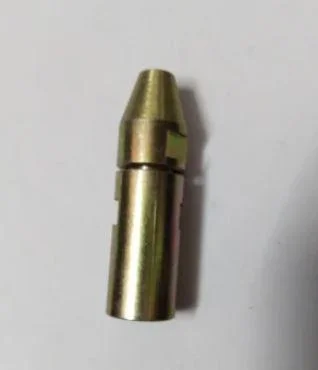
What are Tool & Die Sets?
Tool and die sets are essential collections of tools used in manufacturing and machining processes. They consist of various components designed for creating precise shapes and parts through processes such as stamping, molding, and machining. These sets usually include dies, punches, molds, and other specialized tools that work together to produce high-quality components for various applications.
The primary uses of tool and die sets are found in industries such as automotive, aerospace, and electronics. They are crucial for producing parts and components that require exact specifications. Manufacturers rely on these sets for mass production, prototyping, and fabrication to ensure efficiency and accuracy in their operations. The relevance of tool and die sets in the market is significant, as they enable companies to maintain competitive advantages through precision engineering and rapid production capabilities.
Key Features and Specifications
Tool and die sets come with a variety of features that cater to different manufacturing needs. Understanding these specifications is vital for selecting the right set for your business.
Key specifications include:
1. Material Type
- Commonly made from high-speed steel or carbide
- Offers durability and resistance to wear
2. Tool Hardness
- Hardness levels typically range from HRC 50 to 68
- Ensures longevity and performance under stress
3. Tolerance Levels
- Precision tolerances can be as tight as ±0.001 inches
- Critical for high-quality production standards
4. Surface Finish
- Various finishes available, such as polished or coated
- Enhances performance and reduces friction
5. Customization Options
- Ability to design tools based on specific requirements
- Provides flexibility for unique applications
6. Compatibility
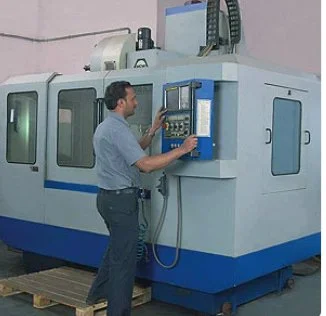
- Tools compatible with CNC machines and manual equipment
- Ensures versatility in manufacturing processes
7. Weight and Size
- Range of sizes available for different applications
- Lightweight options support easier handling
In summary, selecting the right tool and die set requires careful consideration of these specifications to ensure they meet the operational demands of your business.
Common Applications and Use Cases
Tool and die sets are utilized across a wide range of industries due to their versatility and precision.
1. Automotive: Tool and die sets are used for stamping car parts, producing components like body panels, and manufacturing intricate designs for internal mechanisms.
2. Aerospace: In the aerospace industry, these tools help create lightweight and durable parts that meet stringent safety standards while maintaining performance.
3. Electronics: Tool and die sets play a crucial role in the production of electronic components, such as circuit boards and connectors, requiring precise dimensions and materials.
4. Medical Devices: These sets are essential for manufacturing medical components, ensuring compliance with strict regulations and quality standards.
5. Construction: Tool and die sets are used for fabricating parts for machinery and tools in the construction sector, focusing on durability and accuracy.
6. Consumer Goods: In the consumer goods industry, these tools help create a variety of products, from packaging to household items, ensuring efficiency in mass production.
Product Variants and Subcategories
There is a diverse range of tool and die sets available to meet specific manufacturing needs.
Standard Tool and Die Set: This basic variant includes essential tools for general manufacturing tasks. It is versatile and can be used for various applications, making it suitable for small to medium-sized enterprises.
Precision Tool and Die Set: Designed for high-precision applications, this variant includes tools that offer tighter tolerances and superior surface finishes, ideal for industries like aerospace and medical.
Custom Tool and Die Set: Tailored to meet specific project requirements, these sets are designed based on the unique needs of the client, providing flexibility for specialized applications.
Benefits and Advantages
Investing in tool and die sets offers numerous benefits to businesses in the manufacturing sector.
1. Enhanced Precision: Tool and die sets are engineered for high accuracy, ensuring that parts meet exact specifications and reducing the likelihood of errors.
2. Increased Efficiency: These tools enable faster production cycles, allowing businesses to meet demand without sacrificing quality.
3. Cost-Effectiveness: By investing in durable and reliable tools, companies can reduce waste and lower production costs in the long run.
4. Versatility: Tool and die sets can be used across various industries, making them a valuable asset for manufacturers with diverse production needs.
5. Customization: The ability to create custom tools ensures that businesses can adapt to changing market demands and specific project requirements.
6. Improved Safety: High-quality tool and die sets are designed with safety in mind, minimizing risks associated with manufacturing processes.
Buying Guide for B2B Buyers
When sourcing tool and die sets, several factors should be considered to ensure you make an informed decision.
1. Quality Assessment: Evaluate the quality of materials and construction used in tool and die sets. Look for sets that meet industry standards and specifications to guarantee performance.
2. Supplier Verification: Vet potential suppliers by checking their credentials, industry reputation, and customer reviews. Reliable suppliers should have a proven track record of delivering high-quality products.
3. Pricing and MOQ: Understand the pricing structure and minimum order quantities (MOQ) for tool and die sets. This helps in budgeting and ensures that you meet your production needs without overspending.
4. Delivery and Lead Times: Consider the logistics involved in sourcing tool and die sets. Ensure that suppliers can meet your delivery timelines to avoid disruptions in your manufacturing processes.
5. Compliance Requirements: Be aware of any regulatory or compliance requirements relevant to your industry. This can include certifications and safety standards that your tools must meet.
Compliance and Certifications
Tool and die sets must adhere to relevant quality standards and certifications to ensure they meet industry requirements.
ISO 9001 is a widely recognized standard that emphasizes quality management systems, ensuring that manufacturers maintain high quality in their production processes.
The CE marking indicates that a product complies with European health, safety, and environmental protection standards. This certification is essential for businesses looking to operate in the European market.
Safety and testing requirements are critical to ensure that tool and die sets can withstand the rigors of manufacturing environments. Compliance with these standards helps prevent accidents and ensures product reliability.
Regional compliance considerations vary by location. Businesses should be aware of local regulations that impact tool and die set design and manufacturing to ensure adherence and avoid potential penalties.
Why Source Tool & Die Sets from Pepagora?
Pepagora offers a trusted platform for sourcing tool and die sets, providing several key advantages for B2B buyers.
Verified Supplier Network: Pepagora connects you with a network of verified suppliers, ensuring that you have access to quality products from reputable manufacturers. This helps mitigate risks associated with sourcing.
Streamlined RFQ Process: The platform simplifies the request for quotation (RFQ) process, making it easier for buyers to compare offers and select the best options for their needs.
Trade Assurance and Support: Pepagora provides trade assurance, offering buyer protection and support throughout the purchasing process. This adds an extra layer of security for your investment.
Regional Coverage: With a strong presence in India, the GCC, and Southeast Asia, Pepagora facilitates access to a wide range of suppliers and products, ensuring that you can find the right tool and die sets for your manufacturing needs.

 IN
IN