IN
IN₹
Apparel & Fashion
Description
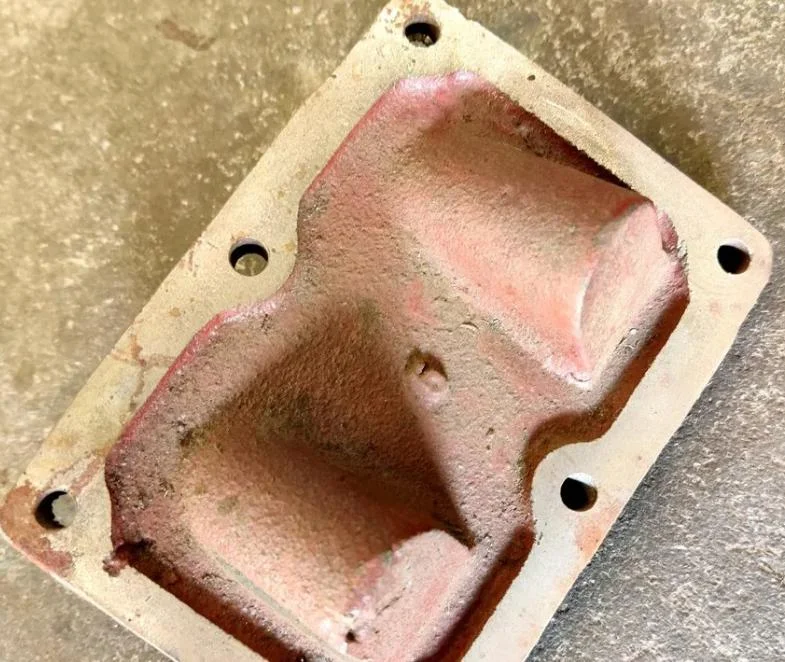
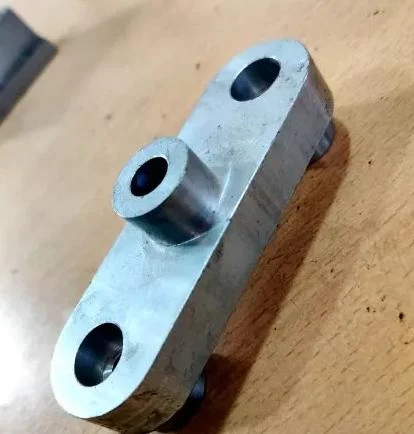
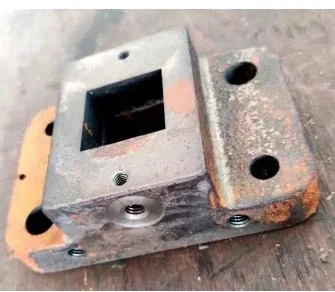
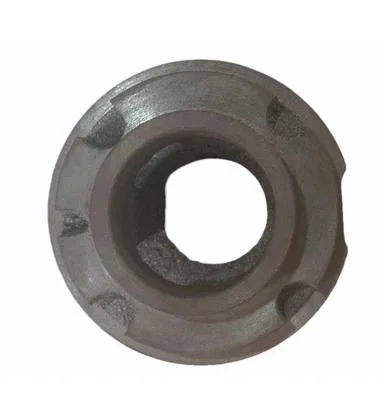
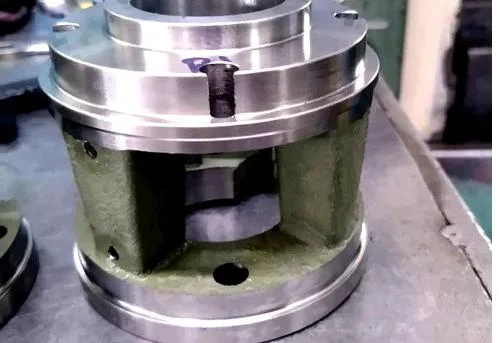
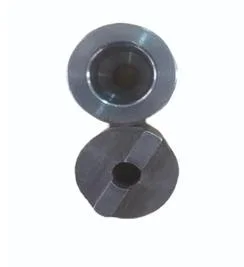
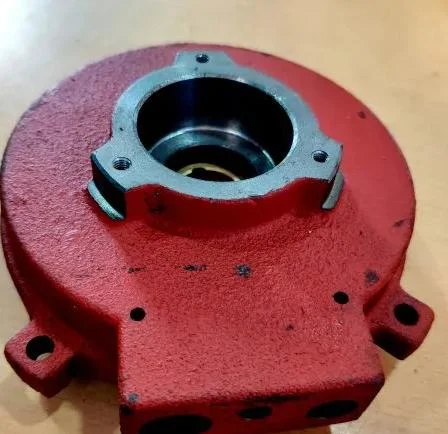
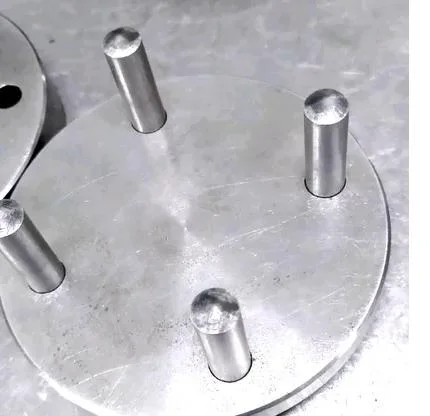
Receiving gauges represent specialized measurement instruments designed specifically for the critical task of inspecting incoming production materials and components. These precision tools enable quality control teams to verify dimensional conformity of raw materials, semi-finished parts, and bought-out components before they enter manufacturing processes. By providing accurate measurements against specified tolerances, receiving gauges help prevent defective materials from compromising production quality, reducing waste and rework while ensuring consistent output standards. Their robust construction and precise calibration make them reliable partners in maintaining quality assurance protocols from the very beginning of the production chain.

Across manufacturing sectors, receiving gauges play vital roles in diverse industrial applications. Automotive manufacturers use them to inspect engine components, transmission parts, and chassis elements from suppliers. Aerospace facilities rely ...
Receiving gauges represent specialized measurement instruments designed specifically for the critical task of inspecting incoming production materials and components. These precision tools enable quality control teams to verify dimensional conformity of raw materials, semi-finished parts, and bought-out components before they enter manufacturing processes. By providing accurate measurements against specified tolerances, receiving gauges help prevent defective materials from compromising production quality, reducing waste and rework while ensuring consistent output standards. Their robust construction and precise calibration make them reliable partners in maintaining quality assurance protocols from the very beginning of the production chain.

Across manufacturing sectors, receiving gauges play vital roles in diverse industrial applications. Automotive manufacturers use them to inspect engine components, transmission parts, and chassis elements from suppliers. Aerospace facilities rely on these instruments to verify precision aircraft components before assembly, while electronics producers validate connector specifications and housing dimensions. Medical device manufacturers employ receiving gauges to check surgical instrument tolerances, and heavy machinery companies use them to inspect hydraulic components and structural elements. This widespread adoption across precision-dependent industries underscores their importance in maintaining quality standards.

Implementing receiving gauges delivers significant business value through enhanced reliability and operational efficiency. These instruments provide immediate return on investment by preventing defective materials from entering production lines, thereby reducing scrap rates, minimizing rework, and protecting manufacturing schedules. Their consistent performance supports just-in-time manufacturing approaches by ensuring only conforming materials proceed to assembly stations. The reliability of properly calibrated receiving gauges builds trust in supplier relationships while providing documented evidence of quality compliance for regulatory requirements and customer assurance.

Key Features:
- Precision-engineered for accurate dimensional verification of incoming materials
- Robust construction designed for repeated use in industrial environments
- Calibrated to international measurement standards for reliable results
- User-friendly design enabling efficient inspection workflows
- Compatible with various material types and component geometries

Benefits:
- Prevents defective materials from entering production processes
- Reduces manufacturing waste and associated costs significantly
- Supports consistent product quality across production batches
- Enhances supplier quality management and compliance documentation
- Protects production schedules by identifying issues at receiving stage
Specifications
| Additional Information | |
|---|---|
| Country of Origin | India |
Application
Receiving gauges serve as essential quality control instruments at the initial stage of production workflows. They verify that all incoming materials meet specified dimensional tolerances before entering manufacturing lines, preventing costly defects and production delays. These precision tools are indispensable for maintaining consistent quality standards across various industrial operations, ensuring that only conforming materials proceed to subsequent processing stages.
Industries ranging from automotive to aerospace rely on receiving gauges to validate critical components from suppliers. By implementing thorough inspection protocols at receiving points, businesses can identify non-conforming materials early, reducing waste and rework while protecting their production schedules. This proactive approach to quality assurance helps maintain smooth manufacturing flows and supports overall operational efficiency.
Real-world applications:
- Automotive manufacturing plants inspecting engine components and transmission parts from suppliers
- Aerospace facilities verifying precision aircraft components before assembly processes
- Medical device manufacturers checking surgical instrument dimensions and tolerances
- Electronics producers validating connector specifications and housing dimensions
- Heavy machinery companies inspecting hydraulic components and structural elements
Trade Details
| Available Stock | In Stock |
| Sample Availability | No |
Payment Terms
| Payment Terms |
|
| Payment Methods |
|
Company Profile
Total Engineering, Tamil Nadu
 Tamil Nadu, India
Tamil Nadu, IndiaIndustrial Equipment & Machinery•Manufacturer
Factory Details
Factory SizeBelow 1000 sqm
Receiving Gauges for Production Materials Inspection
Receiving Gauges for Production Materials Inspection ensure dimensional accuracy and quality control of incoming raw materials and components, preventing defects in manufacturing processes with reliable precision measurement tools.
Min. Order Quantity: 1 piece
Shipping
Shipping fee and delivery date to be negotiated. Contact supplier now for more details.
Total Engineering
 Tamil Nadu, India
Tamil Nadu, IndiaIndustrial Equipment & MachineryManufacturer