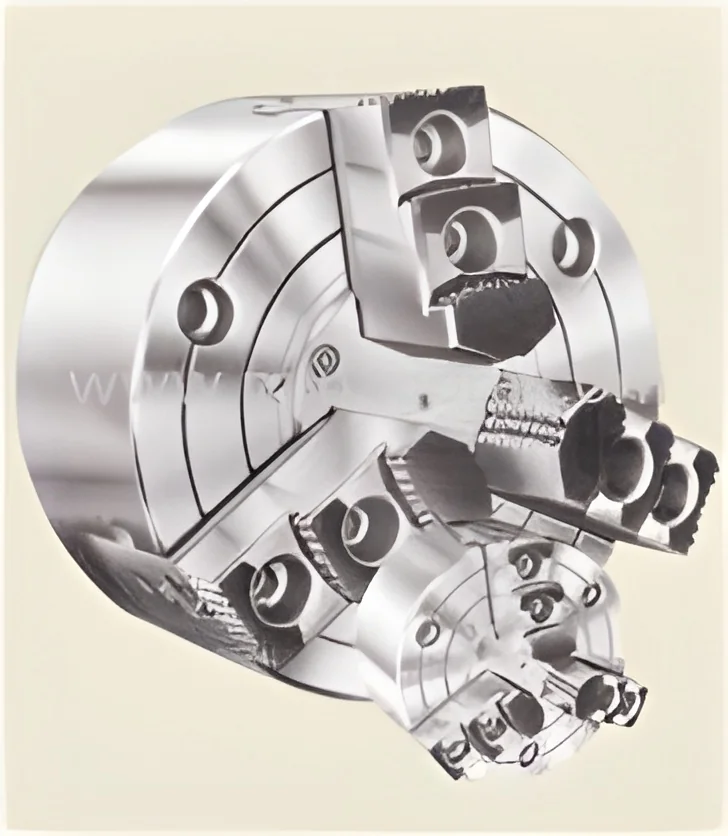
What are Tool Refurbishing & Modification?
Tool refurbishing and modification is a specialized service aimed at restoring and enhancing the functionality of industrial tools and equipment. This process involves repairing worn-out components, updating technology, and modifying tools to meet specific operational requirements. By refurbishing tools, businesses can extend their lifespan, improve performance, and reduce the need for new purchases, leading to significant cost savings.
The primary applications of tool refurbishing and modification are found in industries such as manufacturing, construction, and maintenance services. Companies utilize these services to ensure their tools operate at optimal efficiency, thereby enhancing productivity and safety. In today’s competitive market, having reliable and efficient tools is crucial, making refurbishing a valuable investment for businesses looking to maintain a competitive edge.
As industries increasingly focus on sustainability and cost-effectiveness, the demand for refurbished tools continues to grow. The market for tool refurbishment is expanding, driven by the need to minimize waste and maximize resource utilization. In this context, tool refurbishing and modification not only serves practical purposes but also aligns with broader environmental goals.
Key Features and Specifications
Tool refurbishing and modification services come with various features and specifications tailored to meet the specific needs of businesses. These specifications often highlight the quality and adaptability of the services offered.
Key specifications include:
1. Quality Control
- Rigorous testing to ensure tools meet industry standards.
- Compliance with ISO 9001 for quality management.
2. Customization Options
- Ability to modify tools according to specific customer requirements.
- Options for upgrading technology and features.
3. Repair Services
- Comprehensive repair solutions for a range of tool types.
- Focus on extending tool lifespan through effective repairs.
4. Quick Turnaround
- Efficient refurbishment processes to minimize downtime.
- Streamlined workflows that prioritize customer needs.
5. Cost Efficiency
- Competitive pricing models that offer savings compared to new tools.
- Clear pricing structures with no hidden fees.
6. Warranty and Support
- Warranty on refurbished tools to ensure customer satisfaction.
- Ongoing support and maintenance services available.
In summary, the key features and specifications of tool refurbishing and modification emphasize quality, customization, and efficiency, making it a viable option for businesses looking to enhance their operational capabilities.
Common Applications and Use Cases
Tool refurbishing and modification have diverse applications across multiple industries.
1. Manufacturing: Refurbished tools are commonly used in production lines to ensure consistent quality and performance, reducing the risk of equipment failure.
2. Construction: Construction companies often refurbish tools to extend their usability on job sites, ensuring that their equipment is reliable and efficient.
3. Automotive Repair: In auto shops, modified tools are utilized to meet specific repair needs, improving the precision and effectiveness of services offered.
4. Aerospace: Refurbishing tools used in aerospace applications ensures compliance with strict safety standards, enhancing reliability and performance.
5. Agriculture: Farmers often rely on refurbished tools for various tasks, allowing them to maintain machinery at a fraction of the cost of new equipment.
6. Maintenance Services: Maintenance professionals refurbish tools to ensure optimal performance and longevity, reducing the need for frequent replacements.
7. Energy Sector: Refurbished tools are used in energy production to maintain equipment efficiency and safety, contributing to overall operational effectiveness.
Product Variants and Subcategories
Tool refurbishing and modification can encompass a variety of services tailored to different needs. Although specific variants are not available, the diversity in the services offered allows businesses to choose options that best fit their operational requirements.
Standard Refurbishing Service
This service focuses on restoring tools to their original condition, addressing wear and tear while ensuring functionality.
Customized Modification Service
In this variant, tools are modified to meet specific operational needs, including upgrades and enhancements that improve performance.
Benefits and Advantages
Tool refurbishing and modification come with several significant benefits for businesses.
1. Cost Savings: Refurbishing tools is often more economical than purchasing new equipment, allowing for budget-friendly operations.
2. Extended Tool Life: The refurbishment process significantly enhances the lifespan of tools, reducing the frequency of replacements.
3. Improved Performance: Modified tools often perform better than their original versions, providing businesses with enhanced efficiency.
4. Environmental Sustainability: Refurbishing contributes to reduced waste, aligning with corporate sustainability goals.
5. Flexibility and Customization: Businesses can tailor tools to their specific requirements, ensuring they meet operational needs effectively.
6. Enhanced Safety: Refurbished tools are tested for compliance with safety standards, reducing the risk of accidents and injuries.
Buying Guide for B2B Buyers
When considering tool refurbishing and modification services, businesses should evaluate several key factors to ensure they make informed decisions.
1. Quality Assessment: It is crucial to assess the quality of refurbishment services by reviewing certifications and customer feedback. Look for providers that adhere to industry standards to guarantee reliability.
2. Supplier Verification: Vetting suppliers is essential for ensuring that services meet your expectations. Conduct background checks and request references to verify their credibility.
3. Pricing and MOQ: Understand the pricing structure and minimum order quantities (MOQ) associated with refurbishment services. This information helps in budgeting and planning.
4. Delivery and Lead Times: Inquire about logistics, including expected delivery times for refurbished tools. Timely delivery is critical to maintaining operational schedules.
5. Compliance Requirements: Be aware of any regulatory compliance that may affect the refurbishment process. Ensuring adherence to local and international standards is essential for business operations.
Compliance and Certifications
Compliance and certifications play a vital role in the tool refurbishing and modification industry. Relevant quality standards, such as ISO 9001, ensure that refurbishment processes meet certain quality management criteria. This standard helps businesses maintain consistent quality in their operations.
Industry certifications, like CE, signify that refurbished tools meet European safety and environmental requirements. This certification is critical for businesses operating in regions where compliance is mandatory.
Safety and testing requirements are also essential in this sector, ensuring that refurbished tools perform reliably and safely. Manufacturers must conduct rigorous testing to meet these standards.
Additionally, businesses should consider regional compliance factors, as different areas may have specific regulations governing tool refurbishment. Understanding these requirements ensures that operations remain compliant.
Why Source Tool Refurbishing & Modification from Pepagora?
Pepagora offers a comprehensive platform for sourcing tool refurbishing and modification services, bringing several key advantages to buyers.
Verified Supplier Network: Pepagora provides access to a network of verified suppliers, ensuring that businesses can find reputable partners for their refurbishment needs. This network helps buyers connect with trusted providers who meet industry standards.
Streamlined RFQ Process: The request for quotation (RFQ) process on Pepagora is designed to be user-friendly and efficient, allowing businesses to quickly obtain quotes from multiple suppliers. This feature saves time and simplifies the procurement process.
Trade Assurance and Support: Pepagora prioritizes buyer protection through trade assurance measures, providing support throughout the sourcing journey. This assurance helps build trust between buyers and suppliers.
Regional Coverage: With a strong presence in India, GCC, and Southeast Asia, Pepagora offers extensive geographical coverage. This reach enables businesses to connect with suppliers that cater to their specific regional needs, ensuring timely service and delivery.
In conclusion, sourcing tool refurbishing and modification services from Pepagora provides businesses with valuable resources to enhance their operational capabilities.

 IN
IN