IN
INundefined
Similar Products
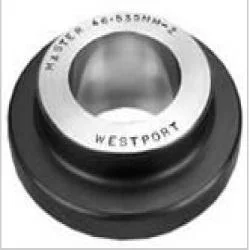
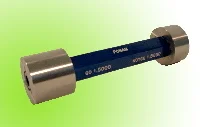
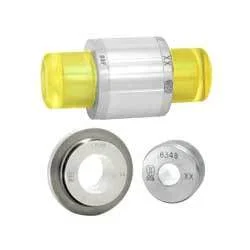
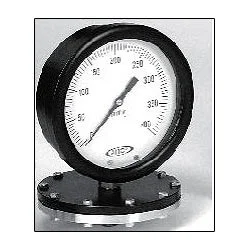
Description
Precision concentric gauges represent specialized measuring instruments engineered to verify the concentricity of cylindrical components including shafts, bores, and rotating parts...
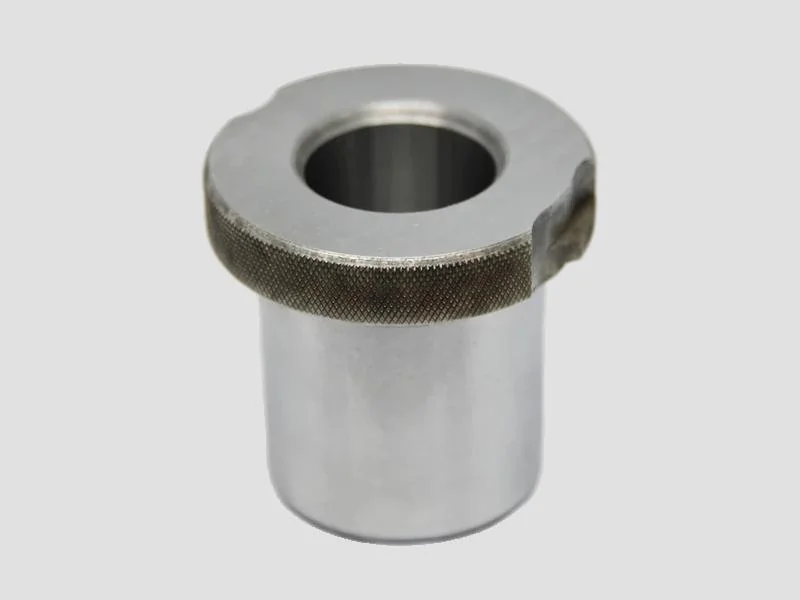
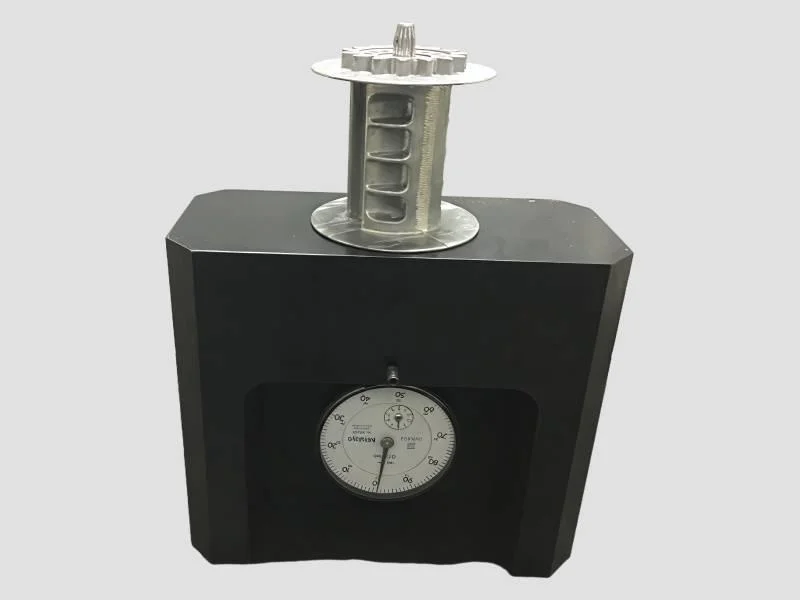
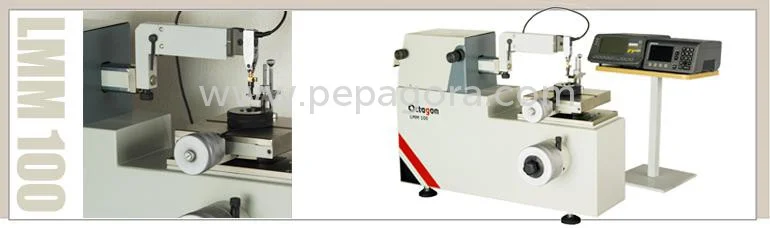
Precision concentric gauges represent specialized measuring instruments engineered to verify the concentricity of cylindrical components including shafts, bores, and rotating parts. These essential tools play a vital role in manufacturing and quality control processes by ensuring circular components maintain perfect alignment with their central axis. The fundamental principle involves measuring how closely the actual center of a feature aligns with its intended theoretical center, which directly impacts performance, longevity, and reliability of mechanical systems. Proper concentricity prevents issues such as vibration, uneven wear, and premature failure, making these gauges indispensable in industries where precision is non-negotiable. Available in various types including dial, digital, and go/no-go configurations, concentric gauges address diverse measurement needs while maintaining exceptional accuracy standards and reliable performance.

These precision instruments find extensive application across multiple industries demanding exacting quality standards. In the automotive sector, concentric gauges verify critical components like transmission shafts, crankshafts, and gear systems to ensure smooth operation and extended service life. The aerospace industry relies on them for inspecting turbine blades, engine components, and landing gear systems where even micron-level deviations can compromise safety and performance. Industrial machinery manufacturers use these gauges to check pump shafts, motor rotors, and bearing assemblies, preventing operational inefficiencies and reducing maintenance costs. The medical device industry employs concentric gauges for surgical instruments and implant components where precision directly affects patient outcomes. Defense and military applications utilize these tools to maintain reliability in weapon systems and vehicle components, ensuring operational readiness in critical situations and demanding environments.

The business value of implementing concentric gauges extends beyond quality control to encompass significant operational advantages. These instruments enable manufacturers to maintain consistent product quality, reduce rejection rates, and minimize costly rework, directly impacting profitability and operational efficiency. By ensuring component precision, businesses can enhance product reliability, reduce warranty claims, and strengthen their market reputation for quality and dependability. The durability and long-lasting performance of these gauges, crafted from hardened steel or wear-resistant alloys with rust-resistant coatings, ensure strong return on investment through years of reliable service. The gauges' user-friendly design facilitates quick training and seamless integration into existing quality control processes, while their precision capabilities support compliance with international standards. This combination of reliability, accuracy, and operational efficiency makes concentric gauges essential tools for businesses committed to excellence in manufacturing and quality assurance.

Key Features:
- Available in multiple types including dial, digital, and go/no-go configurations for diverse measurement needs
- Constructed from hardened steel or wear-resistant alloys for exceptional durability and long service life
- Features standard and custom sizing options to accommodate various component specifications and requirements
- Provides high-precision measurement capabilities ensuring accurate concentricity verification for quality control
- Finished with polished or rust-resistant coatings to maintain performance in demanding industrial environments

Benefits:
- Ensures precise alignment verification reducing mechanical failures and operational downtime
- Enhances product quality and consistency while minimizing rejection rates and rework costs
- Delivers long-term reliability through durable construction and wear-resistant materials
- Supports compliance with international quality standards and manufacturing specifications
- Improves operational efficiency through accurate measurements and user-friendly operation
Specifications
| productDetailPage.specification.attribute | productDetailPage.specification.value |
|---|---|
| Product Name | Concentric Gauges |
| Type | Go/No-Go, Dial, Digital |
| Material | Hardened steel / alloy |
| Measurement Range | Standard & custom sizes |
| Accuracy | High precision measurement |
| Applications | Machining & quality control |
| Function | Measures concentricity of parts |
| Durability | Long-lasting, wear-resistant |
| Industry Use | Automotive, aerospace, industrial |
| Finish | Polished / rust-resistant coating |
| Additional Information | |
|---|---|
| Country of Origin | India |
| Customisable | No |
Application
Concentric gauges serve as essential quality control instruments across precision manufacturing sectors. These tools verify exact alignment of cylindrical components like shafts, bores, and rotating parts, ensuring they meet strict engineering specifications. Proper concentricity prevents mechanical failures, reduces wear, and maintains operational efficiency in high-performance systems and machinery applications.

Manufacturers depend on concentric gauges to maintain product quality and minimize rejection rates. These instruments are crucial for industries where even minor misalignments can cause significant operational problems, expensive downtime, or safety concerns. By delivering accurate measurements, they help businesses maintain consistency across production batches and comply with international quality standards and manufacturing requirements.
- Automotive manufacturing: Checking transmission shafts, gear components, and engine parts for proper alignment to ensure smooth operation and extended service life
- Aerospace engineering: Verifying concentricity in turbine blades, engine components, and landing gear systems where precision is critical for safety and performance
- Industrial machinery: Inspecting pump shafts, motor rotors, and bearing housings to prevent vibration and ensure efficient power transmission
- Medical device production: Ensuring precision in surgical instruments, implant components, and diagnostic equipment where exact measurements are vital
- Defense applications: Maintaining accuracy in weapon systems, vehicle components, and aerospace defense equipment for reliability in critical situations
Trade Details
| Available Stock | In stock |
| Sample Availability | No |
Payment Terms
| Payment Terms |
|
Company Profile
Millennium Machine Works, Tamil Nadu
 Tamil Nadu, India
Tamil Nadu, IndiaConstruction
Factory Details
Factory SizeBelow 1000 sqm
Annual Production Capacity0
Precision Concentric Gauges Go/No Go Dial Digital High Accuracy
Precision concentric gauges deliver high accuracy measurement for shafts, bores, and rotating parts. Essential for quality control in machining, automotive, aerospace, and industrial manufacturing with reliable performance.
Min. Order Quantity: 1 units
Shipping
Shipping fee and delivery date to be negotiated. Contact supplier now for more details.
Millennium Machine Works Tamil Nadu, India
Tamil Nadu, IndiaConstruction