
 IN
OEM Tooling & Custom Tools
650 products available
𝗪𝗵𝗮𝘁 𝗮𝗿𝗲 𝗢𝗘𝗠 𝗧𝗼𝗼𝗹𝗶𝗻𝗴 & 𝗖𝘂𝘀𝘁𝗼𝗺 𝗧𝗼𝗼𝗹𝘀?
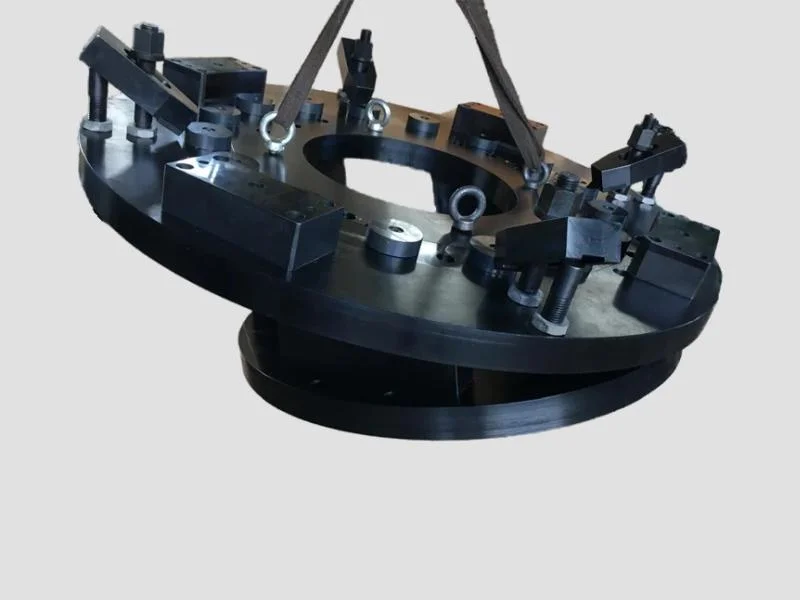
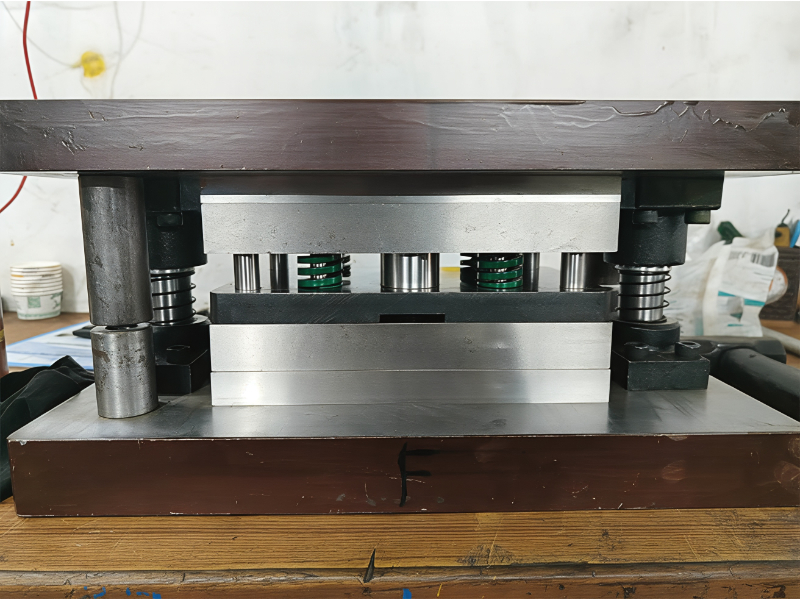
OEM tooling and custom tools refer to specialized equipment and devices designed for original equipment manufacturers. These tools are tailored to meet the specific needs of a manufacturer, enabling them to produce components and products efficiently. OEM tooling typically includes molds, dies, jigs, and fixtures, which are essential for mass production in various industries. Custom tools, on the other hand, are developed to address unique manufacturing challenges or requirements, ensuring precision and effectiveness in production processes.
These tools find extensive application across multiple sectors, including automotive, aerospace, electronics, and consumer goods. Manufacturers utilize OEM tooling and custom tools to enhance production efficiency, reduce costs, and improve product quality. In an increasingly competitive market, the demand for customized solutions has surged, leading manufacturers to invest in advanced tooling technologies. This trend emphasizes the importance of OEM tooling and custom tools in meeting consumer demands while maintaining high standards of quality and efficiency.
The relevance of OEM tooling and custom tools in today's market cannot be overstated. As industries evolve, manufacturers face the challenge of adapting to new technologies and processes. Custom tooling solutions are essential for staying competitive, ensuring that businesses can meet the demands of a dynamic market.
𝗞𝗲𝘆 𝗙𝗲𝗮𝘁𝘂𝗿𝗲𝘀 𝗮𝗻𝗱 𝗦𝗽𝗲𝗰𝗶𝗳𝗶𝗰𝗮𝘁𝗶𝗼𝗻𝘀
OEM tooling and custom tools come with a range of features tailored to enhance manufacturing processes. These specifications are crucial for ensuring that the tools meet the performance and quality standards required by various industries.
Key specifications include:
1. Material Composition
- Typically made from high-strength steel or aluminum
- Selected based on durability and application requirements
2. Precision Tolerance
- Tolerances can range from ±0.01 mm to ±0.1 mm
- Ensures high accuracy in production and assembly processes
3. Tooling Lifespan
- Designed for longevity, often exceeding thousands of cycles
- Reduces the need for frequent replacements
4. Customization Options
- Tools can be tailored based on specific design requirements
- Flexibility to adapt to various production needs
5. Surface Treatments
- Coatings may include nitriding or chrome plating
- Enhances wear resistance and extends tool life
6. Compatibility
- Designed to work with specific machinery and production lines
- Ensures seamless integration into existing processes
7. Weight Considerations
- Lightweight designs for ease of handling
- Important for ergonomic operation
8. Cost Efficiency
- Designed to minimize production costs over time
- Focus on reducing waste and improving output
In summary, the features and specifications of OEM tooling and custom tools play a vital role in optimizing manufacturing processes. Selecting the right tools based on these specifications can enhance productivity and product quality.
𝗖𝗼𝗺𝗺𝗼𝗻 𝗔𝗽𝗽𝗹𝗶𝗰𝗮𝘁𝗶𝗼𝗻𝘀 𝗮𝗻𝗱 𝗨𝘀𝗲 𝗖𝗮𝘀𝗲𝘀
OEM tooling and custom tools are versatile and find applications in numerous industries.
1. Automotive: Custom tools are essential for manufacturing components like chassis and engine parts, ensuring precision and reliability in vehicle assembly.
2. Aerospace: OEM tooling is used to create intricate components that meet stringent safety regulations, contributing to the overall performance and safety of aircraft.
3. Electronics: Custom tools assist in the production of circuit boards and electronic housings, allowing for high volume and precision required in this fast-paced industry.
4. Consumer Goods: OEM tooling is used in the mass production of everyday items, enabling manufacturers to maintain quality while meeting consumer demands.
5. Medical Devices: Custom tools are critical in the production of medical instruments and devices, ensuring compliance with regulations and high-quality standards.
Overall, the ability to customize tooling solutions allows manufacturers across various sectors to optimize their production processes and meet specific industry requirements.
𝗣𝗿𝗼𝗱𝘂𝗰𝘁 𝗩𝗮𝗿𝗶𝗮𝗻𝘁𝘀 𝗮𝗻𝗱 𝗦𝘂𝗯𝗰𝗮𝘁𝗲𝗴𝗼𝗿𝗶𝗲𝘀
OEM tooling and custom tools offer a diverse range of products designed to meet various manufacturing needs.
Injection Molds
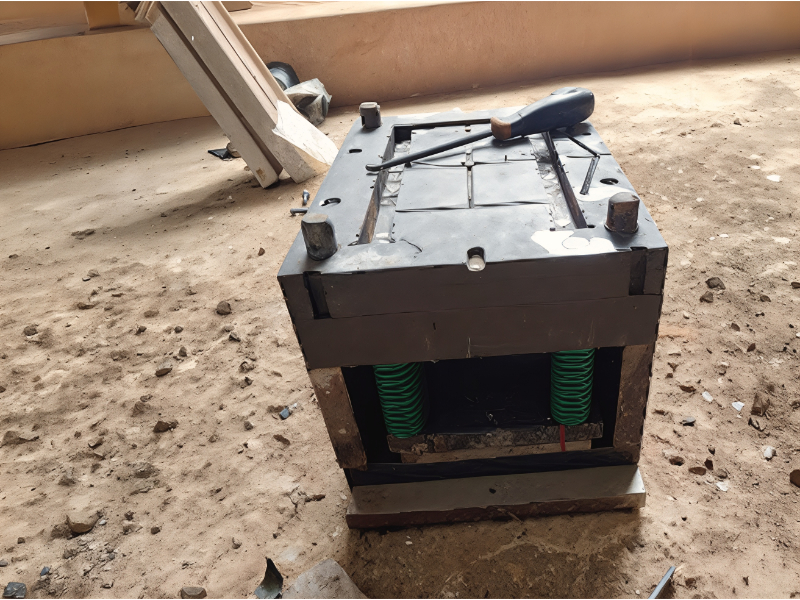
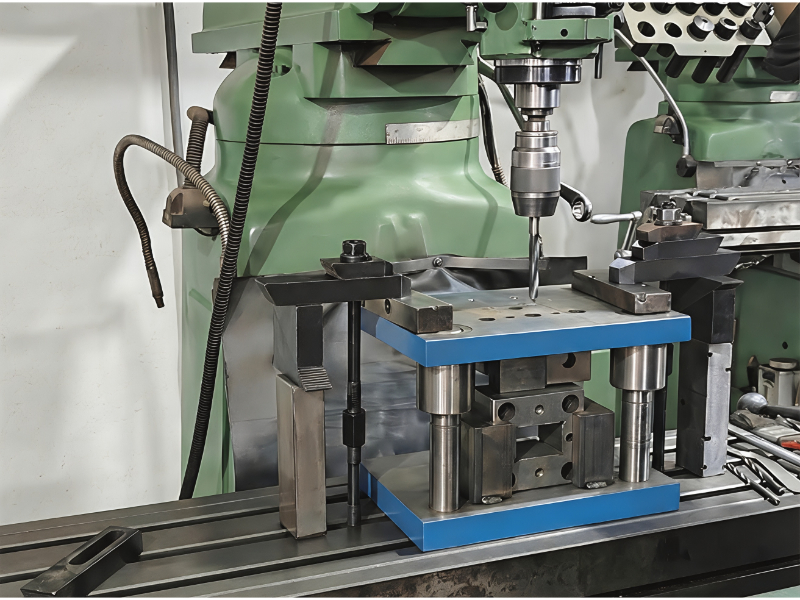
These molds are used for producing plastic parts and are designed to ensure high precision and efficiency in mass production. They can be customized based on the specific shape and design of the product.
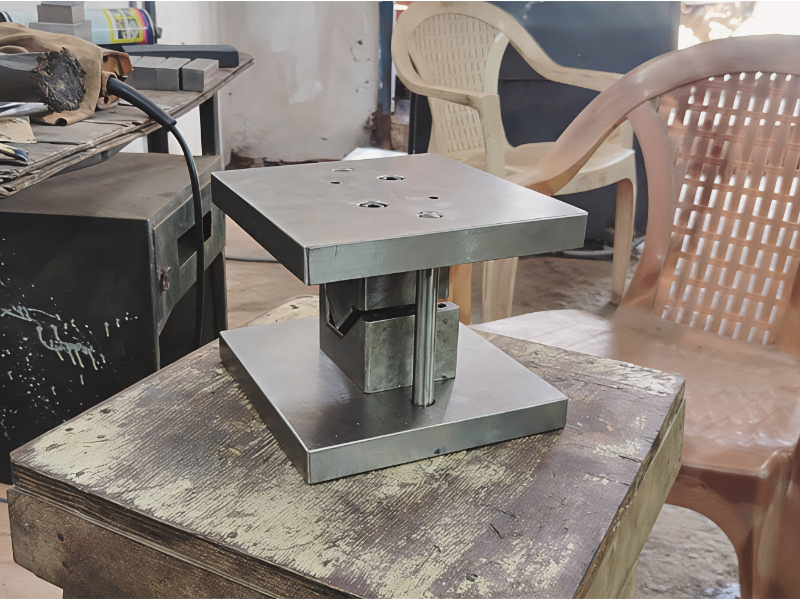
Die Casting Tools
These tools are essential for creating metal components through the die casting process. They are engineered to withstand high pressures and temperatures, ensuring durability and reliability in production.
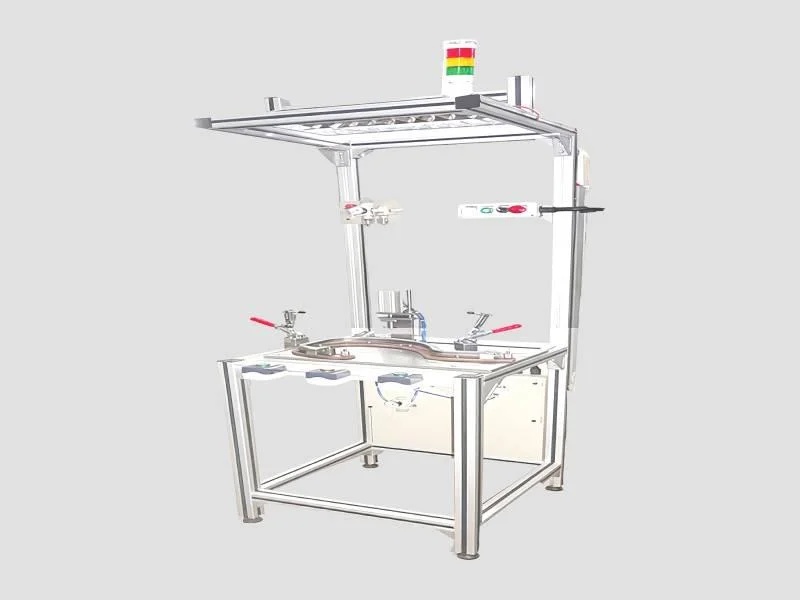
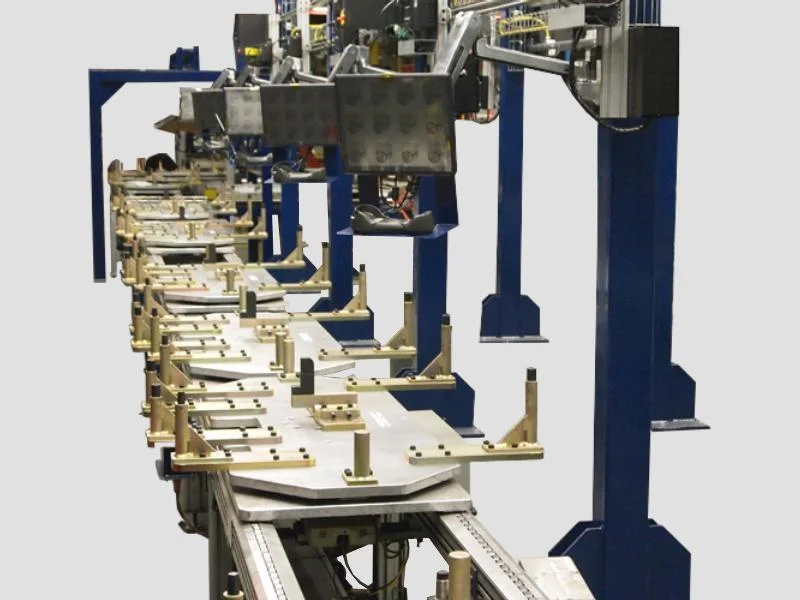
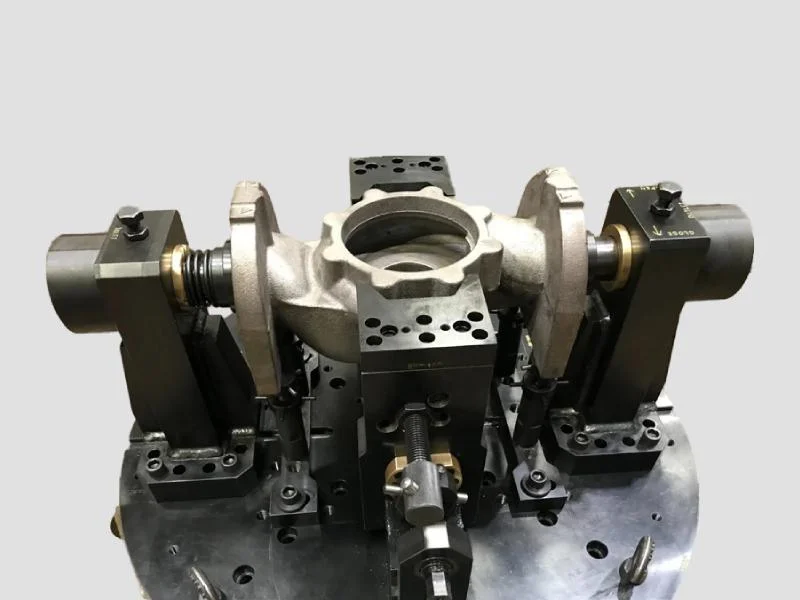
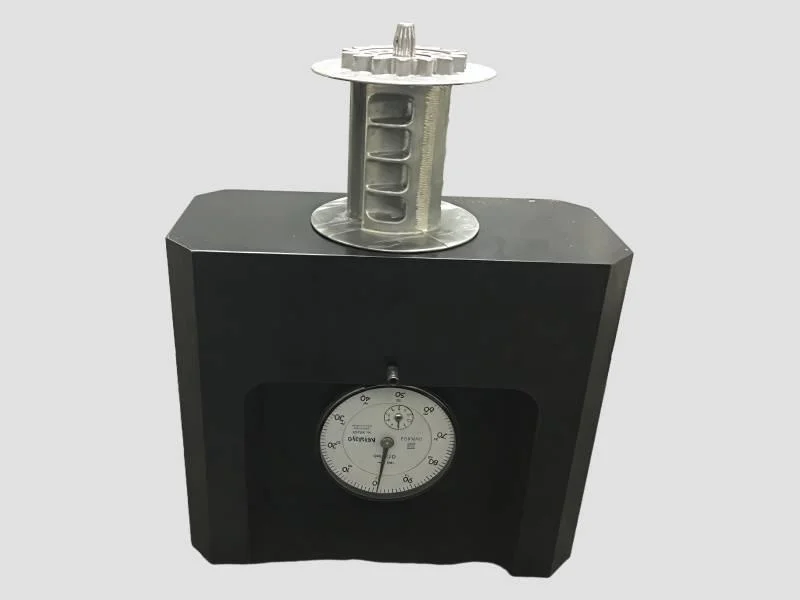
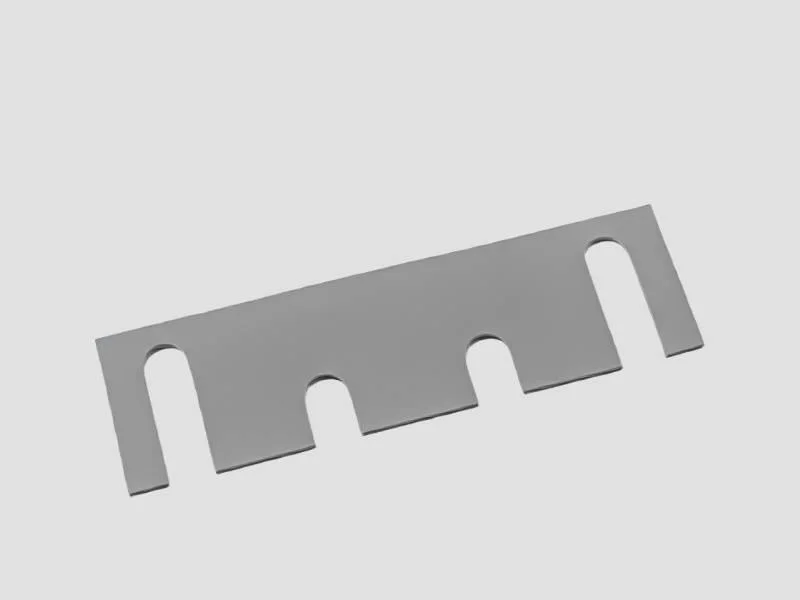
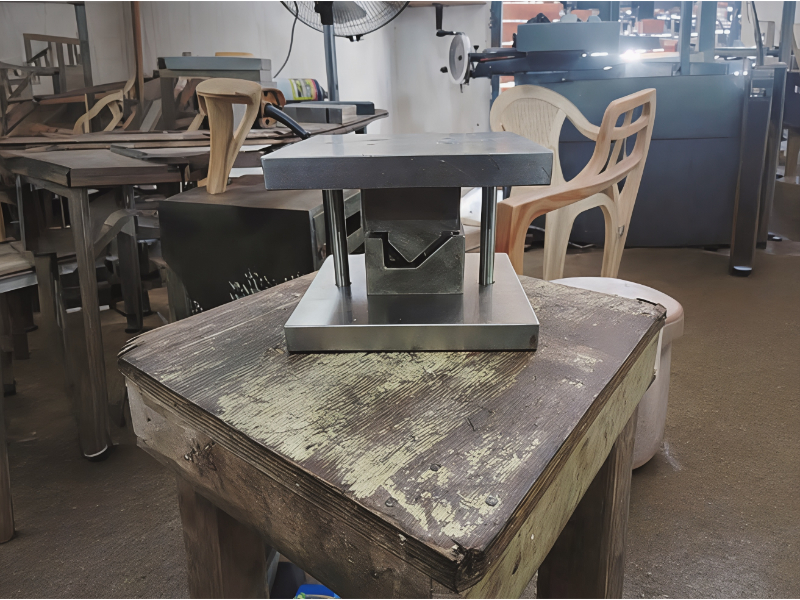
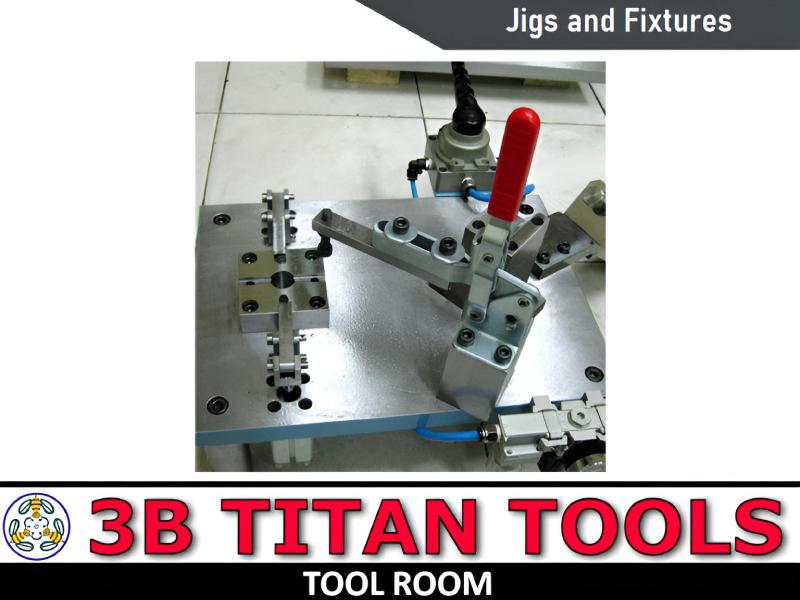
Jigs and Fixtures
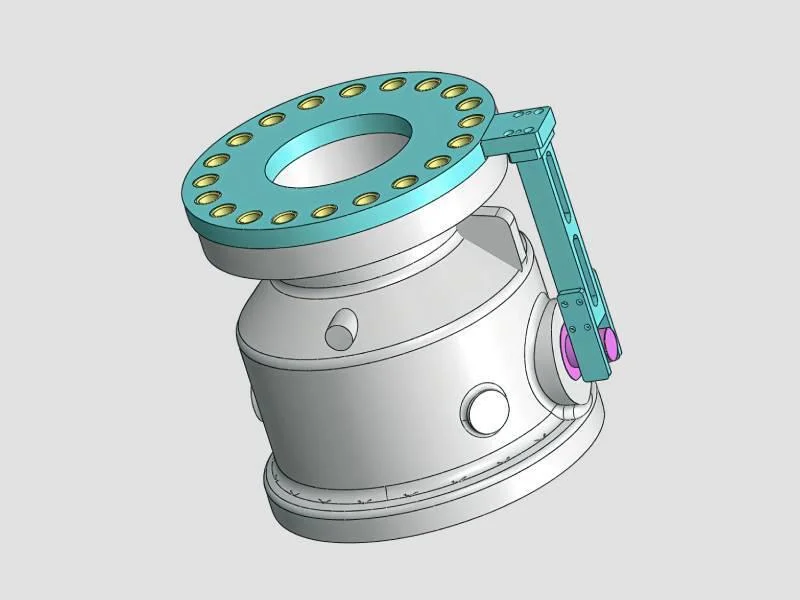
These tools are utilized to hold and support workpieces during manufacturing operations. They enhance accuracy and allow for repetitive manufacturing, which is crucial in high-volume production environments.
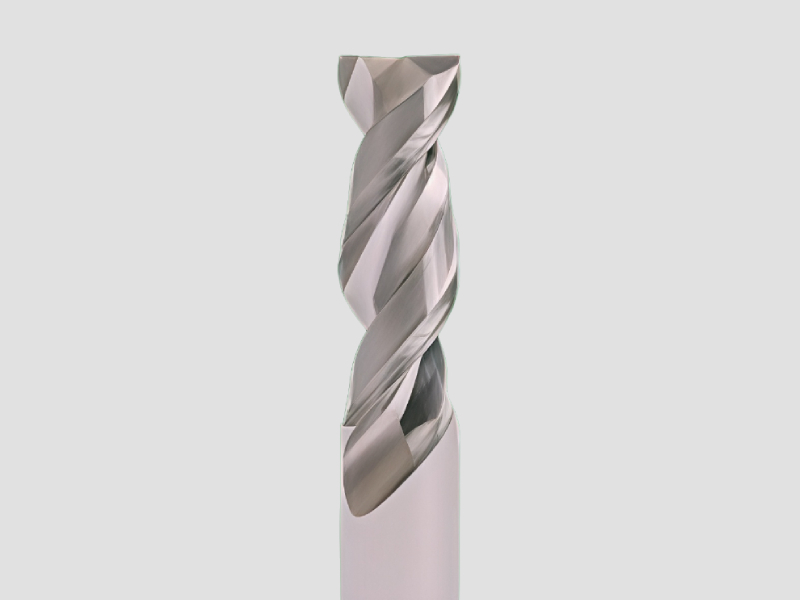
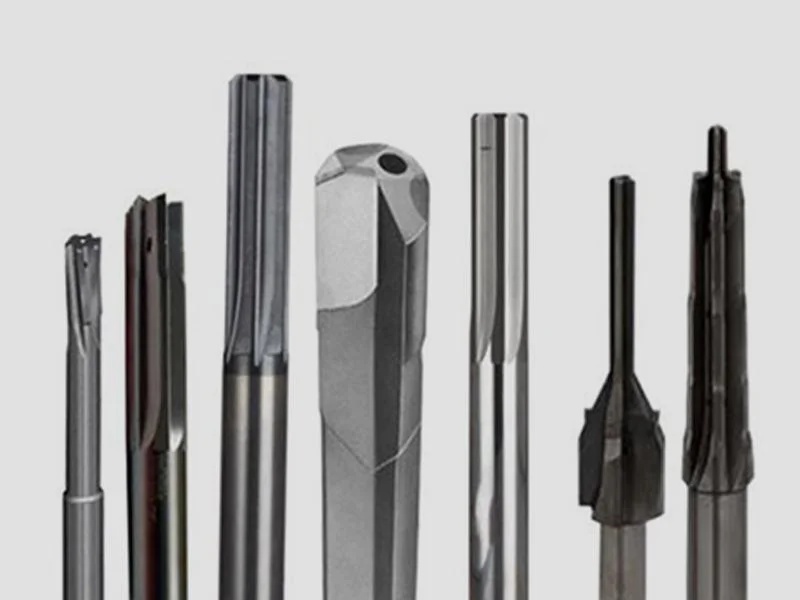
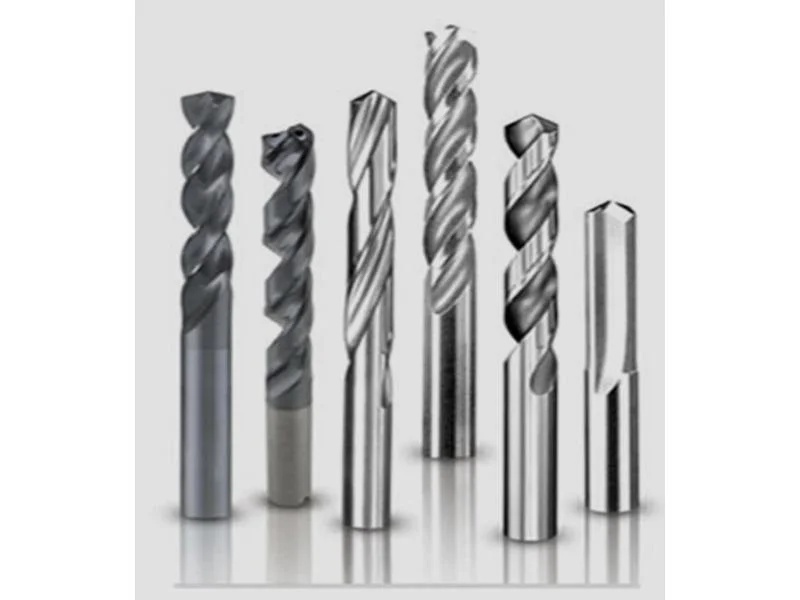
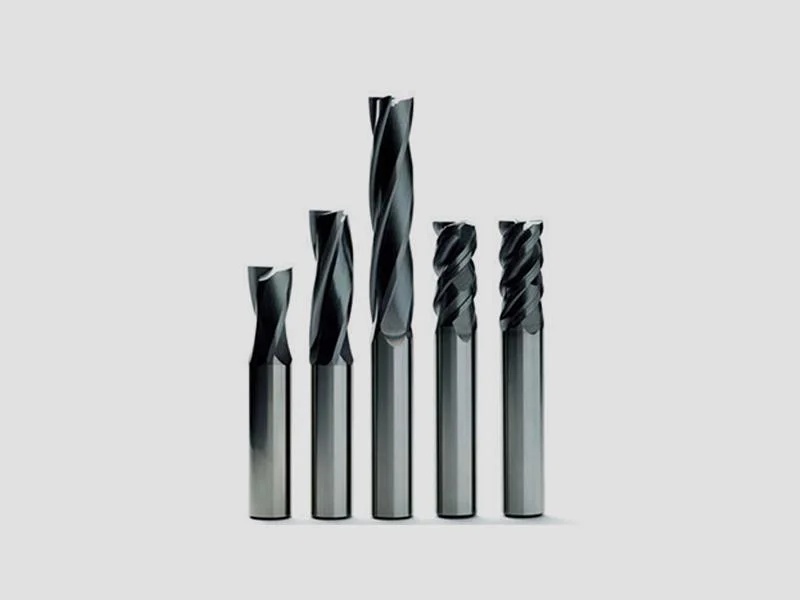
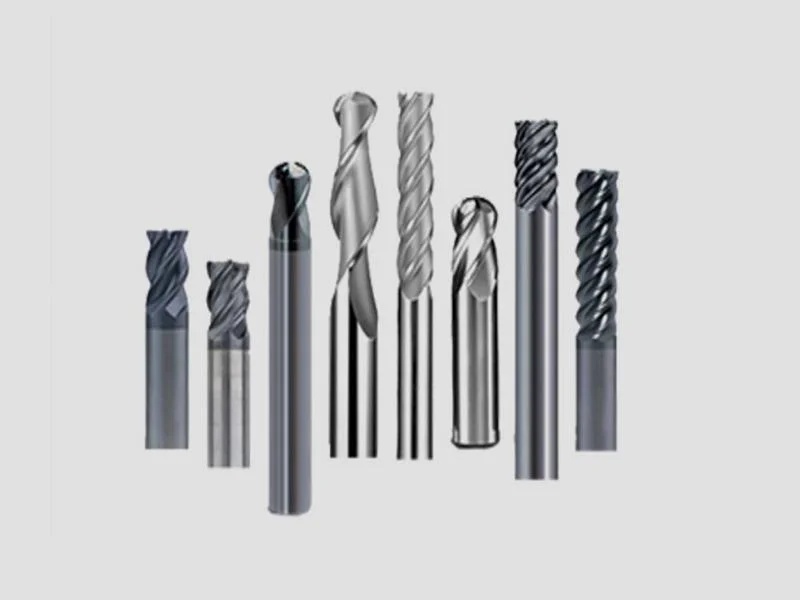
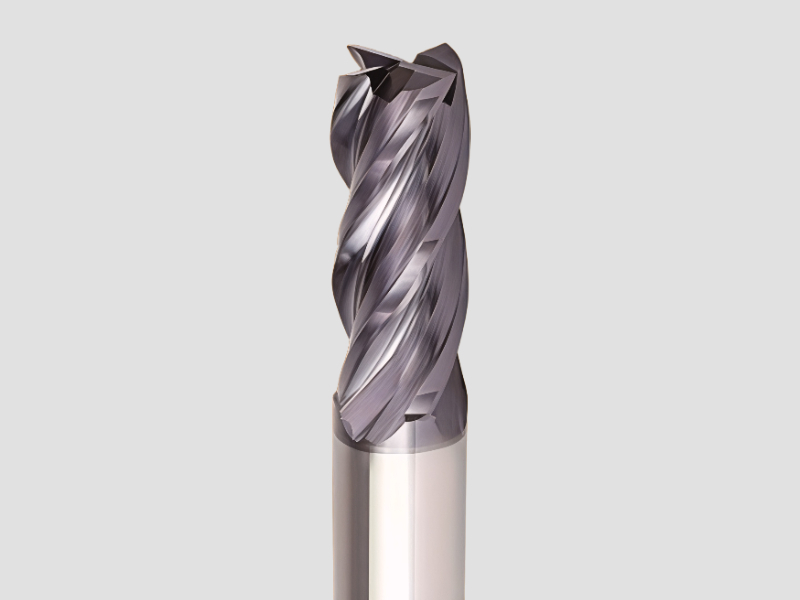
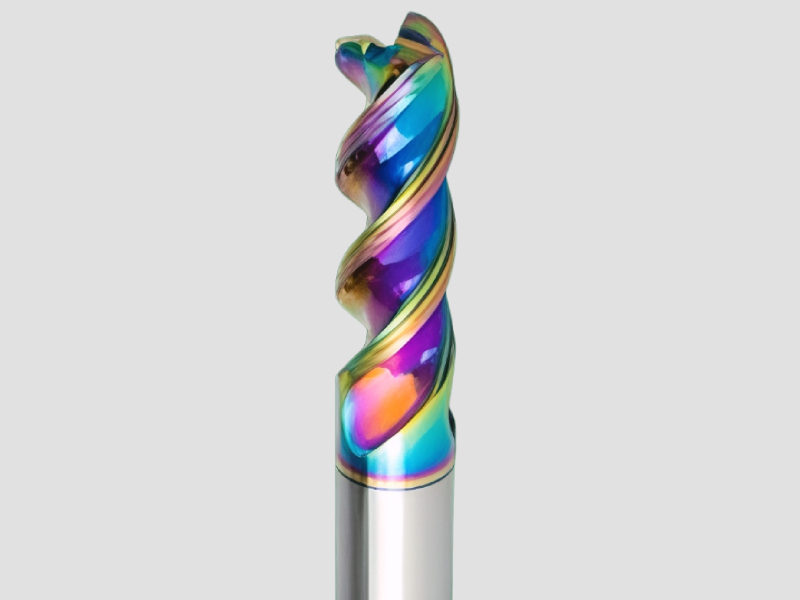
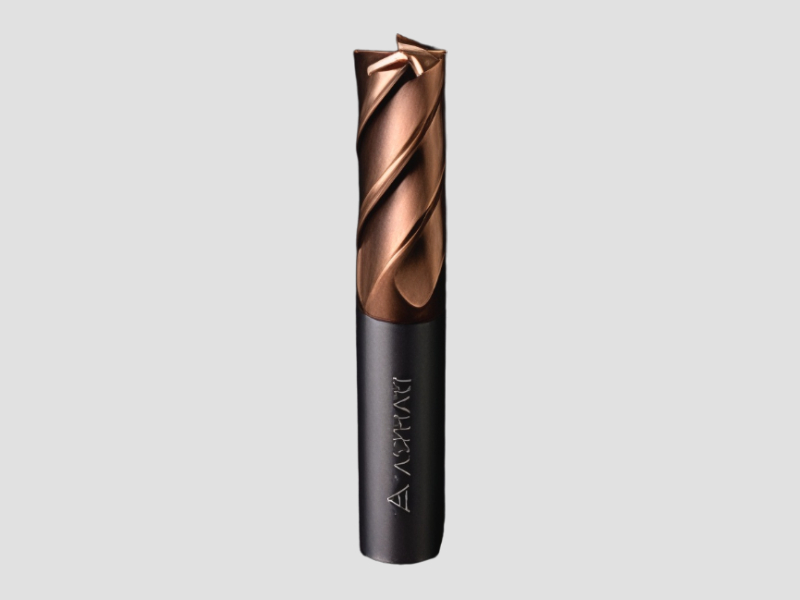
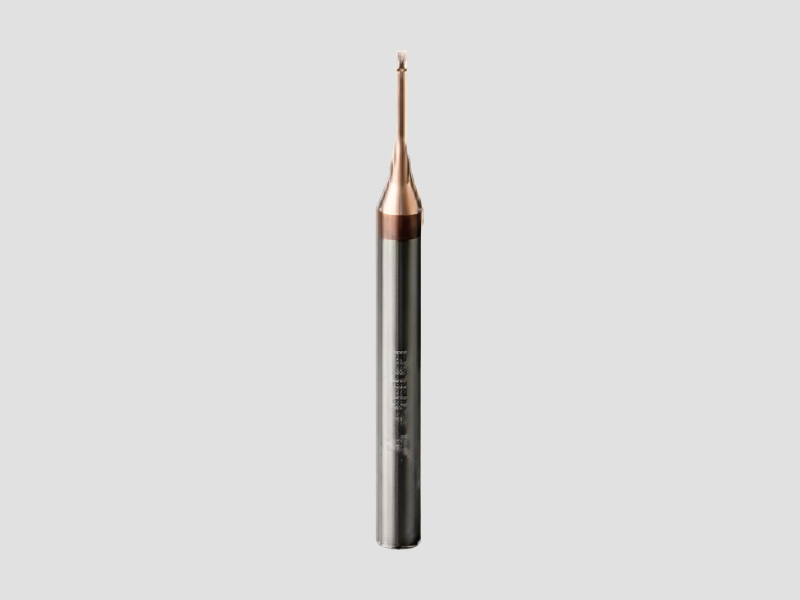
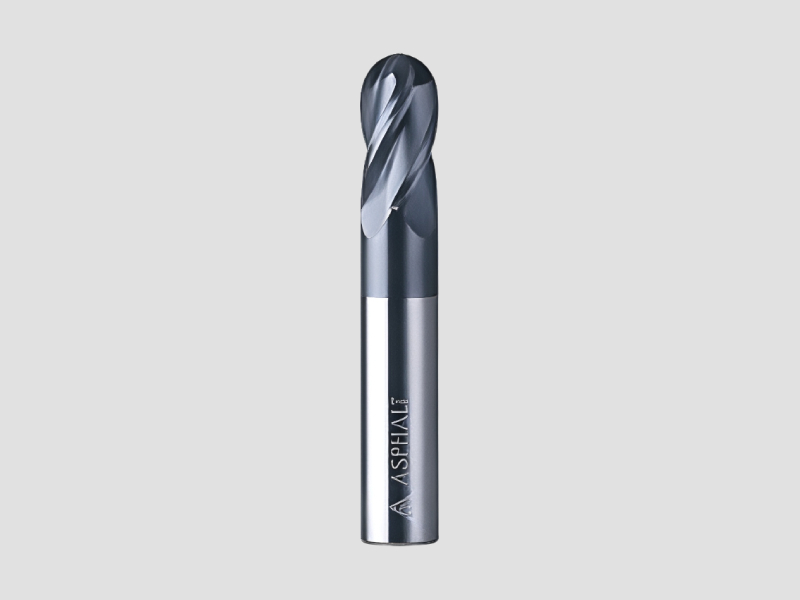
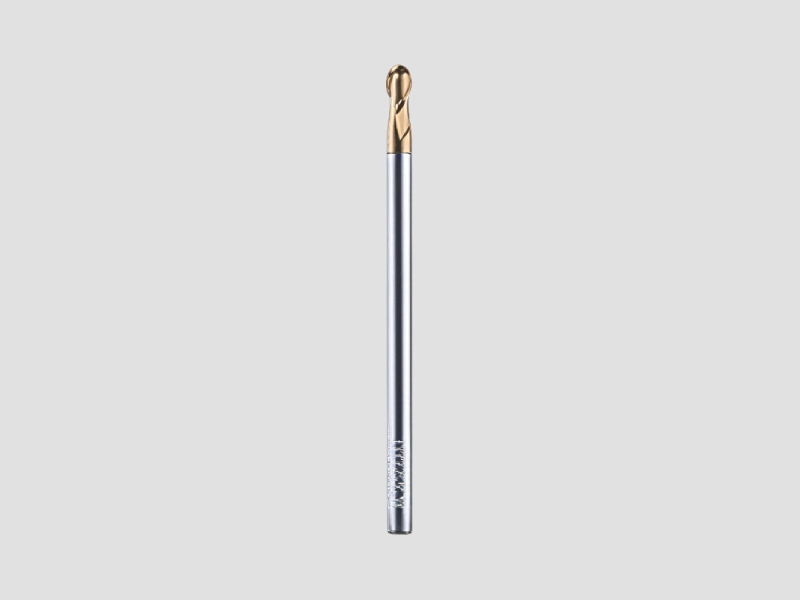
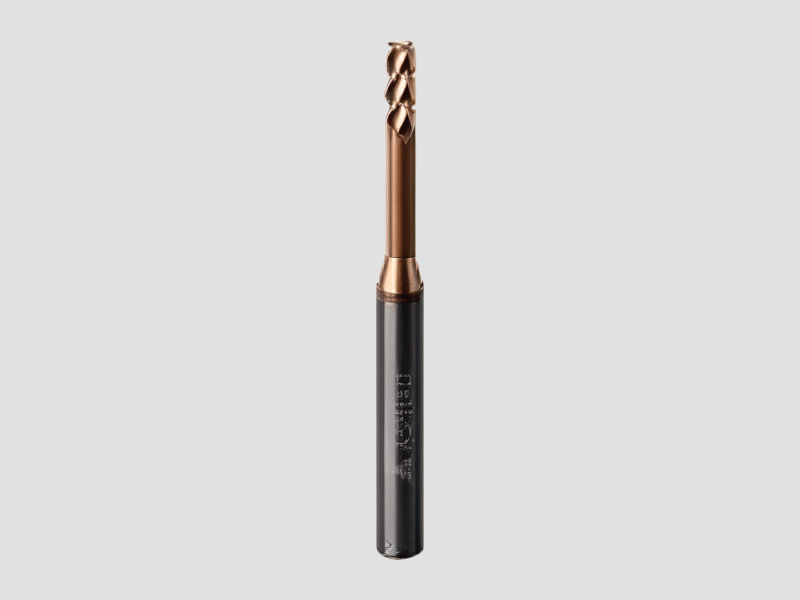
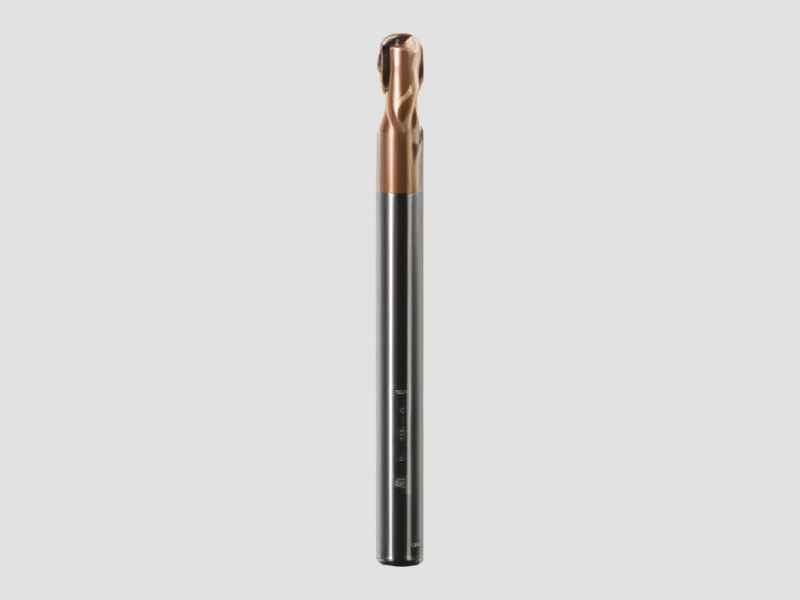
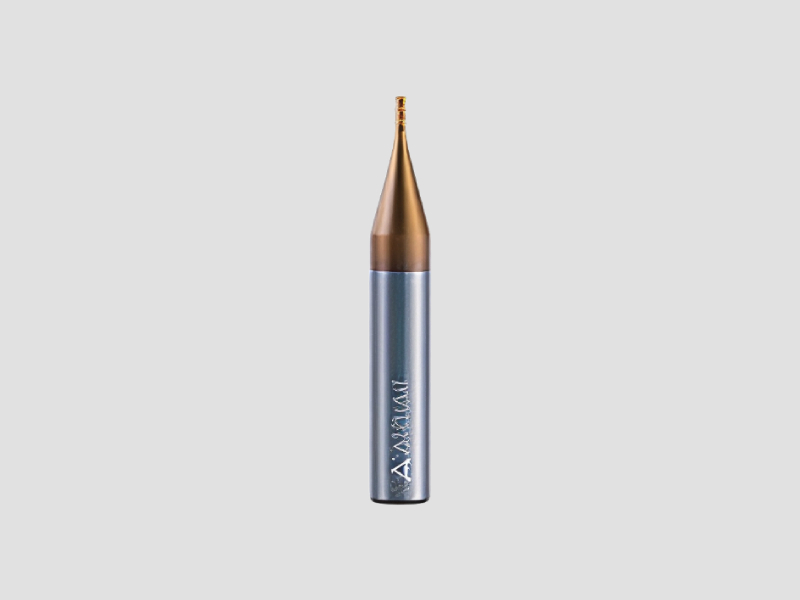
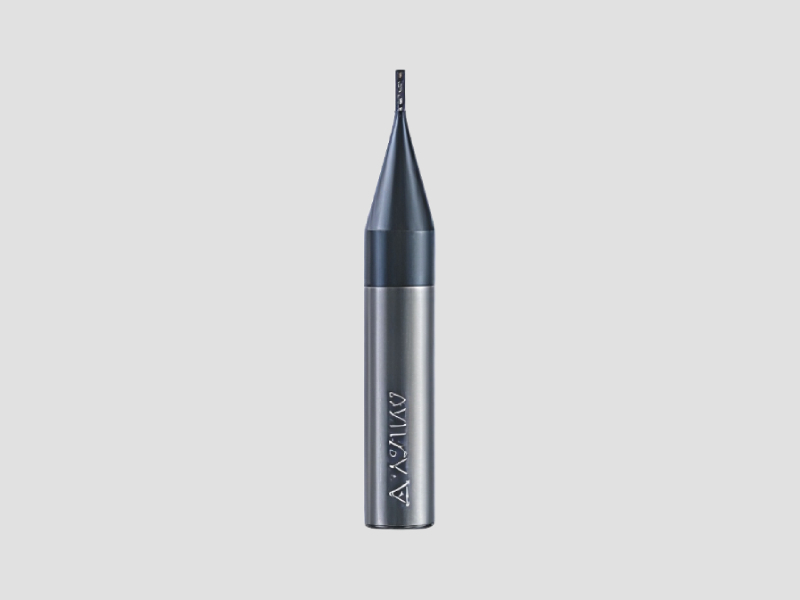
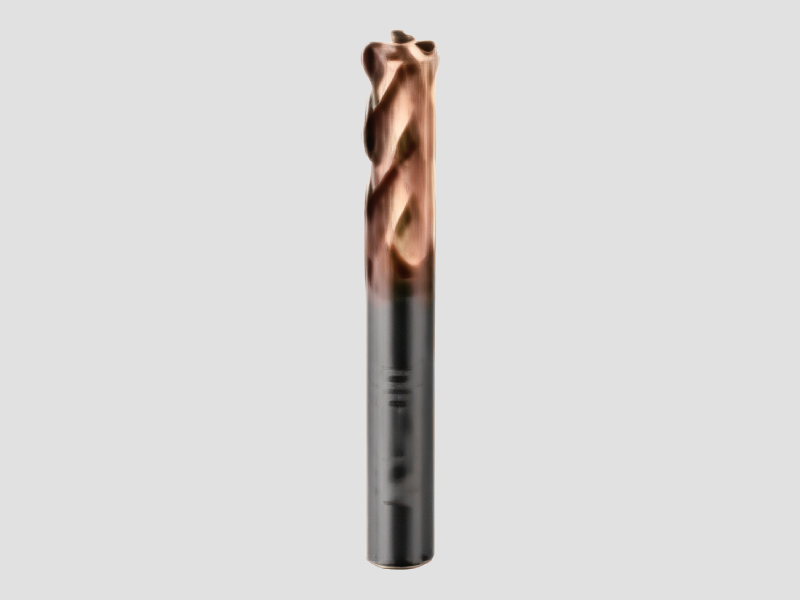
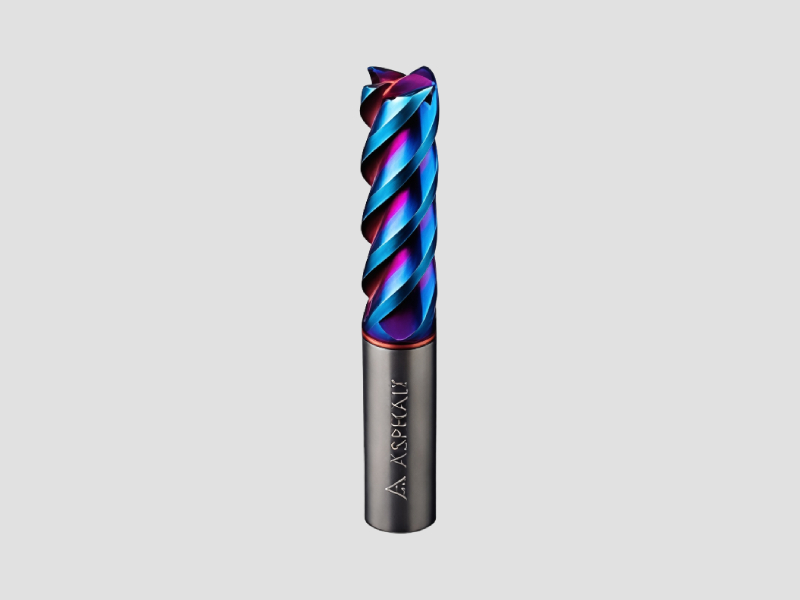
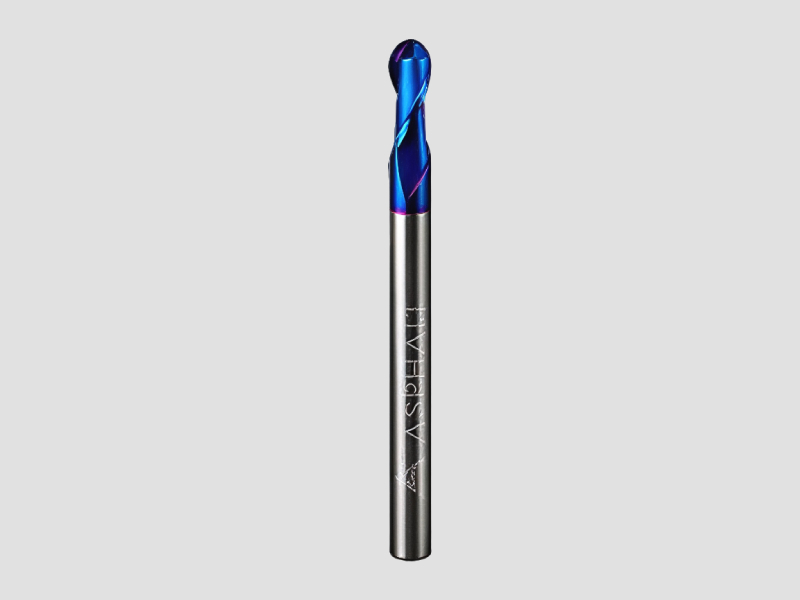
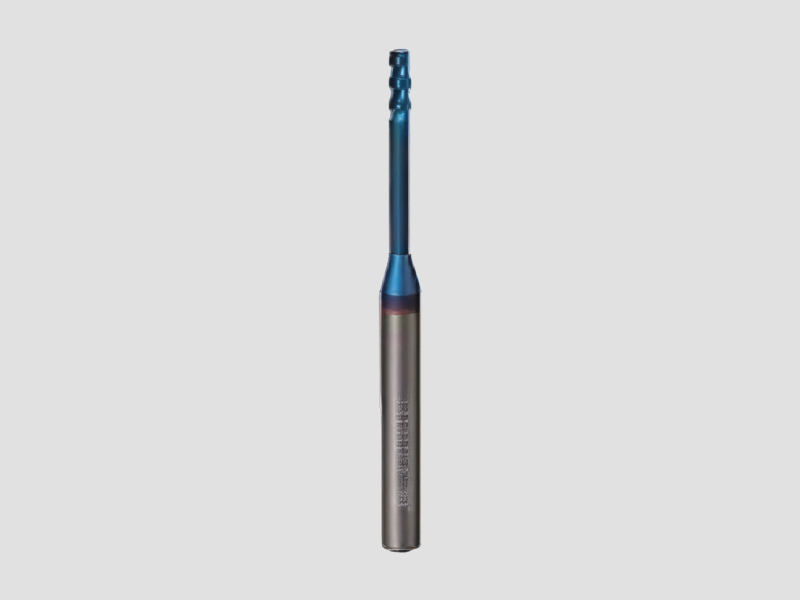
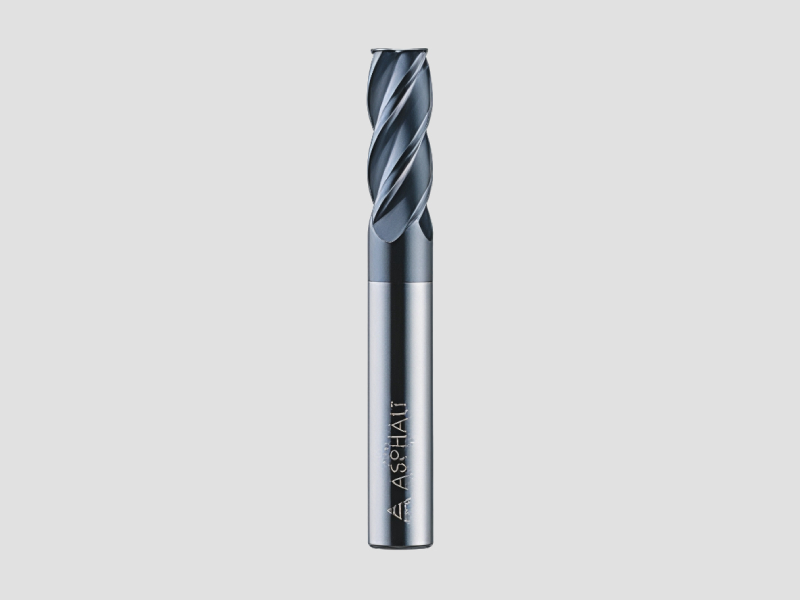
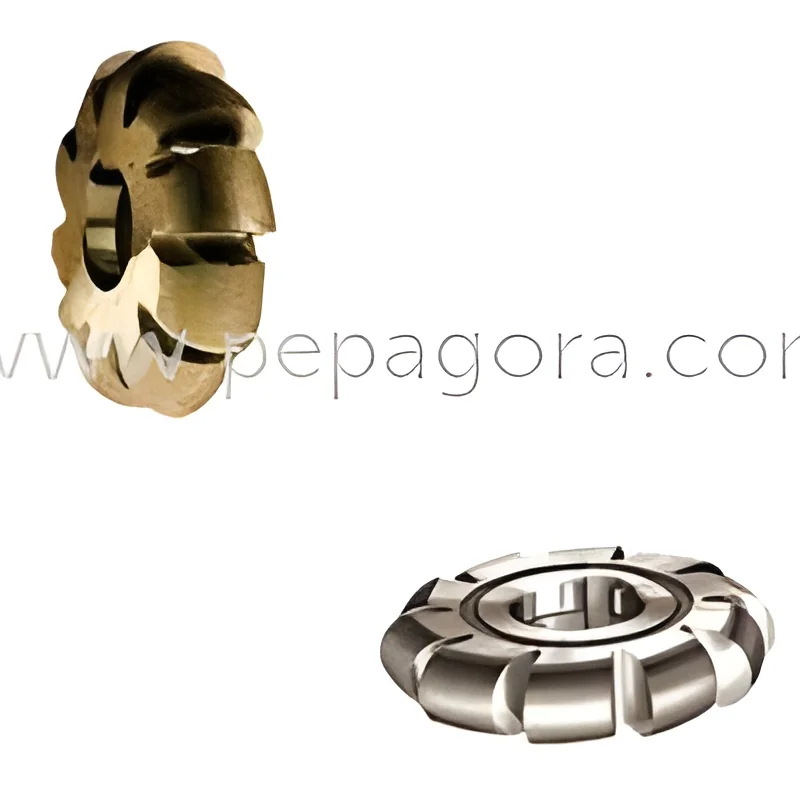
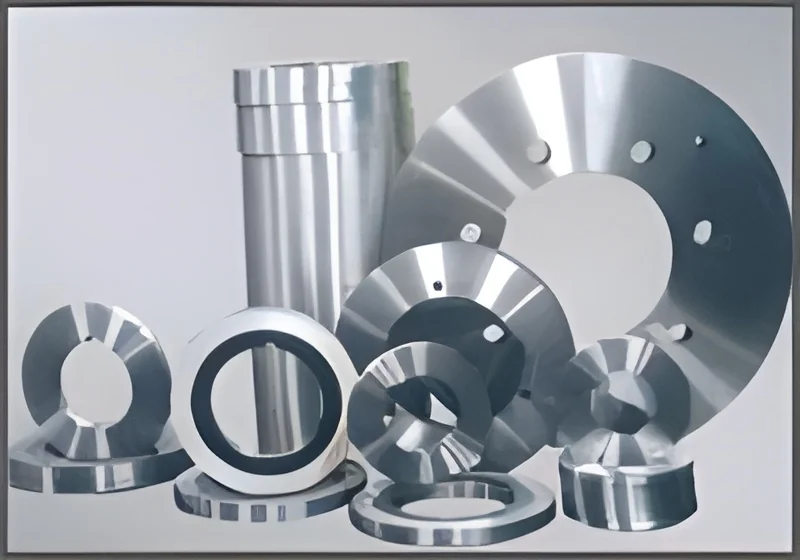
Cutting Tools
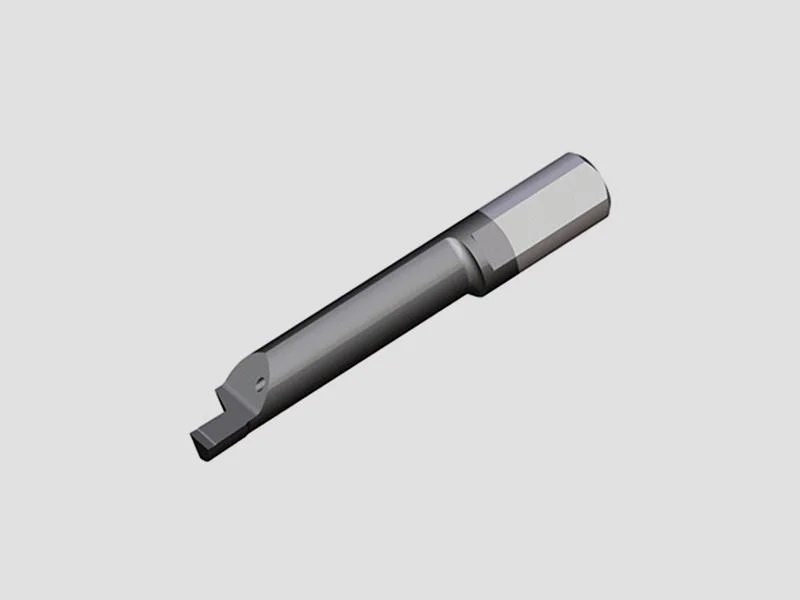
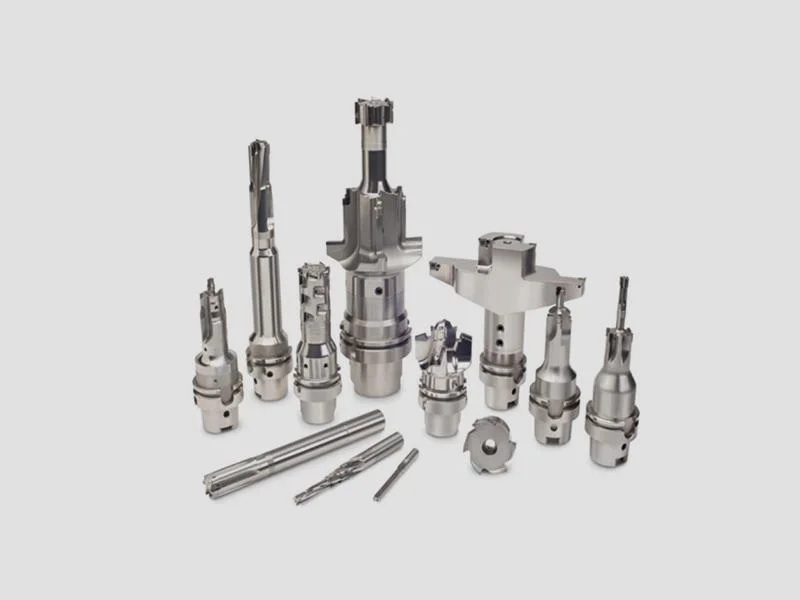
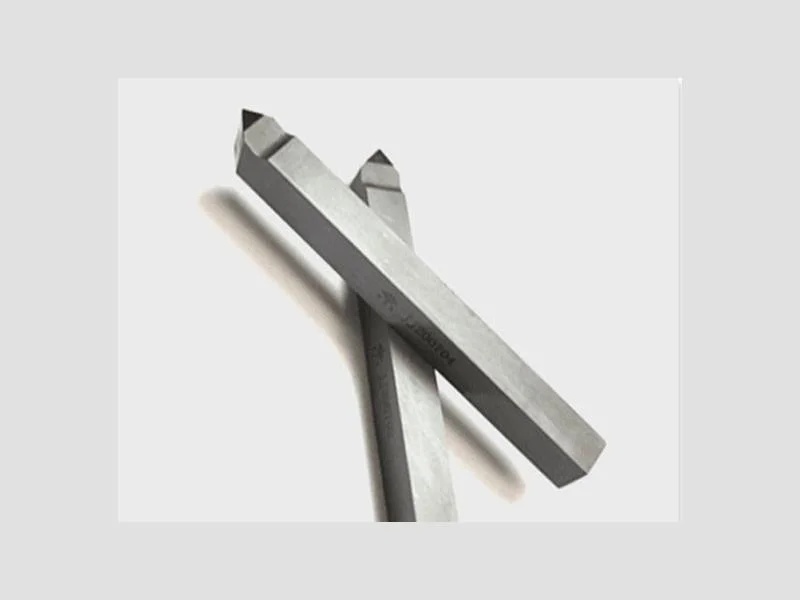
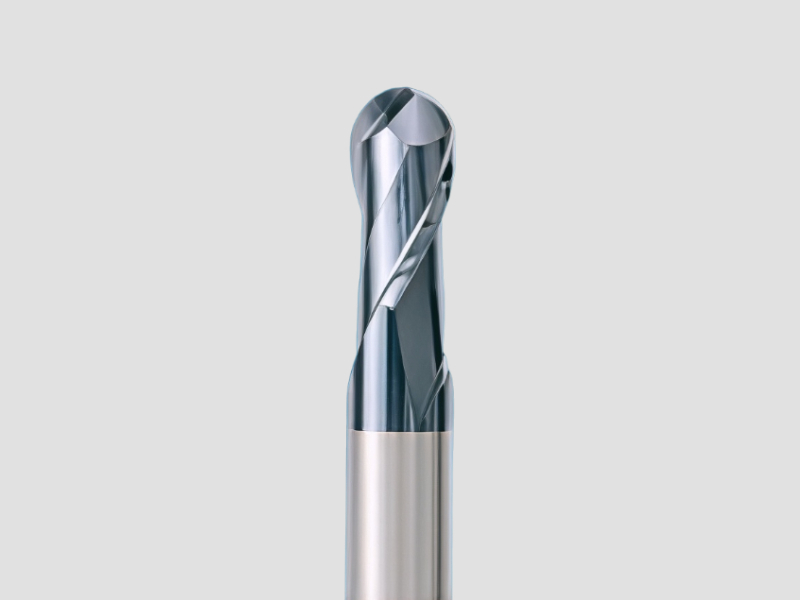
Custom cutting tools are designed for specific machining operations. They are manufactured to provide optimal performance and longevity, tailored to the material and application.
𝗕𝗲𝗻𝗲𝗳𝗶𝘁𝘀 𝗮𝗻𝗱 𝗔𝗱𝘃𝗮𝗻𝘁𝗮𝗴𝗲𝘀
Sourcing OEM tooling and custom tools offers several advantages to manufacturers.
1. Increased Efficiency: Custom tools are designed to streamline the manufacturing process, reducing cycle times and enhancing productivity.
2. Cost Savings: By optimizing production with tailored tooling solutions, manufacturers can lower their operational costs and minimize waste.
3. Enhanced Quality: OEM tooling ensures consistent quality in production, leading to fewer defects and higher customer satisfaction.
4. Flexibility: Custom tools can be adapted to meet changing production needs, allowing manufacturers to respond quickly to market demands.
5. Competitive Advantage: Investing in advanced tooling technologies positions manufacturers ahead of competitors by improving production capabilities and product quality.
6. Long-Term Reliability: High-quality OEM tooling is built to last, reducing the need for frequent replacements and associated costs.
In summary, the benefits of OEM tooling and custom tools significantly contribute to improved operational performance and overall business success.
𝗕𝘂𝘆𝗶𝗻𝗴 𝗚𝘂𝗶𝗱𝗲 𝗳𝗼𝗿 𝗕𝟮𝗕 𝗕𝘂𝘆𝗲𝗿𝘀
When sourcing OEM tooling and custom tools, it is essential for buyers to consider several key factors to ensure successful procurement.
1. Quality Assessment: Evaluate the quality of the tools based on material composition, precision tolerances, and durability. High-quality tools contribute to better manufacturing outcomes.
2. Supplier Verification: Conduct thorough vetting of suppliers to ensure reliability and capability. Check for certifications and industry experience to avoid potential supply chain issues.
3. Pricing and MOQ: Understand the pricing structure and minimum order quantities (MOQ) set by suppliers. This information is crucial for budgeting and planning production runs.
4. Delivery and Lead Times: Assess supplier lead times for delivery to ensure alignment with production schedules. Timely delivery is vital for maintaining operational efficiency.
5. Compliance Requirements: Verify that the tools meet relevant industry standards and regulations. Compliance ensures that products are safe and of high quality, reducing risks in production.
𝗖𝗼𝗺𝗽𝗹𝗶𝗮𝗻𝗰𝗲 𝗮𝗻𝗱 𝗖𝗲𝗿𝘁𝗶𝗳𝗶𝗰𝗮𝘁𝗶𝗼𝗻𝘀
Compliance and certifications play a significant role in the quality assurance of OEM tooling and custom tools. Adhering to recognized quality standards, such as ISO 9001, ensures that manufacturing processes meet international benchmarks for quality management. This certification emphasizes a commitment to continuous improvement and customer satisfaction.
Industry-specific certifications, such as CE marking, indicate conformity with health, safety, and environmental protection standards. Obtaining these certifications is crucial for manufacturers looking to sell products in specific markets, especially in Europe.
Moreover, safety and testing requirements must be met to guarantee that tooling solutions are safe for use in production environments. Regular testing helps identify potential issues before tools are deployed in manufacturing processes.
Regional compliance considerations are also important, as different regions may have specific regulations governing manufacturing practices. Understanding these requirements is essential for businesses operating in multiple geographic areas.
𝗪𝗵𝘆 𝗦𝗼𝘂𝗿𝗰𝗲 𝗢𝗘𝗠 𝗧𝗼𝗼𝗹𝗶𝗻𝗴 & 𝗖𝘂𝘀𝘁𝗼𝗺 𝗧𝗼𝗼𝗹𝘀 𝗳𝗿𝗼𝗺 𝗣𝗲𝗽𝗮𝗴𝗼𝗿𝗮?
Pepagora provides a trusted platform for sourcing OEM tooling and custom tools, offering several key advantages that benefit B2B buyers.
Verified Supplier Network: Pepagora connects buyers with a network of verified suppliers, ensuring that the sourcing process is secure and reliable. This network helps mitigate risks associated with supplier selection.
Streamlined RFQ Process: The platform features a streamlined Request for Quotation (RFQ) process, making it easy for buyers to request multiple quotes from suppliers. This efficiency allows for better comparison and decision-making.
Trade Assurance and Support: Pepagora offers trade assurance to protect buyers throughout the procurement process. This includes support for resolving disputes and ensuring that transactions are secure.
Regional Coverage: With a strong presence in regions such as India, the GCC, and Southeast Asia, Pepagora provides access to a diverse range of suppliers. This geographic reach allows buyers to tap into local markets and leverage competitive pricing.
In conclusion, sourcing OEM tooling and custom tools from Pepagora not only simplifies the procurement process but also ensures that buyers receive high-quality solutions that meet their manufacturing needs.










Frequently Asked Questions
What are OEM Tooling & Custom Tools?
OEM Tooling & Custom Tools refer to specialized tools and equipment used in the manufacturing process to produce parts and products for original equipment manufacturers (OEMs). These tools are designed to meet specific requirements and are often tailored to the unique needs of a particular manufacturing process.
What are the different types of OEM Tooling & Custom Tools?
The different types of OEM Tooling & Custom Tools include molds, dies, jigs, fixtures, and specialized cutting tools. Each type serves a distinct purpose in the manufacturing process, ensuring precision and efficiency in production.
How do I choose the right OEM Tooling & Custom Tools?
To choose the right OEM Tooling & Custom Tools, consider factors such as the specific requirements of your manufacturing process, the materials being used, and the desired production volume. It's also beneficial to consult with suppliers who can provide expertise on tool selection based on your needs.
What are the standard specifications for OEM Tooling & Custom Tools?
Standard specifications for OEM Tooling & Custom Tools typically include dimensions, material properties, tolerances, and surface finishes. Specifications may vary depending on the application and industry standards, so it's essential to align these with your specific requirements.
What is the price range for OEM Tooling & Custom Tools?
The price range for OEM Tooling & Custom Tools can vary significantly based on complexity, materials, and customization. Generally, costs can range from a few thousand to several lakhs of Indian Rupees, depending on the specific tools required.
What quality standards apply to OEM Tooling & Custom Tools?
Quality standards for OEM Tooling & Custom Tools often include ISO certifications, which ensure consistency and reliability in manufacturing. Adhering to these standards helps maintain product quality and meet industry regulations.
Where can I find OEM Tooling & Custom Tools suppliers in India?
You can find OEM Tooling & Custom Tools suppliers in India through online B2B marketplaces, industry trade shows, and directories. Websites like Pepagora.com are excellent resources for connecting with reputable manufacturers and suppliers in this domain.
Can OEM Tooling & Custom Tools be customized?
Yes, OEM Tooling & Custom Tools can be customized to meet specific design and functionality requirements. Manufacturers often work closely with clients to develop tools that are uniquely suited to their production processes.
What is the typical minimum order quantity for OEM Tooling & Custom Tools?
The typical minimum order quantity (MOQ) for OEM Tooling & Custom Tools can vary widely based on the supplier and the type of tooling required. Generally, MOQs may range from a single unit for standard tools to larger quantities for custom tooling projects.
What is the typical lead time for OEM Tooling & Custom Tools?
The typical lead time for OEM Tooling & Custom Tools can range from a few weeks to several months, depending on the complexity of the tools and the supplier's production capacity. It is advisable to discuss lead times with suppliers during the ordering process.
Why Businesses Trust Pepagora
Thousands of companies trust Pepagora to source smarter and sell faster
Expand Your Sales Globally

Source Smarter,Grow Faster
