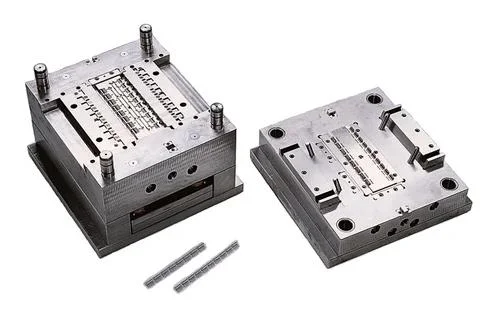
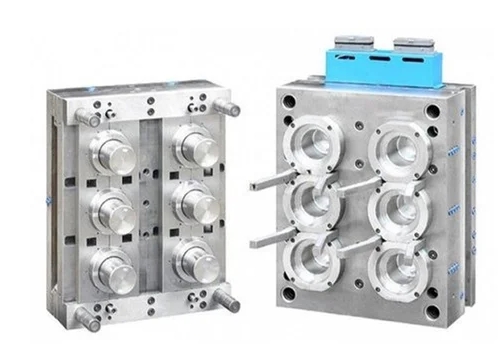
What are Injection Molding Tools?
Injection molding tools are specialized equipment used in the manufacturing process of plastic products. These tools facilitate the injection of molten plastic materials into a mold, where they cool and solidify into the desired shape. The technology is widely employed in various industries due to its efficiency and capability to produce high volumes of intricate parts with precision. Injection molding tools consist of multiple components, including the injection unit, mold, and clamping unit, which work together to create finished products.
The primary applications of injection molding tools span a wide range of industries, including automotive, consumer goods, electronics, and medical devices. Businesses utilize these tools to produce components that require exact specifications and high durability. With the ability to create complex geometries and fine details, injection molding is crucial for mass production, ensuring consistent quality and reducing material waste. The market for injection molding tools continues to grow, driven by advancements in technology and increased demand for customized products.
Key Features and Specifications
Injection molding tools are characterized by several key features that enhance functionality and efficiency. Understanding these specifications is essential for selecting the right tool for specific applications.
Key specifications include:
1. Injection Unit
- The heart of the injection molding tool that melts and injects plastic into the mold.
- Technical parameters often include injection pressure and capacity.
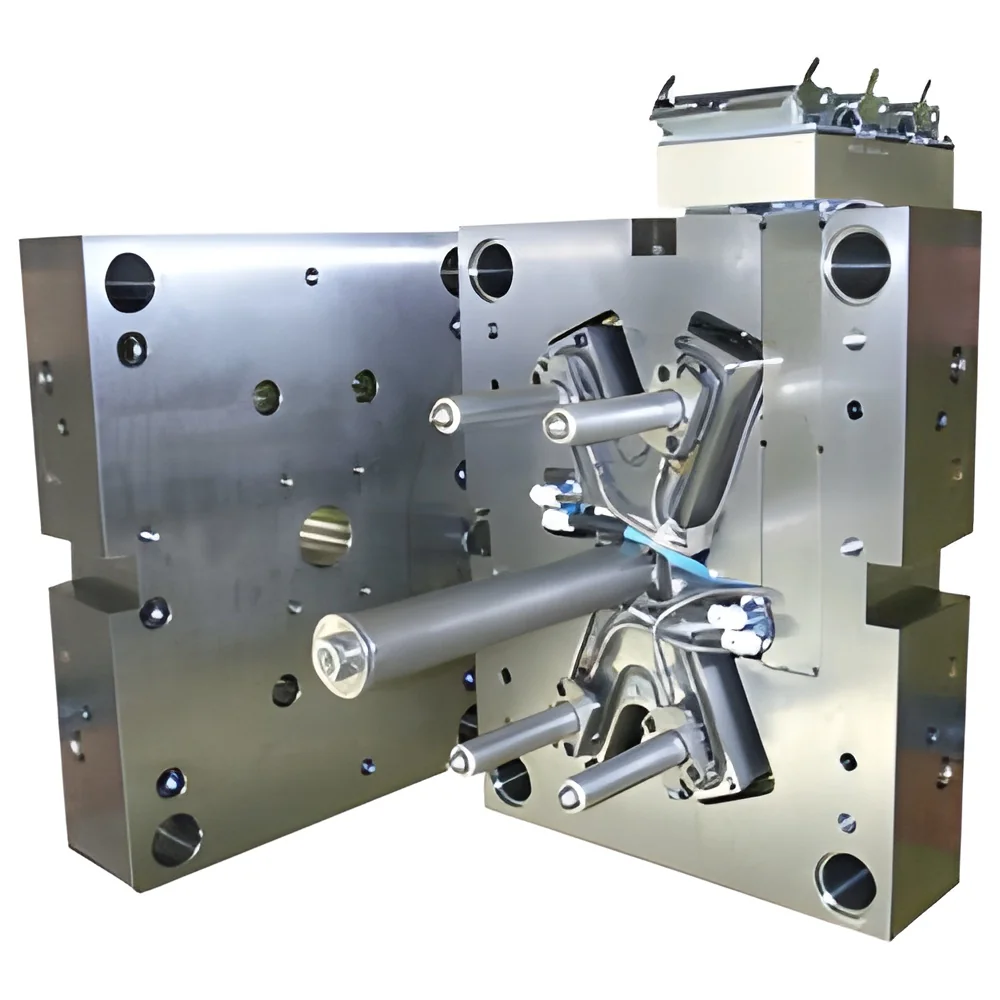
2. Mold Design
- The mold shapes the molten plastic into the desired product.
- Specifications may include mold material and cooling channel design.
3. Clamping Force
- The force required to keep the mold closed during the injection process.
- Typically measured in tons, depending on the mold size and resin used.
4. Cycle Time
- The total time taken to complete one injection cycle.
- Influenced by material type and part complexity.
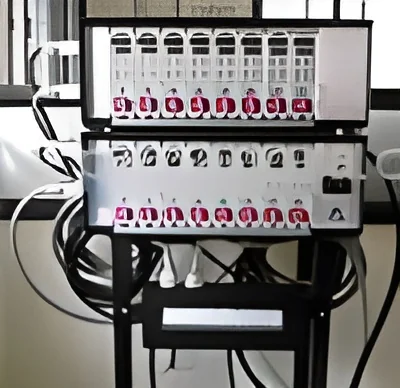
5. Temperature Control
- Essential for maintaining the right conditions for melting plastic.
- Often monitored through thermocouples and heating elements.
6. Automation Features
- Includes robotics and sensors to enhance efficiency and precision.
- Can significantly reduce labor costs and improve safety.
7. Maintenance Requirements
- Regular upkeep needed to ensure optimal performance.
- May include lubrication, cleaning, and part replacement.
8. Safety Features
- Essential for protecting operators and equipment.
- Includes emergency stops and safety interlocks.
Investing in high-quality injection molding tools ensures reliable production and long-term operational efficiency.
Common Applications and Use Cases
Injection molding tools are used across various industries to produce a wide range of products.
1. Automotive: Injection molding is used to create components such as dashboards, bumpers, and interior panels, ensuring durability and lightweight properties.
2. Consumer Goods: Many everyday items like toys, containers, and kitchen utensils are manufactured using injection molding, allowing for mass production at lower costs.
3. Electronics: Components such as housings for gadgets and connectors are produced with precision using injection molding tools, ensuring functionality and aesthetic appeal.
4. Medical Devices: Injection molding plays a critical role in manufacturing medical components, such as syringes and surgical instruments, where sterility and precision are paramount.
5. Packaging: Various types of containers, bottles, and packaging materials are created through injection molding, tailored to meet specific product requirements.
6. Industrial Applications: Many industrial parts and tools are produced via injection molding, including gears, fittings, and machine components.
7. Aerospace: Parts that require high precision and lightweight characteristics are often manufactured using injection molding techniques.
Product Variants and Subcategories
Injection molding tools come in a variety of designs and configurations to meet specific needs.
Standard Injection Molding Machines
These machines are the most commonly used for general-purpose applications. They feature basic functionalities suitable for a wide range of materials and product types.
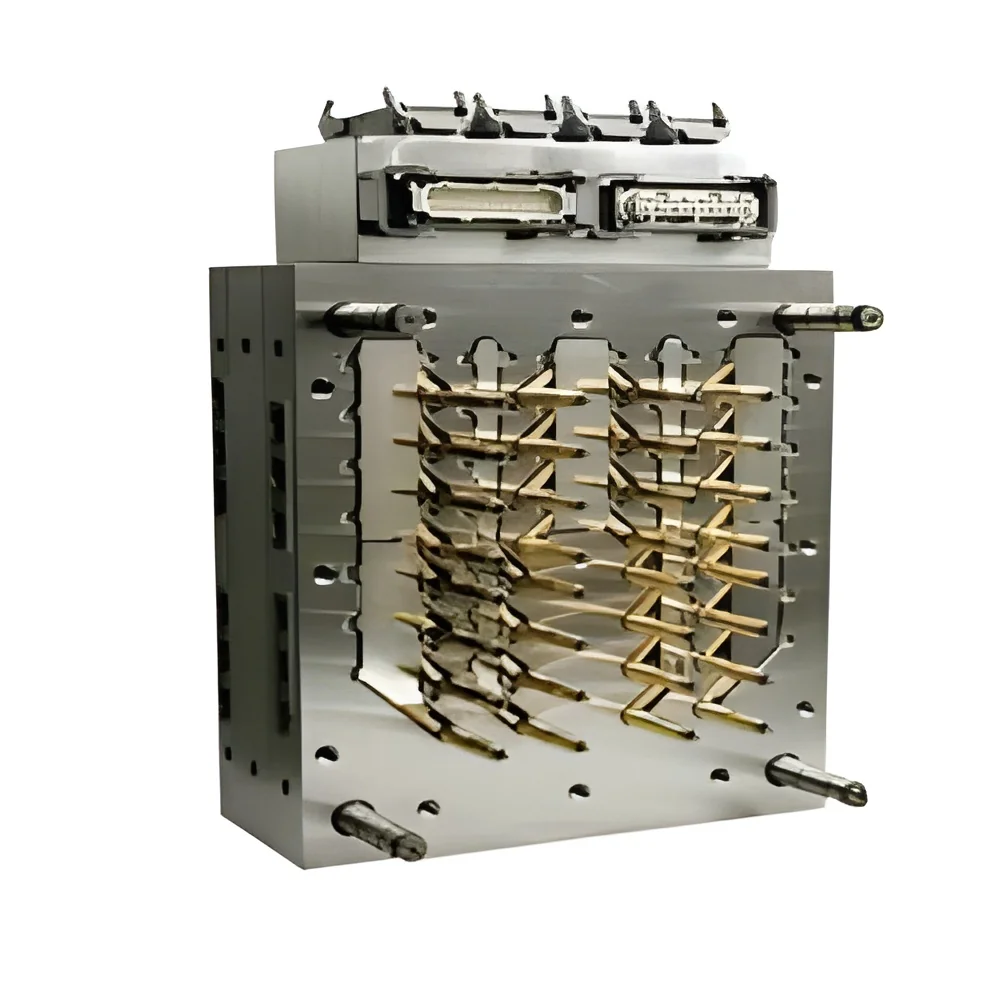
Multi-Cavity Molds
Designed to produce multiple parts in a single cycle, multi-cavity molds enhance production efficiency and reduce costs by maximizing output.
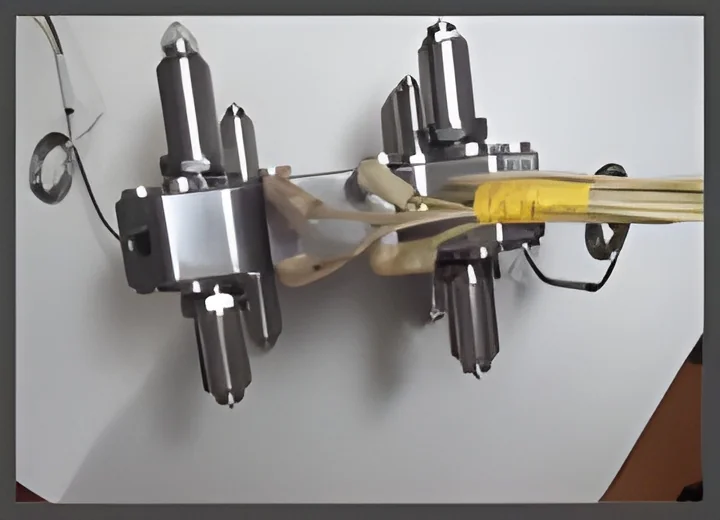
Hot Runner Systems
These systems maintain the temperature of the plastic material as it flows through the mold, reducing waste and improving the quality of the finished product.
Stack Molds
Utilizing multiple layers, stack molds double the production capacity without increasing the footprint, making them ideal for high-volume manufacturing.
Benefits and Advantages
Investing in injection molding tools offers several key benefits.
1. High Efficiency: Injection molding allows for rapid production cycles, significantly reducing manufacturing times compared to other methods.
2. Cost-Effectiveness: The ability to produce large volumes of parts at once lowers the overall cost per unit, making it an economical choice for manufacturers.
3. Precision and Consistency: Injection molding tools ensure accurate replication of parts, maintaining high quality and minimizing defects.
4. Material Versatility: A wide array of plastics can be used in injection molding, allowing manufacturers to select materials based on specific requirements.
5. Scalability: Injection molding processes can be easily scaled up or down to meet changing production demands.
6. Reduced Waste: The method is designed to minimize excess material, contributing to lower manufacturing costs and environmental impact.
Buying Guide for B2B Buyers
When sourcing injection molding tools, several factors should be considered to ensure optimal selection.
1. Quality Assessment: Evaluate the quality of materials and components used in the tools. Look for certifications and standards that the tools meet to ensure reliability and performance.
2. Supplier Verification: Research potential suppliers thoroughly. Check their history, customer reviews, and certifications to ensure they are reputable and can meet your needs.
3. Pricing and MOQ: Understand the pricing structure and minimum order quantities. Compare offers from different suppliers to find the best value.
4. Delivery and Lead Times: Consider the logistics involved in getting the tools delivered. Ensure that the supplier can meet your required timelines without compromising quality.
5. Compliance Requirements: Be aware of any industry-specific regulations that may apply to the injection molding tools. Ensure that the products comply with necessary standards to avoid legal issues.
Compliance and Certifications
Injection molding tools must adhere to various quality standards and certifications. ISO 9001 is a widely recognized standard that ensures consistent quality management systems. Compliance with this standard indicates that a manufacturer maintains high-quality processes throughout production.
Additionally, tools may require CE certification, which signifies conformity with European health, safety, and environmental protection standards. This certification is vital for companies looking to market their products in Europe.
Safety and testing requirements are also critical. Manufacturers must conduct thorough testing of their tools to ensure they meet safety protocols and performance benchmarks. Regional compliance considerations will vary, so it is essential to understand local laws and regulations when sourcing injection molding tools.
Why Source Injection Molding Tools from Pepagora?
Pepagora provides a trusted platform for sourcing injection molding tools, offering numerous advantages for B2B buyers.
Verified Supplier Network: Pepagora connects buyers with a network of verified suppliers. This ensures that buyers can trust the quality and reliability of the products they purchase.
Streamlined RFQ Process: The platform simplifies the request for quotation process. Buyers can easily compare multiple offers, making it efficient to find the best deal.
Trade Assurance and Support: Pepagora offers buyer protection through trade assurance. This feature provides peace of mind, knowing that purchases are secure and that support is available if issues arise.
Regional Coverage: With a strong presence in India, the GCC, and Southeast Asia, Pepagora is well-positioned to serve a diverse range of clients. This geographic reach ensures that buyers have access to high-quality products tailored to their specific regional needs.

 IN
IN