
 IN
Power Cables
305 products available
What are Power Cables?
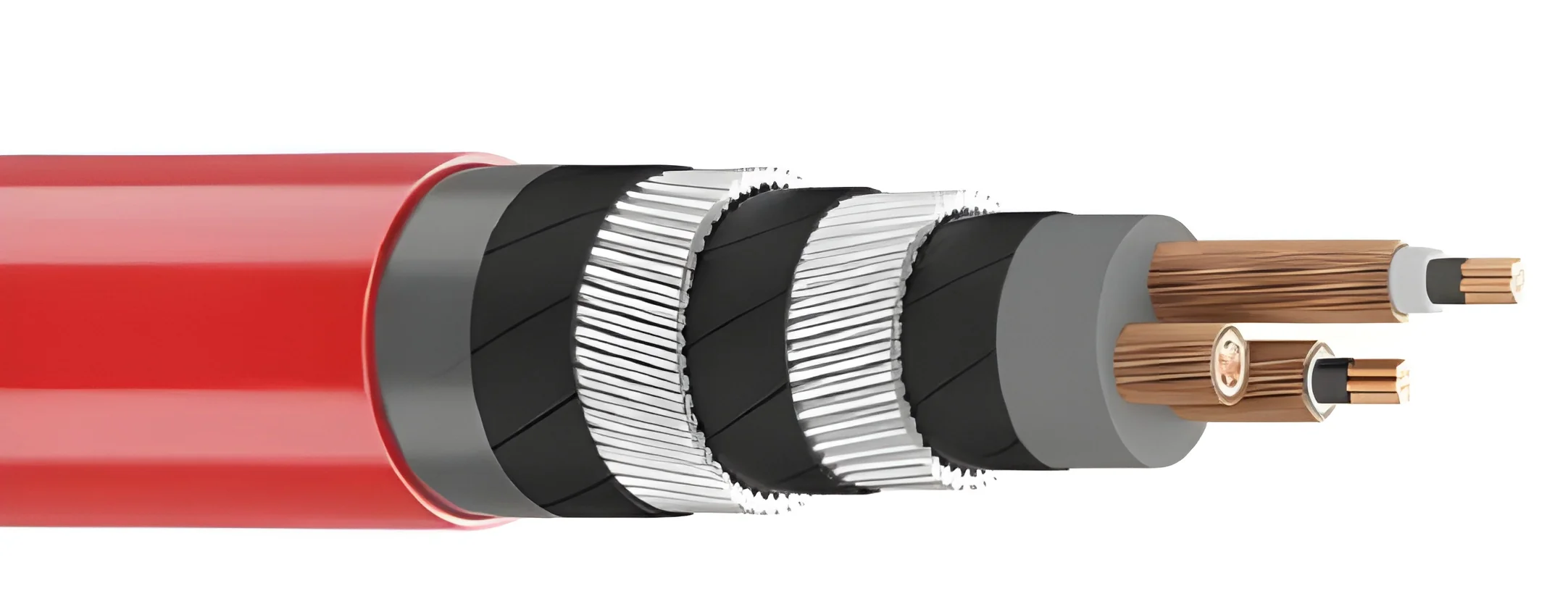
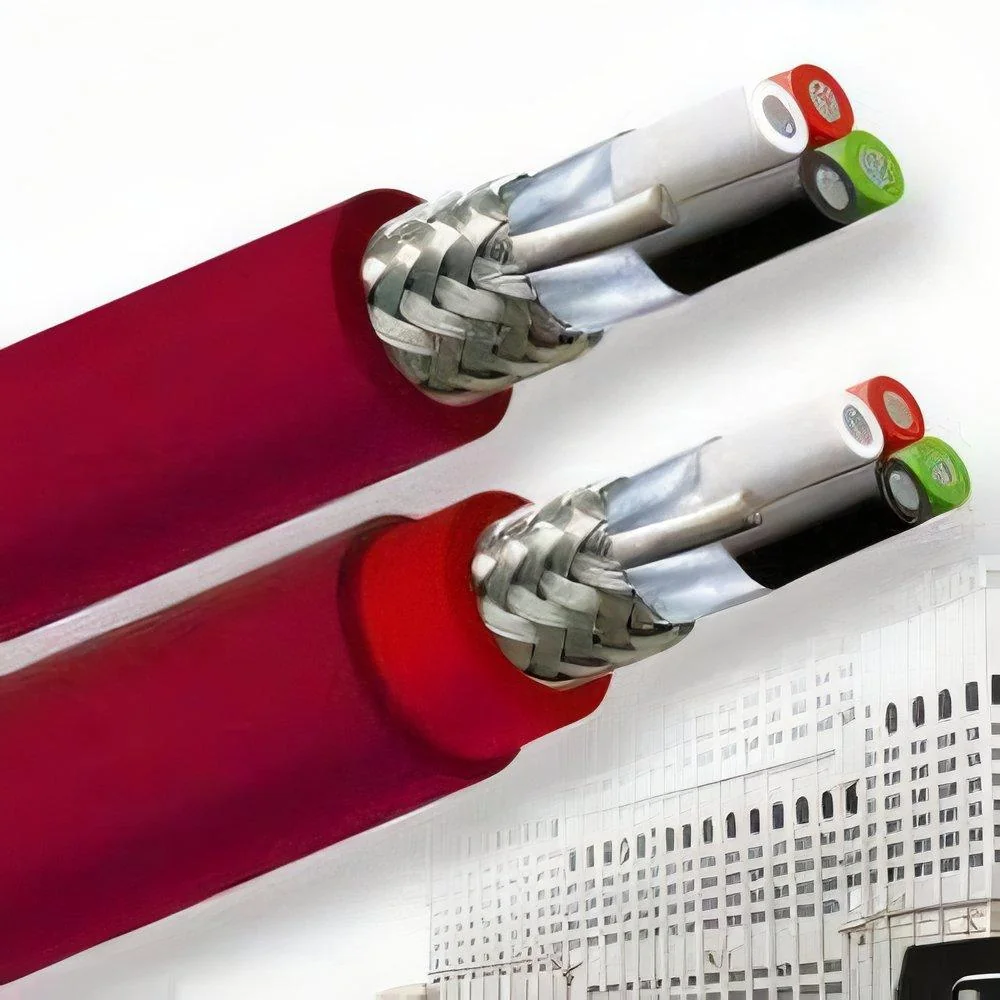
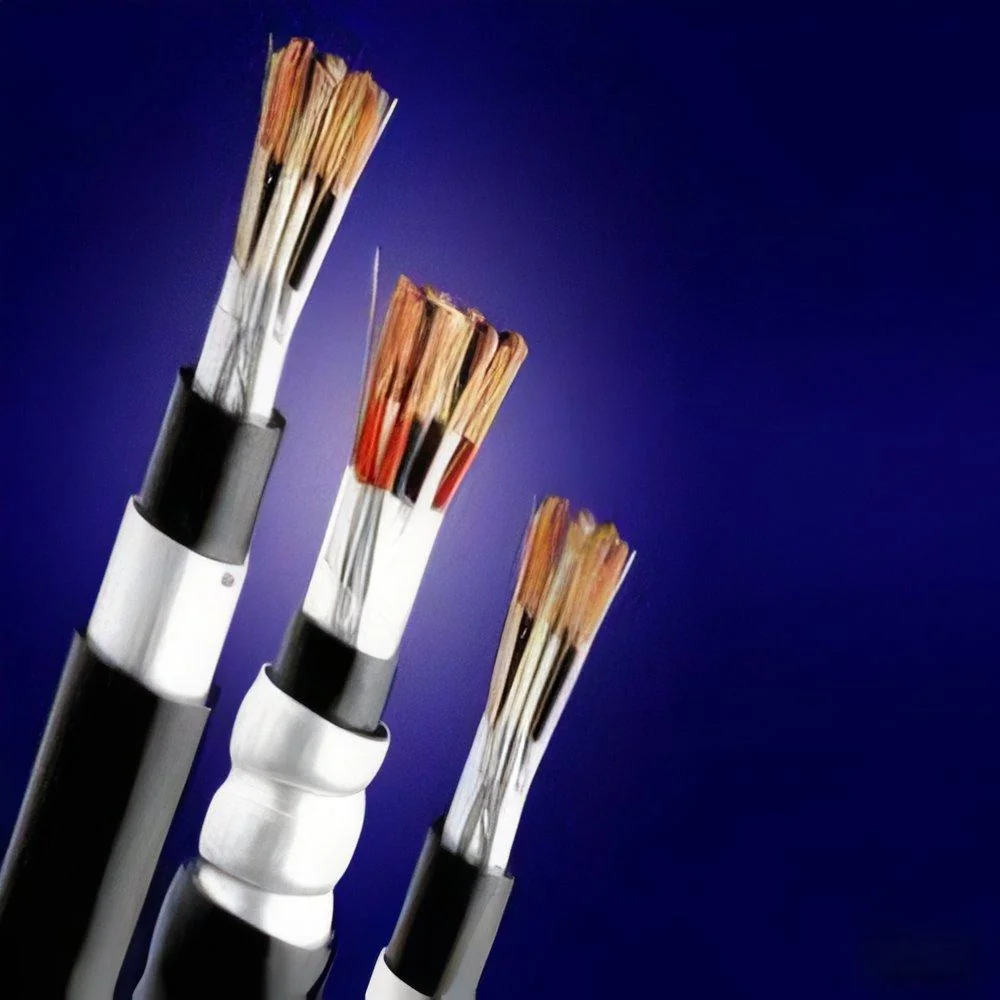
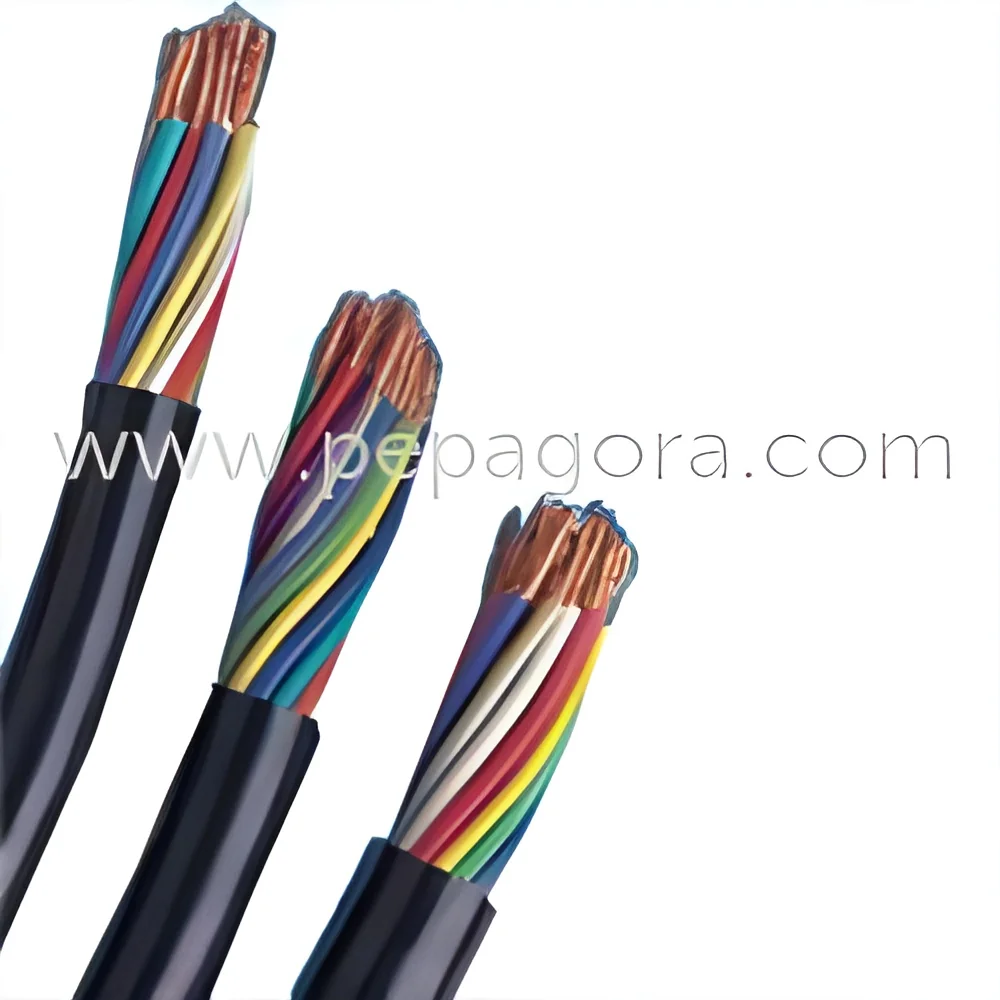
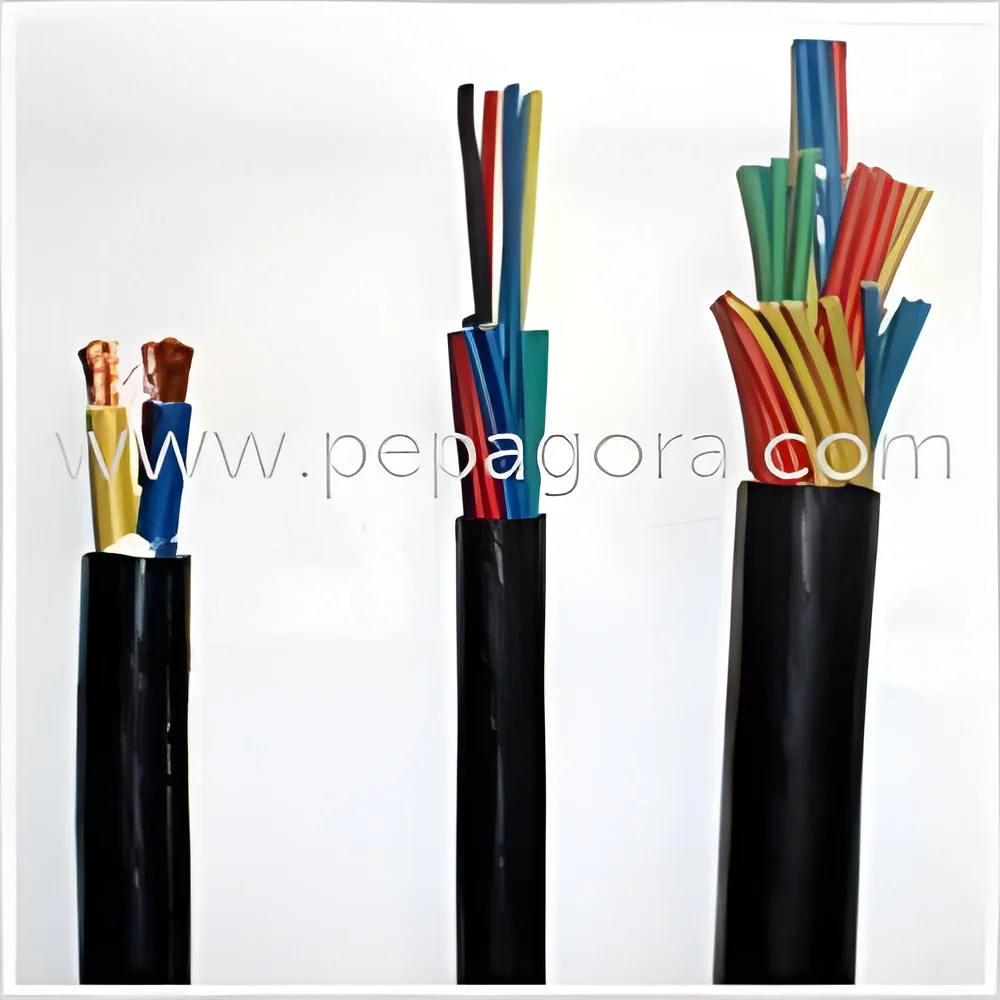
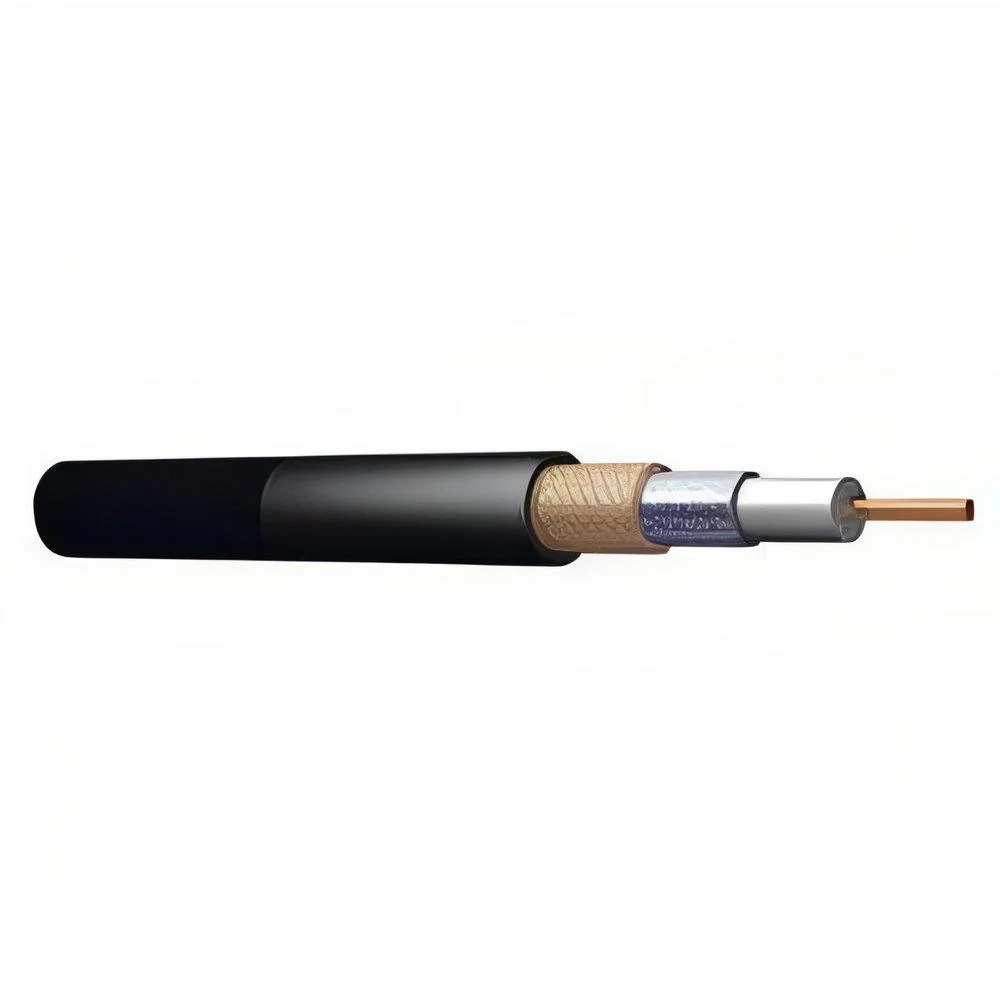
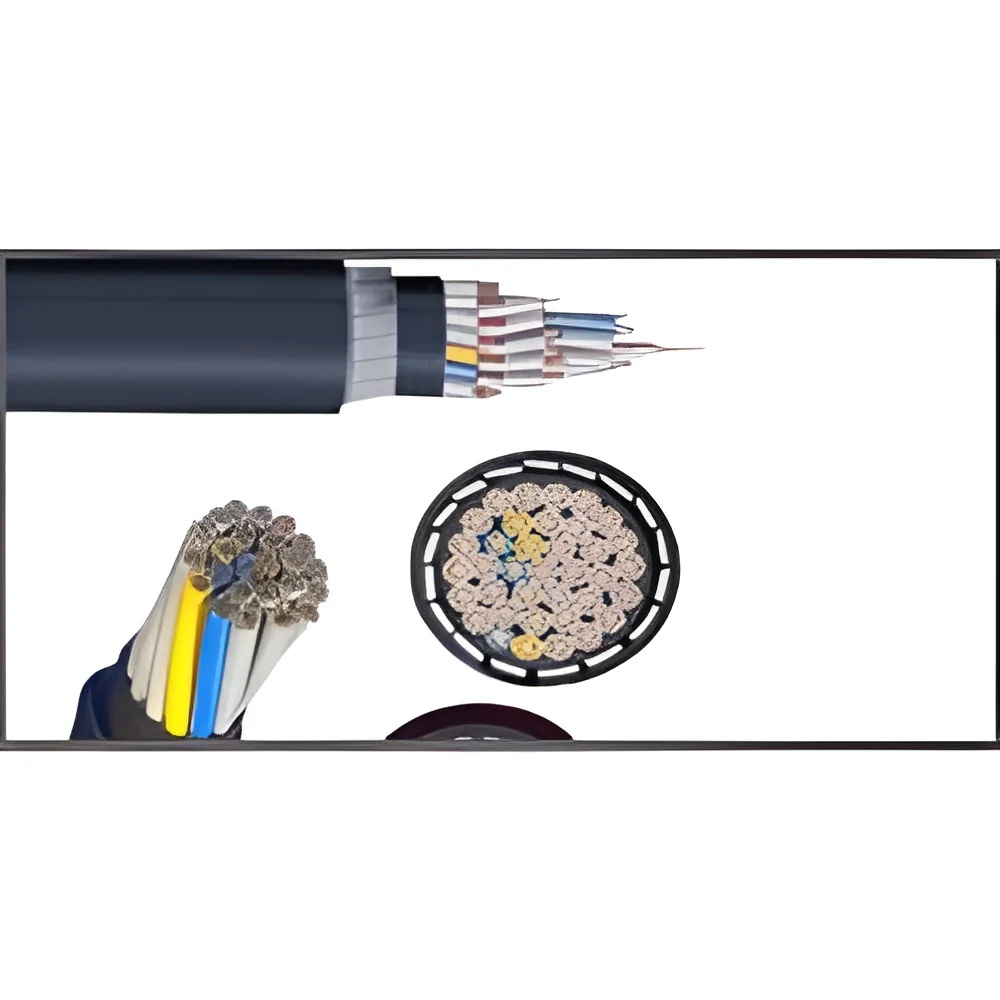
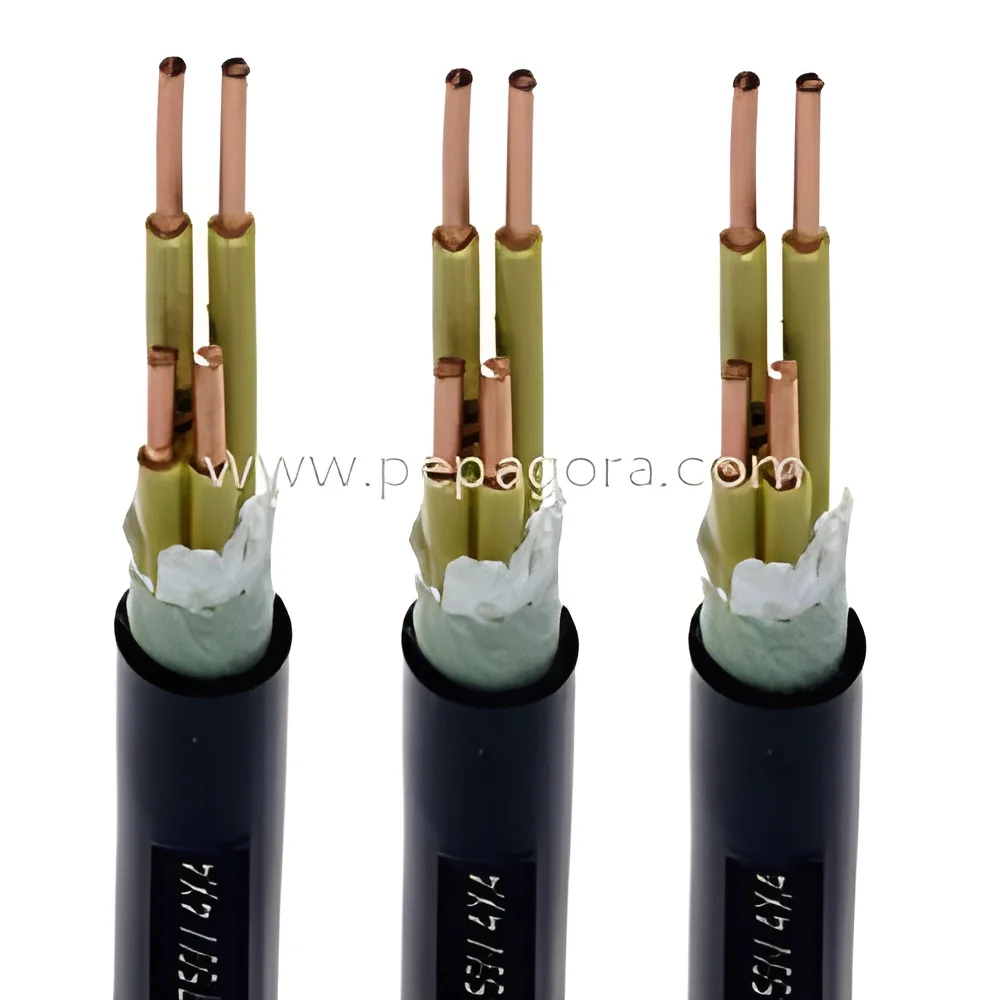
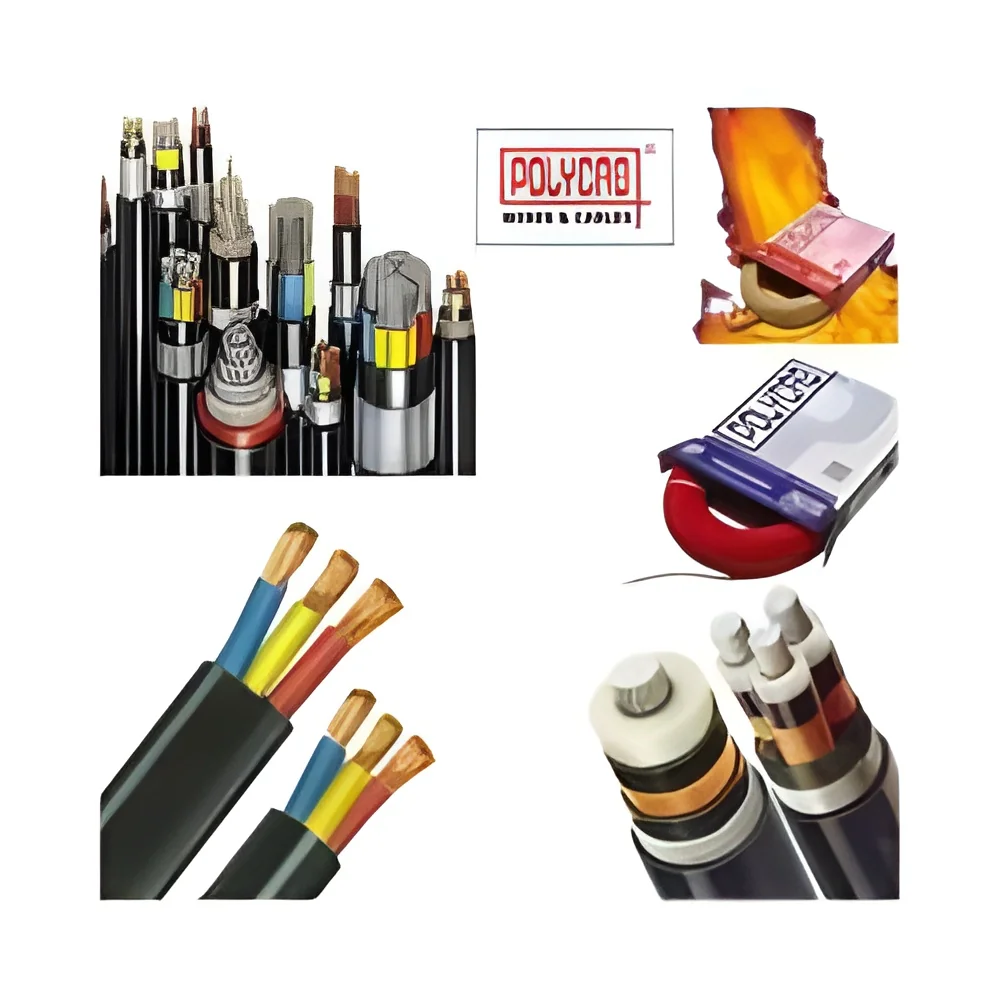
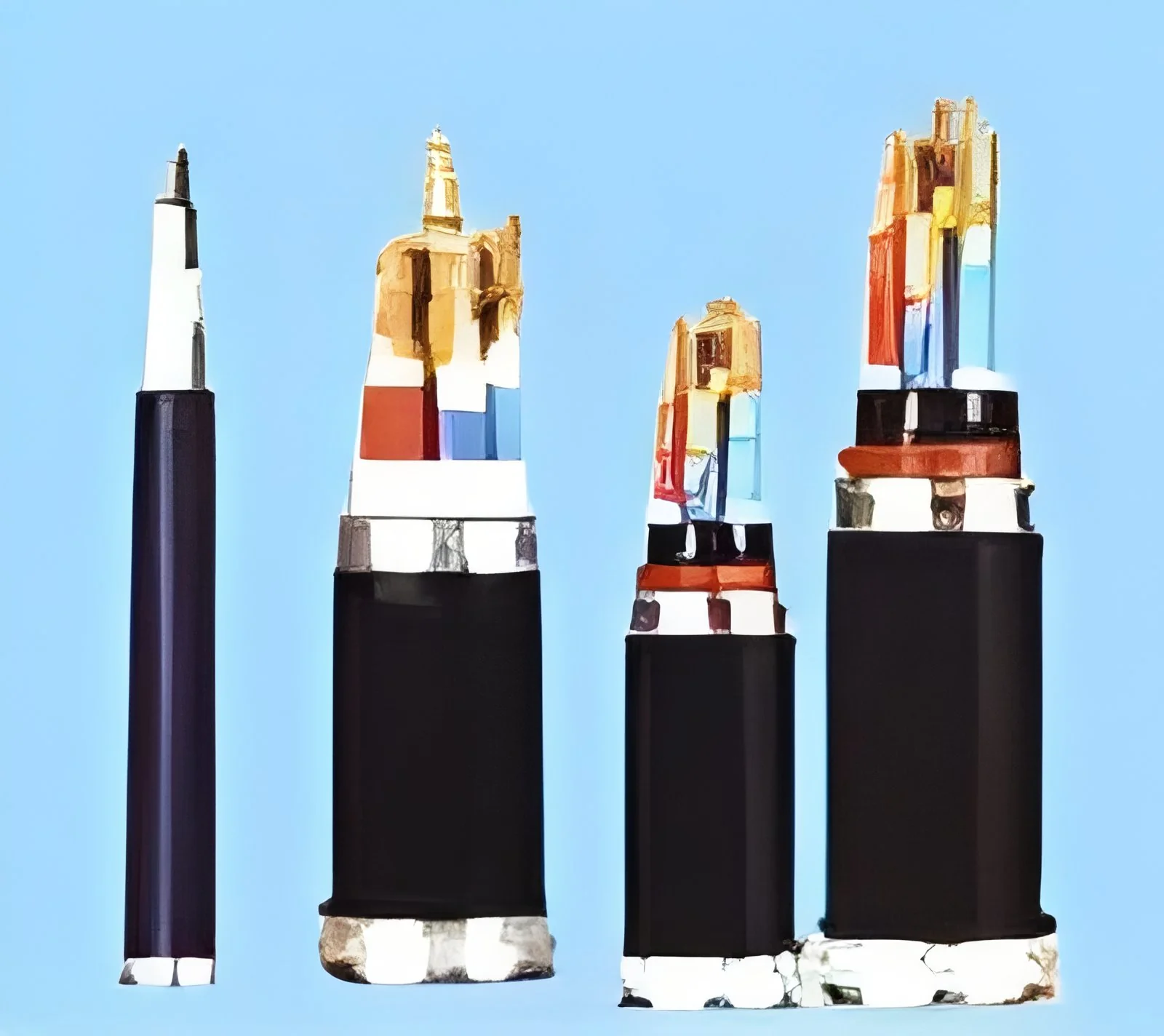
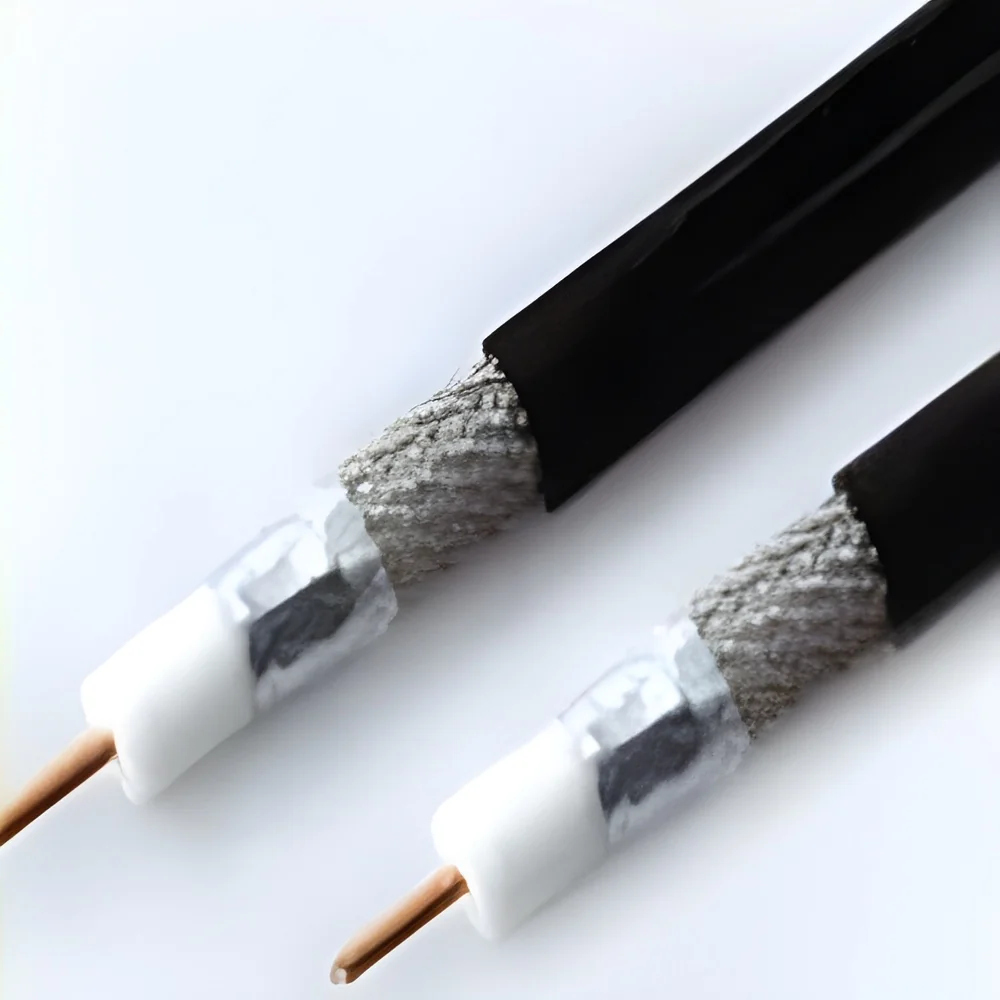
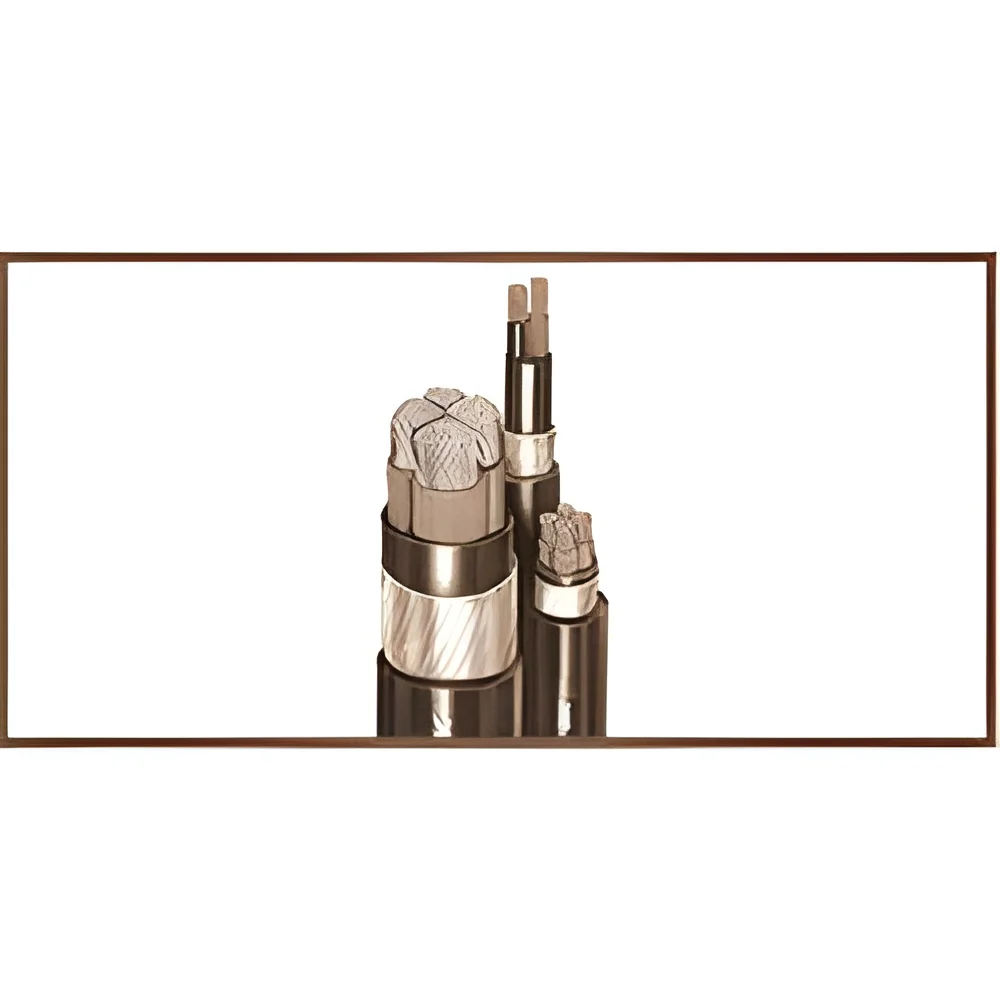
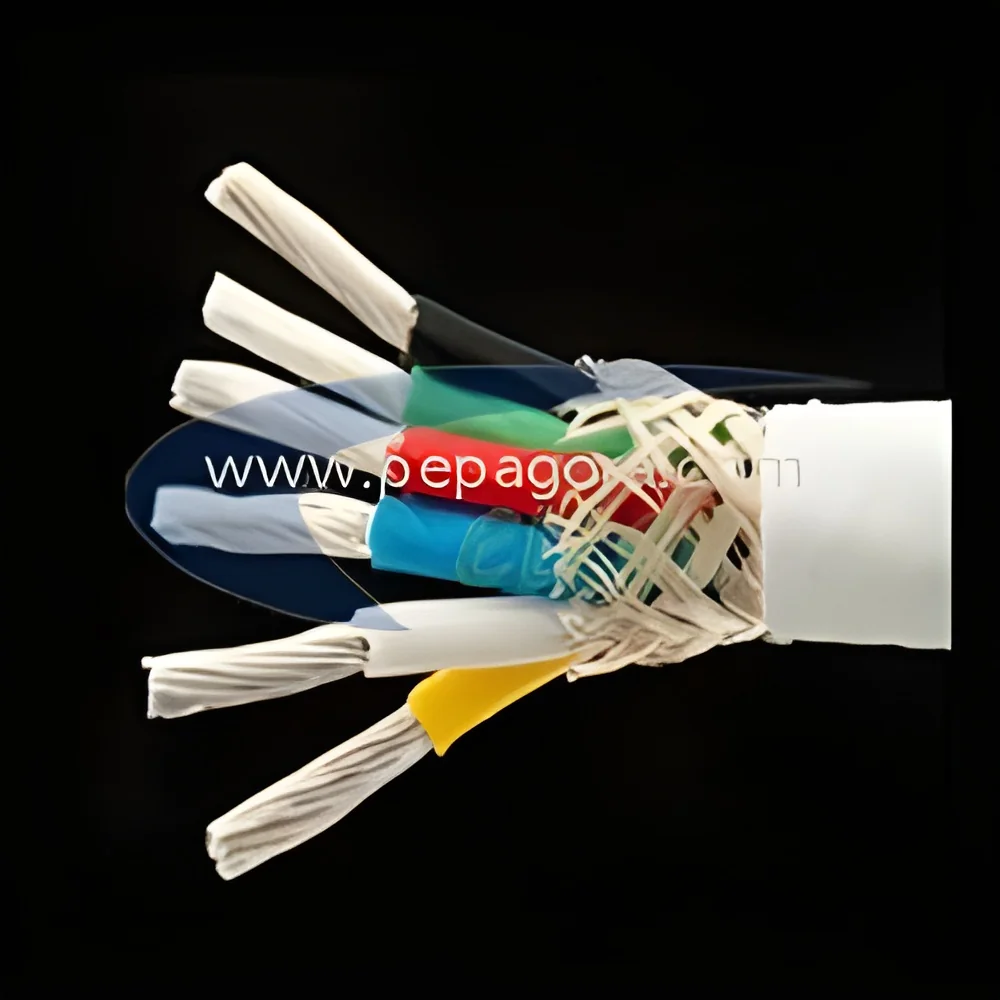
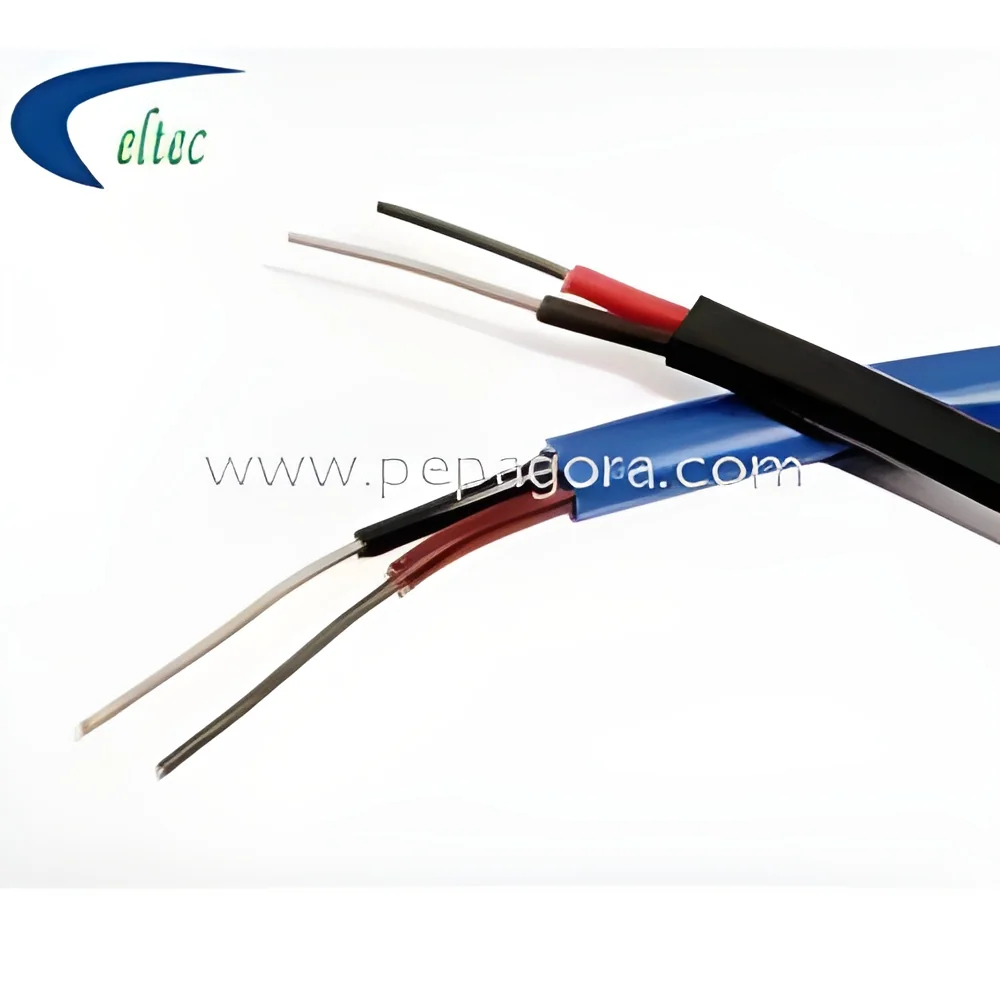
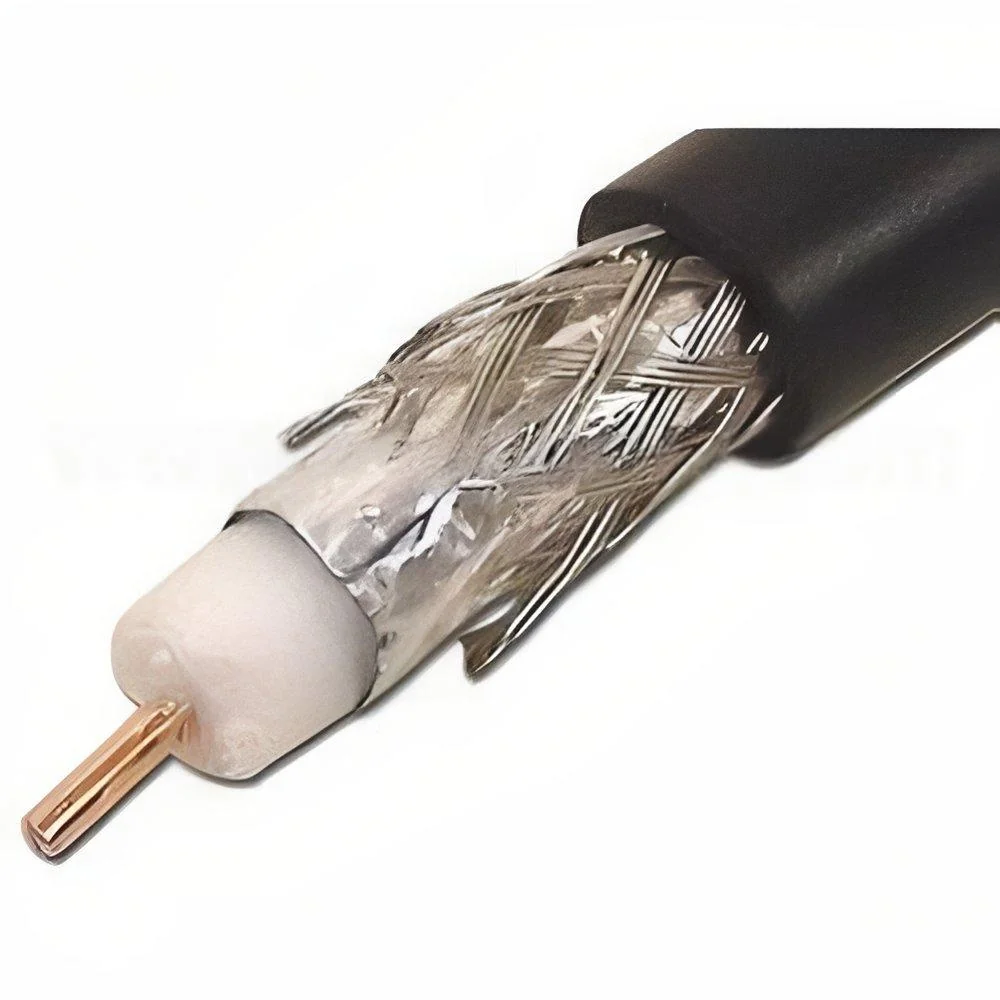
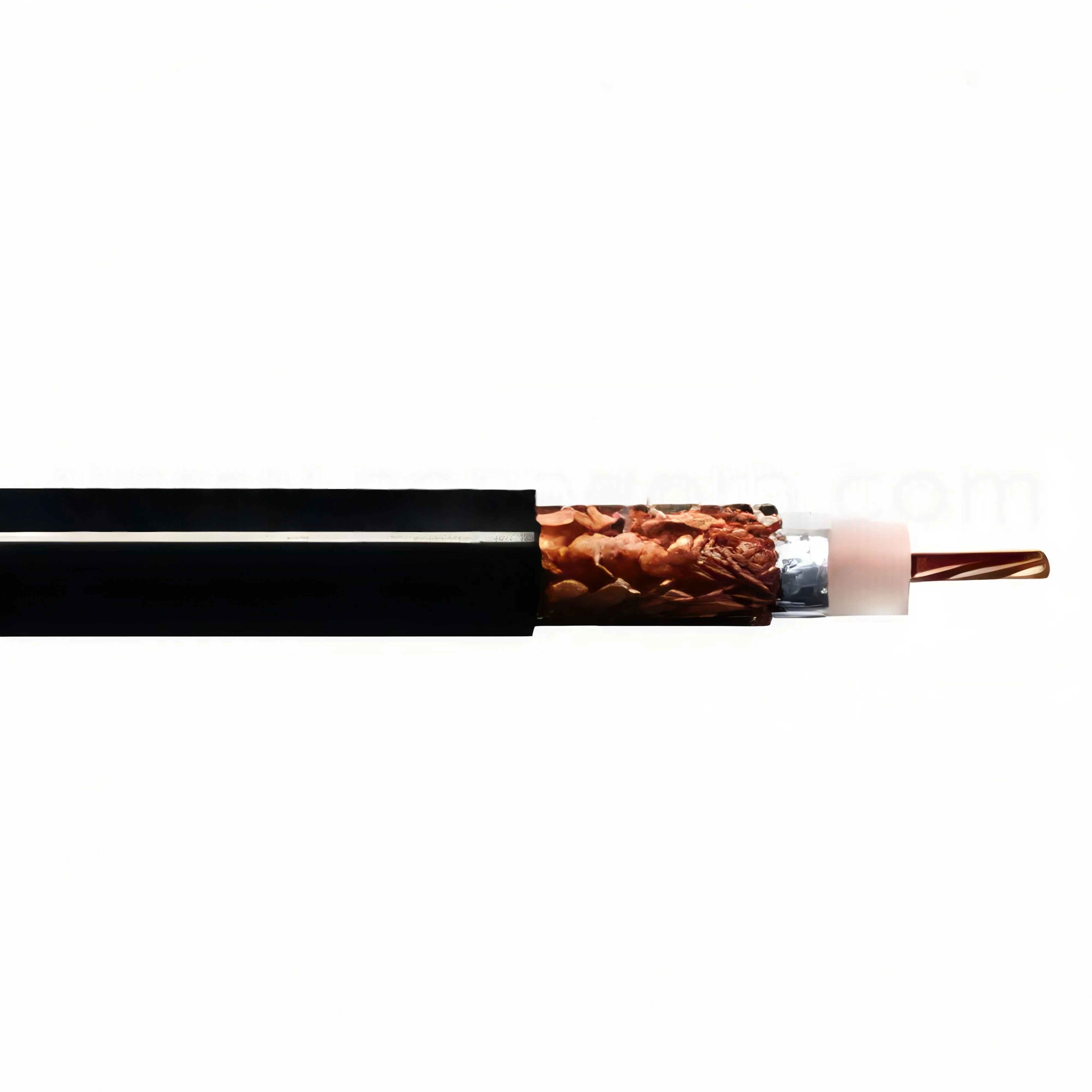
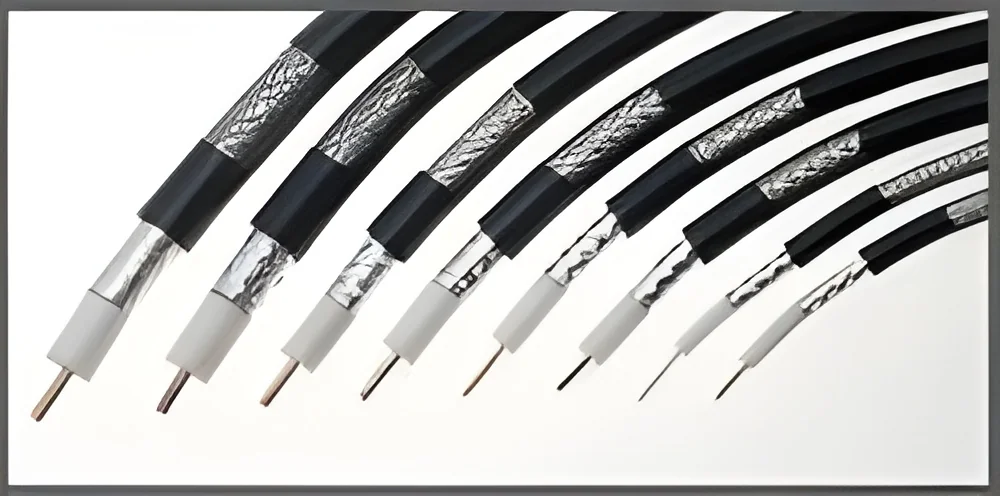
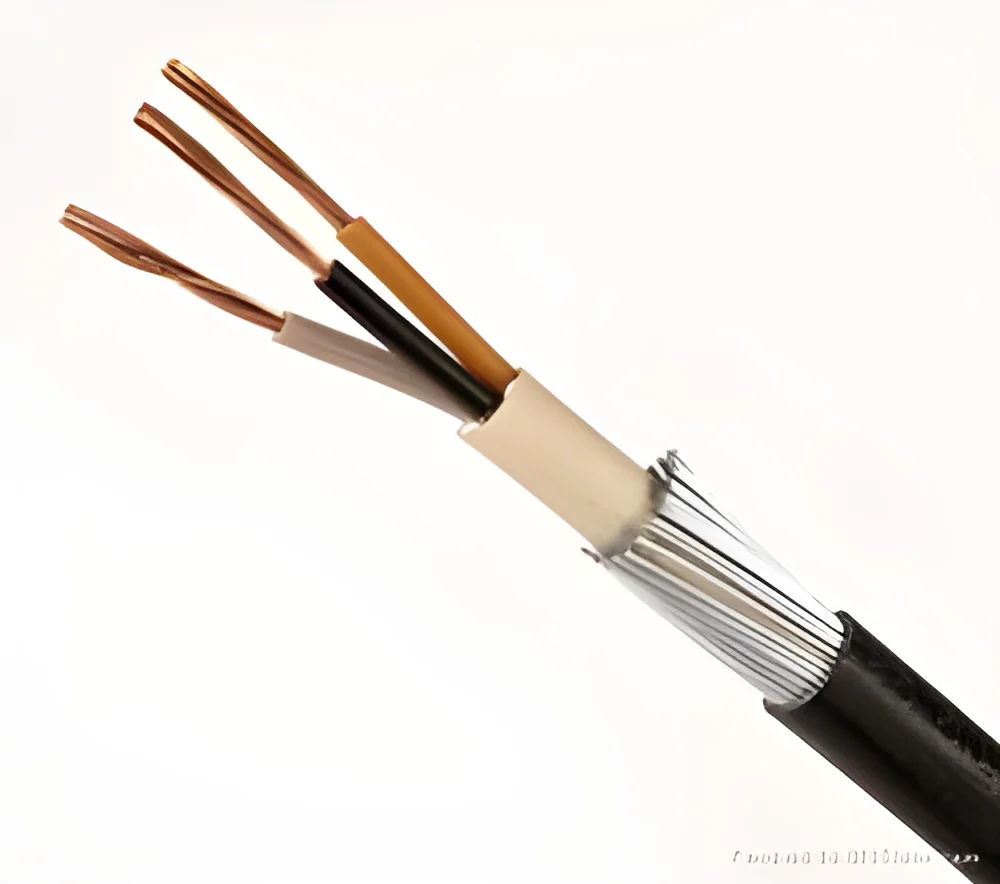
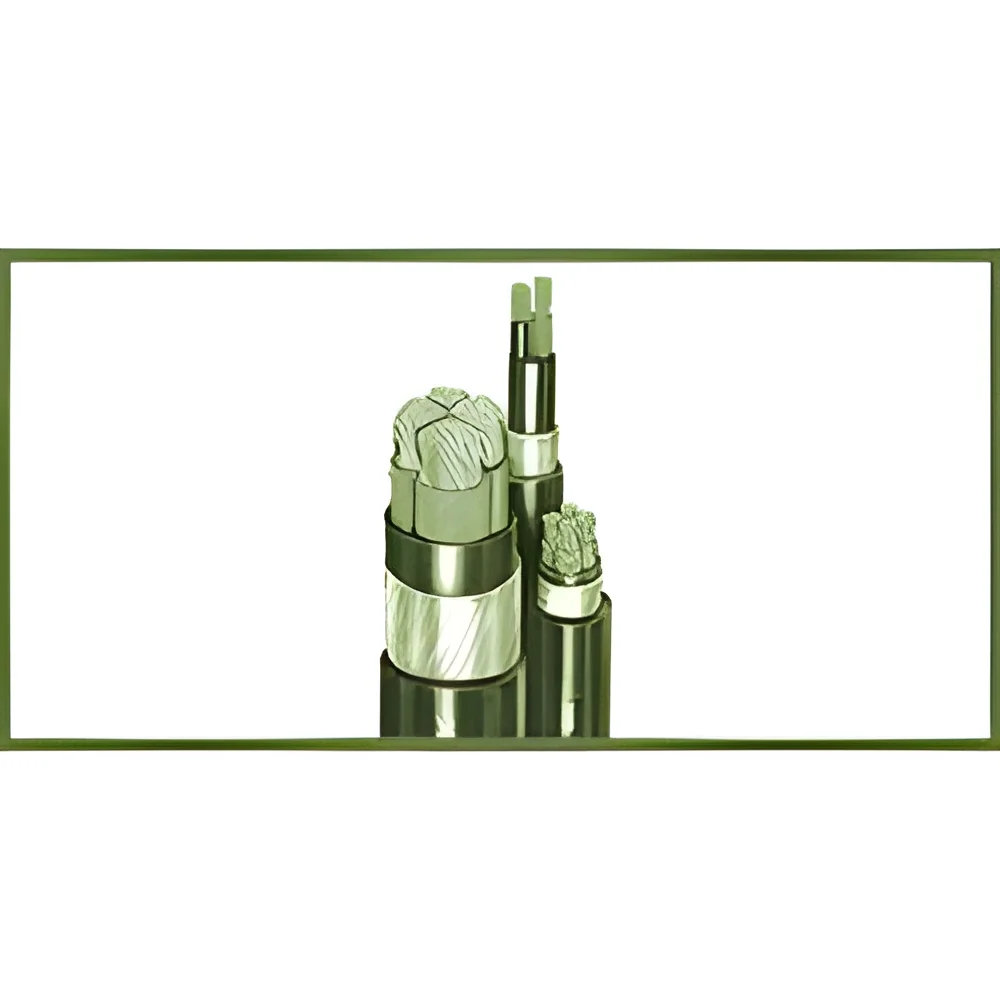
Power cables are essential electrical conductors used to transmit electrical energy from one point to another. They consist of conductors that carry the current, insulation that protects against electrical leakage, and sometimes additional layers for mechanical protection. Typically, power cables are designed to handle high voltages and currents, making them critical components in various electrical systems.
These cables are commonly used in a variety of business applications, including power generation, distribution, and industrial operations. They serve as the backbone for electrical networks, connecting power plants to substations and distribution points. Additionally, power cables are utilized in commercial buildings, manufacturing facilities, and infrastructure projects, highlighting their importance in maintaining a reliable power supply.
The market for power cables is vast and continues to grow due to increasing energy demands and advancements in technology. As industries evolve and expand, the need for efficient and reliable power transmission becomes ever more crucial. This relevance in various sectors, including construction, utilities, and manufacturing, positions power cables as a key component in modern electrical systems.
Key Features and Specifications
Power cables come with distinct features and specifications that determine their performance and suitability for specific applications. Understanding these specifications is crucial for selecting the right cable for your needs.
Key specifications include:
1. Voltage Rating
- Indicates the maximum voltage the cable can handle safely.
- Common ratings include 600V, 1kV, and up to 35kV.
2. Conductor Material
- Typically made of copper or aluminum, influencing conductivity and weight.
- Copper offers better conductivity, while aluminum is lighter and less expensive.
3. Insulation Type
- Determines the cable’s resistance to environmental factors.
- Common types include PVC, XLPE, and rubber.
4. Temperature Rating
- Specifies the maximum and minimum operating temperatures.
- Common ranges are from -20°C to 90°C.
5. Armor Type
- Provides mechanical protection from physical damage.
- Options include unarmored, steel wire armored, and aluminum wire armored.
6. Sheath Material
- Protects the cable from moisture and chemicals.
- Can be made from PVC, PE, or other materials.
7. Length Options
- Available in various lengths to accommodate different installation needs.
- Custom lengths may also be available upon request.
8. Compliance Standards
- Ensures the cable meets industry safety and performance standards.
- Common certifications include CE.
Understanding these features helps in making informed choices when selecting power cables for various applications.
Common Applications and Use Cases
Power cables are versatile and find applications across multiple industries, ensuring efficient energy transport.
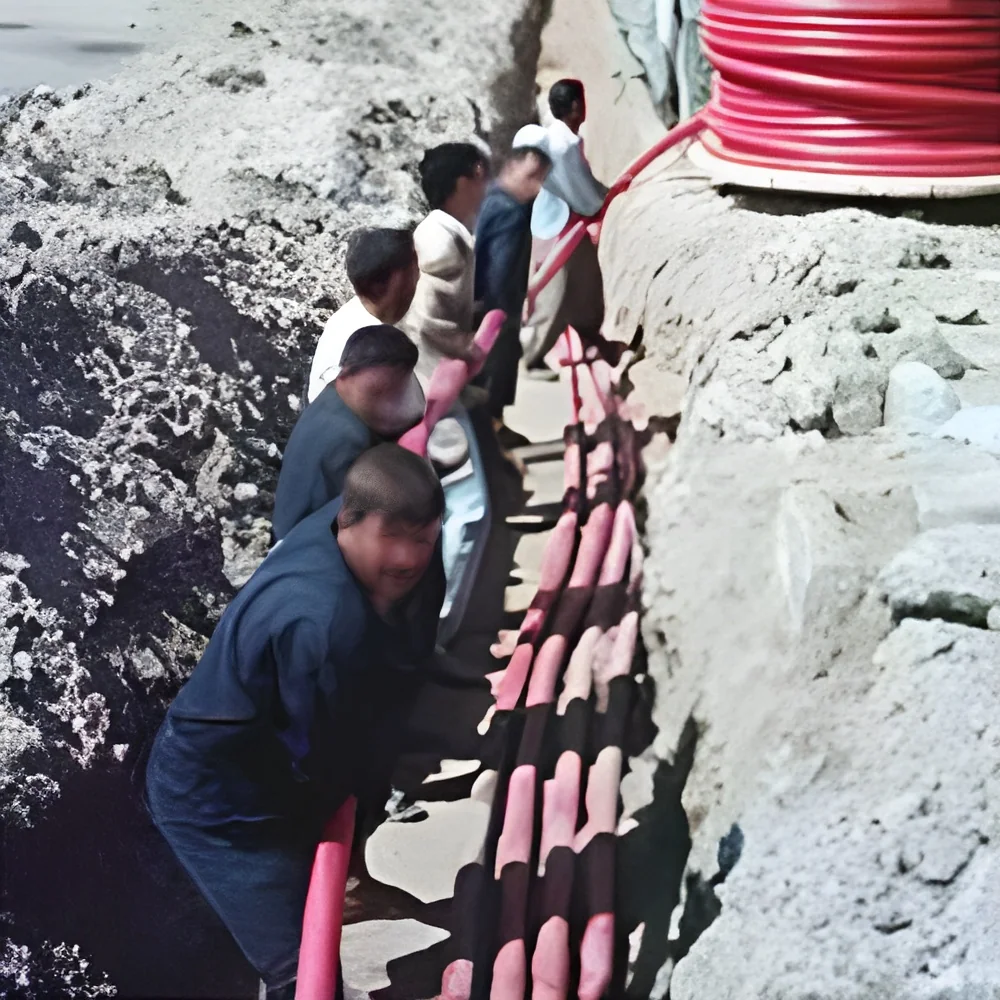
1. Energy Sector: Power cables are vital in electricity generation and distribution. They connect power plants to transmission grids, ensuring reliable energy supply.
2. Construction: In construction sites, power cables provide electricity for tools and machinery. They are essential for temporary power setups during building projects.
3. Manufacturing: Factories use power cables to connect machinery to power sources. This ensures efficient operations and minimizes downtime.
4. Transportation: Railways and public transit systems utilize power cables for electrification, supporting trains and trams with necessary power.
5. Telecommunications: Power cables support data centers and communication networks, ensuring that systems remain operational and efficient.
6. Mining: In mining operations, power cables are used to power equipment and support extraction processes, often in challenging environments.
7. Renewable Energy: Power cables play a crucial role in connecting solar panels and wind turbines to the grid, facilitating the transition to sustainable energy sources.
Product Variants and Subcategories
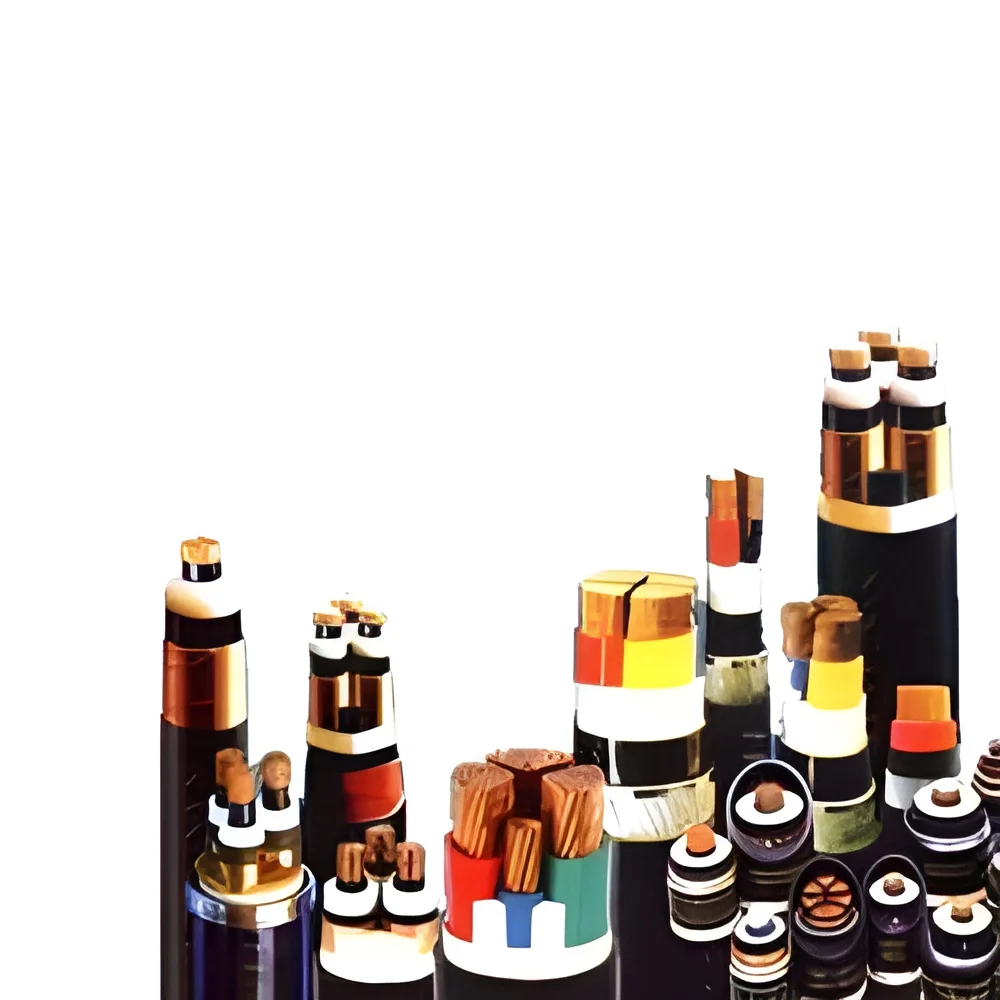
Power cables come in various forms, each tailored for specific applications and environments.
Low Voltage Power Cables
These cables are designed for applications below 1kV. They are commonly used in residential and commercial buildings for wiring and lighting.
Medium Voltage Power Cables
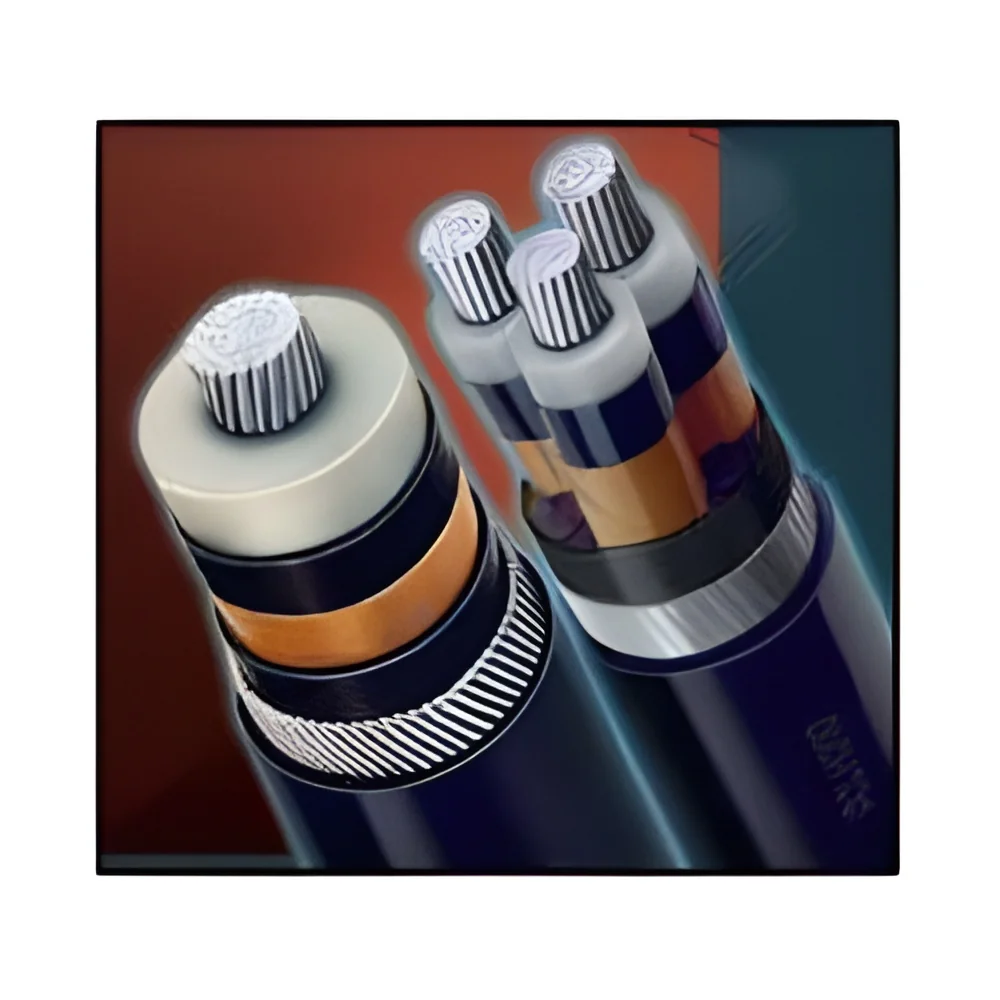
With voltage ratings between 1kV and 35kV, these cables are utilized in industrial plants and utility networks for efficient power distribution.
High Voltage Power Cables
Rated over 35kV, these cables are critical for long-distance transmission and are often used in substations and large-scale power generation facilities.
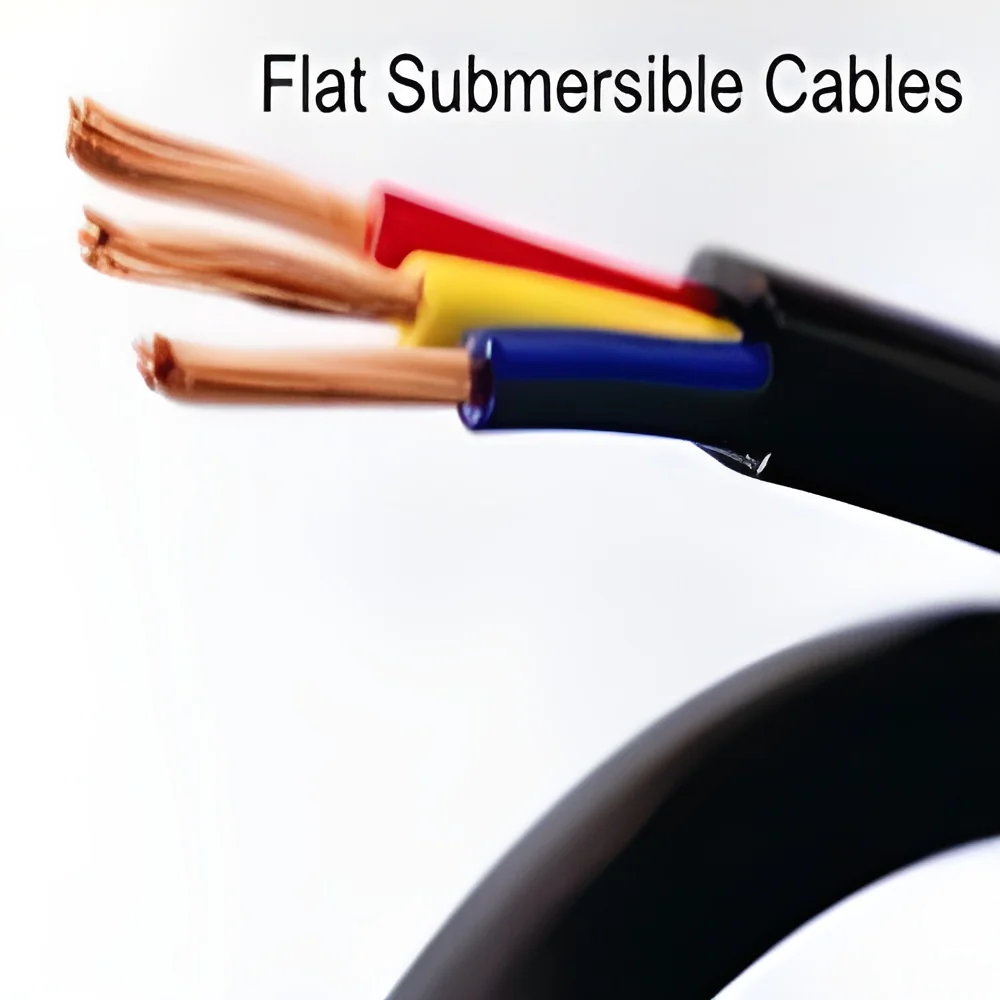
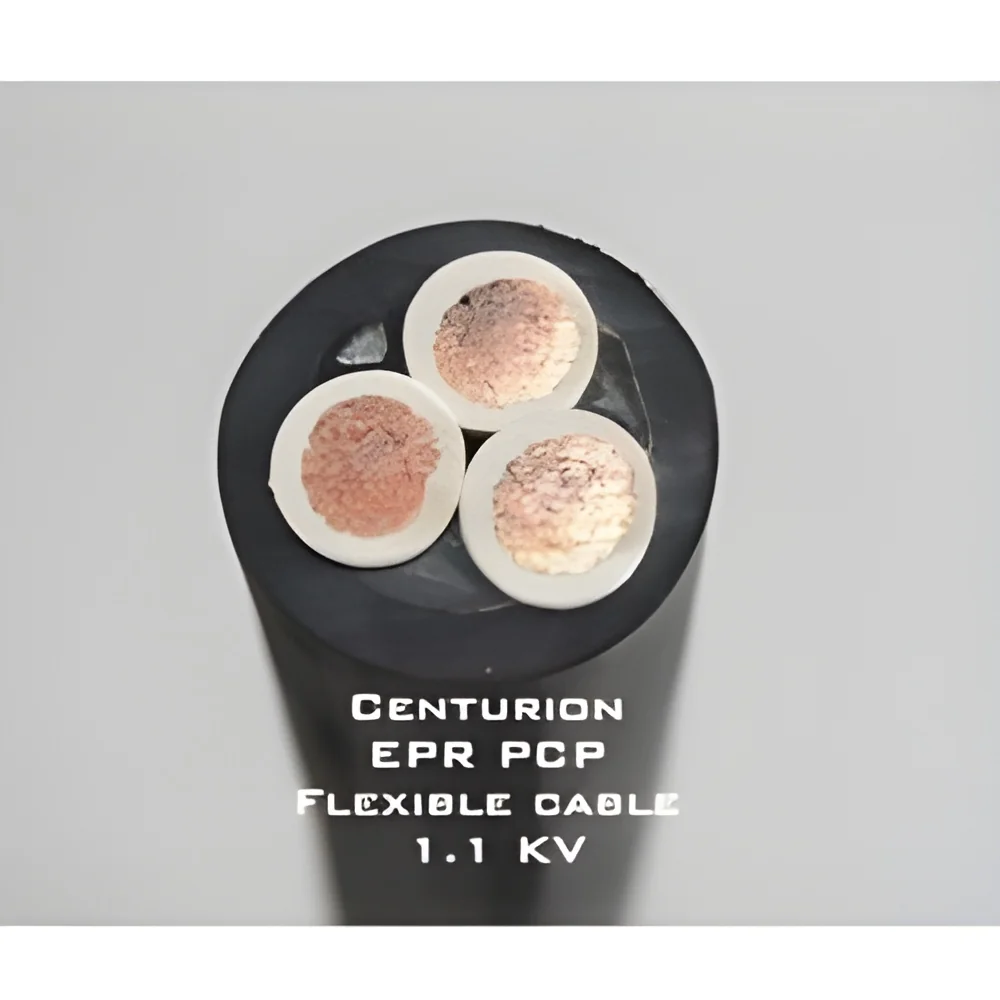
Flexible Power Cables
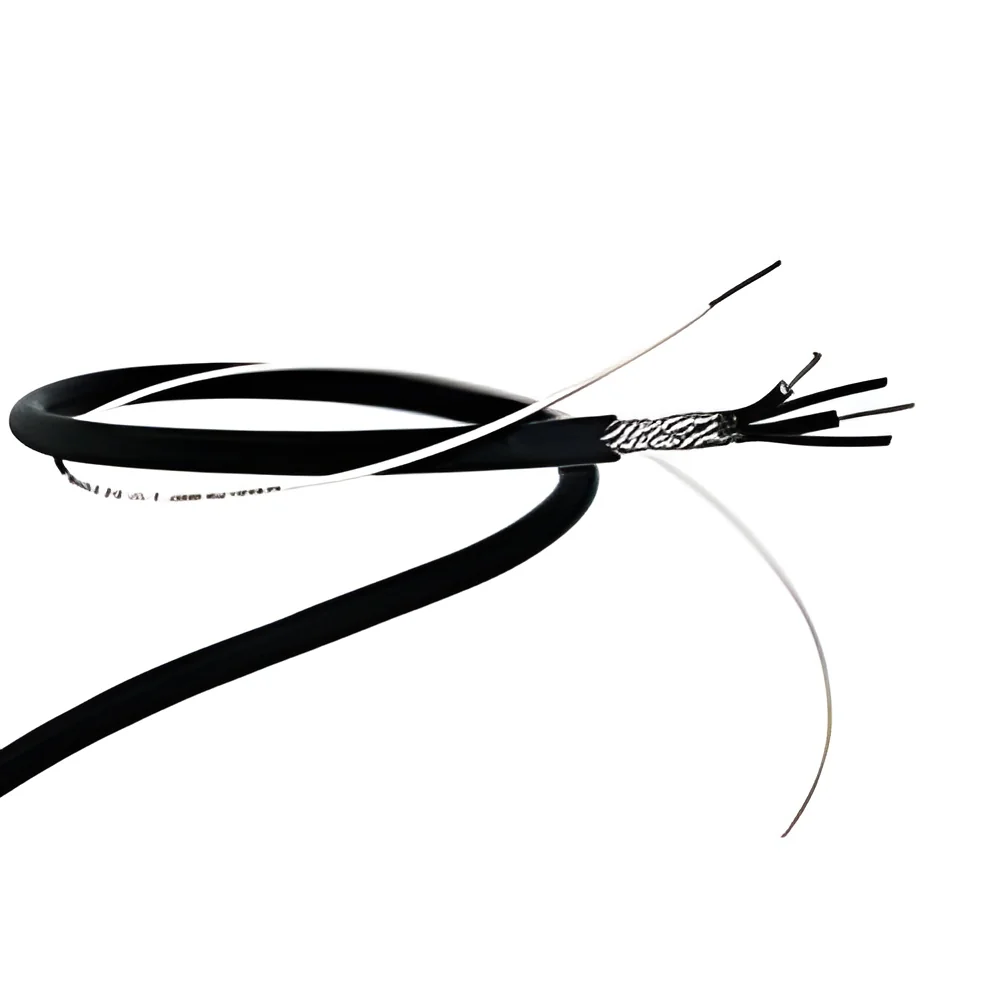
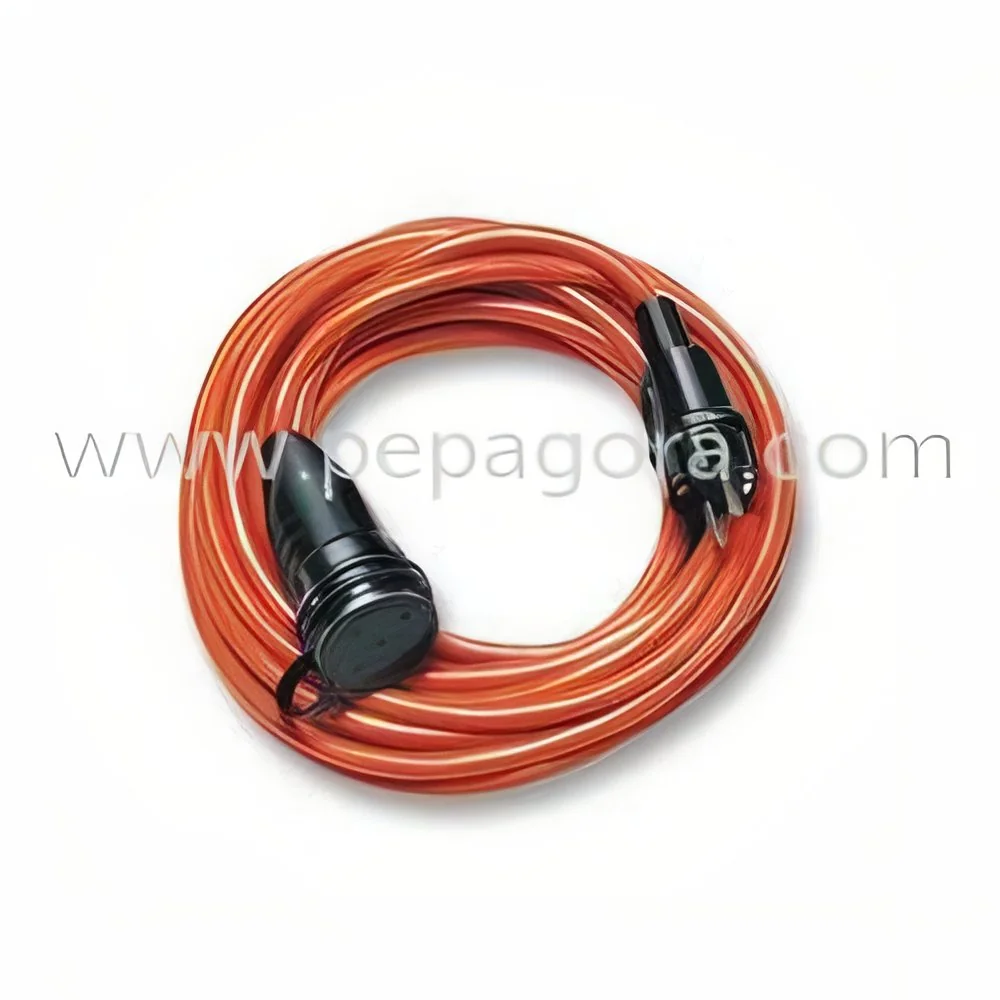
These cables are designed for mobility and ease of handling. They are ideal for applications requiring frequent movement or bending.
Benefits and Advantages
Choosing the right power cables offers several advantages that enhance operational efficiency and safety.
1. Reliability: Power cables provide a dependable means of electricity transmission, ensuring that operations run smoothly without interruptions.
2. Safety: Quality power cables are designed to meet safety standards, minimizing the risk of electrical hazards.
3. Efficiency: High-quality cables reduce energy loss during transmission, leading to lower operational costs.
4. Versatility: Power cables can be used in various applications across multiple industries, making them an adaptable solution for different needs.
5. Durability: With proper insulation and protective layers, power cables can withstand harsh conditions, extending their lifespan.
6. Compliance: Many power cables meet industry standards and certifications, ensuring they are suitable for regulatory needs.
Buying Guide for B2B Buyers
When sourcing power cables for business needs, several factors should be considered to ensure the right choice.
1. Quality Assessment: Evaluate the quality of the cables by reviewing certifications and standards they meet. Look for cables that have undergone rigorous testing for safety and performance.
2. Supplier Verification: Vet suppliers to ensure they are reliable and have a good reputation in the industry. Check reviews and seek recommendations from other businesses.
3. Pricing and MOQ: Understand the pricing structure and any minimum order quantities. Compare quotes from different suppliers to find cost-effective solutions.
4. Delivery and Lead Times: Assess the logistics involved in the delivery of power cables. Ensure the supplier can meet your timeline requirements for project completion.
5. Compliance Requirements: Be aware of relevant regulatory standards that apply to your industry. Ensure that the cables you source comply with these requirements to avoid legal issues.
Compliance and Certifications
Power cables must adhere to various quality standards and regulations to ensure safety and reliability. Compliance with ISO 9001 is often required, as this standard ensures that products meet customer and regulatory requirements.
Industry certifications such as CE indicate that the cables comply with EU safety, health, and environmental protection standards. These certifications are critical for market acceptance and assurance of product quality.
In addition to these standards, safety and testing requirements must be met. This includes assessments for temperature extremes, moisture resistance, and mechanical durability.
Regional compliance can also vary, necessitating awareness of local regulations when sourcing power cables for different geographic markets.
Why Source Power Cables from Pepagora?
Pepagora offers a comprehensive platform for sourcing power cables, providing several key advantages for B2B buyers.
Verified Supplier Network: Pepagora ensures that all suppliers in the network have been thoroughly vetted. This guarantees that buyers can trust the quality and reliability of the products they source.
Streamlined RFQ Process: The request for quotation (RFQ) system simplifies the procurement process. Buyers can easily submit their requirements and receive competitive quotes from multiple suppliers.
Trade Assurance and Support: Pepagora provides buyer protection through trade assurance services. This adds a layer of security for transactions, ensuring that buyers are protected against potential issues.
Regional Coverage: With a strong presence in India, GCC, and Southeast Asia, Pepagora facilitates access to a wide range of suppliers. This geographical reach allows businesses to find the right power cables suited to their specific operational needs.












Frequently Asked Questions
What are Power Cables?
Power cables are electrical cables used to transmit electrical power from one point to another. They are typically designed to carry high voltage and current loads, making them essential for various applications in residential, commercial, and industrial settings.
What are the different types of Power Cables?
There are several types of power cables, including low voltage cables, medium voltage cables, and high voltage cables. Additionally, power cables can be classified by their insulation type, such as PVC, XLPE, or rubber, and by their construction, such as single-core or multi-core cables.
How do I choose the right Power Cables?
Choosing the right power cables involves considering factors such as the voltage rating, current carrying capacity, insulation type, and installation environment. It is also important to comply with local regulations and standards to ensure safety and efficiency.
What are the standard specifications for Power Cables?
Standard specifications for power cables typically include factors such as conductor material (copper or aluminum), insulation type, voltage rating, temperature rating, and overall cable construction. These specifications ensure that the cables can perform reliably under specified conditions.
What is the price range for Power Cables?
The price range for power cables can vary significantly based on factors such as type, size, and manufacturer. Generally, prices can range from a few hundred to several thousand Indian Rupees per meter, depending on the specifications and quality.
What quality standards apply to Power Cables?
Power cables must adhere to various quality standards, including IS (Indian Standards) and IEC (International Electrotechnical Commission) standards. These standards ensure safety, performance, and reliability in electrical applications.
Where can I find Power Cables suppliers in India?
You can find power cables suppliers in India through online B2B marketplaces, trade shows, and industry directories. Websites like Pepagora.com offer a comprehensive list of manufacturers and suppliers for various types of power cables.
Can Power Cables be customized?
Yes, power cables can often be customized according to specific requirements, including length, conductor size, and insulation type. Many manufacturers offer customization options to meet the unique needs of their clients.
What is the typical minimum order quantity for Power Cables?
The typical minimum order quantity (MOQ) for power cables varies by manufacturer and product type. Generally, MOQs can range from a few meters to several hundred meters, depending on the specific requirements and production capabilities.
What is the typical lead time for Power Cables?
The typical lead time for power cables can vary based on factors such as order size and customization requirements. Generally, lead times can range from a few days to several weeks, depending on the manufacturer and availability of materials.
Why Businesses Trust Pepagora
Thousands of companies trust Pepagora to source smarter and sell faster
Expand Your Sales Globally

Source Smarter,Grow Faster
