
 IN
Pneumatic Crimping Tools
1 products available
What are Pneumatic Crimping Tools?
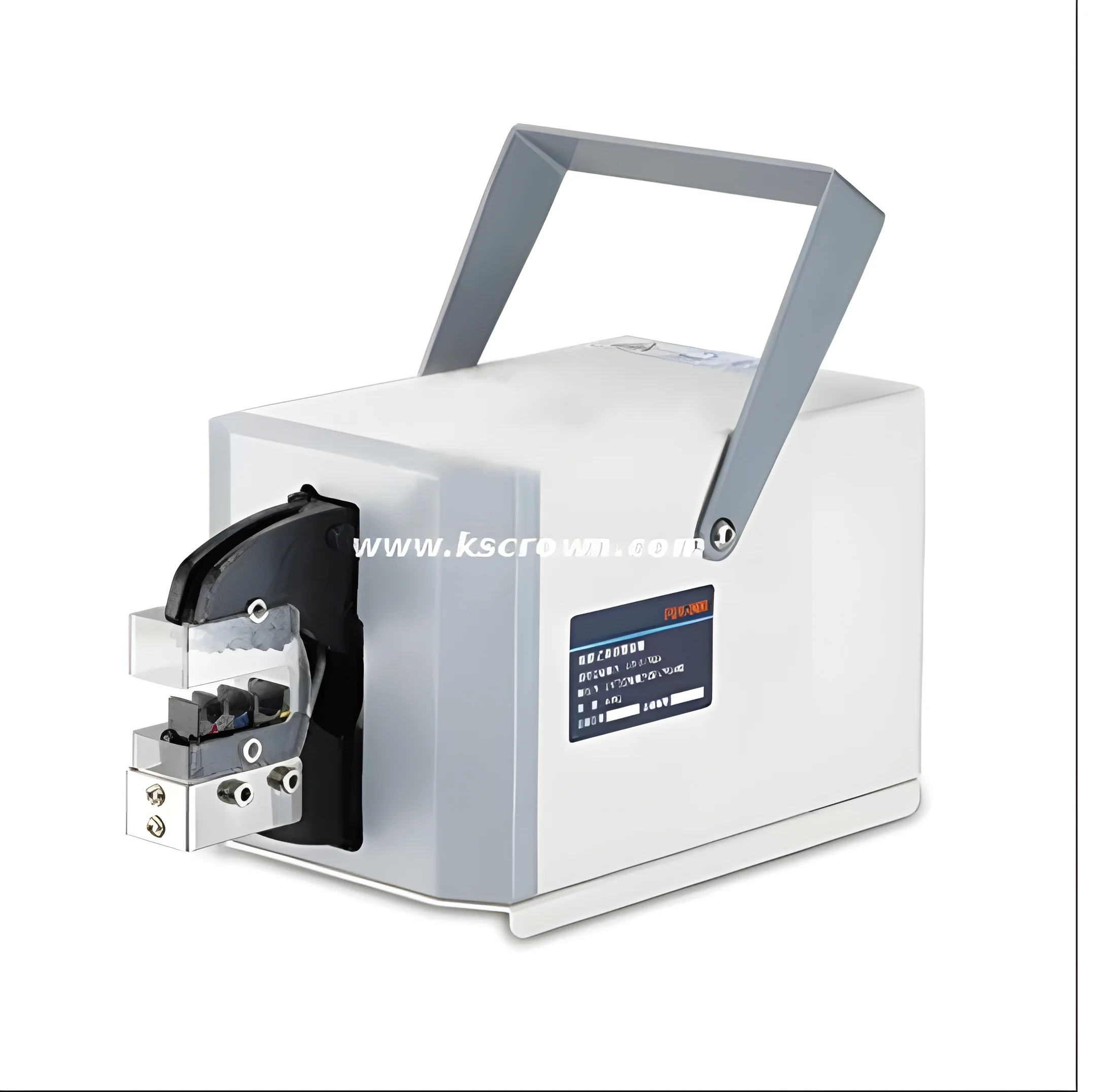
Pneumatic crimping tools are specialized devices used to create secure, permanent connections between electrical wires and terminals. These tools utilize compressed air to generate the necessary force for crimping, which involves deforming the metal of the terminal around the wire to establish an electrical connection. Pneumatic crimping tools are favored in industrial settings for their efficiency and ability to produce consistent results, making them essential in high-volume operations.
These tools are primarily used in various manufacturing and assembly applications where reliable electrical connections are crucial. Industries such as automotive, aerospace, and electronics heavily rely on pneumatic crimping tools to ensure that connections maintain integrity under operational stresses. The ability to produce high-quality crimped connections quickly enhances productivity and reduces the risk of electrical failures, making these tools highly relevant in today’s manufacturing landscape.
As industries continue to evolve and demand more reliable and efficient production processes, the market for pneumatic crimping tools is expected to grow. Companies are increasingly focusing on automation and efficiency, positioning pneumatic crimping tools as a key component in achieving these goals.
Key Features and Specifications
Pneumatic crimping tools come with a range of features that enhance their performance and usability. Understanding these specifications is crucial for selecting the right tool for specific applications.
Key specifications include:
1. Crimp Force
- The amount of force the tool can exert during the crimping process.
- Typically measured in pounds or Newtons.
2. Stroke Length
- The distance the crimping die moves during operation.
- A longer stroke can accommodate larger terminals.
3. Air Pressure Requirement
- The necessary air pressure for optimal operation.
- Commonly ranges from 60 to 100 psi.
4. Tool Weight
- The overall weight of the tool, affecting user comfort and handling.
- Usually between 2 to 5 kilograms.
5. Die Compatibility
- The types of dies that can be used with the tool.
- Various dies are available for different terminal sizes and types.
6. Cycle Time
- The time taken to complete one crimping cycle.
- Generally, ranges from 0.5 to 2 seconds.
7. Operating Temperature Range
- The permissible temperature range for tool operation.
- Data not available.
8. Safety Features
- Built-in mechanisms to prevent accidental operation.
- May include safety locks or pressure relief valves.
These features are essential for ensuring the performance and reliability of pneumatic crimping tools in demanding applications.
Common Applications and Use Cases
Pneumatic crimping tools serve various industries and applications where reliable electrical connections are needed.
1. Automotive: These tools are widely used in automotive manufacturing for crimping wire harnesses and connectors, ensuring connection integrity in vehicles.
2. Aerospace: In the aerospace industry, pneumatic crimping tools are utilized for assembling electrical systems in aircraft, where safety and reliability are paramount.
3. Electronics: Manufacturers of electronic devices use these tools for crimping connections on circuit boards and components, ensuring high-quality electrical performance.
4. Telecommunications: In telecommunications, pneumatic crimping tools are essential for crimping connectors used in cables and wiring systems, facilitating efficient communication networks.
5. Industrial Automation: These tools are used in automated production lines for quick and reliable crimping of wires, enhancing productivity and reducing downtime.
6. Renewable Energy: In the renewable energy sector, particularly solar and wind, pneumatic crimping tools are used to connect electrical components, ensuring efficient energy transfer.
7. Home Appliances: Manufacturers of home appliances use pneumatic crimping tools for wiring connections within devices, ensuring safety and functionality.
Product Variants and Subcategories
Pneumatic crimping tools come in various designs and configurations to meet the needs of different industries and applications.
Standard Pneumatic Crimping Tool
This basic variant offers a reliable crimping solution for a wide range of terminal sizes. It is ideal for general use in various manufacturing settings and provides efficient performance with minimal maintenance.
Heavy-Duty Pneumatic Crimping Tool
Designed for tougher applications, this variant features enhanced crimping force and durability. It is suitable for industries such as automotive and aerospace where robustness is required.
Compact Pneumatic Crimping Tool
This variant is lightweight and designed for use in tight spaces. It is ideal for applications requiring precision and maneuverability, such as in electronics manufacturing.
Battery-Powered Pneumatic Crimping Tool
While primarily pneumatic, this tool offers the flexibility of battery power for more versatile use. It is particularly effective in field applications where access to compressed air may be limited.
Benefits and Advantages
Pneumatic crimping tools offer several advantages that make them a preferred choice in industrial applications.
1. High Efficiency: These tools provide rapid crimping cycles, significantly enhancing productivity in high-volume operations.
2. Consistent Quality: Pneumatic crimping tools ensure uniform crimping quality, reducing the risk of faulty connections and enhancing reliability.
3. Reduced Operator Fatigue: The use of compressed air minimizes the physical effort required by operators, leading to less fatigue during prolonged use.
4. Versatility: With various die options, pneumatic crimping tools can be adapted for different terminal sizes and types, making them suitable for diverse applications.
5. Safety Features: Many pneumatic crimping tools incorporate safety mechanisms, reducing the risk of accidents during operation.
6. Long Lifespan: Constructed with durable materials, these tools are designed for long-term use, offering a good return on investment.
Buying Guide for B2B Buyers
When sourcing pneumatic crimping tools, it is crucial to consider several important factors to ensure you make an informed decision.
1. Quality Assessment: Evaluate the build quality and materials used in the tool. Look for reputable manufacturers that adhere to industry standards.
2. Supplier Verification: Vet suppliers to ensure they have a proven track record of reliability and customer satisfaction. Consider their certifications and industry reputation.
3. Pricing and MOQ: Understand the price range of pneumatic crimping tools and inquire about minimum order quantities. Compare quotes from different suppliers for the best value.
4. Delivery and Lead Times: Assess the logistics of delivery, including lead times. Ensure that suppliers can meet your production schedules to avoid delays.
5. Compliance Requirements: Be aware of any regulatory compliance requirements specific to your industry. Ensure the tools meet necessary safety and quality standards.
Compliance and Certifications
Pneumatic crimping tools must adhere to various quality standards and certifications to ensure safety and reliability in industrial applications.
ISO 9001 is a widely recognized standard that outlines quality management requirements. Tools that meet this standard ensure consistent quality in design and manufacturing.
CE certification indicates that products comply with European health, safety, and environmental protection standards. This certification is crucial for tools sold in the European market.
Safety and testing requirements are also critical. Pneumatic crimping tools should undergo rigorous testing to meet industry-specific safety standards.
Regional compliance considerations may vary, so it is essential to understand local regulations and ensure that the tools conform to them.
Why Source Pneumatic Crimping Tools from Pepagora?
Pepagora provides an excellent platform for sourcing pneumatic crimping tools, offering several key advantages that cater to B2B buyers.
Verified Supplier Network: Pepagora connects buyers with a network of verified suppliers, ensuring reliability and quality in sourcing. This network helps buyers find trusted partners in the industry.
Streamlined RFQ Process: The platform offers a simplified request for quotation process, allowing buyers to easily compare prices and specifications from multiple suppliers. This efficiency saves time and enhances decision-making.
Trade Assurance and Support: Buyers enjoy trade assurance, which provides protection during transactions. Pepagora's support team is available to assist with any queries or issues that may arise.
Regional Coverage: With a focus on regions like India, the GCC, and Southeast Asia, Pepagora ensures that buyers have access to a wide range of pneumatic crimping tools suited to various industrial needs. The platform's geographic reach facilitates effective sourcing across markets.


Frequently Asked Questions
What are Pneumatic Crimping Tools?
Pneumatic Crimping Tools are specialized devices that use compressed air to join two pieces of metal or other materials together through a crimping process. These tools are commonly used in industries for tasks such as wire connection and terminal attachment, providing a reliable and efficient method of creating strong joints.
What are the different types of Pneumatic Crimping Tools?
There are several types of Pneumatic Crimping Tools, including handheld crimpers, bench-mounted crimpers, and automatic crimping machines. Each type serves specific applications, with handheld versions being suitable for portable use, while bench-mounted and automatic models are ideal for high-volume production.
How do I choose the right Pneumatic Crimping Tools?
To choose the right Pneumatic Crimping Tools, consider the specific application, material type, and size of the connectors you will be using. Additionally, evaluate the tool's crimping force, compatibility with different wire gauges, and ease of use to ensure it meets your operational requirements.
What are the standard specifications for Pneumatic Crimping Tools?
Standard specifications for Pneumatic Crimping Tools typically include crimping force, operating pressure, and stroke length. It's also important to look at the tool's weight, dimensions, and compatibility with various connector types to ensure optimal performance.
What is the price range for Pneumatic Crimping Tools?
The price range for Pneumatic Crimping Tools can vary significantly based on factors such as brand, features, and specifications. Generally, prices can range from a few thousand to several tens of thousands of Indian Rupees, depending on the complexity and quality of the tool.
What quality standards apply to Pneumatic Crimping Tools?
Pneumatic Crimping Tools are subject to various quality standards, including ISO certifications and industry-specific standards. Compliance with these standards ensures the tools meet safety, reliability, and performance criteria that are critical for industrial applications.
Where can I find Pneumatic Crimping Tools suppliers in India?
You can find Pneumatic Crimping Tools suppliers in India through online B2B marketplaces, industry trade shows, and local distributors. Websites like Pepagora.com offer a directory of manufacturers and suppliers, making it easier to compare products and prices.
Can Pneumatic Crimping Tools be customized?
Yes, many manufacturers offer customization options for Pneumatic Crimping Tools to cater to specific applications and requirements. Customization may include adjustments to crimping force, connector compatibility, and additional features tailored to the user's needs.
What is the typical minimum order quantity for Pneumatic Crimping Tools?
The typical minimum order quantity (MOQ) for Pneumatic Crimping Tools can vary by supplier and product type. Generally, MOQs can range from 1 to 100 units, depending on the manufacturer's policies and the complexity of the tool.
What is the typical lead time for Pneumatic Crimping Tools?
The typical lead time for Pneumatic Crimping Tools can range from a few days to several weeks, depending on factors such as availability, customization, and order volume. It's advisable to check with the supplier for specific lead times based on your order.
Why Businesses Trust Pepagora
Thousands of companies trust Pepagora to source smarter and sell faster
Expand Your Sales Globally

Source Smarter,Grow Faster
