
 IN
Overbed Tables
3 products available
What are Overbed Tables?
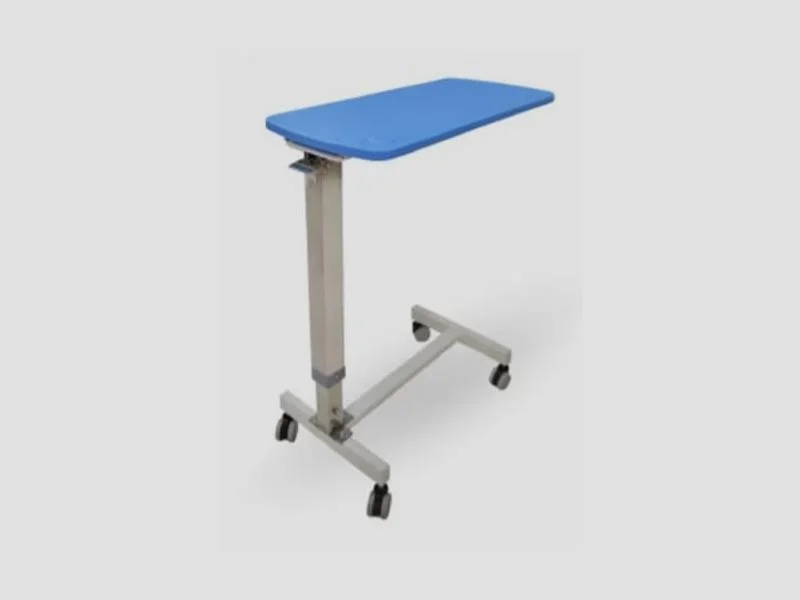
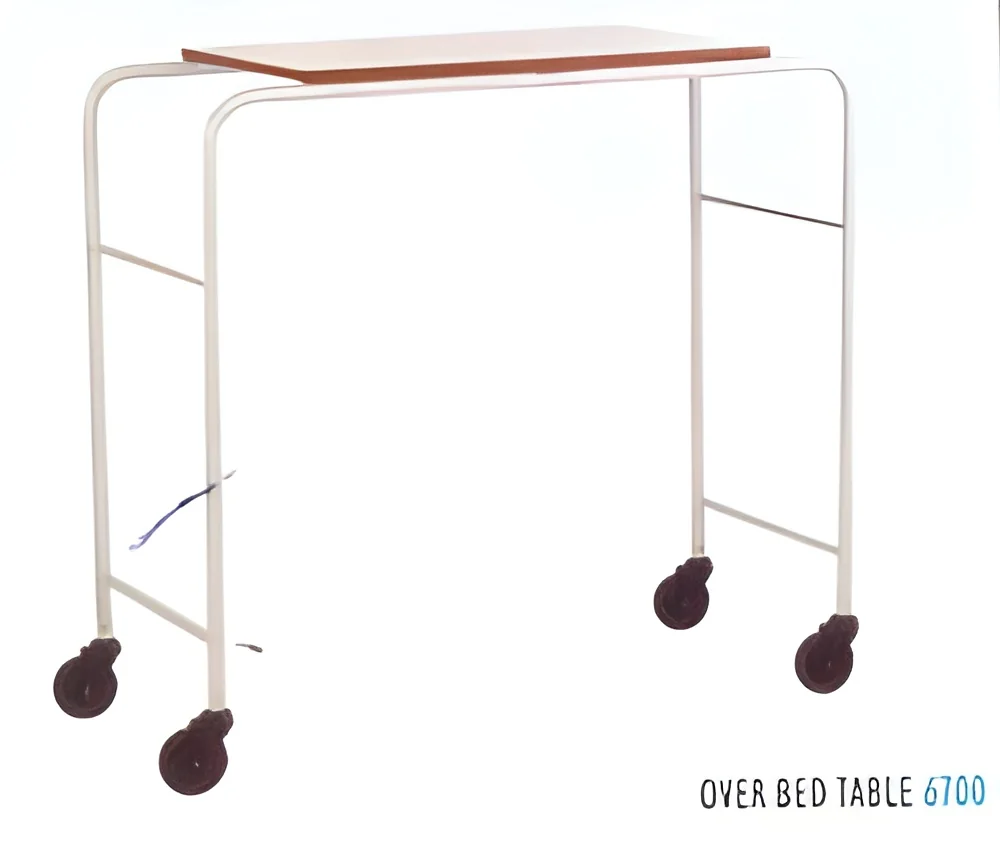
Overbed tables are versatile furniture pieces designed to provide a surface for various activities while sitting or lying in bed. These tables typically feature adjustable heights and tilting surfaces that can accommodate different user needs. They are often equipped with wheels for easy mobility, allowing them to be positioned conveniently wherever required.
These tables are primarily used in healthcare settings, such as hospitals and nursing facilities, where patients may require a stable surface for eating, writing, or using electronic devices while confined to bed. In addition to healthcare, overbed tables are also utilized in home care settings, rehabilitation centers, and even in residential homes for convenience and accessibility. The growing focus on patient comfort and care in the healthcare industry has increased the relevance of overbed tables in both institutional and personal settings.
As the demand for patient-centered care rises, the market for overbed tables continues to expand. Manufacturers are innovating designs to cater to diverse user needs while maintaining safety and functionality. This evolution reflects the broader trends in the healthcare and furniture industries, with an emphasis on adaptable and user-friendly products.
Key Features and Specifications
Overbed tables come with a variety of features that enhance usability and functionality. When selecting an overbed table, it is important to consider key specifications that ensure the product meets the required standards for safety and performance.
Key specifications include:
1. Height Adjustment
- The table should have adjustable height settings to accommodate different bed heights and user preferences.
- Typical height range: 28 inches to 45 inches.
2. Tabletop Size
- The size of the tabletop should be sufficient to hold necessary items such as meals, books, or medical devices.
- Common dimensions: 30 inches by 15 inches.
3. Weight Capacity
- The table must support a specific weight limit to ensure stability and safety.
- Typical weight capacity: 50 to 100 pounds.
4. Material Composition
- Tables are usually made from durable materials such as steel frames and laminated tabletops for easy cleaning.
- Common materials: Steel, laminate, and plastic.
5. Mobility Features
- Many tables include wheels for easy movement, with locking mechanisms to ensure stability when in use.
- Wheel specifications: 2-inch to 5-inch diameter wheels.
6. Tilting Mechanism
- Certain models offer a tilting surface to enhance comfort for activities such as reading or using a laptop.
- Tilt angle: Up to 30 degrees.
7. Folding Capability
- Some overbed tables can fold for easy storage when not in use.
- Folding design: Compact and lightweight.
8. Finish Options
- Available in various finishes to match room decor and personal preferences.
- Common finishes: Wood grain, solid colors, and metallic.
In summary, understanding these features and specifications can help buyers select the right overbed table that meets their specific needs.
Common Applications and Use Cases
Overbed tables find applications across a variety of industries, enhancing convenience for users in diverse settings.
1. Healthcare: In hospitals and nursing homes, overbed tables are essential for patient meals, medication administration, and bedside entertainment.
2. Home Care: Caregivers use overbed tables to assist patients with daily activities at home, providing a stable surface for meals and personal tasks.
3. Rehabilitation Centers: Patients undergoing physical therapy benefit from overbed tables that support exercises or activities while in bed.
4. Hospitality: Hotels may provide overbed tables in guest rooms for added convenience, allowing guests to enjoy meals or work from bed.
5. Residential Use: Many individuals use overbed tables for hobbies, reading, or working on laptops while relaxing in bed.
6. Educational Settings: In home-schooling environments, overbed tables can serve as portable desks for students who prefer working from bed.
7. Elderly Care: Families caring for elderly relatives can utilize these tables to ensure comfort and accessibility for daily activities.
Product Variants and Subcategories
Overbed tables come in various designs and configurations to meet specific user requirements.
Adjustable Overbed Tables
These tables feature height adjustment mechanisms, allowing users to customize the table's height for optimal comfort. They are ideal for both healthcare facilities and home use.
Portable Overbed Tables
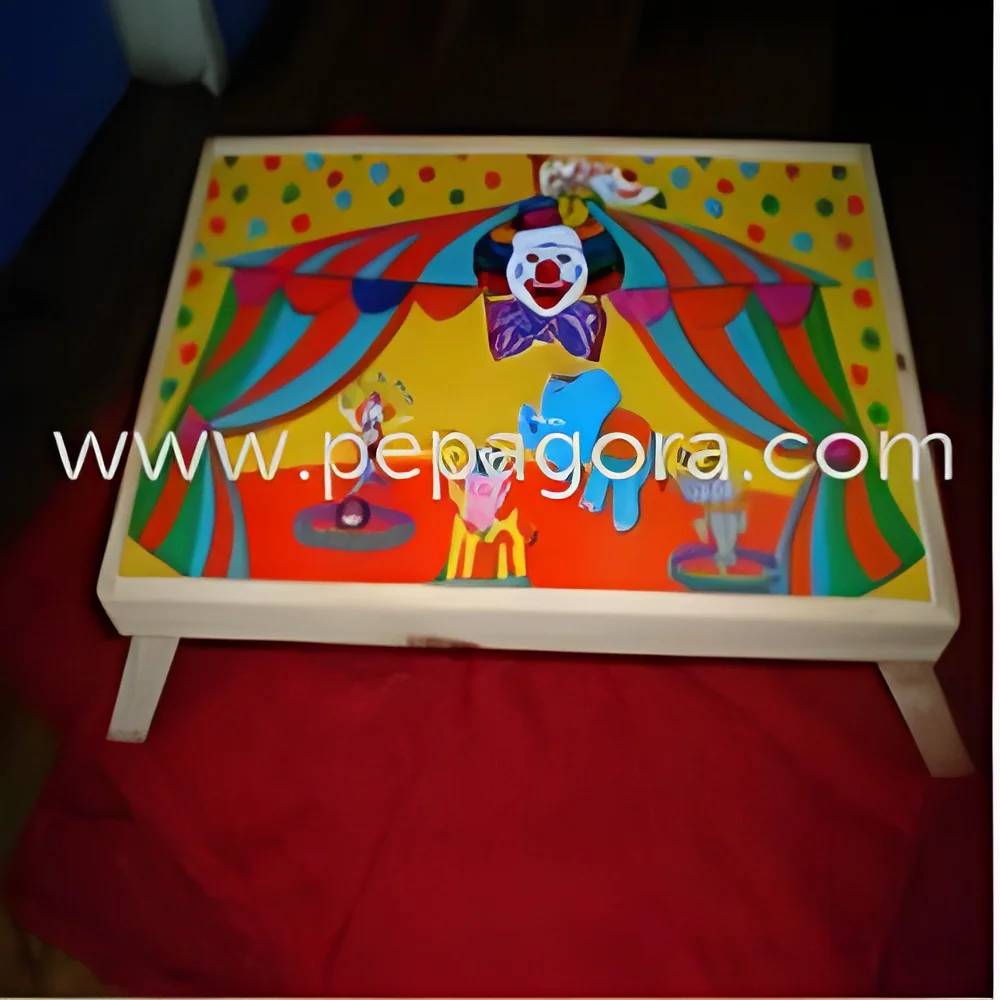
Designed for easy transport, portable tables often have lightweight frames and folding capabilities. They are perfect for users who need a table in multiple locations.
Electric Overbed Tables
Equipped with electrical adjustments, these tables allow users to change the height or tilt position with the push of a button. They provide convenience, especially for individuals with limited mobility.
Multi-Use Overbed Tables
These versatile tables can serve various functions beyond the overbed application, such as serving as a small dining table or a workspace for activities. They are suitable for both personal and professional environments.
Benefits and Advantages
Choosing overbed tables offers numerous benefits that enhance user experience and satisfaction.
1. Enhanced Comfort: Overbed tables provide a stable surface for various activities, improving comfort for users who spend extended time in bed.
2. Increased Independence: These tables allow users to manage their daily tasks without assistance, promoting autonomy and self-sufficiency.
3. Versatile Use: Overbed tables can be used for dining, reading, or working, making them multifunctional additions to any setting.
4. Improved Safety: With features such as locking wheels and sturdy construction, overbed tables enhance safety for users, especially those with limited mobility.
5. Easy Maintenance: Most overbed tables are designed with materials that are easy to clean and maintain, ensuring hygiene in healthcare and home environments.
6. Space Efficiency: Their design allows for minimal footprint, making them suitable for smaller spaces while providing essential functionalities.
Buying Guide for B2B Buyers
When sourcing overbed tables for business purposes, several factors should be taken into account to ensure a satisfactory purchase.
1. Quality Assessment: Look for tables made from durable materials that meet industry standards. Consider user reviews and product ratings to gauge quality.
2. Supplier Verification: Vet potential suppliers by checking their credentials, certifications, and customer feedback. Ensure they have a reliable track record.
3. Pricing and MOQ: Understand the pricing structure and minimum order quantities (MOQ) required by suppliers. Compare prices to find the best value for your needs.
4. Delivery and Lead Times: Inquire about delivery timelines and logistics to ensure timely availability of products. This is crucial for maintaining operations.
5. Compliance Requirements: Ensure that the tables comply with relevant industry regulations and safety standards. This is particularly important in healthcare settings.
Compliance and Certifications
Overbed tables must adhere to various compliance and certification standards to ensure safety and quality.
ISO 9001 is a quality management standard that many manufacturers strive to meet, ensuring consistent quality in production processes.
The CE marking is essential for products sold in Europe, indicating compliance with health, safety, and environmental protection standards.
Safety and testing requirements are also critical, with products needing to undergo rigorous assessments to ensure they are safe for use in healthcare and home environments.
Regional compliance considerations may vary, so it is important to understand the specific regulations applicable in your area to avoid legal issues and ensure product reliability.
Why Source Overbed Tables from Pepagora?
Pepagora offers a trusted platform for sourcing overbed tables, providing numerous advantages for B2B buyers.
Verified Supplier Network: Pepagora connects buyers with a network of verified suppliers who meet quality and reliability standards. This helps ensure that buyers receive high-quality products.
Streamlined RFQ Process: The platform facilitates a straightforward request for quotation (RFQ) process, allowing buyers to easily compare offers and select the best options for their needs.
Trade Assurance and Support: Pepagora provides trade assurance for buyers, offering protection against potential issues with orders. This feature helps build trust in the purchasing process.
Regional Coverage: With a presence in India, the GCC, and Southeast Asia, Pepagora offers a wide geographic reach, making it easier for buyers in these regions to find suitable suppliers for their overbed table needs.



 India
 India
Frequently Asked Questions
What are Overbed Tables?
Overbed tables are versatile furniture pieces designed to be positioned over a bed. They provide a stable surface for various activities such as eating, working, or reading while lying down.
What are the different types of Overbed Tables?
There are several types of overbed tables, including manual height-adjustable tables, electric height-adjustable tables, and fixed tables. Each type caters to different user needs and preferences, such as ease of use and stability.
How do I choose the right Overbed Tables?
When selecting overbed tables, consider factors like height adjustability, material, weight capacity, and portability. Assessing your specific needs and the intended use will help you find the most suitable option.
What are the standard specifications for Overbed Tables?
Standard specifications for overbed tables typically include dimensions, weight capacity, and material type. Common dimensions range from 30 to 40 inches in length and 15 to 25 inches in width, with weight capacities usually between 50 to 100 pounds.
What is the price range for Overbed Tables?
The price range for overbed tables can vary widely based on design and features, typically ranging from INR 2,000 to INR 10,000. Higher-end models with advanced features may cost more.
What quality standards apply to Overbed Tables?
Overbed tables should comply with quality standards regarding durability, safety, and usability. Look for tables that meet ISO or ASTM standards, ensuring they are safe and reliable for everyday use.
Where can I find Overbed Tables suppliers in India?
You can find overbed table suppliers in India through B2B marketplaces like Pepagora.com, trade shows, and industry directories. Online searches and referrals can also lead you to reputable manufacturers and suppliers.
Can Overbed Tables be customized?
Yes, many manufacturers offer customization options for overbed tables. Customizations can include size, material, color, and additional features to meet specific user requirements.
What is the typical minimum order quantity for Overbed Tables?
The typical minimum order quantity (MOQ) for overbed tables varies by supplier but usually ranges from 10 to 50 units. It's advisable to check with individual suppliers for their specific MOQ policies.
What is the typical lead time for Overbed Tables?
The typical lead time for overbed tables can range from 1 to 4 weeks, depending on the supplier and whether the tables are in stock or need to be manufactured. Always confirm lead times when placing an order.
Why Businesses Trust Pepagora
Thousands of companies trust Pepagora to source smarter and sell faster
Expand Your Sales Globally

Source Smarter,Grow Faster
