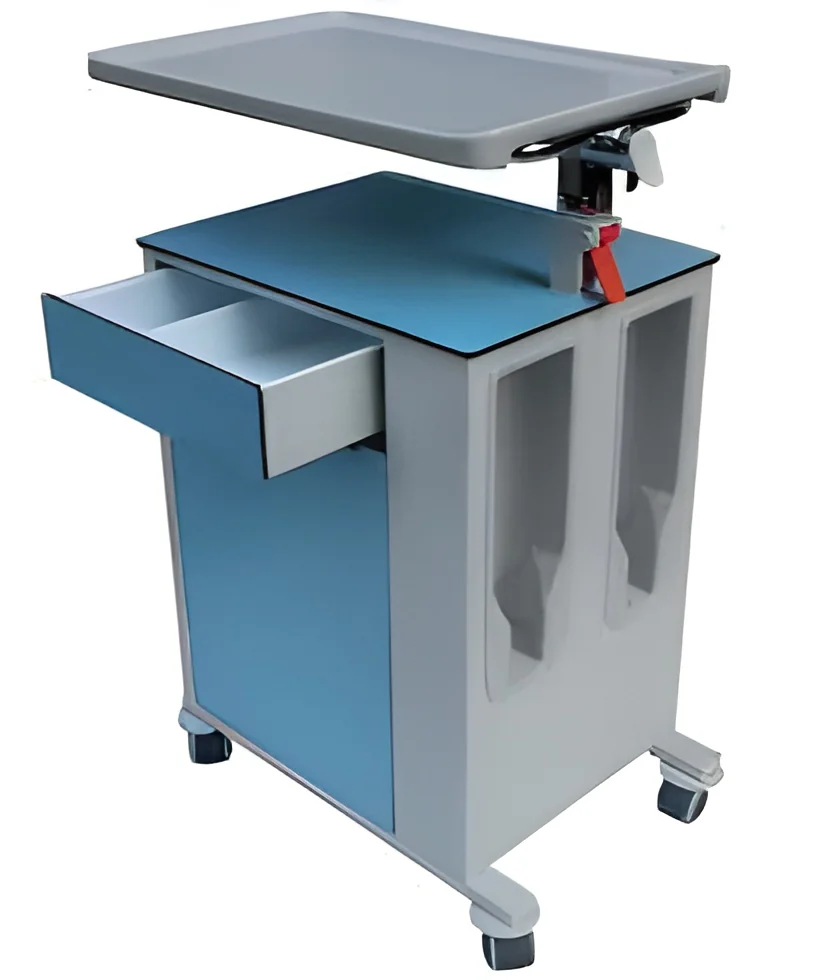
What are Hospital Cabinets?
Hospital cabinets are specialized storage solutions designed for healthcare environments. They are an essential component of hospital infrastructure, providing organized and accessible storage for medical supplies, equipment, and pharmaceuticals. These cabinets are built to meet the unique demands of healthcare facilities, ensuring that essential items are stored securely and are readily available for medical staff.
The primary uses of hospital cabinets include storing medications, surgical instruments, and other clinical supplies. They are utilized in various areas of a hospital, including patient rooms, surgical suites, and supply rooms. The design and functionality of these cabinets facilitate efficient workflows, contributing to improved patient care. As healthcare facilities evolve, the demand for hospital cabinets remains strong, driven by the need for effective space management and compliance with safety standards.
In the context of the hospital supply market, hospital cabinets represent a significant segment. With advancements in technology and design, manufacturers are introducing innovative solutions that enhance both functionality and aesthetics. The growing emphasis on infection control and safety regulations further underscores the relevance of hospital cabinets in modern healthcare settings.
Key Features and Specifications
Hospital cabinets come equipped with a range of features and specifications tailored to meet the rigorous demands of healthcare environments. These features ensure durability, safety, and ease of use for medical personnel.
Key specifications include:
1. Material Composition
- Typically constructed from high-quality steel or reinforced plastic
- Resistant to corrosion and easy to clean
2. Size and Dimensions
- Available in various sizes to fit different spaces
- Custom dimensions can be provided based on facility needs
3. Locking Mechanisms
- Equipped with secure locking systems to prevent unauthorized access
- Options for electronic or mechanical locks
4. Shelving Options
- Adjustable shelves to accommodate different storage needs
- Heavy-duty shelving for larger equipment
5. Mobility Features
- Some models include wheels for easy transport
- Sturdy construction ensures stability during use
6. Ventilation Systems
- Some cabinets feature ventilation to maintain air circulation
- Important for storing sensitive materials
7. Compliance Standards
- Designed to meet healthcare regulatory requirements
- May include certifications such as CE
8. Color and Finish
- Available in various colors and finishes
- Options for antimicrobial coatings to enhance hygiene
These specifications help ensure that hospital cabinets are functional, safe, and tailored to the specific requirements of healthcare facilities.
Common Applications and Use Cases
Hospital cabinets serve a diverse range of applications across multiple healthcare sectors. Their versatility makes them suitable for various environments.
1. Hospitals: Used for storing surgical instruments, medications, and supplies in operating rooms and patient care areas.
2. Clinics: Provide organized storage for medical tools and patient records, helping streamline daily operations.
3. Laboratories: Used for keeping chemicals, samples, and sensitive equipment secure and accessible.
4. Pharmacies: Essential for storing pharmaceuticals, ensuring safe and regulated access to medications.
5. Emergency Services: Used in ambulances and emergency rooms to store critical supplies for quick access during emergencies.
6. Long-term Care Facilities: Help manage supplies for patient care, maintaining an organized environment.
7. Veterinary Clinics: Adapted for use in animal healthcare, storing veterinary tools and medications.
Product Variants and Subcategories
Hospital cabinets come in various styles and configurations to meet the specific needs of different healthcare settings. This diversity allows facilities to choose solutions that best fit their operational requirements.
Wall-Mounted Cabinets
These cabinets are ideal for space-constrained areas. They provide efficient storage without taking up floor space. Features may include shelves and locking systems for security.
Mobile Cabinets
Designed for flexibility, mobile cabinets can be easily moved between departments. They often include wheels and secure storage options, making them suitable for dynamic hospital environments.
Medication Cabinets
Specifically designed for storing pharmaceuticals, these cabinets feature secure locking mechanisms and may include built-in monitoring systems to ensure compliance with safety regulations.
Benefits and Advantages
Investing in hospital cabinets offers numerous benefits that enhance healthcare operations. Their design and functionality contribute to improved efficiency and safety.
Key benefits include:
1. Improved Organization: Hospital cabinets help keep medical supplies and equipment organized, reducing time spent searching for items.
2. Enhanced Security: Locking mechanisms protect sensitive materials from unauthorized access, promoting safety for both staff and patients.
3. Compliance Assurance: Cabinets designed to meet industry regulations support healthcare facilities in maintaining compliance with safety standards.
4. Space Optimization: Various sizes and configurations allow for better use of available space, facilitating efficient workflows.
5. Durability: High-quality materials ensure that cabinets withstand the rigors of daily use in demanding healthcare environments.
6. Customization Options: Many manufacturers offer customization, allowing facilities to tailor cabinets to their specific needs.
Buying Guide for B2B Buyers
When sourcing hospital cabinets, B2B buyers should consider several critical factors to ensure they choose the right products for their healthcare facilities.
1. Quality Assessment: Evaluate the materials and construction of the cabinets. Look for certifications and compliance with industry standards to ensure longevity and safety.
2. Supplier Verification: Research potential suppliers to confirm their credibility and reliability. Check for reviews, references, and industry standing.
3. Pricing and MOQ: Understand the pricing structure and minimum order quantities for the cabinets. Ensure that costs align with your budget while considering quality.
4. Delivery and Lead Times: Inquire about delivery schedules and lead times to ensure that products arrive when needed without disrupting operations.
5. Compliance Requirements: Familiarize yourself with relevant regulatory standards that apply to hospital cabinets. Ensure that the products sourced meet these requirements.
Compliance and Certifications
Hospital cabinets must adhere to various quality standards and certifications to ensure safety and efficacy in healthcare environments.
Relevant quality standards such as ISO 9001 focus on maintaining quality management systems that meet customer and regulatory requirements. Compliance with HACCP (Hazard Analysis Critical Control Point) is particularly important in environments where food and medications are stored, ensuring safety from contamination.
Industry certifications like CE indicate that products meet European health, safety, and environmental protection standards. Additionally, safety and testing requirements dictate that cabinets are evaluated for durability and functionality under typical hospital conditions.
Regional compliance considerations may vary, requiring local approvals or certifications depending on the geographic area of operation. It is essential for buyers to be aware of these regulations to ensure proper sourcing and usage.
Why Source Hospital Cabinets from Pepagora?
Pepagora offers a reliable platform for sourcing hospital cabinets, providing numerous advantages to B2B buyers.
Verified Supplier Network: Pepagora ensures that all suppliers undergo a rigorous verification process. This helps buyers connect with reputable manufacturers who meet quality standards.
Streamlined RFQ Process: The platform simplifies the request for quotation (RFQ) process, allowing buyers to easily compare prices and specifications from different suppliers, facilitating informed decision-making.
Trade Assurance and Support: Buyers benefit from trade assurance programs that protect transactions and enhance trust in the sourcing process. Support services are also available to assist with any inquiries or issues.
Regional Coverage: Pepagora's extensive network reaches across India, the GCC, and Southeast Asia, providing buyers with access to a wide range of hospital cabinets tailored to their regional needs.
By choosing Pepagora, buyers can confidently navigate the market for hospital cabinets, ensuring they find the right solutions for their healthcare facilities.

 IN
IN