
 IN
Hospital Trolley
25 products available
What are Hospital Trolley?
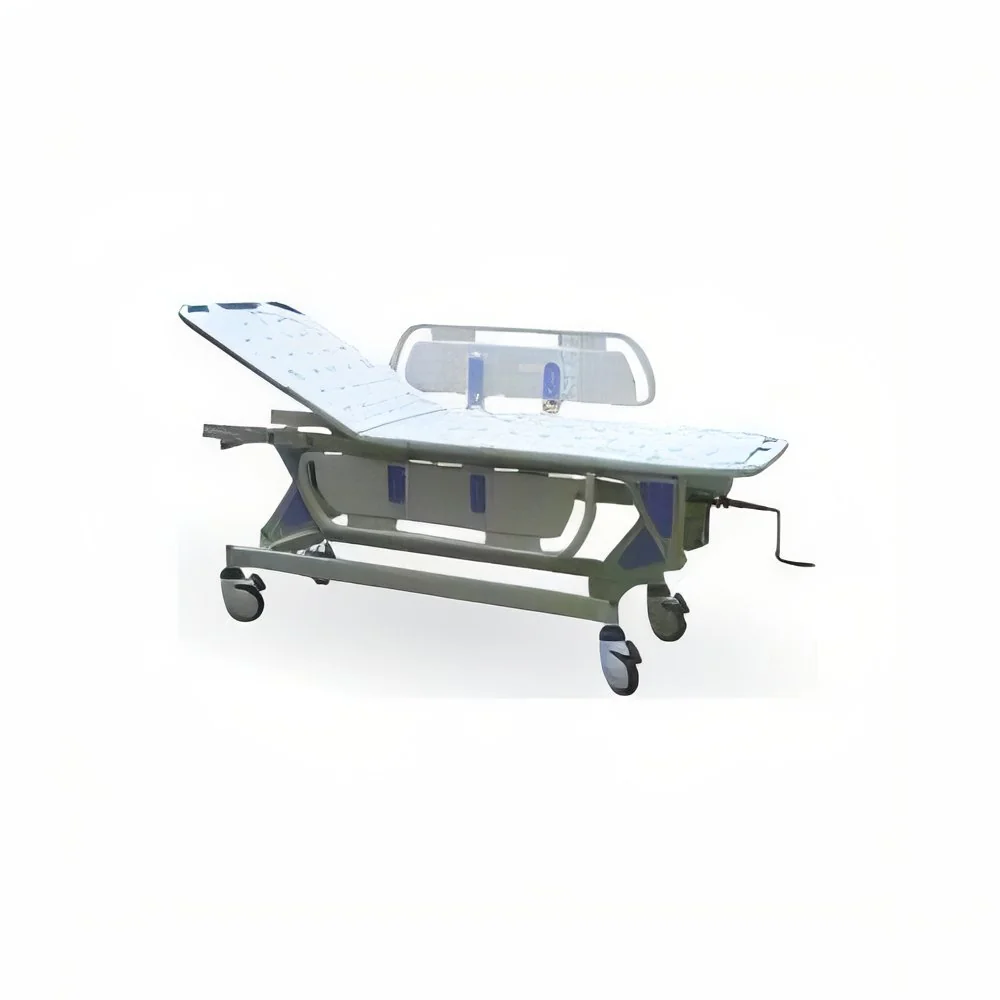
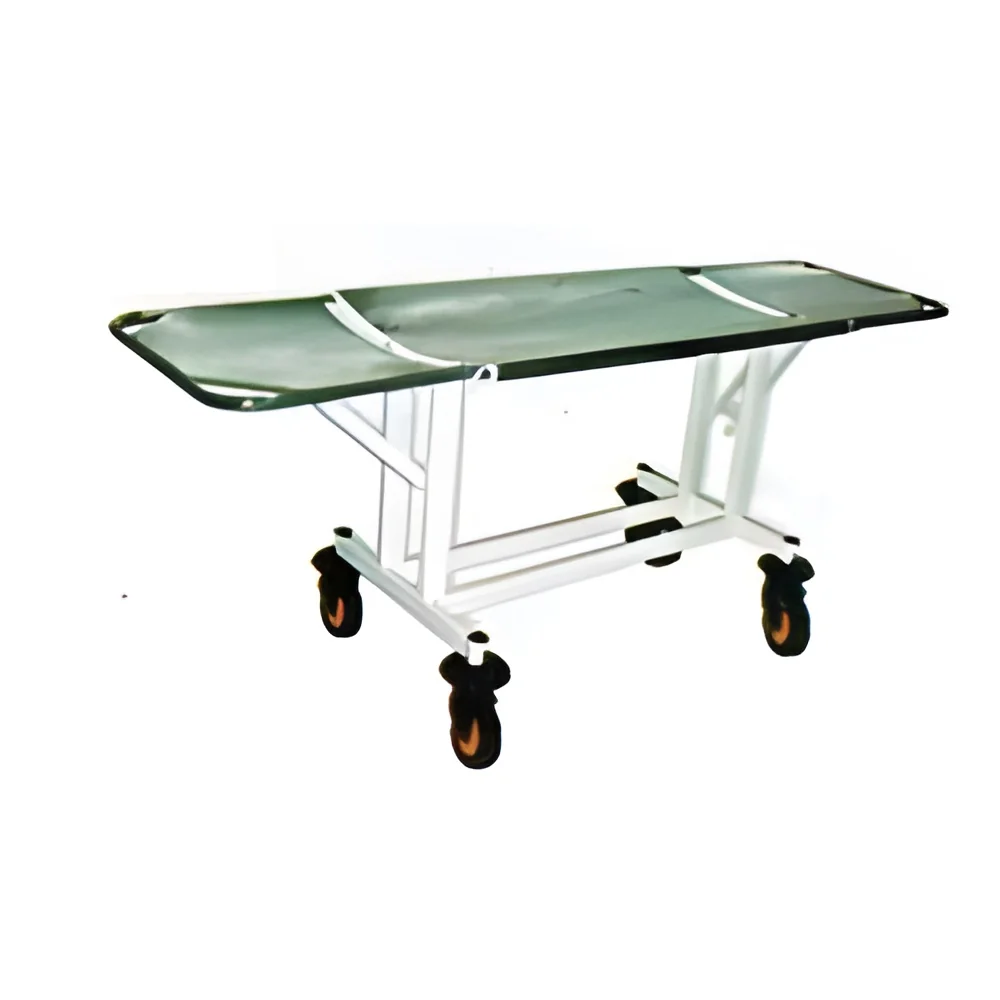
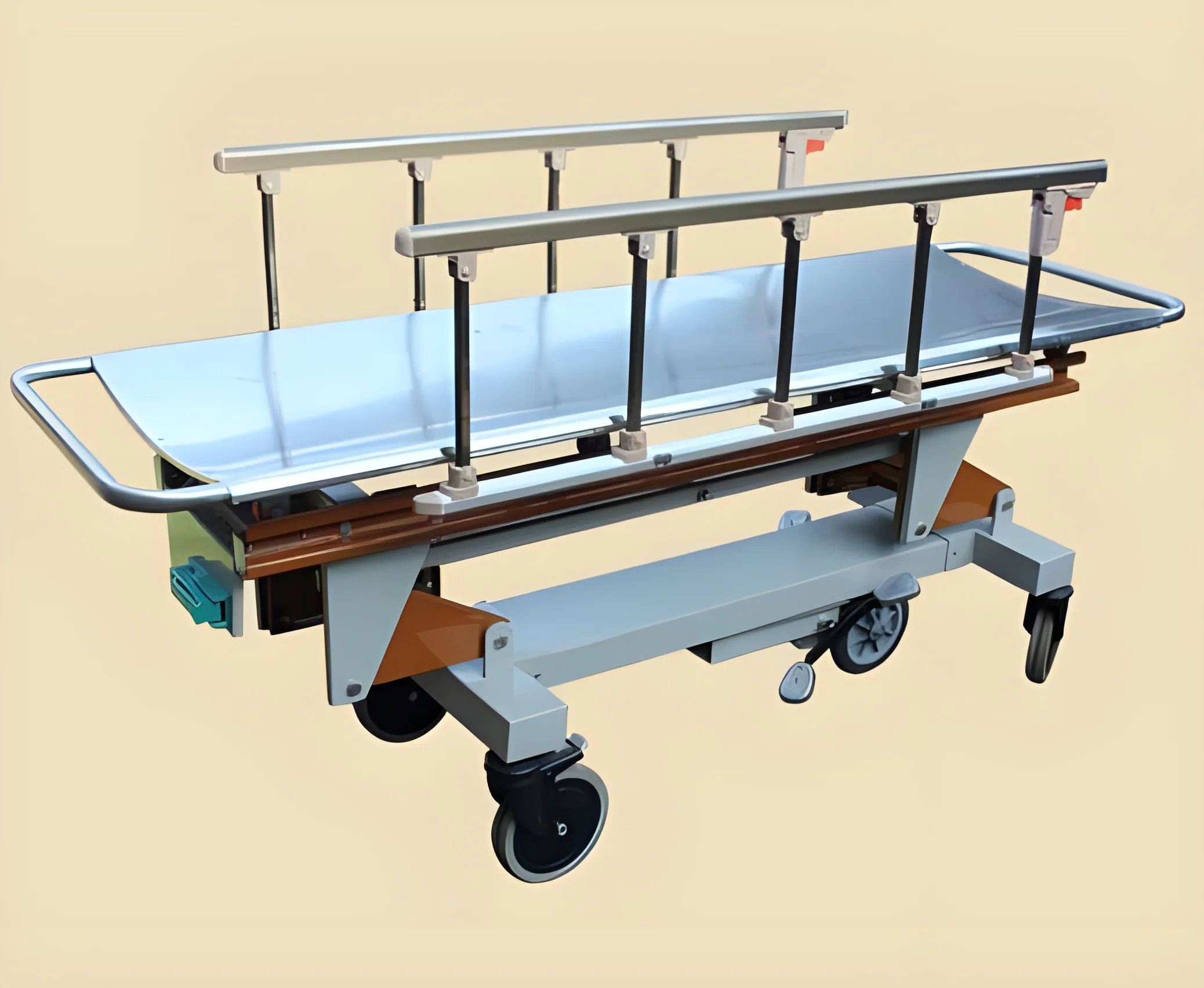
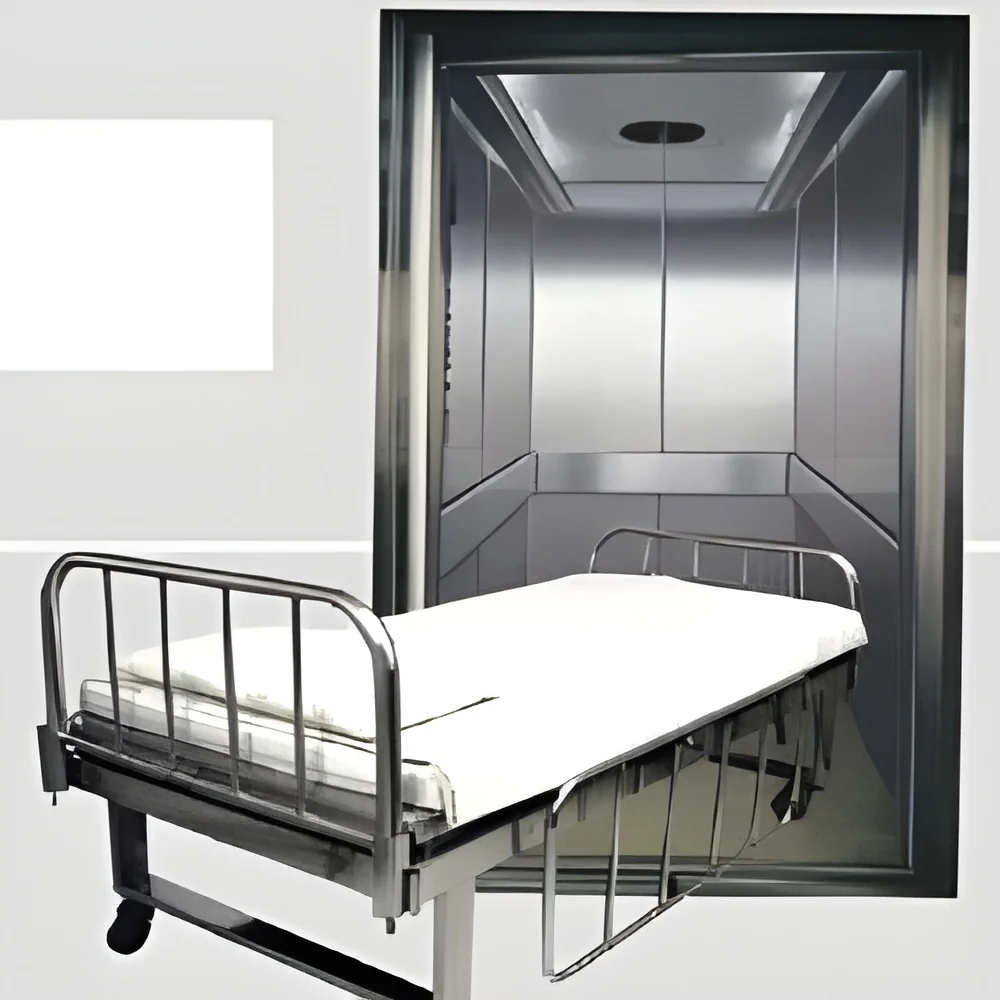
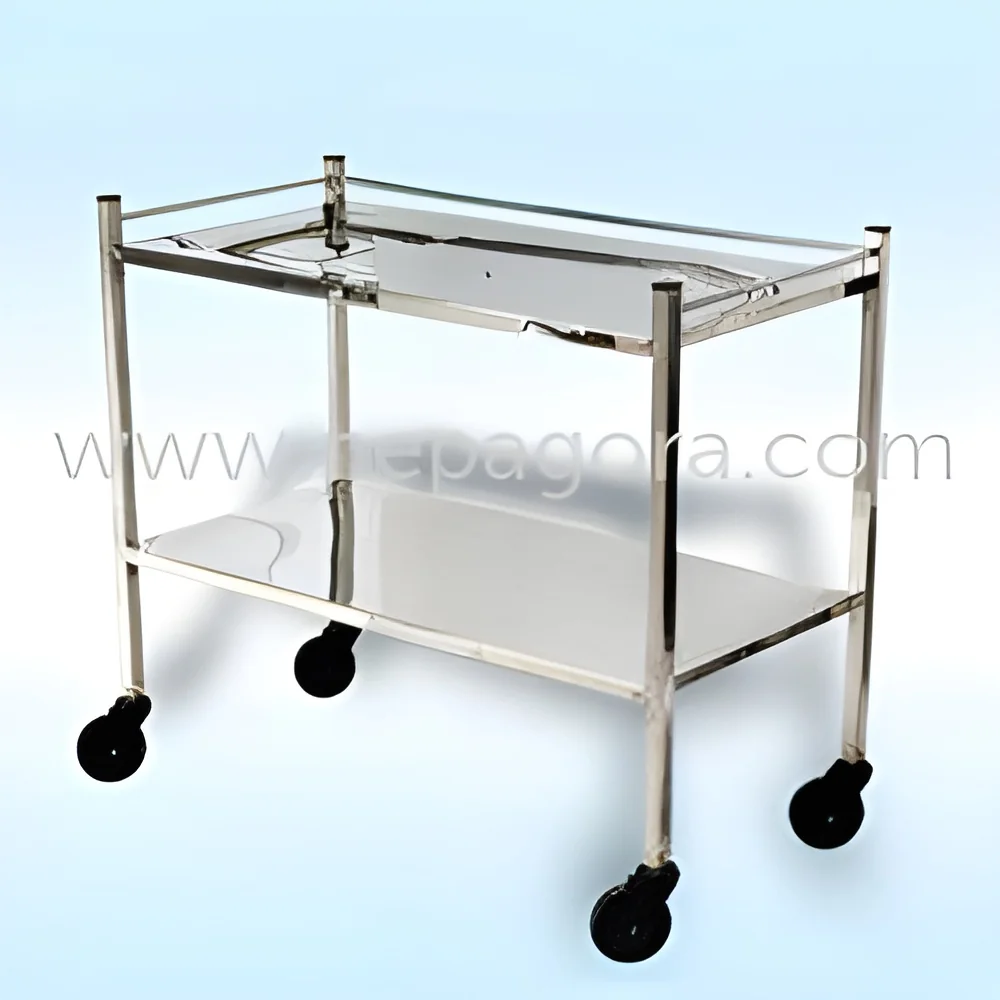
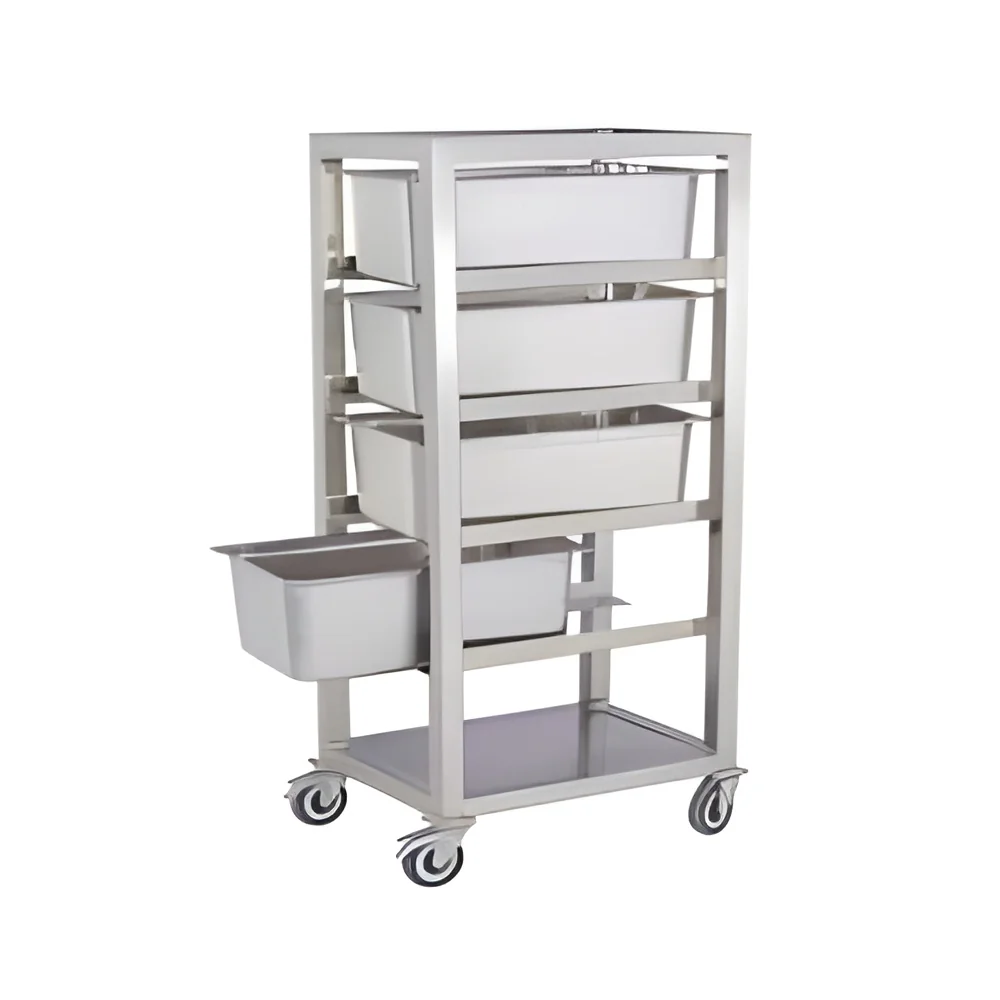
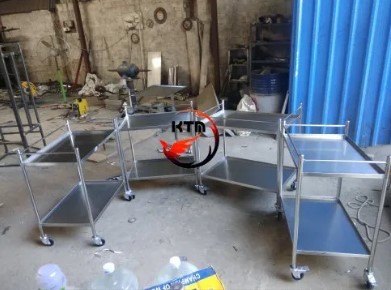
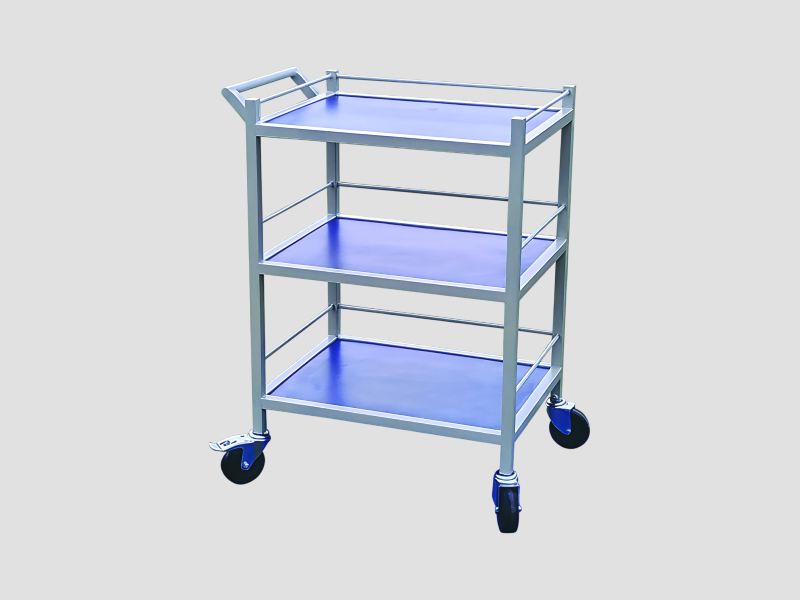
Hospital trolleys are mobile units designed for the efficient transport of medical supplies, equipment, and personnel within healthcare settings. These trolleys are integral to hospital operations, facilitating quick access to essential items during patient care, emergencies, and daily healthcare activities. Constructed from durable materials, they often feature multiple storage compartments, trays, and sometimes specialized equipment to cater to specific medical needs.
The primary uses of hospital trolleys include transporting medications, surgical instruments, and emergency equipment throughout the hospital. In addition to their role in aiding healthcare professionals, these trolleys enhance workflow efficiency and contribute to maintaining a sterile environment by organizing tools and supplies. They are commonly utilized in various hospital departments, such as emergency rooms, operating theaters, and patient wards.
In today's healthcare market, hospital trolleys are vital assets. With the growing demand for efficient healthcare delivery, the market for hospital trolleys has expanded significantly. As hospitals prioritize patient care and operational efficiency, the relevance of high-quality, reliable trolleys continues to increase.
Key Features and Specifications
Hospital trolleys come equipped with several features designed to enhance their functionality and usability in clinical environments. Their design focuses on mobility, storage capacity, and safety, making them essential for healthcare settings.
Key specifications include:
1. Material Construction
- Typically made from stainless steel or high-grade plastic for durability and ease of cleaning.
- Resistant to corrosion and capable of withstanding hospital-grade sterilization processes.
2. Weight Capacity
- Designed to support significant weight, often ranging between 100 to 200 kilograms.
- Ensures stability even when fully loaded with medical supplies.
3. Mobility Features
- Equipped with swivel casters for easy maneuverability around tight spaces.
- Locking mechanisms on wheels to secure the trolley in place during use.
4. Storage Configuration
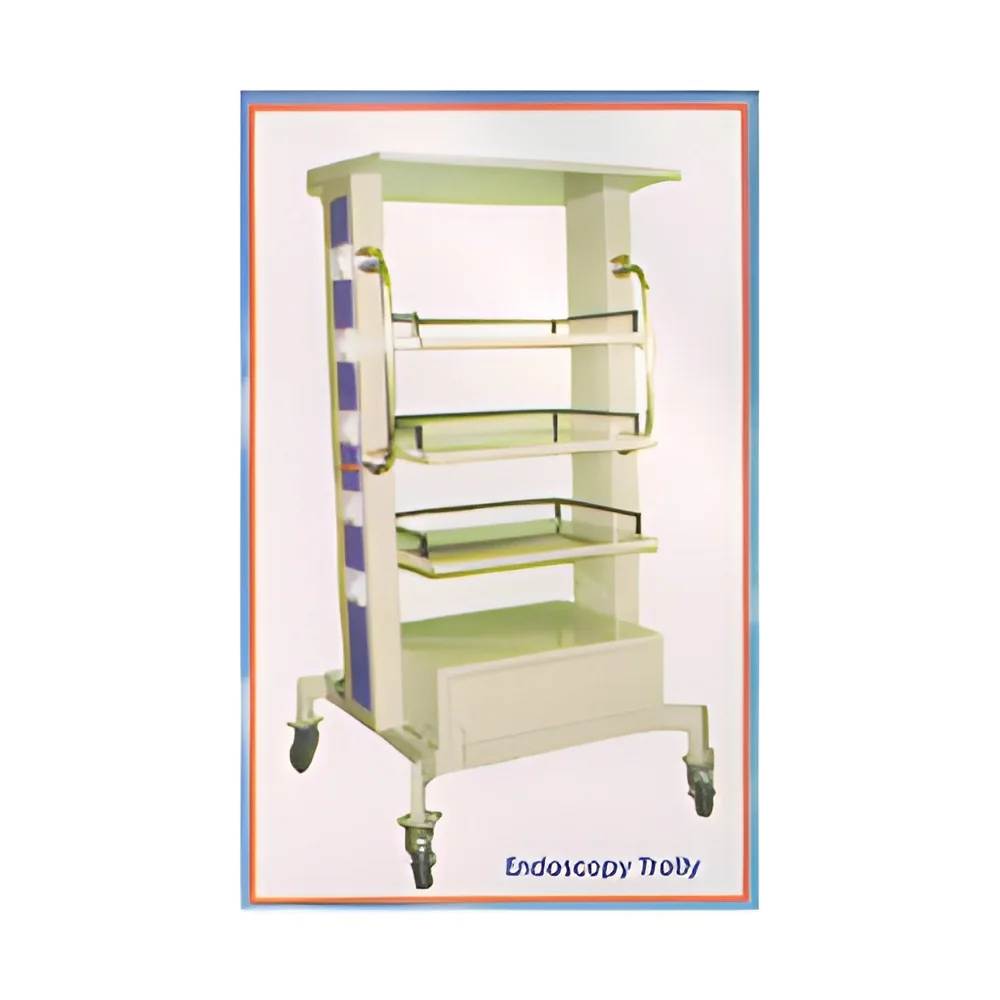
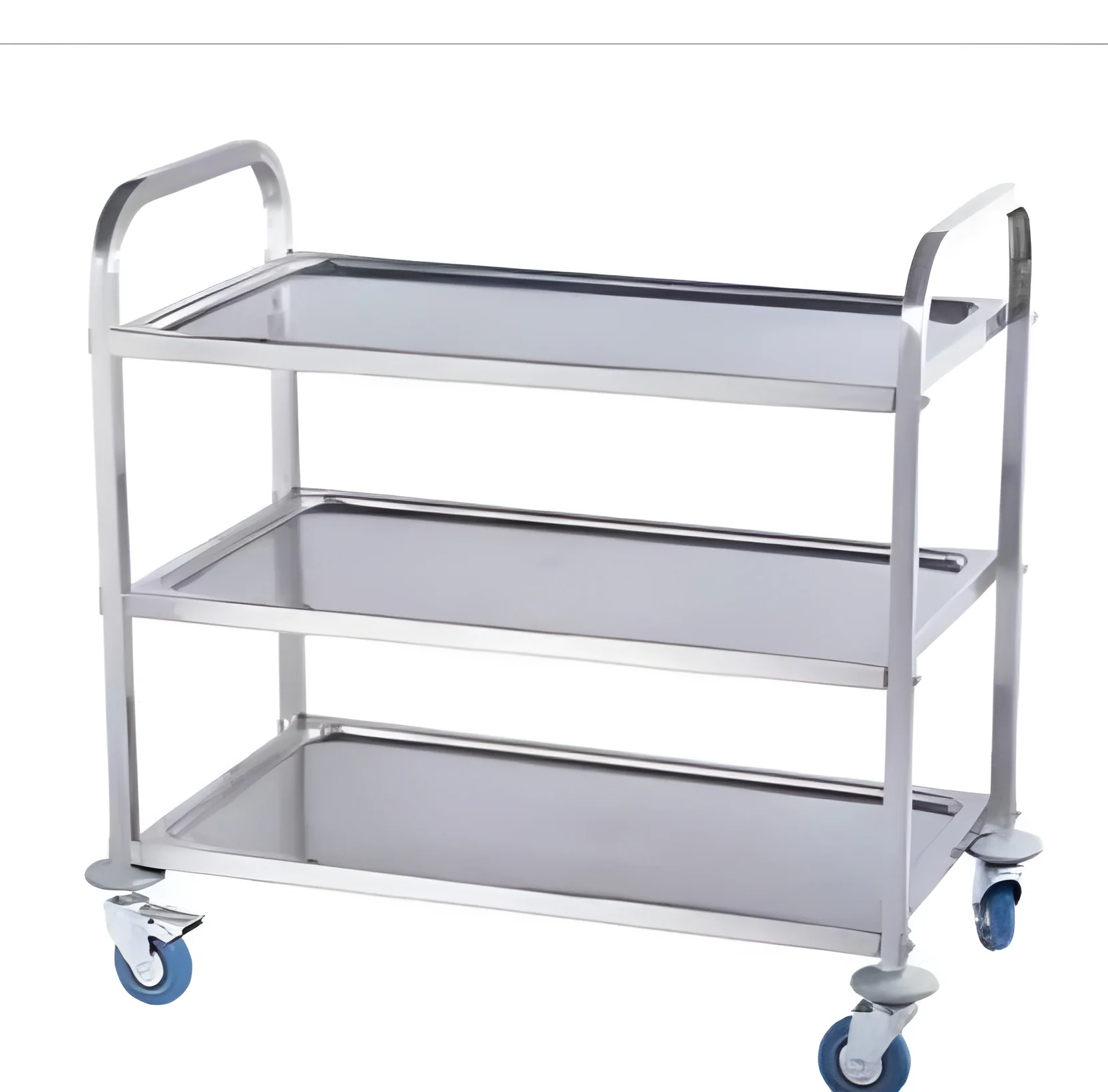
- Multiple shelves or trays for organized storage of various medical items.
- Options for modular designs to accommodate different needs.
5. Safety Features
- Rounded edges to minimize injury risks in busy environments.
- Non-slip surfaces on shelves to prevent items from sliding off.
6. Customization Options
- Availability of color coding and labeling systems for easy identification of supplies.
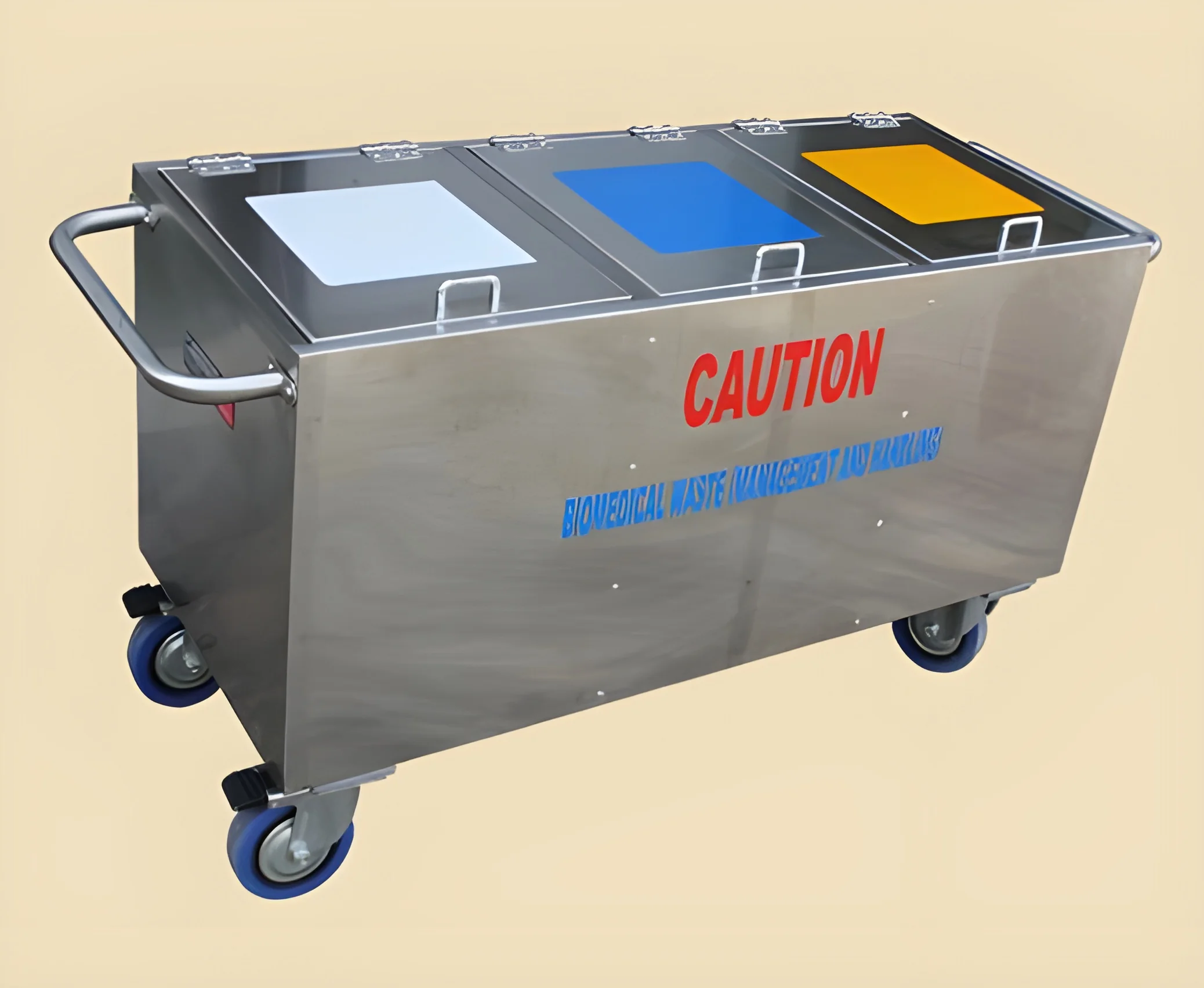
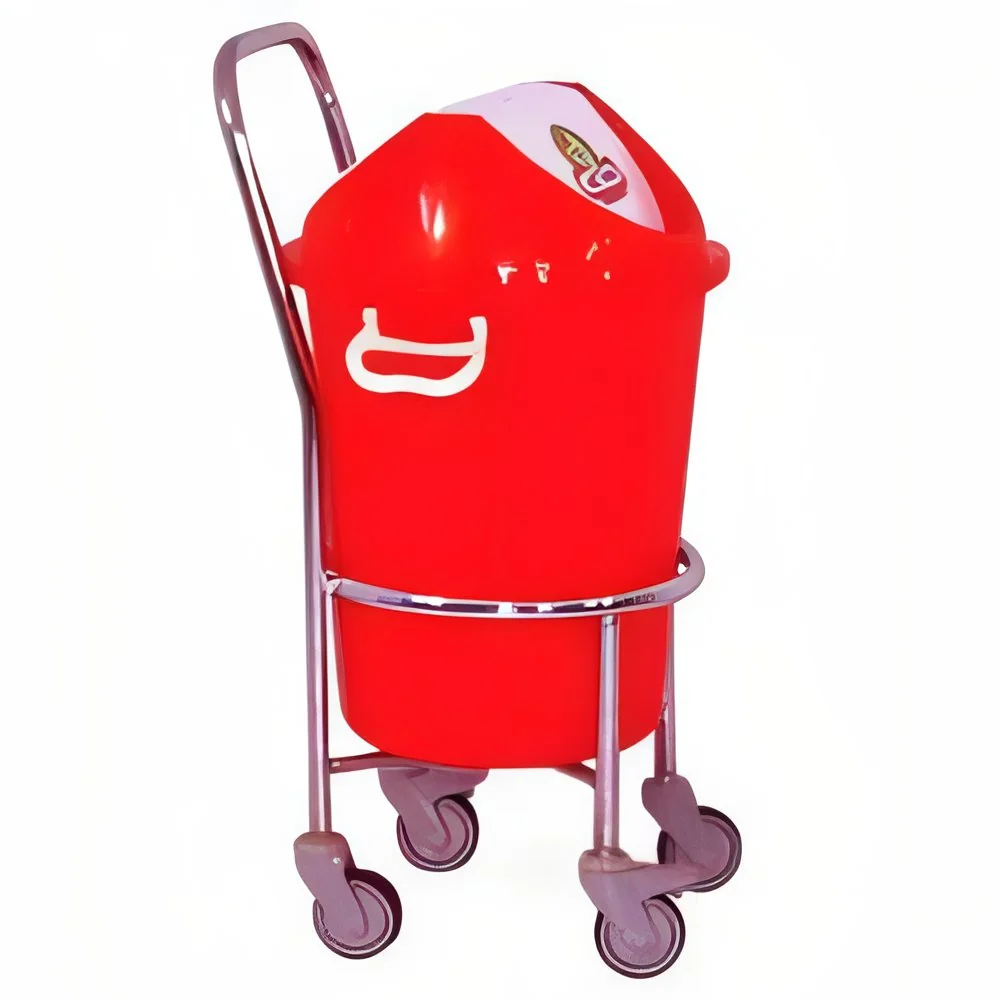
- Option for additional accessories like IV pole mounts or waste bins.
7. Size Dimensions
- Typically ranges from compact sizes for smaller spaces to larger units for extensive storage.
- Height and width measurements designed to fit standard hospital environments.
In summary, hospital trolleys are designed with a focus on functionality, safety, and ease of use, making them indispensable tools for healthcare professionals.
Common Applications and Use Cases
Hospital trolleys serve various industries beyond just healthcare, showcasing their versatility.
1. Healthcare Facilities: Used extensively in hospitals, clinics, and emergency rooms for transporting medical supplies and equipment.
2. Laboratories: Facilitate the movement of samples, reagents, and lab equipment, ensuring efficient workflows.
3. Pharmaceuticals: Assist in stocking and distributing medications throughout pharmacy departments in hospitals.
4. Long-term Care Facilities: Aid in the delivery of supplies and medications to patients in nursing homes and assisted living centers.
5. Veterinary Clinics: Provide a means to transport veterinary tools and supplies during animal treatments.
6. Home Healthcare: Enable caregivers to efficiently manage medical supplies when providing care in patients' homes.
7. Emergency Services: Utilized in ambulances for quick access to essential medical equipment during transport.
Product Variants and Subcategories
Hospital trolleys come in various designs to meet specific needs in healthcare settings.
Emergency Trolley
This variant is specifically designed for emergency situations, featuring compartments for essential emergency supplies, medications, and medical devices. Its quick-access layout ensures that healthcare professionals can respond promptly in critical situations.
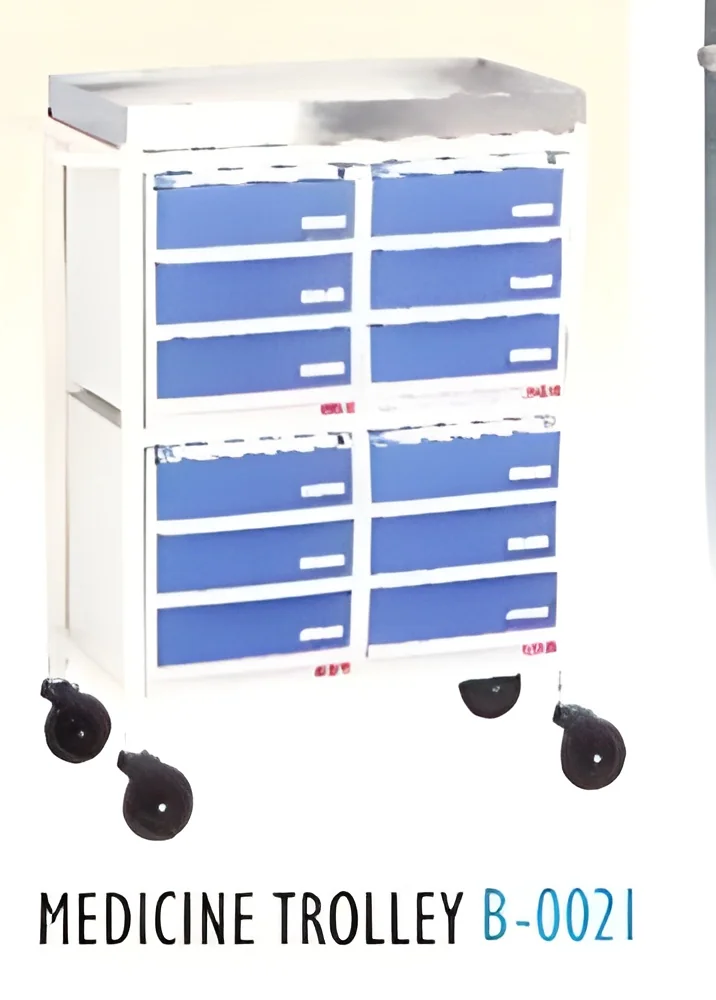
Medication Trolley
Tailored for the secure storage and transport of medications, this trolley often includes locking compartments and is designed to maintain the integrity of pharmaceuticals. It facilitates the safe distribution of medications throughout the hospital.
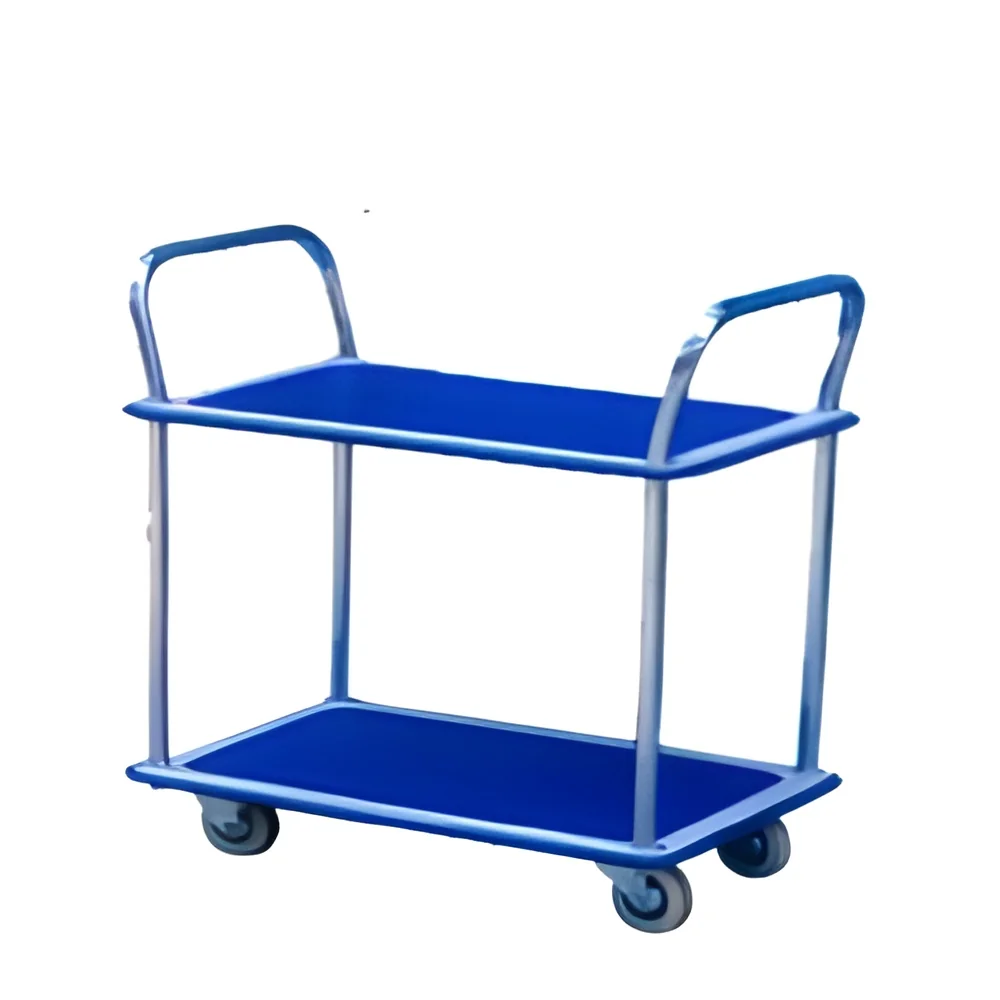
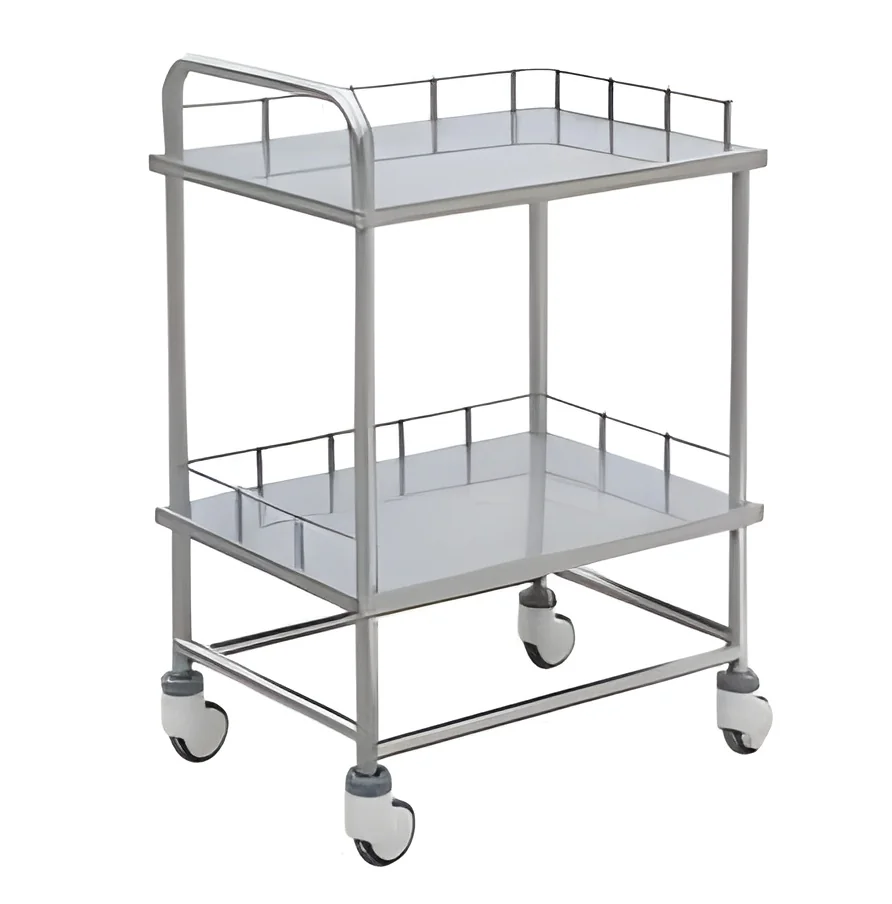
Supply Trolley
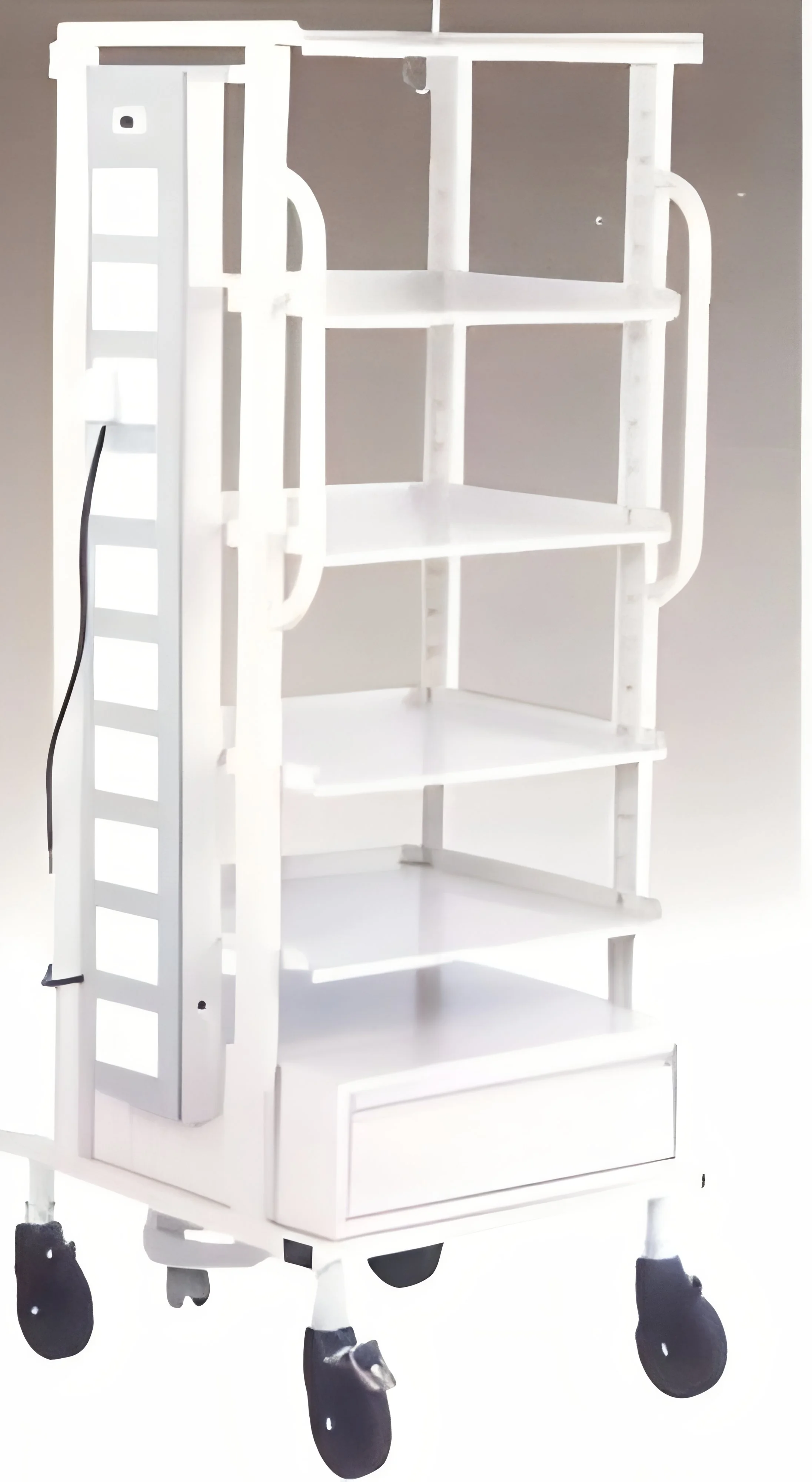
Meant for general supply transport, this trolley typically features multiple shelves for organizing various medical supplies, such as bandages, syringes, and other equipment required across hospital departments.
Benefits and Advantages
Hospital trolleys offer numerous benefits that enhance operational efficiency and patient care.
1. Improved Efficiency: Streamlines the transport of medical supplies, reducing time spent searching for items.
2. Enhanced Organization: Multiple compartments and trays help maintain order and easy access to necessary equipment.
3. Increased Safety: Designed with safety features to minimize accidents and ensure a secure environment for both staff and patients.
4. Versatile Functionality: Adaptable for various uses, from medication distribution to emergency response, maximizing their utility.
5. Cost-Effective Solution: Durable construction reduces the need for frequent replacements, offering long-term value for healthcare facilities.
6. Easy Maintenance: Materials used are easy to clean and disinfect, ensuring compliance with hygiene standards in healthcare environments.
Buying Guide for B2B Buyers
When sourcing a hospital trolley, it is essential to consider several factors to ensure the right fit for your organization.
1. Quality Assessment: Look for trolleys made from high-quality materials such as stainless steel or durable plastics. Ensure they meet industry standards for safety and reliability.
2. Supplier Verification: Vet suppliers to confirm their reputation and reliability. Check for reviews and their history in the healthcare industry.
3. Pricing and MOQ: Understand the pricing structure and minimum order quantities (MOQ). Compare costs across different suppliers to find the best value.
4. Delivery and Lead Times: Inquire about the expected delivery times and logistics options. Ensure the supplier can meet your timelines.
5. Compliance Requirements: Make sure the trolleys comply with relevant healthcare regulations and standards, as this is critical for operational integrity.
Compliance and Certifications
Hospital trolleys must adhere to various quality standards and certifications to ensure safety and functionality. Relevant quality standards include ISO 9001, which focuses on quality management systems, ensuring that the products meet customer and regulatory requirements.
Additionally, hospital trolleys should comply with the CE certification, which indicates conformity with health, safety, and environmental protection standards for products sold within the European Economic Area.
Safety and testing requirements are also crucial, as trolleys must undergo rigorous evaluations to ensure they can withstand the demands of a healthcare environment. Regional compliance considerations may vary, so it is important to be aware of local regulations governing the use of medical equipment.
Why Source Hospital Trolley from Pepagora?
Pepagora provides a trusted platform for sourcing hospital trolleys, offering several key advantages to B2B buyers.
Verified Supplier Network: Pepagora connects you with a network of verified suppliers, ensuring you receive high-quality products from reputable manufacturers. This verification process adds a layer of security to your purchasing decisions.
Streamlined RFQ Process: The platform simplifies the request for quotation (RFQ) process, allowing buyers to easily compare offers from multiple suppliers. This efficiency saves time and helps you make informed decisions quickly.
Trade Assurance and Support: Pepagora offers buyer protection through trade assurance, which safeguards your investment and ensures that you receive your ordered products as promised. Additionally, customer support is available to assist with any inquiries or issues.
Regional Coverage: With a wide geographic reach including India, the GCC region, and Southeast Asia, Pepagora enables buyers to source hospital trolleys from various suppliers, ensuring access to a diverse range of products and options tailored to specific needs.




Frequently Asked Questions
What are Hospital Trolley?
Hospital Trolleys are mobile units designed to transport medical supplies, equipment, and patients within healthcare facilities. They are essential for enhancing efficiency and organization in hospitals, ensuring that necessary items are readily available where they are needed.
What are the different types of Hospital Trolley?
There are several types of Hospital Trolleys, including medication trolleys, surgical trolleys, and crash carts. Each type is designed for specific functions, such as transporting medications, surgical instruments, or emergency equipment.
How do I choose the right Hospital Trolley?
Choosing the right Hospital Trolley involves assessing your specific needs, such as the type of items to be transported and the environment in which it will be used. Consider factors like size, weight capacity, material, and ease of mobility to ensure you select the most suitable trolley.
What are the standard specifications for Hospital Trolley?
Standard specifications for Hospital Trolleys typically include dimensions, weight capacity, and material composition. Trolleys are usually made from durable materials like stainless steel or high-quality plastic and feature wheels for easy maneuverability.
What is the price range for Hospital Trolley?
The price range for Hospital Trolleys can vary widely based on type, material, and features, generally starting from a few thousand rupees to several tens of thousands of rupees. It's advisable to compare options from different suppliers to find a trolley that fits your budget and requirements.
What quality standards apply to Hospital Trolley?
Hospital Trolleys must adhere to various quality standards, including those set by health authorities and regulatory bodies. Common standards include durability, safety, and hygiene requirements to ensure they are suitable for clinical environments.
Where can I find Hospital Trolley suppliers in India?
You can find Hospital Trolley suppliers in India through various B2B marketplaces such as Pepagora, trade shows, and industry directories. It's beneficial to research suppliers' reputations and product offerings before making a purchase.
Can Hospital Trolley be customized?
Yes, many manufacturers offer customization options for Hospital Trolleys, allowing you to tailor features such as size, compartments, and color to meet your specific needs. Discussing your requirements with suppliers can help you find the right customization options.
What is the typical minimum order quantity for Hospital Trolley?
The typical minimum order quantity (MOQ) for Hospital Trolleys varies among manufacturers but often ranges from 5 to 10 units. It's important to check with individual suppliers for their specific MOQ policies.
What is the typical lead time for Hospital Trolley?
The typical lead time for Hospital Trolleys can range from 2 to 6 weeks, depending on the manufacturer, order size, and customization requirements. It's advisable to confirm lead times with suppliers at the time of ordering.
Why Businesses Trust Pepagora
Thousands of companies trust Pepagora to source smarter and sell faster
Expand Your Sales Globally

Source Smarter,Grow Faster
