
 IN
Mattresses for Hospital Beds
13 products available
What are Mattresses for Hospital Beds?
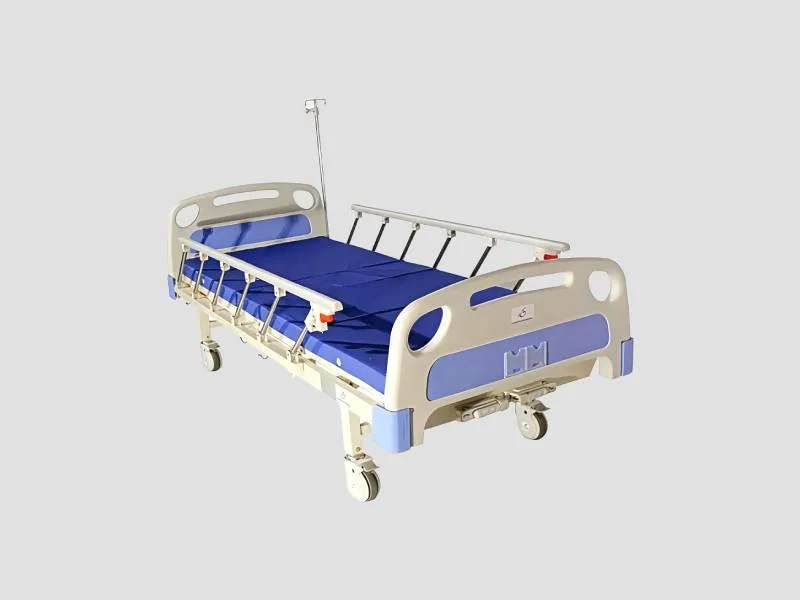
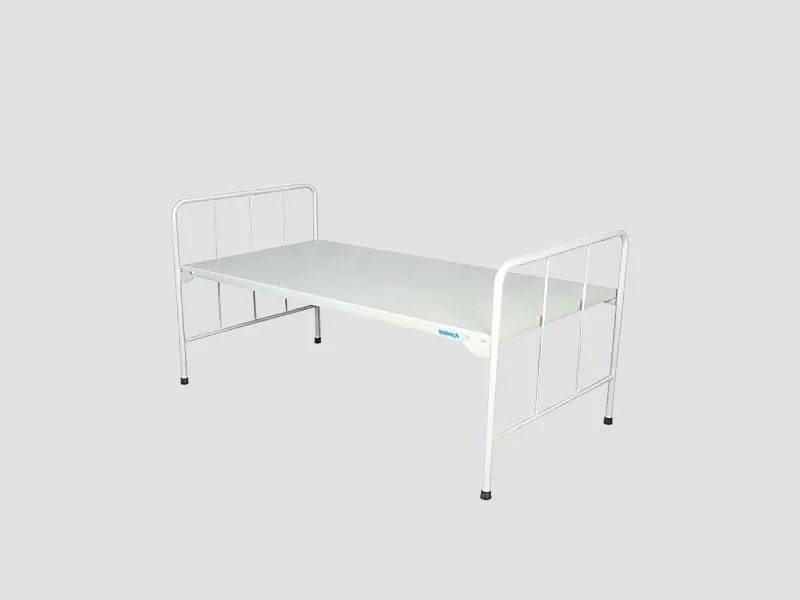
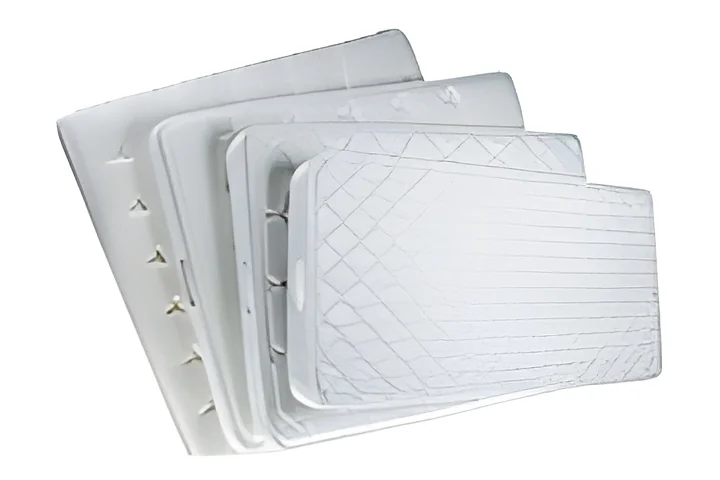
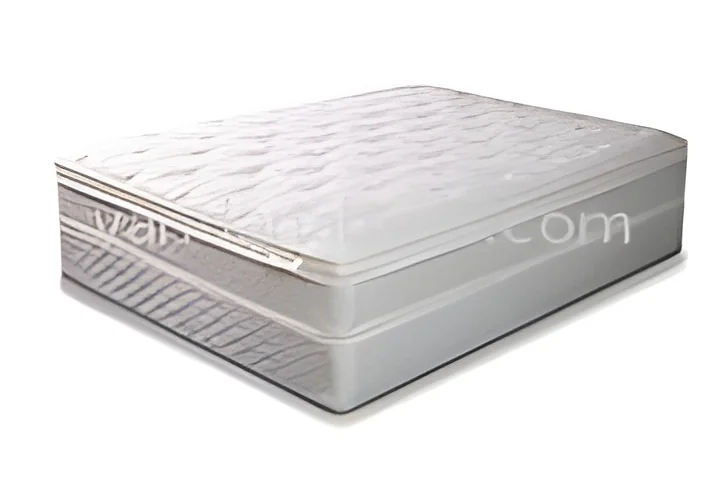
Mattresses for hospital beds are specially designed bedding products that cater to the unique needs of patients in healthcare settings. They provide comfort, support, and pressure relief for individuals who may be bedridden or have limited mobility. These mattresses are engineered to fit hospital beds, which often have adjustable features to accommodate various positions for patient care.
The primary applications of hospital bed mattresses include use in hospitals, nursing homes, and home healthcare environments. They play a crucial role in ensuring patient comfort and safety, while also helping to prevent complications such as bedsores. The market for hospital bed mattresses has grown as healthcare facilities increasingly prioritize patient care and comfort, recognizing the importance of quality bedding in the healing process.
The relevance of hospital bed mattresses in the healthcare industry cannot be overstated. With an increasing focus on patient-centric care, these mattresses have become essential components of hospital equipment. As more healthcare providers seek to enhance patient experiences, the demand for high-quality mattresses has risen, leading to innovations in materials and design.
Key Features and Specifications
Hospital bed mattresses come with a variety of features and specifications that are essential for their functionality and effectiveness. Understanding these specifications helps buyers make informed decisions when selecting the right mattresses for their facilities.
Key specifications include:
1. Material Composition
- Common materials include memory foam, latex, and polyurethane
- Each material offers different levels of support and comfort
2. Weight Capacity
- Most mattresses are designed to support a weight range of 250 to 500 pounds
- Higher weight capacities are available for specialized needs
3. Pressure Relief Technology
- Some mattresses incorporate advanced pressure-relieving systems
- These systems help reduce the risk of pressure ulcers
4. Waterproof Cover
- Many mattresses come with a waterproof, easy-to-clean cover
- This feature is essential for infection control and hygiene
5. Fire Safety Standards
- Mattresses should meet fire safety regulations to ensure patient safety
- Compliance with standards like CFR 1632 is often required
6. Thickness
- Typical mattress thickness ranges from 4 to 8 inches
- Thickness affects comfort and support levels
7. Warranty Period
- Standard warranty periods range from 5 to 10 years
- Longer warranties often indicate higher quality products
8. Customization Options
- Some manufacturers offer customizable features to meet specific needs
- Custom options may include size, firmness, and additional layers
These features collectively enhance the usability and effectiveness of hospital bed mattresses.
Common Applications and Use Cases
Hospital bed mattresses are utilized across various industries, highlighting their importance in patient care.
1. Healthcare Facilities: Hospitals and clinics use these mattresses for patient comfort and safety, ensuring proper support for those with mobility issues.
2. Nursing Homes: In long-term care settings, mattresses are essential for preventing bedsores and providing comfort to residents with chronic conditions.
3. Home Healthcare: Many families opt for hospital bed mattresses to enhance the care of elderly or disabled relatives at home, ensuring they receive the necessary support.
4. Rehabilitation Centers: These mattresses aid in recovery for patients undergoing rehabilitation, providing the comfort needed during physical therapy.
5. Hospice Care: In hospice settings, mattresses are crucial for ensuring the comfort of patients in their final stages of life.
6. Palliative Care: Similar to hospice care, these mattresses support patients with serious illnesses, focusing on comfort and quality of life.
7. Military Hospitals: Hospital bed mattresses are utilized in military healthcare facilities to support injured service members during recovery.
Product Variants and Subcategories
There are several variants of hospital bed mattresses, each tailored to specific patient needs.
Pressure Relief Mattresses
These mattresses are designed with advanced pressure-relieving properties to prevent bedsores. They often feature multi-layer constructions and are ideal for patients with limited mobility.
Low Air Loss Mattresses
These mattresses utilize an air circulation system to maintain skin integrity and comfort. They are particularly effective for patients at high risk of developing pressure ulcers.
Alternating Pressure Mattresses
Designed with alternating air chambers, these mattresses provide dynamic support. They actively relieve pressure points and are suitable for patients who require frequent position changes.
Viscoelastic Foam Mattresses
These mattresses are made from memory foam, providing excellent contouring support. They are ideal for patients who need additional comfort and pressure relief.
Benefits and Advantages
Investing in quality mattresses for hospital beds brings numerous advantages to healthcare facilities.
1. Enhanced Patient Comfort: These mattresses are designed to provide maximum comfort, which is crucial for patient well-being.
2. Pressure Ulcer Prevention: With specialized designs, these mattresses help reduce the risk of pressure ulcers, promoting better skin health.
3. Improved Sleep Quality: A comfortable mattress can enhance sleep quality for patients, aiding in recovery and overall health.
4. Easy Maintenance: Many mattresses feature removable, washable covers that simplify cleaning and maintenance.
5. Increased Durability: High-quality materials contribute to longer-lasting products, reducing the need for frequent replacements.
6. Customizable Options: Many manufacturers offer customizable features, allowing facilities to select mattresses that best meet their specific needs.
Buying Guide for B2B Buyers
When sourcing mattresses for hospital beds, there are several key factors to consider to ensure you make the best choice for your facility.
1. Quality Assessment: Evaluate the materials and construction quality of the mattresses. High-quality materials will provide better support and longevity.
2. Supplier Verification: Ensure that suppliers are reputable and provide certifications for their products. This helps guarantee compliance with industry standards.
3. Pricing and MOQ: Understand the pricing structure and minimum order quantities. This will help in budgeting and planning for your facility's needs.
4. Delivery and Lead Times: Confirm delivery schedules and lead times to ensure timely availability of products for patient care.
5. Compliance Requirements: Ensure that the mattresses meet relevant regulatory standards and certifications, such as CE marking, to ensure safety and quality.
Compliance and Certifications
Compliance with relevant standards and certifications is crucial in the healthcare industry. Hospital bed mattresses must adhere to various quality standards to ensure safety and efficacy.
ISO 9001 certification is often a requirement, as it ensures that manufacturers maintain high-quality management practices. This certification indicates a commitment to continuous improvement and customer satisfaction.
CE marking is another important certification for hospital bed mattresses, signifying that the product meets European health, safety, and environmental protection standards.
Additionally, mattresses are subject to safety testing requirements, which may include fire safety and material toxicity assessments. Regional compliance considerations can vary, so it is essential to be aware of local regulations that may affect mattress specifications.
Why Source Mattresses for Hospital Beds from Pepagora?
Pepagora is a trusted platform for sourcing mattresses for hospital beds, offering several key advantages to buyers in the healthcare sector.
Verified Supplier Network: Pepagora connects buyers with a network of verified suppliers, ensuring that products meet high-quality standards and regulatory requirements.
Streamlined RFQ Process: The platform simplifies the request for quotation process, allowing buyers to easily compare options and make informed decisions.
Trade Assurance and Support: Pepagora provides trade assurance, protecting buyers throughout the purchasing process and ensuring a secure transaction.
Regional Coverage: With a strong presence in India, the GCC, and Southeast Asia, Pepagora offers extensive regional coverage, making it easier for healthcare facilities to access quality products tailored to their needs.





Frequently Asked Questions
What are Mattresses for Hospital Beds?
Mattresses for Hospital Beds are specialized bedding designed to provide comfort and support for patients in healthcare settings. They are engineered to accommodate various medical needs, enhance patient safety, and promote proper body alignment during long-term use.
What are the different types of Mattresses for Hospital Beds?
There are several types of Mattresses for Hospital Beds, including foam mattresses, gel mattresses, and air mattresses. Each type offers different levels of support, pressure relief, and temperature regulation to cater to diverse patient requirements.
How do I choose the right Mattresses for Hospital Beds?
When choosing Mattresses for Hospital Beds, consider factors such as the patient's medical condition, weight, and comfort preferences. It's also important to evaluate the mattress's material, durability, and ease of cleaning to ensure it meets hygiene standards.
What are the standard specifications for Mattresses for Hospital Beds?
Standard specifications for Mattresses for Hospital Beds may include dimensions, weight capacity, and thickness. Additionally, they should comply with safety standards and be made from materials that are fire-resistant and easy to maintain.
What is the price range for Mattresses for Hospital Beds?
The price range for Mattresses for Hospital Beds varies widely based on the type and features, typically ranging from ₹2,000 to ₹15,000 or more. Higher-end models with advanced technology and materials may cost significantly more.
What quality standards apply to Mattresses for Hospital Beds?
Quality standards for Mattresses for Hospital Beds often include certifications for medical-grade materials, fire safety, and durability. Compliance with ISO and other relevant healthcare standards is essential to ensure safety and reliability.
Where can I find Mattresses for Hospital Beds suppliers in India?
You can find Mattresses for Hospital Beds suppliers in India through B2B marketplaces like Pepagora, industry trade shows, and online directories. Researching suppliers' credentials and customer reviews can also help identify reliable manufacturers.
Can Mattresses for Hospital Beds be customized?
Yes, many manufacturers offer customization options for Mattresses for Hospital Beds to meet specific healthcare needs. Customizations may include size adjustments, material selection, and additional features such as waterproof covers.
What is the typical minimum order quantity for Mattresses for Hospital Beds?
The typical minimum order quantity (MOQ) for Mattresses for Hospital Beds can vary by supplier, but it usually ranges from 10 to 50 units. It's advisable to check with individual suppliers for their specific MOQ policies.
What is the typical lead time for Mattresses for Hospital Beds?
The typical lead time for Mattresses for Hospital Beds can range from 2 to 6 weeks, depending on the supplier and whether the mattresses are customized. It's important to confirm the lead time with the supplier before placing an order.
Why Businesses Trust Pepagora
Thousands of companies trust Pepagora to source smarter and sell faster
Expand Your Sales Globally

Source Smarter,Grow Faster
