
 IN
Patient Cabinets & Storage Units
1 products available
What are Patient Cabinets & Storage Units?
Patient cabinets and storage units are specialized furniture pieces designed for the healthcare industry. They are used to store medical supplies, equipment, and personal items for patients in a safe, organized, and accessible manner. These units are crucial in maintaining hygiene and order within healthcare settings, ensuring that staff can quickly locate necessary items without compromising patient care.
The primary uses of patient cabinets and storage units include providing secure storage for medications, medical instruments, and personal belongings. They are commonly found in hospitals, clinics, nursing homes, and assisted living facilities. Their design often emphasizes ease of cleaning and accessibility, making them essential in environments where efficiency and safety are paramount. The growing demand for patient cabinets reflects the increasing focus on patient safety and organizational efficiency in healthcare operations.
In the current market, patient cabinets and storage units are increasingly relevant due to the ongoing evolution of healthcare standards and practices. As healthcare facilities continue to expand and adapt to new regulations, the need for reliable and compliant storage solutions has never been greater. This trend drives innovation in design and functionality, ensuring that these units meet the stringent requirements of modern healthcare environments.
Key Features and Specifications
Patient cabinets and storage units come with various features designed to enhance their functionality and usability. The specifications can vary based on the model and intended use, but key features typically include durability, security, and ease of access.
Key specifications include:
1. Material Composition
- Constructed from high-quality materials such as steel or durable plastics
- Designed to withstand daily use and maintain structural integrity
2. Dimensions
- Various sizes available to fit different space requirements
- Standard heights, widths, and depths tailored for specific applications
3. Locking Mechanisms
- Equipped with secure locks to protect sensitive items
- Options for electronic locks or traditional key locks
4. Adjustable Shelving
- Shelves that can be repositioned to accommodate various items
- Ensures flexibility for different storage needs
5. Mobility Options
- Some units come with wheels for easy transportation
- Facilitates quick relocation within healthcare facilities
6. Ventilation Features
- Designed with ventilation to prevent moisture accumulation
- Helps maintain a secure environment for sensitive materials
7. Color and Finish
- Available in various colors and finishes to match facility aesthetics
- Options for easy cleaning and maintenance
8. Compliance Standards
- Built to meet healthcare regulations and safety standards
- Ensures suitability for use in clinical environments
In summary, patient cabinets and storage units are built with important specifications that enhance their utility in healthcare settings. They offer a range of features that cater to the diverse needs of medical facilities, ensuring that they can effectively support patient care.
Common Applications and Use Cases
Patient cabinets and storage units serve a variety of industries, each with specific applications that enhance their functionality and relevance.
1. Healthcare: These units are essential in hospitals and clinics for storing medications, surgical instruments, and patient belongings. Their design ensures that items are easily accessible to medical personnel while maintaining safety and hygiene.
2. Long-Term Care: In nursing homes and assisted living facilities, patient cabinets provide residents with secure storage for personal items and health-related supplies. This promotes autonomy and respect for residents' belongings.
3. Emergency Services: Ambulance services use portable storage units to keep essential medical supplies organized and readily available during emergencies. Their mobility is crucial for rapid response scenarios.
4. Veterinary Clinics: Veterinary practices utilize patient cabinets for storing medical supplies and equipment required for animal care. This ensures that veterinarians have quick access to necessary items during procedures.
5. Pharmaceutical Warehouses: In pharmacies, storage units are employed to organize medications and ensure compliance with safety regulations. They help manage inventory efficiently.
6. Research Facilities: Laboratories and research centers use these cabinets to store sensitive materials and samples securely. This ensures that items remain uncontaminated and easily retrievable.
7. Educational Institutions: Medical training programs in universities and colleges use patient cabinets for simulating healthcare environments. They provide students with hands-on experience in managing medical supplies.
Product Variants and Subcategories
Patient cabinets and storage units come in diverse designs to meet varying needs in the healthcare sector.
Mobile Patient Cabinet
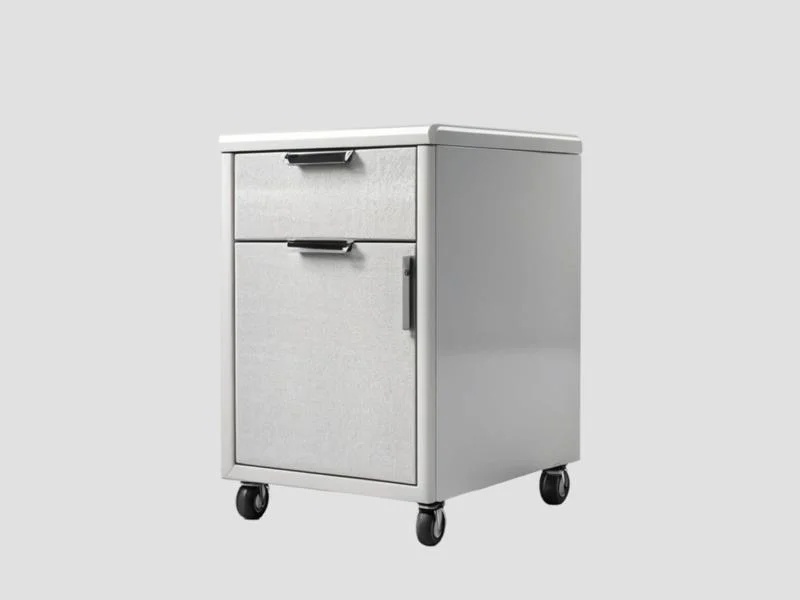
This variant is equipped with wheels for easy transport, making it ideal for dynamic healthcare environments. It typically features multiple compartments and secure locking mechanisms to keep items organized and safe during movement.
Wall-Mounted Storage Unit
Designed to save floor space, this type attaches directly to walls. It is perfect for smaller clinics or examination rooms, providing easy access to essential items while maintaining a tidy environment.
Tall Storage Cabinet
These units offer vertical storage solutions, maximizing space in facilities where floor area is limited. They often include adjustable shelves and locking doors, making them suitable for a wide range of applications.
Under-Counter Cabinets
These compact units fit neatly under counters or workstations, providing additional storage without occupying extra space. They are commonly used in labs and clinics for storing tools and supplies.
Benefits and Advantages
Patient cabinets and storage units provide numerous advantages that enhance operational efficiency in healthcare settings.
Key benefits include:
1. Improved Organization: These units help keep medical supplies and equipment neatly arranged, reducing the time staff spend searching for essential items.
2. Enhanced Safety: Lockable cabinets protect medications and sensitive materials, ensuring that only authorized personnel have access.
3. Space Optimization: With various sizes and designs, patient cabinets allow facilities to maximize available space while maintaining an orderly environment.
4. Compliance Assurance: Built to meet industry regulations, these units help healthcare providers adhere to safety and quality standards.
5. Durability: Made from robust materials, patient cabinets are designed to withstand the rigors of daily use in busy healthcare environments.
6. Customization Options: Many manufacturers offer tailored solutions to meet specific facility needs, ensuring that storage solutions align with operational requirements.
Buying Guide for B2B Buyers
When sourcing patient cabinets and storage units, several key factors should be considered to ensure the right choice for your facility.
1. Quality Assessment: Evaluate the materials and construction of the cabinets to ensure they will withstand daily use. Look for units that meet industry standards for durability and safety.
2. Supplier Verification: Research potential suppliers to confirm their reputation and reliability. Check for customer reviews and industry certifications that demonstrate their credibility.
3. Pricing and MOQ: Understand the pricing structure and minimum order quantities (MOQ) that each supplier offers. This will help you evaluate which options fit within your budget while meeting your needs.
4. Delivery and Lead Times: Inquire about the supplier’s delivery capabilities and lead times. Timely delivery is critical in healthcare settings where quick access to supplies is essential.
5. Compliance Requirements: Ensure that the cabinets comply with relevant healthcare regulations. This is crucial for maintaining safety standards and avoiding potential liabilities.
Compliance and Certifications
Patient cabinets and storage units must adhere to various quality standards to ensure safety and reliability in healthcare settings. Key standards include ISO 9001, which focuses on quality management systems, and HACCP, which emphasizes food safety management. Compliance with Good Distribution Practice (GDP) is also essential for pharmaceutical storage, ensuring that products are consistently stored and handled correctly.
Industry certifications, such as CE marking, indicate that the products meet European Union safety, health, and environmental protection standards. This certification is particularly important for products intended for the healthcare sector, as it assures buyers of their quality and safety.
Safety and testing requirements are critical in the healthcare industry. Patient cabinets must undergo rigorous testing to ensure they can withstand the demands of a clinical environment. Additionally, manufacturers should provide documentation that demonstrates compliance with regional regulations, which may vary from one area to another.
Why Source Patient Cabinets & Storage Units from Pepagora?
Pepagora offers a trusted platform for sourcing patient cabinets and storage units, providing several key advantages to B2B buyers.
Verified Supplier Network: Pepagora features a network of verified suppliers, ensuring that buyers can source high-quality products from reputable manufacturers. This reduces the risk of purchasing substandard goods.
Streamlined RFQ Process: The request for quotation (RFQ) system simplifies the procurement process. Buyers can easily compare quotes from multiple suppliers, enabling informed purchasing decisions.
Trade Assurance and Support: Pepagora offers buyer protection through trade assurance policies. This ensures that transactions are secure and that buyers receive the products as promised.
Regional Coverage: With a strong presence in India, the GCC, and Southeast Asia, Pepagora connects buyers with suppliers across these regions. This geographic reach facilitates access to a diverse range of patient cabinets and storage units tailored to local market needs.

Frequently Asked Questions
What are Patient Cabinets & Storage Units?
Patient Cabinets & Storage Units are specialized storage solutions designed for medical environments. They are utilized to organize and store medical supplies, equipment, and personal items for patients, ensuring easy access and improved hygiene.
What are the different types of Patient Cabinets & Storage Units?
There are various types of Patient Cabinets & Storage Units, including wall-mounted cabinets, mobile carts, bedside cabinets, and multi-functional storage units. Each type serves specific purposes, such as maximizing space, providing mobility, or enhancing patient care.
How do I choose the right Patient Cabinets & Storage Units?
Choosing the right Patient Cabinets & Storage Units involves assessing your specific storage needs, available space, and patient care requirements. Consider factors such as size, material, and functionality to ensure the units meet both operational and safety standards.
What are the standard specifications for Patient Cabinets & Storage Units?
Standard specifications for Patient Cabinets & Storage Units typically include dimensions, weight capacity, and material composition. They are often made from durable, easy-to-clean materials such as steel or laminate, and should comply with health and safety regulations.
What is the price range for Patient Cabinets & Storage Units?
The price range for Patient Cabinets & Storage Units can vary widely based on size, material, and design features. Generally, prices may range from a few thousand to several tens of thousands of Indian Rupees, depending on the specifications and manufacturer.
What quality standards apply to Patient Cabinets & Storage Units?
Quality standards for Patient Cabinets & Storage Units often include compliance with ISO certifications and medical equipment regulations. These standards ensure that the units are safe, durable, and suitable for use in healthcare settings.
Where can I find Patient Cabinets & Storage Units suppliers in India?
You can find Patient Cabinets & Storage Units suppliers in India through B2B marketplaces such as Pepagora.com, trade shows, and industry-specific directories. It's advisable to evaluate suppliers based on their reputation, product range, and customer reviews.
Can Patient Cabinets & Storage Units be customized?
Yes, many manufacturers offer customization options for Patient Cabinets & Storage Units to meet specific requirements. Customizations may include size adjustments, additional compartments, or specific finishes to match the healthcare facility's design.
What is the typical minimum order quantity for Patient Cabinets & Storage Units?
The typical minimum order quantity (MOQ) for Patient Cabinets & Storage Units can vary by supplier, but it generally ranges from 5 to 20 units. It is advisable to confirm the MOQ with the manufacturer before placing an order.
What is the typical lead time for Patient Cabinets & Storage Units?
The typical lead time for Patient Cabinets & Storage Units varies depending on the supplier and whether the units are customized. Generally, lead times can range from 2 to 8 weeks from the date of order confirmation.
Why Businesses Trust Pepagora
Thousands of companies trust Pepagora to source smarter and sell faster
Expand Your Sales Globally

Source Smarter,Grow Faster
