𝗪𝗵𝗮𝘁 𝗮𝗿𝗲 𝗛𝗼𝘀𝗽𝗶𝘁𝗮𝗹 𝗙𝘂𝗿𝗻𝗶𝘁𝘂𝗿𝗲?
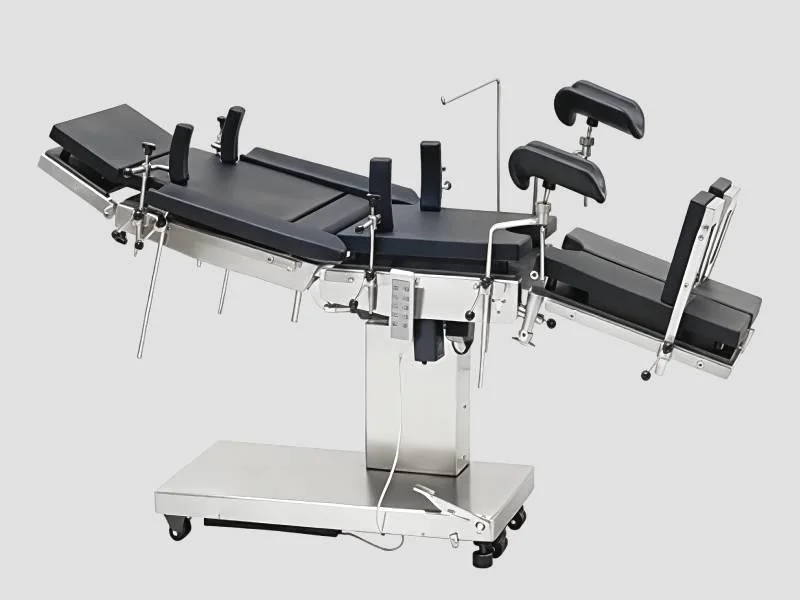
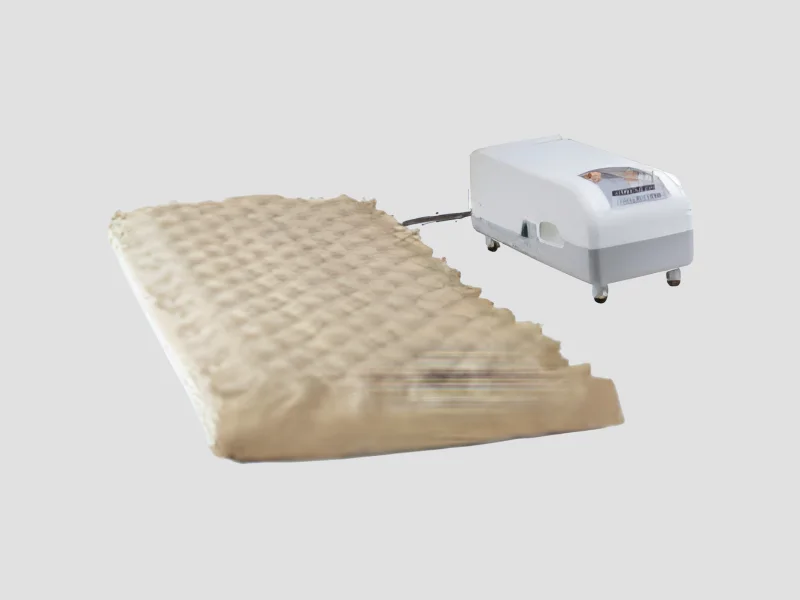
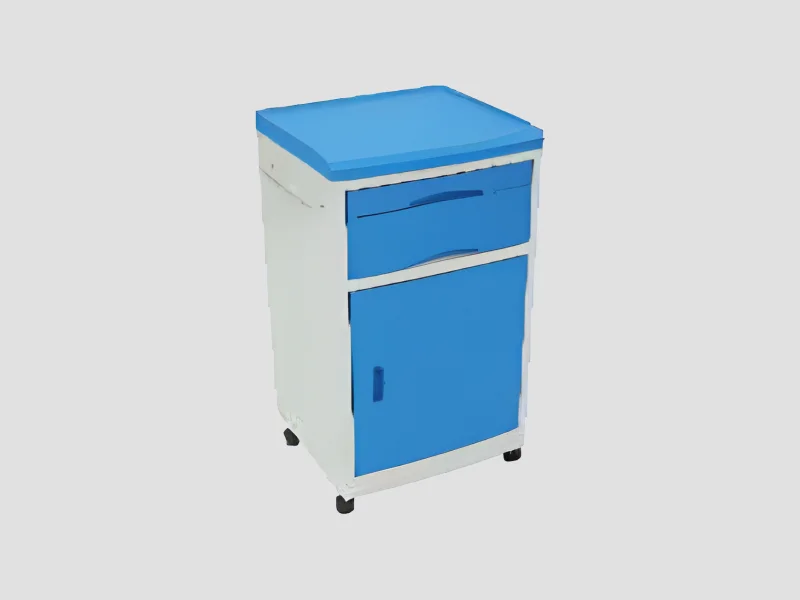
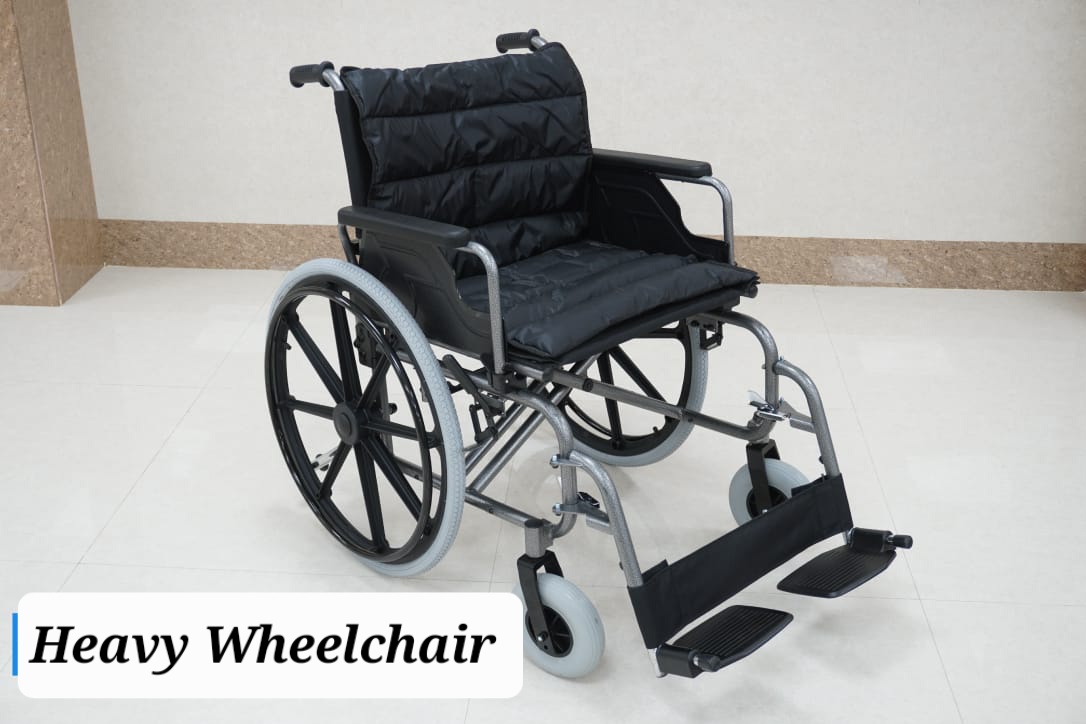
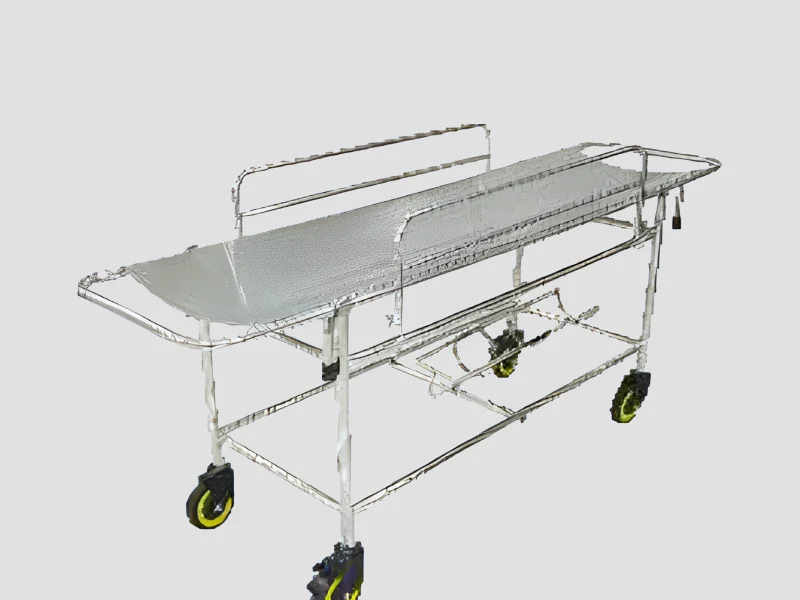
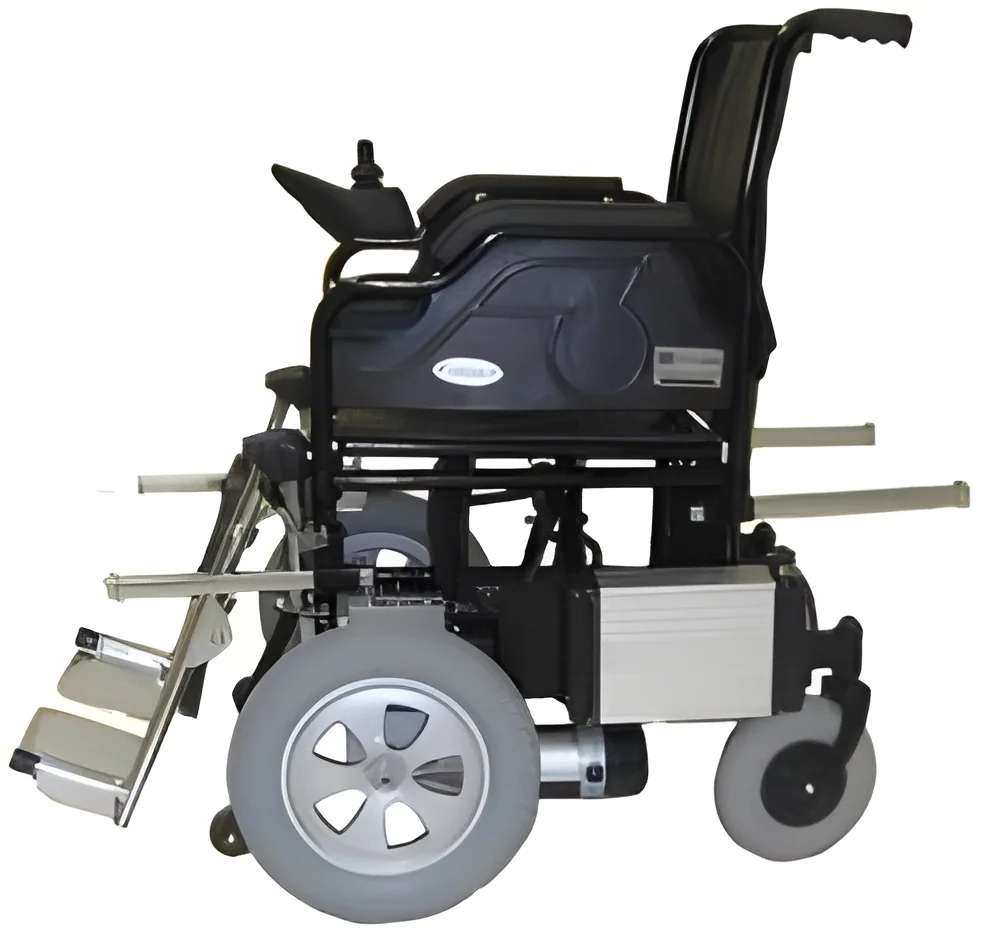
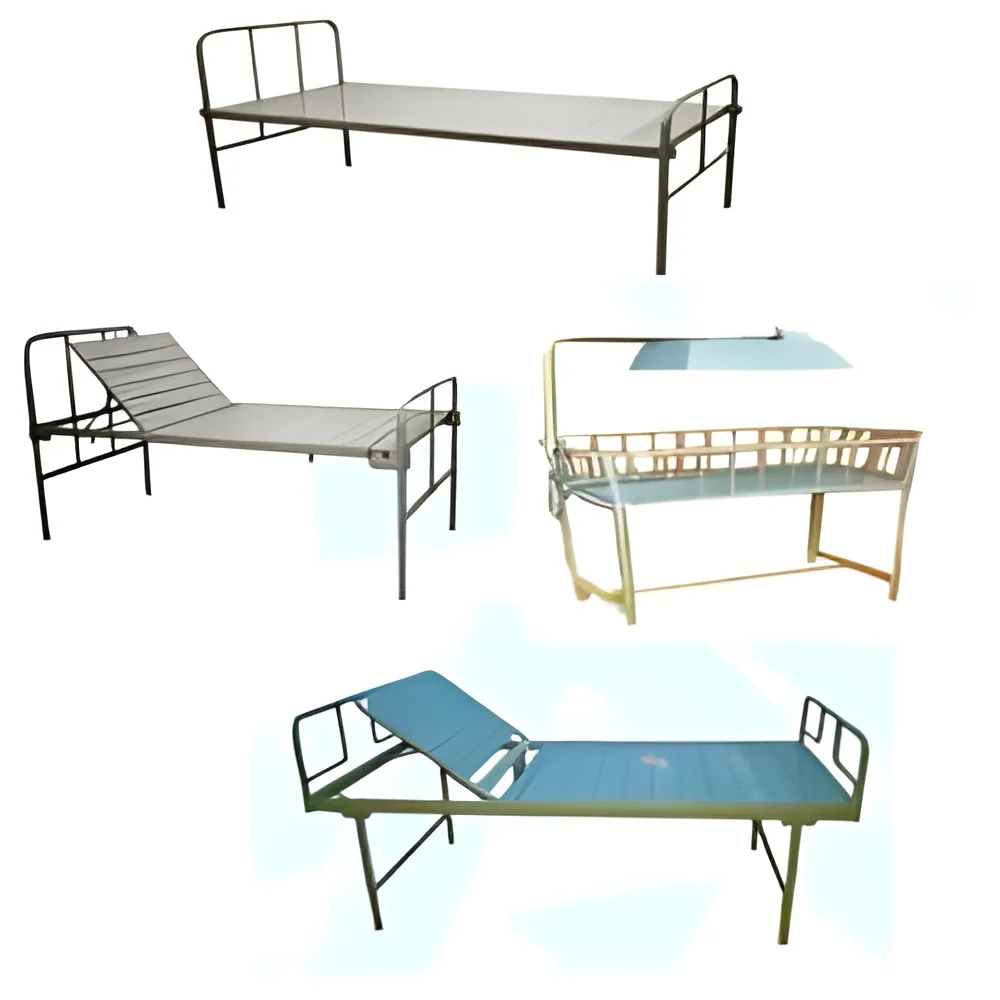
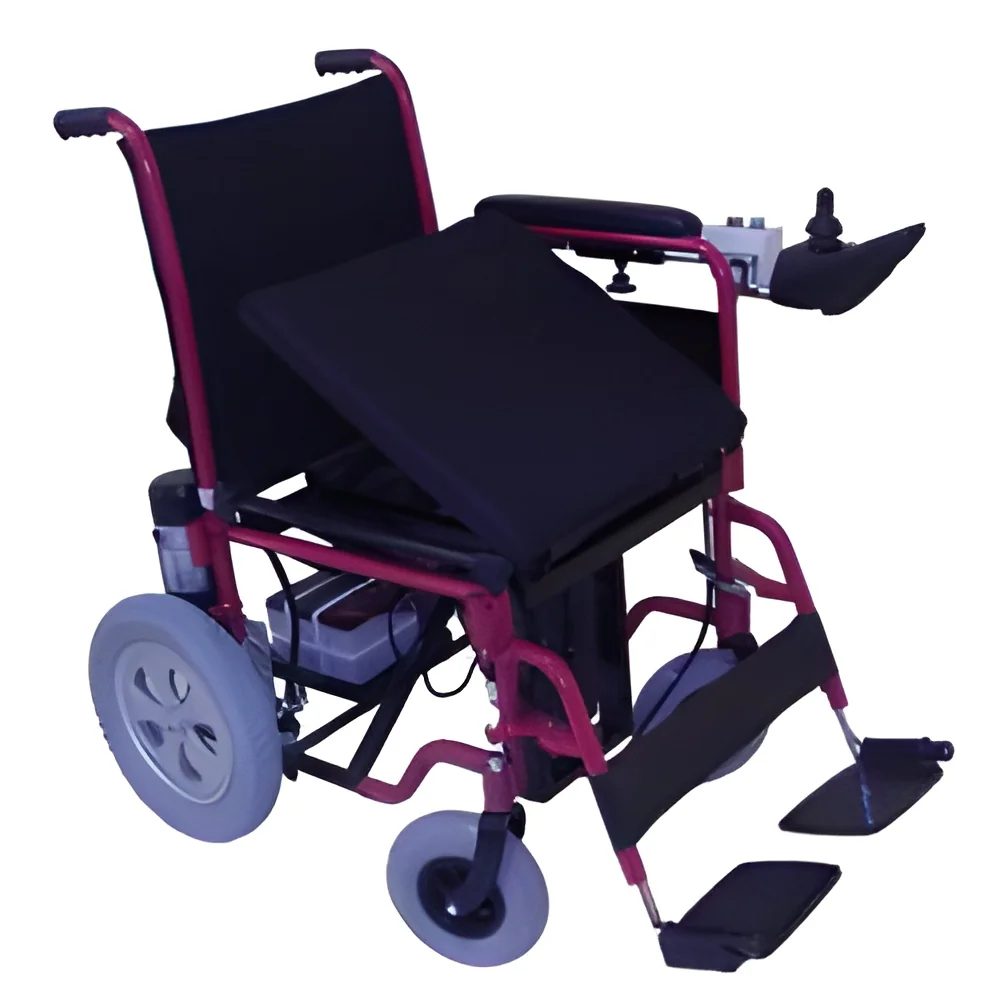
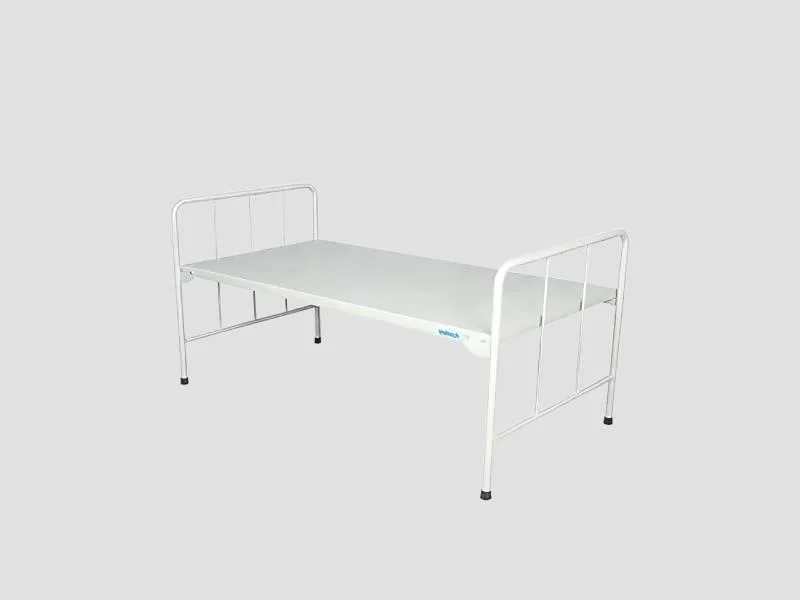
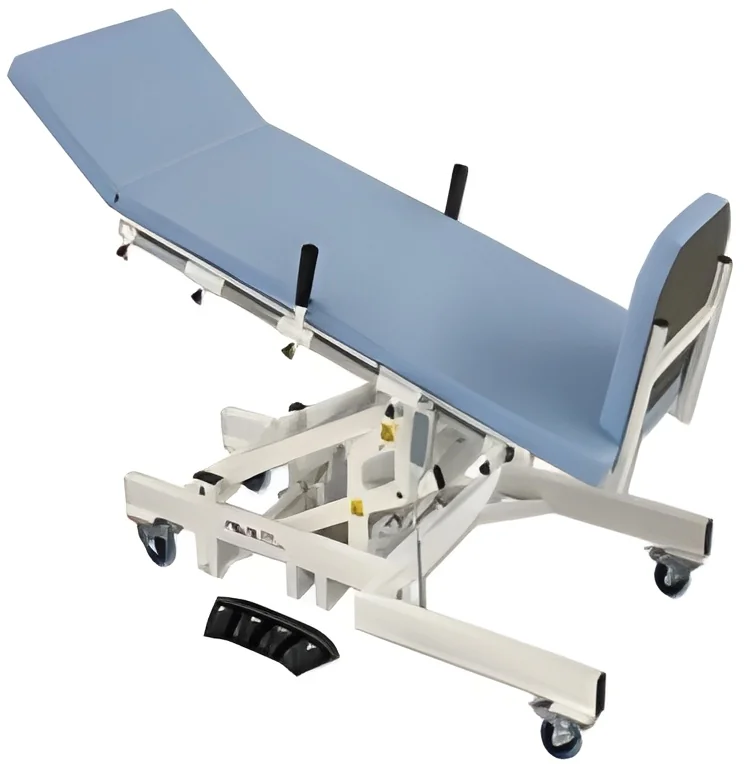
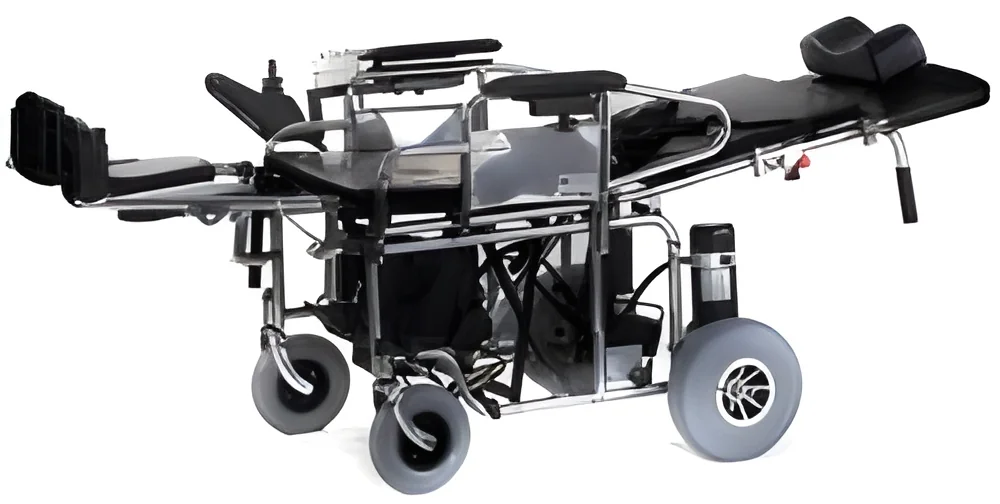
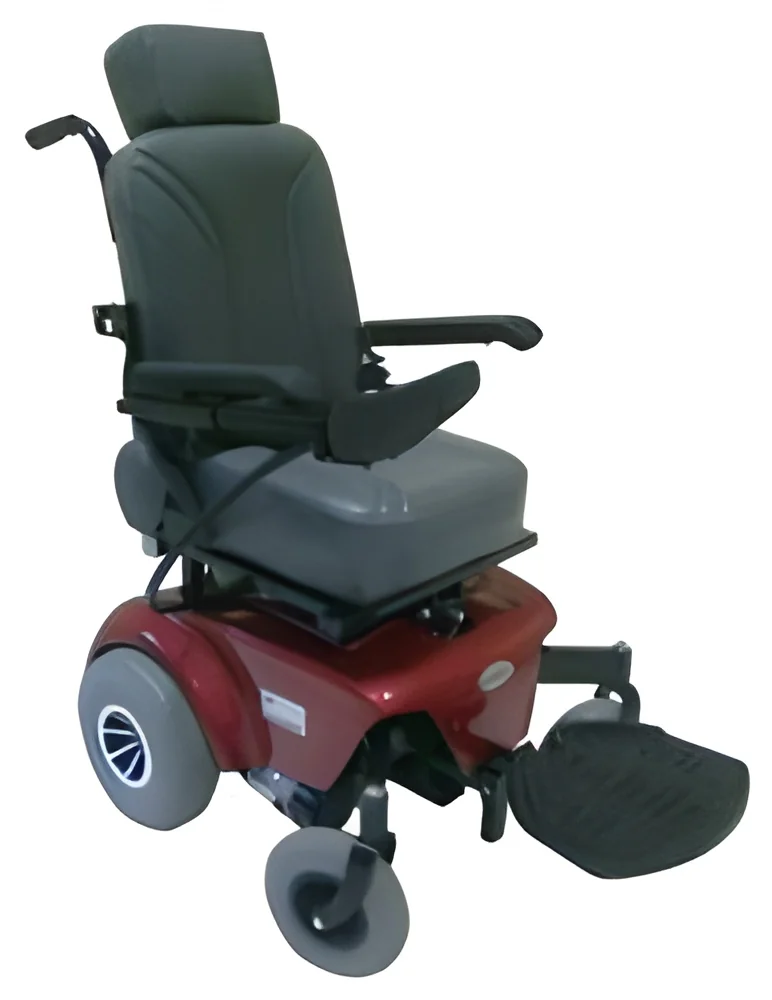
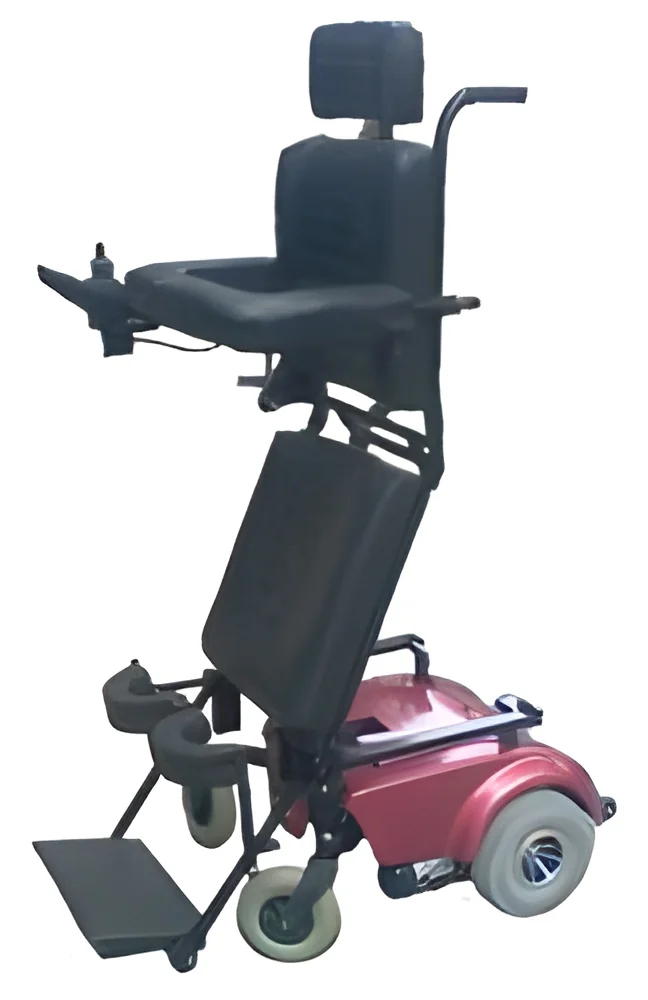
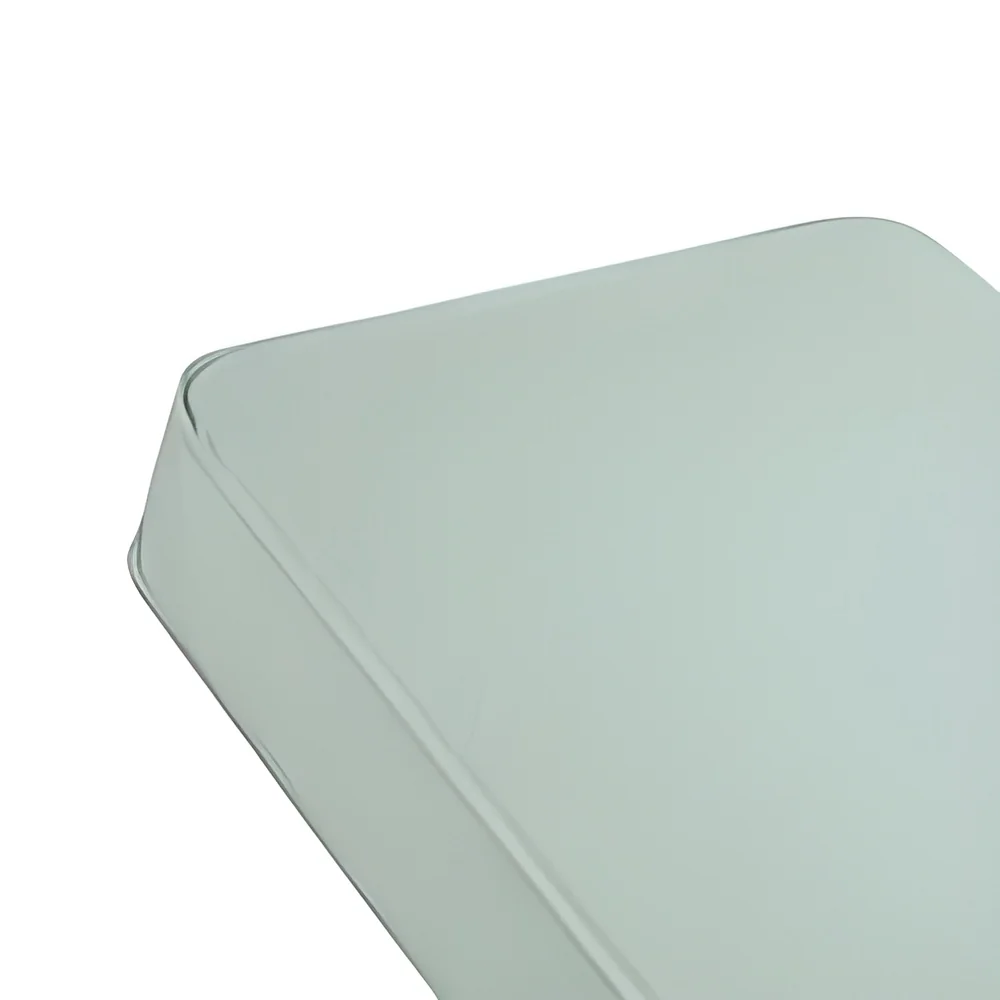
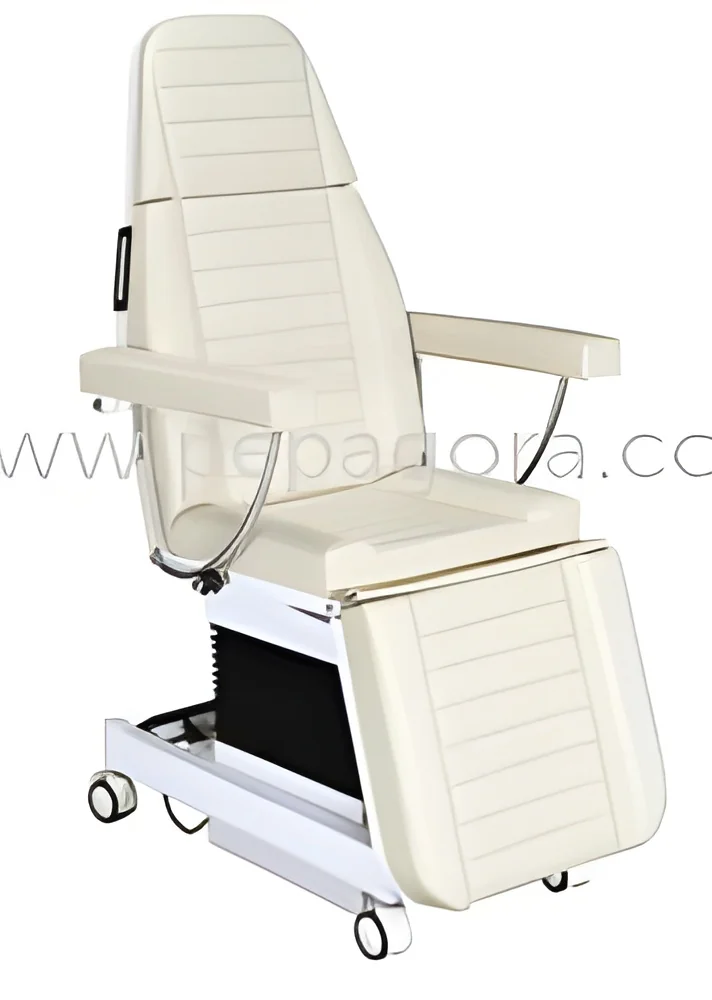
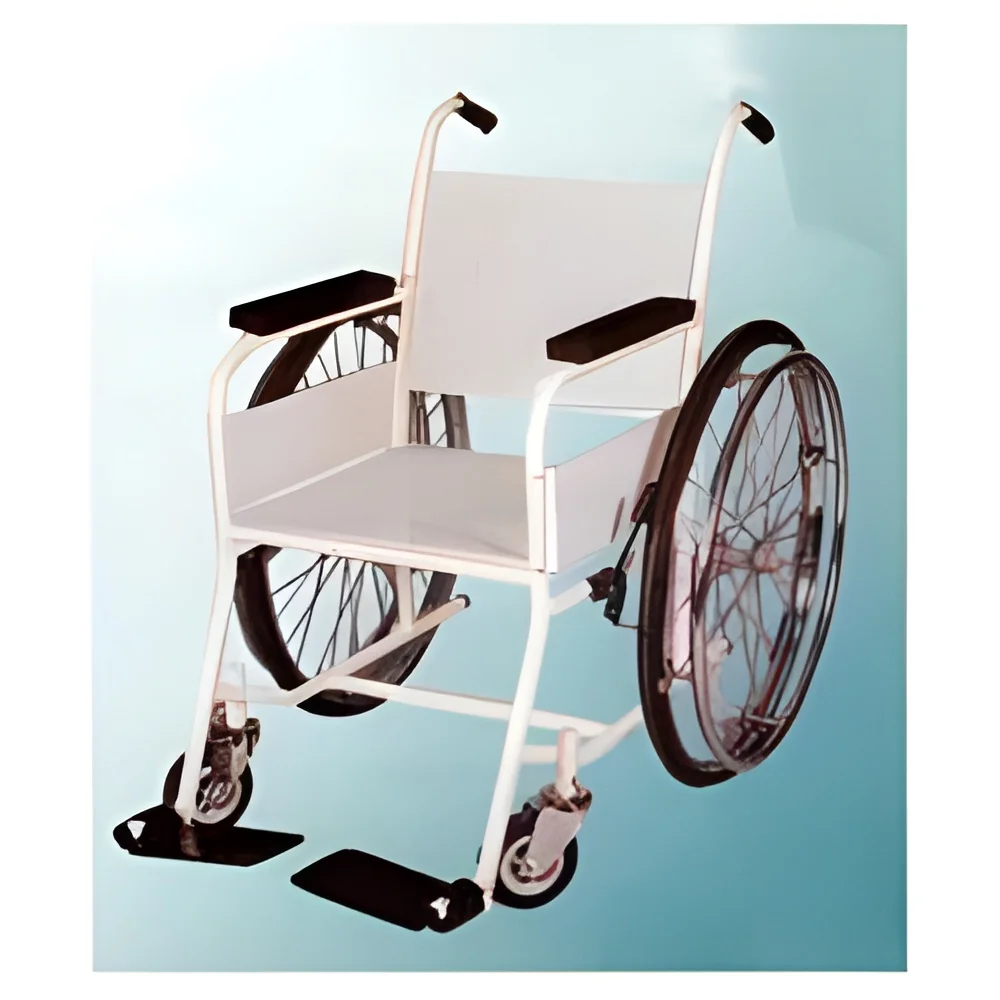
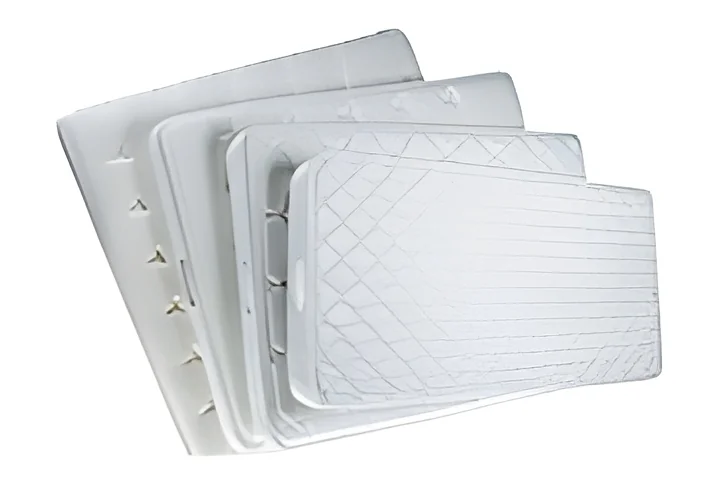
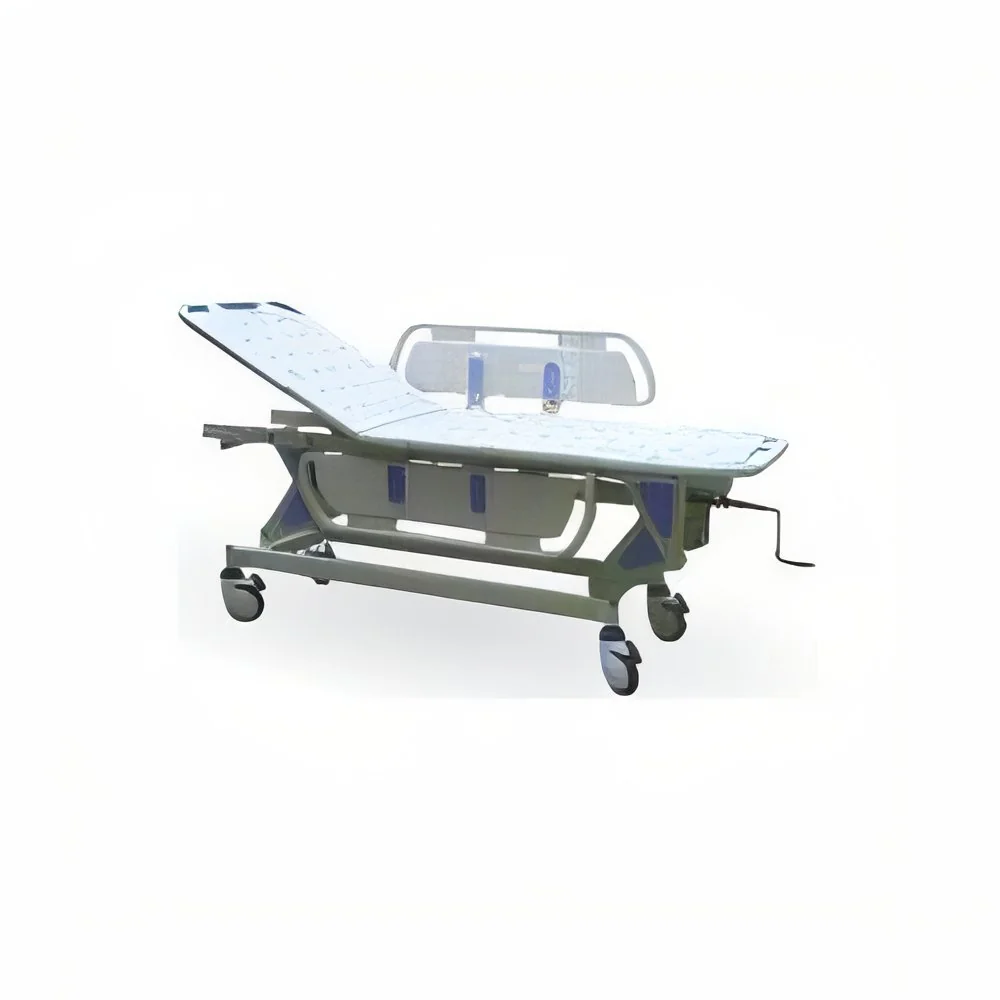
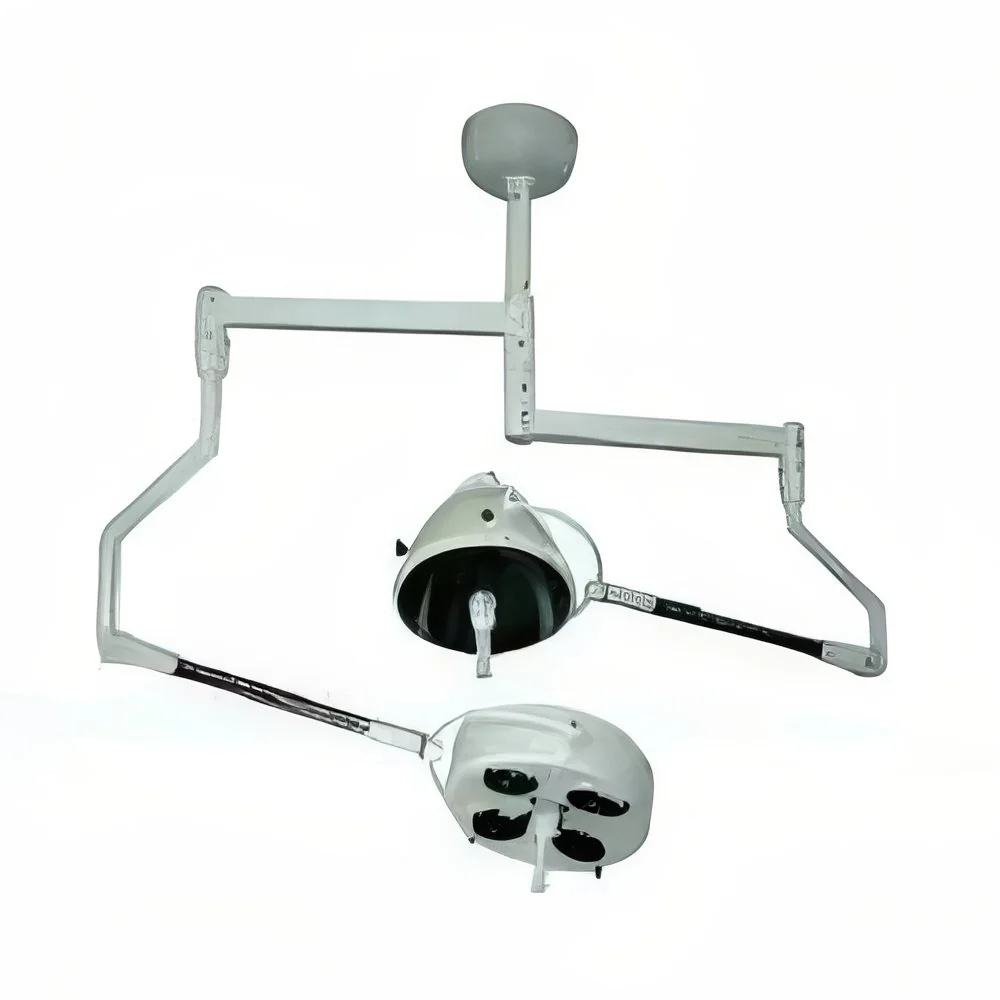
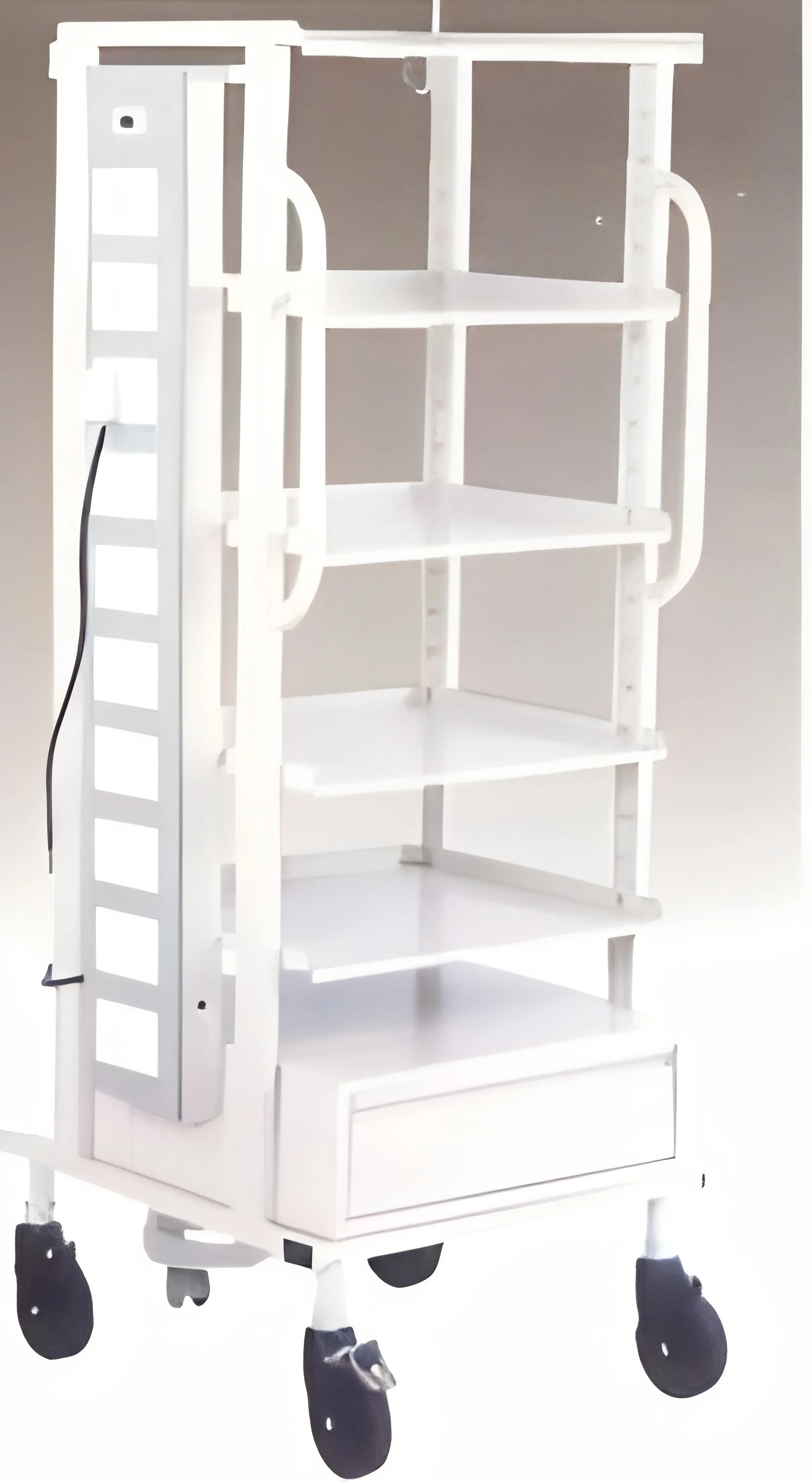
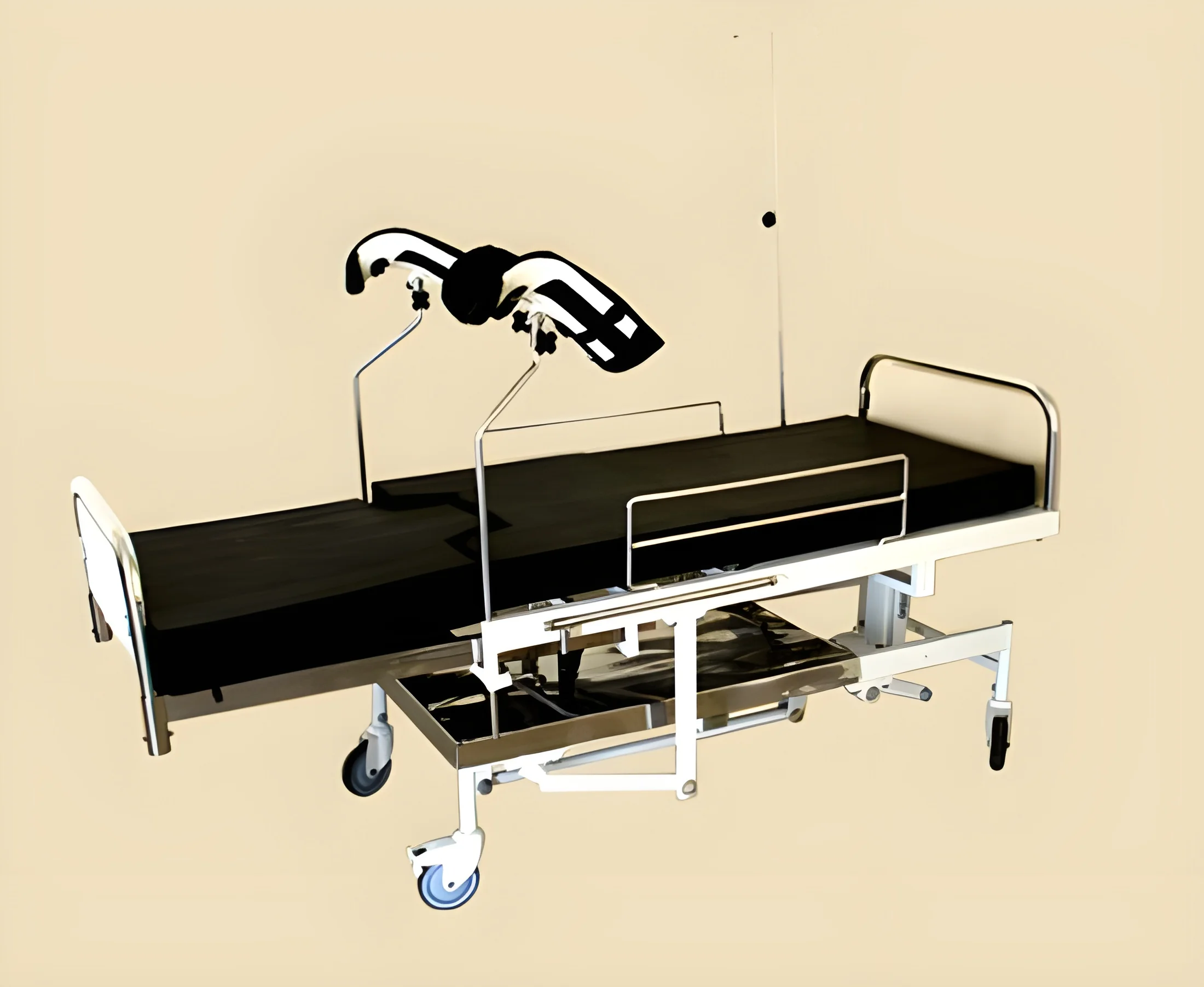
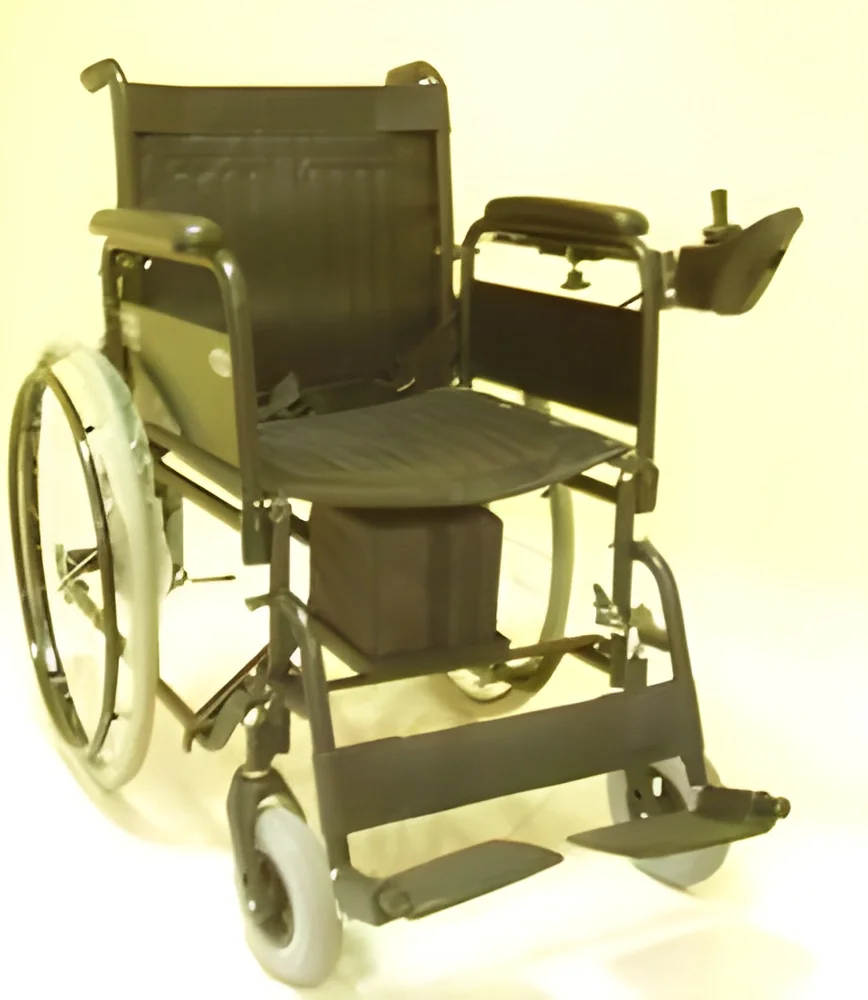
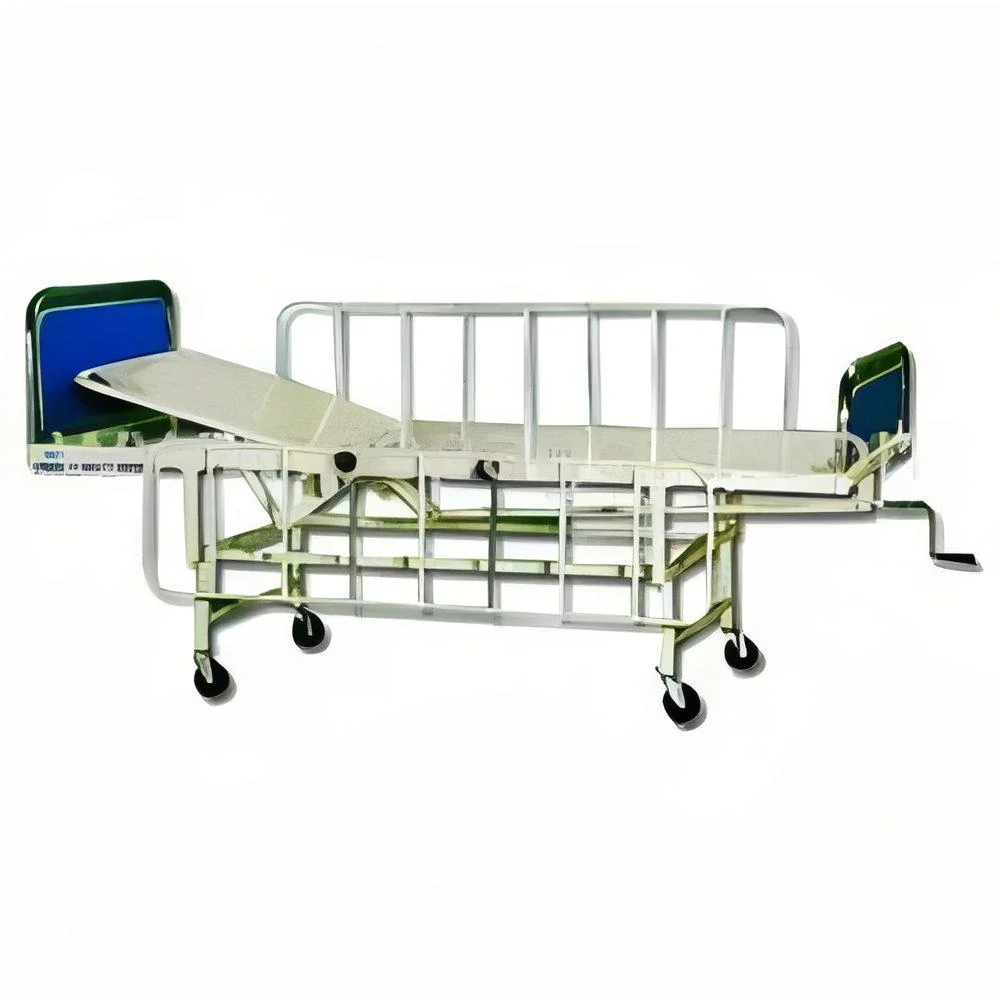
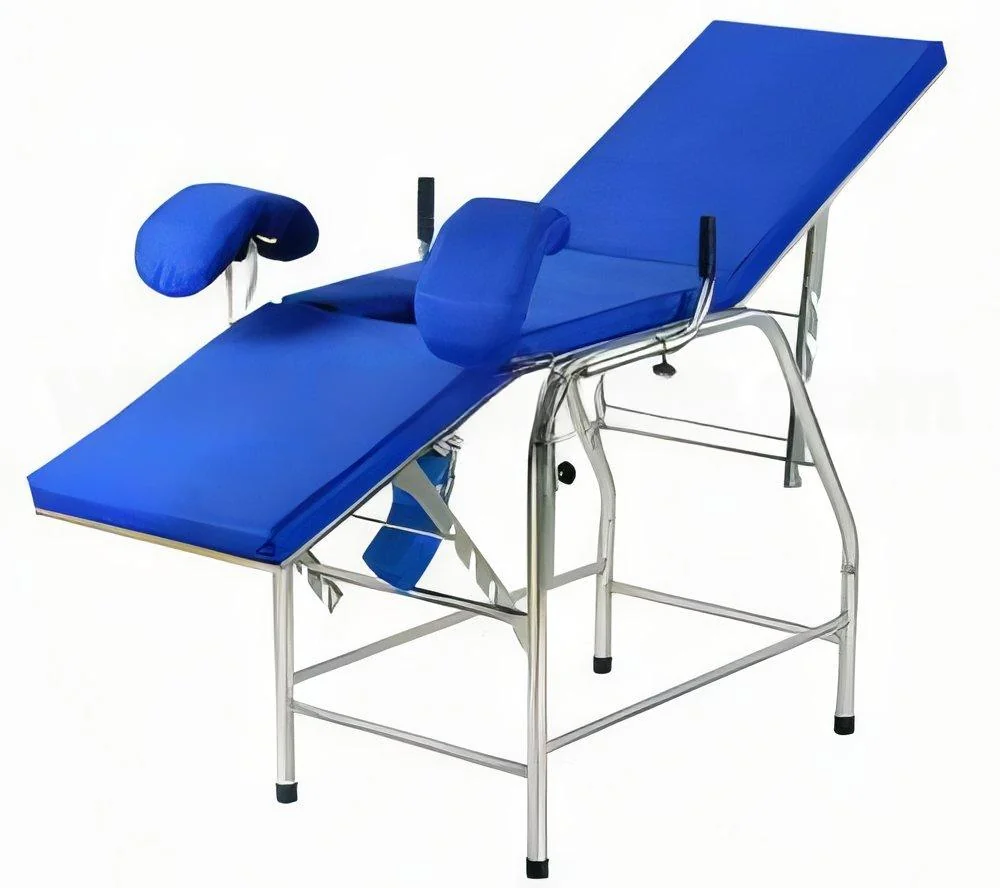
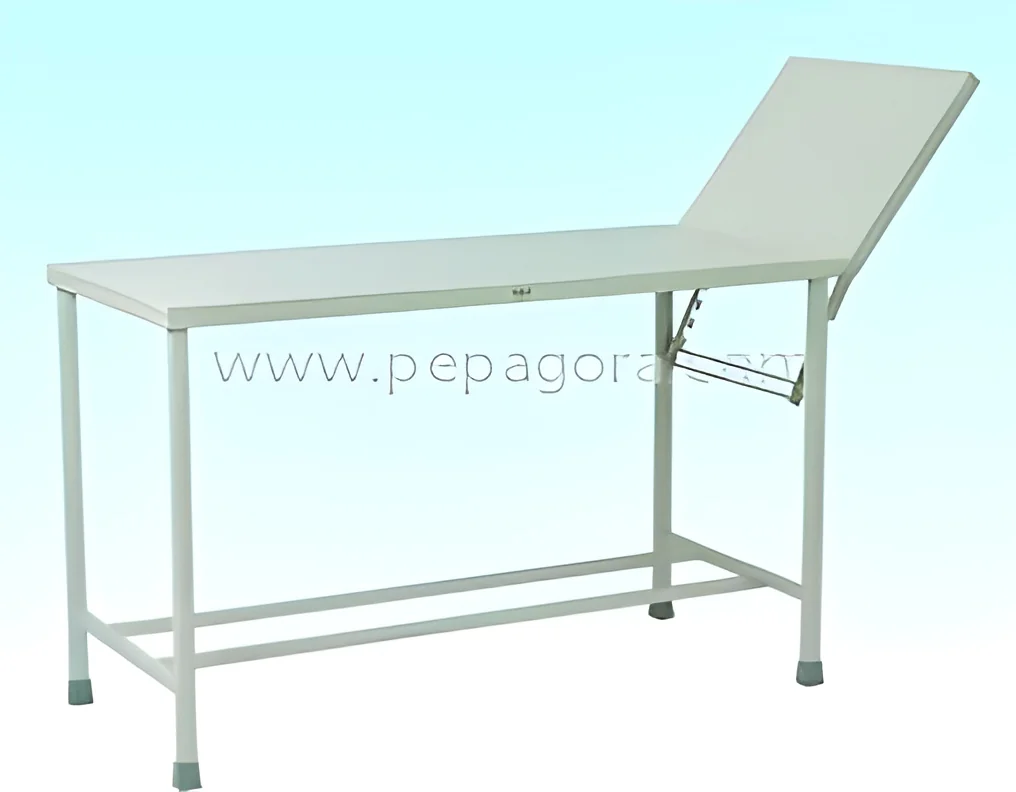
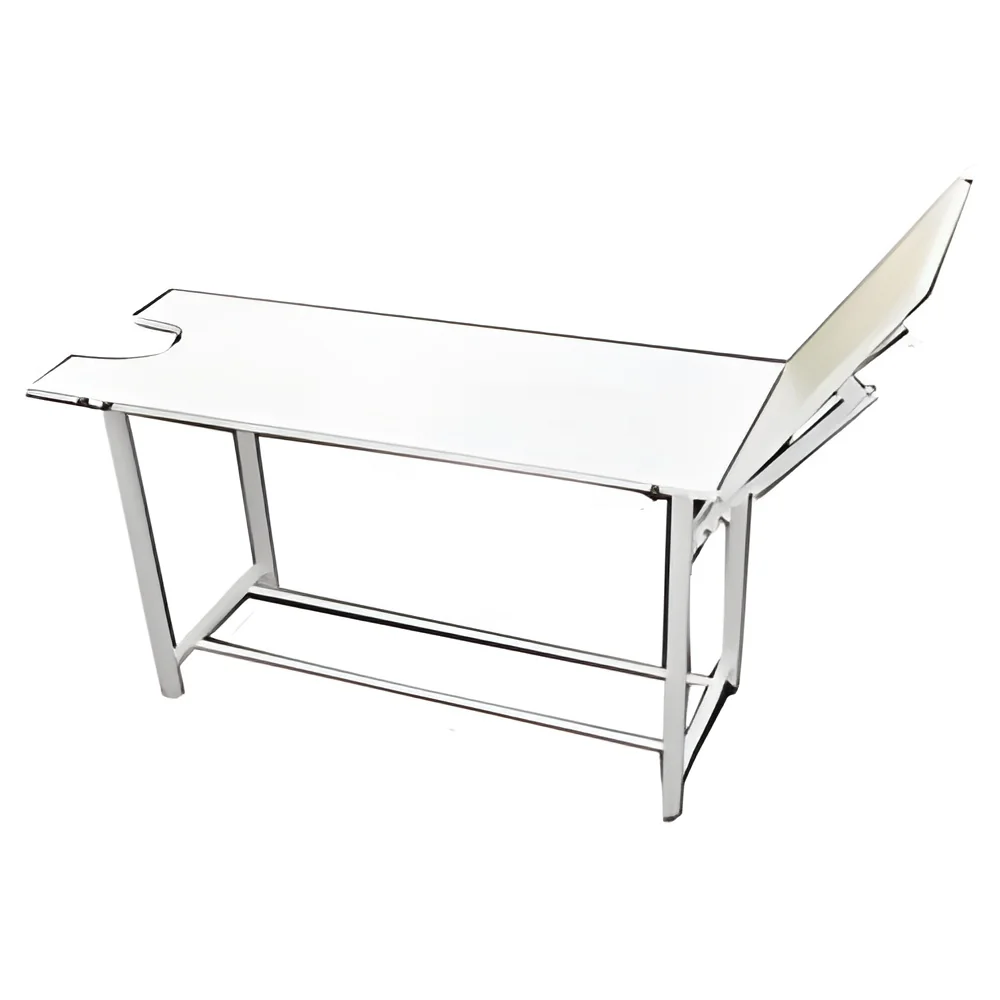
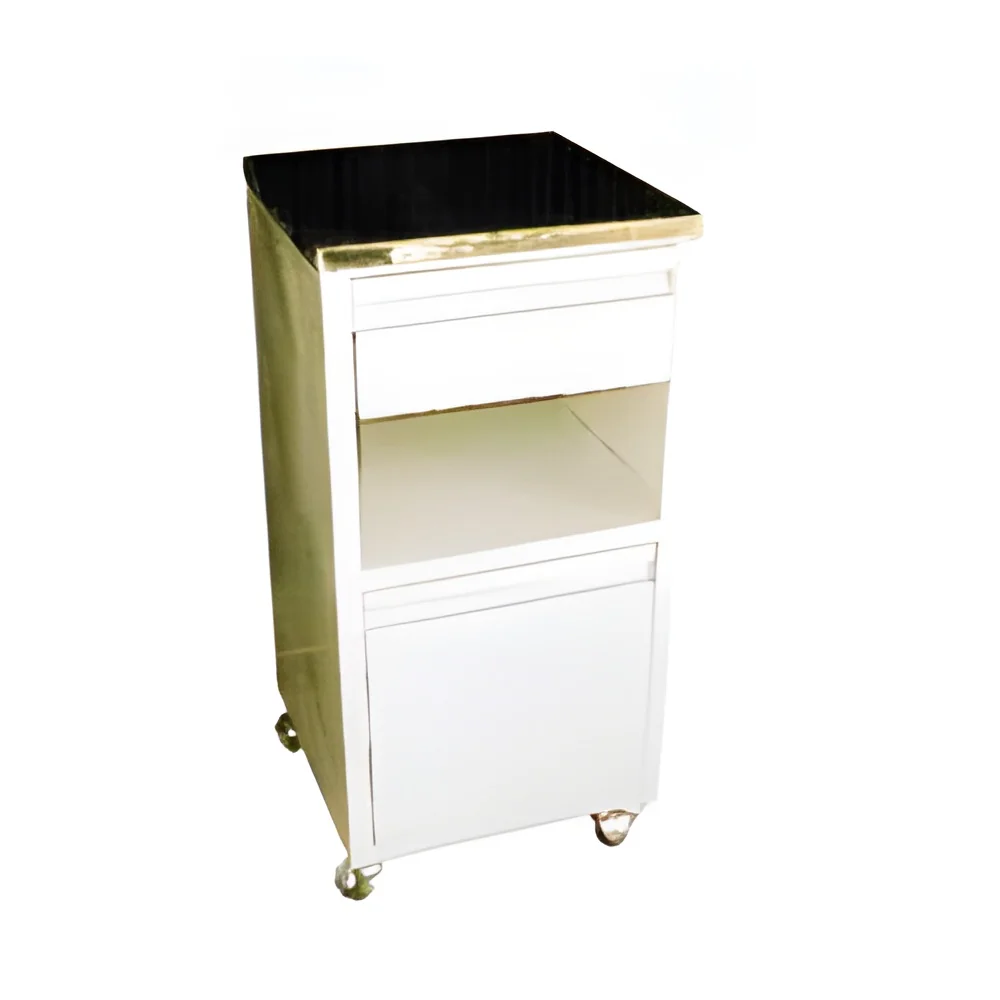
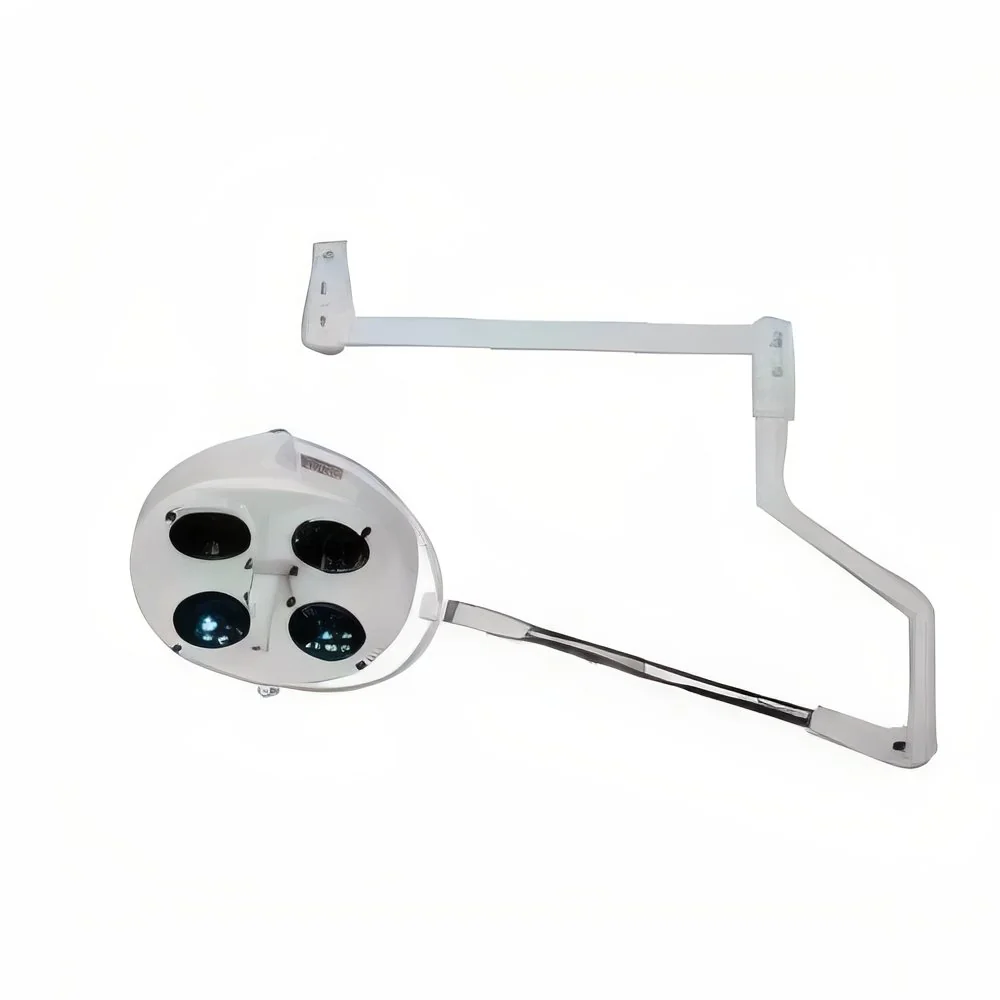
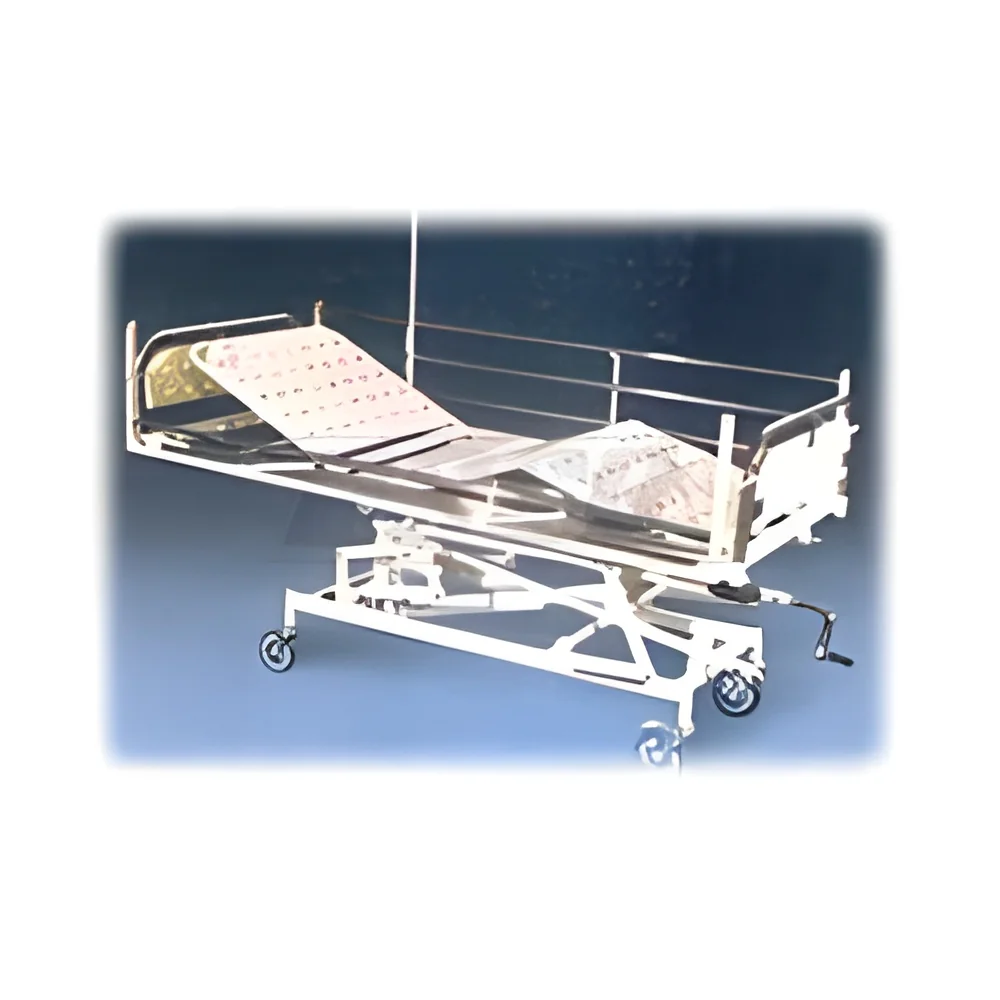
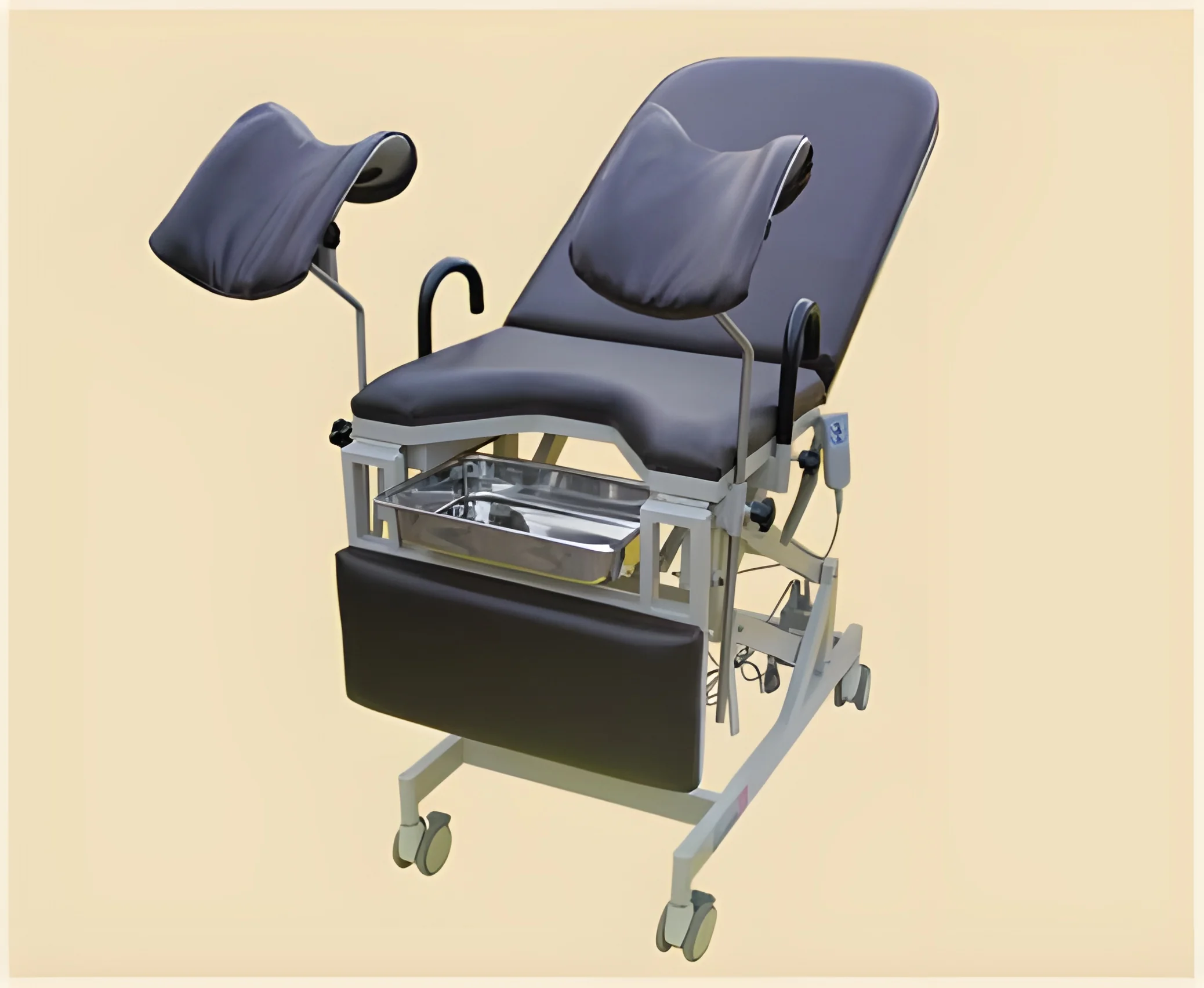
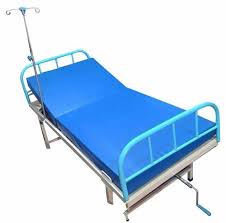
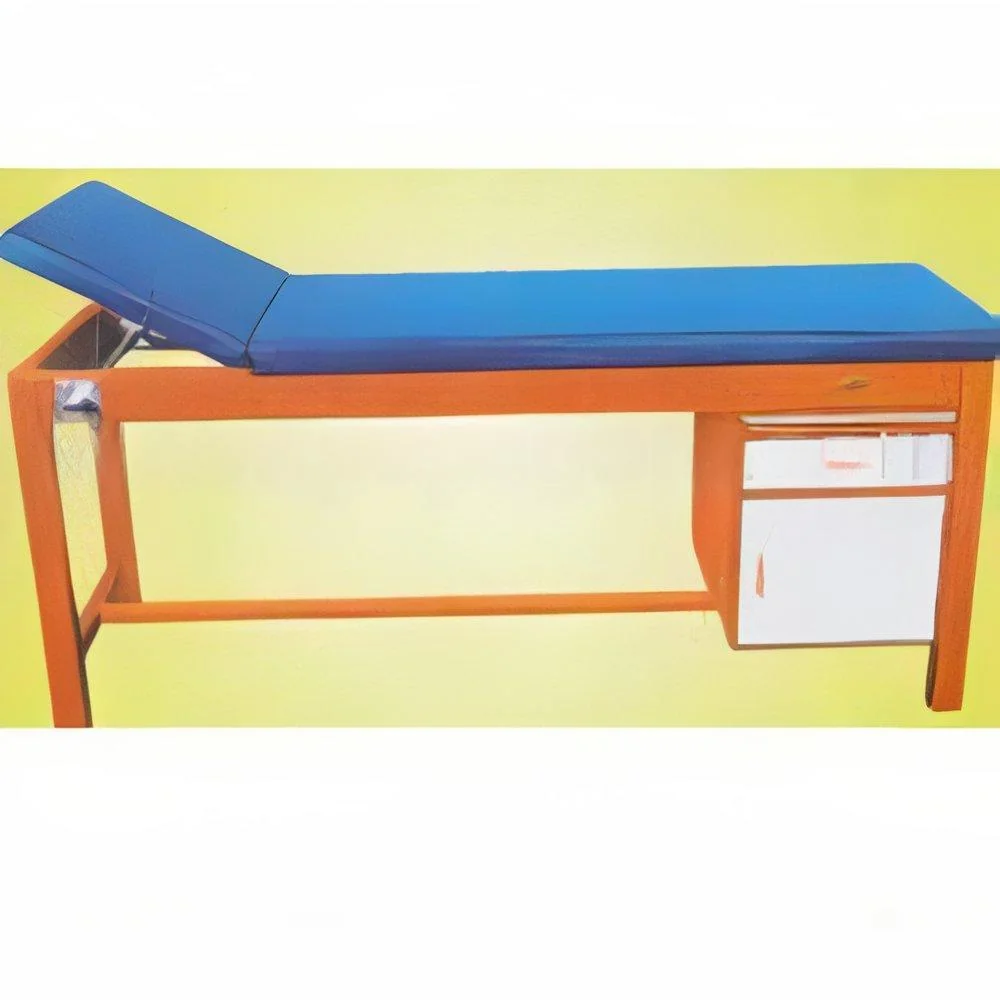
Hospital furniture refers to the specialized equipment and fixtures used in medical facilities to assist in patient care and ensure the efficient functioning of healthcare services. This category includes items such as hospital beds, examination tables, wheelchairs, bedside cabinets, and waiting room seating. Each piece of furniture is designed to meet the specific needs of the medical environment, balancing comfort, functionality, and durability.
The primary uses of hospital furniture are to provide a safe and comfortable environment for patients, support healthcare professionals in their duties, and facilitate efficient workflow within medical facilities. This furniture is essential in various settings, including hospitals, clinics, nursing homes, and rehabilitation centers. The design and functionality of hospital furniture contribute significantly to patient recovery and overall healthcare service efficiency.
In today's healthcare market, the demand for high-quality hospital furniture is continuously growing. With advancements in medical technology and an increasing emphasis on patient-centered care, the furniture used in healthcare settings must not only support clinical needs but also enhance the patient experience. As a result, manufacturers are focusing on innovative designs, sustainable materials, and compliance with industry standards to meet the evolving needs of healthcare providers.
𝗞𝗲𝘆 𝗙𝗲𝗮𝘁𝘂𝗿𝗲𝘀 𝗮𝗻𝗱 𝗦𝗽𝗲𝗰𝗶𝗳𝗶𝗰𝗮𝘁𝗶𝗼𝗻𝘀
Hospital furniture comes with a range of features that cater to the unique requirements of healthcare settings. These features ensure safety, comfort, and ease of use for both patients and healthcare providers.
Key specifications include:
1. Material Quality
- Typically made from durable materials such as stainless steel, high-density plastic, and wood.
- Designed to withstand frequent cleaning and disinfecting.
2. Ergonomic Design
- Furniture is designed for comfort and ease of use.
- Features adjustable heights and angles to accommodate patients of various sizes.
3. Weight Capacity
- Hospital beds often have a weight capacity ranging from 250 to 600 pounds.
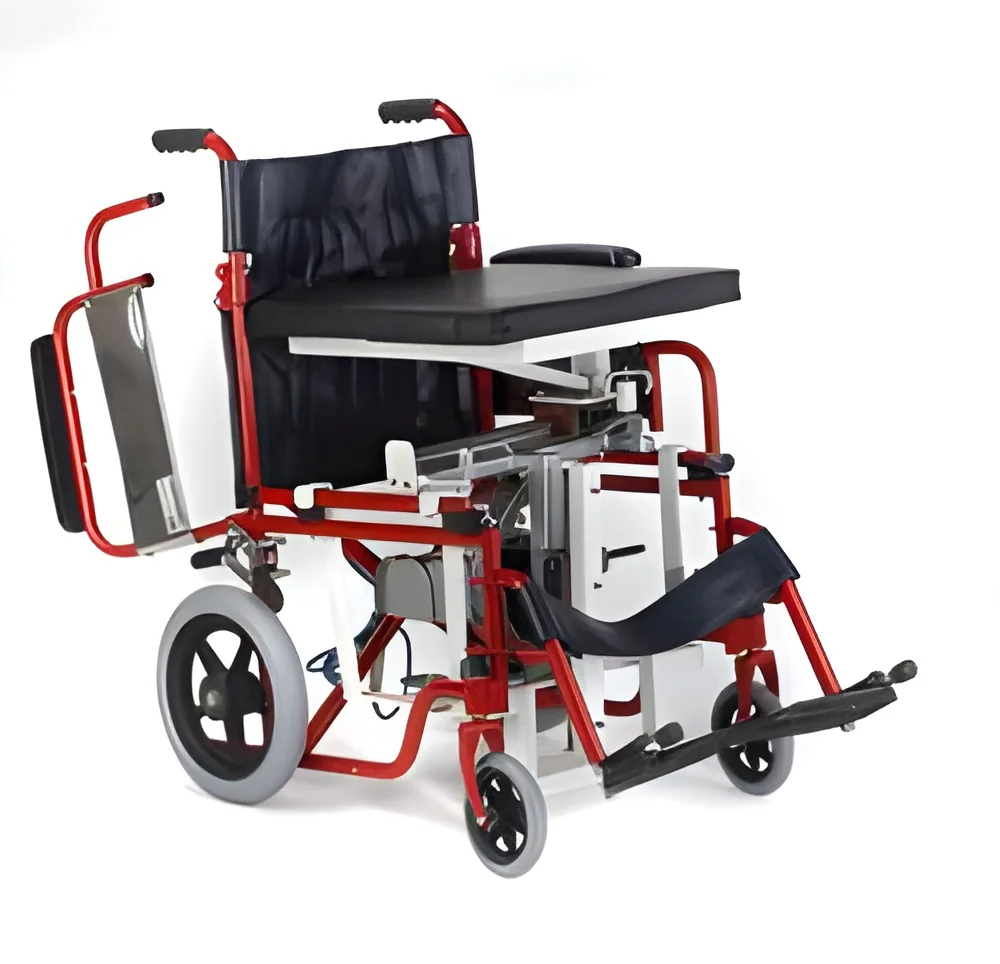
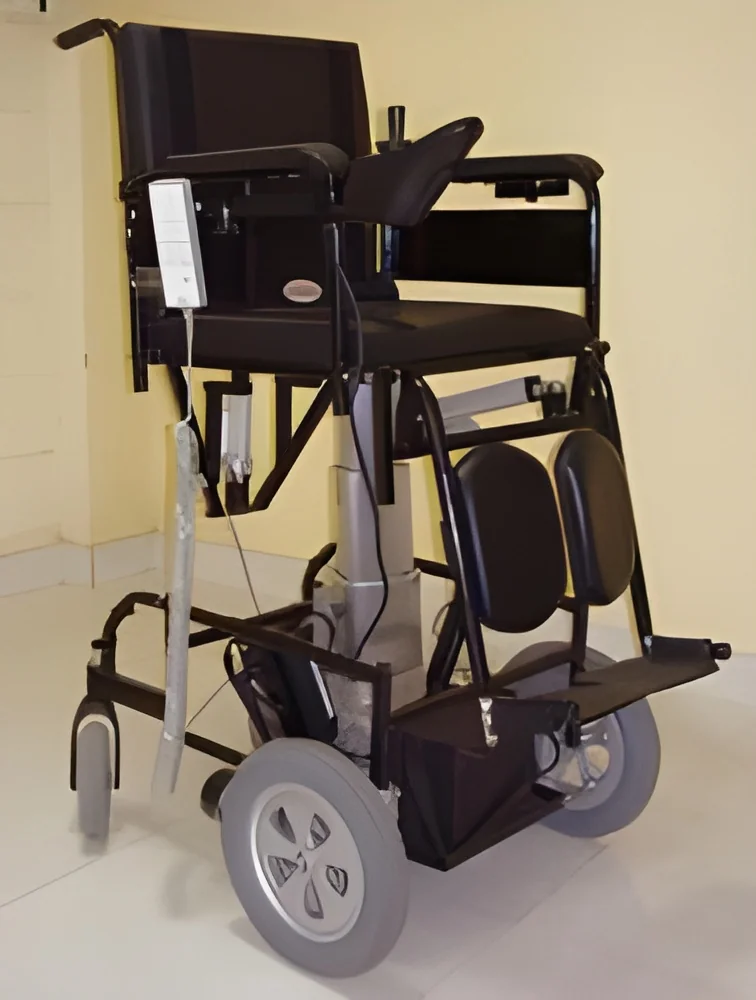
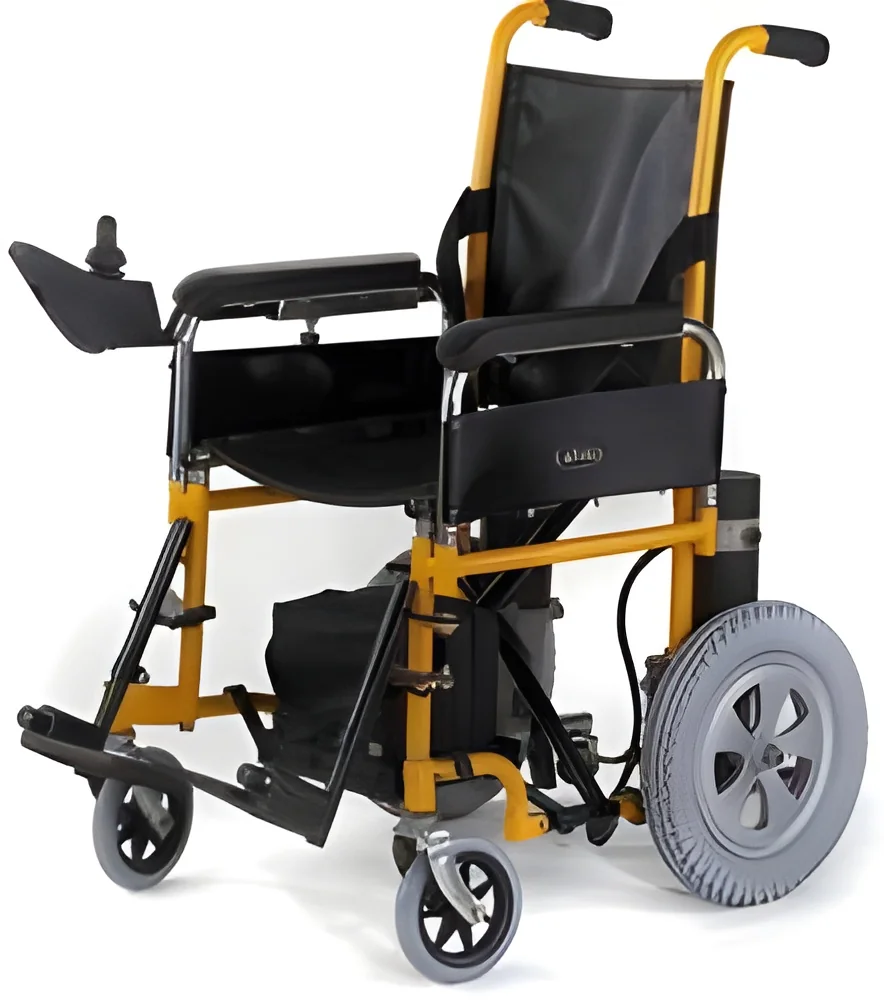
- Other furniture items like wheelchairs typically support weights up to 300 pounds.
4. Mobility Features
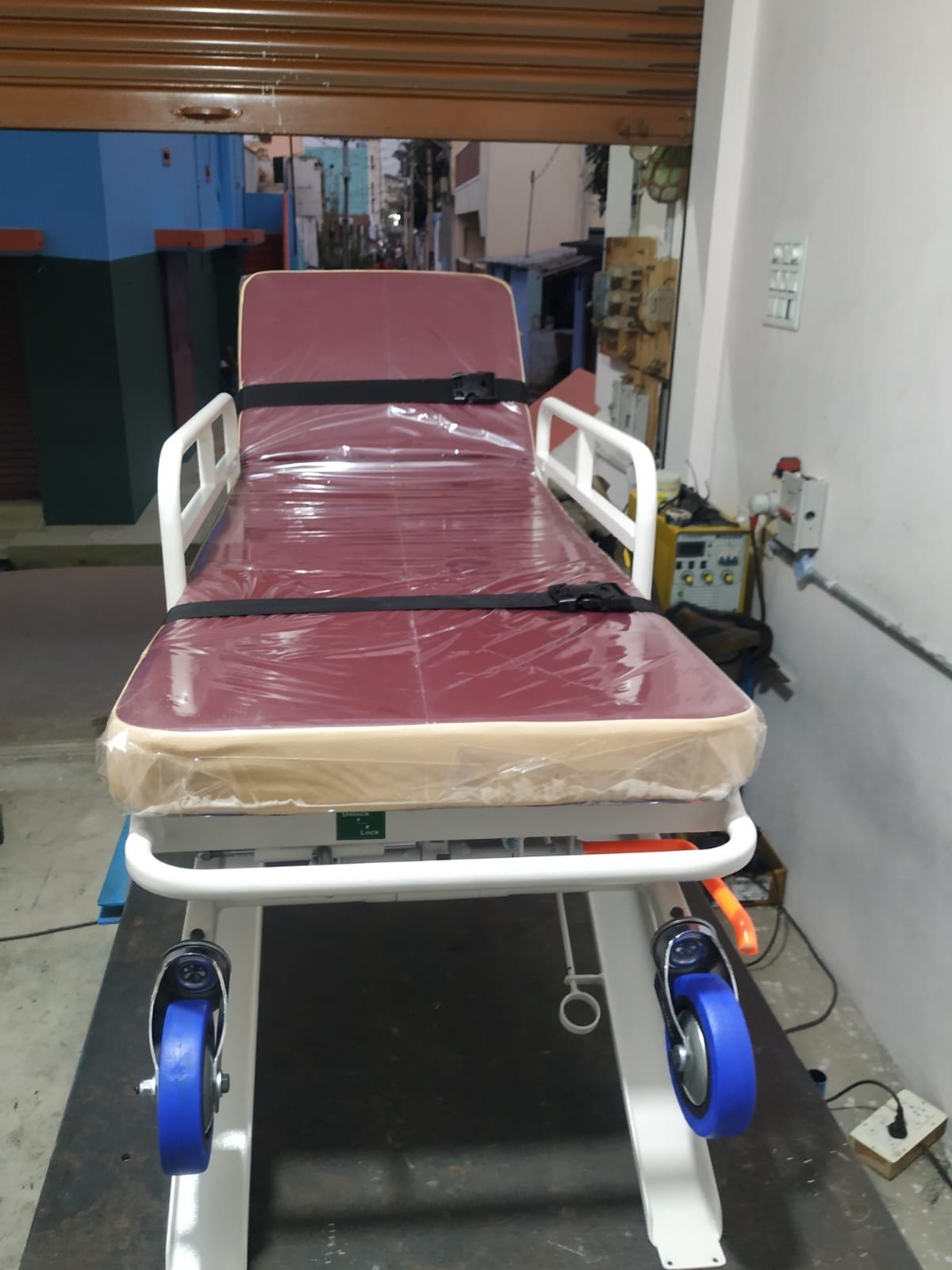
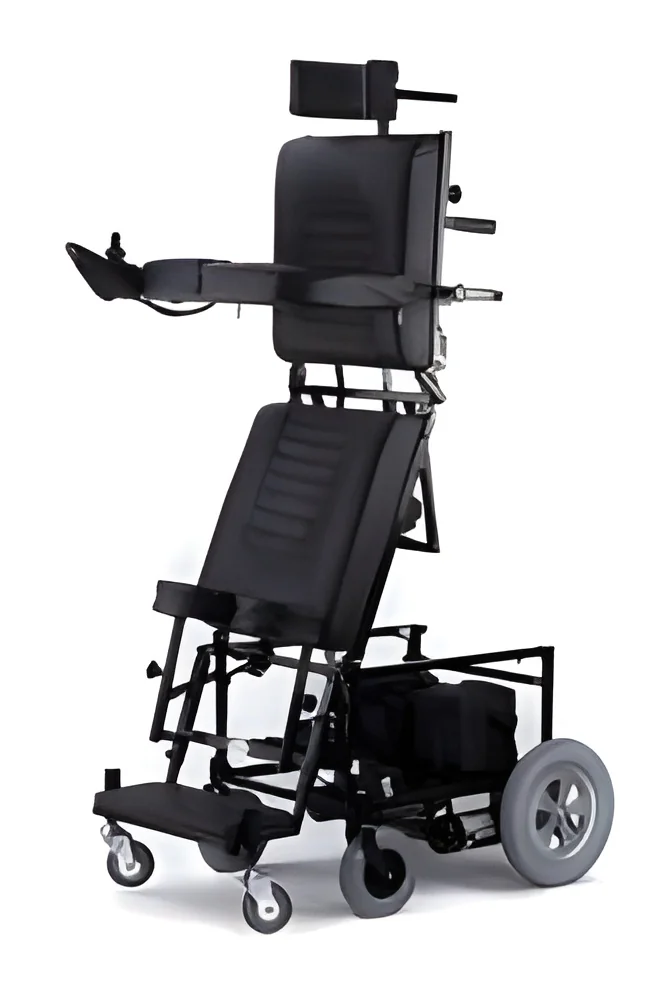
- Items like wheelchairs and hospital beds may include wheels for easy movement.
- Locking mechanisms to ensure safety during patient transfers.
5. Compliance with Standards
- Must meet safety and health standards, such as CE certification.
- Compliance with regional regulations regarding materials and construction.
6. Customization Options
- Many suppliers offer customization to meet specific hospital requirements.
- Options may include color, size, and additional features.
7. Warranty Terms
- Standard warranties often range from 1 to 5 years depending on the manufacturer.
- Covers defects in materials and workmanship.
8. Maintenance Requirements
- Easy to clean and maintain, ensuring long-term use.
- Recommendations for periodic inspections and servicing.
In summary, the specifications of hospital furniture play a crucial role in ensuring safety, comfort, and compliance in healthcare environments. Buyers should carefully consider these features when selecting furniture for their facilities.
𝗖𝗼𝗺𝗺𝗼𝗻 𝗔𝗽𝗽𝗹𝗶𝗰𝗮𝘁𝗶𝗼𝗻𝘀 𝗮𝗻𝗱 𝗨𝘀𝗲 𝗖𝗮𝘀𝗲𝘀
Hospital furniture is utilized across various healthcare settings, serving specific functions to enhance patient care and operational efficiency.
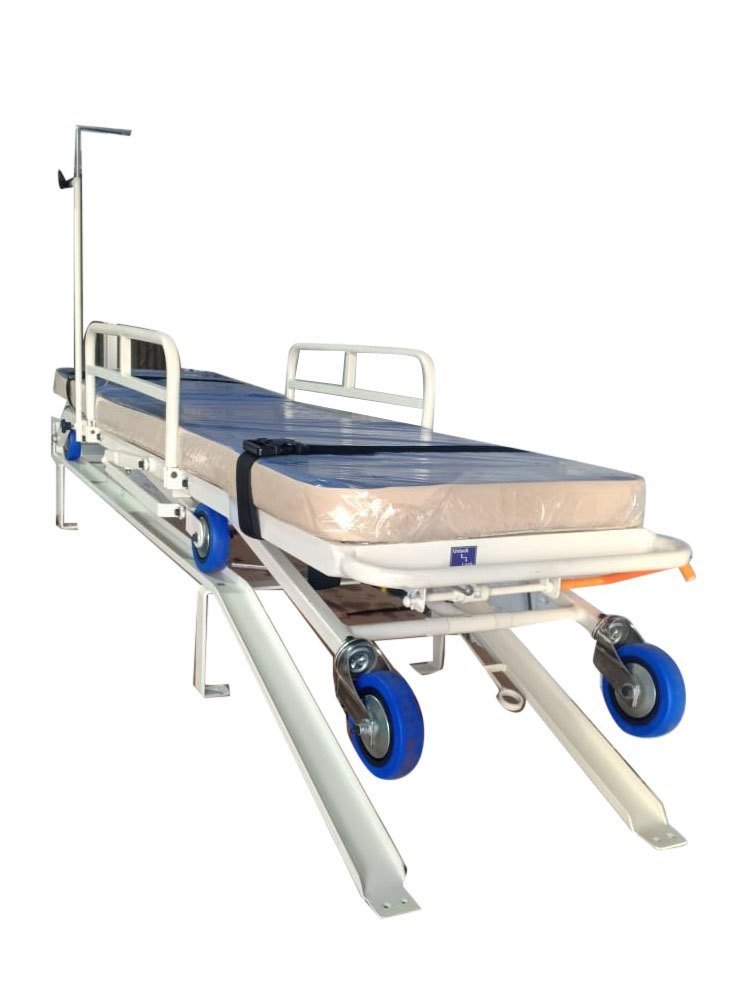
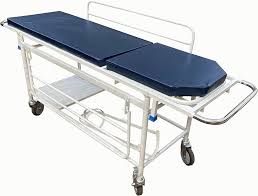
1. Hospitals: Hospital beds, stretchers, and examination tables are essential in patient care, providing comfort and support during treatment.
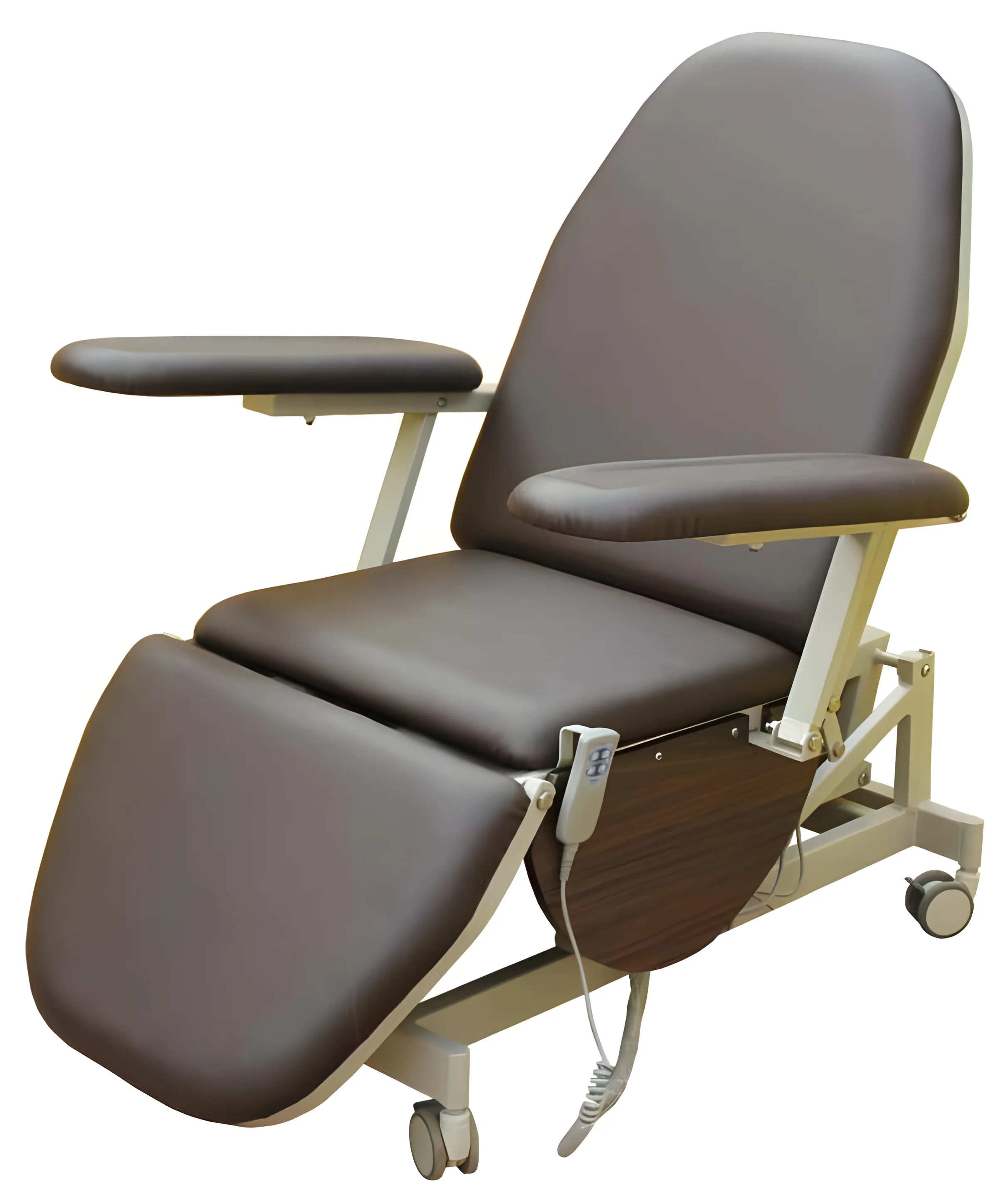
2. Clinics: Examination chairs and waiting room seating contribute to outpatient care, ensuring patients have a comfortable experience during their visits.
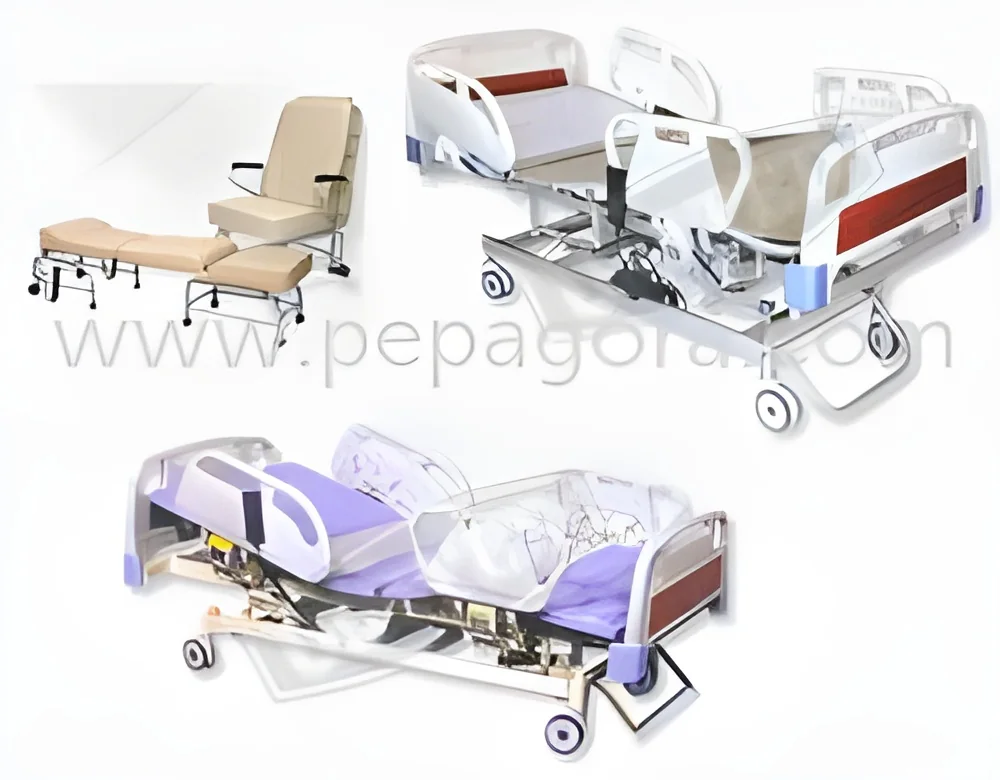
3. Nursing Homes: Specialized furniture, such as recliners and mobility aids, supports elderly patients' needs for comfort and accessibility.
4. Rehabilitation Centers: Equipment like therapy tables and exercise benches aids in the recovery process, allowing for effective physical therapy sessions.
5. Dental Offices: Dental chairs and cabinets are designed for patient comfort and to facilitate efficient dental procedures.
6. Home Healthcare: Adjustable beds and portable equipment help caregivers provide care in patients' homes.
7. Veterinary Clinics: Customized furniture for animals, including examination tables and kennels, ensures effective treatment and care for pets.
𝗣𝗿𝗼𝗱𝘂𝗰𝘁 𝗩𝗮𝗿𝗶𝗮𝗻𝘁𝘀 𝗮𝗻𝗱 𝗦𝘂𝗯𝗰𝗮𝘁𝗲𝗴𝗼𝗿𝗶𝗲𝘀
Hospital furniture encompasses a wide range of products, each designed to serve specific needs within the healthcare sector.
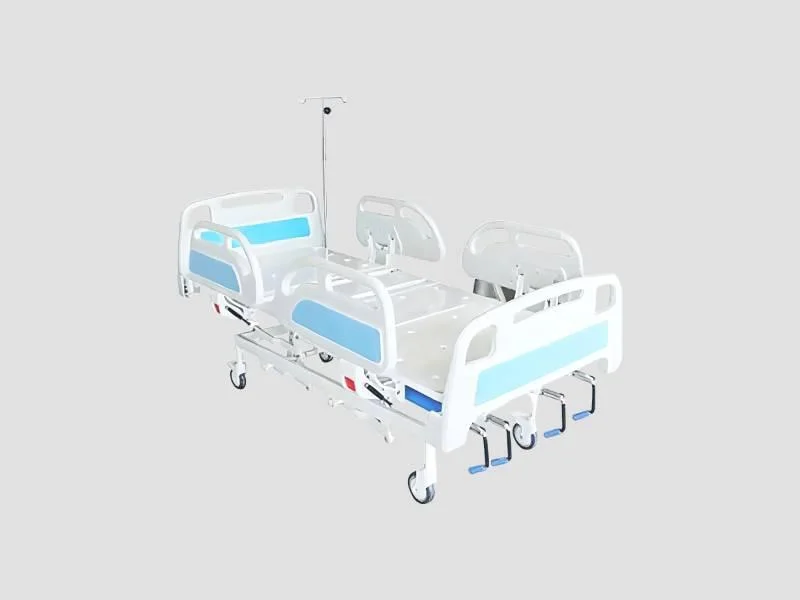
Hospital Beds
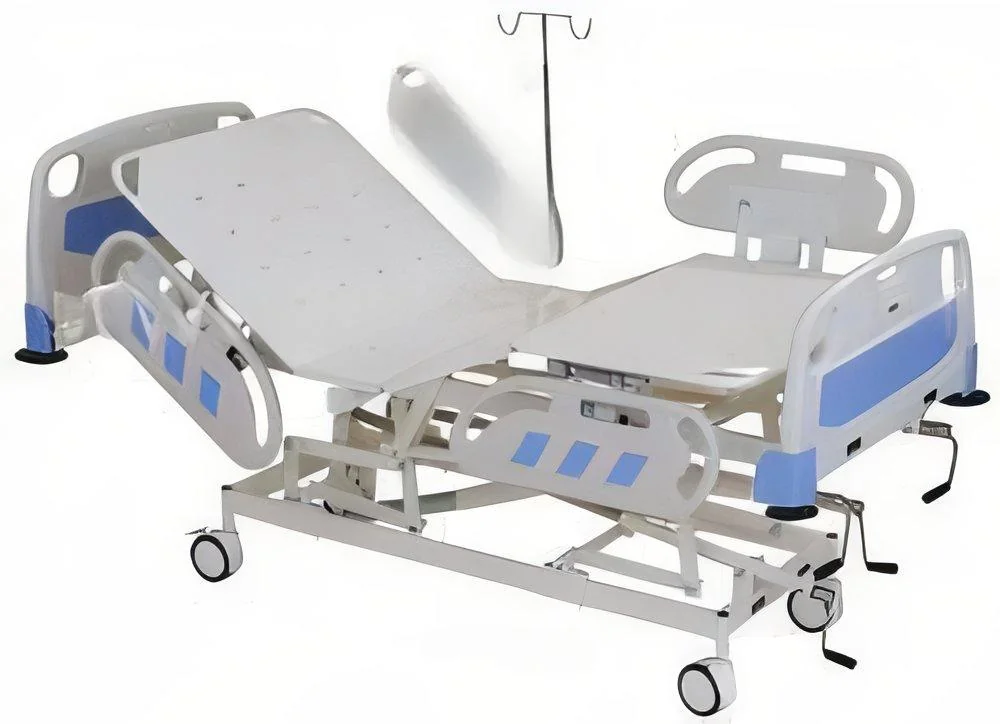
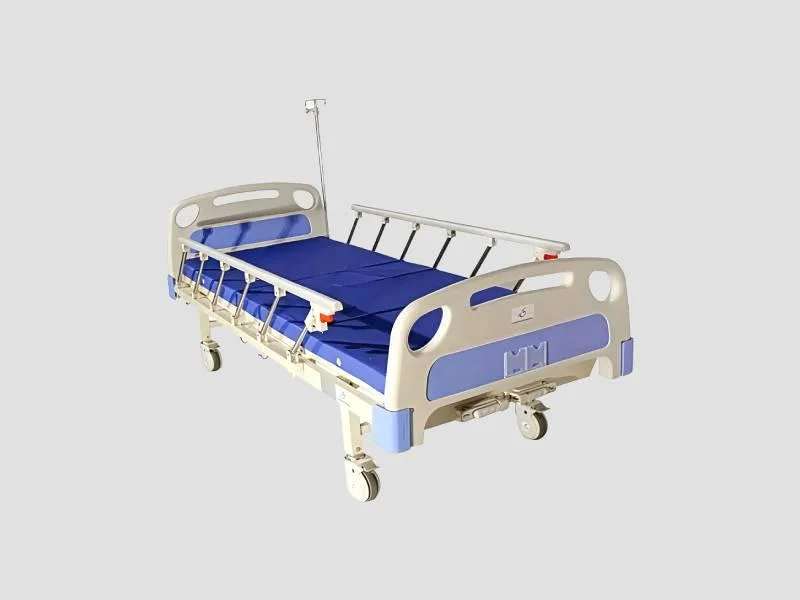
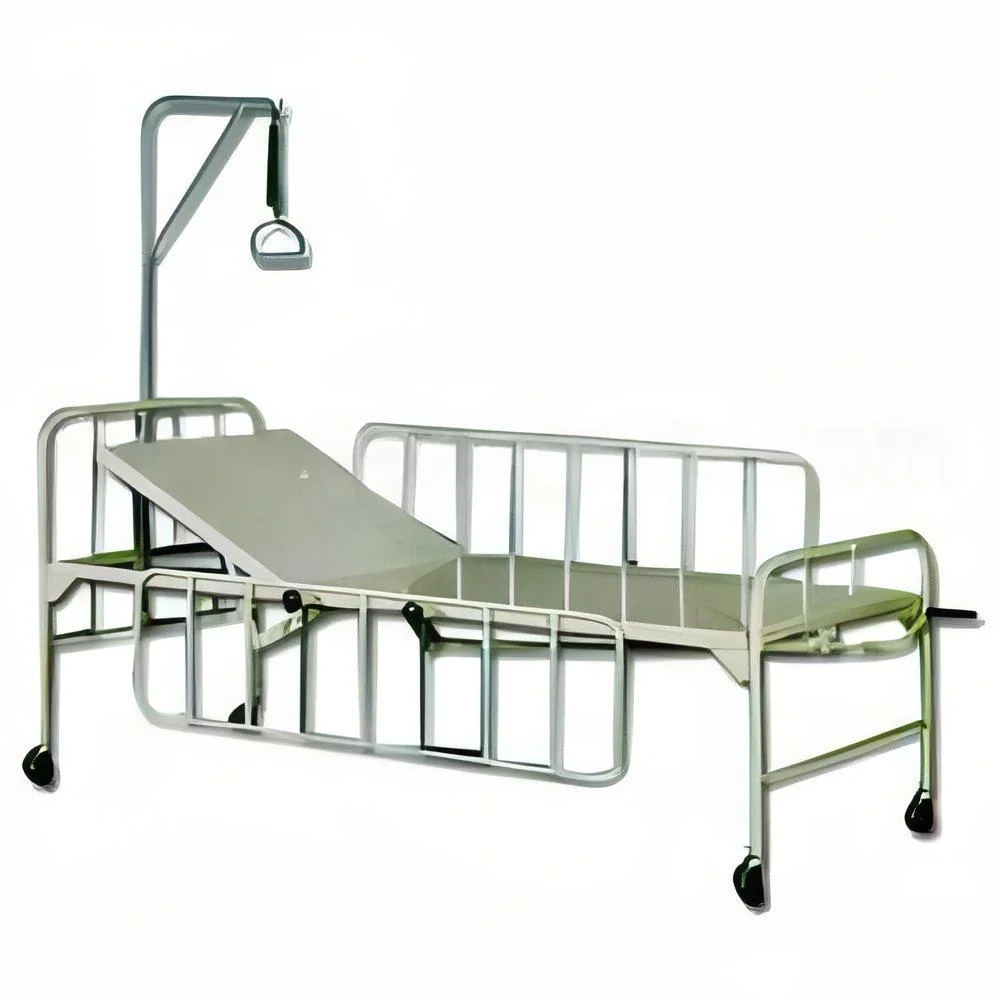
These beds are adjustable to accommodate various patient requirements. They often include features such as side rails, height adjustments, and integrated control systems for ease of use.
Examination Tables
Designed for patient assessments, these tables provide a sturdy surface that can be adjusted for height and position, ensuring comfort for both patients and medical staff.
Waiting Room Seating
Chairs and sofas for waiting areas are designed for comfort and durability, often featuring easy-to-clean materials and modular designs to fit various spaces.
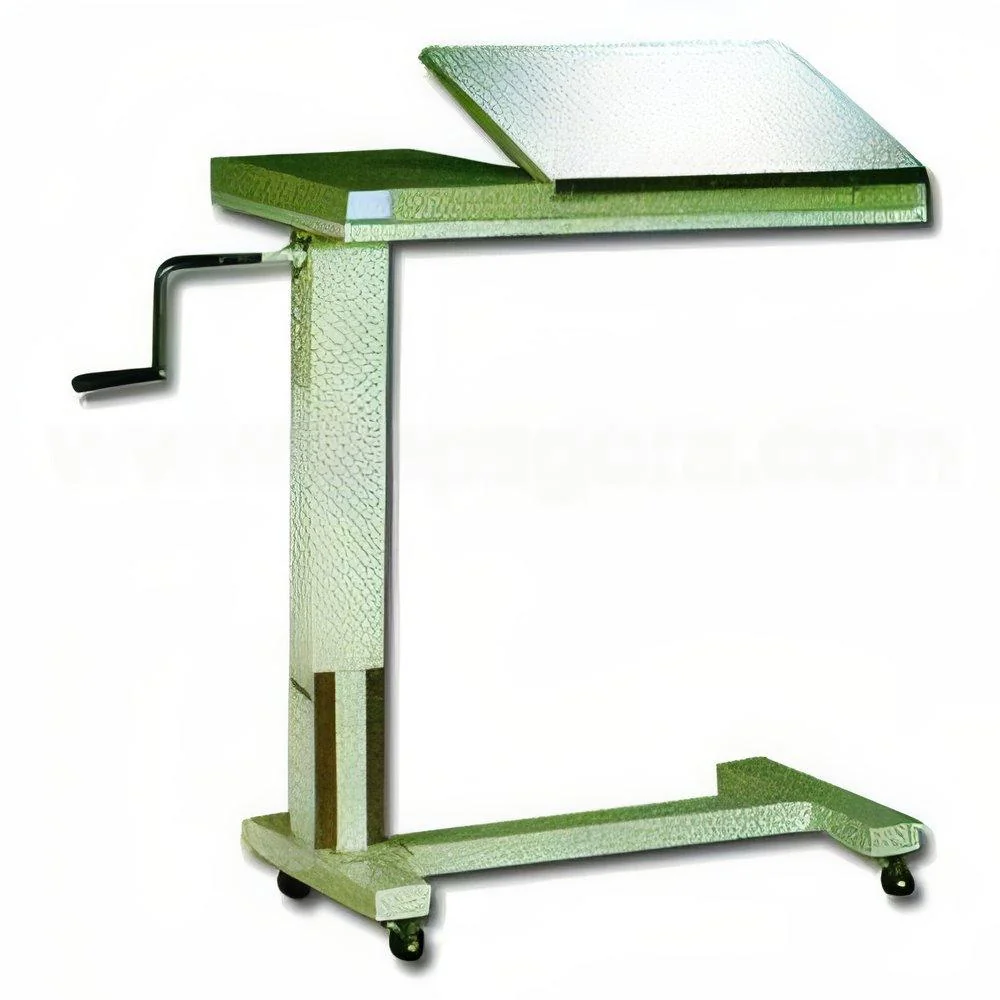
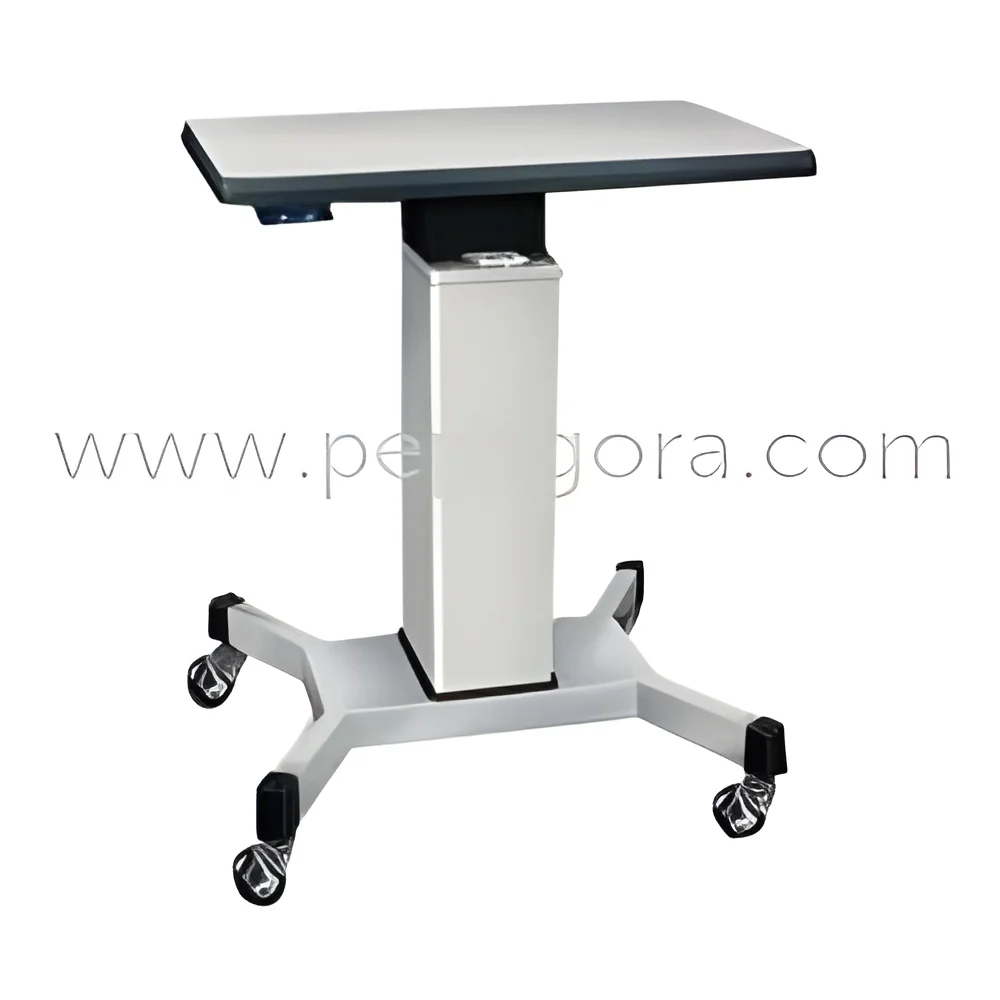
Overbed Tables
These tables provide a convenient surface for patients to eat or use personal items while in bed, often adjustable to fit different bed heights.
𝗕𝗲𝗻𝗲𝗳𝗶𝘁𝘀 𝗮𝗻𝗱 𝗔𝗱𝘃𝗮𝗻𝘁𝗮𝗴𝗲𝘀
Investing in high-quality hospital furniture offers numerous benefits that enhance both patient care and operational efficiency.
1. Improved Patient Comfort: Comfortable furniture helps patients feel at ease, which can positively impact their recovery.
2. Enhanced Workflow: Ergonomically designed furniture can streamline healthcare providers' tasks, reducing physical strain and improving efficiency.
3. Increased Durability: High-quality materials ensure longevity, reducing the need for frequent replacements and maintenance.
4. Compliance Support: Furniture that meets regulatory standards helps healthcare facilities maintain compliance and avoid legal issues.
5. Customization Flexibility: Many suppliers offer customizable options, allowing healthcare providers to tailor furniture to their specific needs.
6. Safety Features: Furniture designed with safety in mind reduces the risk of accidents or injuries in healthcare settings.
𝗕𝘂𝘆𝗶𝗻𝗴 𝗚𝘂𝗶𝗱𝗲 𝗳𝗼𝗿 𝗕𝟮𝗕 𝗕𝘂𝘆𝗲𝗿𝘀
When sourcing hospital furniture, it's essential for buyers to consider several key factors to ensure they make informed decisions.
1. Quality Assessment: Evaluate the materials and construction quality to ensure durability and longevity. Look for products that can withstand regular use and cleaning.
2. Supplier Verification: Vet suppliers to ensure they are reputable and have a track record of delivering high-quality products. Check reviews and ask for references if necessary.
3. Pricing and MOQ: Understand the pricing structure and minimum order quantities required by suppliers. Compare prices to ensure you are getting a fair deal without compromising on quality.
4. Delivery and Lead Times: Confirm lead times for delivery to ensure the furniture arrives when needed. Consider logistics and transportation options for timely arrival.
5. Compliance Requirements: Ensure that the furniture meets relevant industry standards and regulations. This includes certifications such as CE to guarantee safety and quality.
𝗖𝗼𝗺𝗽𝗹𝗶𝗮𝗻𝗰𝗲 𝗮𝗻𝗱 𝗖𝗲𝗿𝘁𝗶𝗳𝗶𝗰𝗮𝘁𝗶𝗼𝗻𝘀
Hospital furniture must adhere to various quality standards and regulations to ensure safety and effectiveness in healthcare settings.
Relevant quality standards include ISO 9001, which focuses on quality management systems and consistency in production. Compliance with HACCP principles ensures that the materials used in furniture manufacturing do not pose health risks.
Industry certifications such as CE indicate that the products meet European safety and health requirements. This certification is essential for any hospital furniture sold in European markets.
Safety and testing requirements involve rigorous assessments to ensure that the furniture can withstand the demands of a healthcare environment. This includes load testing, material safety assessments, and regular inspections.
Regional compliance considerations may vary, so it's crucial for buyers to understand local regulations that apply to hospital furniture in their specific markets.
𝗪𝗵𝘆 𝗦𝗼𝘂𝗿𝗰𝗲 𝗛𝗼𝘀𝗽𝗶𝘁𝗮𝗹 𝗙𝘂𝗿𝗻𝗶𝘁𝘂𝗿𝗲 𝗳𝗿𝗼𝗺 𝗣𝗲𝗽𝗮𝗴𝗼𝗿𝗮?
Pepagora offers a trusted platform for sourcing hospital furniture, providing several key advantages that benefit B2B buyers.
Verified Supplier Network: Pepagora connects buyers with a network of verified suppliers. This ensures that buyers can trust the quality and reliability of the products they purchase.
Streamlined RFQ Process: The platform features a streamlined Request for Quotation (RFQ) process that simplifies the procurement process. Buyers can easily request quotes from multiple suppliers, saving time and effort.
Trade Assurance and Support: Pepagora offers buyer protection through trade assurance programs, which safeguard transactions and provide support in case of issues. This increases buyer confidence in their purchases.
Regional Coverage: With a focus on regions like India, the GCC, and Southeast Asia, Pepagora provides access to local suppliers who understand the market's specific needs. This regional coverage helps buyers find solutions tailored to their geographical context.

 IN
IN