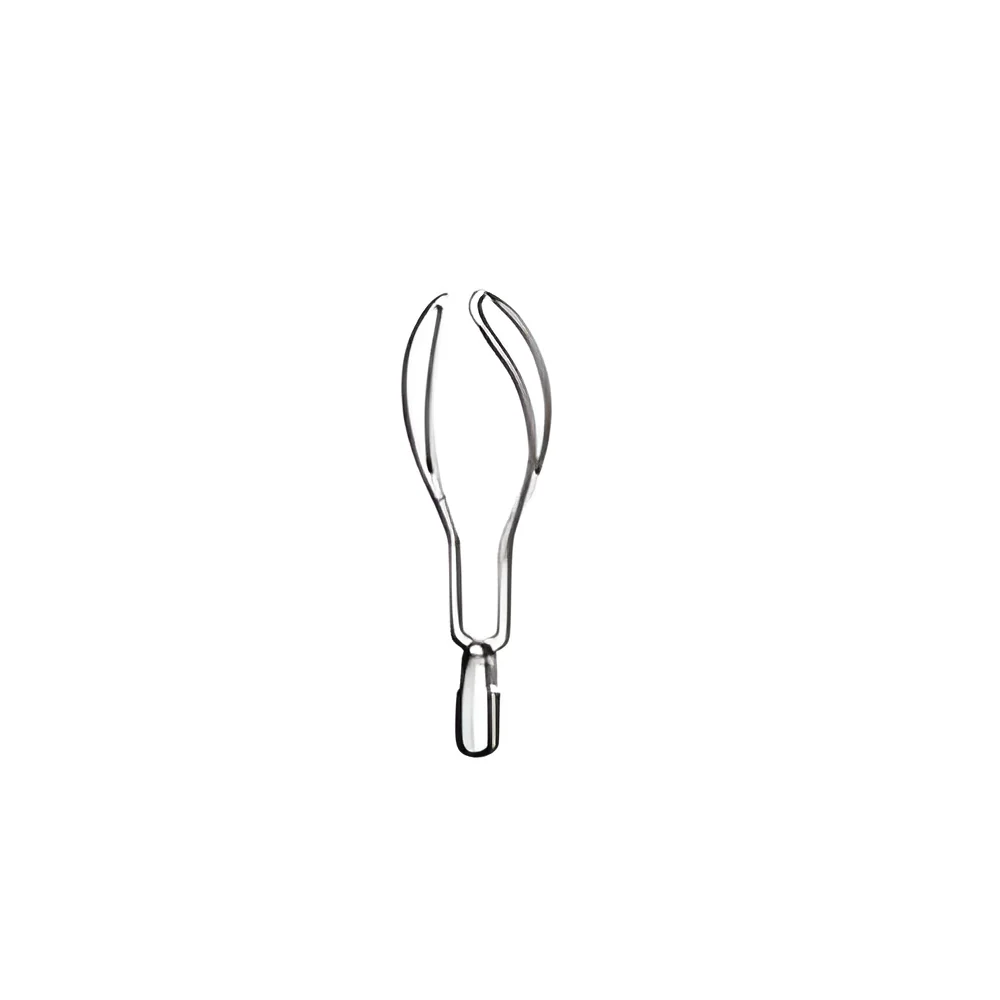
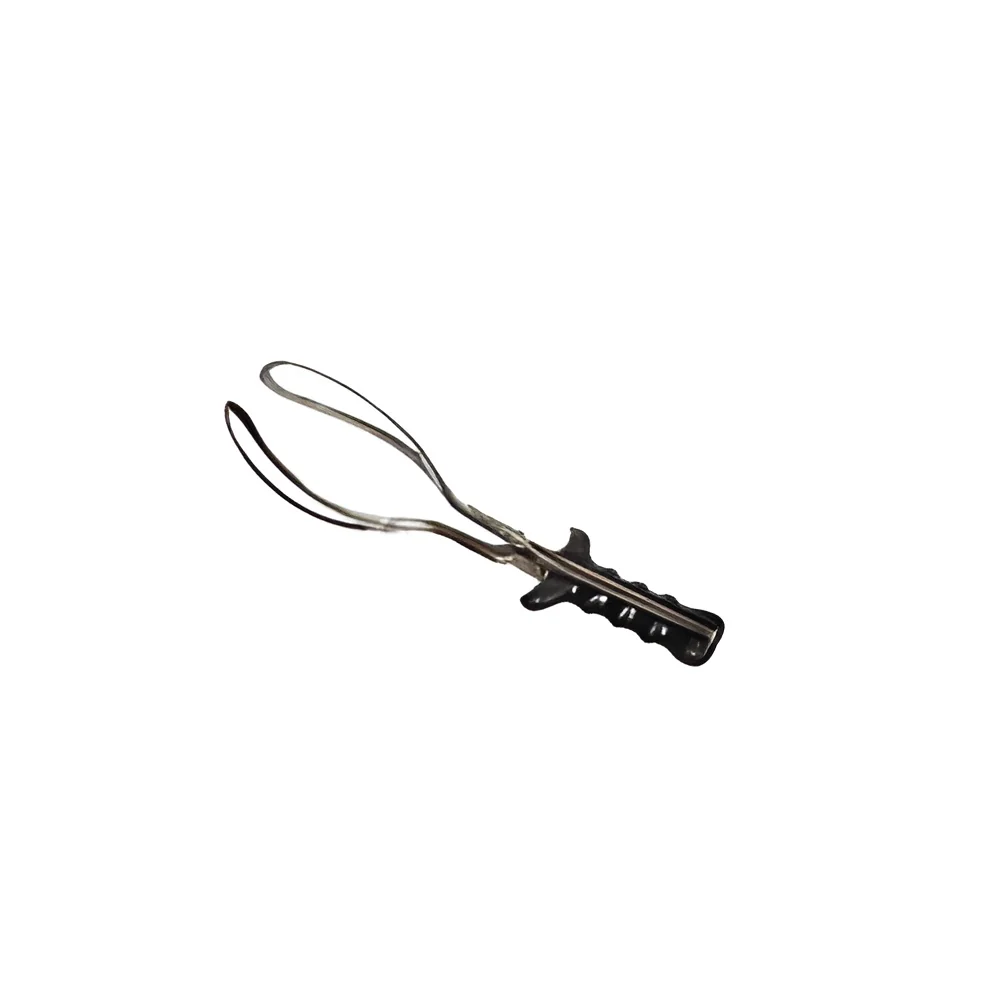
What are Delivery Beds & Obstetric Tables?
Delivery beds and obstetric tables are specialized medical furniture designed to facilitate childbirth and other obstetric procedures. These beds are equipped with various features that ensure comfort and safety for both the patient and healthcare providers. They typically have adjustable heights, backrests, and leg supports, allowing for optimal positioning during labor and delivery. The design emphasizes ease of access for medical professionals while providing a stable and secure environment for the patient.
These products are primarily used in hospitals, clinics, and birthing centers. They play a crucial role in maternity wards, where they support labor, delivery, and postpartum recovery. Their versatile design allows healthcare providers to perform examinations, monitor fetal health, and assist with various childbirth methods. The relevance of delivery beds and obstetric tables extends across the healthcare industry, as they are essential for improving maternal and infant health outcomes.
Key Features and Specifications
Delivery beds and obstetric tables come with a variety of features tailored to enhance functionality and comfort. Understanding their specifications can help healthcare facilities select the right equipment for their needs.
Key specifications include:
1. Adjustable Height
- Allows for easy access during delivery and examination.
- Typically ranges from 24 to 36 inches.
2. Backrest Angle Adjustment
- Provides comfort and support for the patient during labor.
- Angle can be adjusted from 0 to 90 degrees.
3. Leg Support Adjustment
- Facilitates different birthing positions.
- Can be positioned independently for optimal patient comfort.
4. Mattress Material
- Usually made from high-density foam for durability and comfort.
- Often covered with easy-to-clean, medical-grade vinyl.
5. Weight Capacity
- Designed to accommodate a wide range of patients.
- Common weight capacity is between 300 to 500 pounds.
6. Mobility Features
- Equipped with lockable wheels for easy transport and positioning.
- Enhances flexibility in different healthcare settings.
7. Safety Features
- Safety rails to prevent patient falls.
- Emergency release mechanisms for quick adjustments.
8. Sterilization Standards
- Surfaces designed for easy cleaning and disinfection.
- Compliant with infection control protocols.
In summary, delivery beds and obstetric tables are critical investments for healthcare providers, offering essential features that enhance patient care and safety.
Common Applications and Use Cases
Delivery beds and obstetric tables are utilized in various healthcare settings, each serving unique applications.
1. Hospitals: These beds are standard in labor and delivery units, providing a safe and adjustable environment for childbirth.
2. Birthing Centers: Often preferred for their comfort and functionality, these tables support natural birthing practices and patient-centered care.
3. Clinics: Smaller healthcare facilities utilize delivery beds for prenatal check-ups and minor obstetric procedures, ensuring convenience for both patients and providers.
4. Home Birth Services: Some midwives use portable obstetric tables to provide a safe and comfortable setting for home deliveries.
5. Medical Training Institutions: Used in training programs for medical students and healthcare professionals to practice delivery techniques.
6. Emergency Medical Services: Equipped vehicles may include delivery tables for transporting pregnant patients in critical situations.
7. Research Facilities: Used in studies related to maternal health, offering a controlled environment for clinical trials.
Product Variants and Subcategories
The diversity of delivery beds and obstetric tables allows healthcare facilities to choose models that suit their specific needs.
Standard Delivery Beds: These beds typically offer basic functionalities such as height adjustment and backrest positioning. They are ideal for hospitals and clinics focused on cost-effective solutions.
Premium Obstetric Tables: Designed with advanced features, including electronic adjustments and built-in monitoring systems. These tables are suitable for facilities that prioritize technology and patient comfort.
Specialty Delivery Beds: Tailored for specific medical conditions or patient needs, these beds may include additional support systems for high-risk pregnancies or unique birthing methods.
Customizable Options: Some manufacturers offer customizable delivery beds to meet specific needs, such as unique color schemes or additional safety features.
Benefits and Advantages
Investing in quality delivery beds and obstetric tables provides numerous benefits for healthcare facilities.
1. Enhanced Patient Comfort: Adjustable features ensure patients are comfortable during labor, contributing to a positive birth experience.
2. Improved Safety: Safety features like rails and emergency adjustments minimize risks during delivery, protecting both patients and staff.
3. Increased Efficiency: Mobility and easy adjustments allow healthcare providers to respond quickly to changing situations during labor and delivery.
4. Versatility: These tables can accommodate various birthing positions and procedures, making them suitable for a range of applications.
5. Compliance with Standards: High-quality delivery beds adhere to medical regulations, ensuring safety and reliability in clinical environments.
6. Cost-Effective Solutions: Durable materials and designs reduce maintenance and replacement costs over time, providing long-term value.
Buying Guide for B2B Buyers
When sourcing delivery beds and obstetric tables, it is essential for businesses to consider several key factors.
1. Quality Assessment: Ensure that the beds meet necessary safety and comfort standards. Look for established manufacturers with a reputation for durable, high-quality products.
2. Supplier Verification: Vet potential suppliers by checking their certifications and customer reviews. A reliable supplier should provide evidence of compliance with industry standards.
3. Pricing and MOQ: Understand the pricing structure and minimum order quantities. Compare costs among different suppliers to ensure competitive pricing without compromising quality.
4. Delivery and Lead Times: Inquire about the logistics involved in shipping and installation. Timely delivery is crucial for meeting operational needs.
5. Compliance Requirements: Be aware of local and regional regulations that may affect the purchase and use of medical furniture. Compliance with health standards is essential for safety.
Compliance and Certifications
Delivery beds and obstetric tables must adhere to various quality standards to ensure safety and effectiveness in healthcare settings. ISO 9001 is a key quality management standard that many manufacturers follow, ensuring consistent quality in production processes. Additionally, compliance with CE marking indicates that the products meet European health, safety, and environmental protection standards.
Safety and testing requirements are critical in the medical field. Delivery beds should undergo rigorous testing to ensure they can withstand the demands of a healthcare environment. It is essential for manufacturers to demonstrate compliance with these standards to assure healthcare providers of the safety and reliability of their products.
Regional compliance considerations may vary. Buyers should familiarize themselves with specific regulations in their area to ensure that the equipment meets all necessary legal and safety requirements.
Why Source Delivery Beds & Obstetric Tables from Pepagora?
Pepagora offers a trusted platform for sourcing delivery beds and obstetric tables, making the procurement process simple and efficient.
Verified Supplier Network: Pepagora connects buyers with a network of verified suppliers, ensuring that all products meet high-quality standards. This network is essential for buyers seeking reliable equipment for their healthcare facilities.
Streamlined RFQ Process: The straightforward request for quotation process allows buyers to receive competitive pricing from multiple suppliers. This efficiency saves time and ensures informed purchasing decisions.
Trade Assurance and Support: Pepagora provides trade assurance, protecting buyers in their transactions. This support includes assistance with order issues and guarantees a secure purchasing experience.
Regional Coverage: With a strong presence in India, the GCC, and Southeast Asia, Pepagora caters to a wide range of buyers, ensuring that healthcare facilities across these regions can find the products they need efficiently.

 IN
IN